Nagapattinam Pachai Mochai Kootu: Tamil Usulü Bakla Yemeği
(Nagapattinam Pachai Mochai Kootu: Tamil Style Bean Curry)
(0 Yorumlar)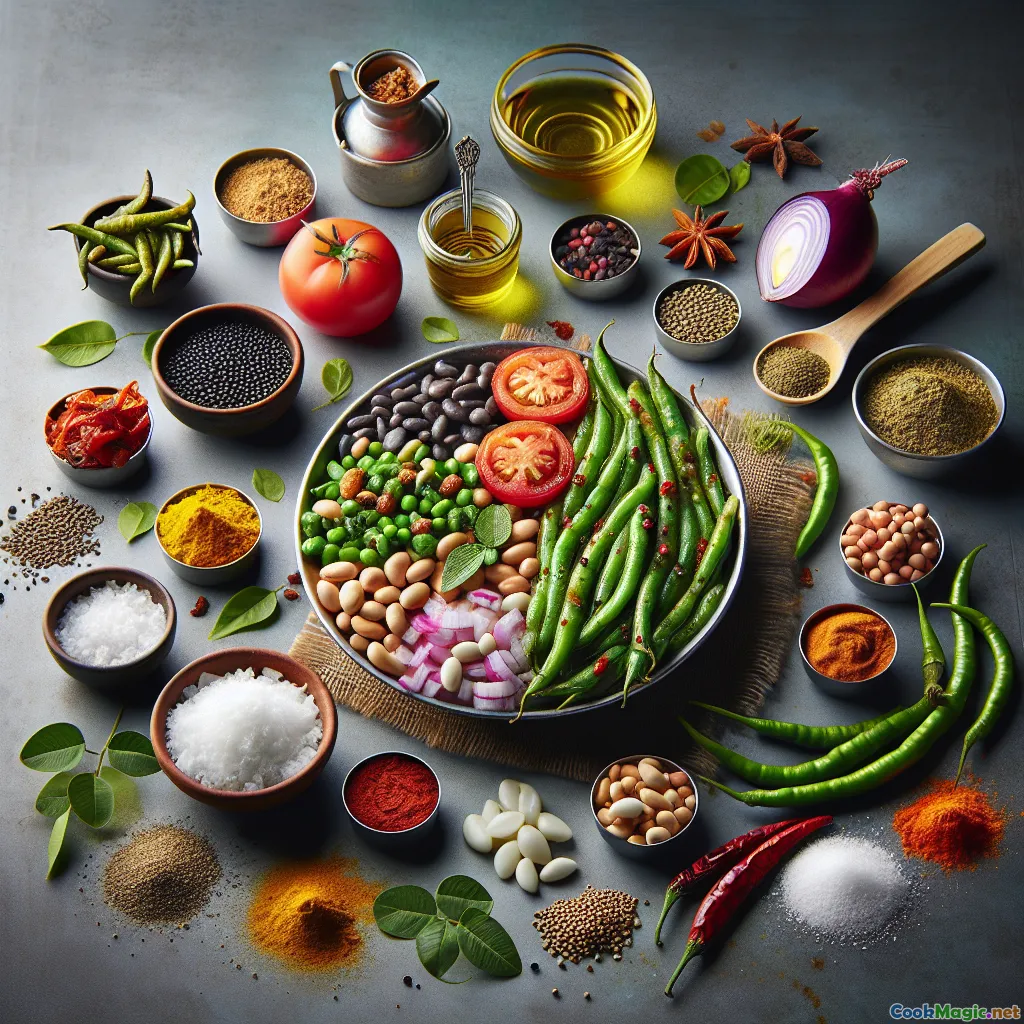
0
999
Temmuz 19, 2025
Bir Sorun Bildir
Malzemeler
-
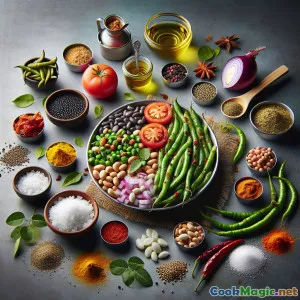
250 grams Taze tarlabaşı fasulyesi (pachai mochai)
(Taze veya dondurulmuş fasulye kullanın; kuru fasulyeler bir gece boyunca suda bekletilmelidir.)
-
50 grams Rendelenmiş Hindistan Cevizi
(Taze olanlar otantik lezzet için tercih edilir.)
-
2 tbsp Chana dal (kırık Bengal nohut)
(Kalınlık ve doku sağlar.)
-
1 tsp Kimyon Tohumları
-
2 pieces Taze yeşil biberler
(Baharat tercihinize göre ayarlayın.)
-
0.5 tsp Zerdeçal Tozu
-
1 medium Soğan
(İnce doğranmış.)
-
1 medium Domates
(Kaba doğranmış)
-
1 tsp Tuz
(Tadı ayarlayın.)
-
500 ml Su
(Fasulyeleri ve kootu pişirmek için.)
-
2 tbsp Yağ (tercihen hindistan cevizi veya ayçiçek yağı)
-
1 tsp Hardal tohumları
(Temperleme için.)
-
1 tsp Urad dal (kırık siyah mercimek)
(Temperleme için.)
-
1 piece Kuru kırmızı biber
(Kırık, temperleme için.)
-
1 sprig Köri yaprakları
(Taze, temperleme için.)
-
0.25 tsp Hing (Asafoetida)
(Bir tutam; lezzeti artırır.)
-
2 tbsp Taze kişniş yaprakları
(İnce doğranmış; süsleme için.)
(Taze veya dondurulmuş fasulye kullanın; kuru fasulyeler bir gece boyunca suda bekletilmelidir.)
(Taze olanlar otantik lezzet için tercih edilir.)
(Kalınlık ve doku sağlar.)
(Baharat tercihinize göre ayarlayın.)
(İnce doğranmış.)
(Kaba doğranmış)
(Tadı ayarlayın.)
(Fasulyeleri ve kootu pişirmek için.)
(Temperleme için.)
(Temperleme için.)
(Kırık, temperleme için.)
(Taze, temperleme için.)
(Bir tutam; lezzeti artırır.)
(İnce doğranmış; süsleme için.)
Besin Değerleri
- Porsiyon: 4
- Porsiyon Boyutu: 1 kâse (250g)
- Calories: 195 kcal
- Carbohydrates: 27 g
- Protein: 9 g
- Fat: 7 g
- Fiber: 8 g
- Sugar: 6 g
- Sodium: 650 mg
- Cholesterol: 0 mg
- Calcium: 65 mg
- Iron: 3 mg
Talimatlar
-
1 - Fasulyelerin Hazırlanması:
Yeşil mung fasulyesini yıkayın; kuru olanları kullanıyorsanız gece boyunca ıslatın ve sadece yumuşayıncaya kadar kaynatın. Süzün ve kenara koyun.
-
2 - Hindistancevizi masala macunu yapımı:
Hindistan cevizi rendesi, chana dal, yeşil biber ve kim tohumlarını az miktarda su ile püre haline getir.
-
3 - Sebzeleri sotelemek:
Bir tavada 1 yemek kaşığı yağı ısıtın. Doğranmış soğanları ekleyin ve saydamlaşana kadar kavurun. Sonra domatesleri, zerdeçalı ekleyin ve yumuşayıncaya kadar pişirin.
-
4 - Kootu'yu kısık ateşte pişirmek:
Pişmiş fasulyeyi, hindistan cevizi masala macunu, tuzu ve yaklaşık 400 ml suyu ekleyin. Karıştırın ve kapaksız olarak 10–12 dakika boyunca kısık ateşte pişirin, kıvam alıncaya kadar.
-
5 - Aromatikleri sotelemek:
Kalan yağı küçük bir tadka tavasında ısıt. Hardal tohumu ekle; çatırdadı mı, urad dal, kırmızı biber, köri yaprakları ve asafoetida ekle. Kısa süre kavur.
-
6 - Son Dokunuşlar:
Kaynamakta olan kootunun üzerine baharatlı yağını dökün. İyice karıştırın, 2 dakika pişirin ve kullanıyorsanız taze kişniş yapraklarıyla süsleyin.
-
7 - Servis yapmak:
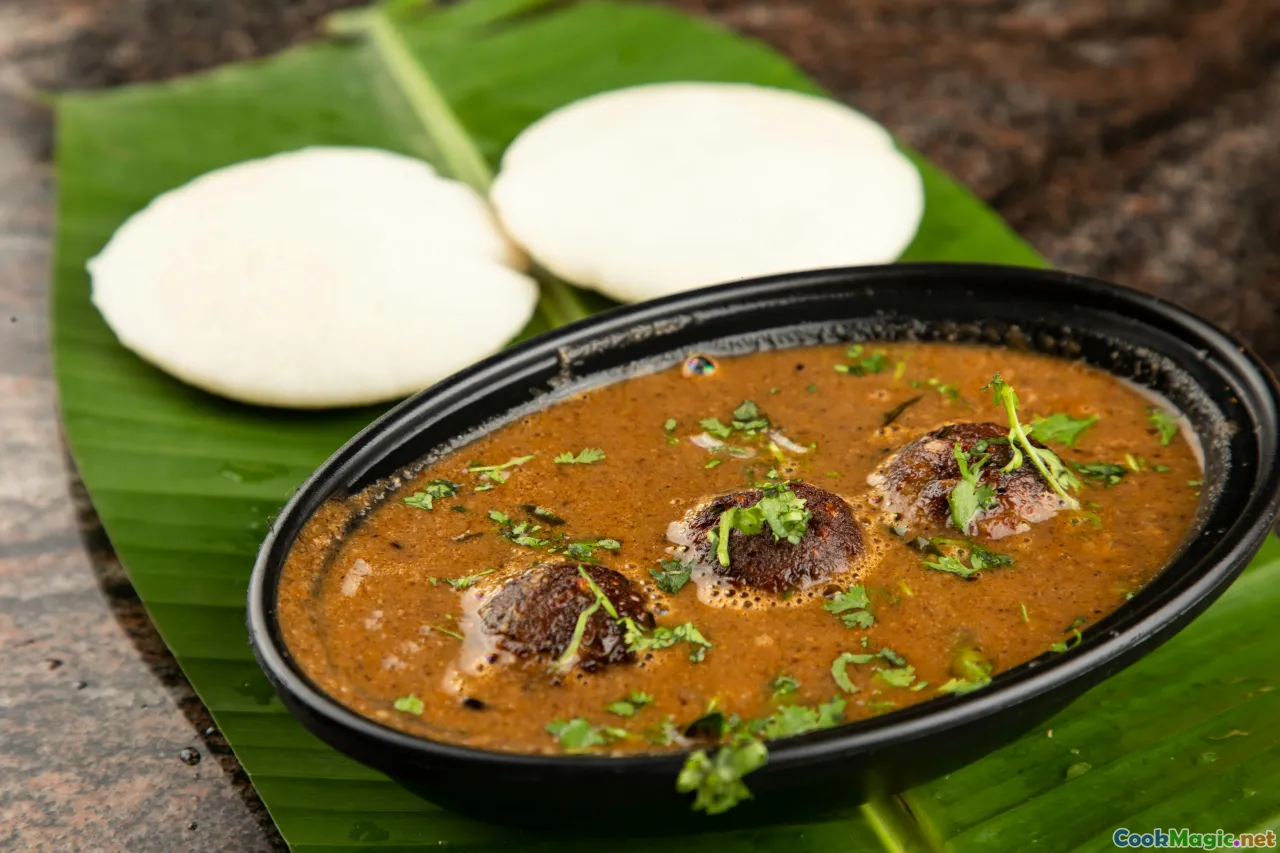
Buharda pişirilmiş pirinç veya roti ile birlikte, turşu veya kızarmış papad ile servis edin.
Yeşil mung fasulyesini yıkayın; kuru olanları kullanıyorsanız gece boyunca ıslatın ve sadece yumuşayıncaya kadar kaynatın. Süzün ve kenara koyun.
Hindistan cevizi rendesi, chana dal, yeşil biber ve kim tohumlarını az miktarda su ile püre haline getir.
Bir tavada 1 yemek kaşığı yağı ısıtın. Doğranmış soğanları ekleyin ve saydamlaşana kadar kavurun. Sonra domatesleri, zerdeçalı ekleyin ve yumuşayıncaya kadar pişirin.
Pişmiş fasulyeyi, hindistan cevizi masala macunu, tuzu ve yaklaşık 400 ml suyu ekleyin. Karıştırın ve kapaksız olarak 10–12 dakika boyunca kısık ateşte pişirin, kıvam alıncaya kadar.
Kalan yağı küçük bir tadka tavasında ısıt. Hardal tohumu ekle; çatırdadı mı, urad dal, kırmızı biber, köri yaprakları ve asafoetida ekle. Kısa süre kavur.
Kaynamakta olan kootunun üzerine baharatlı yağını dökün. İyice karıştırın, 2 dakika pişirin ve kullanıyorsanız taze kişniş yapraklarıyla süsleyin.
Buharda pişirilmiş pirinç veya roti ile birlikte, turşu veya kızarmış papad ile servis edin.
Nagapattinam Pachai Mochai Kootu: Tamil Usulü Bakla Yemeği :Hakkında Daha Fazlası
Nagapattinam Pachai Mochai Kootu: A South Indian Bean Classic
A Taste of Tamil Nadu's Coastal Flavor
Nagapattinam is one of Tamil Nadu's most picturesque coastal districts, famous for its vibrant lagoons, bustling fishing villages, and above all, for its soul-warming cuisine. Among the reds and yellows of its diverse curries, 'kootu'—a thick, subtly spiced legume and vegetable stew—holds a place of honor at every table. The version crafted here, Nagapattinam Pachai Mochai Kootu, features 'pachai mochai', or fresh field beans, slowly simmered in a coconut-chili-grain base for an authentically coastal, plant-forward experience.
Growing Up With Kootu
In Tamil homes, kootu is about nostalgia—a dish mothers whip up with whatever legumes and local produce is at hand. Pachai mochai, a winter season bean in the fertile Delta, is celebrated each year, featuring in feasts and weekend lunches throughout Nagapattinam. This kootu is meant for sharing, spread over rice with crunchy papad and sharp mango achaar. Each bowl marks not just nourishment but community.
Regional Touches and Unique Qualities
What sets this recipe apart from other kootus is Nagapattinam's proximity to the Bay of Bengal. Here, coconut finds its rightful place both in masala base and tempering. Field beans (mochai) bestow the dish with substance and a mild earthiness; grinding them with fresh coconut, chana dal, tropical chilies and cumin builds a sweet-spicy, deeply creamy backbone. The finishing temper of mustard seeds, urad dal, curry leaves, and a hint of asafoetida hints at the coast’s love of aromatics and brings the entire house to the table in anticipation.
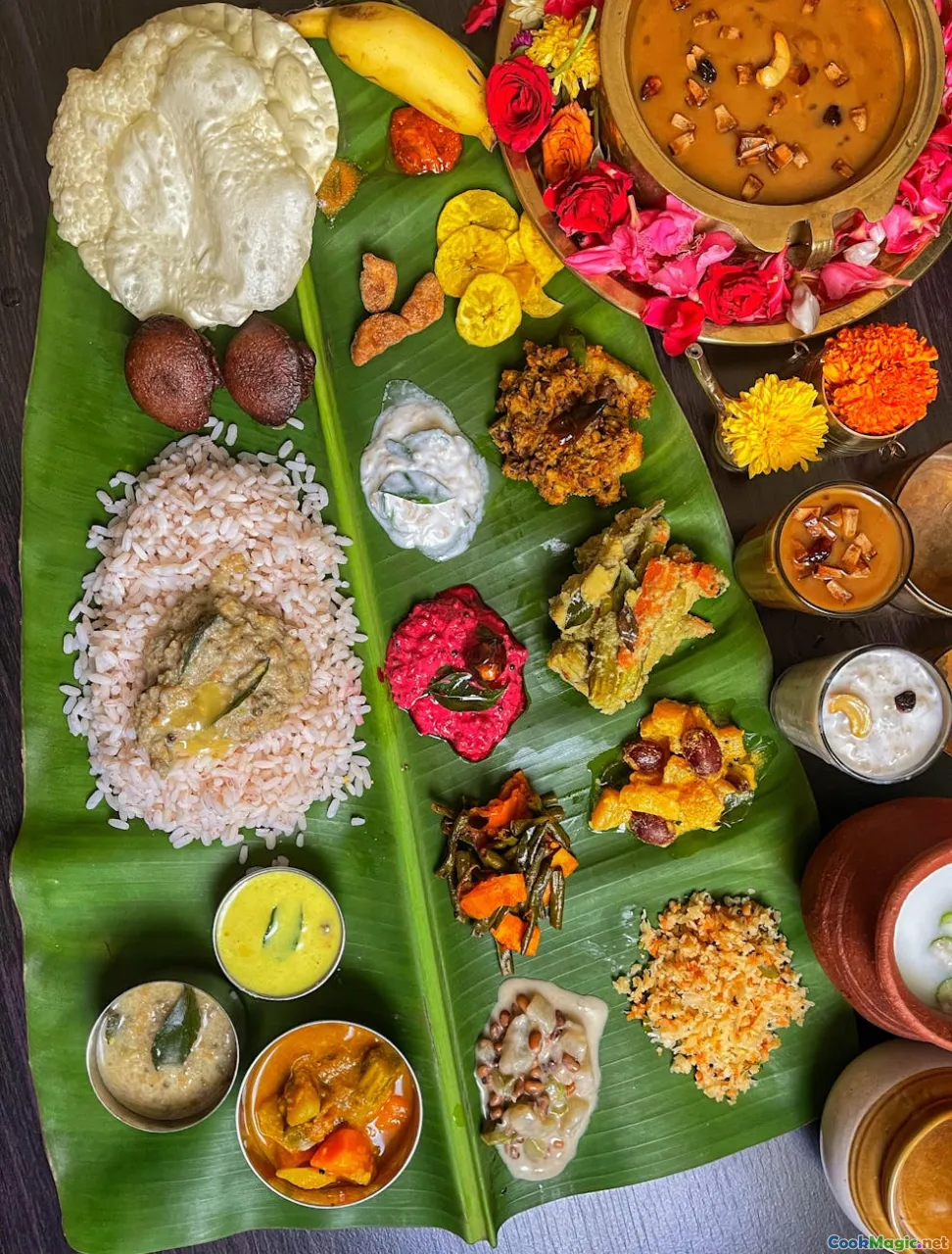
Unlike many rich lentil curries from northern India, kootu is refreshingly light in oil but full in flavor, and easy to veganize. Vital and everyday, a good kootu lies at the heart of 'thali' lunch, perfectly completing 'sambar, poriyal, rasam, and rice'.
Tips for the Perfect Mochai Kootu
- Bean Selection: If you can access fresh green mochai, use them! When unavailable, frozen podded mochai or even dried ones (presoaked overnight) are acceptable alternatives.
- Coconut Paste: Use freshly grated coconut for that sweet creaminess; desiccated can be substituted in off-seasons but pulses of hot water in the blender are essential for richness.
- Spice Balance: Adjust green and dried red chilies to heat preference. Omit for a children’s version or dial up for festive intensity.
- Texture: Don’t excessively mash the beans—soft but whole beans create the best kootu mouthfeel.
- Serving Suggestion: Classic comfort demands hot steamed rice, crunchy appalam (papadum), or fluffy idli/dosa for dinner leftovers. Kootu also pairs well as part of a multi-course Indian thali meal.
Nutritional Insight
Field beans are highly scoring on plant-based protein and fiber, coconut delivers natural fats (free from cholesterol), and the moderate use of oil keeps overall calories friendly even as flavor excels. In Indian cuisine, such dishes form the foundation of sustainable, daily eating.
Stories and Cultural Context
In Nagapattinam, community ties are woven tight. Festival feasts almost always include kootu, as it's filling and adaptive to whatever crops are in literally every local garden during the bean season. It is just as likely to star in a child’s school lunchbox as at a countryside temple annadhanam (community meal). Grandmothers here use family-guarded spice and coconut blends, sometimes adding tiny cubes of aubergine or pumpkin to spread the bounty.
Personal Reflection
What I love about this dish is nearly everything: from its clear ingredient list to its comfort-any-season warmth on the palate. It exemplifies Tamil cooking values—simplicity, seasonality, and extract-the-maximum-from-the-minimum creativity. It’s tasty nourishment embracing mindful spices, gentle on the gut, and gloriously compatible with India’s monsoon climate. The aroma of tempering drifted across courtyards is happiness in itself.
Enjoy your bowl of Nagapattinam Pachai Mochai Kootu—an edible diary of Tamil Nadu’s rural generosity.