İngiliz Usulü Doyurucu Lagman ve Kendi Elleriyle Çekilmiş Erişte
(Hearty English-Style Lagman with Lamb and Hand-pulled Noodles)
(0 Yorumlar)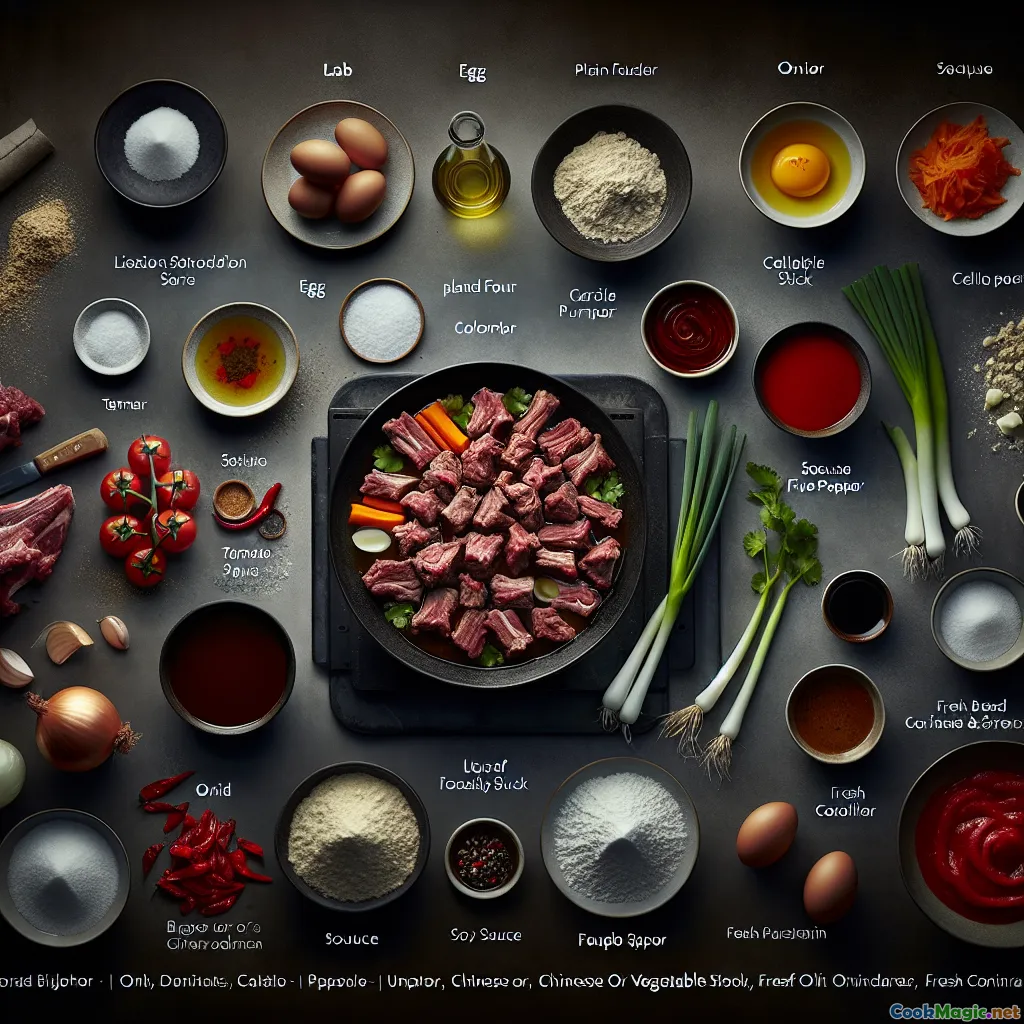
0
1,333
Temmuz 15, 2025
Bir Sorun Bildir
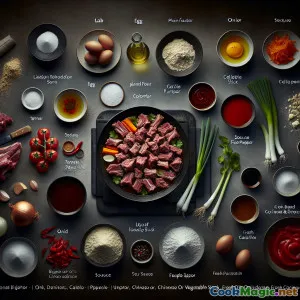
Malzemeler
-
400 grams Kuzu omzu
(2cm küpler halinde doğrayın; dana eti yerine başka bir et kullanılabilir)
-
300 grams beyaz un
(Erişte için; ekmek unu da işe yarar)
-
1 large Yumurta
(Erişteleri zenginleştirmek)
-
120 ml Su
(Noodle için gerekirse ayarla, çorba için ekle)
-
2 tsp Tuz
(Bölünmüş, erişte ve baharatlar için)
-
1 large Soğan
(İnce doğranmış)
-
3 cloves Sarımsak
(Kıyılmış)
-
1 medium Havuç
(Küp küp doğranmış)
-
1 whole Kereviz sapı
(İnce doğranmış)
-
1 medium Kırmızı biber
(Küp küp doğranmış)
-
2 tbsp Domates püresi
(Derinlik ve renk için)
-
1 tbsp Soya sosu
(Umami için)
-
0.5 tsp Çin beş baharatı
(İpek Yolu baharatlarına selam duruş)
-
2 tbsp Bitkisel yağ
(Kızartmak ve sotelemek için)
-
1 liter Sığır veya sebze suyu
(Ev yapımı tercih edilen)
-
1 small bunch Taze Kişniş
(Doğranmış, süslemek için)
-
2 whole Yeşil soğan
(Süsleme için doğranmış)
(2cm küpler halinde doğrayın; dana eti yerine başka bir et kullanılabilir)
(Erişte için; ekmek unu da işe yarar)
(Erişteleri zenginleştirmek)
(Noodle için gerekirse ayarla, çorba için ekle)
(Bölünmüş, erişte ve baharatlar için)
(İnce doğranmış)
(Kıyılmış)
(Küp küp doğranmış)
(İnce doğranmış)
(Küp küp doğranmış)
(Derinlik ve renk için)
(Umami için)
(İpek Yolu baharatlarına selam duruş)
(Kızartmak ve sotelemek için)
(Ev yapımı tercih edilen)
(Doğranmış, süslemek için)
(Süsleme için doğranmış)
Besin Değerleri
- Porsiyon: 4
- Porsiyon Boyutu: Derin kase (400g)
- Calories: 670 kcal
- Carbohydrates: 0 g
- Protein: 29 g
- Fat: 27 g
- Fiber: 6 g
- Sugar: 8 g
- Sodium: 1450 mg
- Cholesterol: 75 mg
- Calcium: 86 mg
- Iron: 4.2 mg
Talimatlar
-
1 - Eliyle Çekilen Erişte Hamurunu Hazırlama:
Büyük bir kasede unu, 1 tatlı kaşığı tuz ve yumurtayı (kullanıyorsanız) karıştırın. Yavaş yavaş su ekleyerek sert ama hafif elastik bir hamur elde edin. Yaklaşık 10 dakika yoğurun, pürüzsüz hale gelsin. Streç filmle örtün ve 30 dakika dinlenmeye bırakın.
-
2 - Koyunu pişirin ve çorba tabanını hazırlayın:
Bu sırada, ağır tabanlı bir tencerede bitkisel yağı ısıtın. Kuşbaşı koyun etini ekleyin; tüm yüzeyleri kahverengileşene kadar kızartın. Soğan ve sarımsağı ekleyin; yumuşayana kadar soteleyin. Havuç, kereviz ve kırmızı dolmalık biberi ekleyin, yaklaşık 3-4 dakika daha pişirin.
-
3 - Domates ve baharat ekle:
Domates püresi, soya sosu, beş baharat (kullanıyorsanız) ve 1 çay kaşığı tuz ekleyin. Hafifçe karamelize olana kadar pişirin.
-
4 - Çorbayı kaynatın:
Sıvı stoğu ekleyin, kaynamaya bırakın, sonra kısık ateşte hafifçe kaynamaya devam etmesini sağlayın. Üstünü kapatın ve çorbayı 40 dakika pişirin, kuzu eti yumuşayana ve lezzetler birbirine karışana kadar. Gerekirse yağı alın.
-
5 - Eriş ve Makarnayı Pişir:
Çorba kaynarken, hamuru dört küçük topa ayırın. Yağlanmış ellerinizle, her birini uzun bir ip haline getirin. Yavaş yavaş, zıplatıp hafifçe çekerek gerin, sonra kaynayan tuzlu su dolu bir tencereye bırakın. 3-4 dakika pişirin, noodlelar yüzeye çıkana kadar; süzün, kısa bir süre soğuk suyla durulayın ve kenara alın.
-
6 - Sunumu Yapın ve Servis Edin:
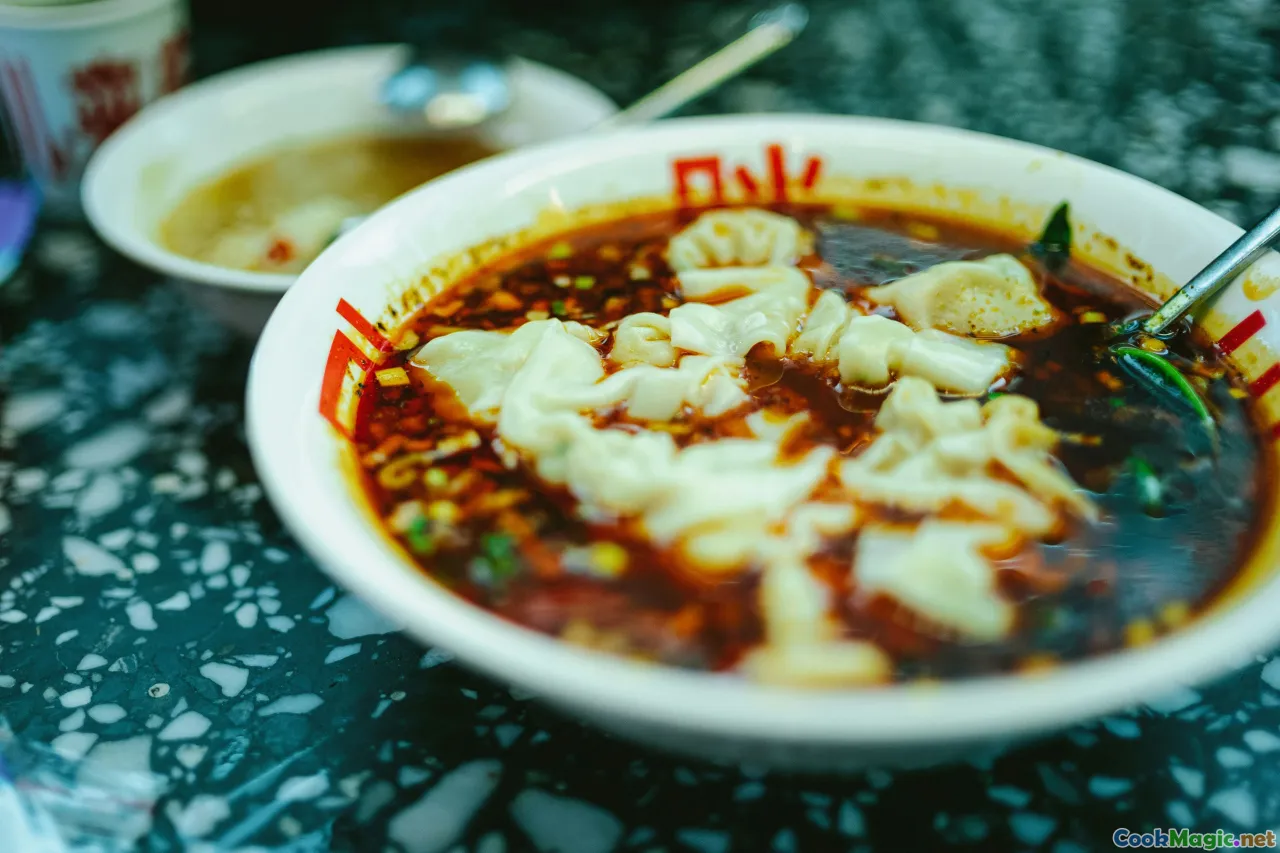
Pişmiş erişteleri derin kaselere bölüştürün. Üzerine bolca büyük parçalar halinde sebzelerle sıcak kuzu çorbası dökün. Üzerini doğranmış kişniş ve taze soğanla süsleyin.
Büyük bir kasede unu, 1 tatlı kaşığı tuz ve yumurtayı (kullanıyorsanız) karıştırın. Yavaş yavaş su ekleyerek sert ama hafif elastik bir hamur elde edin. Yaklaşık 10 dakika yoğurun, pürüzsüz hale gelsin. Streç filmle örtün ve 30 dakika dinlenmeye bırakın.
Bu sırada, ağır tabanlı bir tencerede bitkisel yağı ısıtın. Kuşbaşı koyun etini ekleyin; tüm yüzeyleri kahverengileşene kadar kızartın. Soğan ve sarımsağı ekleyin; yumuşayana kadar soteleyin. Havuç, kereviz ve kırmızı dolmalık biberi ekleyin, yaklaşık 3-4 dakika daha pişirin.
Domates püresi, soya sosu, beş baharat (kullanıyorsanız) ve 1 çay kaşığı tuz ekleyin. Hafifçe karamelize olana kadar pişirin.
Sıvı stoğu ekleyin, kaynamaya bırakın, sonra kısık ateşte hafifçe kaynamaya devam etmesini sağlayın. Üstünü kapatın ve çorbayı 40 dakika pişirin, kuzu eti yumuşayana ve lezzetler birbirine karışana kadar. Gerekirse yağı alın.
Çorba kaynarken, hamuru dört küçük topa ayırın. Yağlanmış ellerinizle, her birini uzun bir ip haline getirin. Yavaş yavaş, zıplatıp hafifçe çekerek gerin, sonra kaynayan tuzlu su dolu bir tencereye bırakın. 3-4 dakika pişirin, noodlelar yüzeye çıkana kadar; süzün, kısa bir süre soğuk suyla durulayın ve kenara alın.
Pişmiş erişteleri derin kaselere bölüştürün. Üzerine bolca büyük parçalar halinde sebzelerle sıcak kuzu çorbası dökün. Üzerini doğranmış kişniş ve taze soğanla süsleyin.
İngiliz Usulü Doyurucu Lagman ve Kendi Elleriyle Çekilmiş Erişte :Hakkında Daha Fazlası
About Lagman: An English Interpretation
Lagman is a soul-satisfying noodle soup with deep, multicultural roots influenced by the Silk Road trade, where spices, culinary ideas, and people freely mixed. Traditionally hailing from Central Asia—most notably Uzbekistan, Kazakhstan, and Xinjiang in China—lagman is remarkable for its chewy, hand-pulled noodles bathed in a savory, tangy broth typically brimming with lamb and distinctly spiced vegetables. My adaptation brings a refined English touch to this age-old recipe while also paying homage to its heritage.
The Fascination of Lagman
At its core, lagman embodies resilience and creativity: the hand-pulled noodles require both strength and patience, symbolizing the care people invest in feeding families. The dish is robust, nutritious, and deeply restorative, beloved throughout Eurasia because it’s so endlessly adaptable. Traditional lagman can contain whatever is ripe on the farm or available in markets: lamb, beef, even chicken; chunky carrots, juicy bell peppers, crunchy celery; tomatoes for tang and depth; and always fresh herbs to finish.
About This Unique Fusion
My "English-Style Lagman" keeps the dish’s signature elements—yankable wheat noodles and stewed lamb—but offers a fresh approach for UK kitchens. I’ve blended classical English stew techniques with Central Asian ingredients. The lamb is browned for rich flavour—a nod to English roasts—then subsumed in aromatic broth pumped up with soy and, optionally, Chinese five-spice (honouring lagman’s migration via the Silk Road). Tomato purée intensifies the soup and brings comfortingly familiar umami notes a British palate will find friendly.
For the noodles, I aim for a tender bite by using plain flour enriched (if desired) with egg—something rarely found east of the Caspian, but closer to traditional British fresh egg noodles. Oiling your hands before pulling and stretching them welcomes even novice cooks—though perfection comes with practice, and wobbly noodles taste just as magnificent!
Tips & Notes
- Noodle-Making Can Be Fun Family Time: The hand-pulling process is tactile and laughs are guaranteed, so invite helpers.
- Down to the Last Sip: The true heart of lagman lies in its broth: deep, warming, and cozy; taste and adjust salt and spices to perfection.
- Substitutions Work: Use beef or plant-based protein in place of lamb; replace fresh coriander with parsley if preferred.
Cultural Importance
No food represents multicultural exchange quite like lagman—rarely is one recipe held as correct. On icy roads from Xinjiang to London’s East End, in tidy English towns, to the stalls of Uyghur bazaars, the hearty, chewy texture of lagman noodles seems to whisper stories of migration, hospitality, and care. Every bowl celebrates the confluence of worlds—where England’s love of stews melds seamlessly with traditions from far further east.
Unique Aspects
What sets this recipe apart is its playful intersection of precision (the English culinary spirit, measure and moderation) and adventure (the joy of noodle-pulling, flashes of soy and spice). With hand-pulled noodles, there’s always an element of pride and a sense of accomplishment in transforming the simplest flour and water into culinary artistry.
Personal Thoughts
Lagman in this context is not just food—it’s an invitation. The act of sharing deep bowls, letting fragrant clouds rise with each ladleful, speaking of winter glum chased away, is warming in every way imaginable. If you’ve never made your own noodles before, consider this permission to try. You'll discover it's not perfection, but participation—and communal joy—that makes for treasured memories and deeply good cooking.