Wit & Wheat Harmony Spritz
(0 Reviews)


0
143
December 14, 2025
Report a Problem
Ingredients
-
90 ml London Dry Gin
(Choose a juniper-forward gin with citrus peel notes.)
-
330 ml Chilled wheat beer
(British wheat ale or Belgian-style witbier; keep very cold.)
-
30 ml Fresh Lemon Juice
(Freshly squeezed for brightness.)
-
20 ml Honey syrup (1:1 honey and hot water)
(Warm equal parts honey and water until dissolved; cool.)
-
30 ml Strong-brewed chamomile tea, cooled
(Adds floral softness; brew 2x strength.)
-
10 ml Elderflower Liqueur
(Delicate blossom sweetness; adjust to taste.)
-
2 dashes Angostura bitters
(Balances sweetness and deepens aroma.)
-
1 pinch fine sea salt
(A whisper of salt heightens citrus and honey.)
-
8 cubes Ice
(Use clear, hard ice for slow dilution.)
-
2 strips Orange Peel
(Express oils over the drink; discard or drop in.)
-
10 seeds Coriander seeds, lightly cracked
(Echoes witbier spice; scatter on foam.)
(Choose a juniper-forward gin with citrus peel notes.)
(British wheat ale or Belgian-style witbier; keep very cold.)
(Freshly squeezed for brightness.)
(Warm equal parts honey and water until dissolved; cool.)
(Adds floral softness; brew 2x strength.)
(Delicate blossom sweetness; adjust to taste.)
(Balances sweetness and deepens aroma.)
(A whisper of salt heightens citrus and honey.)
(Use clear, hard ice for slow dilution.)
(Express oils over the drink; discard or drop in.)
(Echoes witbier spice; scatter on foam.)
Nutrition
- Servings: 2
- Serving Size: 1 highball (250 ml)
- Calories: 220 kcal
- Carbohydrates: 0 g
- Protein: 1 g
- Fat: 0 g
- Fiber: 0 g
- Sugar: 15 g
- Sodium: 15 mg
- Cholesterol: 0 mg
- Calcium: 20 mg
- Iron: 0.3 mg
Instructions
-
1 - Chill glassware and prep garnish:
Place two highball glasses in the freezer. Peel two wide orange strips and lightly crack coriander seeds with the back of a spoon.
-
2 - Make Honey Syrup:
Combine equal parts honey and hot water, stir to dissolve, and cool. Prepare at least 20 ml for this recipe.
-
3 - Shake the Base:
In a shaker, add gin, lemon juice, honey syrup, chamomile tea, elderflower liqueur, and a tiny pinch of salt. Fill with ice and shake briskly until chilled.
-
4 - Strain into Glasses:
Fill the chilled highballs with fresh ice. Fine strain the shaken mixture evenly between the glasses.
-
5 - Top with Wheat Beer:
Tilt each glass and slowly top with chilled wheat beer to preserve carbonation. Add two dashes Angostura bitters split between glasses.
-
6 - Garnish for aroma:
Express orange peel over each glass to release oils. Optionally drop the peel in. Sprinkle a few cracked coriander seeds onto the foam.
-
7 - Serve:
Serve immediately while frothy and cold. Sip through the foam to enjoy evolving aromas.
Place two highball glasses in the freezer. Peel two wide orange strips and lightly crack coriander seeds with the back of a spoon.
Combine equal parts honey and hot water, stir to dissolve, and cool. Prepare at least 20 ml for this recipe.
In a shaker, add gin, lemon juice, honey syrup, chamomile tea, elderflower liqueur, and a tiny pinch of salt. Fill with ice and shake briskly until chilled.
Fill the chilled highballs with fresh ice. Fine strain the shaken mixture evenly between the glasses.
Tilt each glass and slowly top with chilled wheat beer to preserve carbonation. Add two dashes Angostura bitters split between glasses.
Express orange peel over each glass to release oils. Optionally drop the peel in. Sprinkle a few cracked coriander seeds onto the foam.
Serve immediately while frothy and cold. Sip through the foam to enjoy evolving aromas.
More About: Wit & Wheat Harmony Spritz
Wit & Wheat Harmony: Story, Technique, and Tips
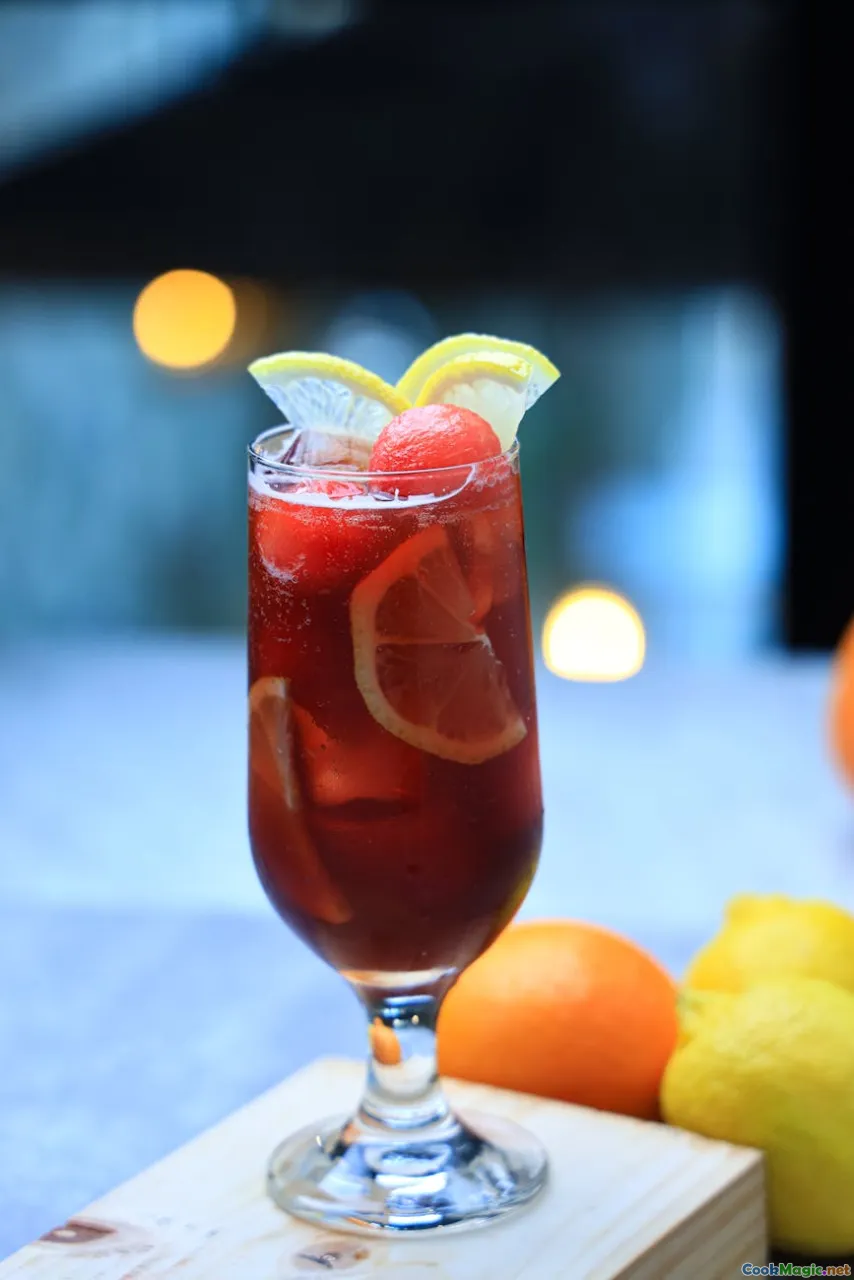
Wit & Wheat Harmony is a playful nod to English sensibilities with continental flair. It marries a juniper-forward London dry gin with the soft, citrusy lift of chilled wheat beer, then threads in lemon, honey, chamomile, and a perfume of elderflower. The result: a spritzable beer cocktail that drinks like sunshine—sparkling, herbal, and quietly complex.
Why it Works
- Balance: Gin provides structure and botanicals, while wheat beer contributes brightness, gentle spice, and a creamy head. Lemon and honey build a classic sweet–sour backbone, and bitters tie everything together.
- Texture: Shaking the base (without the beer) chills and slightly aerates, giving the beer a soft landing so the foam forms beautifully once topped.
- Aroma: Orange oils and coriander seeds echo the classic spice profile of witbier, amplifying the beer’s natural notes without overpowering the gin.
Ingredient Spotlight
- London Dry Gin: Look for a bottle with pronounced juniper and citrus peel. Too floral a gin can clash with elderflower; too sweet a gin can dull the lemon.
- Wheat Beer: A British wheat ale or Belgian-style witbier is ideal. The beer should be fresh, cold, and lightly hazy, with citrus and coriander notes that harmonize with the garnish.
- Honey Syrup (1:1): Easier to blend than straight honey, delivering round sweetness and a faint wildflower note. Adjust to taste—less for drier palates, more for brunch-friendly sips.
- Chamomile Tea: A soft, meadowy layer that makes the drink feel pastoral and distinctly English. Brew it double strength, then cool before use.
- Elderflower Liqueur: Just a whisper adds lift. If your wheat beer is already floral, you can omit or reduce.
Technique Notes
- Chill everything: Cold beer, cold glass, cold shaker. Lower temperatures preserve carbonation and keep the head tight.
- Shake the base only: Add gin, lemon, honey syrup, chamomile, and optional elderflower with ice. Shake hard for 8–10 seconds. Never shake the beer.
- Gentle pour: Hold the glass at a tilt and stream the beer slowly to maintain bubbles and a creamy cap.
- Aromatic finish: Express a swath of orange peel over the top—those oils mingle with the foam and greet the nose first.
Variations
- Garden Shandy: Swap honey syrup for elderflower cordial (non-alcoholic) and omit the liqueur for a lower-ABV, floral-forward version.
- Ginger Snap: Replace honey syrup with ginger-honey syrup and add a dash of orange bitters for a spicy twist.
- Lime & Thyme: Use lime juice and a tiny sprig of thyme as garnish; choose a gin with lemon-thyme botanicals if you have one.
Substitutions and Dietary Notes
- Sweetener: Agave or simple syrup can stand in for honey syrup; note that agave is slightly less aromatic.
- Non-alcoholic: Use a juniper-forward non-alcoholic “gin” and an NA wheat beer. Keep the rest the same for a striking zero-proof spritz.
- Bitters-free: If avoiding alcohol in bitters, try an alcohol-free aromatic bitters or omit and add an extra orange peel.
Pairings
- Brunch: Smoked salmon bagels, herb omelettes, or lemon-ricotta pancakes.
- Snacks: Salted almonds, marinated olives, or a mild goat cheese.
- Mains: Grilled chicken, citrus-dressed salads, or fish and chips (the beer echoes the batter’s flavors delightfully).
Make-Ahead and Batching
- Batch the base (gin, honey syrup, lemon, chamomile, and optional elderflower) in a bottle and chill well. For service, measure 90 ml of base per drink over ice, then top with cold wheat beer.
- Honey syrup keeps 2 weeks refrigerated. Brew chamomile the day before and chill.
Troubleshooting
- Too sweet? Reduce honey syrup by 5 ml or add an extra 5 ml lemon. Bitters also help correct perceived sweetness.
- Flat foam? Beer or glass too warm. Freeze the glass and keep beer near 3–4°C.
- Bitter pith flavor? Avoid squeezing the orange peel too hard; you want oils, not pith.
Cultural Threads
This drink nods to English gin culture and the pub tradition of shandies while borrowing spice cues from continental witbiers. It’s a cross-Channel conversation: juniper and citrus from the still, coriander and orange from the mash tun. In British gardens, chamomile has long been a calming staple; here it adds meadowy nuance. The result feels both classic and new—familiar enough for a pub lunch, elegant enough for a dinner party aperitif.
Final Thoughts
Wit & Wheat Harmony is designed for ease and elegance. With a balanced base, a gentle pour, and a bright aromatic finish, it’s a crowd-pleasing refresher that rewards care without demanding it. Keep everything cold, respect the foam, and let the gin and grain sing in tandem.