Trogir Pašticada in Sweet Marinade
(0 Reviews)


0
205
November 21, 2025
Report a Problem
Ingredients
-
1500 grams Beef round roast (topside/silverside)
(Classic cut for pašticada; trim excess sinew but keep fat cap)
-
500 ml Dry red wine
(Robust red like Plavac Mali or similar)
-
200 ml Prošek (Dalmatian dessert wine)
(Substitute Marsala or tawny Port if needed)
-
120 ml Red wine vinegar
(Balances the sweetness in the marinade)
-
300 grams Onion
(Roughly chopped)
-
200 grams Carrots
(Cut into thick coins)
-
100 grams Celery stalks
(Roughly chopped)
-
6 cloves Garlic cloves
(Lightly crushed)
-
100 grams Pancetta
(Cut into small batons; adds depth)
-
120 grams Prunes, pitted
(For sweetness and silkiness)
-
80 grams Dried figs
(Traditional layer of sweetness)
-
6 pieces Whole cloves
(Pierce the meat or add to braise)
-
3 leaves Bay leaves
(Fragrant backbone)
-
1 sprig Fresh rosemary
(Or 1 tsp dried)
-
1 strip Orange Peel
(Avoid white pith)
-
30 grams Tomato paste
(About 2 tbsp; for umami and color)
-
600 ml Beef stock, low-sodium
(Prefer unsalted to control seasoning)
-
16 grams All-purpose flour
(About 2 tbsp; for dredging)
-
45 ml Extra virgin olive oil
(For searing and sautéing)
-
30 grams Unsalted butter
(For finishing the sauce)
-
12 grams Granulated sugar
(About 1 tbsp; adjust to taste)
-
15 grams fine sea salt
(About 2.5 tsp; plus more to taste)
-
3 grams Black pepper
(Freshly ground; about 1.5 tsp)
-
800 grams Potato gnocchi
(Cooked just before serving)
-
10 grams Fresh parsley
(Chopped, for garnish)
(Classic cut for pašticada; trim excess sinew but keep fat cap)
(Robust red like Plavac Mali or similar)
(Substitute Marsala or tawny Port if needed)
(Balances the sweetness in the marinade)
(Roughly chopped)
(Cut into thick coins)
(Roughly chopped)
(Lightly crushed)
(Cut into small batons; adds depth)
(For sweetness and silkiness)
(Traditional layer of sweetness)
(Pierce the meat or add to braise)
(Fragrant backbone)
(Or 1 tsp dried)
(Avoid white pith)
(About 2 tbsp; for umami and color)
(Prefer unsalted to control seasoning)
(About 2 tbsp; for dredging)
(For searing and sautéing)
(For finishing the sauce)
(About 1 tbsp; adjust to taste)
(About 2.5 tsp; plus more to taste)
(Freshly ground; about 1.5 tsp)
(Cooked just before serving)
(Chopped, for garnish)
Nutrition
- Servings: 6
- Serving Size: 1 plate (350g)
- Calories: 750 kcal
- Carbohydrates: 0 g
- Protein: 45 g
- Fat: 28 g
- Fiber: 6 g
- Sugar: 18 g
- Sodium: 900 mg
- Cholesterol: 140 mg
- Calcium: 70 mg
- Iron: 5 mg
Instructions
-
1 - Prepare the sweet-sour marinade:
In a nonreactive bowl, combine red wine, Prošek, red wine vinegar, half the onions, carrots, celery, garlic, bay leaves, rosemary, orange peel, 2 whole cloves, 1 tsp salt, and a few grinds of pepper.
-
2 - Marinate the beef overnight:
Place the beef in a snug glass or ceramic dish and pour the marinade over. Cover and refrigerate 12 hours, turning once halfway to ensure even flavor.
-
3 - Drain and prep for searing:
Remove beef from marinade. Pat dry thoroughly. Strain and reserve the liquid and solids separately. Pierce beef with the remaining whole cloves.
-
4 - Dredge and sear the beef:
Season flour with a pinch of salt and pepper. Lightly coat the beef. Heat olive oil in a heavy Dutch oven over medium-high, then sear on all sides until deeply browned.
-
5 - Render pancetta and sauté aromatics:
Add pancetta to the pot and render. Stir in remaining onions, carrots, celery, and garlic. Cook until glossy and lightly caramelized. Stir in tomato paste and cook 1 minute.
-
6 - Deglaze the pot:
Pour in a ladle of reserved marinade liquid to deglaze, scraping up browned bits. Return the rest of the marinade liquid and solids to the pot.
-
7 - Build the braise:
Add beef stock, prunes, figs, bay leaves, and the seared beef. Bring to a gentle simmer, cover, and cook on low until fork-tender, about 2 hours. Rotate beef occasionally.
-
8 - Rest and separate:
Transfer beef to a board and tent with foil. Discard bay, rosemary, and orange peel. Skim excess fat from the sauce.
-
9 - Blend and balance the sauce:
Blend the braising liquid and vegetables until velvety. Return to the pot; whisk in butter and a pinch of sugar if needed. Adjust salt and pepper for a sweet-sour balance.
-
10 - Slice and glaze the beef:
Slice beef into 1 cm slices. Return slices to the sauce and gently warm to glaze and absorb flavor.
-
11 - Cook the gnocchi:
Boil gnocchi in salted water until they float, 2–3 minutes. Drain and toss with a spoon of sauce or a drizzle of olive oil.
-
12 - Serve:
Plate gnocchi and top with slices of beef and generous sauce. Garnish with chopped parsley and cracked pepper.
In a nonreactive bowl, combine red wine, Prošek, red wine vinegar, half the onions, carrots, celery, garlic, bay leaves, rosemary, orange peel, 2 whole cloves, 1 tsp salt, and a few grinds of pepper.
Place the beef in a snug glass or ceramic dish and pour the marinade over. Cover and refrigerate 12 hours, turning once halfway to ensure even flavor.
Remove beef from marinade. Pat dry thoroughly. Strain and reserve the liquid and solids separately. Pierce beef with the remaining whole cloves.
Season flour with a pinch of salt and pepper. Lightly coat the beef. Heat olive oil in a heavy Dutch oven over medium-high, then sear on all sides until deeply browned.
Add pancetta to the pot and render. Stir in remaining onions, carrots, celery, and garlic. Cook until glossy and lightly caramelized. Stir in tomato paste and cook 1 minute.
Pour in a ladle of reserved marinade liquid to deglaze, scraping up browned bits. Return the rest of the marinade liquid and solids to the pot.
Add beef stock, prunes, figs, bay leaves, and the seared beef. Bring to a gentle simmer, cover, and cook on low until fork-tender, about 2 hours. Rotate beef occasionally.
Transfer beef to a board and tent with foil. Discard bay, rosemary, and orange peel. Skim excess fat from the sauce.
Blend the braising liquid and vegetables until velvety. Return to the pot; whisk in butter and a pinch of sugar if needed. Adjust salt and pepper for a sweet-sour balance.
Slice beef into 1 cm slices. Return slices to the sauce and gently warm to glaze and absorb flavor.
Boil gnocchi in salted water until they float, 2–3 minutes. Drain and toss with a spoon of sauce or a drizzle of olive oil.
Plate gnocchi and top with slices of beef and generous sauce. Garnish with chopped parsley and cracked pepper.
More About: Trogir Pašticada in Sweet Marinade
What makes this pašticada special
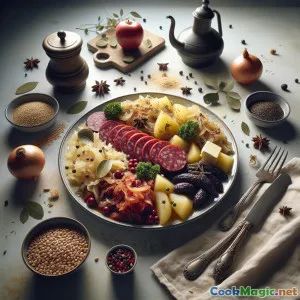
Trogir Pašticada in Sweet Marinade captures the heart of Dalmatia in a single pot: a carefully marinated beef roast, slowly coaxed into tenderness inside a sauce that walks the tightrope between sweet and tangy. Prošek, a traditional Dalmatian dessert wine, pairs with robust red wine and red wine vinegar to create a layered flavor profile; dried prunes and figs bring plush sweetness and body; aromatics and tomato paste provide savor and grip. The result is a glossy, clove-kissed sauce that clings to tender slices of beef and loves nothing more than to meet a warm bed of gnocchi.
A brief history and cultural note
Pašticada is a signature festive dish along the Dalmatian coast of Croatia, especially around Split and Trogir. Families guard their versions closely, each with its own balance of fruit, spice, and acidity. In older methods, the beef would be larded with slivers of pancetta and garlic, then marinated for a day or more before a long braise. The use of sweet wine and dried fruit reflects centuries of Adriatic trade and Venetian influence, where sugar and spice signaled celebration. Serving pašticada with njoki (gnocchi) is classic in Dalmatia, the pillowy dumplings acting as sauce magnets and a textural foil to the silky beef.
Ingredient spotlight
- Beef round roast: Topside/silverside holds its shape during long cooking and slices beautifully.
- Prošek: Not to be confused with Prosecco. Prošek lends honeyed notes without turning the sauce cloying. Marsala or tawny Port make fine substitutes.
- Dried fruit: Prunes are essential for gloss and texture; figs add a floral, jammy nuance.
- Warm spice: Whole cloves and bay leaves are traditional; a whisper of orange peel lifts the sauce.
Technique tips
- Marinating matters: An overnight bath seasons the beef to its core and sets the sweet-sour backbone. Turn the roast once to ensure even penetration.
- Brown deeply: Searing creates Maillard richness that will carry through the long braise.
- Control the simmer: Keep it gentle. A hard boil tightens meat fibers; a lazy blip yields supple slices.
- Blend for silk: Puréeing the braising vegetables with the fruit makes the sauce luxurious without excess flour or cream.
- Balance at the end: Taste for sweet-acid equilibrium. Add a pinch of sugar for sharpness or a splash of vinegar if the sauce tastes flat.
Make-ahead and storage
Pašticada improves on day two as flavors meld. Cool and refrigerate in its sauce for up to 4 days, or freeze up to 2 months. Reheat gently until the slices relax and the sauce shimmers. Cook gnocchi fresh each time for best texture.
Serving suggestions
- Classic: Over gnocchi with chopped parsley.
- Alternative starch: Creamy polenta or buttered wide noodles.
- Bright sides: Bitter greens salad with lemon, or simple blanched green beans with olive oil and sea salt.
Substitutions and flexibility
- Wine: If Prošek is unavailable, Marsala or tawny Port provide the right sweetness and oxidation. For the dry red, any sturdy bottle you enjoy will work.
- Fruit: No figs? Increase prunes by 30–40 g. A few raisins can also contribute sweetness if needed.
- Pork-free: Omit pancetta and add 1 tbsp olive oil plus a splash of soy for savor.
- Gluten-free: Skip the dredging flour and thicken by reducing the blended sauce slightly longer. Pair with polenta instead of gnocchi unless you find gluten-free gnocchi.
Wine pairing
Serve with Dalmatian reds like Plavac Mali or a Southern Italian Aglianico. Their structure stands up to the richness, while ripe fruit notes harmonize with the sauce’s sweetness.
Troubleshooting
- Sauce too sweet: Add a tablespoon of red wine vinegar and a pinch of salt; simmer briefly.
- Sauce too sharp: Whisk in a knob of butter and a teaspoon of sugar; simmer to round edges.
- Meat tough after braise: Keep simmering gently; connective tissue may need 20–30 minutes more. Ensure the pot remains covered and the simmer stays low.
A cook’s note
The magic of pašticada lies in patience and restraint. Aim for a sauce that is luminous rather than heavy, aromatic rather than perfumed, and sweet enough to comfort without tipping into dessert territory. When the knife glides through the roast and the slice dips into a glossy pool, you will understand why this dish anchors Dalmatian celebrations. Share it family-style, with steam rising from the gnocchi and the fragrance of clove, wine, and sea-breeze herbs drifting across the table. It is hospitality in a pot, and a gentle voyage to Trogir with every bite.