Unpacking the Secrets of Colombian Hogao Sauce
36 min read Discover hogao, Colombia's beloved tomato-scallion sofrito: its origins, key ingredients, regional nuances, cooking tips, and delicious pairings with arepas, eggs, and hearty classics. January 03, 2026 07:07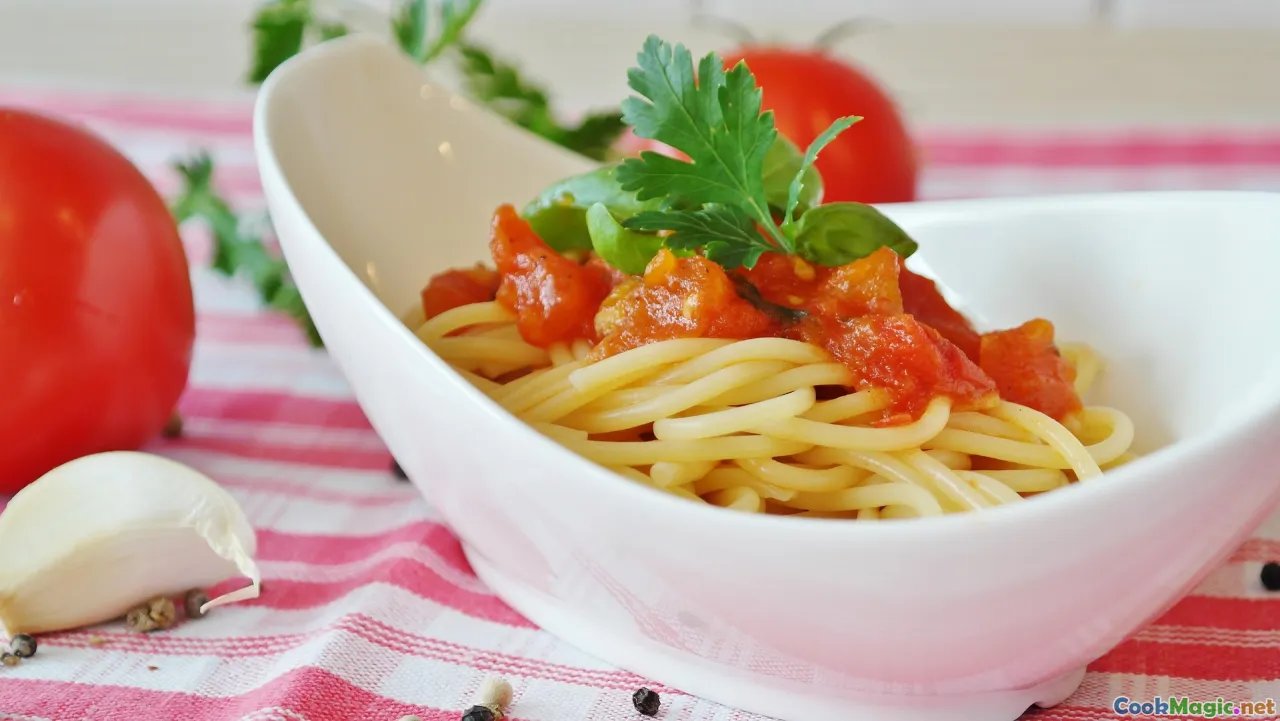
The first time I met hogao, the kitchen was barely awake. Dawn had painted Medellín a soft rose, and the city’s parrots were just beginning to tattle from the guayacanes. In the small apartment kitchen, a skillet blinked to life with a sigh of oil. Cebolla larga—those crisp, grassy Colombian scallions—hit the pan first, whispering as they wilted into silk. Then tomatoes, sun-fat and chonto-ripe, surrendered with a bubble and a hiss. The room filled with a scent so homey it felt like a hug: green-leaning onion, slow-cooked tomato sugar, a dark pulse of ground cumin blooming in oil. My host, Doña Marta, called it “dejar que el tomate se desmaye”—letting the tomato faint. When the mixture turned soft and sunset-orange, she spooned it over grilled arepas as if crowning them with a small, savory miracle. The first bite was the taste of Colombia’s Andean backbone: humble, generous, and sure of itself. That was hogao.
What Hogao Is (and Isn’t)
In Colombian kitchens, hogao is less a single recipe and more a reassuring household presence. It’s a slow-simmered sauce of scallions and tomatoes—sometimes with garlic, sometimes with a whisper of achiote (annatto) for color, always anchored by patience. The texture hovers between condiment and compote: not a thin sauce, not a chunky salsa, but a jammy relish that slumps willingly over starch and meat.
Where does the word come from? Many Colombians connect it to “ahogar,” to smother or drown—a nod to how hogao blankets beans, meats, or arepas. In Antioquia, the heartland of the “paisa” identity, you’ll hear “hogao antioqueño.” In Valle del Cauca, a “hogao valluno” might lean a little greener or include cilantro. On the Caribbean coast, cooks often prefer a brighter “salsa criolla” with bell peppers, while hogao still appears, albeit more oily and pepper-laced. Throughout the country, hogao remains fundamental: its purpose is to coax sweetness from tomato and softness from onion, to season without heat, and to make everything taste a little more like home.
What hogao isn’t: it isn’t an aggressive chile sauce (that’s ají, sharp with vinegar and hot peppers). It isn’t Puerto Rican sofrito (which is uncooked or lightly sautéed and heavy with culantro and aji dulce), nor Cuban sofrito (which is onion-bell pepper-garlic forward). Colombian hogao is gentler: a spoon of comfort, warm rather than fiery, content to glow rather than blaze.
The Cultural Role of Hogao

Spend time in the paisa region—Medellín’s valley, the coffee towns of Manizales and Pereira, or the cobbled lanes of Santa Fe de Antioquia—and you start to understand hogao as social glue. It’s the intermediary on a plate of contrasts. Bandeja paisa is a feast of crisp chicharrón, slick fried egg, rosy beans, white rice, a sweet caramel stripe of plantain. Hogao is the go-between, the mediator carrying sweetness to the rice, onion-savory to the avocado, and loosened tomato to the frijoles. At roadside fondas, you’ll see a small bowl of hogao beside baskets of arepas: it’s the condiment that invites you to linger, to add just a little more.
I’ve slurped it with sancocho at a “paseo de olla,” those riverbank cookouts where families set up wood-fired stoves on smooth rocks, the river hushing in the background. I’ve tasted it on trucha in La Ceja, the fish served on a sizzling platter naped in tomato-scallion gloss. In Bogotá, lunchtime corrientazos—those set-menu meals—bring sobrebarriga en hogao (flank steak smothered in hogao) with rice and a wedge of lime. In each place, the sauce points inward: it gathers a community around a recognizable flavor.
For Colombians abroad, hogao acts like a postcard from the old kitchen. I’ve seen it carried in Tupperware to park picnics in Queens and South London, ladled onto store-bought arepas as if to gently correct them. Even when made with imported Roma tomatoes and green onions from the supermarket, it carries that sense of belonging. A spoonful tastes like tiled floors rinsed at dusk, the radio murmuring vallenato through the open window, and the steady presence of someone stirring.
The Anatomy of Flavor
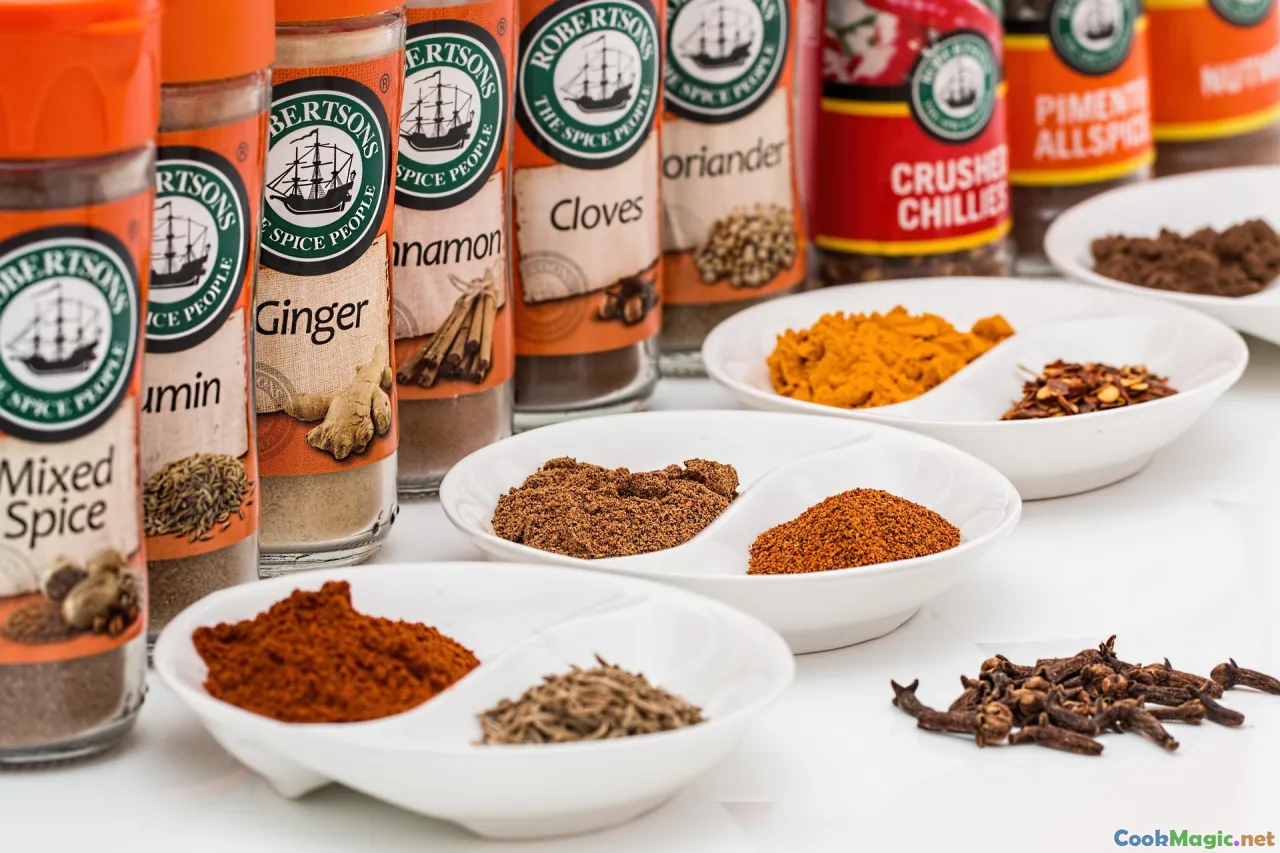
At its heart, hogao asks for very little. Quality ingredients and a patient pan do the heavy lifting. That said, each choice changes the personality.
-
Tomatoes: In Colombian markets you’ll find tomate chonto—round, medium-sized tomatoes with balanced acidity and juice. Abroad, use ripe Roma or any meaty, flavorful tomato. Avoid winter-pale tomatoes unless you’re willing to coax them with a pinch of sugar (preferably panela).
-
Scallions (Cebolla larga): Essential. Colombian scallions are long and robust, with a good ratio of white to green. Use the whole stalk. Their flavor is greener and slightly sweeter than white onion; they’ll soften with time into silky strands.
-
Fat: Neutral oil is common (sunflower, canola), but don’t discount butter, or even a spoon of rendered pork fat leftover from frying chicharrón. The fat you choose decides whether the sauce is homely and honest (oil), plush (butter), or downright decadent (pork fat).
-
Cumin: Colombians reach for comino molido with both confidence and restraint. It should be felt, not shouted. Blooming ground cumin in the fat at the start perfumes the kitchen and marries that earthy bass line to the onion.
-
Achiote (Annatto): A small amount in the oil creates an amber sheen. It tastes soft—earthy, with a tea-like, peppery whisper—and gives hogao its characteristic orange-red glow. If achiote is unavailable, a dusting of sweet paprika supplies color but not quite the same aroma.
-
Garlic: Optional. Some Antioqueño homes skip it entirely; others add a clove or two, sliced thin, to melt into the sauce. If you fear bitterness, add garlic halfway through rather than at the very beginning.
-
Cilantro: Usually strewn in at the end, off heat, for a green exhale. Not all families agree; in Cundinamarca and Boyacá you’ll often find a handful stirred in, while some paisa cooks decline any leaves at all.
-
Salt, black pepper, and sometimes a pinch of panela (unrefined cane sugar): These tighten, round, and sweeten as needed. A drop or two of white vinegar or lime can brighten a dull batch, but it’s not typical and should be used sparingly.
The magic is time. We’re not caramelizing; we’re coaxing. The scallions should slump; the tomatoes should collapse into a spoonable, glossy tangle. If it looks like a fresh salsa, it’s not done. If it looks like jam with discreet strands, you’re close.
Technique: How to Coax Jammy Hogao
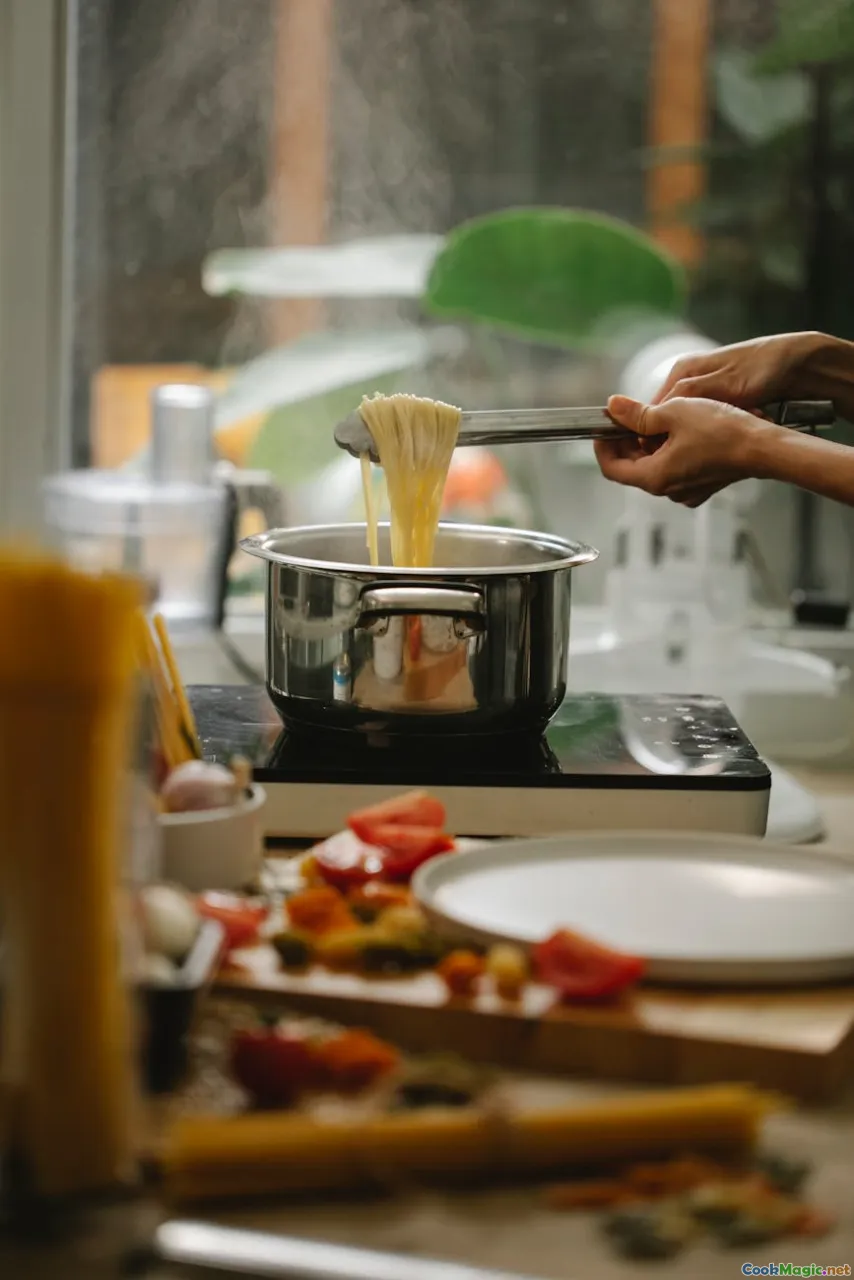
Successful hogao is more about behavior than bravado. Here’s a technique that has served me well, taught in pieces by patient women leaning on counters across the coffee axis.
-
Cut with intention. Slice scallions thinly, separating the white and pale-green bottoms from the darker tops if you can. Dice the tomatoes to about pea size. You can peel them by blanching and slipping off skins if you want a smoother finish; many Colombians don’t. I like to core out the tough stem and seed only the watery excess if the tomatoes are very juicy.
-
Start slow. Warm 2–3 tablespoons of oil (or a mix of oil and a teaspoon of butter) in a wide skillet over medium-low heat. If using achiote seeds, infuse them in the oil until it turns a deep tangerine, then strain them out. Bloom 1/2 teaspoon of ground cumin in the oil for 10–15 seconds—no longer, just enough for a soft perfume.
-
Soften the scallions. Add the white and pale-green parts first with a pinch of salt. Stir and let them relax until translucent, 3–5 minutes. Then add the darker green parts and, if using, a thinly sliced garlic clove. Keep the heat low; the goal is glossy, not browned.
-
Invite the tomatoes. Tip in the diced tomatoes and a good pinch of salt. The pan should sigh; steam rises; juice forms. Stir well, cover partially, and let it burble gently. The tomatoes will give up liquid, then reabsorb it as they break down. This is when the kitchen smells like breakfast in a Colombian guesthouse.
-
Reduce to jam. Uncover and keep heat on low. Stir every few minutes until the mixture thickens and looks almost jammy—soft, glistening, still moist, but with no standing liquid. Taste and adjust salt, grind in a little black pepper. If tomatoes were lackluster, add a pinch of panela. If flavors feel sleepy, consider a drop or two of vinegar. Cook time varies from 15–40 minutes depending on the wateriness of the tomatoes and how gentle your flame is.
-
Finish green. Off the heat, fold in 1–2 tablespoons of chopped cilantro, if you like. Let the sauce sit a minute. It will settle and thicken.
What you want on the spoon: a sauce that holds together but spreads easily, with soft threads of onion, tomato that’s surrendered to sweetness, and a color somewhere between coral and rust, flecked with green.
A Family Recipe: Doña Marta’s Hogao Antioqueño
This is the version I learned one foggy morning in Manizales from a friend’s mother, with a clay “paila” and a metal spoon polished by years of stirring.
Ingredients (serves 6–8 as a condiment)
- 2–3 tablespoons neutral oil (sunflower or canola), plus 1 teaspoon butter (optional)
- 1/2 teaspoon ground achiote or 1 tablespoon whole annatto seeds (optional for color)
- 1/2 teaspoon ground cumin
- 1 large bunch scallions (about 8–10), thinly sliced, whites and greens
- 4–5 medium ripe tomatoes (around 700–800 g), diced small
- 1 small garlic clove, thinly sliced (optional)
- 1 tablespoon chopped cilantro (optional)
- Salt and black pepper to taste
- Pinch of panela or sugar (only if needed)
Method
- Warm the oil in a wide skillet over medium-low heat. If using whole annatto seeds, stir them in until the oil turns bright orange, then strain the seeds out. Add butter if using; let it melt.
- Sprinkle in the cumin and stir for 10 seconds.
- Add sliced scallions and a good pinch of salt. Cook, stirring, until they begin to glisten and soften, 3–5 minutes. If adding garlic, stir it in now for 1 minute.
- Add the tomatoes and another pinch of salt. Cook covered for 5 minutes; then uncover and stir occasionally until the mixture thickens and looks glossy and jam-like, 15–25 minutes more. Avoid browning; adjust heat to keep it gentle.
- Taste. Add black pepper and more salt if needed. If tomatoes lack depth, add a small pinch of panela.
- Off the heat, fold in cilantro if using. Let the hogao rest for 5 minutes. Serve warm.
Notes and tweaks
- If the sauce looks watery, keep reducing over low heat; stir more frequently toward the end to prevent sticking.
- For a more rustic “hogao de campo,” add a teaspoon of pork drippings and a scant extra pinch of cumin.
- For a smoother texture, crush some of the tomatoes against the pan with the back of your spoon.
- To make annatto oil ahead: warm 1/2 cup oil with 2 tablespoons annatto seeds on very low heat until deeply colored, 5–7 minutes. Strain and store.
Variations Across Colombia
-
Paisa (Antioquia, Eje Cafetero): The baseline. Scallions, tomato, cumin, achiote optional, garlic optional, cilantro modest. Slow and jammy. Served with arepas, frijoles, bandeja paisa, trucha.
-
Cundiboyacense (Bogotá and surrounding highlands): Often more onion-forward to compensate for tomatoes that, at high altitude and cool temperatures, can be less exuberant. Cilantro leans stronger. Frequently used to top sobrebarriga and calentado paisa at breakfast.
-
Valluno (Valle del Cauca): You’ll encounter cilantro with more confidence and sometimes a little bell pepper stealthily diced into the mix. There’s a brighter, greener character, which pairs well with the region’s love of lulos, chontaduros, and salsas layered over grilled meats.
-
Costeño (Caribbean coast): Richer oil presence, more bell pepper, sometimes more garlic. It overlaps with salsa criolla but cooks longer and sweeter than criolla’s quick, tangy snap. Paired with fried fish or yuca sancochada.
-
Santandereano: While not canonical everywhere, some cooks add a split ají dulce for fragrance (not heat) and lean heavier on cumin. Perfect with sobrebarriga or mute santandereano’s starchy comfort.
These aren’t rules; they’re habits dressed up as geography. Colombian kitchens are pragmatic. One home will swear by cumin; the neighbor shakes their head and reaches for Triguisar, the ubiquitous seasoning powder. What remains constant is the gentle nature of the sauce.
Hogao vs Sofrito vs Guiso vs Ají

-
Hogao (Colombia): Scallion-and-tomato, slow-cooked until jammy, not spicy, often with cumin and optional achiote, used both as topping and as a base for beans or stews.
-
Guiso (Colombia): Sometimes used interchangeably with hogao in casual speech, but often runs looser and includes white onion and bell pepper; it’s more of a cooking base for sudados, aromatic but not necessarily served as a condiment.
-
Sofrito (Cuba/Dominican Republic/Puerto Rico): Varies widely, but generally onion, bell pepper, and garlic are central; Puerto Rican sofrito leans herbaceous with culantro and aji dulce and is usually a raw or lightly sautéed puree used as a base, not a finished topping. Cuban sofrito cooks longer and includes tomato but stays saucier than Colombian hogao.
-
Ají (Colombia): A fresh or fermented chile-vinegar relish with cilantro and scallions. It’s bright and spicy. It sits at the table next to hogao, not in its shoes. If hogao is a lullaby, ají is a trumpet.
Understanding the ecosystem of condiments clarifies hogao’s role: it calms, binds, and sweetens rather than sizzles.
Dishes That Come Alive With Hogao

-
Arepas: The archetypal partner. The dry, toasty corn cake needs hogao’s succulence the way a book needs a bookmark. In Antioquia, a plain arepa paisa, split and warmed, practically begs for a spoonful and a slice of avocado.
-
Fríjoles antioqueños: Red or cargamanto beans, slow-simmered with pork bone or tocino, take hogao in two ways—some fold a ladleful into the pot midway, others mound it on top at the table. Both deepen the bean’s sweetness.
-
Yuca sancochada: Boiled cassava, served hot, drinks in hogao. The sauce sits in the fissures, every bite a contrast of powdery root and saucy gloss.
-
Trucha en hogao: Trout in the highlands (La Calera, Rionegro, La Ceja) emerges from the pan wearing a mantle of hogao. The sweetness flatters the fish’s delicate meat.
-
Sobrebarriga en hogao: Flank steak or beef plate softened through slow braise, then smothered. Happiest with white rice, a wedge of lime, and a spoon to catch the sauce running down the plate.
-
Calentado paisa: The beloved breakfast of leftovers—yesterday’s rice and beans revived—perks up with a spoon of hogao. Add a runny egg and coffee that smells like the hills.
-
Patacones: Twice-fried green plantains love a crown of hogao. Add suero costeño if you’re near the coast and you’ll have the salty-sour, creamy counterpoint that makes bites disappear.
I think often of a roadside stand near Guatapé, where the owner split an arepa with tongs and tucked in warm hogao as if folding a letter. The steam smelled like tomato vines and hot corn. On the wooden counter, a small bowl of ají waited nearby—a reminder: hogao doesn’t need heat, but it welcomes company.
Troubleshooting and Pro Tips

-
If it’s watery: Keep the heat low and the pan wide. Evaporation is your ally. Stir more as it thickens so sugars don’t stick and scorch.
-
If it’s bitter: You probably browned garlic or scorched the bottom. Next time, add garlic halfway through and keep heat gentler. A pinch of sugar or a drop of vinegar can mask mild bitterness.
-
If it’s flat: Your tomatoes might be to blame. Add a small pinch of panela and a little more salt. A tiny squeeze of lime at the end can wake it, though traditionalists might frown.
-
If it’s too salty: Fold in another chopped tomato and cook a few minutes; salt will redistribute. Or serve over unsalted arepas or rice to buffer it.
-
If you’re short on time: Dice tomatoes smaller and increase pan width. A wider surface speeds evaporation. Resist high heat; you’re courting jam, not fry.
-
Make ahead: Hogao tastes even better the next day. Store refrigerated for up to 4 days in a covered container. It freezes well—portion into ice cube trays, then stash in a freezer bag for up to 2 months. Rewarm gently.
-
Bloom spices: Always bloom cumin (and achiote powder, if using) briefly in the fat at the start; it stabilizes fragrance.
-
Choose the right tool: A clay paila or a heavy skillet holds steady heat, preventing hot spots that lead to scorching.
Shopping and Substitutions (Inside and Outside Colombia)

At Bogotá’s Plaza de Paloquemao, you’ll find bundles of cebolla larga standing like green campaniles, and crates of tomato chonto sunned on tarps. In Medellín’s Plaza Minorista, spice vendors scoop comino from waist-high sacks and sell little packets of color (achiote). If you’re shopping outside Colombia, here’s how to compose an honest hogao:
-
Tomatoes: Choose ripe, meaty varieties (Roma, vine-ripe, San Marzano-style). Smell them: good tomatoes smell like their stems. In winter, cherry tomatoes can be chopped and mixed in to boost sweetness. Consider peeling if the skins are tough.
-
Scallions: Look for bunches with firm white bulbs and vivid green tops. If they’re thin and watery, double the quantity. Avoid substituting white onion; it changes the character. Spring onions with larger bulbs work, but adjust slice thickness and cook time.
-
Achiote: Find it at Latin or Asian markets as whole seeds, powder, or in oil. Spanish or Filipino shops often carry annatto seeds. If unavailable, use a pinch of sweet paprika for color.
-
Cumin: Ground is fine, but if you have whole seeds, lightly crush them. Freshly ground cumin smells like warm bread and dusted almonds—worth the extra 10 seconds.
-
Fat: Neutral oil is correct, though a teaspoon of butter rounds flavors. If you’ve fried bacon or pork belly, a spoonful of the fat yields a “hogao de domingo” with extra swagger.
-
Seasoning packets: Many Colombian homes have Triguisar or El Rey “color” on hand. If that’s your nostalgia, use it. Otherwise, recreate the profile with cumin, annatto, salt, and black pepper.
One last tip: buy an avocado. Hogao loves avocado the way a melody loves a rhythm section.
A Cook’s Notebook: Texture, Heat, and Timing
Several little habits separate adequate hogao from memorable hogao.
-
Salt early, salt lightly, taste late: A pinch of salt with the onions helps draw moisture, keeping heat gentle. Tomatoes get another pinch; the final adjustment comes after reduction.
-
Layer your scallions: Let the white parts begin to soften first—they’re sweeter and need more time—then add the greens so they don’t get swampy.
-
Keep the lid at an angle: Covered cooking jump-starts breakdown; uncovered finishing concentrates. A tilted lid splits the difference.
-
Let it settle: Once you cut the heat, wait five minutes. The sauce will tighten, and flavors will marry.
-
Don’t chase color: The deepest orange comes from annatto, not from browning. Browning shifts the flavor from gentle to bitter.
Beyond the Basics: Creative Twists That Still Respect Tradition

Sometimes you cook for comfort; sometimes you cook for curiosity. Here are ideas that keep hogao’s spirit while bending its edges.
-
Roasted tomato hogao: Roast halved tomatoes cut-side down at high heat until skins blister, then slip skins off and chop. The sauce takes on smoky depth without chile heat. Good for grilled meats.
-
Charred scallion oil: Char a few scallions on a dry skillet until blackened in spots, chop, and add halfway through. The char tastes like fogón de leña, a nod to countryside cooking.
-
Bell pepper fold-in: In the Valle spirit, sauté a finely diced green or red bell pepper with the scallions. This tips it toward guiso, but if you keep the jammy texture, hogao’s soul stays intact.
-
Panela finish: Grate in a whisper of panela at the end to round acidity. It reads as warmth, not dessert.
-
Suero swirl: At the coast, a spoon of suero costeño (a creamy, cultured dairy) drizzled over hogao on hot patacones feels like a perfect marriage.
-
Herb switch: If cilantro divides your table, try a small handful of flat-leaf parsley; it adds a clean green without cilantro’s citrus-pepper edge.
-
Tomato-chile cameo: If you personally crave heat, keep hogao true and serve a spoon of ají on the side. You’re not breaking a promise that way.
Hogao as a Building Block
Hogao doesn’t only sit on top of food; it can be the runway from which dishes take off.
-
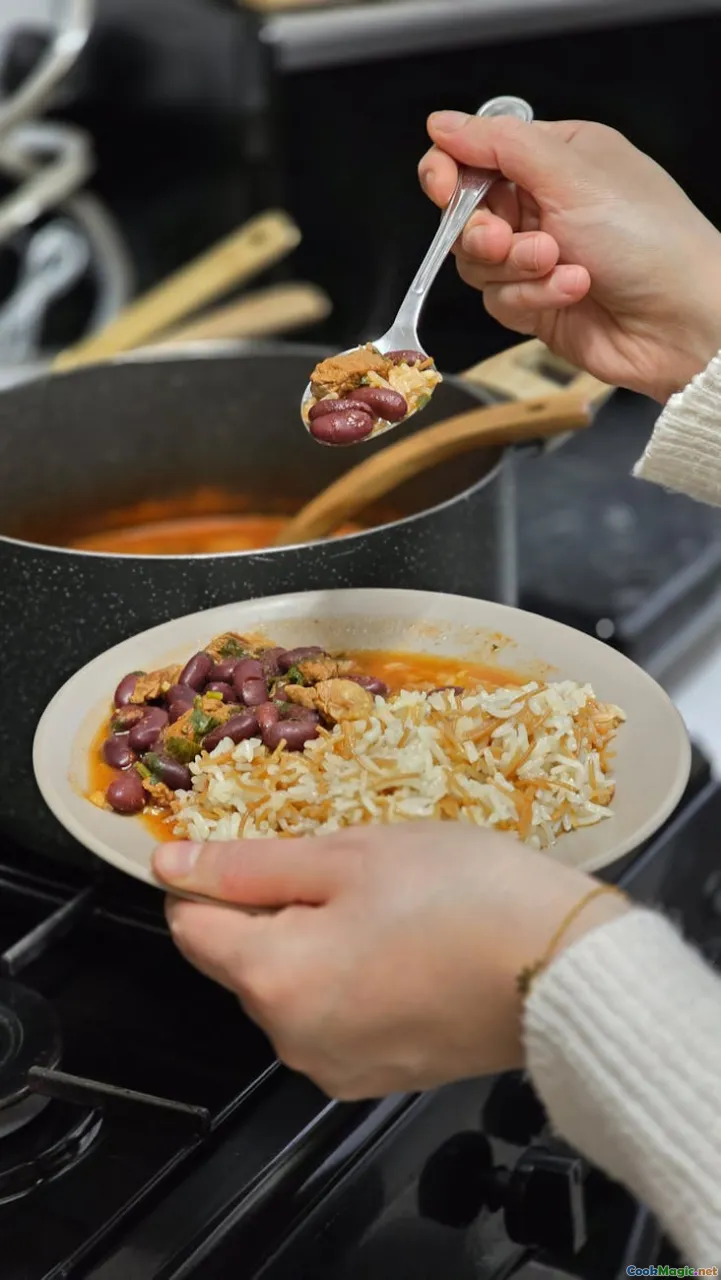
Beans: Start your fríjoles with a small batch of hogao in the pot, add soaked beans, water or stock, and let them become one. Finish with a final spoon of hogao on top.
-
Rice: Fold a few tablespoons through plain rice with peas for a “concolor” rice that tastes like a memory of Sunday lunch.
-
Empanada filling: A spoon of hogao can season a potato-and-beef mix without turning it soupy. Cook it down a bit more to thicken before using.
-
Eggs: Huevos pericos are not hogao—pericos cook the tomatoes and scallions quickly with scrambled eggs—but using leftover hogao as a topping for fried eggs is entirely satisfying.
-
Fish or chicken: Smother pan-seared chicken thighs or grilled fish with hogao and let it fall into the plate’s corners, joining forces with any juices.
A Morning at the Market: Smell, Touch, Choose
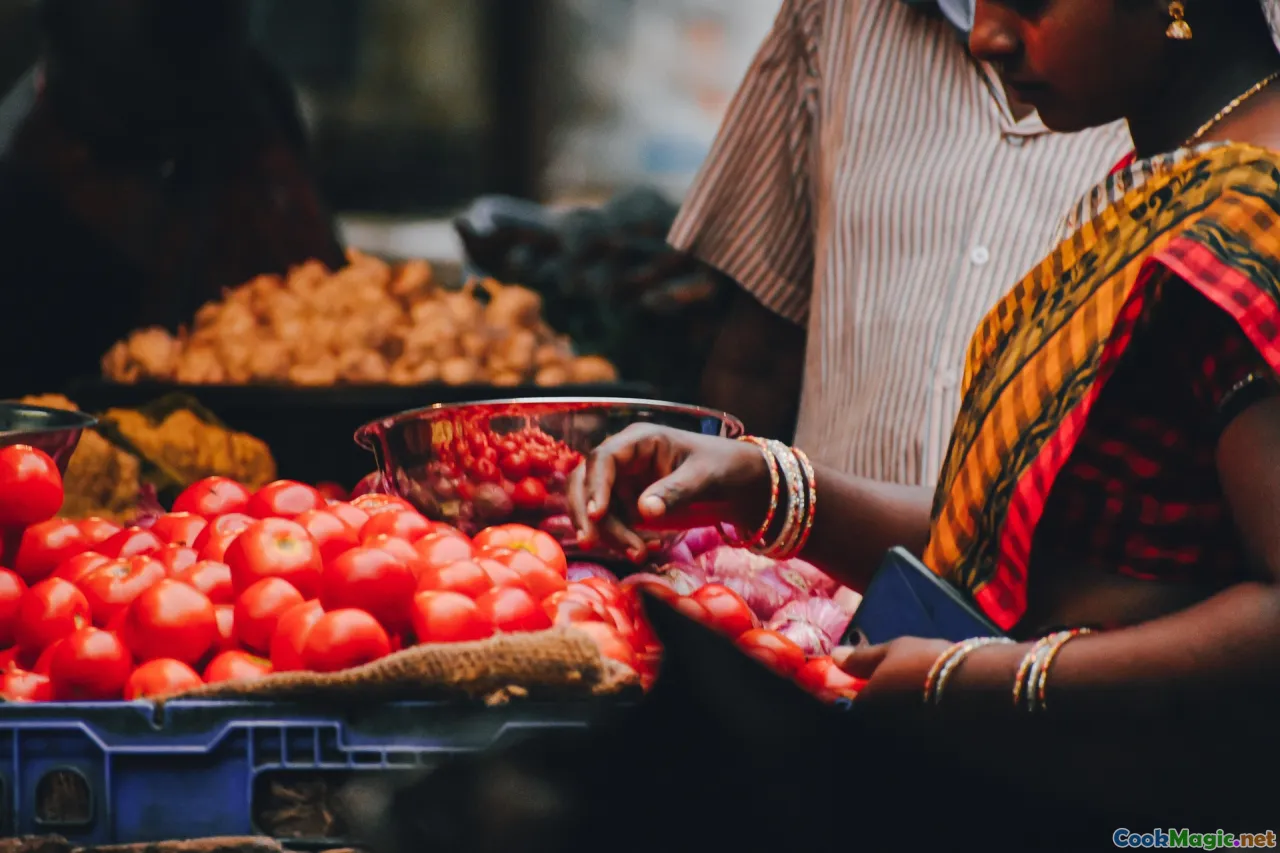
At dawn in Paloquemao, fog floats between the stalls like steam from a giant pot. Tomato crates stack in pyramids, some still warm from the truck. I learned to test weight—choose tomatoes that feel dense for their size—and to befriend the cebolla vendor. She snips the roots with a tiny knife, snaps a leaf to show freshness, and will steer you to the day’s best bunch if you ask what you’re cooking. “Hogao,” I say, and she smiles, instructing me to slice thin, “pero con calma.”
The spice sellers are philosophers. One lifts the lid on a tin of ground cumin and wafts it under my nose: warm, almost bready, with a shadow of dried orange peel. Another rattles annatto seeds in a jar; they sound like small pebbles and smell faintly of black tea. Every piece you bring home speaks in the pan later; every choice becomes a sentence in your sauce.
Memory in a Spoon

When I make hogao in my apartment far from the Andes, winter presses its cold face against the window and darkness comes early. I slide a skillet over the flame and wait for the first glimmer of oil. In go scallions, breathing out a scent that rises like steam from an old photo. The tomatoes collapse, the sauce turns glossy, and suddenly I’m in a kitchen tiled in pale blue, a radionovela murmuring, a pressure cooker sighing somewhere in the background.
Hogao does not brag. It refuses to be complicated. Yet it holds a country’s kitchen logic: take what you have, treat it kindly, give it time. In a culinary world that often confuses heat with flavor, hogao whispers something else—the taste of patience. I spoon it over a store-bought arepa, nestle an avocado slice alongside, and grind a little black pepper. The first bite is familiar and new all at once: silky onion threads, tomato sweetness that leans into savory, cumin humming underneath like a double bass, and the faint floral-pepper nudge of annatto.
Some sauces aim to astonish. Hogao aims to accompany. It sits with you, the way a friend might on a quiet morning, hands wrapped around a cup, content to share the silence. And in that small domestic moment—steam fogging glasses, wooden spoon abandoned on a folded dish towel—you understand why Colombians keep a little container of it in the fridge, why roadside fondas always have a bowl at the ready, why the word for smothering can feel so gentle. It’s because hogao is the kitchen’s way of saying: here, let me make this easier. Let me make this yours.