Tongan Street Food Favorites You Must Try
39 min read Discover Tonga’s must-try street bites—from keke isite donuts and ota ika to cassava chips and otai—plus tips on where to find them and how to order like a local. December 11, 2025 07:06
The first thing I learned about Tongan street food was this: you wake with the fishermen. In Nuku'alofa, the air before sunrise is a soft salt bath, the sea chuffing against the pilings at Faua Wharf while the first grills scratch awake. Blue-green tuna flashes from plastic tubs; octopus arms drape over the edge like damp rope. Someone cracks a coconut on the concrete with one smart, hollow blow. A boy runs by with a bag of cassava chips, the chili salt leaving a comet tail on his fingers. And suddenly the Kingdom of Tonga, small on a map and enormous in appetite, starts to smell like breakfast.
The dawn belongs to fish: Faua Wharf and the first bite

Faua Wharf is where the day draws its first breath, and it tastes like clean brine and charcoal. By 6 a.m., vendors spread tarps and tilt styrofoam coolers full of ice to show off their catch: skipjack and yellowfin tuna, glittering trevally, parrotfish in impossible purples and neon pinks. You can hear knives whispering their way under skin, a sound like zippers. The sun is a dull coin behind cloud as the first smoke rises from a battered steel drum turned into a grill.
A woman with practiced hands fans the coals with a woven pandanus mat, her hair caught back with a hibiscus pin. She threads slabs of tuna belly on a skewer, flicks on sea salt and a squeeze of moli Tonga, the small local limes that taste like a cross between lime and mandarin. The fish hits the grill with a sizzle that makes people in the line stand straighter. The outer layer chars, then pulls back, cracking slightly to show the rosy sheen of just-cooked flesh. She hands me a compostable plate, still warm from the grill, and the first bite is ocean-sweet, smoky, and almost creamy from the fat.
If you go early enough, you can watch the first batches of ota ika come together in deep plastic bowls. A vendor ladles coconut cream over cubes of snapper firmed in citrus, the cream thinning to glossy milk as it catches the residual lime juice, studded with red flecks of tomato and green ribbons of spring onion. A small bowl is tucked with slices of cucumber, still chilly. He passes it over the table with a grin that says: this is how we start the day.
Ota ika: the ocean, bright and cold in a bowl

Ota ika is not a trend in Tonga; it is memory and method, a way to put the sea in your hands without heat. The dish is essentially raw fish lightly cured in citrus and then cloaked in coconut cream, but those words are too simple for what it does in the mouth. The fish should be cool and springy, the texture that walks the tightrope between sashimi and ceviche. The citrus lifts, not puckers, and the coconut cream folds everything together like velvet.
A bowl I had at Talamahu Market one noon was elemental: wahoo cut into small dice, two limes squeezed with fingers still dusted with sea salt, tomatoes so ripe they leaked seed jelly, cucumber sliced thin, a whisper of chili, and coconut cream hand-pressed from grated flesh that morning. Some stalls add sweet onion, others a handful of chopped coriander. In Neiafu on Vava'u, I found a vendor who added diced green mango when they were in season; in Ha'apai, at Pangai's tiny market, the version was simpler, the coconut cream denser, almost like a sauce you could paint with.
Which fish tastes best is a matter of place and freshness. In Nuku'alofa, tuna and snapper are common, but I once fell hard for a trevally version with a faint mineral edge that loved the extra squeeze of lime. Tonga's coconuts skew sweet and rich; you can taste the difference between cream squeezed once and cream squeezed twice. The first press, called thick cream, is lush and opaque; the second press, thinned with water, makes a lighter finish. Vendors will tinker with the balance depending on the heat of the day and the fish at hand.
How to read a great bowl at the market:
- Fish cut cleanly with no ragged edges and no lingering rainbow sheen on the surface. It should smell like tide pools at dawn, not iodine or low tide.
- Coconut cream that clings to the spoon without looking curdled. If the cream looks grainy, it probably sat too long.
- Balance in the garnish. Too much onion will bully the fish. Look for bowls where you can see every element.
- Optional heat. A tiny flicker of chili can wake up the cream, but this is not a chili-forward dish. Ask for a little if you like spice: Fiha pe ho'o folo? Little bit spicy?
A cultural note: Ota exists across Polynesia, and in Tonga you will see versions labeled ota ika Tonga to differentiate local style from South Pacific cousins. Here, the coconut cream is rarely omitted. On boats and beaches, someone will inevitably tell you the easiest method: fish in lime juice until opaque, then drown it in coconut cream and eat it with your fingers. Street bowls capture that spirit with disposable forks and smiles.
Lu pulu and lu sipi: earth-oven comfort wrapped for the road

Street food in Tonga has a deep heartbeat: the umu, the earth oven. On feast days and Sundays at home, meat and root crops are parcelled in banana leaves and slow-baked over hot stones. That same comfort drifts onto the streets in lunch-hour packets of lu pulu and lu sipi, often wrapped in foil for easy warmth.
Lu pulu uses taro leaves cradling corned beef and coconut cream. The taro leaves cook down silk-smooth, shedding their raw prickliness to become tender and spinach-sweet. The corned beef brings salt and a faint clove-like spice note from its brine; the coconut cream is the silken bridge that makes it a whole. The parcels in an umu are usually square, about the size of a palm. On the street, you will often get hefty wedges from larger pans, the kind that settle the stomach and slow the day.
Lu sipi is another favorite, swapping in mutton or lamb for the corned beef. You can taste Tonga's connections with New Zealand in that sipi, which arrives in the islands chilled and destined for long braises or taro-leaf hugs. Lu sipi on Tongatapu tends to have a deeper, gamier undertone; a vendor near the bus station on Taufa'ahau Road once offered me a piece with the coconut cream just beginning to caramelize around the edges, the meat shredding on sight. I ate it with fingers, using a piece of roasted breadfruit as a spoon.
You will find these lu options at midday near Talamahu Market and at small family-run pop-ups outside schools and offices. Listen for foil rustling and look for the shaggy green edges of cooked taro leaves. Lu makes a fine partner for manioke, dense and cake-like when boiled, nutty when grilled. The street packets might come with a scoop of talo or a wedge of kumala, the local sweet potato, both drizzled with lolo, coconut cream warmed with a pinch of sea salt.
The cultural layer is as important as the culinary. Preparing an umu is community choreography: digging, stone-heating, leaf-wrapping, timing the stacking of parcels with starches and a pig resting on top. On the street, that choreography is condensed and reheated, but the flavors carry the memory of the ground. It is food you can eat walking, but it tastes like staying put.
Sapasui at the crossroads: a Polynesian-Chinese classic in a plastic box

Sapasui, the island riff on chop suey, is the comfort classic you will most likely eat from a clamshell container with a plastic fork and very little talking. Glass noodles turn glossy with soy, onions slump sweet, carrots and cabbage soften into a tangle around chicken or beef. Tossed in big pans, it is the sound of noodles hitting heat that draws a crowd; the smell is all soy and garlic with a whisper of sweetness.
Tonga, like its neighbors, has long been shaped by Chinese migration and trade, and sapasui is a delicious record of that relationship. It is typically not spicy but deep with umami, fortified with a bit of stock and sometimes thickened with cornstarch to make it clingy. I like the stalls that add a handful of chopped spring onion at the last moment, releasing that green snap that winks at the richness.
You will see sapasui everywhere there are gatherings: rugby fields, fundraisers, church fairs. At the Nuku'alofa waterfront along Vuna Road on Friday evenings, a man named Siosaia runs a tall wok over a roaring burner that makes endlessly tangled portions. He cuts up halves of hard-boiled eggs and tucks them on top like buttons, a trick he learned from his mother in Vava'u. The eggs add a velvety extra that leans into the soy glaze.
The best way to judge streetside sapasui is to watch the noodles. They should be translucent but still springy, not bloated with sauce. A good portion will feel lighter than it looks and will love a squeeze of chili-lime sauce if the stall offers it. Pricewise, a generous box runs around 6 to 10 TOP depending on protein and extras.
Feke tunu and the char of the islands

If the word octopus makes you think rubber band, let Tonga change your mind. Feke tunu, grilled octopus, is a staple on skewer-heavy grills by evening. The trick is pre-tenderizing. Many families simmer the octopus briefly with ginger and bay leaf, or even bang the arms against a flat stone to loosen the muscle, before the meat hits the fire. After that, the coals kiss it quickly.
At the Saturday night market that sometimes pops along Vuna Road, I found feke skewers brushed with a sauce that tasted of soy, brown sugar, ginger, and a streak of chili. The outer edge charred and crackled, and the suction cups went sweet and chewy like the edges of crispy pork. Inside, the flesh stayed juicy, somewhere between scallop and chicken thigh in texture. The vendor handed over a little bag of pickled cucumber and carrot to chase the richness, plus a lime half that dripped gold onto the charcoal.
Other places keep it pure: salt, lime, maybe a dunk in coconut milk as the skewer comes off the heat. If you want to see how deeply the ocean can stain flavor, ask for feke 'uli 'uli if you see it on a handwritten board. The name nods to a darker, more char-heavy finish. Two skewers and a cold otai and you will understand Tonga's love affair with smoke.
Keke isite and the sweet tooth of the Kingdom

You can smell keke isite before you see it: the warm, yeasty perfume that makes a market aisle feel like home. These twisted doughnuts are the hand-held sweetness of Tonga. The dough is enriched and stretchy, pulled into twists and fried until they go the color of honey. They come hot from oil to a bowl of sugar that clings to the ridges, crunching gently when you bite.
I found my favorite at a fundraiser outside a rugby pitch, where a mother-daughter team rolled and twisted dough on a table dusted with flour. Their oil shimmered in a black iron pot, and each batch took the new white sugar down to a clumpy shimmer with stray crumbs of crisp dough. The daughter shook a still-hot twist in a paper bag with sugar and handed it over without a word. It ate like hope: warm, sweet, a little messy, deliciously simple.
In Nuku'alofa, small bakeries sell other sweet snacks that bleed into the street-food scene: coconut buns with their sticky, caramelized bottoms; slices of pineapple pie with pastry that flakes like newsprint; and custard squares with wobbling centers. But keke isite belongs to the street as much as the school fair. Expect to pay around 1 to 2 TOP per twist, and expect to want a second.
Roots, chips, and fire: talo, manioke, and breadfruit from the griddle

Root crops are the spine of Tongan food, and on the street they show up in two moods: noble and snacky. Noble is a thick wedge of talo or manioke resting under a ladle of warm coconut cream, flecked with salt. The starch is soft but structured, with the talo leaning a little towards chestnut in taste, the manioke towards a denser, cake-like crumb. If you watch closely at lunch stalls, you will see someone dip a half coconut shell into a pot of lolo and pour it over a row of wedges in a move that looks like blessing.
Snacky is chips. Manioke chips fry up shatteringly crisp, with a starchier snap than potato. Talo chips are a little stiffer and pick up flakes of salt beautifully. Some street vendors dust them with a chili-lime mixture that leaves your lips humming. At Talamahu Market, a woman near the north entrance sells chips in resealable bags with a packet of chili salt tucked inside like a secret.
And then there is breadfruit, mei, the fruit that smells like rain and toast when it roasts. In season, you might see whole breadfruits nestled directly on coals or tucked into embers. Vendors turn them occasionally until the skin is a charred armor. Crack that blackened shell and steam billows; inside, the flesh is tender and mildly sweet, tasting like potato met fresh bread dough and decided to be both. Sliced and griddled with a slick of coconut oil, mei gets golden freckles and a whisper of smoke. It loves a pinch of salt and a dip in coconut cream, or a partner like lu pulu.
If you want to try cooking them at home after your trip, think of steam and time. Boil talo until a knife slides in easily, then finish slices on a hot pan with coconut oil. For manioke, peel carefully, cut into batons, and blanch before frying for chips that stay crisp. Breadfruit can be roasted whole in a home oven until tender, then pan-fried.
Otai: a cup of sunshine you can hold

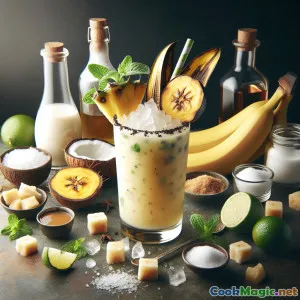
On a hot afternoon in Tonga, you drink otai and call it happiness. The Tongan version I first fell for was watermelon-forward, pulpy in the best way, with ribbons of fresh coconut floating like white confetti. A good otai drinks like fruit salad through a straw. It should be cold, lightly sweet, and a little chewy.
At a stall by Nuku'alofa's waterfront, a man chipped ice from a block into a bright blue cooler and stirred in grated watermelon, scraped coconut, a handful of crushed pineapple, water, and a little sugar. He tasted and adjusted like a bartender, then ladled the rosy drink into cups. The first sip was sun-warmed fruit turned cold and generous. Some versions add apple for a crisp note; papaya otai is common when esi, papaya, is abundant. Ask for otai 'esi if you want that velvety papaya sweetness.
Make it at home
- 4 cups grated watermelon, with the juice
- 1 cup grated fresh coconut or unsweetened thick coconut flakes
- 1 cup crushed pineapple with juice
- 2 to 3 cups cold water or coconut water
- 1 to 2 tablespoons sugar or honey, to taste
- Pinch of salt
- Ice Combine fruit and coconut in a pitcher. Add water until it looks like a drink rather than a spoon dessert. Sweeten to taste and add a pinch of salt to sharpen the flavors. Serve over plenty of ice. It should be sippable, not syrupy.
Where to hunt for street flavor on each island

Nuku'alofa, Tongatapu
- Faua Wharf at dawn: For raw fish sales, early grills, and watching the city wake up. Try tuna belly skewers, ota ika ladled bright from fresh bowls, and small packs of cassava chips sold from buckets.
- Talamahu Market: The heart of daily trade. Downstairs is for produce, flowers, and snacks; edges and adjoining streets host stalls with sapasui, keke isite, and roasted roots at lunchtime. Look for the coconut scraper in action.
- Vuna Road waterfront evenings, especially Fridays: Temporary night markets pop up with barbecue skewers, feke tunu, piles of noodles, and cups of otai tinkling with ice.
- Taufa'ahau Road near the bus station: Budget-friendly eats during the day, with lu pulu and lu sipi parcels, talo wedges swaddled in newspaper, and friendly banter.
Vava'u (Neiafu)
- Neiafu Market by the waterfront: Morning fruit, root crops, and women selling small plastic containers of ota ika with extra lime halves tucked in. Expect to see more green mango folded into the fish when in season.
- Friday evening stalls by the marina: Mix of grilled seafood skewers, sapasui, and sometimes homemade cakes. Watch the sails in the harbor turn rose while you eat.
Ha'apai (Pangai)
- Pangai Market: Smaller but big on warmth. Grilled fish is common, and you can find packets of lu kept warm in coolers. Ask for breadfruit when in season and eat it on the harbor wall.
Across the islands, schools and churches hold frequent fairs and fundraisers, often signaled by hand-painted signs and laughter spilling down the street. Walk toward the music and you will likely find keke isite, slabs of pineapple pie, and vats of sapasui sold to support a new roof or team jerseys.
Prices and practicalities
- Ota ika portions: 8 to 15 TOP depending on fish and size
- Skewers: 2 to 5 TOP
- Sapasui boxes: 6 to 10 TOP
- Lu pulu or lu sipi packets: 10 to 15 TOP
- Otai cups: 3 to 5 TOP
- Keke isite twists: 1 to 2 TOP Prices flex with season and availability. Bring small change. Most stalls do not take cards.
Sunday quiet, Saturday bustle: how faith shapes the street food clock

Tonga is a kingdom where Sunday is sacred. The law and custom knit together to keep the Sabbath for rest and church, and most businesses, including street stalls, close. If you are planning your eating calendar, think of Saturday as a crescendo and Sunday as a hush. It means Friday night markets brim with families stocking up and celebrating the weekend, and Saturday mornings see extra trays of keke isite and baskets of boiled talo.
On Sundays, the smells of food still fill the air, but they roll from homes and village halls. Umu are lit early so families can eat together after church. As a visitor, unless you are invited, it is not the day to hunt street food. Instead, buy ahead on Saturday and do as local families do: rest, eat leftovers, walk by the sea. The rhythm gives street food a heart-thrum on the other six days of the week that feels all the more lively by contrast.
Eat like a local: phrases, etiquette, and ordering strategies

In Tongan street stalls, hospitality runs deep, but a few small choices will earn you more than your order. They will earn you stories.
Phrases that help
- Malō e lelei: Hello
- Fēfē hake: How are you
- Malō 'aupito: Thank you very much
- 'Oku fiha: How much is it
- Faka'aho e fefine: Please, miss or ma'am (use respectfully; context matters)
- Faka'aho e tangatá: Please, sir
- 'Ikai sipisi: No chili, if you need to skip spice
- Si'i sipisi: A little spicy
Etiquette and tips
- Greet first. The flow of a purchase starts with a hello. You will see smiles bloom when you try Tongan greetings.
- Watch the line. Many stalls serve friends and elders first; do not be surprised to see a murmured exchange ahead of you. It is not rudeness, it is community. Your turn will come.
- Ask before photographing. Vendors are often proud of their work, but a quick May I take a photo earns permission and maybe a recipe.
- Share a bench. If a family gestures to sit, sit. They will likely ask where you are from and offer an extra lime wedge.
- Eat with your hands when it makes sense. A piece of roasted breadfruit makes a perfect scoop for lu. Keep a napkin handy.
- Sustainability matters. Bring a reusable container or fork if you can. Some stalls now use compostable ware, but waste bins can be scarce.
Strategy for ordering
- Scan and sniff. Let your nose guide you. The best indicator of freshness is how it smells in the air and looks on the plate.
- Start small, go wide. Grab a skewer, a small bowl of ota ika, a twist of keke isite, and an otai. You can build a whole meal, one stall at a time.
- Talk. Ask what is best today. Season rules street food. If mango is in season, it will be in your salad.
For the home cook: bringing Tongan street food to your kitchen

The sound of a wharf at dawn is hard to pack in a suitcase, but street flavors can come home with you. Here are a few field-tested approaches for recreating favorites.
Ota ika, simplified
- Fish: Buy the freshest sashimi-grade fish you can find. Tuna or snapper are solid choices.
- Cure: Cut into small dice and toss with lime juice and sea salt. Let sit 10 minutes.
- Cream: Stir in thick coconut cream, diced tomato, thinly sliced cucumber, and spring onion. Add chili if you like. The texture should be saucy but not soupy.
- Eat cold, soon. The fish continues to firm up in acid; you want the lazy tender state.
Lu at home without an umu
- Leaves: Taro leaves are ideal. If unavailable, use young spinach and collard greens layered together for a sturdier wrap.
- Filling: Corned beef or lamb stewed until tender; mix with coconut cream, onion, and a pinch of salt.
- Wrap: Use banana leaves if you can find them, softened over heat. If not, wrap well in baking parchment, then in foil.
- Bake: 175°C (350°F) for about 1 to 1.5 hours, until leaves are tender and the cream has thickened. The goal is gentle, steady heat.
- Serve with boiled manioke or potato and a drizzle of warm coconut cream.
Sapasui with pantry smarts
- Noodles: Use glass noodles (mung bean vermicelli). Soak until pliable, then cut into shorter lengths.
- Flavor base: Sauté onion and garlic; add soy sauce, a little brown sugar, and stock. Thicken slightly with cornstarch slurry.
- Add-ins: Shredded chicken, thinly sliced beef, or tofu; carrot matchsticks and cabbage. Fold in noodles and simmer until glossy.
- Finish with chopped spring onion and a squeeze of lime to wake it up.
Feke tunu on a backyard grill
- Tenderize: Simmer octopus arms in lightly salted water with a knob of ginger for 30 to 40 minutes until tender when pierced. Cool in the liquid.
- Marinade: Mix light soy, brown sugar, grated ginger, lime juice, and a touch of chili. Marinate cooled octopus for 30 minutes.
- Grill: High heat, quick sear to char the outside. Brush with marinade as it grills. Slice and serve with pickled cucumber.
Otai for a crowd
- Grate fruit rather than blending. Texture is the soul of otai. A box grater and patience beat a blender here.
- Salt matters. A pinch of sea salt makes the fruit taste more like itself.
- Keep it cold. Freeze some of the fruit ahead so your pitcher becomes its own ice pack.
Chips and roots
- Manioke chips stay crisp if you blanch first, dry thoroughly, and fry twice: once to cook, once to crisp.
- Breadfruit can be treated like a potato for roasting, but do not skip the final pan-fry for those golden freckles.
Pantry notes
- Coconut cream: Look for brands that list only coconut and water, or learn to press your own by blending fresh coconut with warm water and straining.
- Limes: Small, thin-skinned limes give the brightest scent. If your limes are aggressive, cut with a splash of orange juice.
- Salt: If you brought back Tongan sea salt, use it to finish. The coarse crystals crackle nicely on fried things.
The memory of smoke and salt: a personal note

On my last evening in Nuku'alofa, the wind softened and the light came down in slants over the harbor. The night market on the waterfront hummed with families drifting from skewer to skewer like fish in a gentle current. Smoke threaded the air. I bought a paper plate of feke tunu and a cup of otai and found a spot on a low wall.
A little boy perched next to me, his knees just reaching the edge, and watched me eat. When I hesitated over the last piece of octopus, he nodded encouragingly, as if to say: go on. I offered him a piece of my keke isite instead. He laughed, sugar dusting his lips pale, and his mother called to him in a voice that made space for both love and urgency. Everything smelled like grill and ocean and fruit sugars in the breeze.
Tongan street food is not crowded. It is not a shouting river like the night markets in bigger cities. It is a series of small acts repeated with care: a skewer turned, a bowl ladled, a greeting offered, a hand extended with change or a second helping. It is history folded into taro leaves, migration in a slick of soy on noodles, generosity in a twist of dough dusted with sugar. To eat on the street in Tonga is to stand inside that care and hear the steady pulse of an island kingdom that knows its own rhythms.
If you go, go early to the wharf and late to the grill. Be curious. Bring small bills and a big appetite. And when you take your first bite of ota ika, cold and bright in a bowl, feel how simply and completely it tastes like the sea close by. Then, with your next mouthful, taste the hands that made it and the home they carry in every fingerful. That is the flavor that will follow you home, long after the smoke has washed out of your shirt and the sunlight has left your camera. There is always another skewer, another wedge of breadfruit, another cup of otai. In Tonga, there is always another hello.