The Significance of Milk Tart in Local Celebrations
34 min read Explore how beloved melktert sweetens South African gatherings—from birthdays to braais—tracing its Cape heritage, regional variations, and the nostalgic rituals that make this custard tart a communal icon. January 15, 2026 07:05
The first time I smelled milk warming with a cinnamon stick in a Johannesburg kitchen, the air felt like wool—soft, comforting, a little hazy with spice. The stove clicked gently, the pot gave off a breath of steam, and in that breath I could already taste the tart that hadn’t even set yet: cool and clean like porcelain, with the faintest floral sweetness of milk and vanilla, and a high note of cinnamon that announces itself before you’ve brought the slice to your mouth. South Africa calls this melktert, but the name hardly captures the feeling. It’s not just dessert—it’s a social language. It appears at weddings and funerals, at school fetes and Sunday braais, at heritage festivals and everyday tea breaks. It’s the slice someone hands you when you arrive and the last piece someone insists you take when you leave.
A Slice That Smells Like Home

There’s an old cliché that a food is more than its ingredients. With milk tart, the cliché is true in a tangible way. It’s in the sound of a serrated knife shushing through the tender custard and pastry. It’s the little cloud of cinnamon dust that marks your fingertips when you pick up a slice on a flimsy paper plate at a church bazaar in Pretoria. It’s the faint squeak of aluminum pie tins against a folding table at a netball fundraiser. The tart itself is modest—no glossy fruit lacquer or meringue peaks, no blowtorch theatrics—just a pale custard, a brown rim of crust, a snowfall of cinnamon. But the simplicity is deceptive: it’s a dessert designed to be shared, to travel in the backseat, to sit kindly on a crowded table without demanding attention.
Every community I’ve cooked with in South Africa—Afrikaans aunties in Bloemfontein, Cape Malay families in Bo-Kaap, Indian grandmothers in Durban who fold it into Diwali spreads alongside soji—speaks of melktert in a hush. It is the polite guest that proves essential: agreeable, unobtrusive, and somehow the plate always empties. I think it’s because milk tart doesn’t taste like effort; it tastes like care. Even when bought from a supermarket—Woolworths’ version with its smooth, slightly gelatinous custard; a plainer bakery version from a Durban Hypermarket with a fluted crust—the experience is still rooted in memory.
From Mattentaart to Melktert: A Brief, Delicious History
Melktert’s ancestry reaches back to the 17th-century Cape, where Dutch settlers adapted their mattentaart—a curd cheese custard pie—to local conditions. Milk was more plentiful than curd cheese, and access to spices through the Indian Ocean trade meant cinnamon was cheap and beloved. Over time, the curds disappeared, the custard lightened, and the cinnamon stayed, settling on top like a signature. The Cape’s culinary exchanges—European techniques, indigenous ingredients, and Malay spice sensibilities—gave melktert its notable traits: a less eggy, more milk-forward custard than English custard tarts; a meaningful role for cinnamon from the moment the milk warms; a texture light enough to invite a second slice without regret.
By the late 19th century, melktert had become a practical, celebratory standard: it traveled well to church bazaars, farm harvest gatherings, school functions, and weddings. Through the 20th century it acquired regional accents. In the Karoo, where eggs and milk were farm-fresh and abundant, baked versions with a soft, jiggly set dominated. In cities like Johannesburg and Cape Town, a no-bake, stovetop-cooked custard poured into a biscuit crust became popular for its reliability and speed. Today, both exist in parallel, and arguments about which is more “authentic” are best settled with two forks and two slices.
The Architecture of Comfort: Crusts, Custards, and Cinnamon

Lovers of melktert speak in crust. The options are not just textural but emotional.
- Shortcrust pastry: Flaky but tender, slightly salty, with that reassuring buttery snap that frames the custard like a picture. Traditionalists will blind-bake a thin, even shell, its edges scalloped or pinched by hand. In a Stellenbosch farmhouse kitchen, I watched an oom flick a pinch of salt into his crust mix “so it doesn’t taste like pudding,” he said, insisting on a savory echo to set off the sweet cream.
- Tennis biscuit crust: A South African shortcut made by crushing tennis biscuits (butter-coconut cookies) and binding with melted butter. It gives a sandy crumble that melts into the custard, with a whisper of coconut. It also turns a child into a proud helper—there’s a specific satisfaction in the thwack of a rolling pin against a packet of biscuits.
Custard is the soul and the argument. The baked custard is a silkier, shakier set—a wobble that stops just shy of fear when you carry the tart to the table. It typically relies on eggs and flour (or sometimes cornflour) for structure and achieves its flavor from milk infused with cinnamon and sometimes a strip of lemon peel. The stovetop custard, cooked until it coats a spoon and then poured into a pre-baked crust, gives a smooth, glossy set that slices like a dream. It’s the version that can sit confidently on a trestle table for hours at a community fundraiser.
Cinnamon is both spice and signifier. Many cooks steep a cinnamon stick in the scalding milk, withdrawing it only when the liquid smells “like a cupboard where your grandmother kept her pies,” as Aunty Rukaya told me in Salt River. Ground cinnamon dusted on top is non-negotiable. Some families sieve it into perfect evenness; others allow a generous snowfall, uneven and abundant. I know a tannie in Potchefstroom who stencils a cinnamon lace doily pattern onto the top; she says it’s her mother’s trick to make every tart look like a celebration.
Where Milk Tart Shows Up: Markets, Matches, and Milestones
I’ve chased melktert across South Africa the way some chase oysters or barbecue joints. Here are a few places the tart quietly anchors the social calendar:
- Church bazaars in Pretoria North: They cut the tart into measured squares, place each on a paper napkin, and pass them across with exact change for the church’s roof fund. The tart is cool, the crust slightly chewy from condensation, and it tastes like you will see these people again next Sunday.
- Heritage Day braais in Soweto: It shows up alongside boerewors rolls and chakalaka. One year, a neighbor made a cinnamon-heavy, stovetop version with a tennis biscuit crust and served it straight from a foil tray, no slicing—just scoop and eat. It felt communal, like passing a bowl of pap.
- Cricket pavilion snacks: At schools in KwaZulu-Natal, you’ll often find a bakery-bought tart at the tuck shop. The custard is firmer, always very cold, and the cinnamon sticks to your top lip in the wind.
- Weddings in the Eastern Cape: Pastel cloths, enamel coffee pots, and slices of baked melktert served between speeches as a second dessert “for the older people,” a nod to tradition that inevitably captures the younger people too.
- National Milk Tart Day, 27 February: Bakeries showcase their best versions, supermarkets run specials, social media fills with tart attempts and grandmothers’ scrawled recipe cards. It won’t shut down the country, but it does gather a winking consensus: this is ours.
Technique Clinic: Two Classic Methods

Consider this a how-to for cooks who want to feel the difference in their palms and the heat of the milk on their skin.
Baked Custard Melktert
- Flavor: Light, egg-custard flavor with a soft jiggle and delicate set
- Texture: Slightly airy because of the oven’s heat and steam
- Best for: Family lunches, a tart that feels “old Cape”
Steps:
-
Infuse the milk: Heat full-cream milk with a cinnamon stick and a strip of lemon peel just to scalding—small bubbles at the edge, steam rising, no boil. Turn off the heat and let it sit at least 15 minutes. The kitchen should smell like warm spice and citrus oils.
-
Prepare the crust: Shortcrust is best here. Blind-bake a thin shell until pale golden. The gentler the color now, the better the contrast with the custard later.
-
Make the custard base: Whisk eggs with sugar and a pinch of salt. Whisk in flour (some use a mix of cake flour and cornflour) until smooth.
-
Temper, then cook: Remove the cinnamon and peel. Slowly whisk warm milk into the egg mixture until combined. Return to the pot and cook over medium heat, stirring constantly with a heatproof spatula, until it thickens just enough to leave a track when you drag a finger across the spatula. Do not let it boil aggressively.
-
Bake: Pour into the warm crust. Bake at a gentle 160°C until the center trembles like set jelly. Remove and cool; the carryover heat finishes the set.
-
Finish: Dust with ground cinnamon while still barely warm so it melts in place like snow on warm stone.
Stovetop Custard Melktert (No-Bake)
- Flavor: Clean milk sweetness, pronounced cinnamon
- Texture: Silky and consistent, slices neatly
- Best for: Big gatherings, humid days, reliable results
Steps:
-
Biscuit crust: Combine pulverized tennis biscuits with melted butter and press firmly into a pie tin. Chill until firm.
-
Custard cook: Whisk sugar, cornflour, and a pinch of salt. Stream in some milk to make a slurry. Heat remaining milk with a cinnamon stick until steaming; remove the stick. Slowly whisk hot milk into the slurry, return to the pot, and cook until thick but still pourable. Off heat, whisk in butter and vanilla; some stir in a dollop of sour cream for tang.
-
Set: Pour into the crust, smooth the top, and let it cool before chilling until firm. Finish with a dusting of cinnamon.
The stovetop version forgives. It holds on a buffet while children poke at it with plastic forks. The baked version rewards patience with a texture like a dream you can slice.
Pro Tips from Tannies and Pastry Chefs
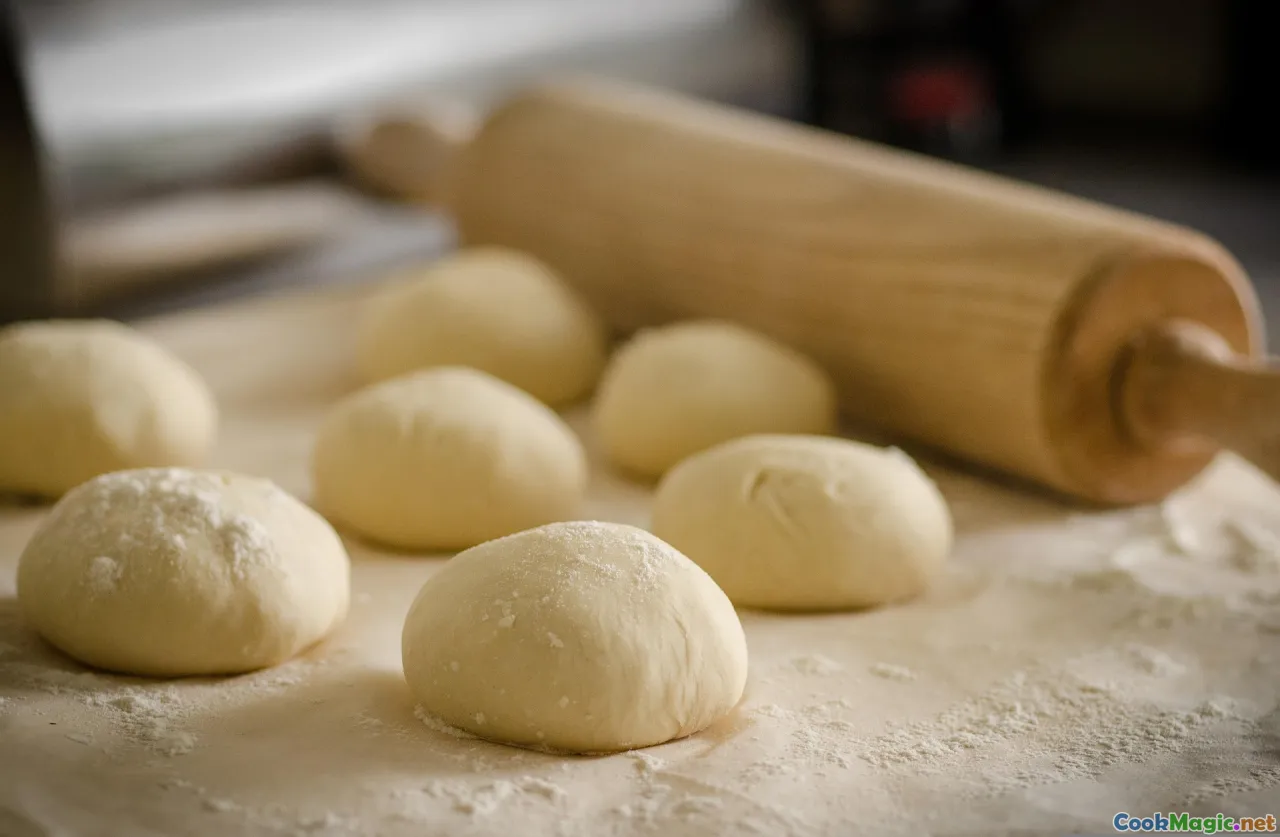
- Use full-cream milk. Skim milk makes a wan custard; evaporated milk gives an off flavor. A farm in the Garden Route where I once worked swore by a mix of 75% full-cream milk and 25% cream for a luxury mouthfeel.
- Scald, don’t boil. Boiling milk can scramble eggs later and dull the perfume of cinnamon. Steaming milk whispers; boiling milk shouts.
- Cornflour vs. flour: Cornflour gives a glassy set that slices neatly; cake flour lends a softer, more “puddingy” feel. Many cooks use a combination for balance.
- Salt is not optional. A pinch clarifies sweetness and makes the milk taste more like itself.
- Chill with patience. Allow the tart to come to room temperature first; refrigerate only after it has cooled. This prevents condensation sogging the crust.
- Cinnamon application matters. Dust through a fine sieve for even coverage. Or stencil with a paper doily for a festive look.
- For moving the tart: Freeze the crust briefly before filling; it strengthens the base. For long car rides to a family event, place the tart tin on a cold baking sheet to help maintain the set.
Pairings and Plates: What to Serve With Melktert
- Rooibos with honey off to the side. The earthy, tannin-free tea flatters the milk’s sweetness and the cinnamon’s warmth.
- Moerkoffie (strong stovetop coffee) served in enamel mugs. The bitterness chisels out the custard’s edges.
- Halved naartjies in season or macerated strawberries with a whisper of sugar and orange flower water. The citrus brightness wakes the palate between bites.
- A pinch of ground cardamom stirred into the cinnamon for Eid gatherings—fragrant, elegant, and quietly different.
- For a full spread, set melktert beside other South African bakes: lamington-like ystervarkies, koeksisters glistening with syrup, and a tart lemon meringue pie. Watch which disappears first.
Regional Twists and Family Signatures
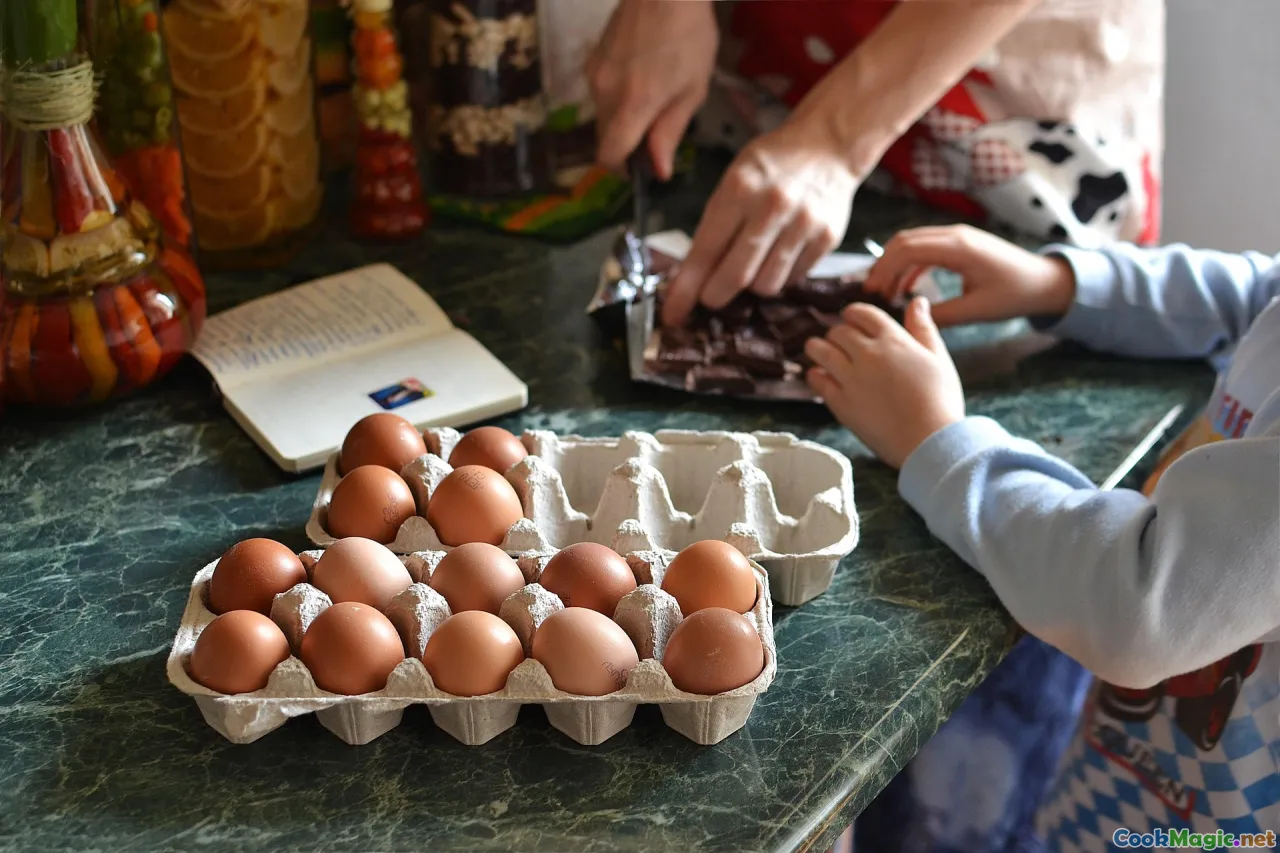
- Western Cape elegance: A baked tart spiked with a few drops of almond essence and a strip of lemon zest steeped in the milk. Dusting is perfectly even, edges fluted.
- Free State farm style: A deep-dish baked tart in a blackened enamel tin, with a sturdier crust and a custard that wobbles dramatically. Cinnamon is generous and a little rustic.
- Durban Diwali-friendly: A stovetop custard finished with ghee instead of butter and a whisper of cardamom alongside cinnamon.
- Joburg modern: A tennis biscuit crust with a slick of dark chocolate brushed on before the custard goes in, forming a moisture barrier and a pleasant bittersweet snap when sliced.
- Cape Flats practicality: A double batch poured into two disposable foil tins, one for the event, one to leave with the host. No fuss, all heart.
My own signature, stolen from a Noordhoek baker: I stir a spoonful of smooth apricot jam into the warm custard just before pouring. It doesn’t taste of apricot; it tastes of roundness, a golden undertone that people can’t name.
Milk Tart Across the Table: Inclusivity and Adaptation

One of melktert’s strengths is how easily it welcomes everyone. Halal households swap butter for ghee and ensure gelatine, if used, is appropriate. Kosher families use kosher-certified dairy and sometimes lean on cornflour to secure a firm set without extra eggs. Lactose-free versions thrive on rich lactose-free milk; vegan cooks build a convincing custard with oat milk or coconut milk, a little cocoa butter for body, and agar or cornflour to set. The point isn’t to replicate exactly but to preserve the dessert’s intention: a cool, lightly sweet custard laced with cinnamon, served in generous slices.
At a stokvel Christmas party in the Eastern Cape, I watched a grandmother present three versions—traditional baked, vegan coconut milk, and a child-friendly version with extra cornflour and less cinnamon. All were eaten. The tradition is not a museum piece; it breathes.
Custard Tarts in Conversation: How Melktert Stands Apart
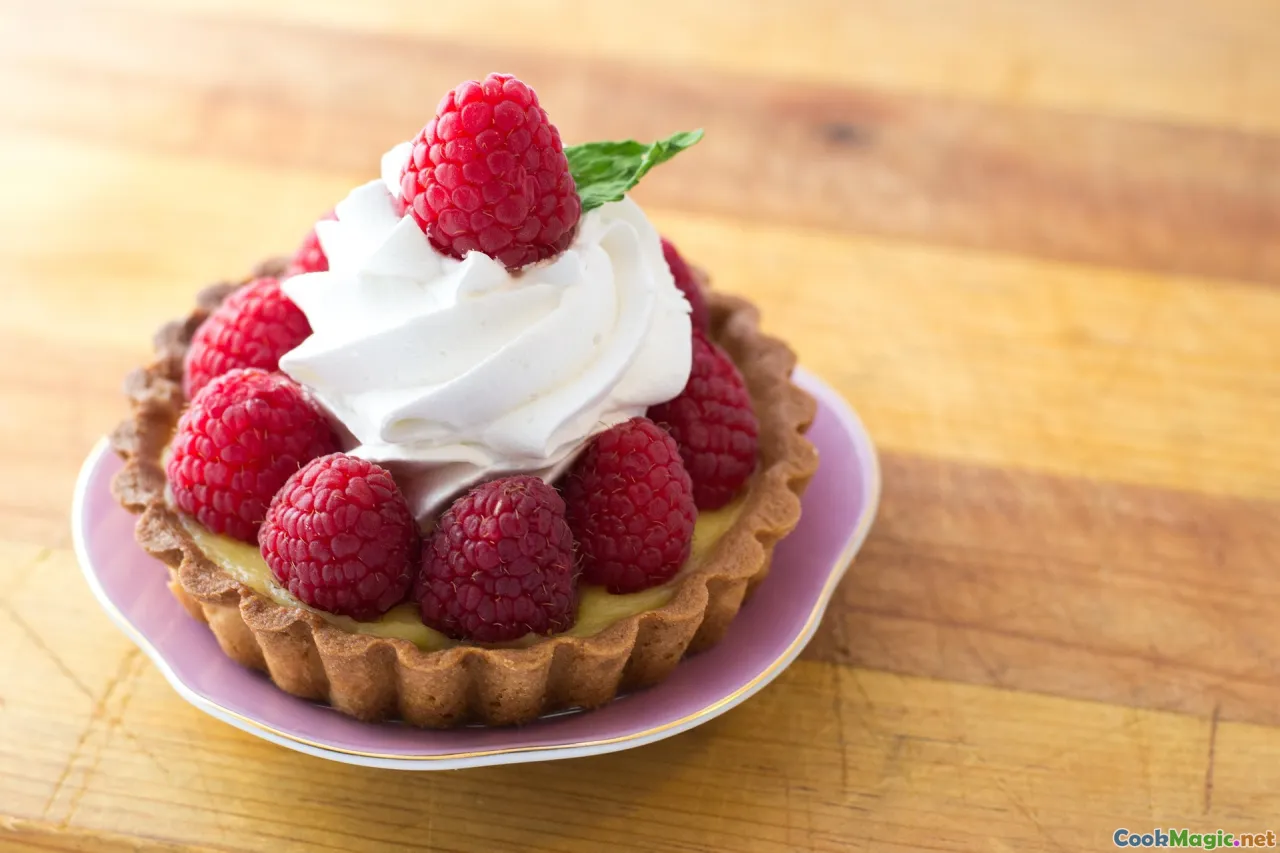
It’s easy to compare melktert to cousins around the world:
- Portuguese pastéis de nata: They’re blisters and caramelized tops, crunchy laminated pastry, brûléed edges. Melktert is gentler, paler, a quiet room rather than a crowded café square.
- English custard tart: Nutmeg-scented with a tighter, eggier curd. Melktert uses more milk relative to egg, giving a lighter mouthfeel—the difference between drinking milk and sipping crème anglaise.
- Hong Kong egg tarts: Glossy, small, buttery, best warm. Melktert prefers coolness; the cinnamon speaks better when the custard is cold.
- French flan pâtissier: Tall, baked, vanilla-rich. Melktert keeps a lower profile, literally and figuratively, and puts cinnamon before vanilla.
In this chorus, melktert sings a specific South African note: the flavor of accessible milk, the warmth of cinnamon shaped by spice routes, and a communal ease that allows the tart to belong everywhere, from tin-roof kitchens to hotel buffets in Sandton.
A Recipe You Can Take to the Bazaar
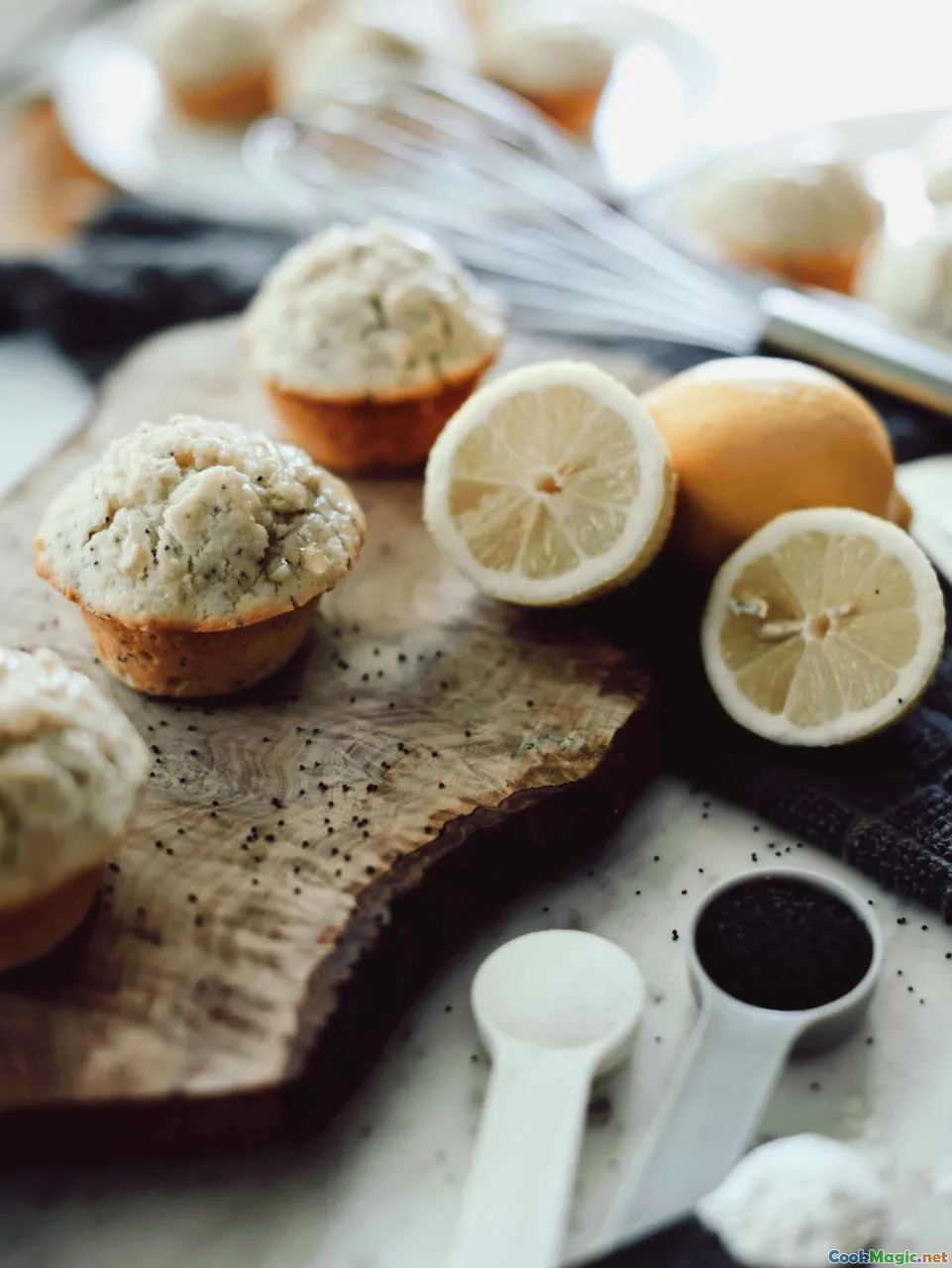
This version is a hybrid: a reliable, stovetop custard with a shortcrust base that holds up to travel and slicing. It yields one 23 cm tart.
Crust
- 180 g cake flour (about 1 1/2 cups)
- 30 g icing sugar (1/4 cup), sifted
- 1/2 tsp fine salt
- 115 g cold unsalted butter (1/2 cup), cubed
- 1 large egg yolk
- 1–2 tbsp ice water, as needed
Custard
- 750 ml full-cream milk (3 cups)
- 1 cinnamon stick
- 100 g caster sugar (1/2 cup)
- 35 g cornflour (1/3 cup)
- 20 g cake flour (2 tbsp)
- 1/4 tsp fine salt
- 2 large eggs
- 30 g unsalted butter (2 tbsp)
- 1 tsp vanilla extract (optional but lovely)
- Ground cinnamon, to finish
Method
-
Make the crust: Combine flour, icing sugar, and salt. Rub in butter with fingertips until the mixture resembles coarse breadcrumbs—cool and sandy, with a few pea-sized bits. Whisk yolk with 1 tbsp ice water and add; mix just until a dough forms, adding more water if dry. Press into a disc, wrap, and chill 30 minutes.
-
Blind-bake: Heat oven to 180°C. Roll dough to 3 mm thickness and line a 23 cm tart tin. Dock the base with a fork, freeze 10 minutes, then line with parchment and fill with baking beans. Bake 15 minutes, remove beans and parchment, and bake 8–10 minutes more until pale gold. Cool.
-
Infuse the milk: In a saucepan, warm milk with cinnamon stick to just steaming. Cover and steep 10–15 minutes; the milk should smell like a winter pantry.
-
Mix the custard base: In a bowl, whisk sugar, cornflour, cake flour, and salt. Add eggs and whisk to a smooth paste.
-
Temper: Remove cinnamon stick. Whisk a ladleful of warm milk into the egg mixture, then slowly add the rest, whisking constantly.
-
Cook: Return to the saucepan over medium heat. Cook, stirring steadily with a spatula that reaches the corners, until thick and glossy, about 5–7 minutes after the first signs of bubbling. Remove from heat; whisk in butter and vanilla.
-
Fill and finish: Pour custard into the cooled crust, smoothing the top. Let it sit at room temperature 30 minutes, then chill at least 2 hours. Dust generously with ground cinnamon just before serving.
Serving note: Aim for slices cut with a knife warmed under hot water and wiped dry; this yields clean edges. Serve cool, not straight-from-the-fridge cold, so the cinnamon aroma blooms.
Variation: Tennis Biscuit Base
Swap the shortcrust for 200 g tennis biscuits crushed finely and mixed with 90 g melted butter. Press into the tin and chill. Fill with the same custard. This is your road-trip tart—friendly, sturdy, eager to be shared out of a cooler box on a field.
Keeping Tradition Alive: Hosting a Milk Tart Social

A milk tart social is my favorite way to celebrate a community milestone—end of harvest, a school art show, a neighbor’s retirement. Here’s an outline that has worked for me in both a Mowbray community hall and a modest backyard in Centurion.
- Theme: “Cinnamon and Stories.” Invite guests to bring a tart and a story about the person or event being honored. The stories are as nourishing as the food.
- Set the stage: Long folding tables with white paper runners. Place cinnamon shakers at intervals. Put small cards for bakers to name their tart—baked, no-bake, almond-scented, tennis biscuit, vegan.
- Drinks: Urns of rooibos, large plunger coffee, and a jug of chilled naartjie cordial. Milk and sugar on the side. Metal teaspoons in jars ready to clink.
- Palate-breakers: Bowls of sliced oranges and a dish of salted peanuts and raisins, the South African conference classic.
- Awards: Light-hearted certificates—“Best Wobble,” “Most Generous Cinnamon,” “Crust to Write Home About.”
- Take-home: Keep a roll of plastic wrap and spare foil pie tins. The last act is sending people home with slices. The celebration continues at breakfast.
The Quiet Drama of Cinnamon

Cinnamon is the perfume that lifts melktert from milk and sugar to memory. It’s the scent that announces dessert in a hallway, the dust that catches light like chalk on a school blackboard. I once grated fresh cinnamon bark over a tart moments before serving in a Windhoek café—technically not South Africa, but close enough to share its culinary heartbeat—and watched as three tables turned their heads, like a wave. Cinnamon makes the tart audible.
But it’s more than scent. Cinnamon carries a history of trade winds and ships, of Cape spice cupboards and Malay cooks grinding sticks in mortars. It is a spice of welcome. To dust a tart is to sign it with hospitality.
Personal Notes from Kitchens and Road Trips
- Franschhoek farm stall: A baker there mixes a spoon of sour cream into her custard at the end. The tart tastes like silk with a tang that cuts the sweetness, the way a good friend teases you to keep you honest.
- Bloemfontein backyard: A braai where the melktert was baked in a smoky oven after the meat came off, the custard picking up a ghost of wood smoke. It shouldn’t work, but it tasted like a veld sunset.
- OR Tambo airport Woolworths: I’ve eaten a chilled plastic-clad slice at 6 a.m., waiting for a flight to Cape Town. Not memorable as cuisine, perhaps, but perfect as comfort—a thin, even custard with a neat cinnamon layer that smelled inexplicably like home.
- Bo-Kaap kitchen: Cinnamon steeped with a shard of cassia, then finished with a pinch of ground cardamom. The scent hugged the house like a shawl.
Troubleshooting: When the Tart Misbehaves

- Custard too runny: The mixture likely didn’t cook long enough. Next time, cook until it gives one or two slow “plops” and holds a clear path when you drag a spoon through it.
- Weeping surface: Condensation from refrigerating too soon. Cool the tart at room temperature before chilling.
- Grainy custard: Heat too high or insufficient stirring. Keep the flame gentle and stir continuously, scraping the corners of the pot.
- Soggy crust: Seal a shortcrust with a thin brush of beaten egg white during the last minutes of blind baking or paint a biscuit crust with melted chocolate.
- Cinnamon pooling: Dust when the surface is just tacky so the spice adheres evenly, or sieve a thin layer, wait, then sieve a second pass for even coverage.
Why Milk Tart Belongs at All Our Celebrations

In a country as textured and plural as South Africa, a dessert that belongs everywhere is rare and precious. Melktert has the soft power of foods that don’t insist but endure. It appears without fanfare and outlasts fashion. It flatters rooibos and moerkoffie and the citrusy sweetness of naartjies. It’s kind in summer heat and forgiving on winter nights. It accepts the amateur baker and rewards the precise one. It is native to no single group and claimed by many, which makes it exactly the kind of dish that knits communities together.
I’ve seen it soothe an after-funeral tea, the cinnamon smell passing like a benediction through quiet rooms. I’ve seen it disappear at a student house party, slices eaten standing, plates balanced on windowsills, laughter warming the air. At a Heritage Day potluck in Sea Point, a tiny tart made by a child—crust too thick, cinnamon clumped—was the first gone. People don’t eat melktert to be impressed. They eat it to be together.
I think of a grandmother’s hands pressing a crust into a tin, the tips of her fingers dusted with flour, the heat of the oven against her forearms. I think of a father cutting slices small and then smaller, determined to make enough for everyone. I think of walking to a car with a tart on my lap, the still-warm tin radiating through the dish towel, the smell of cinnamon flooding the little space. When the door opens at the host’s house, someone always says, “Ah, you brought melktert.” And in that sentence is an embrace. The tart goes to the kitchen; the table will be set; the people will arrive; and for an hour or two, the world softens around the edges. That is the significance of milk tart in local celebrations: it carries us, gently, from one moment to the next, sweet and steady as a hand on your shoulder, the flavor of home lingering after the last slice is gone.