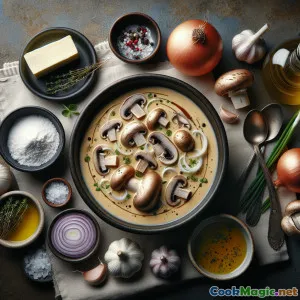
The Role of Seafood in Barbudan Culinary Traditions
11 min read Exploring how seafood shapes Barbudan culinary heritage through vibrant dishes and cultural significance in this Caribbean island. July 31, 2025 03:05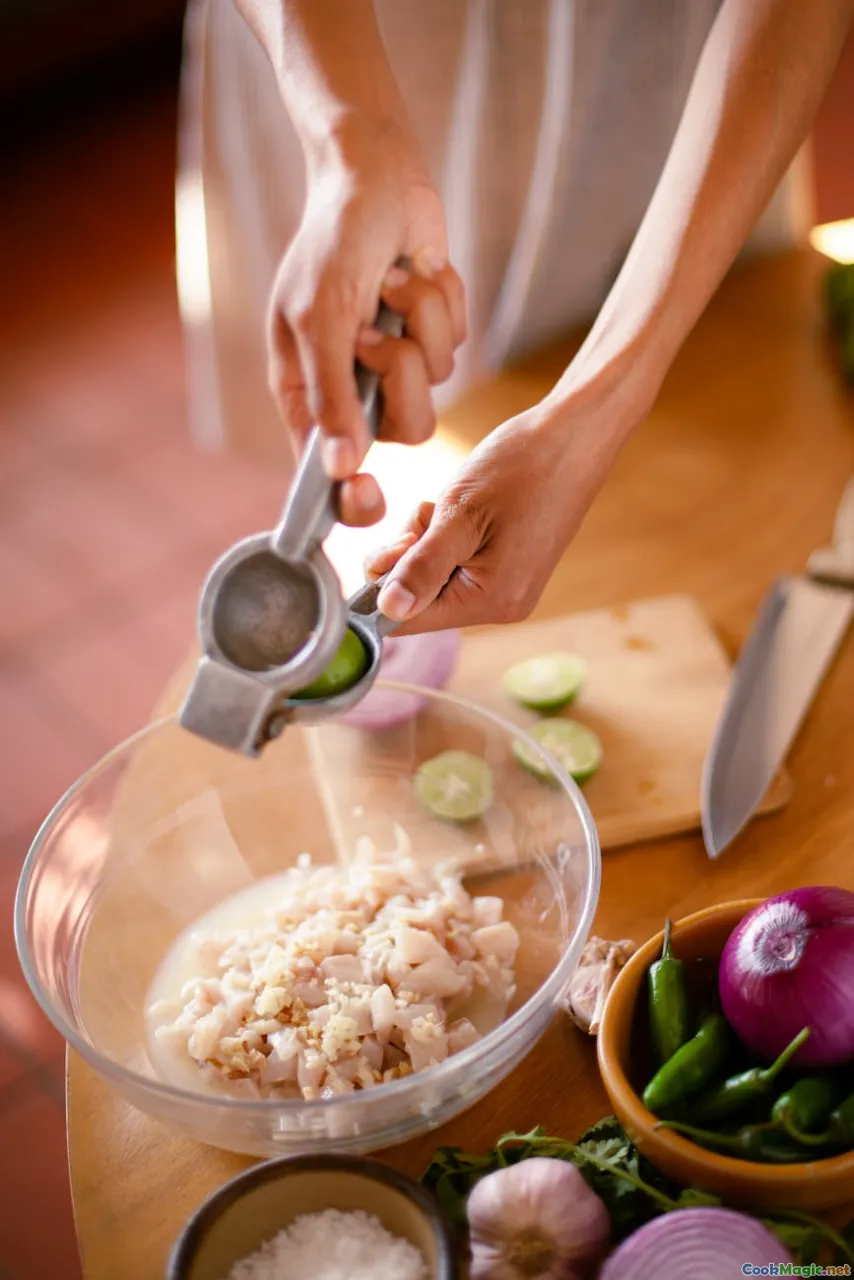
The Role of Seafood in Barbudan Culinary Traditions
Nestled on the southeastern coast of Antigua and within the vibrant tapestry of Barbuda’s rich cultural landscape, seafood is much more than a food source — it’s an inseparable thread woven into the island’s history, identity, and daily life. To step onto Barbuda is to feel the salty kiss of ocean breezes, hear the rhythmic lapping of waves against coral reefs, and taste the briny sweetness of freshly caught seafood that embodies the soul of this island sanctuary. This article delves deep into the vibrant role seafood plays in Barbuda's culinary traditions, exploring its historical roots, signature dishes, techniques, and the emotional resonance it holds for locals and visitors alike.
The Historical Roots of Seafood in Barbuda

Understandably, Barbuda’s relationship with seafood is centuries old. The island’s proximity to rich marine ecosystems—vivid coral reefs, mangroves, and sea grass beds—shaped the livelihood of its earliest inhabitants. Indigenous peoples and settlers alike relied heavily on fishing, both for sustenance and trade. The use of small traditional boats known locally as "porkwoods," carved from local hardwoods, facilitated daily fishing expeditions. Coastal communities developed artisanal methods blending African, Indigenous Carib, and European techniques, crafting a local culinary identity rooted in the abundant bounty of the Atlantic.
Fishing traditions were passed down through generations—each family fostering skills in netting, line fishing, and spearfishing that remain vital today. The historical importance of seafood is also reflected in local folk tales and cultural expressions, which celebrate the sea as a nurturing mother and provider.
Signature Seafood Dishes of Barbuda

What makes Barbuda’s seafood culinary scene truly exceptional is its diversity and freshness. When you visit, the aroma of grilled lobster, seasoned with local herbs and lime, hits your senses before you even see it. Dining here often feels like an intimate communion with nature.
Fried Fish with Crucial Caribbean Flavors
A staple dish—fried fish, typically mahimahi or snapper—comes coated in seasoned flour mixed with local spice blends, fried until crispy, and served alongside plantains or a tangy pickled vegetable slaw. The crunchy exterior gives way to tender, flaky flesh that tastes of the sea—briny, buttery, and perfectly salted.
Lobster Authenticity
Boiled or grilled lobster (sometimes called "bugs" locally) is a Barbuda delicacy, especially during the lobster season from August to March. The freshly caught crustaceans are often prepared simply—boiled with seawater and served with garlic butter. Their sweet, firm meat, with hints of mineral brininess, melts in the mouth.
Conch Creations
Conch, a mollusk with a chewy, slightly sweet flesh, features prominently in local cuisine. Conch salad, diced raw conch mixed with lime juice, hot pepper, onion, and celery, offers a refreshing taste of the Atlantic. Conch fritters—breaded and deep-fried—are a popular snack, crisp on the outside with tender meat inside.
Seafood Stew and Pepper Pot
A communal favorite, Barbuda Pepper Pot can include an assortment of seafood like crab, fish, and squid simmered with greens, peppers, and spices, creating a thick, flavorful stew. This dish not only showcases seafood’s versatility but also embodies the island’s communal spirit.
Traditional Fishing and Cooking Techniques
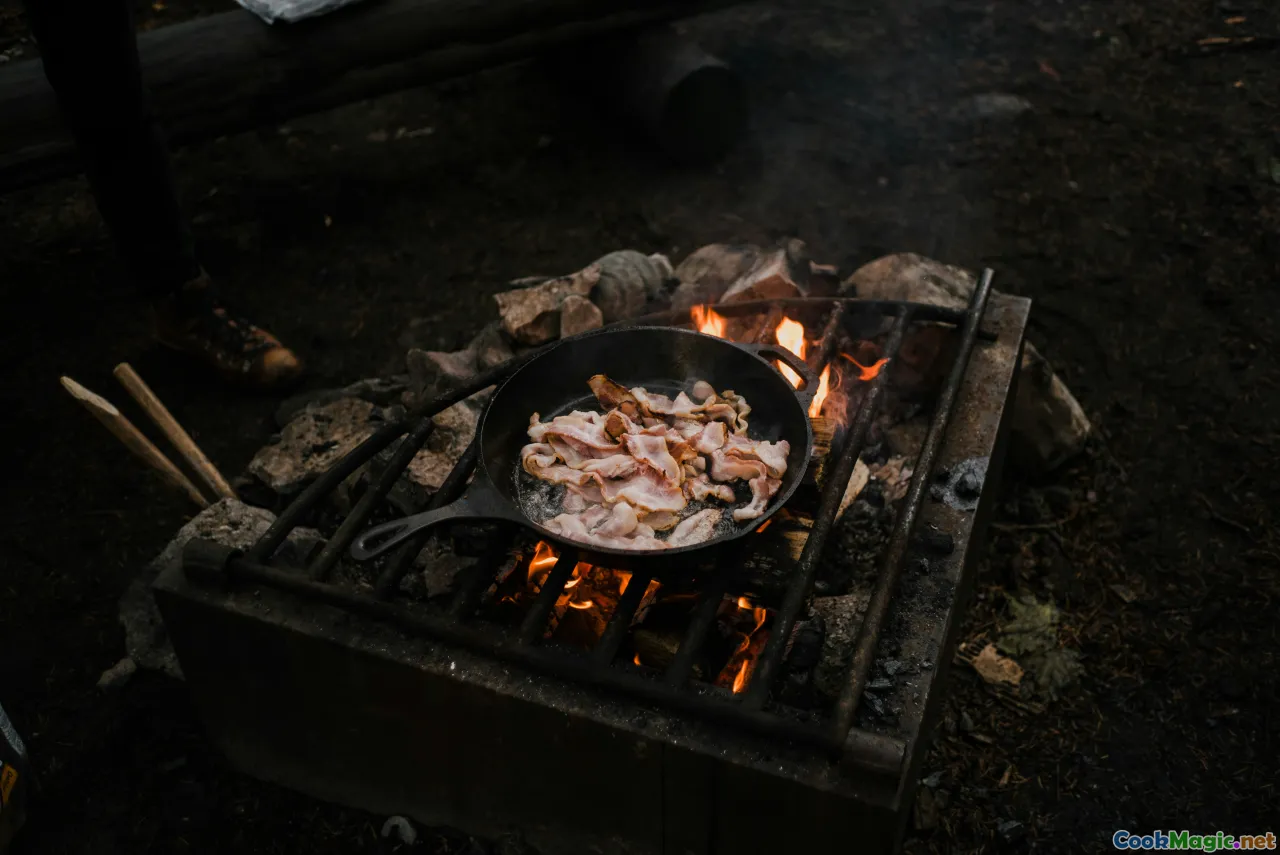
Barbudan culinary artisans preserve age-old techniques that augment the freshness and flavors of seafood.
Open Fire Grilling
Locals often grill seafood directly over open flames or hot charcoal—be it whole fish or lobster—imparting a smoky aroma that enhances their natural flavors. The practice is both social and ceremonial, often accompanied by storytelling.
Fish Smoking
To preserve surplus catch, fish is often cold or hot smoked over aromatic woods such as mangrove or citrus-wood chips. The process renders the flesh intensely flavorful—a hallmark of Barbuda’s preserved seafood traditions.
Ceviche-Like Preparations
Inspired by broader Caribbean influences, Barbuda’s seafood is sometimes prepared as a ceviche—a marination in lime juice, which “cooks” the seafood with acidity, infusing it with brightness and zest. Served chilled, this is perfect for hot island days.
Boiling and Steaming
Boiled seafood dishes are straightforward but rich in flavor—fresh fish or lobster boiled with herbs, sometimes in seawater, then served with lime, hot sauce, and local condiments.
The Cultural and Emotional Significance of Seafood

Seafood in Barbuda is more than sustenance—it's a catalyst for community and celebration.
Every Sunday, the local markets bustle with vendors selling freshly caught seafood—lobster, conch, fish—laid out as a testament to the island’s bounty, calling families and visitors together. Community-driven fish fries and cookouts become vibrant social events where stories are shared over platters of grilled seafood.
During festivals like the Barbuda Caribana or Independence celebrations, seafood dishes are central. These communal feasts invoke a collective pride rooted in centuries of fishing tradition—each bite echoing the resilience and ingenuity of Barbuda’s ancestors.
Personal stories from locals reveal how seafood connects them to their heritage, providing comfort, pride, and resilience in challenging times. The act of catching and preparing seafood isn’t just culinary; it’s deeply emotional, embodying an enduring respect for nature that sustains their culture.
How to Experience Authentic Barbuda Seafood

To truly immerse yourself in Barbuda’s seafood traditions, consider engaging directly with the local community.
Visit the Local Fish Markets
Wake early and wander through Darsor’s Fish Market. The air is thick with salt, fish oil, and the chatter of vendors. Tasting freshly caught conch or sampling locally cured smoked fish offers an authentic flavor of Barbuda.
Take a Fishing Tour
Join a local fisherman on a traditional “porkwood” or small boat to experience the craft firsthand. Learn the art of netting and spearfishing—and bring your catch back for a grilling session.
Participate in a Cooking Class
Several beachfront resorts and local chefs offer classes, teaching techniques like seasoning fresh fish, preparing lobster, or making conch fritters. These experiences deepen appreciation for the island’s culinary nuance.
Dine at Local Restaurants and Eateries
Seek out small family-run establishments by the beach—like 'The Reef’ or 'Cap’s Kitchen’—where seafood is prepared with love and served in a setting that feels like home.
Preservation and Sustainability in Barbuda’s Seafood Traditions

As global concerns about overfishing and environmental degradation grow, Barbuda’s community has taken proactive steps to preserve its marine heritage.
Sustainable fishing practices, including seasonal restrictions and marine protected areas, are enforced to safeguard the fragile reefs and fish stocks. Local know-how emphasizes catch-and-release for certain species and mindfulness about harvesting limits.
Initiatives such as reef conservation projects and community-led awareness campaigns ensure that seafood’s role remains vital for future generations—a true reflection of the island’s respect for its natural bounty.
The Emotional Heartbeat of Barbuda’s Seafood
The essence of Barbuda’s seafood isn’t just in its flavor, color, or texture—it's in its power to connect, to commemorate, and to conserve. When a family gathers around a communal table sharing a platter of fresh lobster or conch salad, they’re embracing more than sustenance—they’re holding onto generations of stories, traditions, and resilience.
Seafood invigorates the island’s pulse, embodies its history, and energizes its future. For the culinary enthusiast, understanding Barbuda’s seafood traditions offers a taste of the soul of this remarkable Caribbean jewel—where the ocean is both sustainer and storyteller.
In Barbuda, every plate of seafood is a celebration of life, heritage, and the unbreakable bond between land, sea, and community.