Sustainable Meat Practices in Traditional Kazakh Cooking
9 min read Exploring eco-conscious methods and traditions that promote sustainable meat consumption in Kazakh culinary heritage. September 09, 2025 18:05
Sustainable Meat Practices in Traditional Kazakh Cooking
Kazakh cuisine, with its roots deeply embedded in the steppes and vast landscapes of Central Asia, is a rich tapestry of flavors, traditions, and cultural storytelling. At its heart lies the artful use and respectful management of meat, primarily mutton, horse meat, and beef, which have sustained nomadic tribes for centuries. Today, as the world grapples with environmental challenges and a pressing need for sustainable practices, traditional Kazakh cooking offers valuable lessons on respecting natural resources while honoring cultural heritage.
In this exploration, we plunge into how Kazakh culinary traditions inherently embrace sustainability, highlighting specific practices, beloved dishes, and personal stories that exemplify how ancient wisdom guides modern efforts toward responsible meat consumption.
The Cultural Significance of Meat in Kazakh Traditions
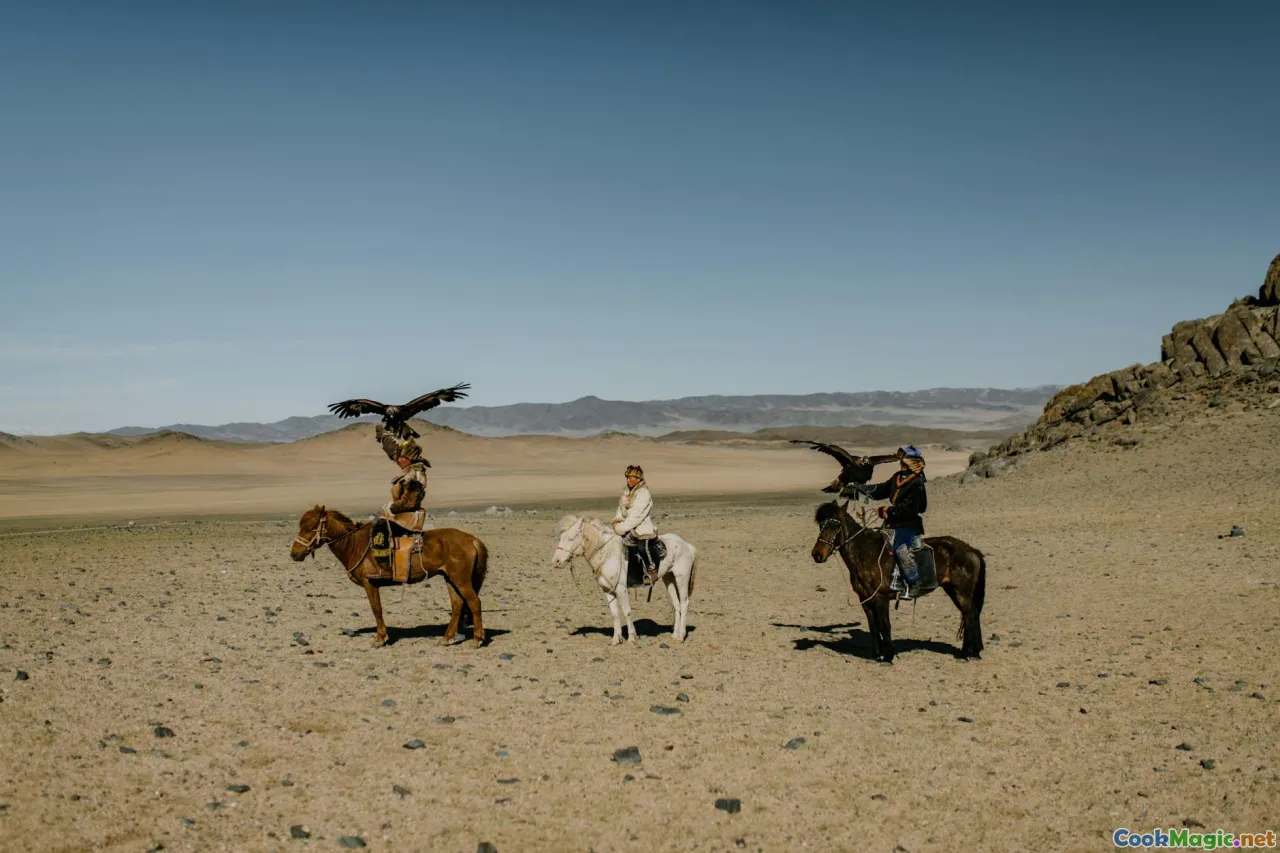
Meat isn't just food in Kazakhstan; it is a symbol of hospitality, strength, and survival. Nomadic tribes traditionally prized their livestock — sheep, horses, camels, and yaks — not only for sustenance but also as a measure of wealth and social bonds. Festivals, celebrations, and daily life echo the reverence for animals that sustain these communities.
Historically, Kazakh families relied heavily on their own herd animals, practicing selective breeding and seasonal culling, ensuring a delicate balance between nourishment and conservation. This cultural attitude fostered a deep respect for animals, viewing consumption not as wasteful but as a way to honor their sacrifice.
Traditional Practices Promoting Sustainability

Rotational Grazing and Land Stewardship
Kazakh herders have long adhered to rotational grazing systems, moving livestock across expansive steppes to prevent overgrazing. These practices ensure that pastures regenerate, maintaining the health of the land and providing a sustainable source of forage for generations.
Selective Breeding and Animal Welfare
Rather than mass-scale intensive farming, Kazakh herders focus on breeding hardy animals suited to the harsh terrain. These breeds, such as the Kazakh white sheep or traditional horse strains, require less supplemental feed and are better adapted to the environment, reducing the need for antibiotics or other interventions.
Seasonal and Local Consumption
Many Kazakh dishes are based on seasonal and locally available meats, reducing the carbon footprint related to food transport. For example, during autumn, harvested lamb or mutton from the family's herd is prepared for the winter months, embodying an ethos of eat-what-you-have while preserving the resource.
Signature Dishes Exemplifying Sustainable Practices

Beshbarmak – The Eternal Heritage
Beshbarmak, arguably Kazakhstan’s most iconic dish, involves boiling large cuts of mutton in a communal ‘meat bath,’ allowing flavors to meld. This method maximizes yield from a single carcass, emphasizing utilization over waste.
Kazy – Artisanal Sausage
Kazy, a traditional horse meat sausage, showcases a meticulous curing process that extends the meat’s shelf life. Produced through fermentation and careful seasoning, kazy exemplifies respecting the animal’s sacrifice by prolonging its usefulness.
Kumis – Fermented Horse Milk
Not meat, but worth mentioning, kumis is a fermented beverage made from mare’s milk. It underscores a tradition of fermenting and preserving milk, reducing waste and creating nutritious, sustainable drinks.
Modern Adaptations and Ethical Considerations

Many contemporary Kazakh chefs and food enthusiasts are reinterpreting these traditional practices through the lens of sustainability and ethics. Innovations include
- Local sourcing initiatives that connect consumers directly with herders to favor animals raised in harmony with nature.
- Whole-animal utilization techniques — from nose to tail — ensuring minimal waste.
- Eco-conscious butchering that emphasizes humane slaughter methods and biodiverse grazing.
Case Study: A Kazakh Eco-Lodge
At a renowned eco-lodge nestled in the Jungar Alatau Mountains, chefs collaborate with local herders to serve dishes crafted with animals that are raised in holistic, pasture-based systems. The menu emphasizes seasonal, local meats in slow-cooked stews, emphasizing flavor while respecting the environment.
Personal Stories: Respect for the Animal and the Land

I recall a visit to a remote Kazakh village where elder herders shared stories of how they select animals for slaughter — ensuring they are mature and strong, never wasting a part of the carcass. These stories reveal a deep-seated ethos of gratitude and responsibility, reminding us that sustainable meat practices are rooted in respect and cultural identity.
One young herder described guiding his family in traditional livestock rotation, diminishing overgrazing and preserving pasture integrity — a litmus test for sustainability that has stood the test of time.
Practical Tips for Embracing Traditional Kazakh Ethics Today
- Support local, pasture-raised meats: Opt for products from herders practicing rotational grazing.
- Utilize the whole animal: From offal to bones, every part has a purpose — making traditional recipes like l numai or bone broth.
- Reduce waste: Plan meals carefully, and perhaps try your hand at curing or fermenting meats inspired by Kazakh techniques.
- Respect seasonality: Build your meals around what is locally in season, minimizing transportation emissions.
- Educate yourself: Understand the life cycle and conditions of the animals you consume, fostering a connection rooted in respect.
The Way Forward — Honoring Heritage with Responsibility
Kazakh cuisine teaches us that sustainability isn’t merely a modern goal; it’s a tradition deeply woven into the fabric of nomadic life. Through mindful grazing, respectful slaughtering, and whole-animal utilization, Kazakh culinary practices highlight that respecting the land and animals ensures the longevity of both the environment and cultural heritage.
As more culinary enthusiasts and chefs worldwide seek authentic, environmentally conscious ways of eating, embracing these age-old traditions offers a path toward richer flavors, deeper connections, and a healthier planet. Maintaining these practices and sharing their stories fosters a global appreciation for the wisdom of the steppes — a timeless lesson in living in harmony with nature.
In savoring a hearty beshbarmak or fermenting kumis, we partake not only in a meal but in a centuries-old stewardship of land, animal, and culture that still whispers wisdom for our sustainable future.