Street Food Gems from Central America
42 min read Discover Central America’s must-try street eats—pupusas, baleadas, vigorón, and more—plus vendor tips, regional flavors, and where to find authentic bites across bustling mercados. December 31, 2025 07:07
The first scent that hooked me wasn’t smoke or spice but masa — that warm, sun-kissed perfume you catch before you spot the vendor. It smells like dough and rain; it smells like family. In Central America, the streets hum with hot griddles and the soft slap of hand-clapped tortillas, with steam curling out of banana leaves and vendors calling out nicknames for foods that taste like home even if you haven’t met them yet. This is a region where street food is not a footnote to restaurant cuisine but the heart of the culinary conversation — a daily ritual, a social adhesive, a way of marking time.
I’ve eaten baleadas under fluorescent lights at 5 a.m., leaning against a bus shelter in La Ceiba as roosters tuned up; I’ve burned my fingers on a just-stuffed pupusa in Olocuilta before the curtido cooled it; I’ve stained my shirt with tomato-chile oil from a Guatemalan shuco that absolutely refused to behave. Every bite came with a geography lesson: the footpaths of market lanes, the salt spray of Caribbean towns, the volcanic soil that makes corn taste like it remembers something ancient.
The Road Sings: First Bites at Dawn

Central America wakes early. Bakers roll out pan dulce while the sky is still ink blue; fruit sellers stack pyramids of mango with knife-edge precision; and the first smoke from charcoal braziers draws straight lines in the cool air. Dawn is when you can read the culinary intentions of a city, because vendors tend to the foods that keep commuters and market porters on their feet: starches with soul, proteins tucked into warm folds.
This is when you’ll find baleadas in Honduras — not as a special treat but as a simple, nourishing promise — and hot drinks like atol de elote in Guatemala, ladled from dented aluminum pots into thick-walled cups that keep your hands from freezing. In San Salvador, women hauling coolers strap them into corners of bus terminals, pressing fresh pupusas as if the economy depends on them, which in more ways than one it does. When the sun finally clears the tiled rooftops, the day has already been salted, sauced, and fed.
Pupusas on the Griddle: El Salvador’s Hand-Clapped Comfort
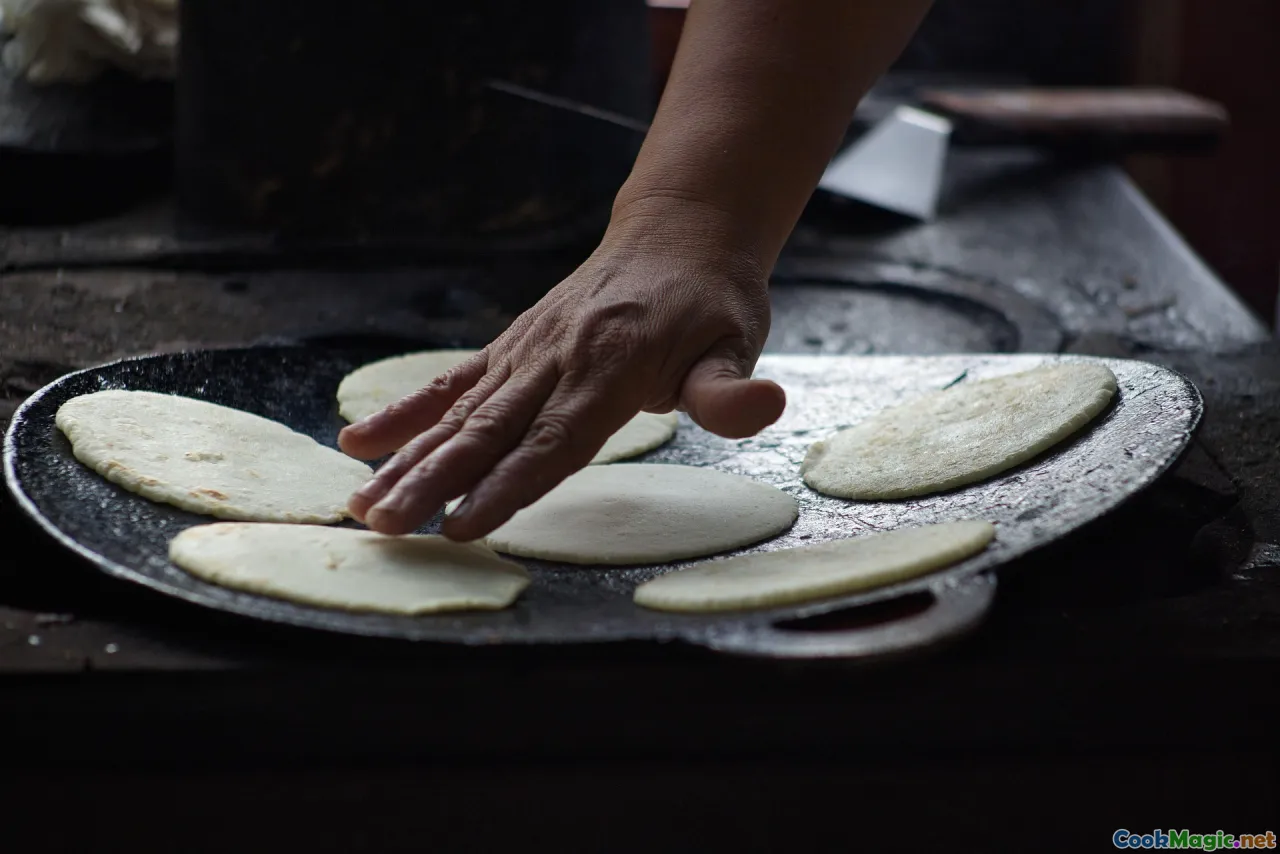
Pupusas are the gravitational center of Salvadoran street food — thick corn tortillas stuffed with cheese, beans, pork, or the herbal whisper of loroco buds. In Olocuilta, a short drive outside San Salvador, you’ll find pupusas de arroz, made with rice flour so that the edges fry up delicate as lace. The first signs you’re close are the smoke and the metallic clack of spatulas on a comal; then the rows of domed griddles and the hypnotic rhythm of hands patting dough into perfect discs.
A pupusa is an sandwich and a pancake and a safeguard against bad moods. The dough (masa) is lightly salted and kept pliant in bowls covered with damp cloths. Cheese — often a stretchy quesillo — collapses into a salted sigh inside. Chicharrón in the Salvadoran sense means finely ground pork seasoned and cooked down until it’s as savory as a secret. Some vendors fold in loroco, a vine flower with a flavor like green beans and artichokes had a grassy child.
The supporting cast matters. Curtido — that bright, bracing slaw of cabbage, carrot, onion, oregano, and vinegar — should crunch and sting, a palate-tuning fork that wakes up the rich filling. Salsa roja tends to be thin, almost sippable, tomato-forward with the sweet undertow of long simmering. Good pupuserías will set out jars of curtido mild and curtido picante with bits of fresh chile floating like signal flags.
If you wander the Mercado Central in San Salvador, you’ll see five women around a single griddle like a well-drilled ensemble: one pinches off masa, a second fills and seals, a third slaps discs into shape, a fourth manages the comal, and a fifth fetches curtido, counts coins, and somehow monitors every plate. The griddle-scorched spots on the pupusas tell you how hot the comal ran; the best have a mottled char that smells like toasted corn and the faint sweetness that only fresh masa can release.
How to taste like a local: order two to start, one revuelta (mixed: cheese, beans, and chicharrón) and one de queso y loroco. Break them open with your fingers. Let the steam hit your face; it should smell like nutty corn and dairy. Spoon on curtido with abandon. Pupusas are not about restraint. Eat standing, so you can tilt your plate against gravity when the salsa runs. If you’re lucky enough to be in Antiguo Cuscatlán on a Sunday, look for griddles going from breakfast to dusk — this is a city where a pupusa can be a snack at any hour.
The Beloved Baleada: Honduras’ Folded Warmth
Honduras’ baleada is the hug you didn’t know you needed: a plush, chewy flour tortilla folded around refried beans (frijoles refritos), crema mantequilla (a tangy, buttery cream), and a gentle scatter of grated white cheese. Ordered sencilla, it’s simplicity manifest. Ordered especial, it might carry scrambled eggs, ripe avocado, a slice of hot dog or chorizo, and a dash of chile. What sets an excellent baleada apart is the tortilla itself — thicker than a Mexican flour tortilla, with blistered spots that taste faintly of toasted milk.
In La Ceiba, I woke to baleadas cooked on cast-iron griddles just wide enough to require choreography. The maker — a woman in a baseball cap, hair pinned back with a blue clip — rolled dough balls with the heel of her hand, swirled them on the hot iron until air pockets formed, then flipped them into a little bready sigh. She spread beans in a single confident stroke, then added crema in loops that looked like calligraphy. If she liked you, she’d tuck in a bonus sliver of avocado.
What else to note? Frijoles. The beans should be cooked down with onion and a whisper of cumin, mashed until almost glossy. The crema mantequilla is not sour cream as you may know it; it’s more buttery, with a cultured tang that cuts through starch like a friendly argument. Choose the especial only if the line isn’t long; the best stands keep their eggs soft and just underdone, so that the heat from the tortilla finishes them. Those wait an extra second to make it right.
Good places to hunt: the Bulevar Morazán in Tegucigalpa where baleadas are sold from kiosks with names painted in red and blue; the ferry terminals to the Bay Islands, where vendors wrap fresh baleadas in paper and elastic bands; late-night stands in San Pedro Sula where the tortillas go from pan to plate so fast they tremble. If the vendor offers a bottle of chile cabro, the Honduran hot sauce with a goat on the label, try a dot on the folded edge; it’s fruity heat like a small sun.
Vigorón and Vaho: Nicaragua’s Banana-Leaf Banquets

In Nicaragua, two dishes command their own weather: vigorón and vaho (also spelled baho). They’re banana-leaf stories — one quick and crispy, one slow and perfumed — that turn a street-side curb into a dining room.
Vigorón, a Granada specialty, is deceptively simple: boiled yuca, crackling chicharrón, and curtido piled on a banana leaf that becomes your plate. The yuca should be just past tender, the kind of soft that lets your teeth slide through without squeaking. It drinks up the bright vinegar and oregano of the slaw, then meets the loud snap of pork skin and the salt that makes everything look sharper. In Granada’s Parque Central, women in embroidered blouses work banana leaves like origami, flipping the edges into a cradle that contains the avalanche of textures. You eat with your fingers, the way you might agree to a dare: it’s self-contained, messy, and utterly worth it.
Vaho is quieter but deeper: a layered steam-cook of beef (often flank or brisket), green and ripe plantain, yuca, and sometimes yucca leaf, all marinated in bitter orange (naranja agria), garlic, onions, and herbs. The bundle is tied up in banana leaves and set to steam for hours, often over a wood fire that perfumes the neighborhood. When you lift the lid, the air is humid and herbal, like an understory in a rainforest. The beef is tender to the point of collapse, the plantains hold their shape but taste like caramel, and the yuca is a steadying hand.
Streetwise vaho appears on weekends, sometimes on a doorstep with a hand-painted sign, sometimes from the back of a pickup. In Bluefields or the Caribbean side of Nicaragua, you’ll taste coconut creeping into the cooking liquid, a Garifuna and Creole influence that has renamed platters and renovated palates. This is where pepper sauces begin to smell like fruit orchards, and where lime wedges are a given.
Don’t leave Nicaragua without trying quesillos — springy, salted cheese softened in a warm tortilla, topped with pickled onions and a pour of crema, then sometimes slipped into a plastic bag so you can hold your lunch like a goldfish at the fair. La Paz Centro is famous for them. The bag catches the drips; the onions tangle with the cream; and you wonder briefly how you’ll ever be satisfied with a plain grilled cheese again.
Guatemala’s Mercado Maze: Shucos, Garnachas, and Atol
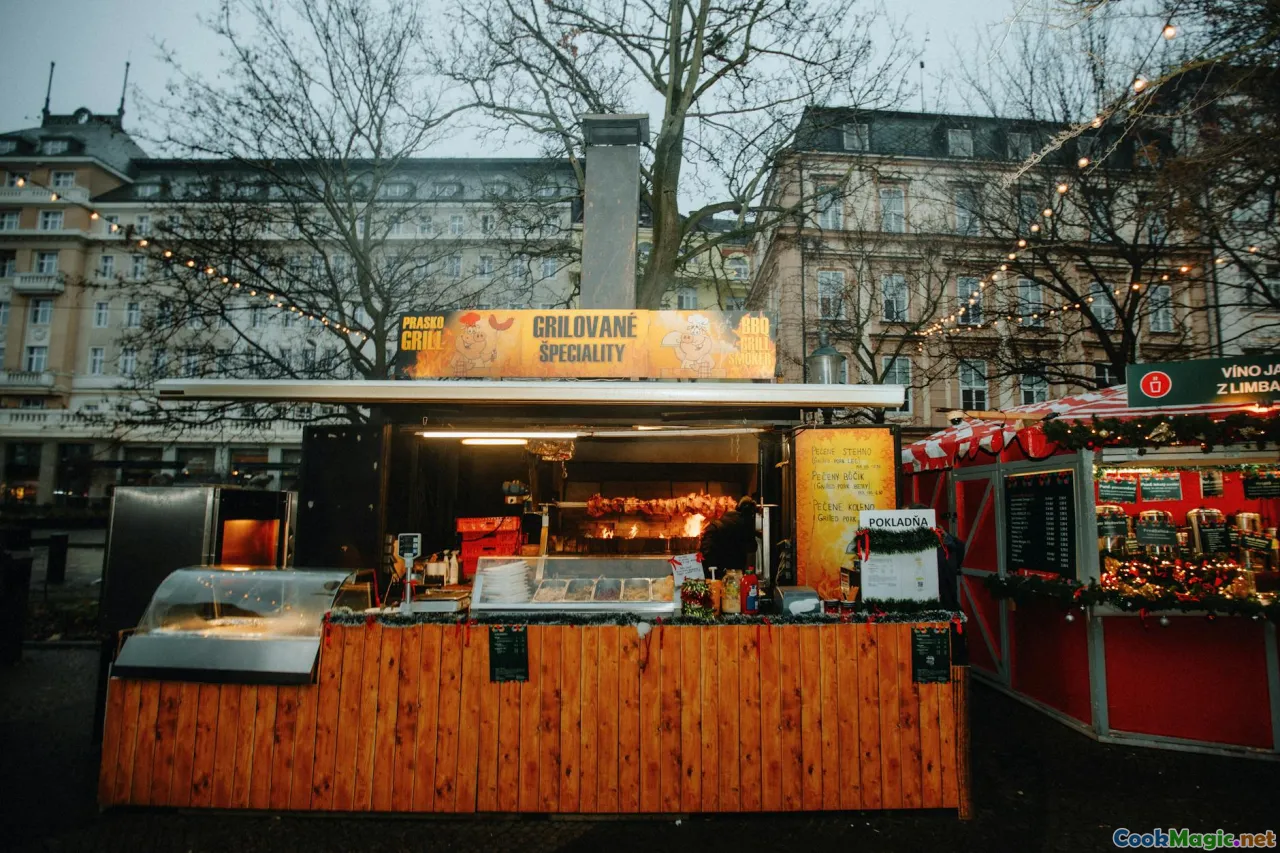
Guatemala City’s Zone 1 after dusk is neon and exhaust, but it smells like toasted bread and chorizo. Shucos — the city’s take on the hot dog — are everywhere: long buns crisped on the plancha, sometimes rubbed with garlic, then stuffed with sausages or thin patties or both. Guacamol (a mashed avocado spread) gets slathered in a green stripe; ketchup, mustard, and mayo go on in confident zigzags; then a splash of hot sauce and a sprinkle of chile cobanero powder, smoky and floral, gathered from the highlands.
The magic of a shuco is proportion. The bun should resist just enough to keep your fingers honest; the sausage should snap; the avocado should pout a little richness. Vendors will offer you repollo (cabbage), cebolla (onion), and sometimes a squeeze of lime. Eat it standing on a street corner near the 6a Avenida and watch how the sauce drips onto the paper, a mappable journey of where you were too enthusiastic.
Garnachas, a Quetzaltenango charm, are smaller circles of fried tortilla topped with ground beef, tomato sauce, chopped cabbage, and a crumble of cheese. They’re part tostada, part memory of a family birthday. The tomato sauce matters — it should taste like tomatoes left alone with garlic and a bit of onion, honest and red. At stalls in Xela (as Quetzaltenango is often called), you’ll find long rows of garnachas on trays, each looking like a little sun.
Then there’s atol de elote, a hot corn drink with a texture somewhere between soup and a lullaby. It’s sweet but not cloying, a grain’s warmth coaxed into a cup. You’ll see it ladled from blackened pots, steam swirling, a smell like a cornfield after rain. People sip it while discussing politics and soccer and the price of tomatoes. If Guatemalan street food has a heartbeat, it may be this: modest, sustaining, entrusted with the morning chill.
Belize’s Mestizo and Creole Crossroads: Panades and Fry Jacks

Belize’s street food feels like a handshake from multiple histories at once: Mestizo, Creole, Garifuna, and Maya flavors share counters and condiments. In Belize City, I learned the meaning of panades the good way — hot, handed over quickly, and topped with onion sauce before I could ask questions. Panades are crispy little turnovers of masa usually stuffed with fish or beans, then fried until bubbled and golden. The onion sauce — vinegar-bright with little red flecks of habanero — is not optional. The pastry shatters; the fish is flaky; the heat arrives with a smile.
Head west to San Ignacio’s night market under the Hawksworth Bridge and you’ll find garnaches too: small fried tortillas topped with refried beans, grated cheese, and that incisive onion sauce that Belizeans do so well. Up north toward Orange Walk, salbutes and tostadas nod to Yucatec Maya neighbors — puffed rounds topped with shredded chicken, lettuce, tomato, and avocado.
Breakfast belongs to fry jacks, those airy triangular pillows of fried dough that look like they’ve inhaled. Crack them open to tuck in scrambled eggs, refried beans, or a swipe of guava jam; they’re as happily savory as they are sweet. Johnny cakes — coconut-laced little breads — ride shotgun with stewed chicken or a smear of butter. Everywhere you go, you’ll meet bottles of Marie Sharp’s habanero sauce, a Belizean legend: bright, fruity, and capable of turning your scalp into a tiny thunderstorm.
On Belize’s southern coast, in Dangriga or Hopkins, you may find hudut — a Garifuna treasure — at street stalls on festival days. It’s more often a home or restaurant dish, but when it appears under a tent with drums humming nearby, you can watch mashed plantain (pounded with a long wooden stick) meet a coconut-rich fish stew that tastes like the horizon. The bowl warms your hands; the steam smells like the sea; there’s a soft sweetness that coconut lends to fish that makes you want to slow down.
Costa Rica on Wheels: Chorreadas, Churchill, and Ceviche Carts
Costa Rica’s street treats are clean-edged and bright, like the country’s light. Chorreadas — corn pancakes — are scooped from a batter that’s more kernel-forward than flour-based, often sweetened just a breath. Griddled until freckled, they’re folded and served with natilla (a tangy, spoonable cream) that slides into every ridgeline. The smell is toasted corn and dairy; the taste is summer disguised as breakfast.
Along coastal towns like Puntarenas, you’ll meet the Churchill — shaved ice built into architecture: layers of red syrup, powdered milk, condensed milk, ice cream, tamarind or kola syrup, and sometimes a cookie crown. It’s a monument to joy and a nap waiting to happen. The very sound of the metal scraper against the block of ice will pull you down the block.
Ceviche carts dot San José, especially around parks where office workers wander at lunch. Cups full of tilapia or corvina cured in lime float with diced onion, cilantro, and tiny habanero seeds like confetti. Crispy plantain chips ride in a paper cone. This is a snack that tastes like clarity: a jolt of citrus, a salt lick of ocean, the cold crunch that will absolutely reset your afternoon.
Don’t skip gallos — small corn tortillas wrapped around quick fillings: carne en salsa, picadillo de papa, or beans with a squirt of Salsa Lizano, Costa Rica’s beloved brown-green sauce that tastes like cumin went dancing with sweet onion and vinegar. Vendors wrap them in paper, and the grease draws a map you’ll want to reread.
Panama’s Fonda Windows: Carimañolas, Hojaldras, and Raspao
Panama’s fondas — the cafeteria-style counters that spill onto sidewalks — offer a carnival of fried and griddled comfort. Carimañolas, torpedoes of mashed yuca stuffed with spiced ground beef, hit oil and emerge with a crisp jacket that yields to earth-sweet interiors. A good carimañola has no gummy pull; it snaps and then gives, like a well-taught lesson.
Hojaldras are fried bread that remind you bread can be playful: irregular, bubbled, full of airholes, often dusted with a whisper of sugar or served with a slab of salty queso blanco. Pair them with café con leche that tastes faintly of caramel and watch the city become kinder. In the mornings around Calidonia or across the Bridge of the Americas in Balboa, hojaldras disappear by nine.
On hot afternoons, chase down a raspao cart — the shaved ice man with bottles of syrup in soldierly rows and a can of condensed milk at the ready. Maracuyá is the move: passionfruit’s perfume plus the dense sweetness of milk dripping down your wrist in slow focus. If you hear a vendor shouting chicheme, go. It’s a drink of cooked corn, milk, cinnamon, and sometimes vanilla, sweet enough to flirt but not so sweet you regret it.
Panama’s markets also host empanadas de maíz — corn dough fried until rigid and ready, filled with cheese or meat — and patacones stacked like poker chips. In Bocas del Toro, fried green plantain is a plate for everything: fish escabeche with pickled onions, coconut rice, a wedge of lime that smells like the beach.
Salsas, Pickles, and Bottles: The Condiment Map of Central America
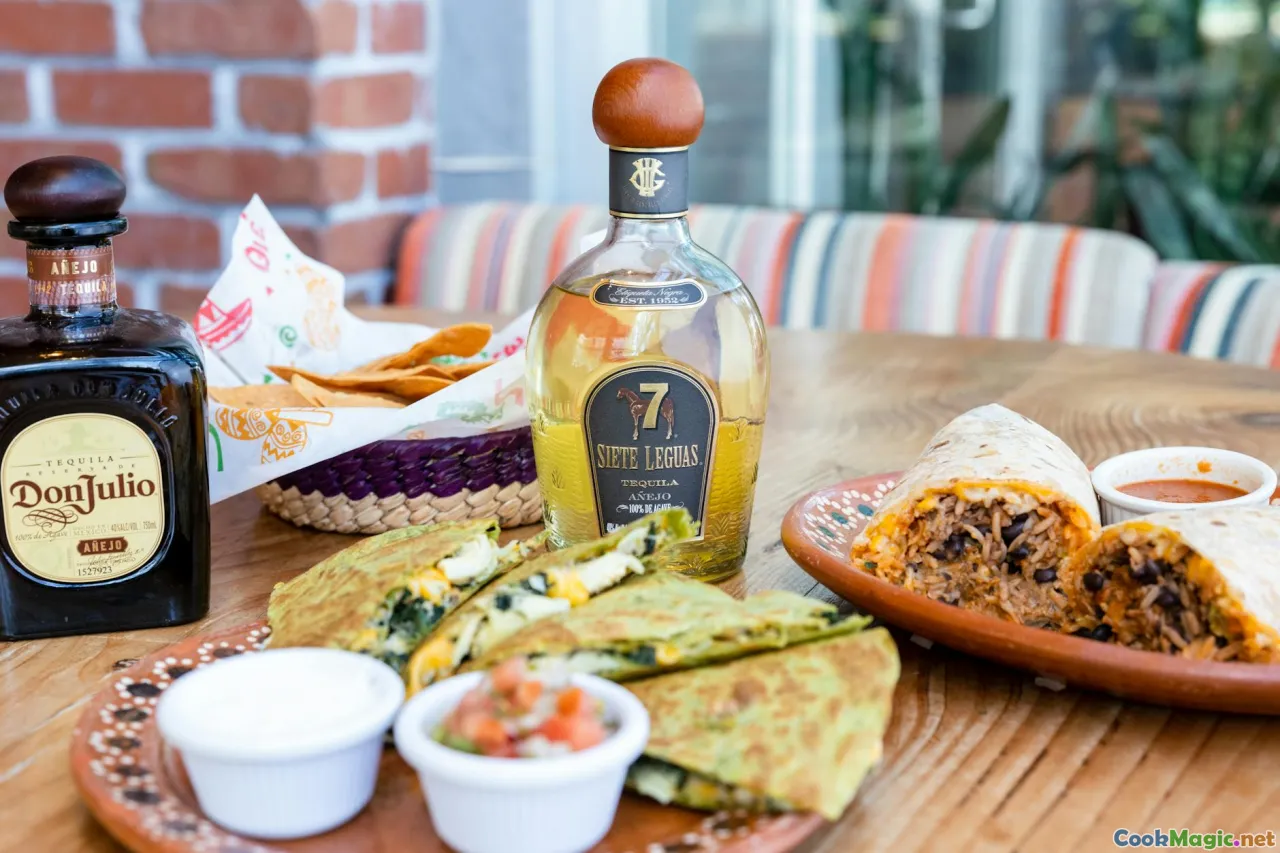
A street food survey is also a tour of the glass bottles, plastic tubs, and recycled soda containers holding the region’s communal punctuation. In El Salvador, curtido’s vinegar and oregano are the baseline, turning fatty pork and melted cheese into a conversation rather than a monologue. Salsa roja is thin, honest, and soothing.
Guatemala speaks in chirmol — a charred tomato salsa with cilantro and onion — and chilero, a jar of pickled carrots, cauliflower, and jalapeños that cut through fried things like a bell. Look for chile cobanero, a variety from Alta Verapaz, ground and smoky, used sparingly because it lingers in the best way.
Honduras leans into chimol — similar to pico de gallo, tomato-onion-cilantro with lime — and the beloved chile cabro, fruity and persistent. Belize’s tables hold Marie Sharp’s in multiple strengths, from mild to ‘beware’, all with that bright habanero fruitiness that makes heat feel three-dimensional. In northern Belize, achiote-rich recado rojo casts a brick-red glow on grilled meats.
Costa Rica’s Salsa Lizano — mild, tangy, a little sweet — blesses gallo pinto, tamales, and gallos on the go. In Panama, look for ají chombo, a Scottish bonnet descendant brought by Afro-Antillean communities; the sauce is blunt, floral, and generous with its burn. Nicaragua’s pickled onions, sometimes scented with yerba buena, turn quesillos into tangy joyrides.
These condiments aren’t afterthoughts; they are architecture. The acid lifts, the heat speeds, the herbs clarify. The trick is asking for them with a tone that says you can handle it. And you can — but respect the habanero.
How to Eat Like a Local: Etiquette, Timing, and Hygiene
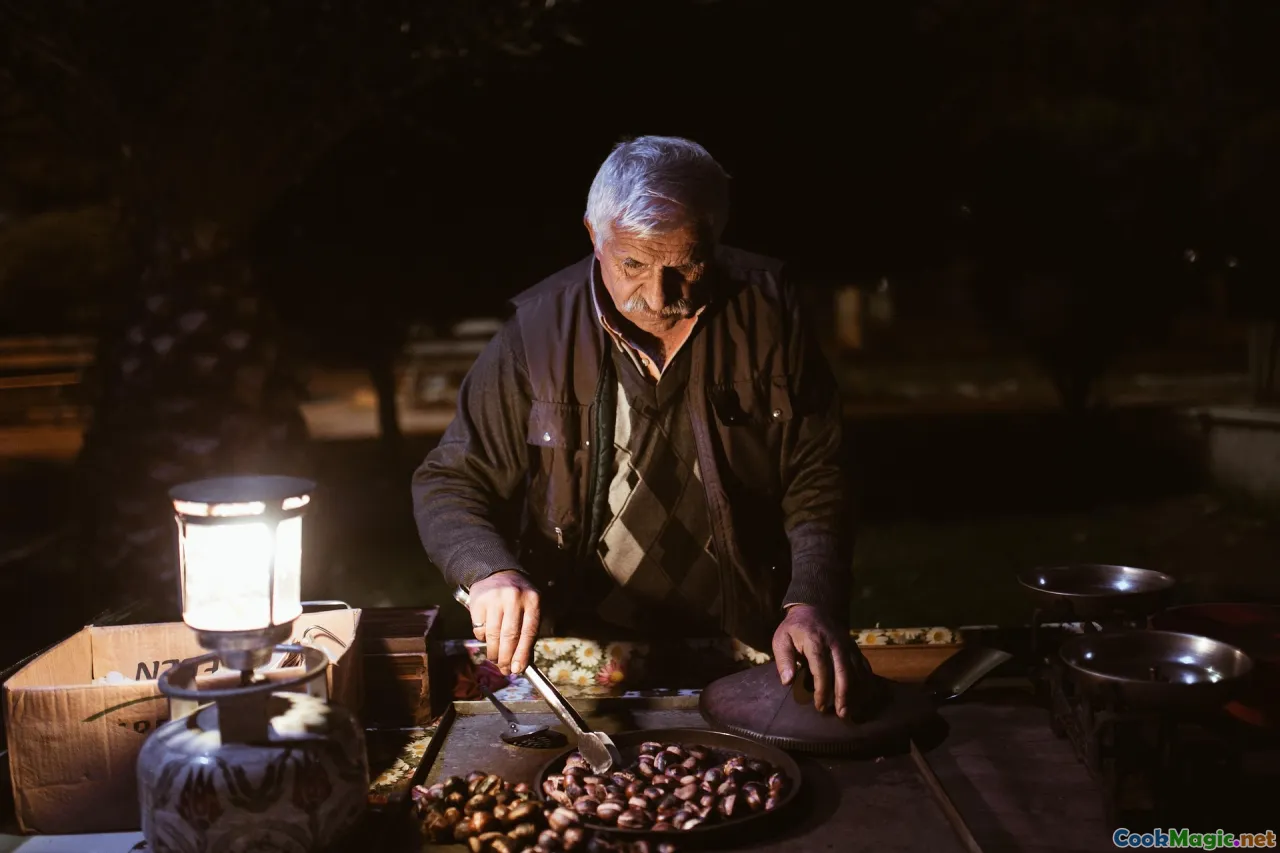
- Timing is taste. Pupusas sing at night when the griddles have learned the heat; baleadas hum at dawn. Ceviche carts peak at lunch; hojaldras vanish early.
- Money manners. Small bills and coins are kindness. Count change with your eyes, not your fingers; use the vendor’s tray or hand only when invited.
- Condiment consent. Ask ‘con todo?’ if you want it all, or specify ‘sin chile’ or ‘poco chile’ if you’re cautious. In Guatemala, ‘un poquito de chirmol’ means a spoon’s gentle kiss; in Belize, ‘onion sauce on top, please’ guarantees you that tang.
- Hygiene reading. Watch turnover. A line is usually a good sign. Oil should be clear-ish and smell like food, not metal. Fresh lettuce sits on ice. A vendor who wipes the knife after chopping each avocado earns your repeat business.
- Leaf plates and plastic bags. Banana leaves are elegant plates; they insulate and scent. Plastic bags holding soups or quesillos are not downgrades — they are engineering marvels. Tie the top with a twist and sip or nibble from the corner.
- Learn the glances. If the vendor asks where you’re from, give the short answer and then ask about their specialty. This is how you get the off-menu egg, the extra sprig of loroco, the kind of welcome that tastes like a long story.
A Personal Map: Meals that Marked Me
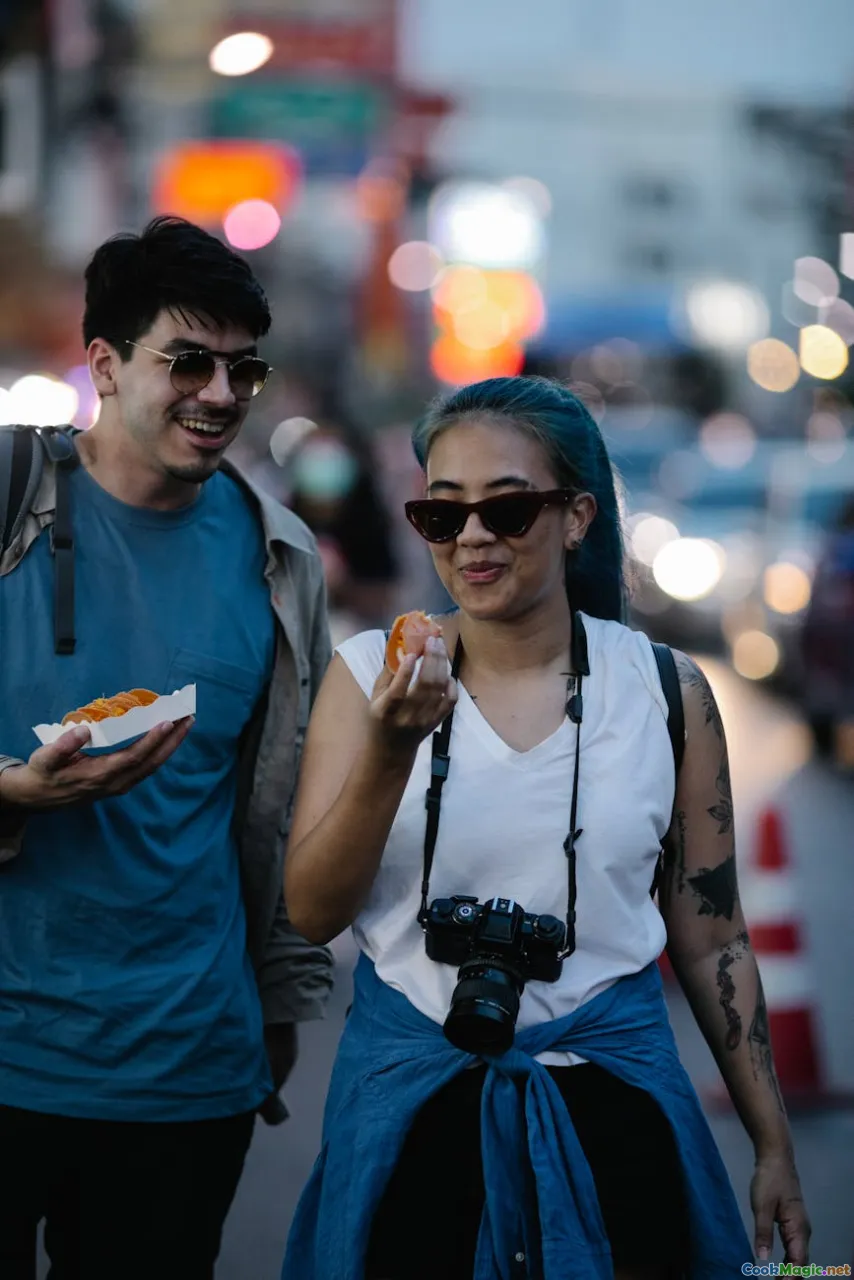
On the ferry to Utila, the sky was metal, and the sea smelled like rain, and a man in a football jersey was selling baleadas from a cooler he had transformed with towels and foil into a mobile warm zone. I ate one standing, the tortilla steaming in the dull wind, and for that moment I understood engineering the way you understand trust: something is designed to hold together under pressure, and it does.
In Antigua, Guatemala, the afternoon buckled into a drizzle, cobblestones shining like ink. A woman in a purple apron slid sizzling shucos into napkins and held them out like presents. I dripped ketchup on my shoe and laughed, and she laughed, and the rain let up the way a conversation sometimes lifts the air in the room.
Granada’s Parque Central gave me vigorón that tasted like a dare to be present. Everything else fell away: the carriage horses, the kids kicking a ball by the fountain, the taxi drivers debating traffic. There was just the crack of chicharrón, the clean heft of yuca, the vinegar’s little fanfare. I ate with my fingers and felt like I had joined a club whose only rule was delight.
In Dangriga, a drumline threaded the day together and hudut sat in a plastic bowl on a folding table, the coconut rising off the surface like perfume. I watched a boy help pound plantains with two hands and a grin like light. When I tasted the stew, the fish was tender, and the coconut was a story, and the pepper sauce was a reminder to face things head-on.
Panama City gave me a raspao that stained my tongue and convinced me I could walk another mile. San José gave me ceviche that reset my mind the way a good swim does. San Salvador gave me a pupusa so hot I had to juggle it, the cheese inside stretching like a magic trick, the curtido waking me the way news sometimes does — immediately, entirely.
What I carry most is not just flavor memory but the logic behind it: the generosity of starch and salt, the economy of griddles and leaves, the patience it takes to stir beans until glossy and to flip a tortilla at the half-second that makes the difference between bread and brilliance.
The Craft Behind the Sizzle: Techniques and Tools
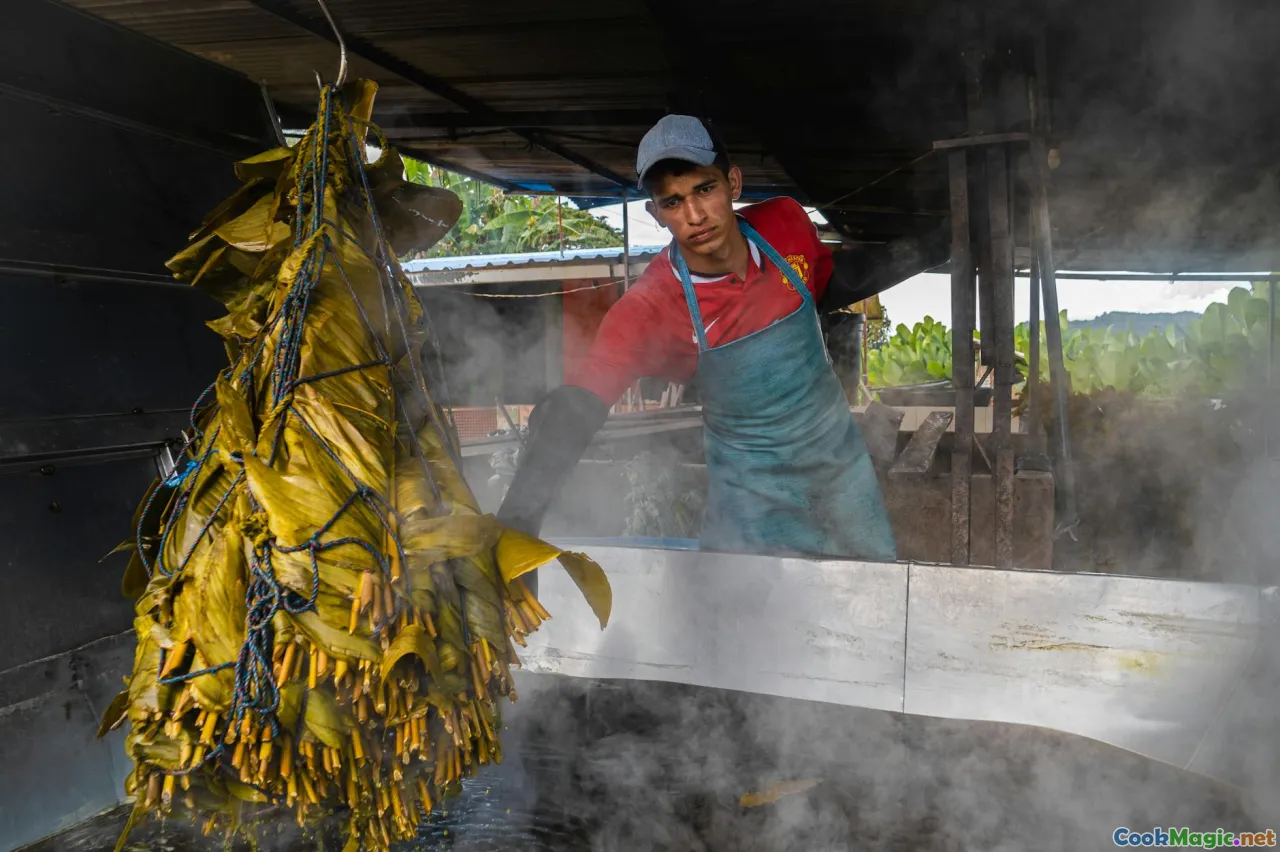
- Masa matters. Freshly nixtamalized corn has a perfume that pre-ground, bagged masa harina can’t fully replicate, but a good vendor knows how to coax aroma from either. Dough is kept under a damp cloth so it doesn’t crust; hands are oiled lightly to keep the surface smooth.
- The comal and the plancha. A comal (clay or metal) radiates heat gently — perfect for tortillas and pupusas — while a plancha (flat griddle) sears shucos and baleada tortillas hot and fast. Listen for sound: a soft hiss for tortillas, a sharp sizzle for meat.
- The anafre and the fogón. Small charcoal braziers deliver heat that tastes like outside, slightly smoky, consistent if tended with attention. A fogón, the wood-fired hearth, makes vaho a neighborhood event; you can map your way to the pot by the smell of banana leaves and citrus.
- Yuca handling. Boiling yuca is a lesson in patience. Salt the water generously, simmer steadily, and watch for the moment the center goes translucent. Remove the woody core. Mash for carimañolas while it’s still warm so it doesn’t turn stubborn.
- Frying sense. Oil temperature is everything. Too cool and empanadas drink it; too hot and hojaldras brown before their insides puff. Vendors test with a sliver of dough: it should bubble cheerfully, not explode or sulk.
- Steam discipline. For vaho, banana leaves are softened over a flame so they bend without tearing, then layered so juices stay trapped. The pot lid is weighted down. The steam smells like green things and citrus and beef as it escapes in slow whispers.
- Knives and cabbage. There is an art to thinly slicing cabbage for curtido — a long knife, a steady rhythm, and what looks like a dancer’s posture. Season the slaw and let it sit; time tucks vinegar into every cell.
Sourcing Guide: Where to Taste or Recreate at Home

If you aren’t boarding a bus in Tegucigalpa tomorrow, you can still bring the road to your kitchen.
Ingredients to seek:
- Masa harina (white or yellow) for pupusas and tortillas. For a treat, look for rice flour to attempt pupusas de arroz.
- Quesillo or Oaxaca cheese as a stand-in; low-moisture mozzarella works in a pinch, but add a pinch of salt.
- Loroco buds, jarred, found in Salvadoran markets.
- Crema Salvadoreña or crema Mexicana; in a pinch, mix equal parts sour cream and crème fraîche with a pinch of salt.
- Yuca (cassava) in Latin groceries or frozen sections; choose firm roots with unblemished skin.
- Plantains green and ripe; buy in pairs for patacones and for sweetness.
- Achiote paste (recado rojo) for Belizean and Guatemalan marinades.
- Bottled hot sauces true to place: Marie Sharp’s (Belize), ají chombo (Panama), chile cabro (Honduras) if you can find it.
Tools that help:
- A comal or heavy cast-iron skillet for tortillas and pupusas.
- A tortilla press for uniform rounds; or use two plates and a plastic bag as your makeshift press.
- A fine-mesh strainer for salsas and atoles.
- Banana leaves from the freezer section; thaw and pass over a flame to soften.
Where to taste abroad:
- In Los Angeles, pupuserías in Pico-Union and the MacArthur Park area serve revueltas with curtido that bites back.
- In Houston’s Gulfton neighborhood, you’ll find baleadas that rival La Ceiba’s, especially in early mornings.
- In the DC-Maryland area, Langley Park’s mercados host Nicaraguan vigorón on weekends and quesillos in plastic bags with a wink.
- In Miami’s Sweetwater/Westchester, hunt for Panamanian fonda-style counters and Costa Rican chorreadas.
- In New Orleans, Honduran bakeries and cafeterias offer baleadas and pastelitos that taste like a direct line to San Pedro Sula.
Quick condiments at home:
- Curtido: Thinly slice half a cabbage and one red onion. Add a carrot in julienne, a teaspoon dried oregano, a pinch of sugar, and a teaspoon salt. Toss with 1/2 cup apple cider vinegar and 1/2 cup hot water. Let it sit an hour; better overnight.
- Chirmol: Char three tomatoes and a jalapeño in a dry skillet until blackened. Chop with half a white onion and a handful of cilantro. Add lime, salt, and a pinch of sugar.
- Chilero: Mix thinly sliced carrots, cauliflower florets, and jalapeños. Pack into a jar with bay leaf and peppercorns. Pour over a hot brine of equal parts vinegar and water with a tablespoon of salt and a teaspoon of sugar. Cool, refrigerate, and deploy with abandon.
Practice drill: Make a pupusa at home. Mix masa harina with warm water and a pinch of salt until the dough feels like an earlobe. Pinch off a ball, flatten it in your palm, add a tablespoon of cheese and a spoon of refried beans, then close and pat into a disc. Cook on a dry hot skillet until browning in spots. Serve with curtido and a thin tomato sauce. Eat with your fingers and gratitude.
On the Road, Every Bite Is a Lesson

The more I ate, the more the region taught me: that corn is a library, that vinegar is a highlighter, that a good griddle is a democracy where beans and bread and cheese share space and turn out better for it. Street food in Central America carries the practical genius of families making the most of land and season, the generosity of vendors who remember your face, and the joy of things cooked in sight, in the open, with no walls between you and the making.
Maybe that is the secret pleasure: you see the craft — the hand pressing, the knife flashing, the ladle steady — and then you taste the result. It’s an honest transaction, an economy of trust. When you travel through this corridor bordered by two oceans, you learn to read the air for griddle smoke and to listen for the knock of a knife on a cutting board. You learn a handful of phrases — ‘con todo’, ‘poco chile’, ‘gracias, estaba buenísimo’ — and a rhythm of waiting and eating that syncs with the day.
What stays with me most is how these foods nestle into life’s everyday scenes: a school uniform stained with salsa; a taxi dashboard glowing while a driver eats an empanada; friends trading bites of a single plate of vigorón on a park bench; a couple sharing a baleada at dawn like a pact. Street food is where flavor meets feeling. It’s the edible shorthand for belonging.
The next time you find yourself anywhere between Belize City and Panama City, follow the heat and the laughter. If you’re at home, warm a tortilla and dress it with something bright. Either way, you’ll be stepping into a conversation older than any of us and just as alive: a chorus of griddles, leaves, bottles, and hands, humming the everyday music of Central America.