Scandinavian Smørrebrød with Southern European Toppings
36 min read Explore Nordic open-faced sandwiches layered with Mediterranean flair—prosciutto, olive tapenade, roasted peppers, and anchovies—plus tips on bread, spreads, and plating for vibrant, culture-crossing bites. November 16, 2025 07:05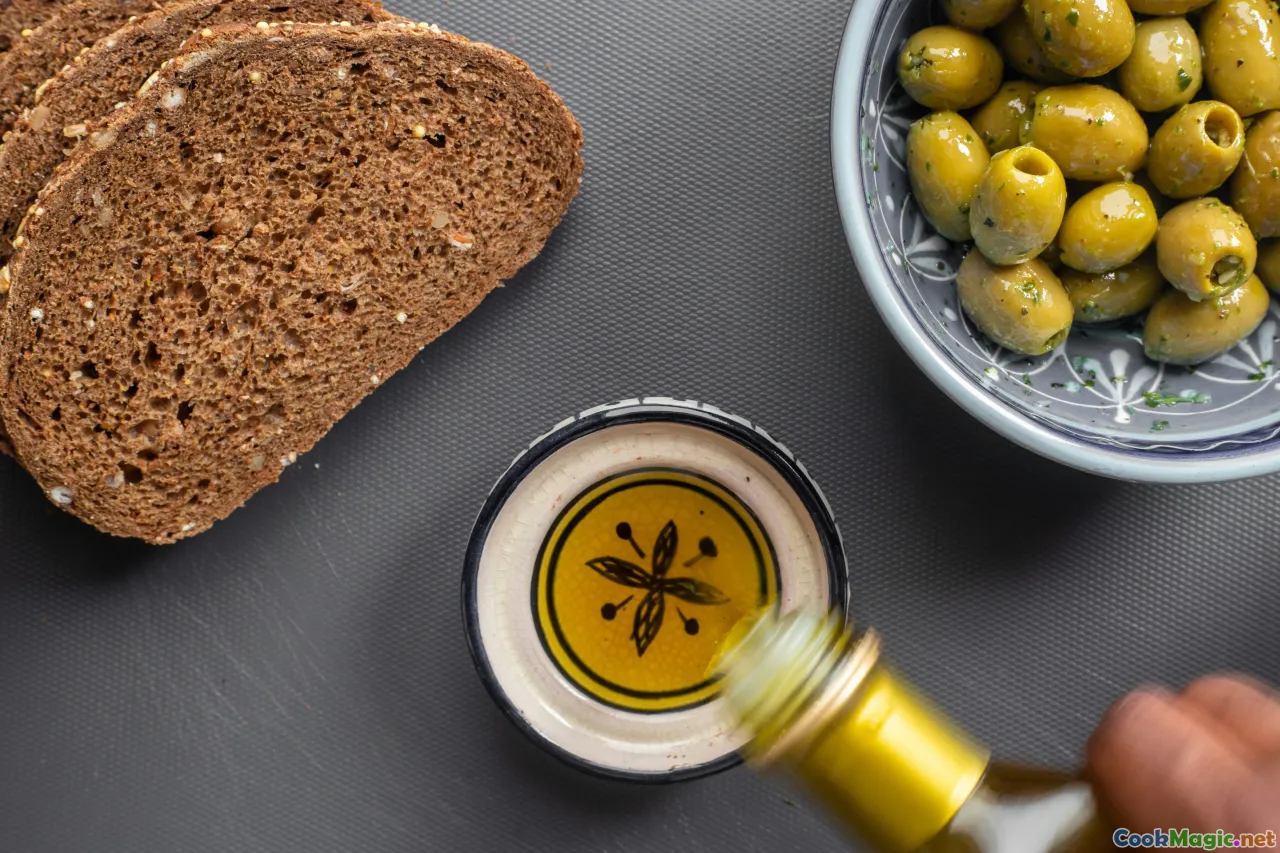
The first time I buttered a slice of dense Danish rugbrød and topped it with a fan of paper-thin Sicilian anchovies, I swear I heard two seas talking. The Baltic, cool and brackish, whispered dill and chilled butter; the Mediterranean answered with sunlight, oregano, and the green hum of olive oil. The bite was a compass needle spinning, north and south tugging my palate at once. That moment became a habit. And then, a practice. And then a promise: to make smørrebrød that tastes like Copenhagen in conversation with Cádiz, like Aarhus catching the ferry to Piraeus, like a dark rye stage cradling Southern produce in full aria.
The Rye Stage: Why Smørrebrød Thrives on Dark Bread

There is a reason smørrebrød insists on rye. Rugbrød is ballast. It is the dependable keel that keeps the ship upright when the toppings want to dance. Bite into a good loaf from Meyers Bageri in Copenhagen or Juno the Bakery in Stockholm and you will taste smoke from the crust, molasses from the fermented rye, a mineral echo of the grain. The crumb is moist and tight, freckled with squash-colored cracked rye and sunflower seeds. It is a bread that feels cool to the touch even hours out of the oven, like a smooth stone from an Øresund beach. With butter, it snaps from firm to satiny.
Smørrebrød’s architecture depends on that firmness. Classic Danish pieces—herring with curry remoulade, roast beef with fried onions, egg and shrimp—stack their personality on this quiet foundation. The bread is both canvas and frame. Smørrebrød chefs speak of højtbelagt, literally highly loaded, which is less about sloppy abundance and more about controlled generosity: each layer is there to highlight the others, and the rye keeps it all cogent.
Now, introduce Southern European toppings—jamón ibérico melting at room temperature, a spoonful of caponata slick with olive oil, slivers of pickled boquerones—and the rye earns its keep. Those toppings carry fat and sun. The bread’s mild acidity and dense body corral them. Danish butter gives cushion and fat-soluble sweetness, like a soft lens, while the bread prevents the oils from sluicing straight to the plate. Picture a dusky slice, butter glossing its pores, catching drops of Arbequina oil like dew on slate.
A Personal Path: From Nørreport to the Aegean Breeze

My earliest smørrebrød memories are not glamorous. A plastic container from Torvehallerne near Nørreport Station, chives pressed into the lid, the perfume of onion and dill sugarcoating my metro ride. I ate standing on a sunny bench, learning to angle the bread so shrimp wouldn’t tumble. Later, an afternoon at Restaurant Schønnemann taught me the ritual: a napkin under the bread, the precise pinch of microgreens, the shot of clear aquavit shocking your definition of cold.
Southern Europe sneaked in via family. My aunt from Thessaloniki mailed olive oil that smelled like crushed tomato leaves and wet stone. I had a friend in Madrid who hoarded tins of Cantabrian anchovies the way Danes hoard summer strawberries. On a trip to Lisbon, a fishmonger at Mercado da Ribeira slid me a sardine grilled over charcoal, shimmering with lemon and sea salt, the skin blistered, the belly sweet as almonds. Back home in Copenhagen, I slid that fish onto cooled rye with parsley and a lick of mustard-horseradish, and it was shockingly right.
Hamburger-to-go smørrebrød it is not. It is lunch with time. In Southern Europe, lunch is a long table and a clatter of plates—meze in Thessaloniki, antipasti in Rome, petiscos in Porto, tapas in San Sebastián. In Denmark, lunch is order and thrift, an art of making much from simple parts. Smørrebrød bridges those: the lingering pleasure of many tastes in sequence, shaped by a Nordic sense of form. The first time I fused them, in a sun-bleached kitchen on Bornholm with a jar of locally smoked herring and a bowl of Santorini-influenced fava puree, I felt like I’d negotiated peace between breeze and fog.
The Rules of the Board: How to Build Northern Structure with Southern Sun

Building fusion smørrebrød is choreography. It is less recipe than rule—though you’ll get both below. When I teach this in classes, I tape a little matrix above the board:
- Foundation: rye slice, 6–8 mm thick, lightly buttered edge to edge
- Moisture control: fatty cushion (butter, lemony ricotta, chickpea puree), then water-rich elements (tomatoes, roasted peppers) patted dry
- Anchor flavor: something salty or assertive (anchovy, olive tapenade, capers, bottarga)
- Lift: acid and crunch (quick pickles, shaved fennel, radishes), herbs
- Gloss: a measured oil drizzle; never drown—three fat dots will do
- Height: a focal point just off-center; leave negative space like a calm square of ocean
Northern rules: butter first, to prevent sogginess and to conduct fat-based aromas. Southern sun: oil last, as a perfume. Keep each bite coherent—smørrebrød is meant to be fork-and-knife navigable. If something fights to stay balanced, it does not belong here.
Temperature matters. Charcuterie—jamón ibérico de bellota, mortadella with pistachio, or lardo di Colonnata—needs ten minutes at room temperature until it bends without fracture and its fat smells faintly of hazelnut. Fish tinned in olive oil—Ortiz tuna, Conservas Pinhais sardines, José Gourmet mackerel—should be drained briefly on paper towels. Rye, toasted too hot, turns brittle and loses its ability to wick oil; toast it gently or not at all.
Pantry Crosswinds: Ingredients That Marry Denmark with the Mediterranean

Stock a shelf for this kind of cooking and your lunch will always be ten minutes away:
- Rye breads: dense rugbrød with seeds; Swedish rågbröd if you like a slightly looser crumb; Sigdal crispbread for crunch under creamy toppings.
- Fats: Lurpak or Arla unsalted butter; Arbequina olive oil from Catalonia for fruity delicacy; Picual from Jaén for peppered backbone; Koroneiki from Crete for green tomato leaf notes.
- Salty anchors: Cantabrian anchovies (Codesa or Agromar); boquerones en vinagre; bottarga di muggine; Taggiasca olives or Gaeta olives; Italian capers preserved in salt; Greek caper leaves if you can find them on Santorini.
- Vegetables and preserves: roasted red peppers (Piquillo or Florina); Sicilian caponata; sun-dried tomatoes from Puglia; Catalan escalivada; Portuguese sweet pickled onions; lemon segments from Amalfi lemons.
- Dairy and spreads: ricotta sheep’s milk; Greek feta barrel-aged; Portuguese queijo São Jorge; Mahón-Menorca; Manchego curado; Danish creme fraiche for smoothing sharp edges.
- Herbs and acids: dill, chives, basil, oregano; flat-leaf parsley; sherry vinegar from Jerez; white balsamic for gentle sweetness; lemon zest and juice.
- Nordic standbys for balance: pickled cucumber coins; quick-pickled red onion; horseradish root; mustard (Dijon and Swedish sweet strong senap); microgreens, cress.
Two special call-outs:
- Remoulade vs romesco: Danish remoulade offers tart-sweet curry warmth; Catalan romesco brings roasted bell pepper, almond, and garlic. Use remoulade sparingly with fried fish; reach for romesco with roasted vegetables and cold meats.
- Herring vs sardine: Marinated herring loves sweetness and cream. Sardines prefer acid and herbs. If you swap one for the other, recalibrate garnish accordingly.
Eight Fusion Smørrebrød You Can Taste Right Now

Here are eight builds I’ve served at home, at pop-ups in Aarhus, and once—cheekily—during a guest night in Lisbon. They are recipes, but wiggle-room is built in. Measure, then taste, then adjust.
- Ragnar meets Rafa: Cantabrian Anchovy, Ricotta, Lemon Zest, Dill
- Bread: 1 slice rye, 7 mm
- Butter: 8 g unsalted, thinly spread
- Spread: 40 g sheep’s milk ricotta beaten with 1 tsp lemon juice and a pinch of salt
- Anchor: 6 Cantabrian anchovy fillets, blotted
- Lift: lemon zest (half a lemon), 1 tbsp minced dill, 6–8 capers (salt-packed, rinsed)
- Gloss: 1 tsp Arbequina olive oil
- Construction: Butter the bread. Swirl on ricotta, leaving a finger-width border. Drape anchovies in slight curves, like small waves approaching shore. Scatter capers, then lemon zest and dill. Finish with the oil. The bite is saline, creamy, citric—the rye keeps it long on the tongue.
- Colonnata on Coal: Lardo, Grilled Leek, Thyme Honey
- Bread: rye, lightly warmed
- Butter: none—lardo is the fat here
- Vegetal base: grilled baby leeks cut into 6 cm lengths, brushed with sherry vinegar after grilling
- Anchor: 6–8 thin slices lardo di Colonnata
- Lift: chopped parsley, black pepper, micro cress
- Gloss: 1 tsp thyme-infused honey whisked with 1 tsp lemon juice
- Construction: Lay leeks diagonally. Shingle lardo to cover, allowing edges to soften and become translucent. Pepper generously. Dot with the honey-lemon gloss and throw on a confetti of parsley and cress. The warm allium purr makes the lardo sing; rye adds a mineral bass line.
- Porto Fjord: Sardine, Romesco, Pickled Cucumber
- Bread: rye, toasted lightly
- Butter: 5 g
- Anchor: 1 grilled sardine fillet (or 2 tinned), bones removed
- Sauce: 2 tbsp romesco (roasted peppers, almond, garlic, sherry vinegar)
- Lift: 5–6 slices quick-pickled cucumber, a few fennel fronds, lemon micro-zest
- Gloss: Picual drizzle
- Construction: Butter the toast. Swipe romesco in an oval. Lay sardine at a slight angle. Tuck cucumber coins and fennel fronds around it. Picual adds pepper, lemon zest gives sparkle. For extra Danishness, serve with a dot of grated horseradish on the side.
- Summer on the Øresund: Tomato, Mahón, Basil, Olive Dust
- Bread: room-temperature rye
- Butter: 6 g
- Cheese: 3 thin slices Mahón-Menorca, crumbly and tangy
- Vegetable: peak-season tomato slices, seeded, patted dry
- Anchor: Taggiasca olive tapenade smeared thinly (1 tsp)
- Lift: basil chiffonade, sea salt flakes
- Gloss: Koroneiki oil, 1 tsp
- Construction: Butter the rye. Paint a whisper of tapenade; it should be a suggestion, not a smear. Lay Mahón, top with tomato. Salt the tomatoes—do not fear the flakes; they make the juice sing. Finish with basil and oil. You will taste sunny stone walls and cool cellars at once.
- Nordic Nduja: Nduja, Cucumber, Creme Fraiche, Dill
- Bread: rye, toasted
- Butter: 5 g
- Spread: 25 g nduja (room temp), blotted very briefly if overly oily
- Cooling layer: 20 g creme fraiche whipped with a pinch of salt and lemon zest
- Lift: thin cucumber ribbons, dill fronds
- Gloss: none—nduja carries oil
- Construction: Butter, then spread nduja thin enough to see the bread between streaks. Dapple with creme fraiche in 4–5 small clouds. Thread cucumber ribbons like loose grass. Dill floats over. Heat, fat, cool, crunch—Scandinavia finds Calabria and shakes hands.
- Iberian Roast Beef’s Cousin: Jamón Ibérico, Horseradish, Apple
- Bread: rye
- Butter: 6 g
- Meat: 4–5 slices jamón ibérico de bellota, room temp
- Sharpness: freshly grated horseradish, a sensible whisper (about 1 tsp)
- Sweetness: paper-thin apple slices (Discovery or Honeycrisp), tossed in lemon juice
- Lift: chive batons, crushed hazelnuts (optional)
- Gloss: a delicate drizzle of Arbequina
- Construction: Butter the bread. Shingle jamón gently. Tuck apple in little crescents. Rain horseradish on top—enough to notice, not enough to sting. Scatter chives and a few hazelnut crumbs. Think of classic Danish roast beef smørrebrød: this is its Iberian cousin, all satin and perfume.
- Thessaloniki Harbor: Taramasalata, Boquerones, Fennel
- Bread: rye, room temp
- Butter: 4 g (thinly; tarama will spread)
- Spread: 40 g taramasalata, preferably homemade or from a trusted Greek shop
- Fish: 5–6 boquerones en vinagre
- Lift: shaved fennel, parsley, lemon segments (membrane removed), black pepper
- Gloss: none
- Construction: Butter, then swoosh tarama like pale pink sea swells. Lay boquerones like gulls in flight. Nestle fennel and parsley. Perch lemon segments on the border for blasts of brightness. Cold, briny, silky—a Nordic sea meeting a Greek pier.
- Bottarga Morning: Egg, Bottarga, Chive, White Balsamic
- Bread: rye
- Butter: 5 g
- Egg: 1 soft-boiled egg, halved
- Anchor: bottarga di muggine grated generously (about 1 tbsp)
- Lift: chopped chives, thin radish slices, white balsamic droplets
- Gloss: a breath of olive oil
- Construction: Butter the bread. Set egg halves with yolks facing out. Shower with bottarga and chives. Tuck in a few radish slices for crunch. Flick 6–8 tiny dots of white balsamic around the edges for visual sparkle and a perfumed lift. This is breakfast that thinks like a tasting menu.
Each of these will hold a fork. Each bite should feel composed, like a chamber piece rather than a jam session. If you need a sauce, consider a dot on the plate, not the bread. Let the rye breathe.
Technique Clinic: Toast, Temperatures, and Textures

- Slicing: If your bread is crumbly, chill the loaf for 20 minutes, then slice with a serrated knife in long strokes. Aim for consistent thickness. Uneven slices mean uneven moisture control.
- Buttering: Butter should be cool but pliable. A warm pastry brush works if you want a whisper-thin layer that still seals the crumb.
- Toast or not: Toast for oily toppings (sardines, lardo) or when using creamy spreads. Do not toast for anchovy-ricotta or tarama; the bread’s cool makes those toppings silkier.
- Oils: Decant your olive oil into a dropper bottle. Precision is everything—three drops can lift, ten can drown.
- Knife-work: Cut tomatoes along the equator for elegant seed pockets. Slice fennel with a mandoline and toss with a pinch of salt to soften edges.
- Temperatures: Cold dulls salt and acid. Let toppings lose the chill, but don’t let fish lounge too long—15 minutes is plenty.
- Serving: Use small plates that frame the bread. Smørrebrød should feel generous but not sprawling. Napkins matter—thin cloth adds ceremony.
Case Study: A Service at Aamanns Meets a Walk in Mercado de Triana

I once spent a morning shadowing a prep cook at Aamanns in Copenhagen. The kitchen was quiet in a way that made noise feel inappropriate. Thin sheets of roast beef were layered with a geologist’s patience. It taught me that smørrebrød is not a sandwich so much as a small landscape. Later that week in Seville, at Mercado de Triana, I watched a vendor pound romesco in a mortar, his movements loud, the garlic and peppers fragrant enough to make conversation tilt toward the bowl.
Back in my flat, I tried a collision course: a rectangle of rye butter-kissed, brushed thinly with that market romesco. I set on it cold slices of boiled new potato—echoes of Danish potato smørrebrød—then draped a strip of roasted red pepper, sprinkled chopped Marcona almonds, and crossed it with anchovy. Sherry vinegar misted from a spray bottle. The bite tasted like lunch straddling two riverbanks: the quiet of a Danish forest floor and the flare of Andalusian sun. A friend from Roskilde said it felt almost indecent. Good.
Pairings: Aquavit, Vermouth, and the Quiet Art of Balance

Beverage pairing with smørrebrød is more intuitive than rule-bound, especially in fusion. I treat drinks as textures:
- Aquavit, chilled and clean: caraway and dill lean into anchovy, herring, and tarama; stick to Aalborg Taffel or a dill-forward Norwegian Linie when serving fish.
- Dry sherry: Manzanilla or Fino from Sanlúcar brings salted almond and chamomile; perfect with sardine-romesco and bottarga-egg.
- Vermouth: A Catalan white vermut with a twist of lemon loves tomato-Mahón and jamón-apple. Keep it over ice with a green olive.
- Vinho Verde: spritzy, limey, a cloud under spicy nduja or lardo-leek.
- Crisp pilsner: for when you fry something (a rare treat: a crumbed cod filet on rye with caper mayo and fennel). Jacobsen or Mikkeller pilsners are reliable.
- Non-alcoholic: Dill-cucumber tonic with a crack of black pepper; cold-brewed lemon verbena tea with a pinch of sea salt for heatwaves.
Pour modestly. Smørrebrød is not thirsty food; it’s tasting food. A small glass invites another, and another. The meal becomes a conversation, not a gulp.
Mise en Place for a Winter Table and a Summer Balcony

- Winter: Lean on canned fish, roasted peppers, jars of artichokes in oil, sun-dried tomatoes, capers, and citrus. Beetroot deeply roasted and sliced thin under a lid of whipped feta with lemon is Scandinavian winter in a Greek sweater. Use horseradish to cut richness. Finish with microgreens to pretend spring is in the next room.
- Summer: Tomatoes on cool rye, basil everywhere, anchovies sunbathing briefly on ice. Grill squid or swordfish on skewers, brush with lemon, and perch on romesco-smeared bread with shaved fennel. Use cucumbers chilled and treated like silk scarves.
- All seasons: Keep a jar of 1-2-3 pickle (1 part vinegar, 2 parts sugar, 3 parts water) in the refrigerator with seasonal odds—red onions in winter, thin green tomatoes in summer. A spoonful repairs balance like a hinge.
Prep smart. Pre-slice bread and keep between sheets of parchment under a slightly damp towel. Wash and spin-dry herbs. Make sauces the day before; oils carry flavor better after resting.
Troubleshooting: When North and South Collide

- Too salty: Add unsalted creamy elements—ricotta, creme fraiche, or slices of steamed potato—and extra herbs. Avoid adding water-rich tomatoes; they dilute but don’t balance.
- Too oily: Mop toppings gently on paper towel. Swap to a more robust rye slice. Add a crunch of pickled vegetable or radish.
- Too sweet (caponata can surprise you): Counter with a drier cheese (Manchego curado) and a flick of sherry vinegar.
- Too flat: You forgot acid or fresh herb. A lemon segment, a dot of vinegar, or a shower of chives can wake it.
- Soggy bread: Butter properly and drain toppings. If using tomato, seed and salt lightly to draw out water before assembly.
- Confused visuals: Edit. Remove one element. Smørrebrød thrives on restraint. Negative space is not wasted—it is invitation.
Shopping and Sources: Where to Find the Good Stuff

- Denmark: Torvehallerne in Copenhagen for anchovies and cheeses; Aamanns Deli to taste benchmark smørrebrød; Meyers Bageri for reliable rugbrød. Aarhus Street Food for inspiration and a coffee to calibrate your palate.
- Sweden: Östermalms Saluhall in Stockholm for smoked fish and olive oils; Juno the Bakery for rye with a poet’s soul.
- Norway: Mathallen in Oslo for cured meats and small producers of aquavit-friendly snacks.
- Spain: Mercado de San Miguel in Madrid (touristy but still useful for boquerones); La Boqueria in Barcelona for produce; small shops in San Sebastián for anchovies (look for jars labeled anchoa del Cantábrico). Producers like Ortiz, Nardin, and Codesa never fail.
- Portugal: Mercado da Ribeira (Time Out Market) for tastings; A Vida Portuguesa shops for conservas; Conservas Pinhais in Matosinhos has a factory tour that will make you love sardines even more.
- Italy: Gastronomie with good cured meats—ask for lardo sliced so thin you can read through it. Bottarga from Cabras (Sardinia) if you find it. Olive oil from Frantoio Muraglia (bright ceramic bottles with peppery Puglian oil).
- Greece: Central Market in Athens for capers and tarama; small Cretan shops for Koroneiki oil; look for barrel-aged feta (ask for varelísio) for depth.
- Vinegars: Sherry vinegar from Barbadillo or Lustau; balsamic from Giuseppe Giusti (even the basic labels have grace).
Online, specialty importers ship tinned fish and rye mixes worldwide. If rugbrød is hard to find, bake with a blend of rye flour, cracked rye, and sunflower seeds; use a poolish or sourdough starter for depth. A loaf takes a day to mature after baking—plan ahead.
A Short History of an Open Sandwich and a Long Southern Summer

Smørrebrød is not ancient. It grew from 19th-century Danish workers’ lunches—smør og brød, butter and bread, supporting leftovers and preserved fish. In a land shaped by thrift and cold, preservation was survival and flavor. The open-faced format is practical: fat protects bread; cold meats stay cold; pickles bring acid where tomatoes were rare and seasonal.
By the early 20th century, Copenhagen restaurants elevated it into højtbelagt, with codified combinations and a sense of occasion. Ida Davidsen became an icon, her family serving thousands of variations, each a little poem of stacking and garnish. The ritual of knife and fork, the napkin, the neatness—these are design principles as much as culinary ones.
Southern Europe’s small-plate culture evolved from different needs: heat encouraging late meals, harvests yielding heaps of vegetables, olive oil’s ubiquity, islands and coasts with a near-constant conversation with the sea. Antipasti, tapas, meze, petiscos—all share an affection for short, tasty stories told in sequence. When those stories sit on rye, they become paragraphs of contrast.
This fusion is not a gimmick. It is a map of trading routes and migration, of cooks traveling, of tins crossing borders, of the E.U.’s quiet effect on supermarket shelves. A jar of capers on a Copenhagen counter is a sign of our times—one I am grateful for.
Chef Craft: Plating with Color Theory and Nordic Restraint

Think in contrasts:
- Color: rye is dark; bring light with pale sauces, white cheeses, and lemon. Red is powerful—use it as an accent (radish, pepper), not a flood.
- Texture: creamy next to crisp; silky next to crunchy. A fried caper blooms like a little flower and pops on the tongue.
- Height: one focal ridge or curl. Too many mounds make a mountain range; you want one hill and a clean horizon.
- Direction: lay elements slightly diagonal to the bread—motion invites the eye and makes cutting easier.
- Herbs: dill for sea; basil for sun; chive for bite; parsley for a green hush. Do not chop into mush—let the leaves speak.
I keep a little paintbrush for sauces—one swipe of romesco can be both flavor and composition. I aim for the quiet of a Nordic painting: one vivid hue surrounded by calm. And I leave edges butter-bare, like a frame.
For the Brave: Fermentation, Flames, and Bottarga

- Lemon–anchovy emulsion: Pound 4 anchovy fillets with 1 small garlic clove to a paste. Whisk in 1 egg yolk. Drizzle in 60 ml Picual olive oil to create a thick sauce. Finish with 1 tsp lemon juice and a bead of honey. Spread thin under grilled zucchini ribbons on rye with mint. It tastes like Caesar dressing went to Copenhagen.
- Grilled octopus: Simmer tentacles with a cork (grandmother’s trick, debatable science), bay, and peppercorns until tender; char over high heat. Slice and perch on a smear of skordalia (Greek garlic-potato puree) on un-toasted rye. Garnish with dill and paprika. The smoke plays so well with the bread’s roast.
- Bottarga butter: Grate 2 tbsp bottarga into 50 g softened butter with a little lemon zest. Use instead of plain butter beneath tomatoes or blanched asparagus. You’ll get depth without visual clutter.
- Torched mackerel: Cure mackerel fillets lightly with salt and sugar, rinse, pat dry, and kiss with a torch until the skin crackles. Lay over a thin layer of creme fraiche sharpened with mustard. Finish with chives and a tiny square of roasted red pepper. This is intense; serve second in a sequence.
Menu Drafts for a Pop-Up or Dinner Party

Make a menu that moves. Think of smørrebrød courses as stanzas:
- Welcome bite: Boquerones-tarama-fennel (small, bright). Pair with a chilled shot of aquavit or sparkling water with lemon.
- Vegetable course: Tomato–Mahón–basil with olive dust. Sip a white vermouth over ice.
- Fish deep cut: Sardine–romesco–cucumber with sherry; a taste of Manzanilla.
- Charcuterie interlude: Jamón–apple–horseradish; maybe a pilsner.
- Creamy reset: Ricotta–anchovy–dill; a pause with still water.
- Big flavor: Nduja–cucumber–creme fraiche; Vinho Verde to flirt with the heat.
- Luxe finish: Bottarga–egg–chive; a tiny nip of aged aquavit or a grassy olive oil spooned to aroma only.
- Dessert nod: A sliver of rye crispbread with ricotta, honey, and lemon zest. Not smørrebrød, strictly speaking, but a wink to the form.
Set plates in sequence, change napkins midway, keep portions smaller than you think. The goal is a well-paced walk, not a sprint.
The thrill of Scandinavian smørrebrød with Southern European toppings is not novelty; it is clarity. The rye clarifies. The butter comforts. The oil perfumes. The pickles and citrus keep sunlight bouncing off the water. At the end of a table like this, when the last crumb of rye has been nudged through the last dot of romesco, and the final sprig of dill lies on its side like a boat’s wake, what remains is an impression of places in conversation.
I have a memory of eating on a windy balcony in Skagen, a sheet of sea light flickering in the air, a plate of rye dotted with gold from bottarga and a soft egg looking like a small sunrise. I pressed down with my fork and watched the yolk creep into the bread, a slow-motion map of generosity. That is what these open sandwiches do when they go south and come back north again. They redraw the borders and leave the appetite a little more curious, a little more patient, a little more in love with what bread can carry.