Savoring Saka Saka with Manioc Leaves
35 min read Discover the earthy comfort of saka saka, a hearty cassava-leaf staple simmered with aromatics and palm oil—history, technique, and serving ideas to bring Congolese warmth to your table. December 18, 2025 07:04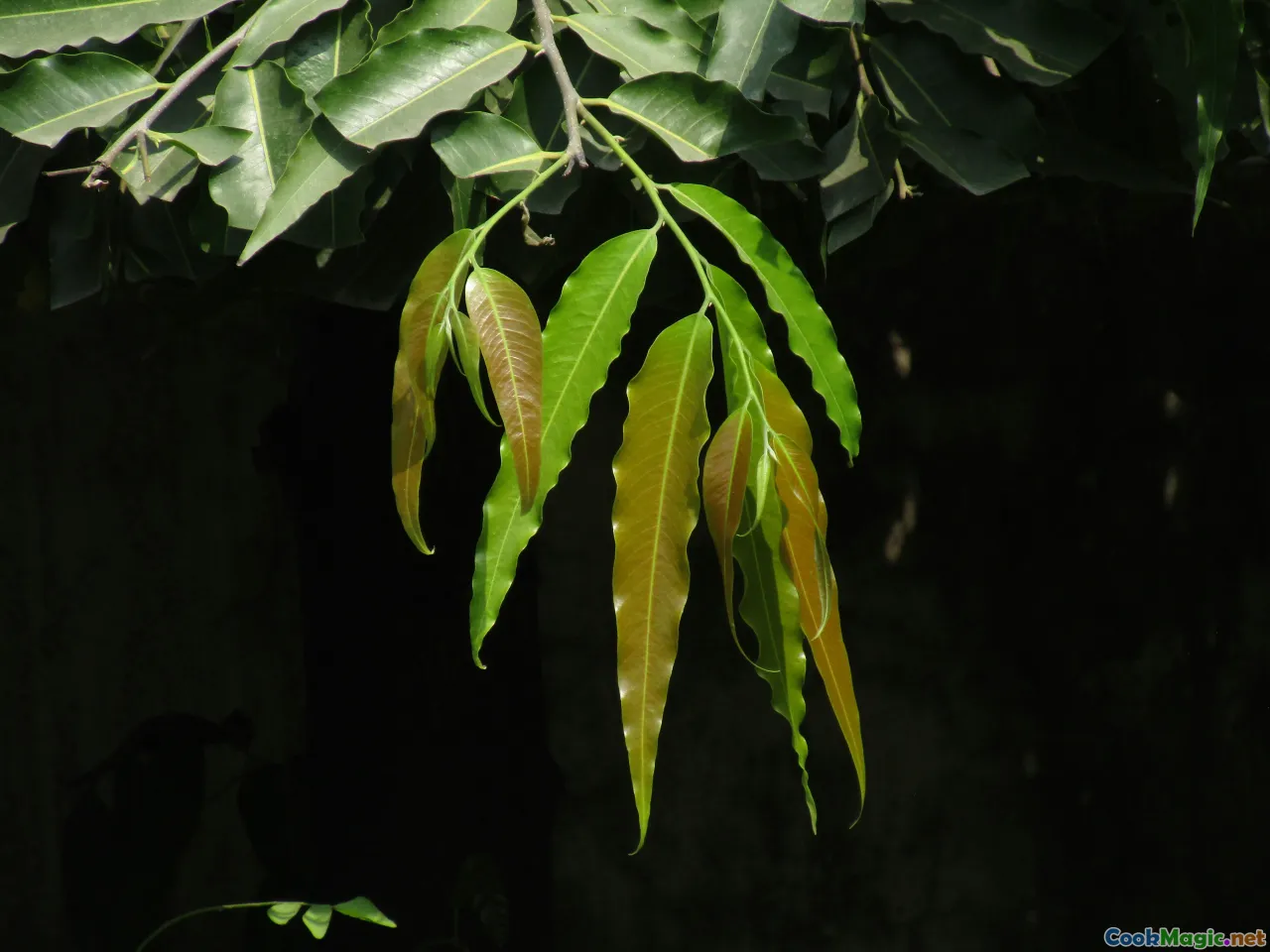
The first time I smelled saka saka simmering, it was the kind of scent that pauses a street. It drifted from a charcoal brazier in Kinshasa, thick with the red glow of palm oil and the sea-breeze smoke of dried fish. The pot rattled gently, a steady soundtrack to knife thunks and market vendors calling out cassava tubers like chants. When the lid lifted, steam rose in a green billow—wet forest after rain, nutty from ground peanuts, and bright as crushed citrus on the tongue. A spoonful was a revelation: velvet and grassy, with a slow-blooming heat, and a bass note of umami so deep it felt like the Congo River itself.
That is saka saka—also called pondu, mpondu, or sombe—a love letter written in manioc leaves.
What Is Saka Saka? Origins and Names

Saka saka is the dish Congolese people cook when they want to feed a crowd, nourish a family, or anchor a celebration. Made from finely pounded manioc (cassava) leaves, it is a stew that can be silken with peanut-coconut richness or shining with red palm oil, punctuated by smoked fish, salted cod, or tender bits of meat. Its names travel the river: in the Democratic Republic of the Congo (DRC), youll hear pondu or mpondu in Lingala; in the Republic of the Congo (Congo-Brazzaville), saka-saka is common; further east, in Kiswahili-speaking regions like Kivu, its known as sombe.
Cassava itself is not native to Africa. It arrived from South America by way of the Portuguese in the 16th century, took root in Central Africas poor soils, and became a resilient staple under colonial stress and during periods of displacement. The tubers became fufu (ugali) and chikwangue (kwanga, cassava bread), while the leaves—plucked young and tender—turned into a daily green, much like spinach or collards, but with a flavor uniquely its own: green almonds and sorrels tang without the sourness, a deep chlorophyll whisper that lingers.
In Congo, saka saka is not just a dish. It is a sign that someone cares enough to cook for hours, to pound leaves into silk, to stir while the kitchen fogs with spice and smoke. It is a ritual with a recipe, a memory with a method.
The Taste Memory: Steam, Smoke, and a Market Bowl

If you pass through March�e9 Gambela in Kinshasa at noon, you can smell the market by its meals: crisped plantains from oil that sighs, grilled tilapia dusted with pepper, and, as you round the sea of umbrellas, that unmistakable green-sweet perfume of pondu. The vendor I return to is Maman Chantal, who keeps a battered aluminum pot that can feed thirty. She serves her saka saka with chikwangue cut by twine into coins that steam when pulled apart. I watch her pinch a piece of kwanga, press it into the side of the bowl, and scoop. The stew clings like thick velvet, flecked with red oil, the threads of shredded leaf long enough to feel on the tongue.
Her version is palm-oil forward: a deep, brick-red sheen, the nostalgic scent of a hearth and the distant coast at once. She adds ndakala—tiny dried fish that burst into briny sparks—and a strip or two of makayabu, salted cod softened overnight. The interplay is precise: salt from the fish, sweetness from the palm oil, bitterness tamed by long simmering, and a whisper of Scotch bonnet heat that pricks the gums.
On the other side of the river, in Brazzavilles Poto-Poto district, I ate a friends mothers saka-saka that leaned peanutty and almost creamy. Coconut milk gave it a roundness, silk layered onto silk. She explained her order of operations in a way that felt like a lullaby: boil, pound, rinse, simmer, and wait. And when we ate, the world outside—the crackle of mopeds, the shouts of men in bright sapeur suits—blurred until all that mattered was the bite.
The Leaves: Manioc, Cassava, and the Art of Pounding

Cassava leaves are tough in the way that sturdy plants are. They carry cyanogenic compounds that protect them in the wild and can be harmful if not properly prepared. The answer is technique: pounding, washing, and long simmering—some cooks blanch first—draw out bitterness and make the leaves safe and delicious.
In villages and markets, youll hear the metronome: thud, thud, thud. A wooden mortar and pestle reduce the leaves to a fine paste, not unlike pesto in texture. You want short threads, no big veins, and a paste that will melt into the sauce. In cities and in the diaspora, this pounding is sometimes outsourced: look for frozen bags labeled "feuilles de manioc pil�e9es" (pounded cassava leaves) in African groceries. Raw whole leaves, if you can get them, need a firm hand and patience.
A few practical notes:
- Always use young, fresh leaves if possible—tender, bright green, not leathery. Mature leaves are fibrous and more bitter.
- If pounding by hand, slice leaves finely first with a sharp knife, then pound in batches. A food processor works in a pinch but can make the paste uneven; pulse, scrape down, repeat.
- To mitigate bitterness and break down fibers, blanch pounded leaves 10–15 minutes in plenty of boiling water, then drain well before simmering. Some home cooks skip blanching and rely on a slow simmer; do what your palate prefers.
- If using whole leaves, strip the central rib and any tough stems. That rib is the highway of stringiness.
Market Notes: Where to Find the Good Leaves

In Kinshasa, I ask for leaves in Matete and Gambela; in Brazzaville, March�e9 Total is my compass. Tied bundles come in stiff handfuls, sometimes pre-shredded by a vendor with a machete and a plastic tub. The best leaves look like theyve just been rinsed by rain, without yellowing edges.
In the diaspora, I shop where the Congolese shop:
- Paris: Ch�e2teau Rouges Rue Dejean, where pounded leaves sit between bins of Scotch bonnets and salted fish. The shopkeepers know the brands that cook up tender.
- Brussels: Matonge and Chauss�e9e de Wavre; look for frozen cassava leaves from Cameroon or DRC—often excellent.
- London: Peckhams Rye Lane, where freezers hum with "pondu" in tidy, icy bricks.
- Johannesburg: Yeoville market, in a row of shops fragrant with palm oil and dried shrimp.
- Montreal: C�f4te-des-Neiges, small storefronts that stock bags labeled "Saka-Saka" alongside smoked mackerel.
- New York City: 116th Street in Harlem and parts of the Bronx, where Sierra Leonean and Guinean grocers share freezer space with Congolese staples.
Ask for the harvest date if its printed; leaves harvested young and processed quickly keep their flavor. Frozen is fine—often better than limp bundles that have traveled too far.
The Smoky Backbone: Fish, Meat, and Umami in the Pot

Saka saka takes kindly to company. The greens are the canvas; protein is the brushstroke. Traditional additions include:
- Makayabu: Salted cod or pollock, soaked overnight, then simmered until it flakes into the stew. It gives brine and body.
- Ndakala: Tiny dried fish that deliver concentrated ocean. A handful is enough to perfume the pot.
- Smoked fish: Catfish, mackerel, or tilapia. Smoky, silky, shyly sweet.
- Meat: Goat or beef, often tougher cuts that stand up to long simmering—shanks, necks, or tripe for texture. Some cooks toss in beef feet for gelatin that glosses the stew.
- Dried shrimp or crayfish powder: A teaspoon or two adds a bass note without bulk.
Palm oil is more than fat here; its aroma. The best has a tomato-red glow and smells like a campfireled fruit. When it hits a warm pot, it loosens to orange-gold and whispers nuts, dates, and a faint, resinous sweetness. Some cooks make the oil cry —heating until it just begins to shimmer and release its perfume—before adding onions or garlic.
Two Classic Styles: Palm Oil vs Peanut-Coconut

There are as many styles of saka saka as there are kitchens, but two pillars stand tall:
-
Palm oil style: Red, glossy, and savory. The greens are simmered with onion, crushed garlic, a whole Scotch bonnet left intact (or slit for heat), and protein—smoked fish, makayabu, or meat. Palm oil is added near the middle of cooking to coat the leaves and split beautifully on the surface. The flavor is cedar-smoky and sweet-savory.
-
Peanut-coconut style: Creamy and layered. Peanuts are ground to a paste or peanut butter (unsweetened, 100% peanuts) is whisked into coconut milk, transforming the greens into a velvet sauce. The peanut adds heft and a well-rounded, lightly sweet finish that tempers bitterness. This style frequently appears as sombe in eastern DRC, sometimes with dried anchovies for umami.
Both benefit from acidity. A squeeze of lime at the end brightens palm oil versions; peanut-coconut stews relish tomatoes cooked down to jammy sweetness early on. Pili-pili (a hot pepper relish) is a faithful sidekick either way.
Step-by-Step: How I Cook Saka Saka at Home (Recipe)

This is my house version, a hybrid that leans peanut but respects the red kiss of palm oil. It serves 6 generously, with leftovers that deepen overnight.
Ingredients:
- 1.5 kg (about 3.3 lb) pounded cassava leaves, thawed if frozen
- 1 small makayabu fillet (about 250 g), soaked overnight, rinsed, and cut into chunks
- 200 g smoked mackerel, flaked
- 2 medium onions, finely diced
- 4 cloves garlic, crushed
- 2 medium tomatoes, grated or chopped fine
- 1 Scotch bonnet (whole, pierced once) or 1–2 birds-eye chilies, to taste
- 80 ml red palm oil (about 1/3 cup)
- 120 g natural peanut butter (about 1/2 cup), or 150 g ground roasted peanuts
- 400 ml full-fat coconut milk (1 can)
- 1 teaspoon crayfish powder or ground dried shrimp (optional but recommended)
- 2 bay leaves
- 1 teaspoon fine salt to start, plus more to taste
- 1/2 teaspoon freshly ground black pepper
- Juice of 1 lime (optional)
- 1 liter (4 cups) water or light fish stock, as needed
Method:
-
Prep the leaves. If your cassava leaves are not pre-pounded, slice them finely and pulse in a food processor until you have a rough paste, scraping the bowl often. Bring a large pot of water to a boil, add the leaves, and blanch for 10–15 minutes. Drain thoroughly in a sieve, pressing out as much water as you can.
-
Build the base. In a heavy pot (cast iron if you have it), warm half the palm oil over medium heat until it loosens and shimmers. Add onions and a pinch of salt; cook until translucent and just beginning to caramelize, about 8 minutes. Stir in garlic; cook 1 minute until fragrant. Add the tomatoes and cook down to a thick, jammy paste that clings to the spoon, 10–12 minutes.
-
Introduce the greens. Add the blanched cassava leaves, bay leaves, the Scotch bonnet, and about 600 ml (2 1/2 cups) water. Stir to combine. Bring to a gentle simmer.
-
Add protein and umami. Slide in the soaked makayabu and flaked smoked mackerel. Sprinkle in crayfish powder if using. Cover partially and simmer gently for 45 minutes, stirring every 10 minutes and adding splashes of water as needed to prevent sticking. You want the leaves to soften further and the flavors to knit.
-
Peanut-coconut finish. In a bowl, whisk peanut butter with coconut milk until smooth. Stir this mixture into the pot; you will see the sauce turn pale green and thicken. Simmer another 20–25 minutes, stirring often as nut sauces can catch.
-
The red kiss. Pour in the remaining palm oil and simmer 10 minutes more until you see small pools of red around the edges. The stew should be rich, spoon-thick, and glossy.
-
Taste and brighten. Fish out the Scotch bonnet and bay leaves. Season with more salt and black pepper as needed. If you like, squeeze in lime juice for a clean finish.
Make-ahead note: Like most stews, saka saka improves the next day. It freezes well; thaw gently and reheat with a splash of water.
Techniques and Troubleshooting: Texture, Bitterness, and Greens

-
On bitterness: Properly processed cassava leaves shouldnt taste harsh. Blanching helps; so does time. Some cooks add a very small pinch of baking soda (sodium bicarbonate) to hasten tenderizing. If you use it, be sparing—too much will flatten flavors and can make the stew soapy. I prefer longer simmering and balanced seasoning over soda.
-
On texture: Youre aiming for tender, cohesive leaves, not a puree soup. If your leaves are coarse, cook longer; if too stringy , they werent pounded enough. A potato masher midway through simmering can help break stubborn fibers.
-
On oil split: That attractive red oil ring is a sign of flavor. If your stew looks dull, it may need a little more palm oil or more time to reduce. If it looks greasy, whisk in a spoon of peanut paste or simmer uncovered to reduce.
-
On fish bones: Smoked fish can hide pin bones. Flake carefully and run your fingers through the fish to catch them. Nothing ruins a soulful mouthful like a surprise needle.
-
On heat: A whole Scotch bonnet infuses fragrance with controlled fire. For more heat, slit the pepper or crush one pepper into the pot. For less, use a mild chili or skip entirely and serve pili-pili on the side.
-
On pot choice: Thick-bottomed pots prevent scorching. If your pot runs hot, use a heat diffuser. Stir from the bottom and edges with a wooden spoon.
-
On time: Plan for 1.5 to 2.5 hours, depending on your leaves. Good saka saka is not rushed; it is coaxed.
Serving Rituals: Fufu, Chikwangue, Rice, and the Joy of Hands

Saka saka is rarely lonely on the table. In Kinshasa, it is most often paired with:
- Fufu: Cassava flour cooked into a dough, beaten until elastic. Pinch, press, scoop. It turns the stew into an edible conversation.
- Chikwangue (kwanga): Fermented cassava bread wrapped in banana leaves, steamed, then cooled into dense logs. Slice into rounds that reveal a pale, slightly sour interior, and watch them release steam like breath.
- Rice: A neutral canvas that soaks up sauce, especially dear to those who prefer spoons.
- Sides: Madesu (beans simmered with palm oil and onions), fried plantains with edge-crisped sweetness, or a fresh tomato-onion salad dressed with vinegar.
Pili-pili sits nearby, a hot pepper relish that can be as simple as crushed chilies, salt, and oil, or as elaborate as minced shallot, lime juice, and a whisper of vinegar. Its acidity is the high hat to saka sakas bass drum.
Etiquette holds that you wash hands before eating and honor the shared bowl. The rhythm is scoop and pass, scoop and pass, punctuated by stories and a little silence when the taste does the talking.
Regional Variations Across the Congo Basin

-
Kinshasa & Kongo Central: Palm-oil heavy versions with makayabu, sometimes flecked with okra to add viscosity. Youll often find ndakala included for that briny pop.
-
Equateur & Bandundu: Game or bushmeat appears on special occasions, and dried mushrooms add an earthy echo that dovetails with the greens.
-
Kasai: Peanut-forward cooking is beloved here; saka saka can border on a sauce d�e9lite of groundnut cream, often served with maize fufu.
-
Eastern DRC (Kivu, Ituri): Sombe with coconut milk is common, often garnished with shredded dried anchovies (dagaa). Tomatoes play a bigger role, and chilies tend to be hotter.
-
Brazzaville & Niari (Republic of the Congo): Bold palm oil, sometimes perfumed with a touch of smoked palm kernel, and meats like goat or beef simmered until tender enough to surrender to a spoon.
-
River towns: Fish rules—fresh tilapia or capitaine (Nile perch) simmered in, with the greens acting as a cradle for flaky flesh.
Even within one family, recipes evolve by occasion: lean and bright on a weekday; lavish with both peanuts and palm oil for weddings and baptisms.
Diaspora Adaptations and Substitutions

Cooking saka saka away from the Congo requires creative substitutions that still honor the spirit of the dish.
-
Greens: When cassava leaves are scarce, collard greens, kale, or a mix of collards and spinach can approximate texture and flavor. Blanch tough greens, then chop or pulse to a rough paste. Spinach alone can be too slippery; mix it with collards 2:1.
-
Protein: Salted pollock stands in for makayabu. Smoked turkey tails or wings add a familiar smoke in the US. Good canned smoked fish (sprats, mackerel) works in a pinch; drain and watch the salt.
-
Palm oil: Seek out West African red palm oil from small producers; it should smell fruity and clean, not burnt. If palm oil is unavailable, you can finish with a tablespoon of paprika-infused neutral oil for color and a pat of butter for roundness—an adaptation, not a replica.
-
Peanut butter: Use unsweetened, no-stabilizer peanut butter. If you only have sweetened versions, balance with extra salt and a squeeze of lime.
-
Coconut milk: Full-fat makes a difference. If using light coconut milk, reduce further for body.
-
Instant Pot/pressure cooker: After the saut�e9 step, pressure-cook the leaves with protein for 20 minutes, natural release, then finish with the peanut-coconut mixture on saut�e9 mode. Stir constantly to prevent scorching.
-
Food processor: Pulse in short bursts; over-processing turns greens into a smoothie. Texture matters.
Remember: substitution is an act of love when the goal is to keep memory on the table.
Health and Sustainability Notes

-
Safety: Cassava leaves contain naturally occurring cyanogenic compounds. Proper processing—pounding, blanching, and thorough cooking—renders them safe. Never eat raw cassava leaves.
-
Nutrition: Saka saka delivers iron, fiber, and plant protein when peanuts are included. Pairing with vitamin C (tomatoes, lime) helps iron absorption.
-
Oil choices: Red palm oil contains carotenoids and vitamin E compounds. Source responsibly—look for producers who support smallholder farms or certification schemes that reduce environmental harm. West and Central African traditional palm oil production is distinct from large-scale Southeast Asian plantations.
-
Fish: Favor smoked mackerel, herring, or locally sustainable options over overfished species. Salted cod is classic but often imported; consider the carbon footprint and balance with local smoked fish when possible.
-
Waste not: Leftover saka saka thickens beautifully. Reheat with a splash of water and crown a bowl of rice, or spoon into a banana leaf and steam as a libok�e9-style parcel for lunch.
Pairings: Drinks, Condiments, and a Sweet Finish

-
Drinks: Primus or Skol (Ngok) beer is the quintessential meal partner in DRC—a crisp bitterness against the stews richness. Palm wine brings floral sweetness that lifts palm oils smoky tones. For a non-alcoholic pairing, ginger beer or hibiscus (bissap) served cold slices through the peanut-coconut version like a blade of tart ruby.
-
Condiments: Pili-pili in oil, lime wedges, and pickled onions (paper-thin red onion tossed with salt, vinegar, and a pinch of sugar) add sparkle. A spoon of atsuete (annatto) oil isnt Congolese but mimics palm oils color when cooking for palm-oil-shy guests.
-
Sweets: End with beignets (mikate)—sugar-dusted fritters with chewy centers—or roasted plantains drizzled with honey and crushed peanuts. The caramel note caps the meal like a lullaby.
Voices From the Pot: Cooks I Learned From

Ive learned saka saka by watching, listening, and being handed a spoon.
-
Maman Chantal at March�e9 Gambela told me, with a laugh as she scraped onion into her pot, that "les feuilles parlent quand on attend"—the leaves speak when you wait. Her hands, she said, remember the rhythm of pounding from her grandmothers courtyard in Kikwit.
-
A Brazzaville friends mother taught me to separate the moments : brown the onion until sweet, cook tomatoes until they are a paste, then add greens. If you rush the tomato, she said, you will taste water when you want sun.
-
In Brussels Matonge, a grocer named Aim�e9 set a bag of pounded leaves on the counter with smoked mackerel and said, N�e9glige pas le sel du poisson, dont neglect the salt of the fish. Its true: let the fish season the broth before you reach for the shaker.
-
Chef Dieuveil Malonga, whose work bridges Congolese roots and contemporary technique, once described Congolese cuisine to me as aroma first, then memory, then technique. I think of that sequence every time I warm palm oil and the kitchen becomes a story.
These voices are measurements more accurate than cups or grams. They tell you when to lower the heat, when to wait, when the stew has crossed from ingredients to home.
A Cooks Packing List to Bring Congo Home

If you want to cook saka saka well, keep a small Congolese pantry at the ready:
- Pounded cassava leaves (frozen), or fresh leaves in season
- Red palm oil
- Natural peanut butter or roasted peanuts
- Coconut milk
- Smoked fish (mackerel, catfish) and/or salted pollock/cod (makayabu)
- Ndakala (dried small fish) or crayfish powder
- Scotch bonnet or birds-eye chilies
- Onions, garlic, tomatoes
- Bay leaves, black pepper
- Fufu flour (cassava) or pre-made chikwangue
- Pili-pili ingredients: chilies, oil, vinegar, salt
- A heavy pot and a wooden spoon with a long handle
Optional but enriching: dried mushrooms for earthiness, okra for body, a lime or two for brightness.
Saka Saka, A River You Can Taste

Every country has its quiet anchor dishes—the ones cooks make without a recipe card, by intuition and memory. Saka saka is one of Congos anchors. It tastes like patience and woodsmoke, like leaves transformed by care. It flexes to fit what you have, and it forgives small mistakes. If you stir with curiosity and feed with generosity, it rewards you with a stew that is both familiar and new each time.
I return to it not just to eat but to remember the crush of March�e9 Gambela, the click of bowls in Brazzaville, the way a kitchen smells when palm oil blooms in the pan. The Congo River moves even when youre asleep; saka saka, in its quiet way, flows along your stove with the same inevitability.
Cook it on a weekend. Pound the leaves if you can, or open a bag from the freezer with respect for the work already done. Let the stew tell you when its ready—it will, by the way the oil blushes to the top and the greens turn tender as a sigh. Serve it with fufu or kwanga and take your time.
In the end, the measure of a pot of saka saka isnt precision. Its the hush around the table when the first bites land, the hum of approval that follows, the way conversation picks back up a little warmer, a little softer. Its a dish that makes room—for different tastes, for substitutions, for stories new and old. Thats the kind of cooking that lasts. Thats the kind of taste you carry with you, like a river inside your chest, long after the pot is empty.