Savoring Pite Spinach Pie from Kosovo’s Heartland
39 min read Discover Kosovo’s beloved pite: hand-stretched phyllo wrapped around garlicky spinach, village ovens, and shared tables—a flaky, soulful taste of the Balkans. October 31, 2025 07:06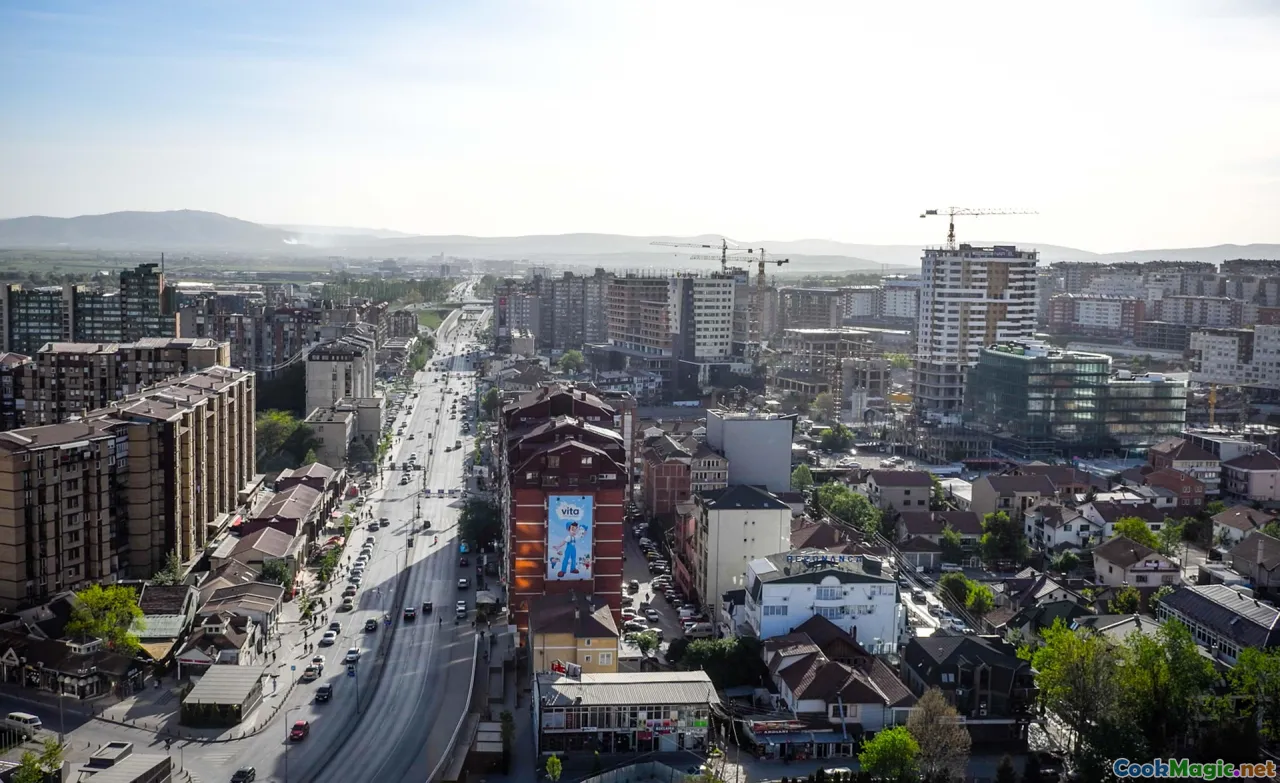
The first thing that hits you is the sweetness of butter in a warm kitchen, then the green perfume of spinach as it wilts in a pan, the sound of pastry brushing against the wooden table like silk against skin. In Kosovo’s heartland, pite me spinaq is not just food. It is a gesture of welcome, a memory of fields breathing out the last cool of morning, a coil of dough that holds the stories of grandmothers, floured hands, and the steady pulse of a region that cooks to keep its soul intact.
In the small hours, when the air still smells of wood smoke drifting from courtyards and the first bread comes out of the oven, you can follow the trail of heat to a furra—a bakery—on any market street. There, pans of pite turn in and out of the oven, their top layers blistering into golden flakes that catch the light like autumn leaves. The spinach hides underneath, a secret garden coddled by pastry and a salty whisper of Sharri cheese. One slice, and steam breathes out: meadow-green, butter-warm, and alive with the promise of breakfast.
From the Dukagjini Plain to the Sharr Peaks: Where Pite Grows Up
Kosovo’s heartland is a quilt—fields stitched into valleys, rivers threading toward the Drin, and the Sharr Mountains standing like old storytellers along the southern horizon. Driving west from Prishtina, the road opens into the Dukagjini plain, a fertile cradle for wheat, corn, onions, and the bright, soft leaves that end up in the cook’s basket when pite me spinaq is on the menu. Eastward, in the shadows of the Sharr, shepherds move flocks, and the air smells like thyme and meadow grasses; the cheeses here—Sharri white brined cheese, gjiza curd—taste unmistakably of that landscape.
In Peja, the scent of yeast and coffee meets you around corners near the Rugova canyon. In Prizren, along Shadërvan Square, old stone bridges and the call to prayer fold into the morning bustle of market stalls piled with greens. Gjakova’s Çarshia e Madhe—the Great Bazaar—echoes with footsteps and the flimsy crinkle of paper as bakers wrap warm slices for workers on their way. Each place stamps pite with a dialect: dough a touch thicker or thinner, oil glossed heavier or brushed lighter, dill or mint, or both. The hospitable heartbeat is the same—a pan set in the middle of the table, a knife’s gentle scrape through crackly layers, a plate pushed into your hands before you’ve even asked.
What makes pite here distinct is not just the geography but the tempo of life that frames it. The dough gets stretched when conversations are long. The filling gets seasoned as stories are told. The pan bakes while the courtyard warms to sun. Everything around it gives the pie its voice—fields that tell the spinach how to taste, and people who insist food must be generous to be good.
What Makes Kosovar Pite Different?
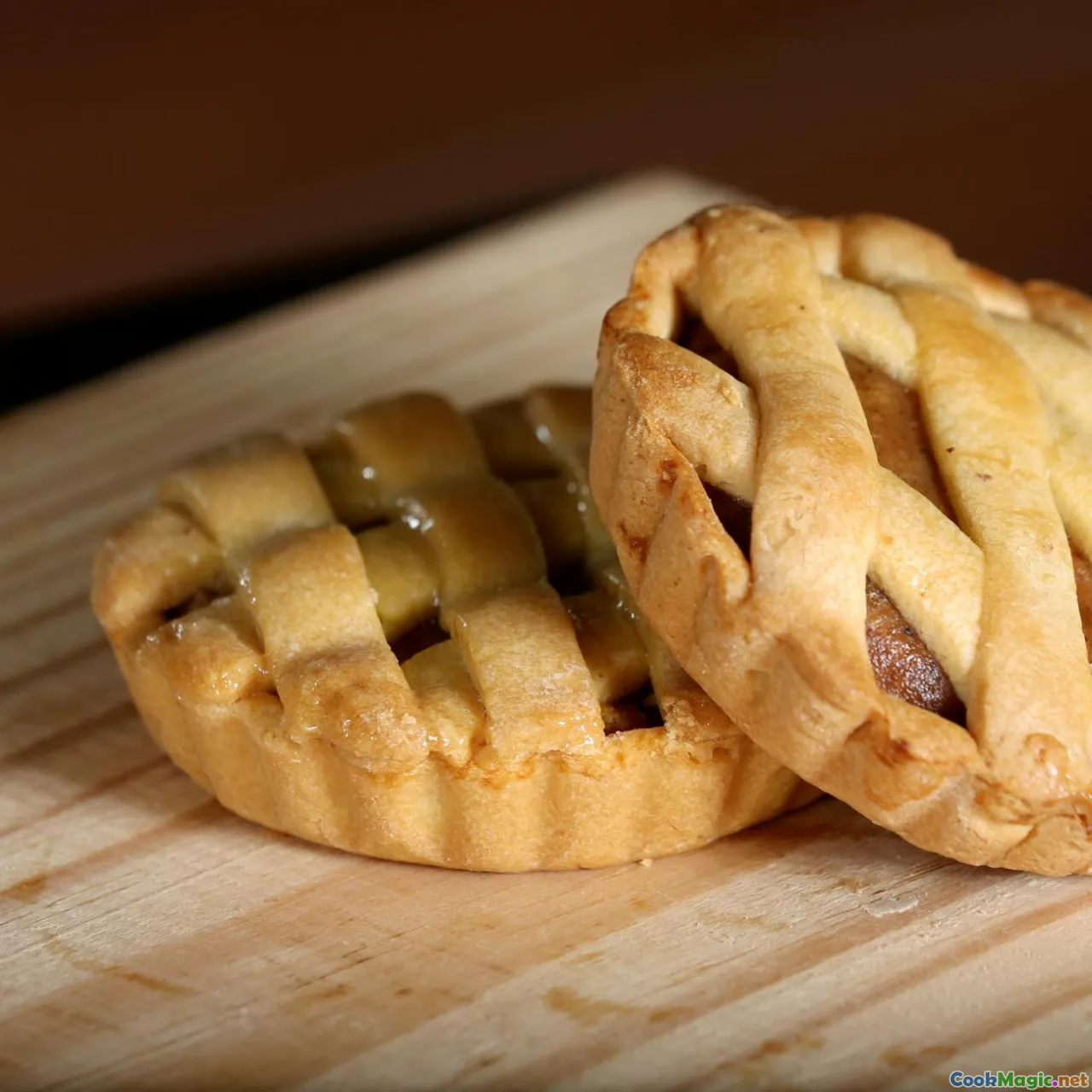
Across the Balkans, names and shapes shift like river water: burek, pita, byrek. In Kosovo, pite is usually a home-baked pie formed from soft sheets of dough, layered and brushed, sometimes coiled into a spiral, sometimes lined and capped. It is kin to Bosnia’s zeljanica and Albania’s byrek, but it speaks with a Kosovar accent: a preference for homemade dough, a faithful reliance on gjiza and Sharri cheese, and a tendency to bake in large, family-sized pans meant to be shared.
Where a Bosnian bakery might offer cut wedges of industrially thin yufka, many Kosovar kitchens favor hand-stretched sheets rolled on a long pin or lifted and pulled by fingertips until they are gauzy and nearly translucent. The fat used can be melted butter, sunflower oil, or a little of both. Some households add a drizzle of cream or a sweep of kos (plain yogurt) over the top in the final minutes to coax a glossy finish and a tender snap between crispy and soft.
There is also the matter of heat. Kosovars still love the old saç, a domed iron lid buried with embers, or a ringed tray fitted into a wood oven. That steady radiance gives pite a particular texture: the bottom bakes firm and browned, the middle steams gentle and green, and the top blossoms into brittle, buttery shards. Cut into it and the top snows flakes; lift a slice and the layers separate like pages well-thumbed. When you taste it, the spinach is not mushy but bright, flecked with dill or mint, and salted just to the edge by cheese. It is both delicate and nourishing, a pie that feeds a crowd while insisting on quiet, careful pleasures.
Ingredients with a Passport: Spinach, Gjiza, and Sharri Cheese
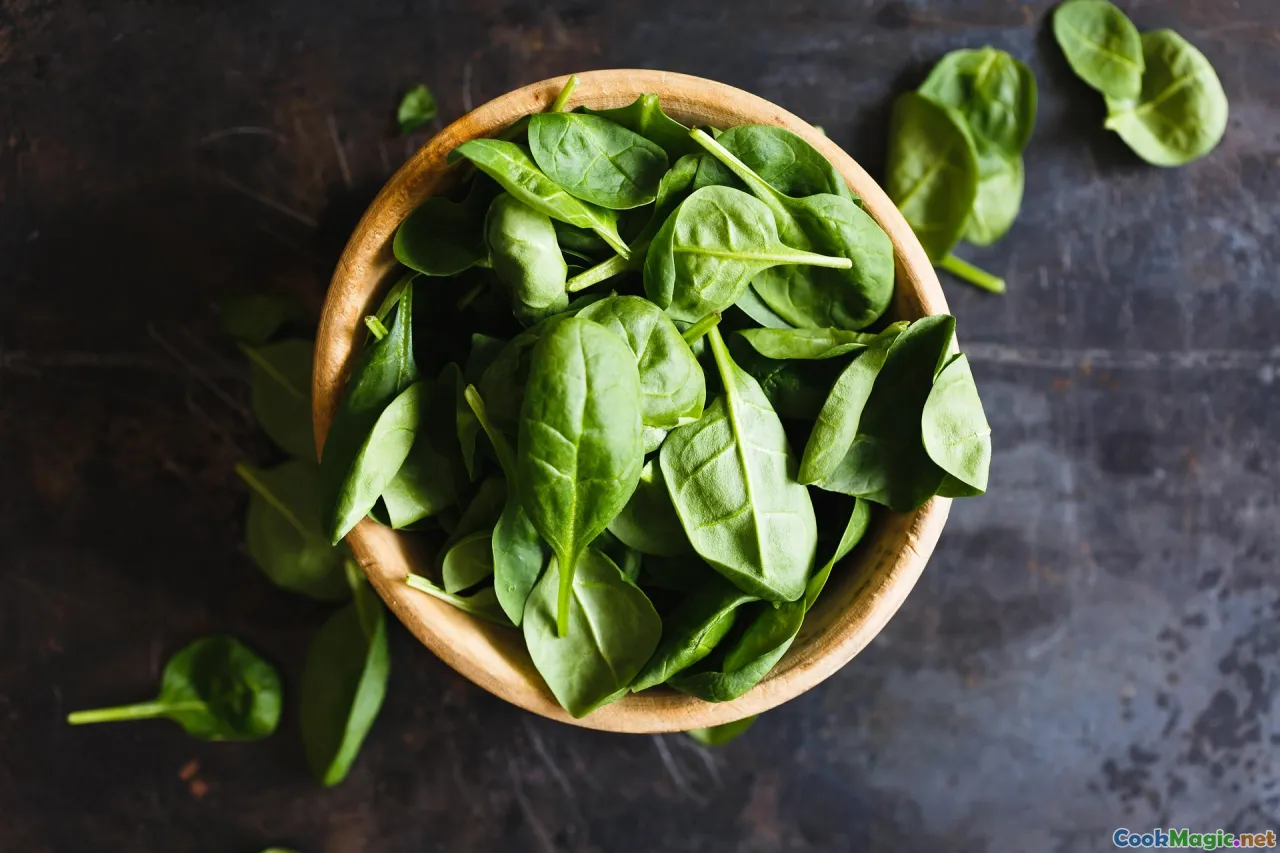
Pite me spinaq succeeds or falters on the integrity of its ingredients. Start with spinach that tastes of itself—fresh, deep green, leaves squeaky under your fingers. In spring, it is often mixed with hithra (nettles), a forager’s reward that pricks before it yields, or with the lemony tang of sorrel. Wild greens are not an affectation here; they are simply what the season gives.
The dairy calls up the region’s identity. Gjiza—Kosovar curd—is fresh and tender, somewhere between ricotta and crumbled farmer’s cheese, slightly tangy and deliciously milky. It lends body to the spinach without weighing it down. A handful of Sharri white brined cheese, crumbled, contributes a pointed salt and a whisper of pasture. Too much and you lose the green; too little and the pie tastes shy.
Herbs matter. Dill snips through the creaminess with feathery brightness; mint cools the palate and amplifies spinach’s green tone. Spring onions do not shout; they rise up softly in the warm air of the oven and fall back, sweet and gentle, into the filling.
The dough wants only flour, salt, warm water, and just enough oil to make it supple. Some cooks slip in a spoonful of vinegar to relax the gluten; others swear by a splash of sparkling water for crispness. Fat for brushing can be melted butter if you want fragrance and a tender top, or neutral oil for extra crackle. The pan is usually round and generous, heavy enough to hold heat.
Taken together, these ingredients read like a passport stamped by Kosovo’s fields and farms: wheat from the plains, greens from market stalls, dairy from mountain pastures. They are everyday elements wielded with care, not luxury ingredients, and that is precisely what makes pite so elegant.
A Morning in Prizren’s Shadërvan: Greens in the Basket
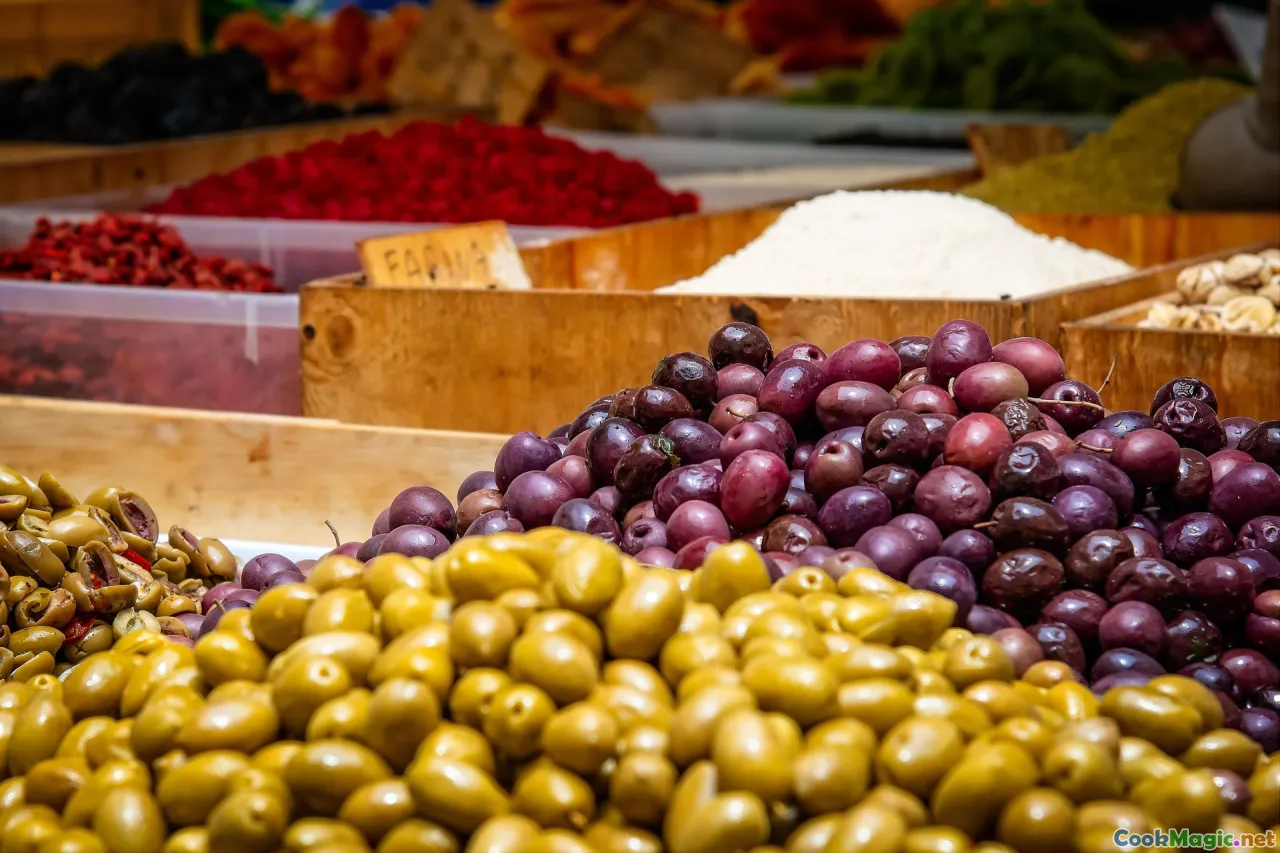
The first time I bought greens in Prizren for pite, an elderly vendor in a pale blue headscarf waved me over. She had spinach piled in mounds that looked like mossy hills, nettles bundled neatly with twine, and a jar of gjiza nestled in a bowl of ice like a little pale moon. The square gurgled with the forgetful sound of the fountain; pigeons took turns at the water’s edge. A child tugged on his mother’s sleeve to point at a bakery window where conduits of steam kept fogging the glass.
I told the vendor what I was making. She reached a hand into her own basket and returned with a small handful of mint, crisp and bright, insisting I add it to the spinach. A recipe is written in ink in some places. In Kosovo markets, it is given in leaves.
On the walk back past the Sinan Pasha Mosque and those narrow streets that climb to the fortress, I held the bag of greens like a blessing. The baker I passed, his forearms dusted white, cracked open the oven door to let us both peek in at pans lined like expectant sunflowers. Pite is not sold in slices here alone; it is sold as a moment. You leave with heat under your arm. A few benches away from the fountain, someone tears into a fresh piece, the steam snatching at the cool air, and you know exactly what you’ll be doing when you reach the kitchen.
Technique: The Silk of Kosovo Dough
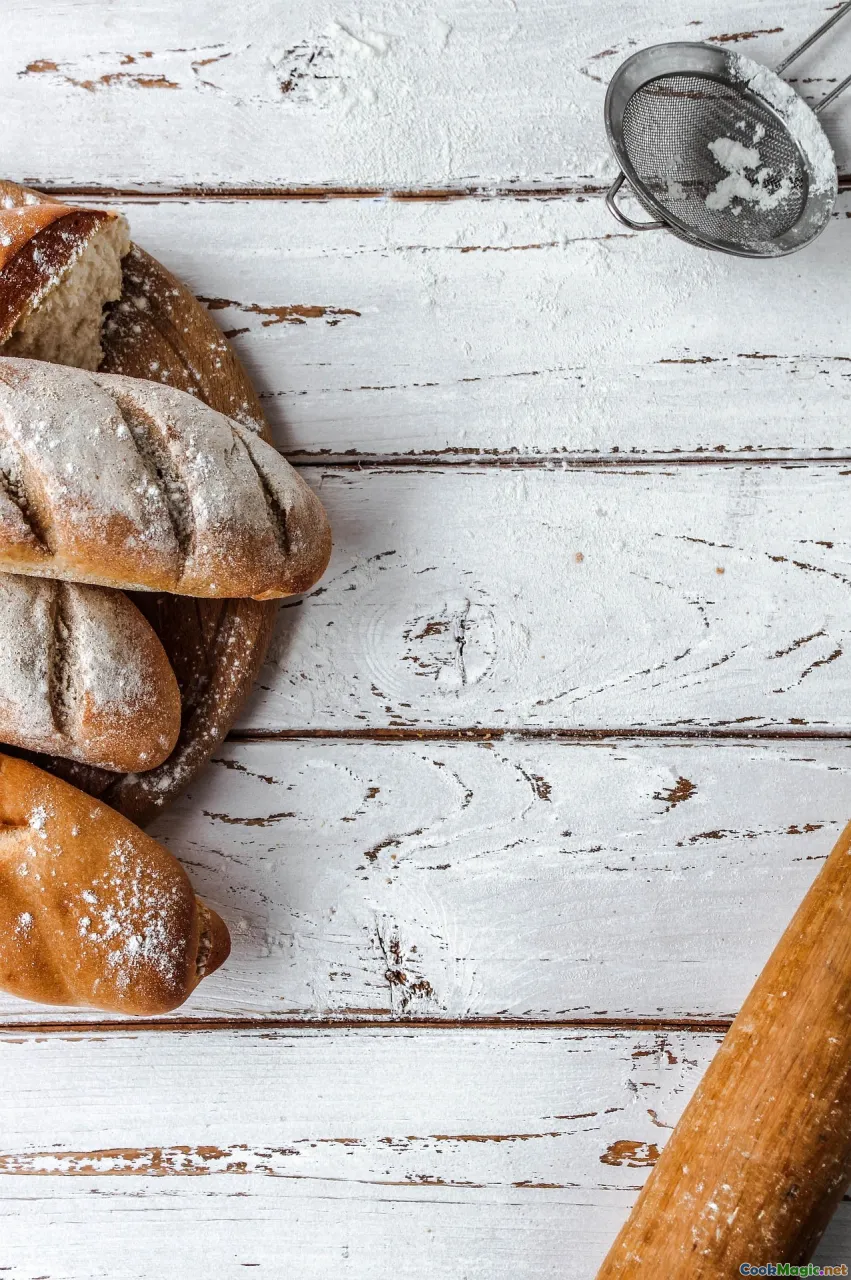
Ask three aunties in Peja how to make the dough for pite, and you’ll meet three strong opinions and a fourth cup of coffee. The principle is the same: you are courting elasticity. The dough must stretch so thin you could read a letter through it, but not so dry it snaps.
- Flour: Use a strong white flour. In Kosovo, all-purpose often bridges to bread flour, and that extra protein gives you stretch without tears.
- Water: Warm, not hot. Hot makes dough tough. Warm water nestles into the flour and coaxes the gluten awake.
- Fat: A spoon or two of oil inside the dough makes it pliable; more oil is brushed between layers for flake.
- Rest: This is where patience turns into silk. After kneading until smooth—about 8 to 10 minutes—divide and rest the dough under a slick of oil or a damp cloth. Fifteen minutes is a start; thirty is more forgiving. The rest relaxes the gluten, and once you roll, the dough cooperates instead of contracting.
Rolling is a rhythm: press, roll away, lift, quarter-turn, repeat. Then you lift the sheet onto the backs of your hands and stretch gently from the center outward, moving in a slow circle, letting gravity help. On a cotton tablecloth dusted lightly with flour, the dough glides. Thin enough is when the pattern of your tablecloth winks through. Thinner still, and you risk ragged tears, which are nothing to fear—they disappear into the folds.
Brush lightly with melted butter or oil. Not pools, not drips—just a shimmer. The layers should be like pages, not sealed envelopes. Layers trapped in fat burn; layers kissed with it crisp and separate.
Step-by-Step: Pite me spinaq for a Family Table
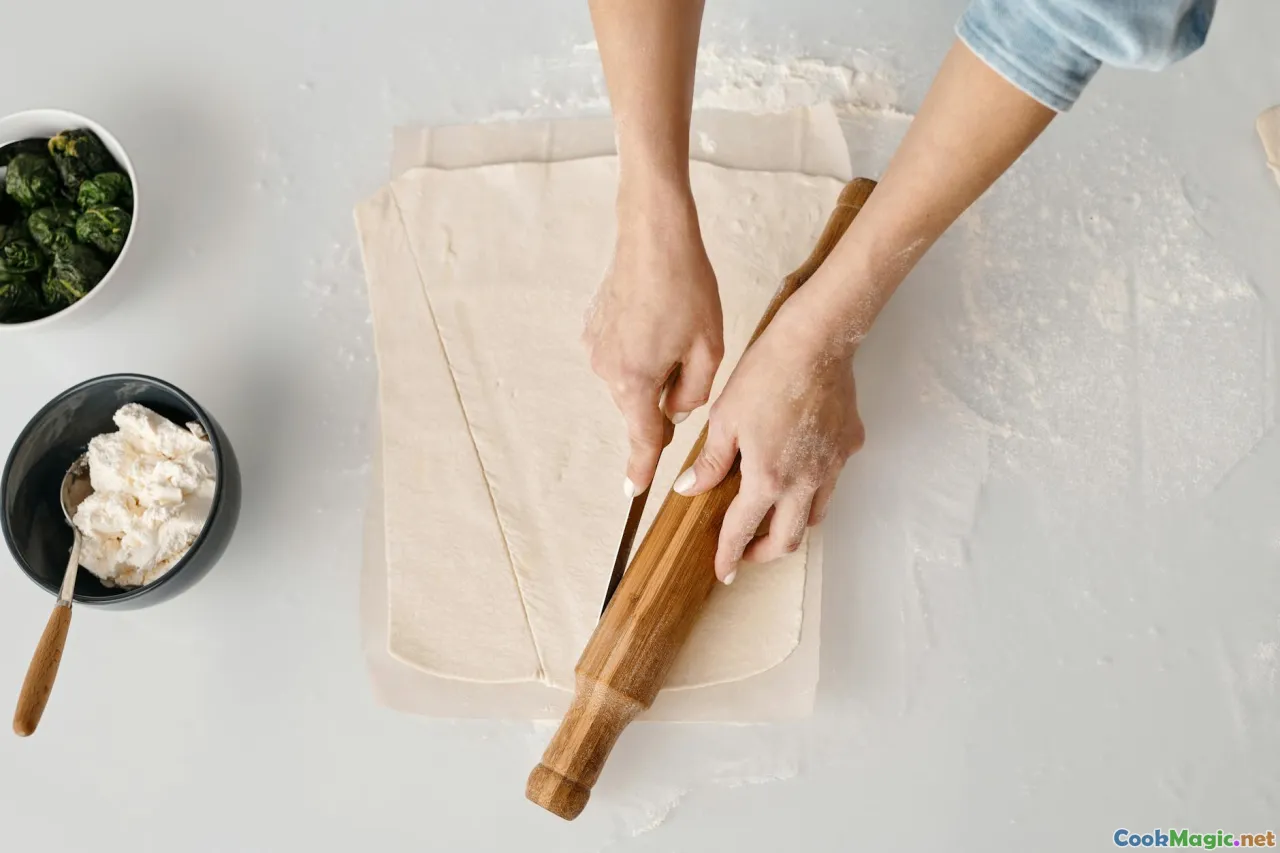
For a round pan about 30 cm in diameter, here is a kosovar-style approach that honors the home kitchens I learned from.
Dough
- 400 g strong white flour
- 7 g fine salt
- 240 ml warm water
- 30 ml sunflower oil
- 1 tbsp white vinegar (optional but helpful)
Filling
- 600 g fresh spinach, washed, stems trimmed
- 2 small bunches spring onions, finely sliced
- 200 g gjiza (substitute well-drained ricotta if needed)
- 150 g Sharri-style white brined cheese (or a good feta), crumbled
- 2 eggs
- 2 tbsp chopped dill
- 1 tbsp chopped mint
- 1 tsp sweet paprika
- 1/4 tsp black pepper
- Salt to taste (go easy; the brined cheese is salty)
For brushing and finishing
- 80 g melted butter (or 80 ml sunflower oil, or a blend)
- 3 tbsp plain yogurt loosened with 1 tbsp water (optional glaze)
Method
-
Make the dough. In a bowl, whisk flour and salt. Stir in warm water, oil, and vinegar. Knead on a lightly floured surface until smooth and elastic, 8–10 minutes. It should feel alive under your hands. Divide into 4 equal balls, roll each lightly in oil, cover, and let rest 30 minutes.
-
Prepare the filling. Roughly chop spinach. Sprinkle a teaspoon of salt and massage gently; let sit 5 minutes, then squeeze by handfuls to remove excess water. You are not punishing the spinach—be gentle, just coax out moisture.
-
In a large bowl, mix squeezed spinach with spring onions, gjiza, crumbled cheese, eggs, dill, mint, paprika, and pepper. Taste for salt; often you need none beyond what the cheeses provide. The filling should be juicy but not wet. If it seems too loose, fold in a spoonful of breadcrumbs.
-
Heat the oven to 220 C. Place your round pan to preheat lightly; a warm pan encourages a crisp base.
-
Roll and stretch. On a floured cloth, roll one dough ball to a large thin sheet. If you like a spiral pie, cut the sheet into long strips, 12–15 cm wide. Brush with melted butter or oil.
-
Assemble. Spoon filling in a line along the long edge of each strip and roll the strip over, not tight but snug, to encase the filling. You are making soft ropes, not tight cigars. Coil the ropes into a spiral starting from the center of the pan, brushing with fat as you go, until the pan is filled. If you prefer layers rather than a spiral, lay one sheet in the pan, brush, spread a third of the filling, repeat with two more sheets and filling, top with a final sheet, tuck edges.
-
Bake. Brush the top generously with melted butter. Bake 25–35 minutes, until deep golden with browned freckles and the house smells like a dairy and a meadow have just shaken hands. If you like a softer top and sheen, whisk the yogurt with a little water and brush over in the last 5 minutes of baking.
-
Rest and serve. Let the pite sit on a rack for 10 minutes before cutting. The layers will settle; the steam will even itself out. Cut into wedges or pull from the spiral with a fork, listening for that snow-fall crackle of pastry. Serve with cool kos or a glass of dhallë.
The first bite should bring the spinach forward, not as a green pulp but as distinct leaves, wrapped in custardy egg and curd, lifted by herbs, and anchored by a bottom that hums with wheat and heat.
Fire and Iron: Baking Under the saç

If you wander into a village courtyard near Deçan or Skenderaj, you might see a low iron stand, a round tray like a shallow satellite dish, and a domed metal lid blackened by years of flame. This is the saç—the simplest way to turn embers into an oven.
A saç-baked pite takes on a texture you can almost hear before you eat it. The bottom sears first, encouraged by the heat of the metal tray; the top bakes from above as embers piled onto the domed lid radiate downward. Grandmothers judge readiness not by timer but by scent and sound; when the steam shifts from grassy to buttery, when the crackle turns from whisper to paper-tear, it is done.
To mimic a saç in a modern kitchen, preheat a heavy baking stone or steel, use a dark metal pan, and keep your oven hot. For top heat, finish under the broiler for just a kiss of color. If you have a lidded cast-iron pan large enough, you can approximate the effect: preheat lid and base, assemble your pie, cover for the first half of baking, then uncover to crisp. It is not the same as embers, but your pite will remember the idea.
Variations You Will Meet on the Road
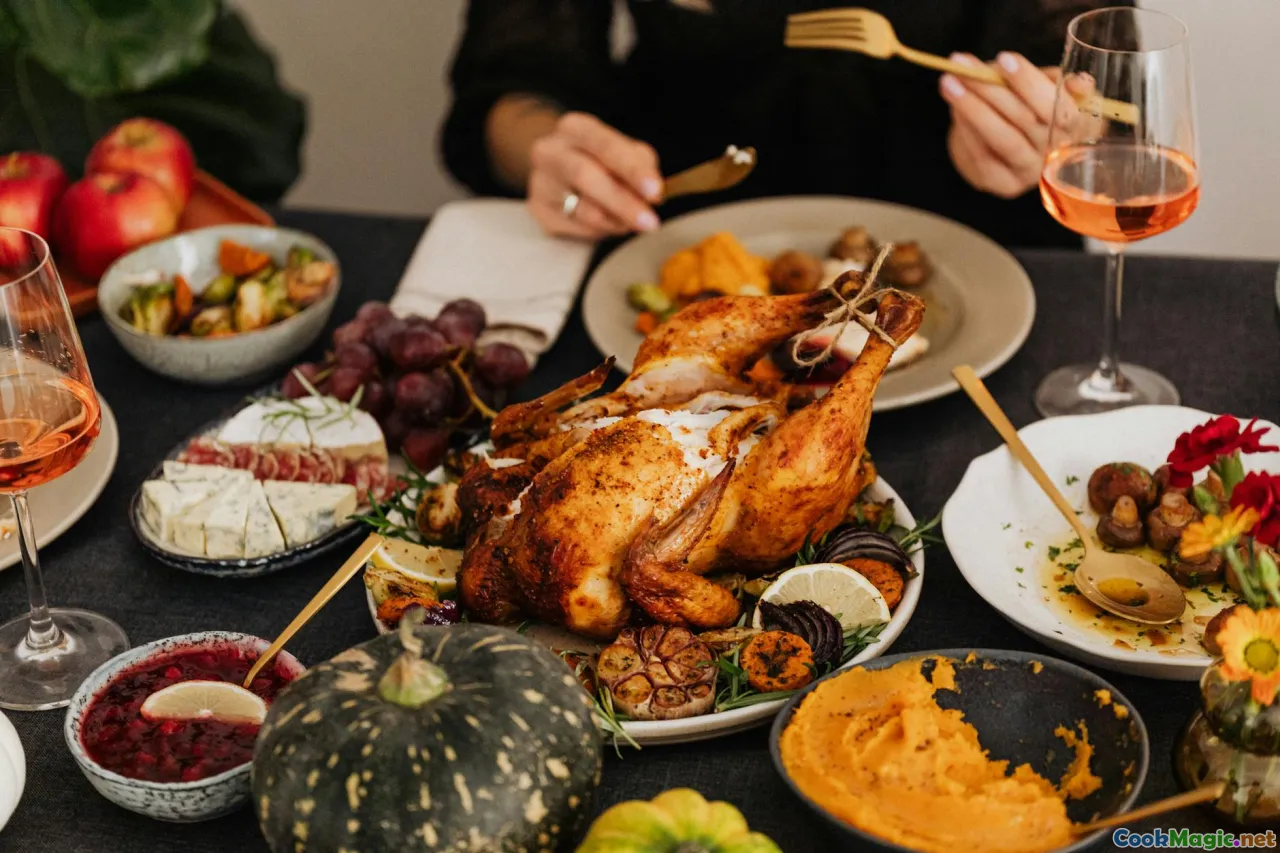
Spinach is a spring favorite, but pite is a year-round companion with many faces:
- Pite me hithra: Nettles blanched, chopped, and mixed with gjiza and spring onions. The taste is wilder than spinach, almost peppery-tender, the green intense like the first cut of grass.
- Pite me kungull: Pumpkin or squash grated and salted to weep, then squeezed and sautéed with a little butter and sugar, gingerly seasoned with cinnamon or crushed walnut in some households. This one is honeyed and earthy, a warm sunset in pastry.
- Pite me patate: Potato pie, a worker’s lunch that eats like a promise. Thinly sliced potatoes layer with onions, paprika, and pepper, the fat doing the rest.
- Pite me djath: Cheese-only, bare and elemental, sometimes enriched with a smear of kajmak.
- Mantia: In Kosovo, especially around Gjilan and Gjakova, you will meet mantia—small, individually folded pastry bundles baked close together, filled with spinach or meat. They break apart like petals and feel like the cousin who shows up to the party with red lipstick and a grin.
Each variation still respects the dough’s satin and the pan’s honest heat. The filling shifts with the season and what the household has; the structure—generosity wrapped in skill—stays the same.
Pairing: What to Drink and Serve Alongside

Pite calls for cool, tangy companionship. The classic is kos—strained yogurt—thick enough to spoon and cool as a stream in shade. Sprinkle a pinch of salt on top, or whisk it into dhallë, a pourable yogurt drink. The salted silk of dairy tucks into the buttery pastry and makes the greens gleam.
If you want bubbles, a glass of ayran works, or even a simple sparkling water with lemon. For those who prefer wine, the Rahovec Valley’s Stone Castle wines pair beautifully. Try a bright, mineral-leaning white with spinach—something that can lift the herbs without drowning them. A chilled Vranac or Pinot Noir with a gentle chill can match the buttery notes if your pite leans richer. Beer lovers reach for Birra Peja: crisp, clean, and almost designed, it seems, for salty pastry eaten under a vine with late afternoon sunlight.
On the plate, pite plays well with salads that snap. Cucumbers dressed in salt and vinegar, tomatoes at their August peak, peppers roasted and peeled, tossed with a thin ribbon of garlic, and a spoon of ajvar on the side. Pickled cabbage offers a sour crunch to reset your palate between bites. If you add meat to the table—thin slices of mish i thatë, the local smoked meat—keep it simple and portioned small. The pite stays center stage.
Where to Taste Pite in Kosovo Today
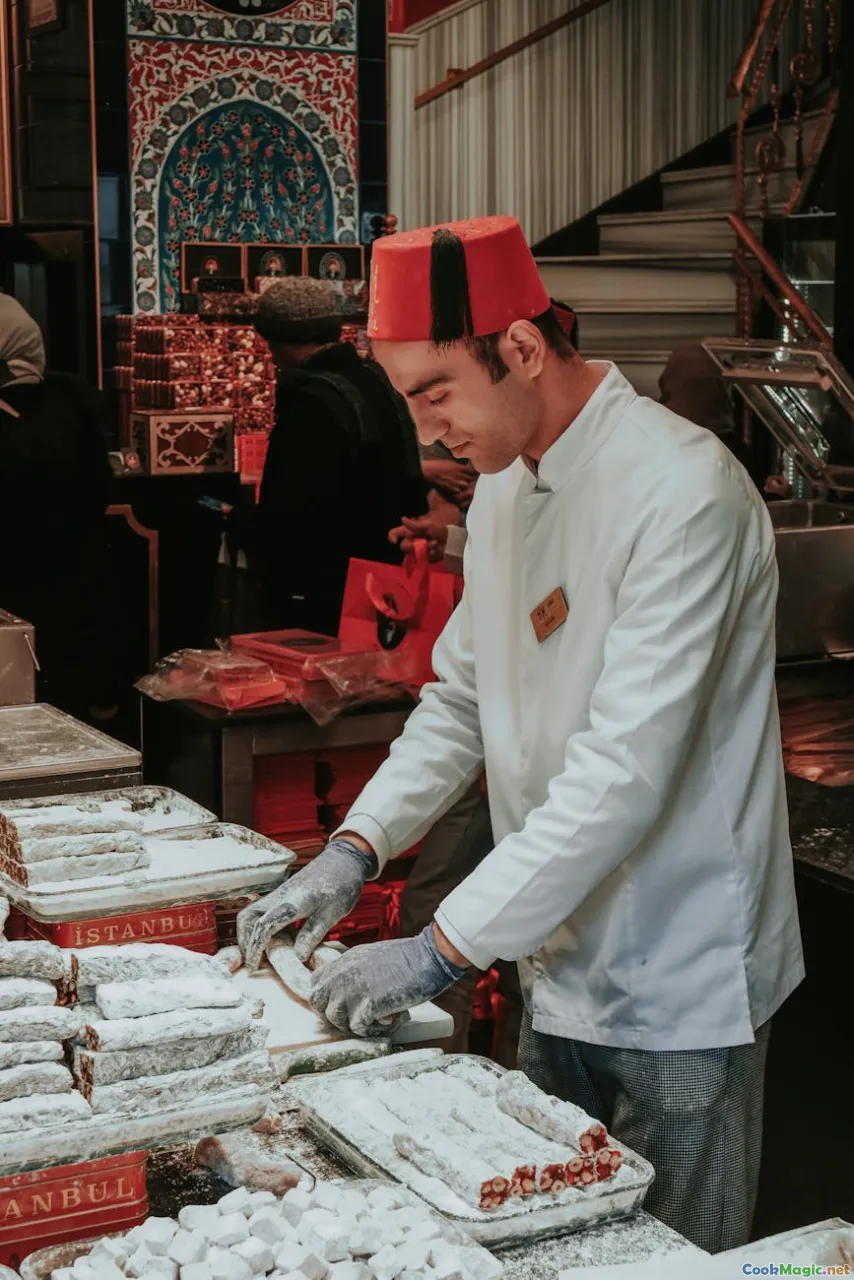
For a traveler, tasting pite in Kosovo is a thread you can follow from town to town. In Prishtina, early risers know Furra Qerimi for hot breakfasts; by seven, you will already see trays of spinach pie retreating and reappearing. Order a slice, step outside, and watch buses nose the traffic awake while the pastry flakes into your napkin.
In Prizren, wander down to Shadërvan when the market opens. Listen to the vendors argue like friendly sparrows and trust your nose: the best pie announces itself. At Hani i Haraçisë, a beloved old inn turned restaurant, ask about the day’s pite; if spinach is on, it will come to you with that home-baked look, edges imperfect and therefore perfect.
Gjakova’s Old Bazaar spreads along a long, handsome street of low, wooden-roofed shops. Here, you find bakeries that prefer the spiral form, coiling long ropes of filled dough into pans the size of wagon wheels. Point to the golden center; you will be handed a wedge with the tight coil marks of a snail’s shell.
Peja, with the Rugova mountains in the distance, offers another kind of morning. Many small family-run bakeries here still bake under iron, the scent distinct, the bottom showing a brave, even tan. Eat your pite on a bench near the Lumbardhi river and let the water teach you unrushed bites.
Wherever you go, ask. Kosovars are generous advisors; they will send you down alleys and across courtyards to the oven that matters today.
A Short History Folded in Layers
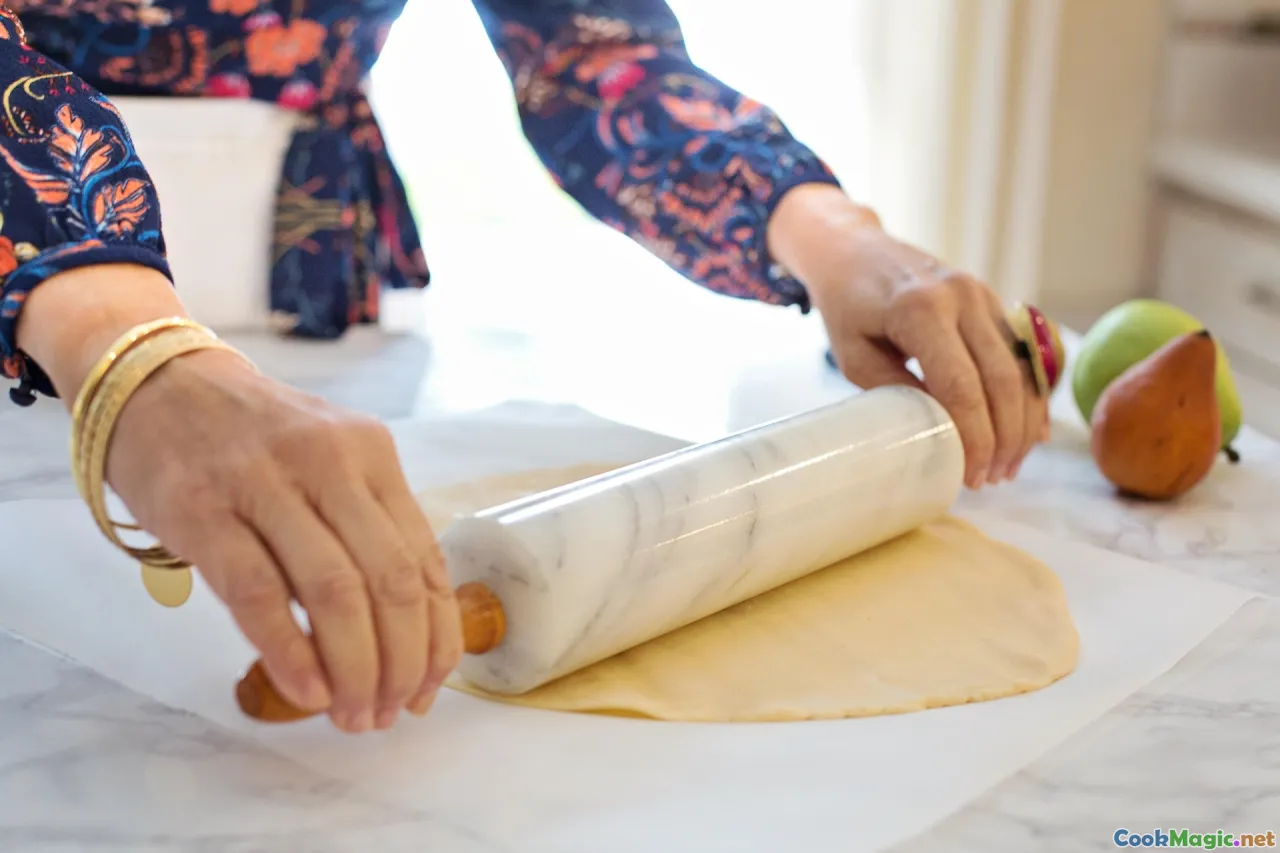
Pite’s ancestry is Ottoman, but its citizenship is Kosovar. The technique of stretching thin pastry and baking under domed lids arrived with empire and took local residency in gardens, courtyards, and cramped city kitchens. Under that enormous historical umbrella, dishes adapt to what people love and what land gives.
In Kosovo, pite became a marker of hospitality as much as a meal. When guests arrive, the house wakes its oven. For a new birth, an exam passed, a soldier returned, plates of pastry travel between neighboring doors. The structure of the pie—layers that must be gentle with each other to hold something generous inside—feels like a culinary metaphor for Kosovo’s own history of complexity and resilience.
There are everyday rites bound up in the making. The tablecloth dedicated to dough. The long rolling pin with the smooth center, darkened from years of contact. The brush for butter, its bristles stiffened with time and heat. The sounds as a room fills: the soft thud of kneading, the sigh of a gas oven turning on, the hiss of a kettle for tea. Food historians can show the routes. Cooks can show the memories. Both matter. Here, history is eaten warm.
Troubleshooting and Tiny Secrets from Kosovar Aunties

- Your dough keeps shrinking back: You are rushing it. Rest is not optional. If it feels springy, cover it and give it another 15 minutes. A few drops more oil rubbed on the surface keep the skin from drying.
- The spinach turned watery: Salt and squeeze. Spinach is mostly water and resents being ignored. Let it sit a few minutes after salting, then squeeze gently. If in doubt, a spoonful of breadcrumbs or semolina folded in will absorb excess moisture without dulling flavor.
- The top browned too fast: Cover loosely with foil for the last few minutes. Next time, move the pan down a rack or reduce the top heat in your oven’s quirks.
- The bottom is pale: Preheat the pan. For ovens that run cool on the deck, set the pan on a preheated stone or inverted heavy tray.
- The layers feel greasy: Brush more lightly; a sheen, not a coat. Butter adds aroma but can weigh layers down if heavy-handed; oil brings crispness, so a blend can balance.
- It tastes flat: Cheese saltiness varies wildly. Taste your filling. A pinch of black pepper and a teaspoon of sweet paprika can wake greens; a little lemon zest whispered through the bowl lifts without turning the pie citrusy.
- Your spiral popped open: The fill was too tight or the dough too thick. Roll thinner, spread the filling evenly, and coil with kindness, not force. Pite forgives gentle hands.
A few auntie-approved flourishes: A drizzle of sparkling water over the top before baking for extra lift; a tablespoon of cream added to the yogurt glaze for polished sheen; scattering sesame or nigella seeds over the top for perfume and a clever crunch.
Cooking with the Seasons: Spring Spinach to Autumn Pumpkin
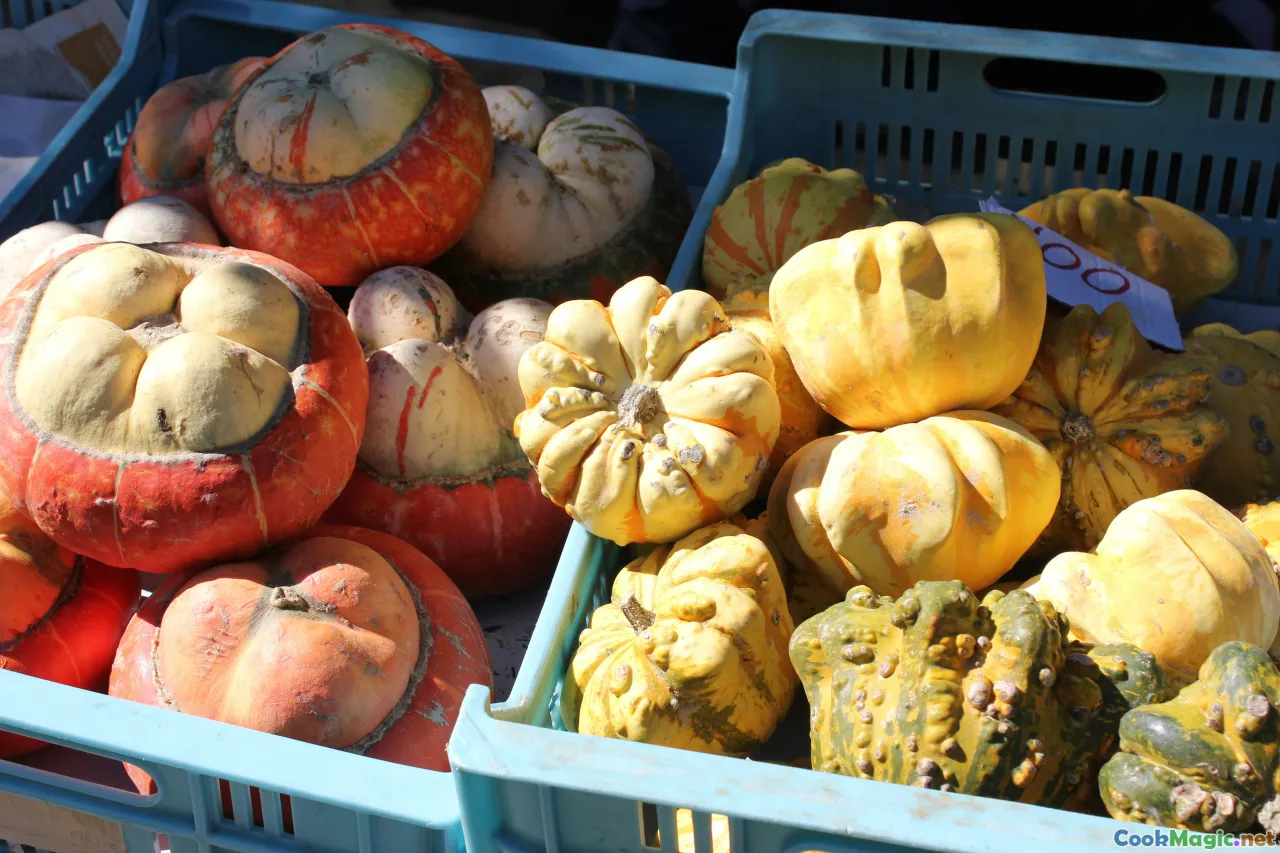
Spring announces itself in Kosovo with damp soil and bundles of hithra and spinach stacked so high they almost look like topiary. It is a time for bright pite—greens, herbs, and curds. Early summer swings in with softer herbs, dill especially, and cucumbers that find their way into side salads.
By August, tomatoes are so sweet they threaten to steal the show, and pite me djath can act as the salty counterweight under a mountain of red wedges. Autumn brings pumpkins, their flesh shredded into copper threads that melt into sweet-savory strands. Potatoes bulk up the table when the cold noses in; they are practical, warming, endlessly comforting. In winter, you might lean on preserved peppers, salted cheeses, and even a handful of wilted spinach from the greenhouse or frozen stash, chopped and dried well before mixing.
Kosovar kitchens are seasonal in a matter-of-fact way because markets mirror the ground. There is a quiet satisfaction in making the pie of the moment. People who talk about terroir in wine would recognize it here—the taste of place as measured by what the month decides. And so pite me spinaq becomes not only a dish but a calendar. Spinach in March tastes different from spinach in May; each variation, subtle or grand, is a fresh conversation with the same beloved friend.
Pite Beyond Borders: Diaspora Tables
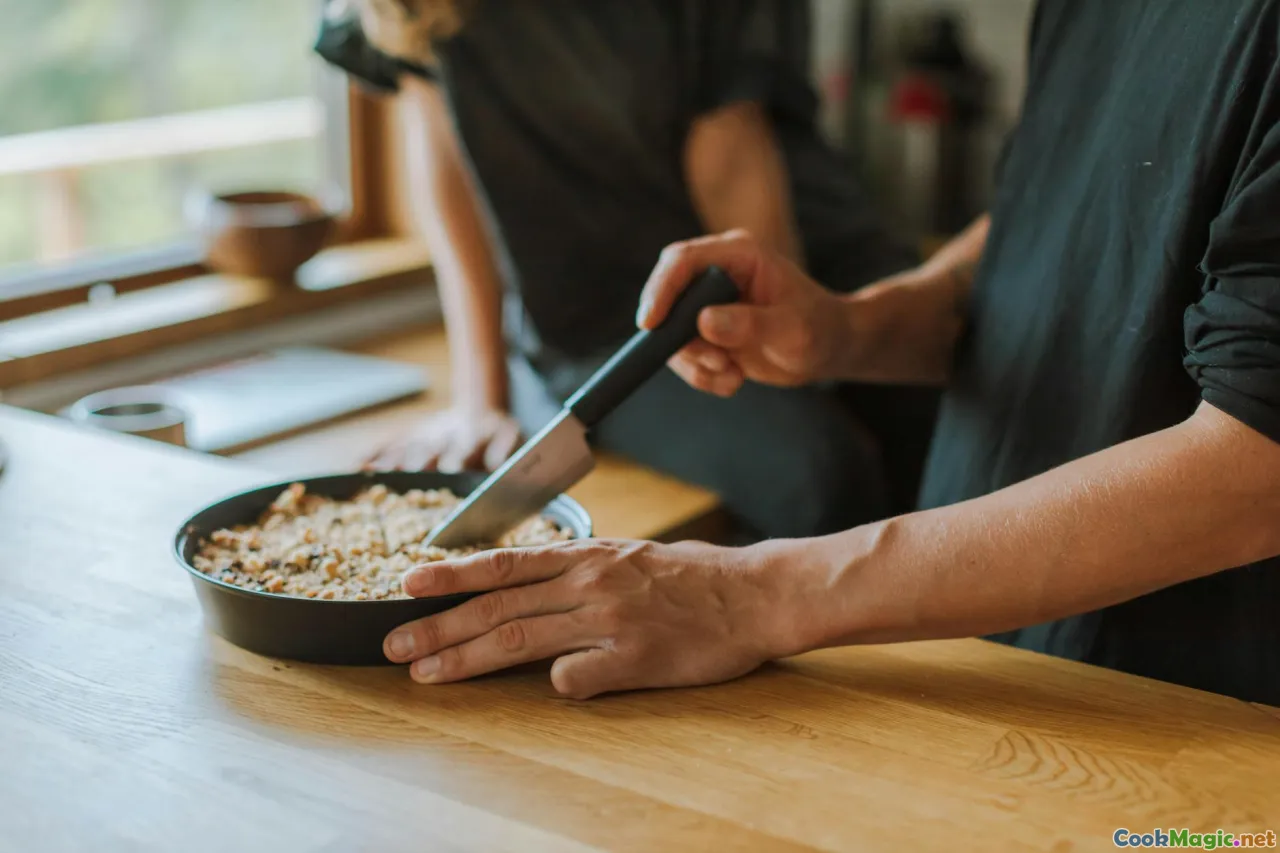
Kosovar families carried pite with them to Switzerland, Germany, the United States, and beyond. In diaspora kitchens, the pies bake in unfamiliar ovens but smell like home. You might find store-bought phyllo standing in for homemade dough because life rolls fast, and children have soccer. You might hear two languages in a kitchen at once—Albanian and English—while someone brushes butter over a spiral and another person sets out spoons for kos.
At community gatherings, the pans keep coming. There is always that aunt who brings the spinach pite that disappears first; there is a teenager learning to stretch dough for the first time, his concentration a bridge between generations. In the hum of a rented hall, a line of foil-covered trays glows warm, and the moment the lids lift, the room fills with butter, greens, and that fresh-baked cereal note that speaks directly to memory.
Some diaspora cooks add small twists picked up from neighbors: a pinch of chili flakes from a Turkish friend, a drizzle of olive oil from an Italian neighbor, a squeeze of lemon that no one’s grandmother authorized. These are friendly evolutions, not revolutions. The pie holds them because the soul of pite—generosity and care wrapped in skill—travels well.
Why Pite Matters
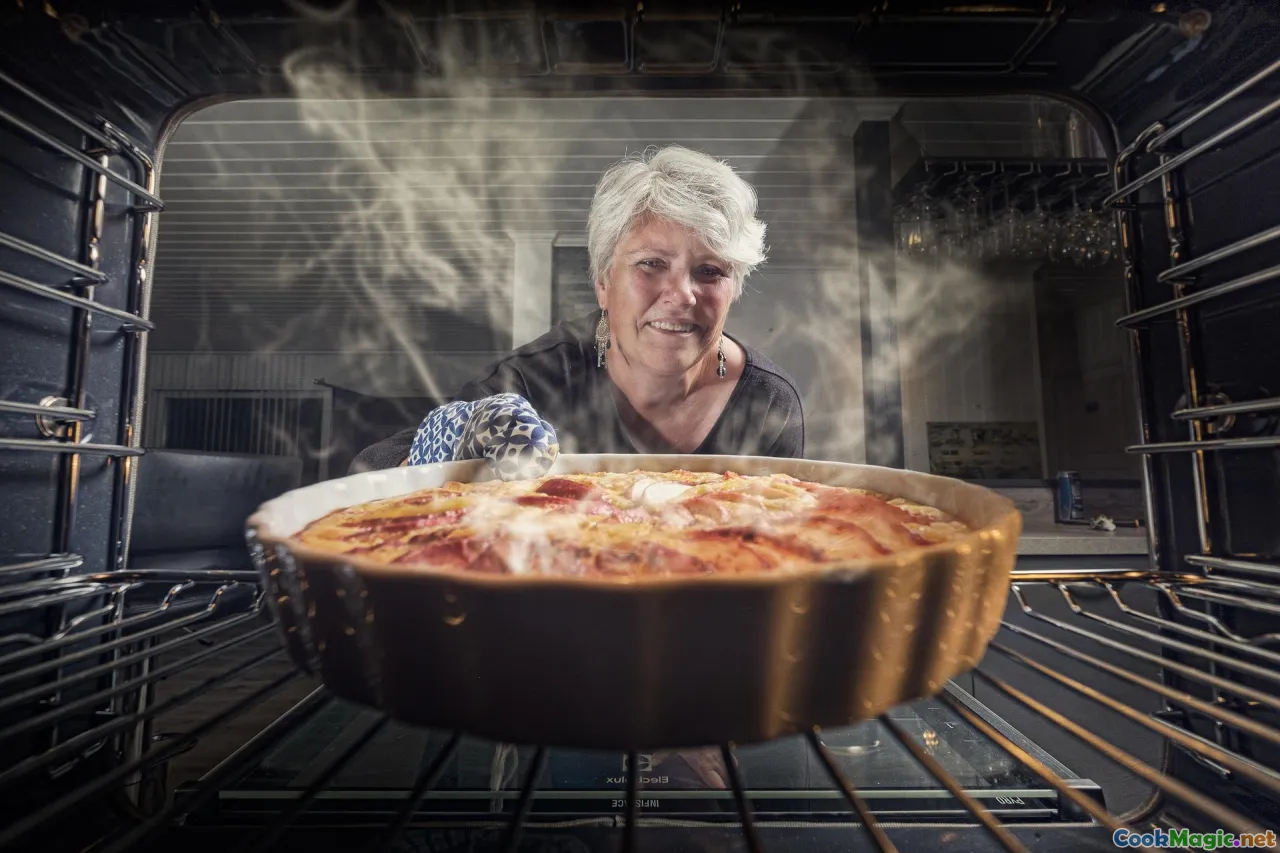
Food can be nourishment without being meaning, but pite in Kosovo refuses to be only one or the other. It feeds you because wheat and greens are honest fuel. It teaches you patience because dough does not hurry itself thin. It shows you hospitality because no one eats pite alone, not truly, not in spirit. You might take your slice and walk across the yard, but someone is already cutting a second piece for the neighbor.
Remember that first bite: the crisp yielding to the tender, the meadow in the spinach’s breath, the salt of the cheese waking up everything it touches. That pairing is not an accident; it is a craft that a region has chosen to perfect. In the end, a good pite me spinaq tastes like a place that knows how to make a table generous even on ordinary days; a place where an iron lid has lived a long, useful life; a place where flour remembers hands and hands remember flour.
When I think of Kosovo’s heartland, I think of the heat that blooms from a round pan, the morning markets where greens rustle like soft applause, and the way pastry breaks into flakes like a promise kept. If you can make this pie at home—stretching, brushing, coiling, baking—you will carry that warmth into your own kitchen. If you can eat it in Kosovo, do, and let the landscape explain itself in butter and green. Either way, let your slice be a map back to a table where the center is shared and the edges are always, always welcoming.