Savoring Kapunata Malta’s Mediterranean Vegetable Stew
34 min read Explore Kapunata, Malta’s vibrant vegetable stew—an island take on ratatouille—featuring eggplant, tomatoes, capers, and olives, with tips for ingredients, technique, and serving traditions. January 11, 2026 07:05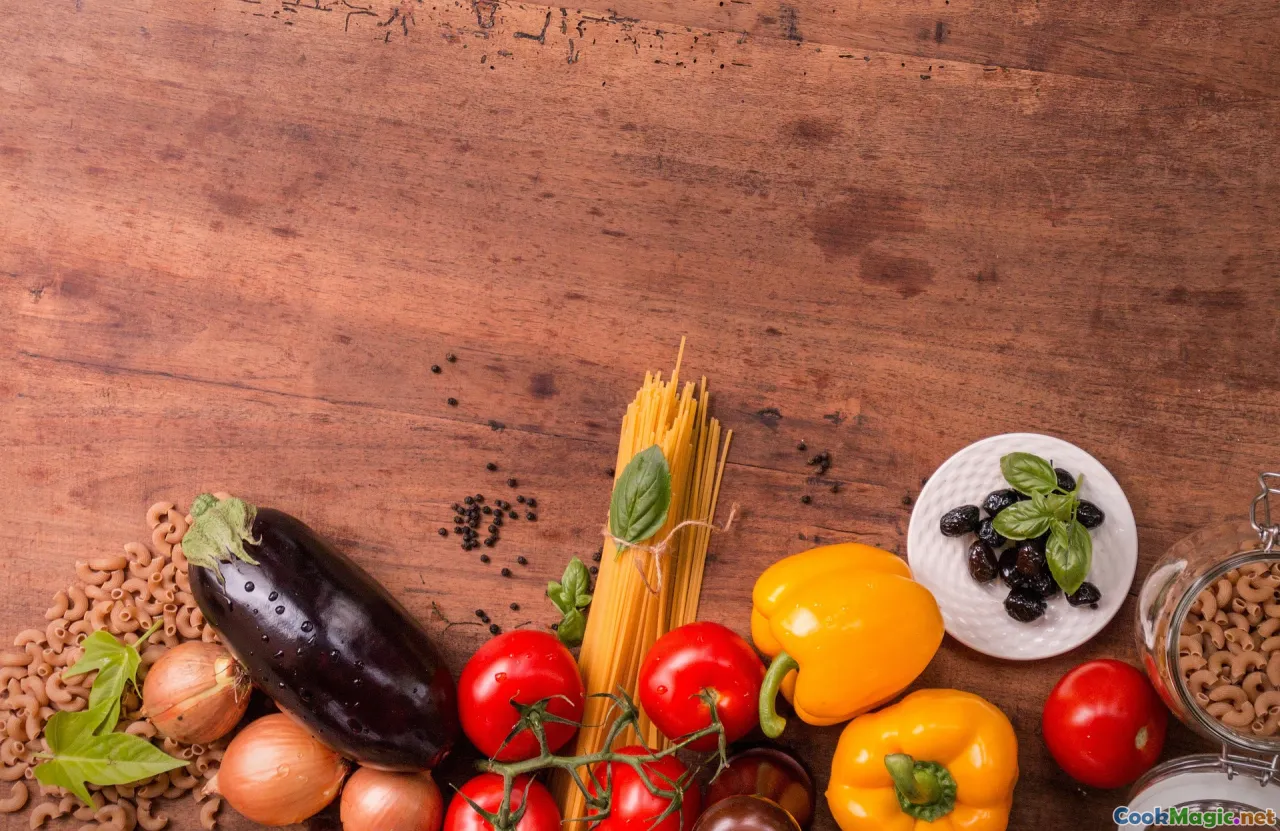
There are dishes that whisper about a place, and there are dishes that sing. Kapunata, Malta’s Mediterranean vegetable stew, sings in a language of sun and salt, of sea breeze and basil—bittersweet memories simmered into something unmistakably island-born. I’ve eaten it in the back kitchen of a Valletta bakery where the oven never sleeps, spooned it lukewarm over charred bread in the shade of a bougainvillea, and ladled it beside pan-fried lampuki while fireworks crackled over a village festa. Every version holds a different hour of the Maltese day, from the soft dawn of tomatoes peeled in a sink full of salty water to the bronzed afternoon when aubergine sighs into olive oil.
Kapunata tastes like Malta because it embraces the brine—capers from stone-walled terraces, green olives cured to a dignified tang, and the concentrated sweetness of kunserva, that sun-tightened tomato paste Maltese cooks keep like treasure in their pantries. Nothing in this stew is rushed. Vegetables are courted, not coerced; flavors fold into one another and then seem to take a breath and open, like shutters on a whitewashed façade caught by an evening breeze.
A Market Morning in Marsaxlokk
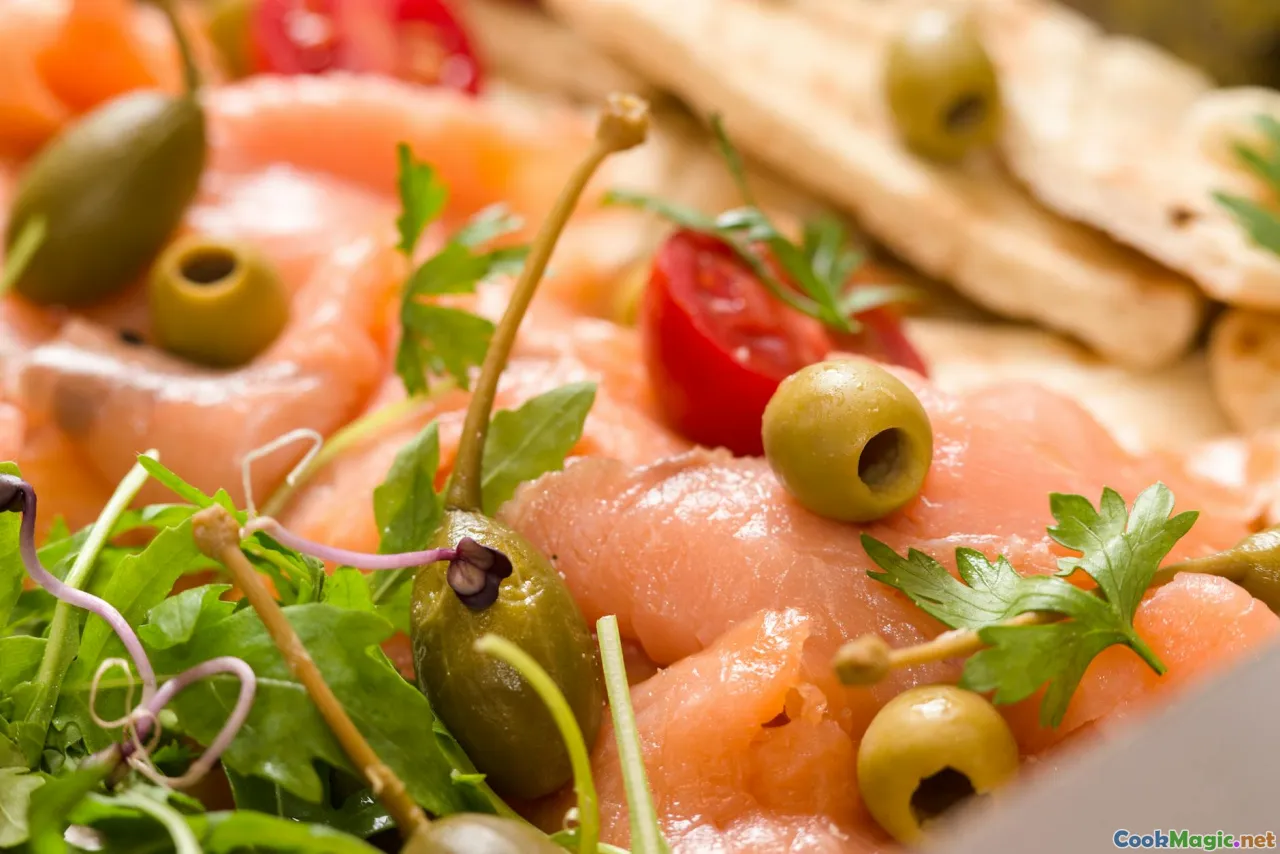
On Sunday mornings in Marsaxlokk, the luzzu boats—with their painted eyes that watch the waves—doze in bands of color. The market unfurls along the water with a satisfying lack of hurry. Here is a crate of aubergines with skins so taut they’re almost lacquered. Here are peppers that look as if they’ve been buffed by a sea breeze. Tomatoes, thick-scented and sun-warm, nestle in shallow baskets; when you carry them home, the scent of green vines lingers on your forearms.
I watch an elderly couple—she with a scarf tied in a knot that has outlived fashions, he with a grocery bag patinated by decades of good decisions—select capers from a jar. Maltese capers are emphatic: fat, salty, and perfume the air with a peppery blossom the instant a lid turns. “For kapunata,” the vendor says, as if reading minds. Nearby, another table displays small bay leaves, lemon-bright mint, and bulbs of garlic with papery skins that crackle. The fishmongers, setting out gleaming lampuki in season, call to one another; a boy pinches a caper and pops it in his mouth when his mother isn’t looking.
The walk back to my rented kitchen is uphill, away from the briny breath of the harbor, past a shrine with a flickering candle and the soft thud of rugs beaten against a wall. By the time I set the aubergines on the counter, the whole room smells like a recipe already in motion. Kapunata always starts hours before the first onion meets the pan. It starts here—in choices, in the heft of a pepper in your palm, in the rumor of a sweet tomato.
What Makes Kapunata Maltese
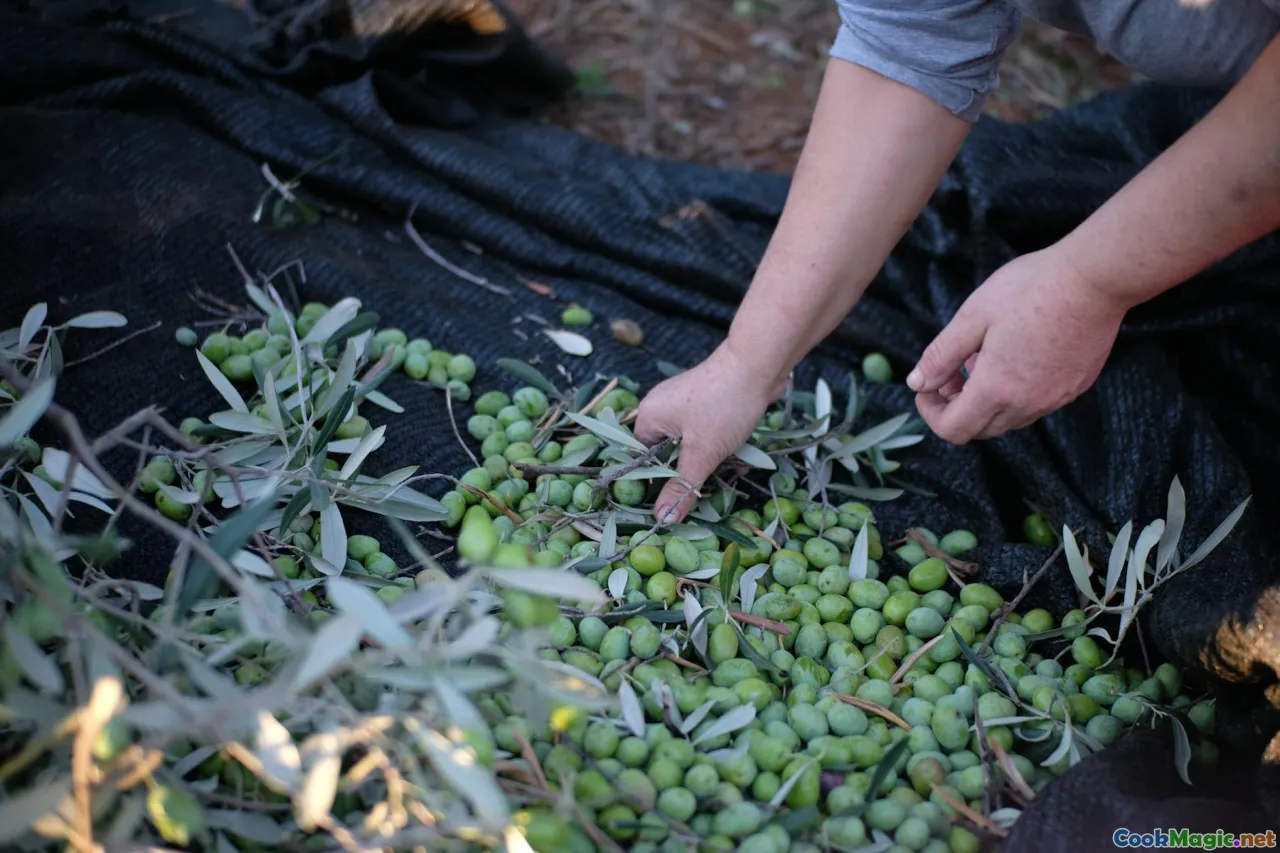
Everyone assumes kapunata is just ratatouille with a passport stamp. But it’s as Maltese as the caramelized edges of ftira and the clatter of church bells at noon. While Sicily’s caponata is a close cousin, and Provence’s ratatouille sits at the same family table, Malta’s version insists on certain truths:
- Brine is not a garnish; it’s a backbone. Capers—often from the tiny islets’ dry-stone terraces—and green olives bring a savory hum that punctuates the dish.
- Kunserva matters. Maltese tomato paste is more than a flavor booster; it’s a summer preserved, made by spreading puréed tomatoes on trays under the sun until it thickens into a scarlet concentrate you can almost slice. It gives kapunata a marmalade-like depth without sugar.
- Herbs lean Mediterranean island: Bay leaf is common, basil is welcome, and fresh mint—a frequent guest in Maltese kitchens—lifts the stew with an aromatic coolness that surprises those used to oregano-loud versions.
- The finish is savory, not agrodolce. Unlike Sicilian caponata, kapunata rarely leans sweet-sour with vinegar and sugar. If acid appears, it’s a quiet pour of wine, or a squeeze of lemon off the heat.
Because Malta is a meeting point—Arab traders, Sicilian farmers, the Knights of St. John—the stew shows a cosmopolitan simplicity: practical, generous, contextual. It’s meant to fit the catch of the day, the bread on the table, the season’s temper.
Ingredients With a Sense of Place

A good kapunata is a geography lesson you can eat. Each ingredient explains something about Malta’s climate and appetites.
- Aubergines (eggplants): Choose heavy, glossy ones with tight skins. Maltese cooks often prefer small to medium sizes—less bitterness, more silk. When sliced, the flesh should look like ivory, not spongy straw.
- Peppers: Red and yellow bell peppers are standard, but a green pepper adds pepperiness that keeps the stew from tasting too sweet. Roast them directly over a flame for extra smokiness if you like.
- Tomatoes and kunserva: Late-summer tomatoes are best, and kunserva is the soul. Even if you use tinned tomatoes, a spoonful of kunserva grounds the pot in Maltese soil.
- Onion and garlic: Maltese onions tend to be sweet and pale; slow-cooking turns them into a sweet, savory mesh that carries the dish.
- Capers: If you find Maltese capers in salt, rinse and soak briefly to tame the brine without washing away flavor.
- Green olives: Pitted or not is a personal choice. Whole olives give a charming rusticity but watch the stones.
- Herbs: Bay leaf and basil are non-negotiable in my kitchen. Mint is optional, but I find a few torn leaves at the end makes the dish taste like an island breeze.
- Olive oil: Use a generous hand. Malta’s olive oil—often slightly grassy, gently peppery—will shine.
- Optional seasonal guests: Zucchini (locals will casually call it marrow), potatoes in Gozitan renditions, or even a few strips of pumpkin in early autumn.
The salt you use will matter—capers and olives bring their own. Some cooks add a splash of red or white wine while the tomatoes cook down; others swear by no liquid beyond the vegetables’ own juices. Maltese cooks are practical traditionalists; they honor the old ways but won’t waste a ripe tomato’s opportunity to be itself.
The Method: A Cook’s How-To You Can Trust
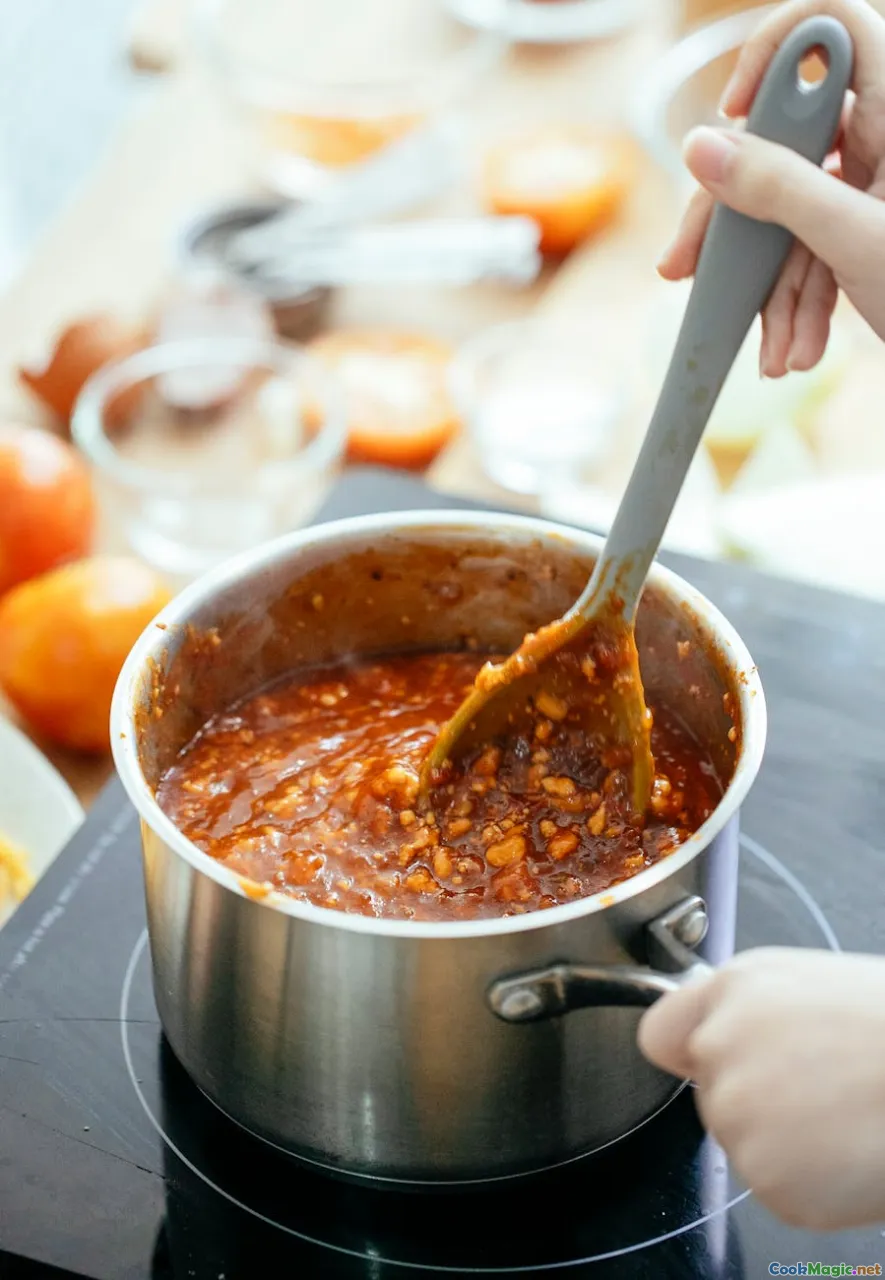
This is my dependable method for kapunata—one I’ve cooked in a Valletta rental with a single good knife and in my own kitchen with every pot at my disposal. It’s respectful of tradition but tuned to coax the best texture from each vegetable.
Serves 6 as a side, 4 as a main with bread
Ingredients:
- 2 medium aubergines (about 700 g total), cut into 2 cm cubes
- 2 red bell peppers and 1 yellow, seeds removed, cut into 2 cm pieces
- 1 medium green pepper (optional), seeded, 2 cm pieces
- 1 medium zucchini (about 250 g), cut into 1.5 cm half-moons (optional but common)
- 1 large onion (about 200 g), thinly sliced
- 4 cloves garlic, sliced
- 600 g ripe tomatoes, peeled and chopped, or 1 can (400 g) chopped tomatoes
- 2 tablespoons Maltese kunserva
- 2 tablespoons salted capers, rinsed
- 80–100 g green olives, whole or pitted
- 2 bay leaves
- 6–8 basil leaves, torn
- 4–5 mint leaves, torn (optional)
- 120 ml extra-virgin olive oil (divided)
- Sea salt and freshly cracked black pepper
- A splash (30 ml) dry white wine or red wine (optional)
Equipment: A wide, heavy pot (enameled cast iron or thick stainless steel), a large sauté pan, and patience.
Steps:
-
Salt the aubergines lightly and set them in a colander for 20–30 minutes. Rinsing is optional; I prefer to dab them dry with a clean towel. This step draws out moisture and any lingering bitterness, and it lets the cubes brown more willingly.
-
Heat 2 tablespoons of olive oil in a wide pan over medium-high. Fry the aubergines in batches, adding oil as needed, until edges brown and the cubes soften without collapsing—about 6–8 minutes per batch. Transfer to a plate. Do not crowd the pan; aubergines need space like sunbathers on the rocks at Sliema.
-
In your heavy pot, warm 2 tablespoons of olive oil over medium heat. Add the onion and a pinch of salt. Cook slowly, stirring, until the onion slumps into sweetness—10–12 minutes. Add the garlic and cook another 2 minutes until fragrant but not browned.
-
Stir in the peppers and a pinch of salt. Cook over medium heat, 8–10 minutes, letting the skins blister in spots and the interiors soften. A little char is desirable; it contributes a smoky note reminiscent of a late-summer grill.
-
Add the tomatoes and kunserva. Stir to dissolve the paste into the juices. If using wine, deglaze now. Add bay leaves, then simmer uncovered for 10 minutes, letting the tomatoes concentrate. Taste: the sauce should be savory and a touch sweet from the onions and kunserva.
-
Return the aubergines to the pot along with the zucchini (if using). Fold gently to avoid breaking the cubes. Add olives and capers. Simmer at the gentlest bubble for 15–20 minutes. You’re looking for tender vegetables that still hold their shapes; the sauce should cling.
-
Off the heat, fold in basil and mint (if using), and a final pour of olive oil—2–3 tablespoons—to gloss the stew. Season with salt and pepper to taste. Let it rest, covered, for at least 20 minutes before serving; better still, cool and refrigerate overnight.
Serving temperature is a matter of mood. Warm is cozy, room temperature is convivial, chilled is picnic-ready. Like the island, kapunata wears the weather well.
Variations Across Households and Seasons
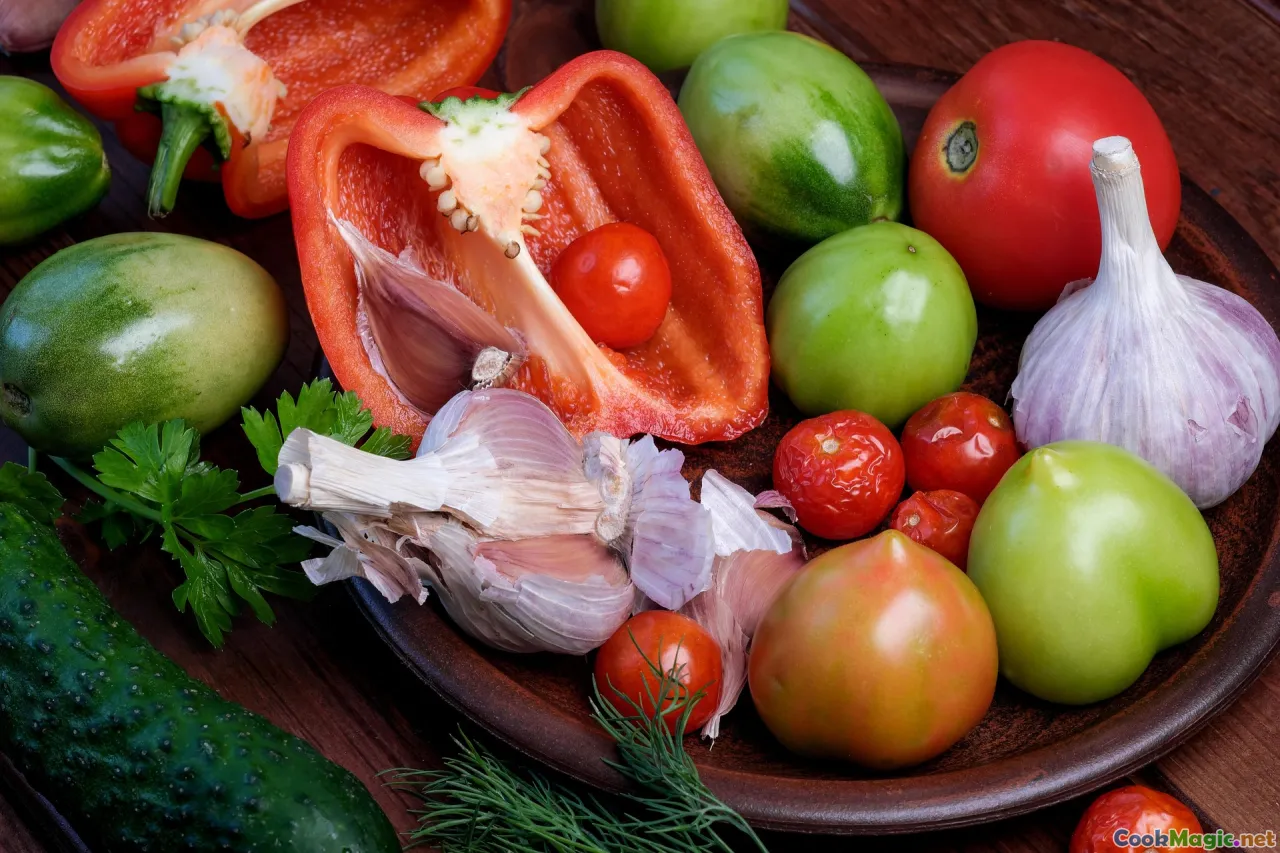
Ask five Maltese families for their kapunata and you will receive seven variations, all sworn to be correct. In Gozo, I’ve eaten a version with small waxy potatoes added, their starch gently thickening the stew. A woman in Rabat insisted that pumpkin—in thin, golden slices—is proper in early autumn, when the first lampuki land and stalls are still weighted with summer’s last vegetables. A neighbor in Valletta insists on no zucchini ever. Another adds a single anchovy to the onions, letting it melt into the base like a whisper of sea.
Spice rarely enters the conversation; paprika and chili usually stay on their shelves. But herbs are personal. Some cooks are basil minimalists; others tear handfuls in with abandon. My friend Marija tosses in a sprig of marjoram for one minute at the end, then removes it, claiming it “blesses” the pot without taking over.
Leftovers tell their own stories. In Birgu, I watched kapunata folded into an omelette the next morning, pale gold egg crowding jewel-toned vegetables. In a farmhouse near Dingli, it dressed hot pasta with a snowfall of ġbejna—those little Gozitan sheep’s milk cheeses—crumbled on top. And at a family fenkata, where rabbit is braised with wine and garlic, kapunata showed up in a dish at the edge of the table, to be spooned beside everything as both condiment and confidant.
Kapunata and the Catch: Lampuki, Swordfish, and Pie

If kapunata is Malta’s vegetable heart, lampuki is its seasonal pulse. From late August to early winter, fishermen set out kannizzati—floating rafts of palm fronds—to attract dolphin fish (mahi-mahi). The fish, shaded and curious, gather beneath; the boats encircle them. In Marsaxlokk, stalls shine with lampuki, their metallic blue-green backs darkening as they rest on ice.
One of the most Maltese plates you can order in season is lampuki with kapunata. The fish is pan-fried or grilled—just salt, pepper, and olive oil—then served over a bed of the stew. The peppers’ sweetness courts the fish’s meatiness; capers echo the sea. I prefer a squeeze of lemon, and I always drag a piece of bread through the plate afterward, because fish and kapunata juices together are a fleeting luxury.
And then there is lampuki pie—torta tal-lampuki—which, in many households, relies on a kapunata-like filling. The mixture (with perhaps some spinach, cauliflower, or even a few sultanas depending on the house) is tucked beneath pastry with pieces of fish nestled within. The result, once the edges have blistered and browned, is a slice that tastes like an edible postcard: vegetables, fish, memory, all bound by crust. I ate a splendid version at a friend’s kitchen in Xlendi, Gozo, where the sea knocks at the door and the oven scents the street. Each bite kept finding capers like pebbles on a beach.
Swordfish—pixxispad—also takes gracefully to kapunata. In Valletta, at Nenu The Artisan Baker, I once saw a daily special of grilled swordfish with a spoon of kapunata that glowed under the lights. In Marsaxlokk, restaurants like Tartarun lean into the season; lampuki with kapunata is not a new idea here, it’s an old friend. Menus change, catches shift with the current, but the pairing persists.
Ratatouille, Caponata, Kapunata: A Friendly Comparison
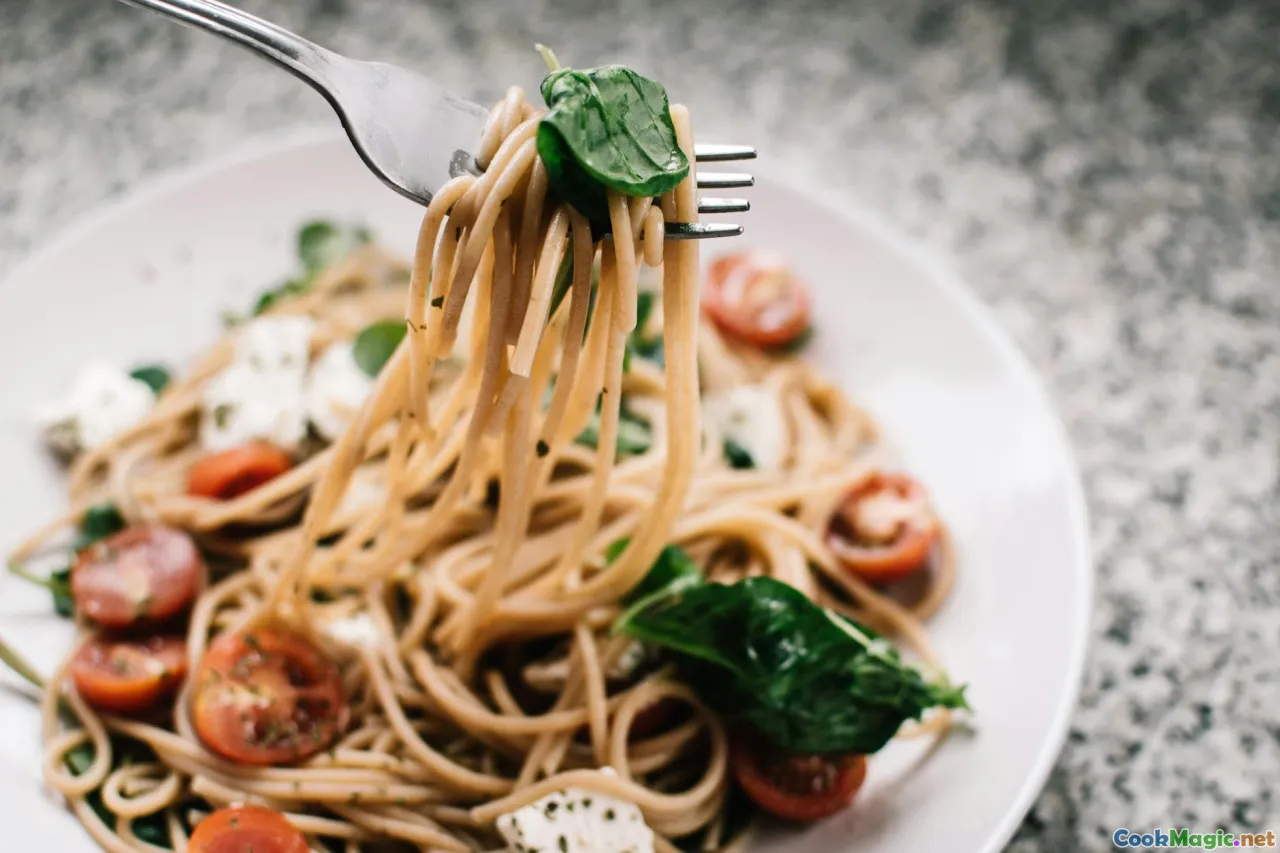
The Mediterranean shares, borrows, adapts. These three stews are siblings shaped by their neighborhoods. Think of them like dialects—close enough to converse, distinct enough to matter.
- Texture: French ratatouille is often softer, sometimes baked so the vegetables confit together. Sicilian caponata aims for a lusher, sauced consistency where vegetables are tender but almost candied by the agrodolce. Kapunata sits in the middle: vegetables hold their shapes, edges may char slightly, and the sauce clings rather than puddles.
- Flavor base: Ratatouille leans thyme, rosemary, and sometimes a whisper of lavender; it is herb-fragrant, olive-oil rich. Caponata is a sweet-sour opera—vinegar and sugar, with celery’s crunch, sometimes raisins and pine nuts. Kapunata is olive-brined and caper-bright, tomato-sweet from kunserva, and occasionally mint-lifted.
- Punctuation: Capers and olives are essential punctuation marks in kapunata. In caponata, sweetness and acidity do the punctuation. In ratatouille, the punctuation is textural—a zucchini slice maintaining its tender bite.
- Intended use: Ratatouille is a side or light main, elegant in its restraint. Caponata, often served at room temperature, leans antipasto—spooned on crostini, beside ricotta salata. Kapunata plays versatile: as a side to fish or rabbit, as a crown for ftira, a partner to potatoes, or tucked into a pie.
Knowing these differences means you can cook each one more honestly. Kapunata should never taste like vinegar candy—that’s caponata’s role. Nor should it fade entirely into a herbal fog—that belongs to ratatouille. Kapunata is bright with the sea’s pantry.
Tips, Troubleshooting, and the Confidence to Improvise

A pot of kapunata rewards attention to small decisions. Here are practices Maltese cooks pass along casually over coffee that can make your next batch sing.
- Salt the aubergine, then dry it well. This is non-negotiable if you want browned edges instead of spongy sadness.
- Fry in batches. Crowding leads to steaming; steaming leads to mush. Let each vegetable have its turn in the pan.
- Seek a gentle simmer. Boiling breaks vegetables’ spirit. Kapunata is a persuasive conversation, not an argument.
- Be mindful of salt. Capers and olives are salty. Taste near the end before deciding whether the stew wants more.
- Add herbs late. Basil and mint wilt into perfume when added off the heat.
- Don’t fear the olive oil. This is not diet food; it’s soul food. Generosity here pays dividends in texture and flavor.
- Rest. Kapunata tastes better after a pause. Overnight, flavors marry like old friends who finally said what they needed to say.
- If you want silkier texture: Peel the peppers with a peeler or blister and skin them. It’s a bit of work, rewarded by a softer bite.
- If your tomatoes lack sweetness: A small pinch of sugar is acceptable, but Maltese cooks more often double down on kunserva instead.
Common pitfalls:
- Bitter stew? Your aubergines were old or under-salted; your kunserva or onions were skimped. Next time, choose smaller aubergines and give them the salt-and-rest they deserve.
- Watery pot? Your heat was too low during the tomato phase, or you covered prematurely. Simmer uncovered to evaporate excess liquid before reuniting all the vegetables.
- One-note flavor? You forgot the capers or olives, or you didn’t add herbs at the end. Kapunata needs its punctuation marks.
Serving Ideas: From Ftira to Festa Tables

There’s no wrong way to eat kapunata, only missed opportunities. A few favorite routes:
- On ħobż biż-żejt: Maltese bread rubbed with tomato, glossed with olive oil, and topped with kapunata—picnic-perfect. Add slices of ġbejna or a few anchovies if you like the sea to speak up.
- Alongside grilled fish: Lampuki, of course, but also swordfish or sea bream. The stew soaks up juices like a polite guest who also washes the dishes.
- With roast chicken: The stew’s sweetness flatters the bird, and olives keep it savory.
- With pasta: Stir room-temperature kapunata into hot spaghetti, finish with basil and a handful of breadcrumbs toasted in olive oil.
- In pies: Line a tin with pastry, fill with kapunata and torn ġbejniet or flakes of lampuki, cap with pastry, bake until bronzed.
- As a meze board anchor: Alongside bigilla (broad bean dip), olives, sun-dried tomatoes, and pickled onions for a Maltese-inspired spread.
For an evening when Valletta’s limestone glows honey at dusk, I love to warm kapunata slightly, spoon it into a shallow bowl, drizzle with an extra measure of peppery olive oil, and serve with toasted ftira wedges. There’s a café near St. John’s Co-Cathedral where I’ve done just that, watching locals fold into the evening like pages of a book. The stew tastes like the city looks: layered, golden, quietly salty.
If you prefer a restaurant table, Ta’ Kris in Sliema has long celebrated Maltese home cooking; I’ve had a kapunata there that tasted exactly as a grandmother might make it—tender vegetables, assertive capers. In Dingli, Diar il-Bniet keeps farm-to-table honest, and when kapunata is on, it tastes like the hillside. On Gozo, Ta’ Rikardu inside the citadel often nods to local traditions with seasonal sides that echo the earth around them. Menus change, but the island’s grammar is constant.
The Cultural Thread: Sun, Stone, and Preservation
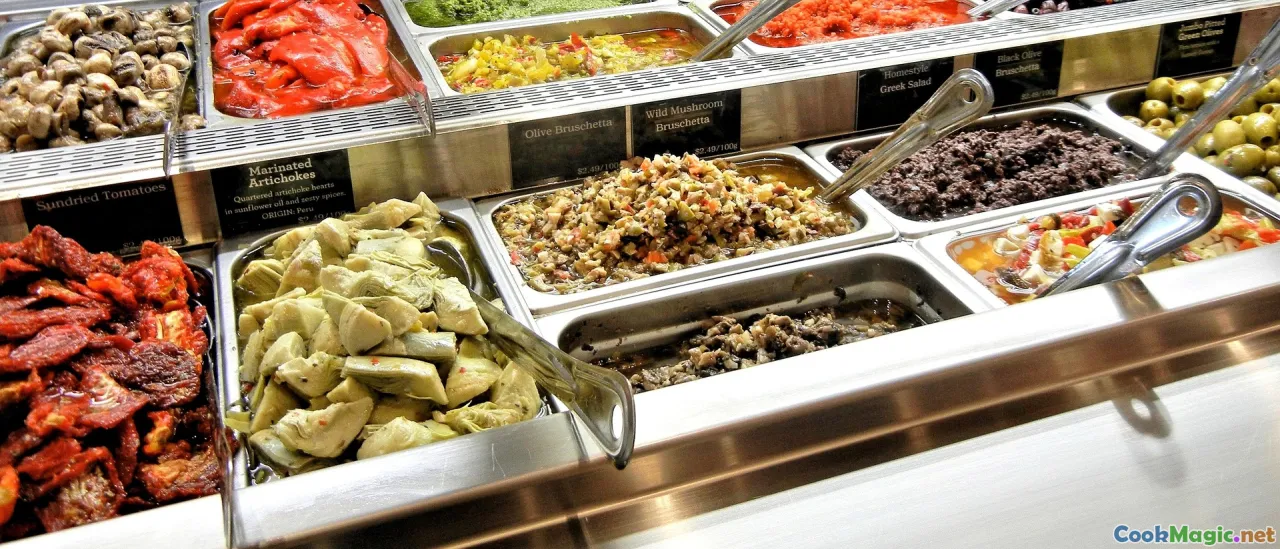
Malta’s kitchens are pragmatic because Malta’s land taught them to be. Stone terraces trap soil. Rain is a season to be collected. Summer is long and exacting. Preservation isn’t nostalgia; it’s logic. Kunserva exists because tomatoes explode with abundance at once and must be translated into months ahead. Capers are salted because the sun is currency; olives are cured because time is. Kapunata is the edible minutes between earth and winter.
During village festas, streets are draped with banners, band clubs parade, fireworks erupt in daylight and night. At the tables that anchor these days, kapunata appears because it feeds many, travels well, and pleases nearly everyone. It’s a dish that understands people will come and go; the pot is patient. It works in the background, offering a spoonful to whoever needs it: the uncle returning from setting fireworks, the cousin back from the sea with salt in her hair, the child who wants only the sweet pepper pieces.
Historically, Malta’s relationship with Sicily and North Africa gave kapunata its vocabulary: aubergine from Arab gardens, a Sicilian blueprint, an island’s insistence on capers and olives. The Knights of St. John supervised a cosmopolitan port; ingredients arrived, ideas adapted. And yet the dish feels inevitable—as if any place with sun-dried paste, brined flowers, and a stubborn love of the sea would arrive here eventually.
Wine and Other Good Company
Kapunata’s salt-sweet balance and herbaceous lift call for wines that can navigate savory currents with freshness. Maltese varieties—Girgentina for whites and Gellewża for reds—are island answers to island food.
- Girgentina: As a white, Girgentina tends to be crisp, citrusy, and light-bodied. It’s almost like a squeeze of lemon with a handshake, excellent beside lampuki and kapunata.
- Gellewża: This native red yields soft, juicy wines with red-berry charm and gentle tannins. Slightly chilled, it shines with kapunata over bread or with chicken.
From broader shores, consider a Vermentino (Sardinia says hello across the water) or a peppy Frappato from Sicily, both likable with briny capers.
Non-alcoholic pairings are easy: a cool glass of Kinnie—the local bittersweet orange soda—makes a playful partner, its herbal bitterness tucking neatly alongside kapunata’s olive brine. For a softer option, sparkling water with a lemon twist and a few basil leaves echoes the stew’s sting and bloom.
A Cook’s Memory, Held in Oil and Time
I learned, or perhaps relearned, kapunata one slow afternoon in a borrowed kitchen off Old Bakery Street in Valletta. The landlord, who also oversaw the bread ovens downstairs, kept a jar of kunserva on the windowsill like a trophy. He pointed to it as if it were a family portrait. “You will need this,” he said, and he was correct.
The kitchen had only two burners that worked consistently. I salted the aubergines and watched the day recalibrate itself around the colander and the sun on the floor tiles. The onions went low and slow, the peppers sang when they hit the pan. When I stirred in the kunserva, the room smelled immediately of summer’s heart. I didn’t rush the tomatoes; I let them lose some of their water and find their voice. I folded the fried aubergines back in, added olives and capers, and watched the stew form a community. It was the hush before fireworks, the city’s 5 p.m. light pressed into a pot.
When it rested, I toasted thick slices of ftira. The bread’s blistered bubbles crackled, and I rubbed a raw garlic clove over the surface for a whisper of heat. I spooned kapunata on top, the oil seeping into the crumb like a secret letter. The first bite was salty, sweet, herbal, and so reassuring I laughed. It did not taste like France or Sicily. It tasted like a place where stone holds the day’s warmth and where the sea is both pantry and poetry.
I ate the rest cold the next morning with coffee; it was even better, which seems impossible until you know Malta. Some dishes are a single moment; kapunata improves in memory and in fridge.
I’ve cooked versions since with what I had on hand: a handful of cherry tomatoes, a jar of capers from Gozo, basil from a window box that takes the brunt of my neglect. The stew is forgiving, but it never forgives rushing. Give it time and a small parade of olive oil. Taste along the way. Listen for when the peppers stop insisting on themselves and start speaking in chorus.
Kapunata is not a recipe as much as a stance—toward patience, toward preservation, toward the generous use of what grows where you are. If you make it properly once, you’ll find yourself returning to its rhythm like a favorite walk along the bastions. The pot will cool on the counter, everyone in the house will find their way to a spoon, and the next day, you’ll have the best lunch in Malta or anywhere: a bowl of vegetables that learned, together, how to be more than they were alone.
When I think of the island now, I hear the sizzle of aubergine meeting oil and smell basil bruised between my fingers. I see the luzzu boats and the market’s capers, the sun-faded blue of a doorway in Mdina, the terrace walls holding back a million seasons of attention. And I taste kapunata—bright, briny, and sun-sure—proof that some songs keep their tune no matter where you hum them.