Savor Autumn at Small Town Harvest Festivals
34 min read Explore cozy harvest celebrations, local flavors, and farm-fresh tastings, from cider presses to pumpkin bakes, plus tips for planning your autumn foodie getaway to America's charming small towns. January 13, 2026 07:05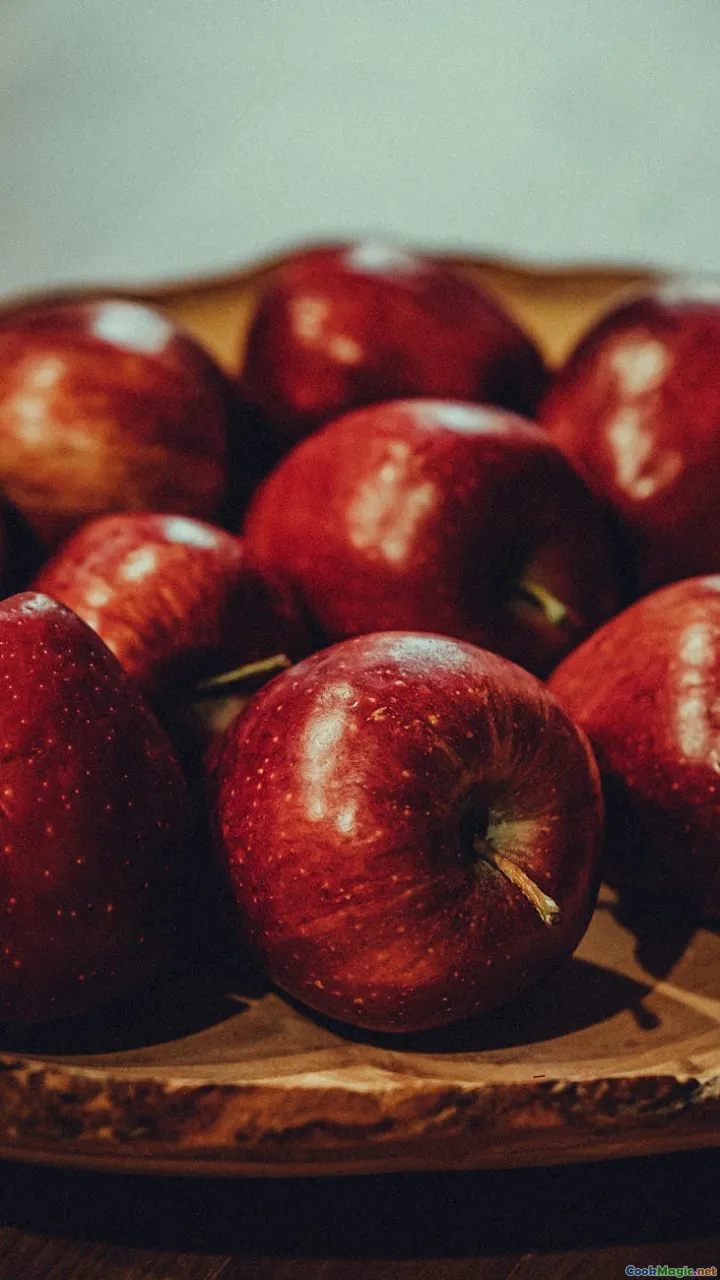
The first cool breath of October slides beneath your jacket like a mischievous cat, and suddenly you can smell woodsmoke somewhere down the block and hear the far-off pop of kettle corn. I have a ritual for that moment: I check the weather, grab a thermos, and scan the map for red dots of celebration — small town harvest festivals where the season is more than a color palette. It is tangible: you can bite it, sip it, smear it on your sleeve by accident. These gatherings are where the entire arc of farm-to-fork is stripped of marketing gloss and becomes a direct conversation between dirt and appetite.
The Map of Autumn: A Road Trip Through Small-Town Harvests
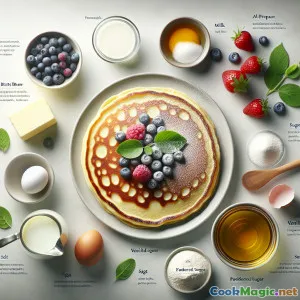
My autumns have been punctuated by a circuit of festivals that measure time as accurately as any calendar. In Circleville, Ohio, the Pumpkin Show (running since 1903) spills through town with a gourd-bellied swagger. You can smell nutmeg and brown sugar long before you see the parade of marching bands and the corsage of orange balloons bobbing against a crisp sky. One year, I lined up near a booth where a griddle hissed under a run of pumpkin pancakes — deeply bronzed, edges frilled crisp like lace, steaming with cinnamon and warm butter. A few blocks later, I found a stall serving a savory pumpkin sloppy joe, the sweetness of the puree cutting the tangy beef, the bun shiny as a housepainted porch.
The road then zigzags north to Bayfield, Wisconsin, where the Apple Festival turns the little harbor town into a living orchard. The scent is specific: tart and honeyed, with a polite whisper of fermentation that promises cider. I watched a kid at a hand-cranked press, cheeks pinked with effort, as juice sluiced from MacIntosh and Cortland apples, rinsing the air with their green, staccato perfume. At the Lions Club booth, apple brats snapped under pressure, their pork gently perfumed by applewood smoke, while nearby, paper plates sagged under apple crisp — pebbled with oats, butter bubbling through sugar into a caramel stickiness that glues to your fork.
Further west, the Warrens Cranberry Festival in Wisconsin makes bogs look glamorous with shine and ritual. You ride a school bus out to a marsh, the wind a little sharper, and the bog laid out like a garnet rug. Waders sluice through floating berries that knock softly against one another, a muffled percussive sound you feel in your knees. Vendors hawk cranberry salsas — bright with jalapeño — and cranberry cream cheese bars with the tartness cutting the dairy like a straight razor through silk. I left with a sack of dried cranberries, sticky and deep red, that perfumed my car for weeks.
On the West Coast, Half Moon Bay, California, celebrates pumpkins with an artist’s sense of scale at its Art & Pumpkin Festival. The Safeway World Championship Pumpkin Weigh-Off crowns a gourd so massive it makes you laugh just to look at it. But the food is intimate: pumpkin mac and cheese where the squash acts like an aging agent to the cheddar, melting into a silky, orange-lacquered noodle. There’s pumpkin ale with a toasted malt backbone that suggests pie crust; you lift the cup and smell clove oil, baked yam, and an echo of campfire.
In Oregon’s Hood River Valley, October’s Harvest Fest offers the kind of fruit that crunches with a clean, ringing break. Pears — Bosc with russeted suits, Anjou green as a mid-century refrigerator — tumble in wooden bins next to Mutsu and Honeycrisp. There, I learned that a pear is best when it yields slightly at the stem, which smells like a florist’s cold room: green and humid. Food booths sling crisp-skinned sausages topped with pear chutney perfumed with cardamom, while cideries pour pints that range from tart as a bell to mellow as a wool sweater.
What Makes a Small Town Harvest Festival Sing
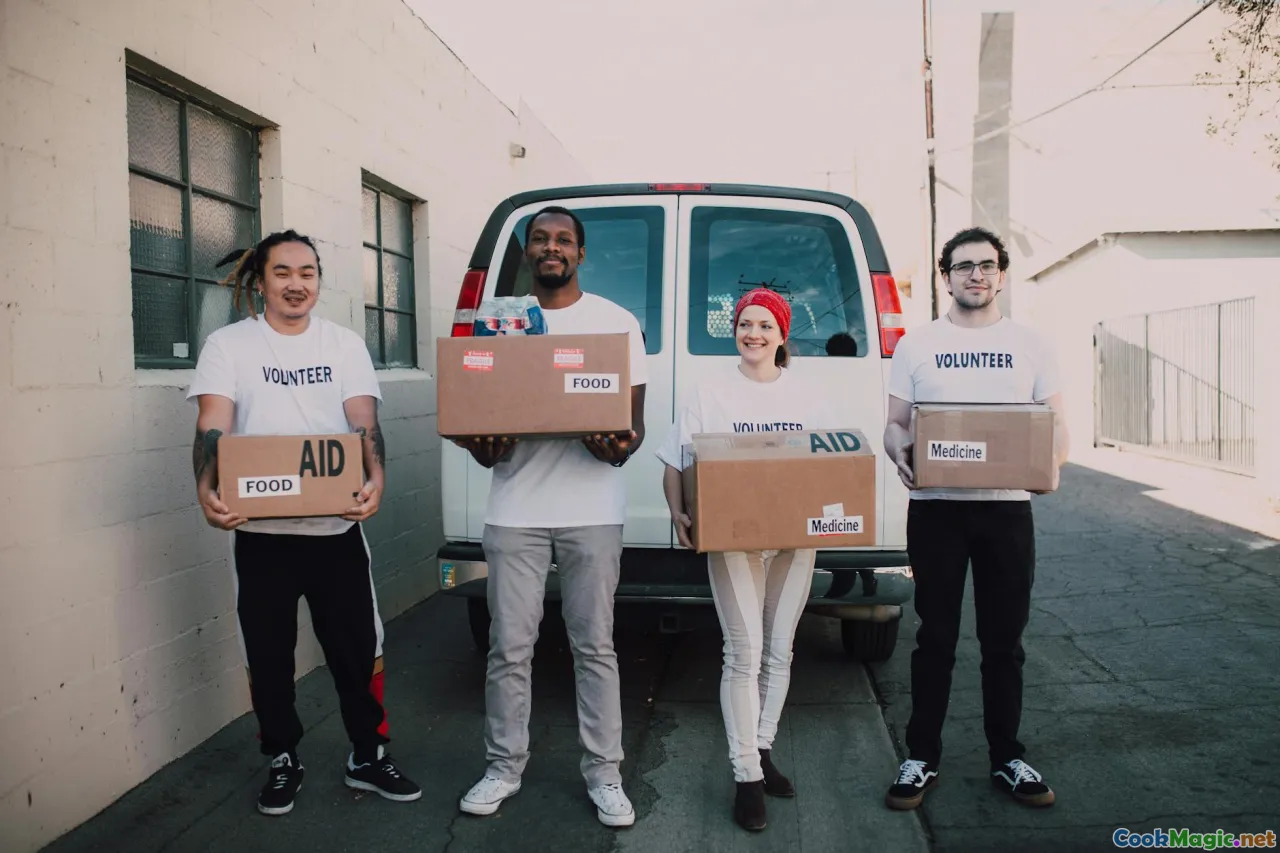
Scale matters, but not the way you think. A harvest festival is about the shape of generosity in a place. You want streets where you recognize the same faces running the bake sale year after year, a church booth that sells pie slices with names written in marker on masking tape — “Betty’s pecan, $4” — and a volunteer fire department flipping pancakes on a flat-top dark from a thousand breakfasts. The conversations are as important as the bites. When you ask about the apple variety in that pie, someone tells you it’s a blend — a mix of tart Haralson for structure and sweet Honeycrisp for perfume — and then they’ll tell you how many pies they baked this week, and where the apples came from (often a farm down the road whose kids run the 4-H petting zoo).
These festivals sing when the food has a near-neighbor connection. Circleville’s pumpkin burgers aren’t exotic; they’re the town’s sense of humor squeezed into a bun. Bayfield’s apple brats taste like the lake wind and smoke from backyard grills. In Marlinton, West Virginia, at the Roadkill Cook-off (don’t let the name scare you; it’s tongue‑in‑cheek and uses legally, ethically harvested game), the chili smells of venison and chipotle, a tumble of cumin smoke and the metallic edge of game that resolves into something sweet with slow onions. There’s meaning in that: the foods reflect what’s hunted or planted, picked or pressed, and how the people there like to tell their story through spice and heat.
Taste Like a Local: A How-To Guide for Navigating Food Stalls
Here’s a technique I use to taste with intention, not just graze until I’m stunned by sugar and salt.
- Arrive early. The air is cooler, fryers are fresh, and you can smell individual aromas rather than a blended cloud of “festival.” Doughnuts fried at 9 a.m. taste different at 11.
- Follow your nose. If you smell cinnamon, find its source and ask what spice blend they use. At the Hood River Harvest Fest, a vendor added grains of paradise to their cider doughnuts — a peppery sparkle that woke up the nutmeg.
- Share strategically. Find a friend or befriend a stranger in line. Trade bites. Half a brats-and-onions here for a corner of apple dumpling there.
- Ask about varieties. The difference between a Cortland and a Northern Spy will rewire your pie preferences; one collapses into silk, the other holds sharp edges.
- Reset your palate. Between sweet items, sip water or a dry cider. A tart apple slice clears sweetness better than coffee.
- Respect the line, honor the hard work. These are communities fundraising for bands, libraries, volunteer squads. The dollar you spend is an ingredient in next year’s festival.
Apples, Pumpkins, Cranberries, and Oysters: Autumn’s Flavor Families Compared
The fall harvest isn’t a monolith; it’s a quartet that plays well alone and together.
-
Apples: Crisp, aromatic, and wildly textured — from the hyper-juicy Honeycrisp to the dense, lemony-sour Jonathan. Festival food leans sweet (pies, fritters, caramel apples) but the savory apple brat is where apples behave as a condiment. Raw slices carry volatile compounds that waft immediately; cooked apples concentrate, developing caramel notes that taste of browned butter and toasted sugar.
-
Pumpkins: They’re a canvas, not the painting. The best pumpkin dishes, like Morton, Illinois’s pumpkin chili from their September Pumpkin Festival, layer spice and smoke over pumpkin’s gentle sweetness. Roasting amplifies sugars and dries out excess water; puree thickens like a friendly starch. You taste pumpkin in custards as nostalgia — clove and cinnamon do a lot of heavy lifting — while in savory preparations it acts like a mellow bean.
-
Cranberries: The pH swings and wakes you up. A cranberry is an alarm clock with seeds. At Warrens, you’ll find cranberries strutting into unexpected places: cranberry bratwurst where acidity cuts fat, cranberry salsa where the bounce replaces tomato. The texture is a snap — their skins burst like a well-timed cymbal. Dried cranberries add chew and a slow, almost winey sweetness.
-
Oysters: People forget fall is oyster season until they step onto Chincoteague Island, Virginia, in October, and smell the ocean’s metallic whisper. Raw oysters have the temperature of tide pools and the taste of a clean wave breaking. Fry them and the brine concentrates; stew them and you get velvet — milk and butter as a foggy morning that clears to pure saline.
Together, they cover the spectrum: crisp, creamy, tart, briny. Build plates with contrast: apple slaw next to fried oysters; pumpkin polenta under cranberry-braised short ribs.
Story From a Pie Tent: Learning a Slice at a Time
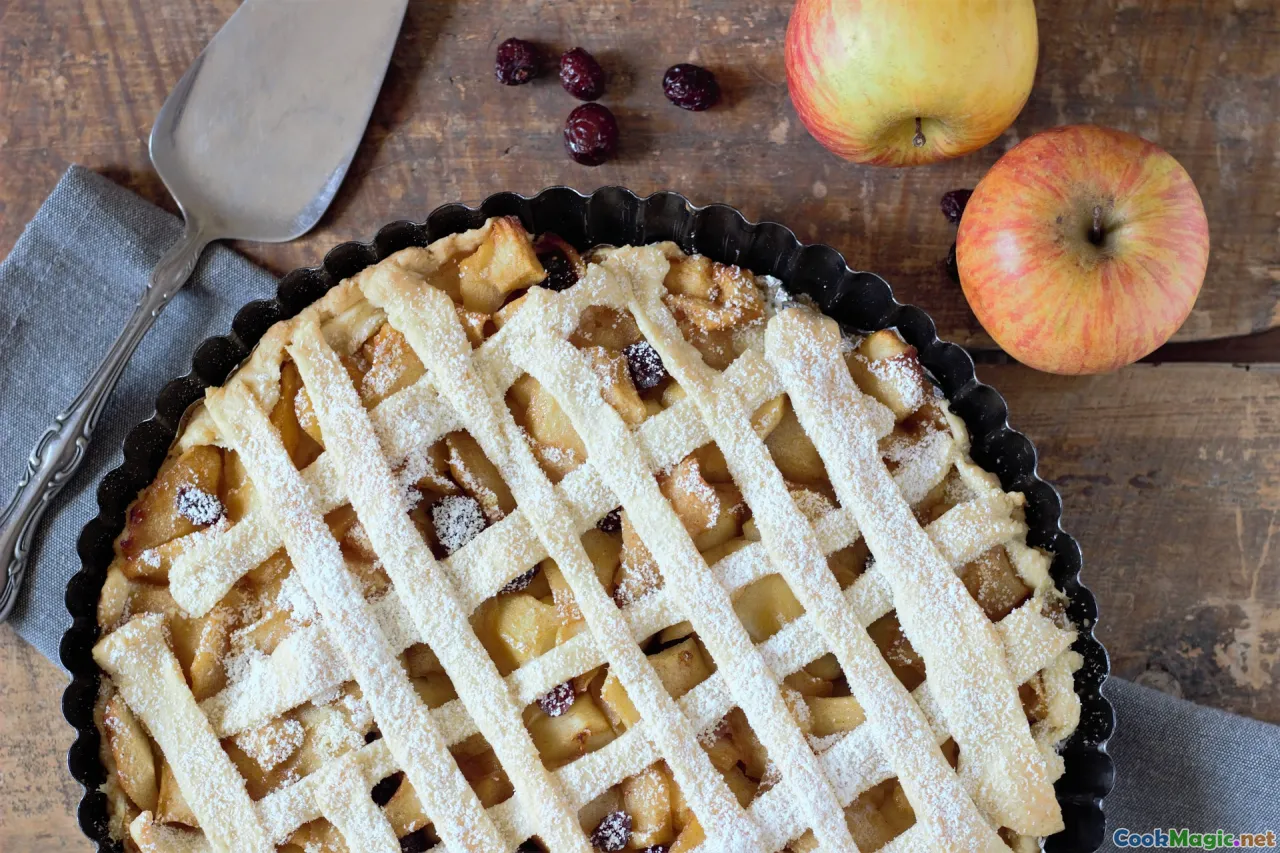
In Bayfield, I volunteered one year in a pie tent where the air temperature rose by at least ten degrees from the ovens and human bodies alone. Flour dust floated in sunbeams and settled on shoulders like first snow. We baked pies with a blend the committee swore by: 65 percent Haralson, 35 percent Honeycrisp. “The Haralson keeps the crumble honest,” one of the bakers told me, tapping the tin with a knuckle. We stirred sugar with cinnamon and a pinch of black pepper — just enough heat to sharpen the apples. When the pies emerged, their lattices blistered like old leather, juices bubbling through like stained glass.
I learned something quietly revolutionary there: a good pie isn’t shy about salt. Without a thoughtful pinch, apples are a choir without a conductor — all sweetness, no harmony. We salted the crust dough, salted the filling, and, when no one was looking, a baker brushed the lattice with salted butter before sprinkling on sugar. The slices sold faster than our ability to slice. Folks leaned on folding tables, breathing cinnamon into the chilly air, licking forks clean.
Behind the Booth: Who Feeds You and Why It Matters
The secret life of a small-town harvest festival happens out of sight. In church kitchens and school cafeterias the night before, volunteers peel mountains of apples until their knuckles prune. On a farm outside of Circleville, a family rows pumpkins into piles, sorting by weight and shape for carving, roasting, pie. In a community hall in Hood River, a 4-H club practices safe knife skills and learns how to caramelize onions slowly, teasing the sugars out until they taste like the best part of French onion soup.
This work is teaching. A retired farmer shows teenagers how to sort apples: the ones with scabs go to sauce, the firmest to slices, bruised to pressing. A cider-maker explains yeast with the clarity of a chemistry lesson; everyone nods at the word “attenuation” as if they use it daily. A woman whose grandparents emigrated from Norway is rolling lefse on a pastry cloth, dusting the potato dough with flour until it’s thin as fog — and yes, you’ll find that tender, griddled flatbread at many Upper Midwest fall festivals, brushed with butter, rolled with cinnamon sugar, eaten hot as a mitten.
These festivals are fundraisers, but they’re also repositories of technique: how to press, how to cure, how to store, how to share. You don’t leave with just a full stomach. You leave with skills in your hands and stories in your pocket.
A Short History of the Harvest Gathering
Harvest festivals extend the logic of the old agricultural fairs, where farmers brought livestock and produce to show, tell, trade, and test. In the 19th century, autumn gatherings were calendars and marketplaces. Over time, the spectacle of modern fairs (midway rides, neon) sprawled outward, but the small-town harvest festival stayed near the heart: food tied to local identity.
In Morton, Illinois, home to Libby’s pumpkin processing, the September Pumpkin Festival celebrates the very crop that flavors much of America’s pumpkin pies. When you bite into their pumpkin ice cream, you taste domestic history — a canning industry that changed how families cooked. In Bayfield, Apple Festival grew from orchard open houses into a full-town takeover. In Pennsylvania towns like Franklin, Applefest punts up against Main Street economies: crafters selling handmade cutting boards that will cradle future pies; volunteer organizations buttering bread at a grilled-cheese fundraiser while you watch leaves turn amber.
And in Texas, Caldwell’s Kolache Festival each September shows how immigrant traditions translate into regional staples: pillowy yeast dough cradling poppy seed, apricot, or prune fillings — the scent of rising dough and sweet fruit filling the square. These are American stories of migration and adaptation, told with sugar and steam.
How to Build a Plate: Pairing and Proportion at the Festival
Think of your day as a meal. Start with something savory to set your baseline, then weave in sweets. Here’s a plate-by-plate plan I’ve tested.
- Plate 1: Savory anchor. A brat with caramelized onions and apple slaw. The acidity acts as palate primer.
- Plate 2: Starch and sweetness. A slice of pumpkin lasagna or mac and cheese — carb your soul without crashing.
- Plate 3: Bright bite. Cranberry salsa on corn chips, or a crisp, vinegar-forward slaw.
- Plate 4: The fried factor. One portion fried (oysters if you’re coastal, fritters if inland). Ask for lemon to keep it awake.
- Plate 5: Pie, split. Fruit pies shine earlier in the day; custard pies can wait until you’ve had a coffee.
Drinks are not afterthoughts. A dry cider with apple dishes tastes like a taut string thrumming; with pumpkin, a malty beer makes the spices hum. If you’re an early-morning festival person, a hot cider will warm your fingers, perfuming your scarf with cinnamon like a wearable garnish.
Field Notes: Textures to Chase, Aromas to Track
- The sticky shine of a caramel apple just kissed by sea air in Half Moon Bay. It smells like butter spun into toffee, and when your teeth break the caramel, the apple crunch shivers up your jaw.
- The steam off a to-go cup of venison chili at Marlinton’s Roadkill Cook-off, the cumin curling up and over the lip, that warm metallic perfume of game softened by long-cooked beans.
- The yeast waft from kolaches in Caldwell, Texas — a smell that says morning and home — with apricot filling that tastes like sunshine made chewy.
- The crisp, green, newly cut grass smell that lingers around the Hood River produce stands, a signal that these pears were still on the tree when you were answering emails yesterday.
- The ozone-and-salt of Chincoteague oysters sluiced clean in the mouth, followed by the warm, nutty scent of cornbread from the next booth.
Sustainability in Practice: From Seconds to Something Special
What you don’t see in glossy food magazine spreads are the bins of “seconds” that power festival kitchens. Imperfect apples become applesauce and butter — their flesh soft, their flavor deep with a hint of bruised banana that vanishes under low heat and cinnamon. Pumpkins with scuffed skins transform into soups that taste like velvet and fallen leaves. Cranberries that didn’t pass the bounce test steep overnight for shrub syrups poured into seltzer.
Ask vendors about waste and you’ll learn quickly: compost barrels behind the tents feed next year’s soil; frying oil is collected and recycled; paper plates are chosen so the school kids can handle cleanup. Many orchardists set aside fruit for local pantries. This isn’t performative sustainability; it’s the practical math of small places where everyone knows who could use an extra bag of apples.
If you’re cooking at home post-festival, buy a few pounds of the “uglies.” Your pie won’t know the difference, and your sauce might taste better.
Festival-Inspired Recipes and Techniques to Bring Home

-
Pumpkin-Sage Skillet Hand Pies: Roast cubes of sugar pumpkin with olive oil, salt, and crushed red pepper until caramelized at the edges. Mix with browned sausage, sautéed shallots, and chopped fresh sage. Fold into store-bought puff pastry cut into palm-sized squares. Seal, egg wash, and bake at 400°F until golden. The filling should smell like a forest floor after rain; the pastry should shatter like thin glass.
-
Quick Cranberry Mostarda: Simmer fresh cranberries with sugar, red wine vinegar, a splash of water, and a spoon of whole-grain mustard until the berries pop and the sauce thickens glossy. Slather on grilled pork chops or brush over roasted squash. What you’re after is the electric press of tartness followed by mustard’s nasal bloom.
-
Apple Brat Relish: Dice apple (a firm, tart variety like Northern Spy), finely chop onion, and toss with caraway, a dab of Dijon, cider vinegar, and salt. Let it sit while you grill brats. The relish snaps cold and bright against the hot, juicy sausage. Consider this recipe your portable Bayfield.
-
Oyster Stew Shortcut: If raw isn’t your speed, at home warm milk with a knob of butter, a smashed garlic clove, a bay leaf, and a pinch of white pepper. Add shucked oysters just until their edges curl. Finish with chopped parsley and crunch of sea salt. The stew should be quiet — a whisper of the sea, not a shout.
How Vendors Season the Season: Small Adjustments, Big Payoffs

Watch the best booths and you’ll notice tiny choices that pay dividends.
- Salt your sugar. A few crystals of flaky salt on caramel apples prevent palate fatigue and make sweetness sparkle.
- Pepper your pastry. A grind of black pepper in apple pie or a pinch of Aleppo in pumpkin custard can make flavors lift.
- Acidity is your friend. A squeeze of lemon on fried oysters is obvious, but a splash of cider vinegar in apple slaw or even on pumpkin mac and cheese cuts through richness and keeps you moving happily to the next bite.
- Control texture. Festivals are all about contrast. Brats need snappy casings; pies need one part crunch for two parts silk; cranberry sauces should flirt with whole berries for burst.
These shifts often separate the line-with-no-end booth from the one you shrug past.
Where to Go: A Selective Itinerary You Can Build Around
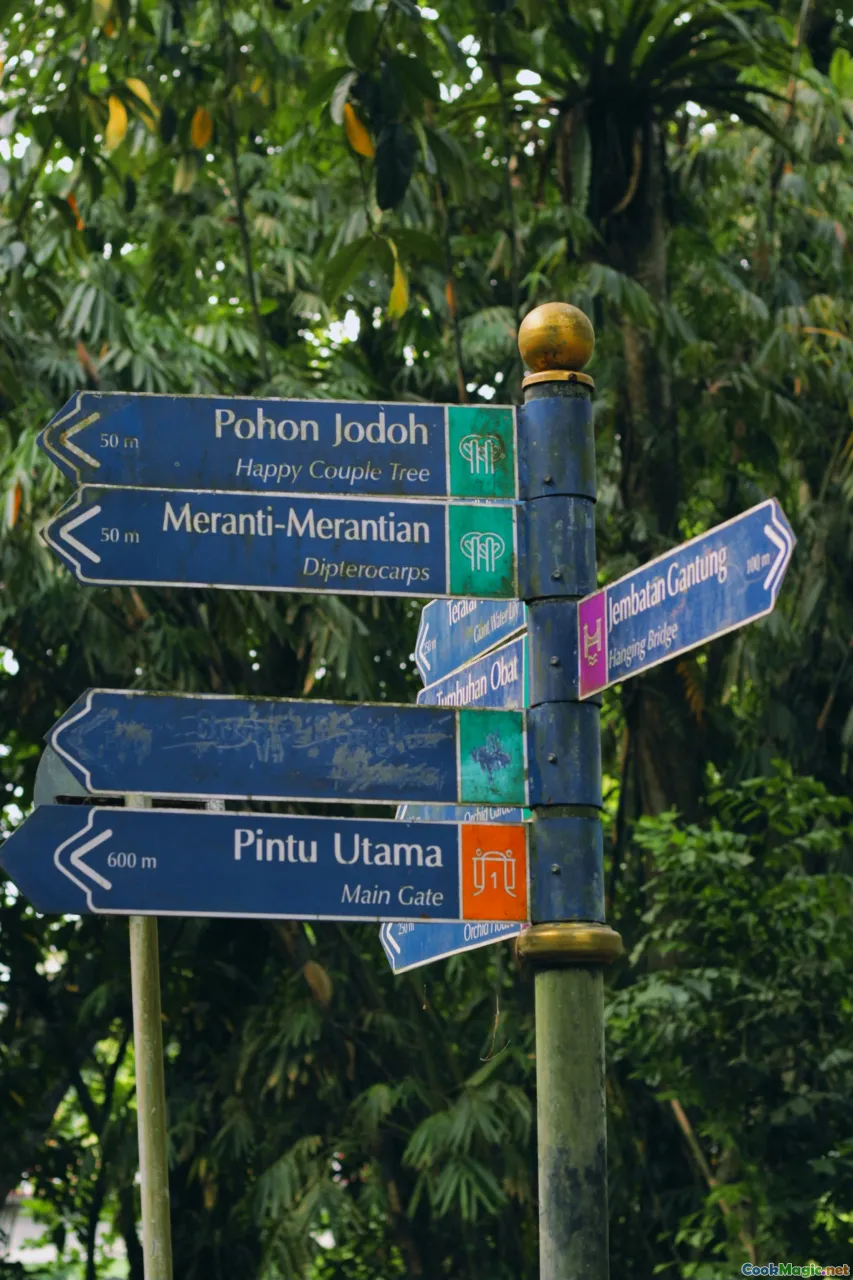
- Circleville Pumpkin Show (Circleville, OH): Mid-October. Look for pumpkin pancakes at breakfast, pumpkin spaghetti sauce at lunch, and the sight of a pumpkin pie that looks like a conference table.
- Bayfield Apple Festival (Bayfield, WI): Early October. Order the apple brat, watch the parade, fill your trunk with multiple apple varieties to learn how each bakes.
- Warrens Cranberry Festival (Warrens, WI): Last weekend of September. Take a marsh tour and taste cranberry salsa with a fistful of tortilla chips, cold air in your lungs.
- Hood River Valley Harvest Fest (Hood River, OR): October. Eat pears like a jeweler examining stones; sip cider and ask about varietals.
- Half Moon Bay Art & Pumpkin Festival (Half Moon Bay, CA): Mid-October. Watch a giant pumpkin weigh-off if you can. Taste the way clove and smoked malt hum together in a pumpkin ale.
- Chincoteague Island Oyster Festival (Chincoteague, VA): October. Tickets sell out; oysters in all forms; carry breath mints.
- Marlinton Roadkill Cook-off (Marlinton, WV): September. Expect game meats, humor, and hospitality.
- Caldwell Kolache Festival (Caldwell, TX): September. A tender lesson in yeast and custard; bring cash for a box.
Always verify dates before you go; small towns flex around weather, harvest timing, and school schedules.
The Economics of a Slice: Why Your Purchase Feeds More Than You
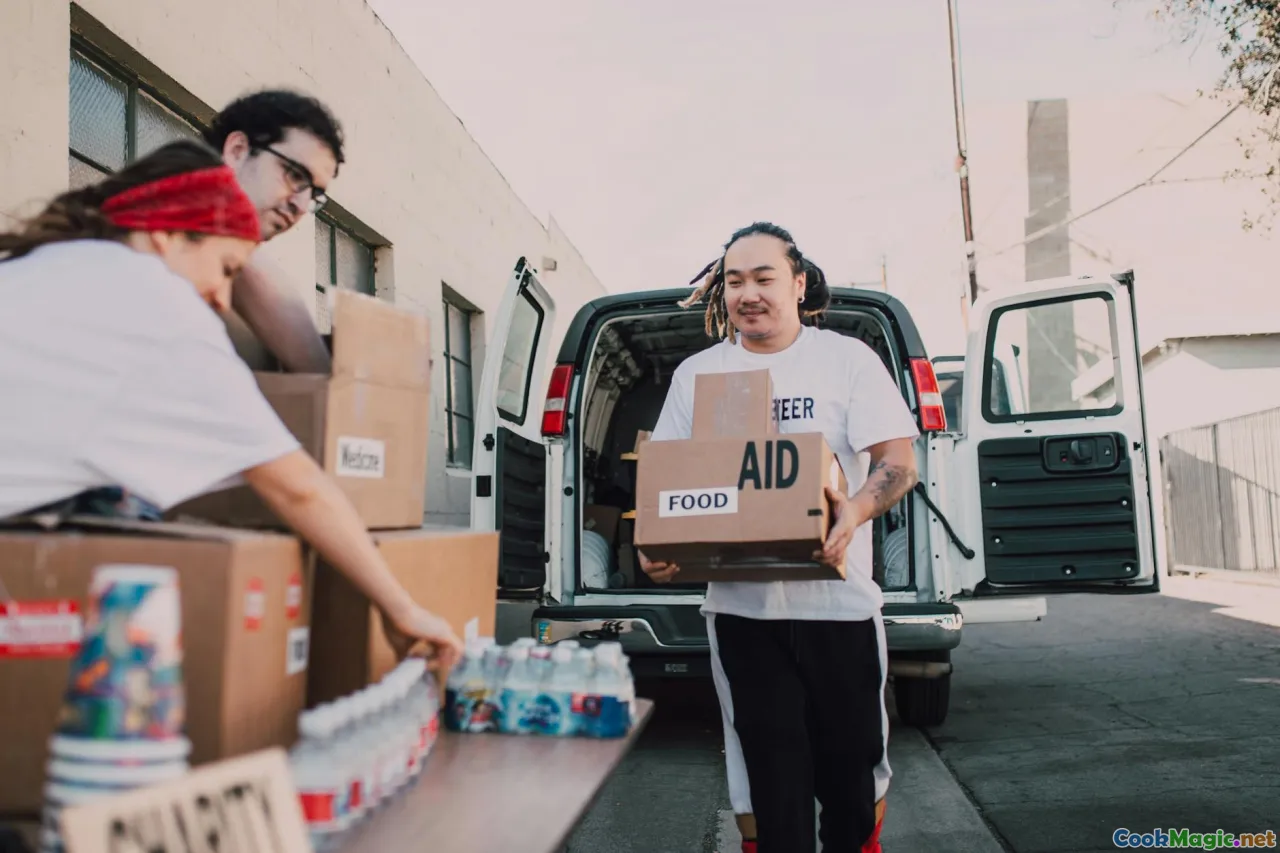
At a small-town festival, your five-dollar slice of pie might put gas in the band’s bus or new hoses on a fire truck. Many booths are run by booster clubs, church groups, and community organizations. I’ve watched a treasurer count singles in a plastic shoebox, her face flushed with the same pride as any chef opening a busy Saturday night. The money is community glue. It lets a library extend hours and keeps a rink open for winter skates. In exchange, you get calories and conversation that taste like place.
There is also the invisible economy of attention. When you post a photo of a Bayfield apple pie slice, someone in your circle learns where Bayfield is. When you bring a jar of cranberry jam to a friend, Warrens is suddenly a dot on their map. Food is marketing, but it’s also an invitation to visit.
Weatherproofing Your Appetite: Practical Tips
- Dress in layers. Morning sun can turn quickly; pies taste better with warm fingers.
- Bring cash. Some booths accept cards now, but the best surprises are often cash-only.
- Pack a small knife and reusable fork. You will meet a cheese sample or brat that begs cutting.
- Carry a zip bag and a small towel. Cinnamon sugar has a way of adhering to everything.
- Have a cooler in the car. Apples and dairy enjoy a cold ride home.
Why It Matters (And Why I Keep Going)
I return to these festivals not just for the taste of a perfect apple fritter or the briny lift of an oyster, though I’ll drive hours for both. I return because they organize the season into bite-sized moments of gratitude. They make the abstract words we use — community, harvest, tradition — chewable. They teach you that cinnamon is a bridge, that fat and acid are a conversation, that sugar and salt are partners with a rhythm older than recipes.
On a cinnamon-streaked napkin in Bayfield, I once scribbled the words “season as teacher.” Every year since, in a new small town, I watch steam rise from a cup of hot cider like a benediction and listen to a marching band lean into a Sousa march with the same gusto I put into my second slice of pie. You walk down a main street, your pockets bulging with apples and postcards, and it feels like you’re carrying away something valuable and quiet: the knowledge that the best food is not a performance; it’s a conversation between hands that grew, hands that cooked, and a mouth — yours — that has shown up to listen.
And perhaps that’s the secret. Small-town harvest festivals don’t ask you to be a spectator. They feed you, teach you, and send you home perfumed by woodsmoke, nutmeg, and the faint marine glisten of oysters or the tart sparkle of a cranberry. Long after the last booth folds and the last leaf skitters along the pavement, you can still taste the season, a memory that crunches like an apple and warms the hands like a fresh pie tin. Show up hungry. Leave full of stories.