Rundown Stew The Unsung Seafood Staple
29 min read Explore Jamaica's beloved rundown: a coconut-milk reduction brimming with seafood, history, and technique, plus tips for authentic flavor, regional twists, and modern kitchen shortcuts. January 01, 2026 07:05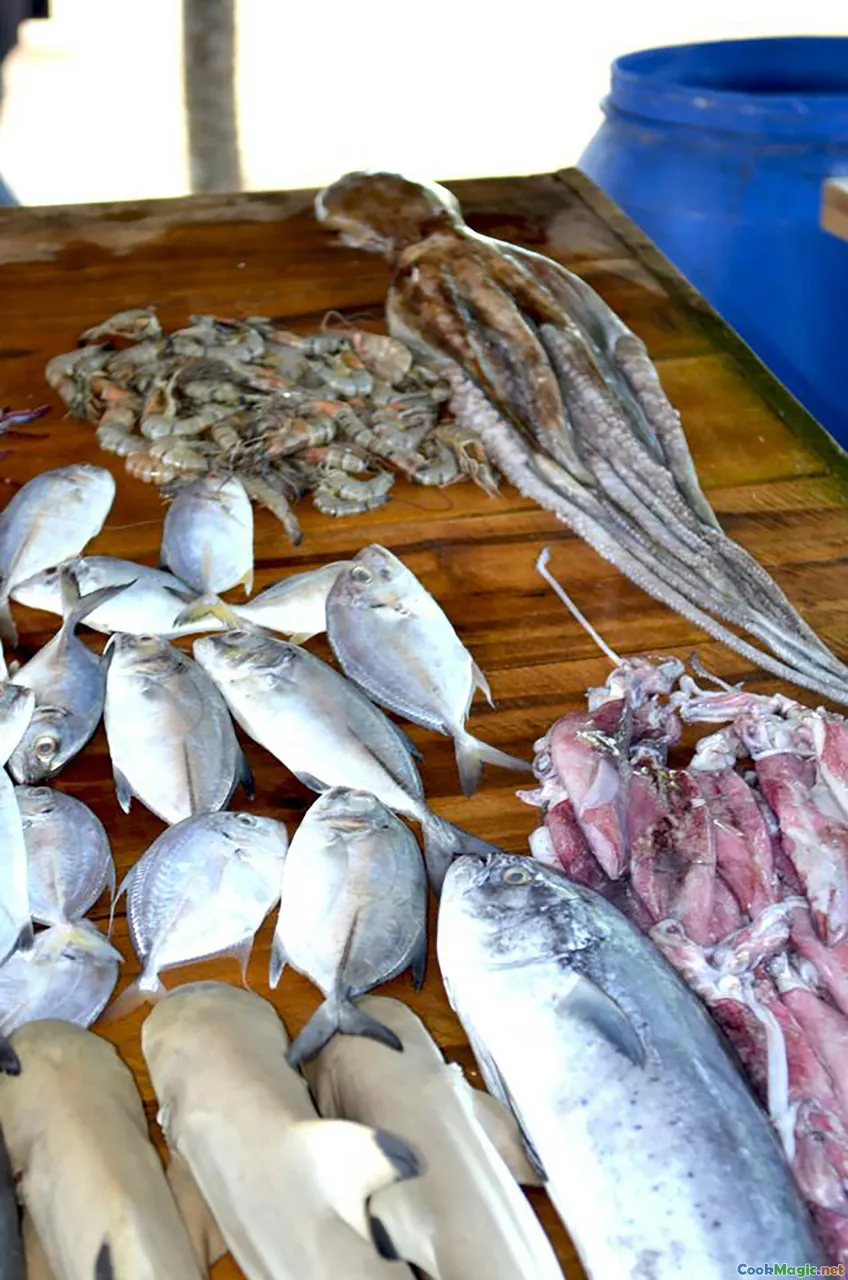
Rundown Stew: The Unsung Seafood Staple
The first time I watched coconut milk “run down,” I could smell the sea before I tasted it. The kitchen windows were flung open to the Kingston morning, sunlight slipping across the lacquered leaves of a pimento tree outside. In the dutch pot, a snowy tide of coconut milk was tightening into satin. Fat paragraphs of scallion and thyme bobbed alongside coins of tomato, and on the spoon’s edge—just so—the glossy film of coconut oil began to shine. You wait for that moment in Jamaica. You watch and you listen. The milk sighs, the pot murmurs, and then the stew comes together with the inevitability of the tide.
Rundown is not the island’s splashy celebrity dish. That spotlight belongs to jerk or ackee and saltfish—the culinary postcards. But for those who grew up here or have cooked alongside Jamaican aunties, rundown is the meal you slip into like a well-worn hammock: comforting, rich, thrifty, and ocean-soaked.
It’s the unsung seafood staple that tells the story of Jamaica’s shores, markets, and morning kitchens.
What It Means When the Coconut Runs Down

Rundown isn’t a single recipe so much as a technique and a promise. The “run down” refers to what happens to coconut milk when it’s cooked low and slow: it reduces, concentrates, and releases its oil—what Jamaican cooks call “oiling out.” The watery coconut milk tightens into a custardy sauce, and the oil slick that rises up becomes a cooking medium for aromatics and fish.
In a well-made rundown, the sauce clings to the back of a spoon as if it were lacquered, thick but not stiff, glistening but not greasy. Each sip should carry a fringe of coconut sweetness, the grassy lift of scallion, pepper-tinged perfume from thyme and Scotch bonnet, and the briny exhale of the sea. The texture sits somewhere between a stew and a glaze; it should coat, not drown.
That technique—reducing coconut milk until the cream separates and the oil clarifies—grounds the dish, whether you’re cooking with salt mackerel, crab, conch, or sprats. Get that reduction right and the rest is a chorus that cannot sing out of tune.
A History Braided With Salt, Smoke, and Ships

Jamaica’s rundown stews carry the DNA of history. During the colonial era, salted fish—cod most famously, mackerel more locally—arrived in heavy barrels from North Atlantic fisheries. It was cheap protein, durable and stackable, a commodity that fed enslaved Africans and indentured laborers. Over centuries, those salted fillets, with their bracing mineral tang, became integral to Jamaican cookery.
Meanwhile, coconuts flourished in coastal groves. If saltfish was the ship’s gift, coconuts were the island’s. The marriage of the two was practical alchemy: one ingredient shelf-stable and intense, the other abundant and fatty. Together they became a nutritionally complete pot of sustenance—calories, fat, protein—broadened with whatever vegetables were in season and thickened with the starches that make Jamaica’s rural kitchens hum: green banana, yam, dasheen, cassava.
Rundown reflects this resourcefulness. The dish whispers of survival and home economics, but also of craft. A good rundown is not thrown together; it’s coaxed. The patience to cook down coconut milk until it’s just right is a quiet skill passed through homes rather than restaurants. That’s why, even now, you’re likelier to taste a transcendent rundown in a family yard than in a white-tablecloth dining room.
Market Morning: A Cook’s Errand in Portland

If you want to understand rundown, begin at a market. Portland’s early-morning vendors, faces creased with salt air, pile silver-backed fish on beds of ice. A nearby stall blushes with Scotch bonnets—lanterns of heat—and baskets of thyme still clinging to their woody stems. Cho-cho (chayote) glows pale-green and squeaky-firm to the touch; okra pods snap with a polite crack. In the corner, a grandmotherly hand points you to green bananas still dusted with the bloom of the stalk.
Down in downtown Kingston, near Coronation Market, breakfast cook shops scrawl “mackerel run dung” on cardboard signs taped to the wall, and the scent in the lane is a map all its own—shrimpy, pepper-fruity, coconut-sweet. Early commuters tuck into bowls of rundown with slices of yellow yam that steam like warm earth when you break them open. A fork chases along the slick coconut gloss, and the first bite lands like a wave: brine softened by cream, herbs in the nose, gentle heat on the tongue.
These are the places rundown lives publicly—not on elaborate menus but in the clang and crank of morning food.
Anatomy of a Proper Jamaican Rundown

Rundown is a conversation among a few key players:
- Coconut milk: Freshly squeezed from grated coconut meat and hot water if you can. Canned works, but choose one with high fat content and minimal stabilizers. The milk is both sauce and fat.
- Aromatics: Scallion (green onion), garlic, thyme, pimento (allspice), and often a slice of fresh ginger. They build fragrance—think green, woody, a little floral.
- Heat: Scotch bonnet. Use whole for perfume, slit for warmth, chopped for serious heat. The pepper’s fruity top-notes are as vital as its fire.
- Acid and umami: Tomato and sometimes a splash of lime at the end. Not too much—rundown isn’t a tomato stew; the tomato’s job is brightness.
- Vegetables: Cho-cho for its clean, watery snap; okra for its silk; sometimes pumpkin for sweetness or callaloo for earthiness.
- Seafood: Salt mackerel is a classic, salt cod a close cousin. Fresh mackerel works beautifully. Crab and conch make glorious feasts.
Crucially, salt management is a technique, not an afterthought. Salted fish must be soaked, rinsed, and simmered to dial down the salinity before it meets the coconut. The thickness of the fish, its age, and how long it lived in the barrel (!) all affect how much soaking you need. Taste, adjust, and remember that as the coconut reduces, flavors concentrate.
Technique Clinic: Cracking the Coconut and “Oiling Out”

If rundown has a single make-or-break moment, it’s the “oil come up.” Here’s how to get there consistently:
- Start with full-fat coconut milk. If you’re using fresh, blend grated coconut with hot water, then squeeze through a cloth; let the cream settle and skim the top layer (that’s your richest portion). If canned, shake well, but be wary of brands thickened with gums—those can resist separation.
- Use a wide pot. A dutch pot or wide sauté pan increases surface area, encouraging evaporation and even reduction.
- Gentle heat. Bring the coconut milk to a simmer, not a rolling boil. Stir occasionally and watch the texture change from opaque to slightly translucent with tiny globes of oil forming.
- Don’t rush the split. In 15–25 minutes (depending on volume and heat), you’ll see the coconut milk break: a sheen of oil, with thicker cream still swirling. Add your aromatics then, letting them bloom in the emerging oil so they fry lightly rather than boil.
- A pinch of patience (and sugar). Some cooks add a pinch of sugar—half a teaspoon—to encourage caramelization, especially with canned milk. It’s optional but helpful for coaxing a nutty complexity.
- Add fish only after the sauce thickens. Salted fish can toughen if cooked too hard, too long. You want it to soak up sauce in the final simmer, not to flake away to oblivion.
The sign you’ve nailed it? Your stew clings like velvet and leaves a faint, translucent trail of oil around the rim of the pot—evidence of the coconut’s gift, not a pooled, greasy layer.
Salt Mackerel, Cod, Crab, or Conch? Choosing Your Seafood
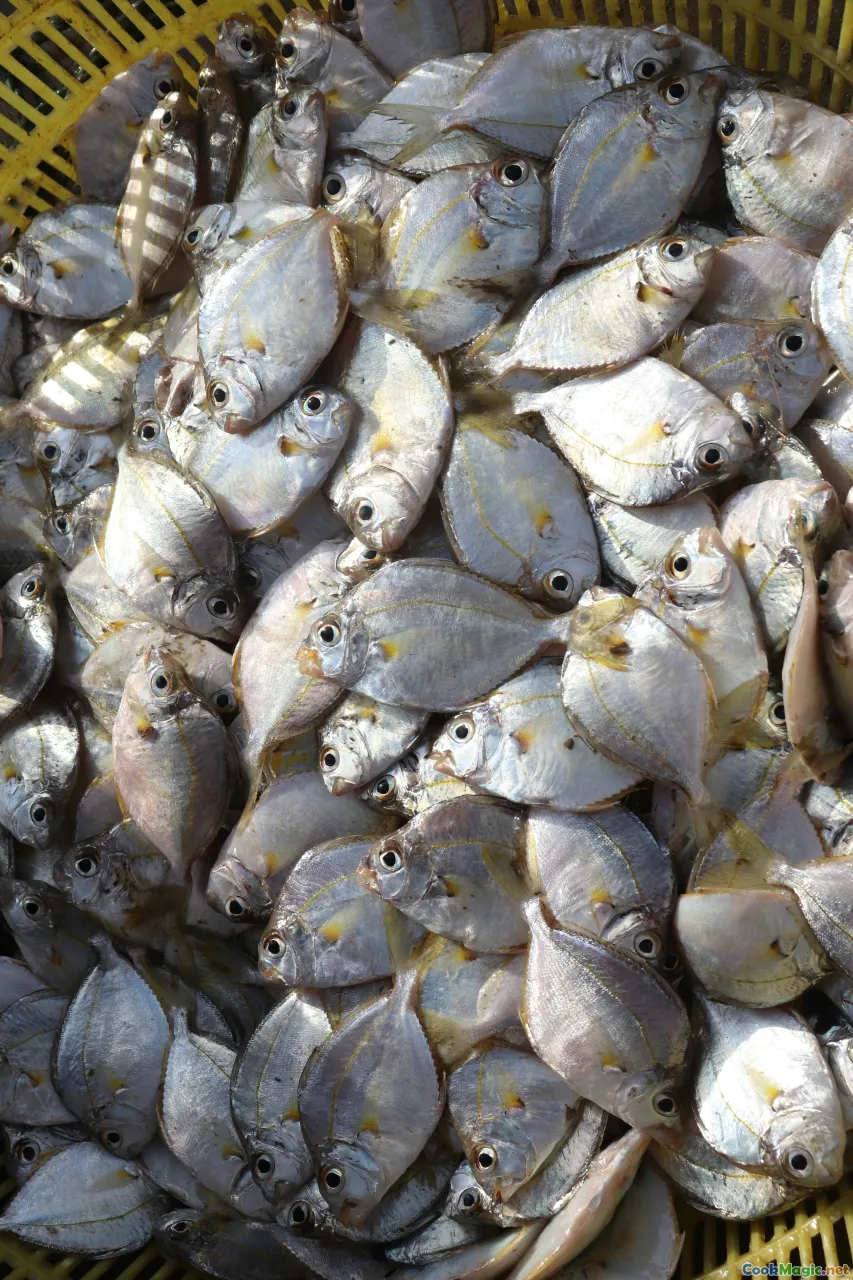
- Salt mackerel: The classic. Oily, assertive, with a depth that stands up to coconut’s richness. After soaking and simmering to desalinate, the flesh pulls into generous flakes that don’t disappear in the sauce. Its briny bass note is the heartbeat of traditional Saturday breakfast plates.
- Salt cod (saltfish): Cleaner and leaner. Less fish oil means a slightly lighter mouthfeel; it pairs well with more okra and cho-cho in the pot, and a splash of lime at the end to wake it up.
- Fresh mackerel: A weekday luxury. Cut into steaks or thick fillets, lightly seasoned and seared before sliding into the coconut reduction, it gives a silken, just-flaking bite. Watch the bones—mackerel has many.
- Crab: South coast cooks will tell you crab rundown is feast food. The coconut sauce loves crab’s sweet meat, and the pimento’s perfume seeps into every crevice. Eat with fingers; napkins become a philosophical question.
- Conch (when in season, where legal): Slow-simmered until tender, then added to the coconut base, conch brings a denser chew and a whiff of iodine sweetness. It turns rundown into a celebration.
- Sprats or small fish: Cheap and cheerful. Fry them first for a crisp edge that softens gorgeously in sauce.
Whichever you choose, align the cut of seafood with your sauce’s body. Firmer fish, thicker sauce. Delicate fish, looser sauce. It’s culinary counterpoint.
The Vegetable Chorus: Cho-cho, Okra, Tomato, Callaloo

Vegetables in rundown behave like the string section—shaping tone and texture:
- Cho-cho (chayote): Subtle in flavor, crisp-tender in texture. It soaks up coconut like a sponge, releasing a watery freshness that keeps the stew from feeling heavy. Slice into batons or half-moons and add midway through reduction.
- Okra: The silk-maker. Okra’s mucilage gently thickens, rounding the edges of the sauce without turning it gummy if you cook it just until tender. Whole pods look beautiful; sliced pods release more thickening power.
- Tomato: A few wedges or a chopped tomato contribute acidity and umami. Let them break down but not dominate. If your coconut milk is very sweet, the tomato’s tang is especially helpful.
- Callaloo: Fresh callaloo (amaranth greens) wilted at the end adds earth and a deep-green minerality. Spinach is a passable substitute in a pinch.
- Scotch bonnet: It belongs in the vegetable list because its scent—mango, guava, sunshine—is as important as its fire. Keep it whole if you prefer fragrance over heat. Slit it once for a tickle. Dice it for a dare.
Pimento (allspice) is the aromatic backbone—use a few lightly crushed berries or, for a subtler effect, a dusting of ground pimento added near the end.
Starches That Complete the Bowl
Rundown without a sturdy starch is like reggae without a bassline. Classic partners include:
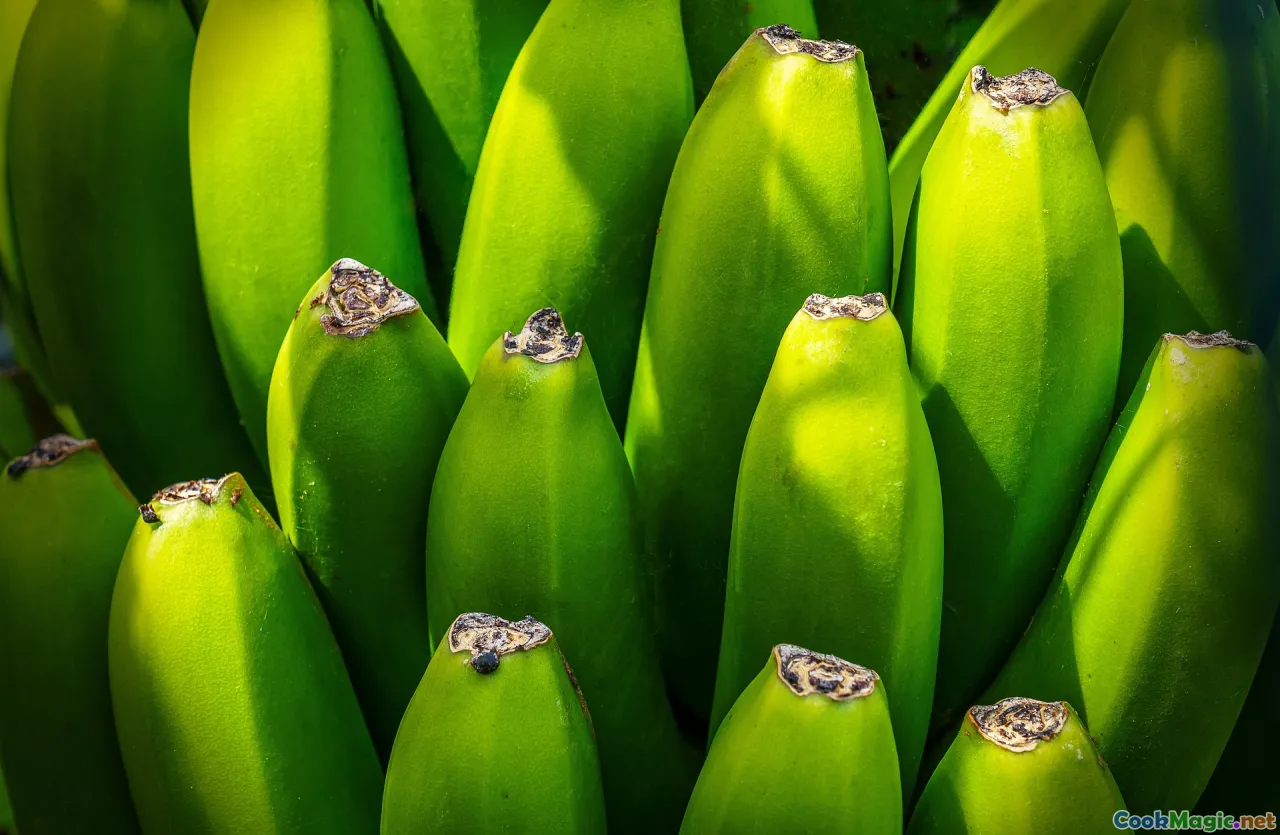
- Boiled green banana: Peel by scoring the ridges and using a knife to lift the skin; rub your hands with oil first to avoid the sap’s stain. Simmer in salted water until the flesh yields to a fork but retains a pleasant chew—somewhere between potato and plantain in texture.
- Yam (yellow or white): Dense and slightly sweet, with a field-earth aroma when steamed. Cut into thick rounds and boil until edges just fuzz; overcooked yam turns mealy.
- Dasheen (taro) and coco: Creamy, gently nutty. They hold sauce beautifully.
- Bammy: Cassava flatbread that fries or toasts into an ideal sponge. For a luxurious treat, soak bammy in coconut milk, then fry in a little coconut oil until the edges frill and the center is custardy.
- Fried dumplings (Johnny cakes): Golden, puffy, and mischievously good at dragging every last streak of coconut cream from the plate.
A plate of rundown, green banana, and yam is Jamaica’s version of a hug—balanced, filling, and set to the rhythm of the day.
Caribbean Cousins: Oildown, Run Down, Metemgee

Rundown has kin across the archipelago:
- Grenada’s oildown: A one-pot epic starring breadfruit simmered in coconut milk until the oil “down” remains. Salty meats (pigtail, saltfish), callaloo, turmeric, and dumplings join the pot. Compared to Jamaica’s rundown, oildown is thicker, starchier—a coconut-collared casserole.
- Trinidad and Tobago’s run down: Similar technique, often with kingfish or cavalli, and a brighter herb profile (shado beni). It’s usually saucier and sometimes tinged with curry leaf notes from mixed kitchens.
- Guyana’s metemgee: A coconut milk stew of ground provisions (cassava, eddoe, plantain) and dumplings, sometimes layered with fish or meats. Less about reduction to oil, more about plush coconut immersion.
Across islands, the language changes but the idea remains: coconut as both sauce and fat, a lush canvas for the sea and garden to show off.
Troubleshooting and Flavor Math
- Too salty? Soak the fish longer; after simmering the fish to desalinate, taste a flake—if it puckers your mouth, change the water and simmer again. In the pot, knock back salt by adding unsalted vegetables (more cho-cho, okra) or a small boiled potato, which you later remove.
- Too thin? Keep simmering; time is your thickener. Resist the temptation to add flour or cornstarch—those mute the coconut’s silk. A few extra slices of okra can help stabilize the body.
- Too oily? You may have rushed the split, causing a heavy layer of oil at the top. Whisk vigorously to emulsify, then slide in a handful of diced tomato or a splash of warm water and simmer gently; the sauce should reel itself back together.
- Heat management: Scotch bonnet has layers—fruity aroma, then heat. For a perfumed stew with minimal burn, float a whole pepper. For a medium heat, cut one slit. For serious fire, mince and sauté with aromatics.
- Flat flavor? Add brightness. A squeeze of lime or a teaspoon of cane vinegar at the end wakes the coconut. A few bruised pimento berries deepen the echo.
Think of rundown like mixing dub: bass (coconut), treble (acidity), rhythm (aromatics), and the lead vocal (seafood). Adjust the sliders until the track is clean and full.
A Cook’s Walkthrough: Mackerel Rundown for Four

Ingredients:
- 1.5 lbs (700 g) salt mackerel fillets
- 2 cans (13.5 oz/400 ml each) full-fat coconut milk, or equivalent fresh
- 3 scallions, cut into 2-inch pieces
- 4 sprigs fresh thyme
- 3 cloves garlic, thinly sliced
- 1-thumb piece fresh ginger, sliced
- 6–8 pimento (allspice) berries, lightly crushed
- 1 small Scotch bonnet pepper, whole or slit
- 1 medium tomato, chopped (or 6–8 cherry tomatoes, halved)
- 1 cho-cho, peeled and sliced into half-moons
- 12 okra pods, trimmed (whole or sliced)
- 1 small onion, thinly sliced (optional but lovely)
- 1 teaspoon brown sugar (optional)
- Freshly ground black pepper, to taste
- Lime wedges, to finish
Method:
- Desalt the mackerel:
- Rinse fillets under cold water to remove surface salt. Soak in cool water for 2 hours, changing the water once. Simmer in fresh water for 10–12 minutes until a flake tastes pleasantly saline, not bracingly salty. Drain, cool slightly, then cut into chunky pieces or pull into broad flakes.
- Start the coconut reduction:
- In a wide dutch pot or sauté pan, pour in the coconut milk. Bring to a gentle simmer over medium heat. If you like, add 1 teaspoon brown sugar to encourage nutty caramel notes. Simmer 15–20 minutes, stirring occasionally, until you see the surface grow shiny and little lakes of oil appear.
- Bloom aromatics in the emerging oil:
- Add scallion, thyme, garlic, ginger, pimento berries, and onion if using. Let them sizzle softly in the coconut’s clarified fat for 2–3 minutes; you should smell green, woody, and slightly spicy aromas lifting from the pot. Nestle in the Scotch bonnet (whole or slit).
- Build the body:
- Stir in the chopped tomato and cho-cho. Simmer 6–8 minutes until the cho-cho begins to turn translucent at the edges. Add okra and cook another 3–5 minutes, just until tender.
- Introduce the fish:
- Lay the mackerel pieces into the sauce, spooning coconut over them. Simmer gently for 5–7 minutes to let flavors marry. You want the fish to soak but not disintegrate.
- Finish and balance:
- Fish out the pimento berries if you like; they can be tooth-tough. Season with black pepper. Taste for salt—salt mackerel often brings enough on its own. Off heat, squeeze a wedge of lime along the edge of the pot and fold once or twice.
- Serve:
- Ladle over boiled green bananas and slices of yam, or alongside bammy. The sauce should gleam, and the kitchen should smell like a seaside grove—coconut, herbs, and the good trouble of Scotch bonnet.
Variations: Swap mackerel for crab (pre-cooked, cracked claws added in step 5) or fresh fish steaks (lightly seared first). Add a handful of callaloo in the last 2 minutes to wilt. For a breakfast version, keep the sauce thicker and serve with fried dumplings.
Where to Seek It Out in Jamaica

Rundown is a home dish at heart, but you’ll find it if you follow the morning crowds. Look for small cook shops and breakfast counters around markets—downtown Kingston near Coronation Market, Spanish Town’s arcades, or the bus parks of Port Antonio—where hand-painted menus list “mackerel run dung” early in the day. In fishing villages along the south coast—Alligator Pond, Whitehouse—and in Portland’s Manchioneal, ask what’s in the pot. If crab is running, you might luck into a crab rundown worth the travel alone. Along Hellshire Beach and in Alligator Pond, spots known for fried fish and bammy will sometimes oblige a coconut stew on request, especially during quieter hours.
Even hotels that celebrate Jamaican breakfasts occasionally rotate a coconut-laced fish—if you don’t see it, ask. What seems unsung is often simply waiting for the right listener.
Pairings: What to Drink With Rundown

Rundown’s richness begs for something bright, cold, and a little irreverent:
- Ting or other grapefruit soda: Citrus knives through coconut’s velvet and refreshes the palate between bites.
- Ginger beer: Fiery and sweet, it locks arms with Scotch bonnet for a glow that stays polite.
- Red Stripe or a crisp lager: The froth, the chill, the why-not of it—beer is an obvious friend.
- Coconut water with a lick of overproof rum: A bracing island spritzer that mirrors the stew’s coconut core.
- Wine: Off-dry Riesling, Vouvray (Chenin Blanc), or a coastal Vermentino. You want acid and a little residual sugar to court heat and salt.
- Sorrel (hibiscus) when in season: Its tart cranberry-citrus profile is a natural counterpoint to coconut’s plushness.
Why Rundown Still Matters

There’s a humility to rundown that feels radical in a culinary world obsessed with shock and spectacle. It asks you to wait, to pay attention to the coconut’s patient transformation, to coax flavor from thrift, and to honor what the sea gives on any given morning. It smells like a house breathing—herbs warming in fat, the sea’s thrum, a pepper’s smile—and it tastes like belonging.
When the sauce runs down to just the right gloss, when the fish yields without surrendering, when the cho-cho still has its quiet bite, you’ve made more than a stew. You’ve made a map back to markets, to shorelines, to slow Saturdays and quick breakfasts eaten on enamel plates with the light just lifting. You’ve made a case for the unsung to be sung.
If you cook it, cook it for someone. Boil the green bananas. Warm the bammy. Let the pepper float like a tiny lantern. And when the coconut oil comes up and your kitchen smells like rain on hot stone, take a spoonful straight from the pot. That’s rundown—the island’s hush made hearty—and it’s waiting, always, for the next bowl.