Preserving Summer Harvests the Russian Way
39 min read Capture summer’s bounty the Russian way: pickling, fermenting, and canning. Learn essential ratios, spice profiles, and dacha traditions to stock a fragrant winter pantry. December 29, 2025 07:06
The kitchen smelled like dill long before we started cooking. On the dacha veranda, under a corrugated roof warmed by August sun, three-liter jars blinked like green glass lighthouses, and the cucumbers—warty, striped, still cold from the well rinse—were piled next to umbels of dill that stained my fingertips with resinous perfume. My grandmother, in a faded apron dotted with currant splashes, moved with the unhurried confidence of someone who knew winter would come and that summer could be bottled against it. This is how I learned the Russian way of preserving: not just brining and boiling, but braiding together scent and patience, season and memory, a small hedge against snow.
The Dacha Smells Like Dill and Sun-Heated Tomatoes

On a late August afternoon near Yaroslavl, heat sits in the grass like honey, and the kitchen garden rises in tidy columns of green: cucumbers hugging the soil, tomatoes blistered and sweet, blackcurrant bushes flickering with matte, inky berries. The picnic table becomes a staging ground: enamel pots with chipped lips, a wooden cutting board polished by decades of blades, a beetle-dented weight from the boat dock—today a fermenting weight. The radio murmurs a distant retro waltz; a kettle sighs.
The act of preserving here is not fussy. It’s deliberate. The tomatoes are sniffed—each one, honestly—because the ones that smell of tomato leaf and warm sugar will sink to the bottom of the jar and keep their shape. Cucumbers are sorted by size, like soldiers in a parade, because uniformity is crispness. Dill goes in with its thick, hollow stems and unruly crowns; garlic cloves are cracked with the side of a knife to bleed sweetness rather than heat. A cherry leaf, glossy and aromatic, is slipped in like a folded note. When the brine hits, the kitchen smells like a hot, salty sea lapping at a dill forest floor.
What follows is the Russian pantry written in brine and syrup. There are rules and there is intuition, both shaped by the climate: short summers that sprint, long winters that idle. Preserving is, here, both insurance and romance.
From Pogreb to Pantry: A Cultural Pantry Philosophy
The classic Russian preservation style was born of necessity, refined by taste. Before double-glazed windows and radiators, food lived in the pogreb—the root cellar dug beneath wooden houses, cool and damp, with shelves smelling of oak and earth. Jars stood like soldiers, labels unnecessary because the pantry was oral memory: raspberry varenye for a sore throat, sauerkraut for the coldest months, salted milk mushrooms saved for feasts. A sealed jar was a promise.
Culturally, preserves are more than pantry items; they’re storytelling devices. A spoonful of cranberry-tinged sauerkraut on the New Year’s table is an echo of northern forests. A tart-sweet blackcurrant varenye recalls the summer thunderstorm when the berries were shaken loose. “We put up too much,” every grandmother says, and yet by March the shelves are thin and the brines are tilted for the last pickle. Soviet kitchens added their own signatures: the ubiquitous lecho (tomato-pepper stew) borrowed from Hungarian neighbors; the jar sealer (закаточная машинка) that turned tin lids into vacuum domes. What remains constant is the unity of season and jar: preserving is a cultural choreography, paced by calendars, markets, and weather.
Pickle or Ferment? Two Russian Paths to Brightness

In Russia, both pickling (уксусное маринование) and fermenting (молочнокислое брожение) are central—and they produce entirely different experiences.
-
Pickling draws brightness from vinegar. Think of a slick, glassy marinated tomato that pops open with sweet-sour juice, or peppers in lecho glossed with a tomato sheen. This path is about control and heat, vinegar measured to the milliliter, water-bath times counted. The flavors are immediate: high acidity, sweet-spiced aromatics.
-
Fermentation asks you to trust the microbes. It rewards with complexity: the deep bass of lactic acid, effervescence, gentle funk. Fermented cucumbers (огурцы малосолные) taste like cold springs and dill pollen; sauerkraut (квашеная капуста) hums with clean tang and crunch that endures for months. This path is about salt percentages and temperature, about listening to bubbles, about weighting with a river stone wrapped in cheesecloth.
Both belong on the same winter table. Pickled things offer immediate sharpness; fermented things deliver structure and calm. One is a brass fanfare; the other is a string quartet.
How-To: Malosolnye — 48 Hours to Summer

Malosolnye (lightly salted cucumbers) are a season in a jar. They are not shelf-stable; they’re a quick ferment meant for the week, best eaten cold with rye bread and butter, fat flakes of salt sparkling on the crust.
What you’ll need for a 3-liter jar:
- 1.5–1.8 kg small cucumbers (the prickly, firm kind; 6–10 cm length)
- 2–3 umbels of flowering dill (stems and seeds)
- 6–8 garlic cloves, lightly crushed
- 2–3 blackcurrant leaves, 1–2 cherry leaves, 1 piece horseradish leaf or root (for tannins and flavor)
- 1 tsp black peppercorns, optional
- 1 liter filtered water
- 40–45 g non-iodized salt (4–4.5% brine)
Steps:
-
Prep the cucumbers: Rinse thoroughly. Trim 2–3 mm from the blossom end; it contains enzymes that can soften pickles. If the cucumbers are limp, soak in icy water 30–60 minutes to revive.
-
Make the brine: Dissolve salt in water. Taste—it should be clearly salty but not harsh.
-
Pack the jar: Layer dill, leaves, garlic, peppercorns at the bottom. Tightly pack cucumbers upright. Slip remaining aromatics along the sides and on top.
-
Pour the brine until the cucumbers are just covered. Weigh them down with a small plate or a clean weight so they stay submerged.
-
Ferment: Leave at room temp (18–22°C) for 24–48 hours, depending on warmth. You’ll see cloudiness and tiny bubbles. Taste at 24 hours; you’re looking for a crisp cucumber with whispering sourness and fragrance of dill.
-
Refrigerate to slow fermentation. Eat within 7–10 days. The brine is a tonic—sip it cold after a sauna and feel your bones sing.
Sensory cues: The brine turns from glass-clear to faintly cloudy; aromas deepen from fresh-cut grass to bready. The first bite should crack loudly, then flood the mouth with cool, salty dill and gentle garlic sweetness.
How-To: Kvashenaya Kapusta With Cranberries and Caraway
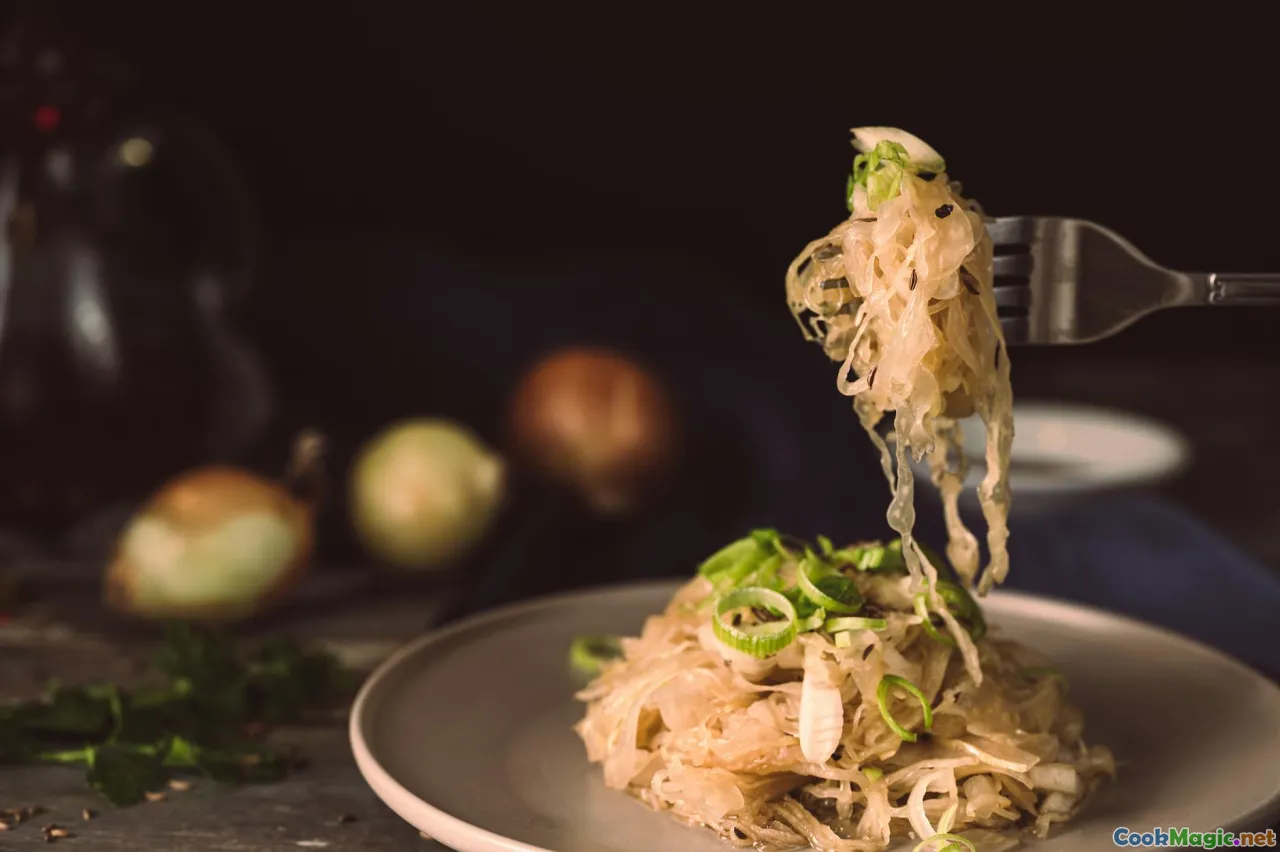
Russian sauerkraut favors clean flavors: cabbage, carrot, salt. In the north, lingonberries (брусника) or cranberries (клюква) are added for color, gentle bitterness, and extra acidity. Caraway is optional but delightful.
For a 5-liter crock:
- 3 kg late-season cabbage (dense and heavy for its size)
- 300 g carrots, grated on the coarse side
- 75 g non-iodized salt (2.5% of cabbage + carrot weight)
- 2 tsp caraway seeds, optional
- 150 g fresh cranberries or lingonberries, rinsed
Method:
-
Shred the cabbage into thin ribbons. I like 2–3 mm—thin enough to ferment evenly, thick enough to stay crunchy.
-
In a large bowl, toss cabbage with salt and caraway. Massage for 3–5 minutes until it glistens and releases brine. Mix in grated carrot and berries.
-
Pack into the crock, pressing firmly with your fist or a tamper until brine rises to cover. Leave 4–5 cm headspace.
-
Weight the cabbage so it stays submerged. Cover with a cloth or the crock’s water-seal lid.
-
Ferment at 18–20°C. It will be lively for the first 2–3 days (you’ll hear it whispering). Skim foam if present. Taste at day 3, then daily. At day 5–7 it’s usually perfect: sharp but gentle, juicy, with snap.
-
Pack into clean jars, press under brine, and refrigerate or store in a cool cellar (below 10°C) for months.
Serving notes: A forkful next to hot buckwheat and a pat of salted butter is the taste of January courage. It’s also the backbone of solyanka soups and the secret vitality of winter salads.
How-To: Varenye, the Glaze of Summer — Blackcurrant and Cherry Jams
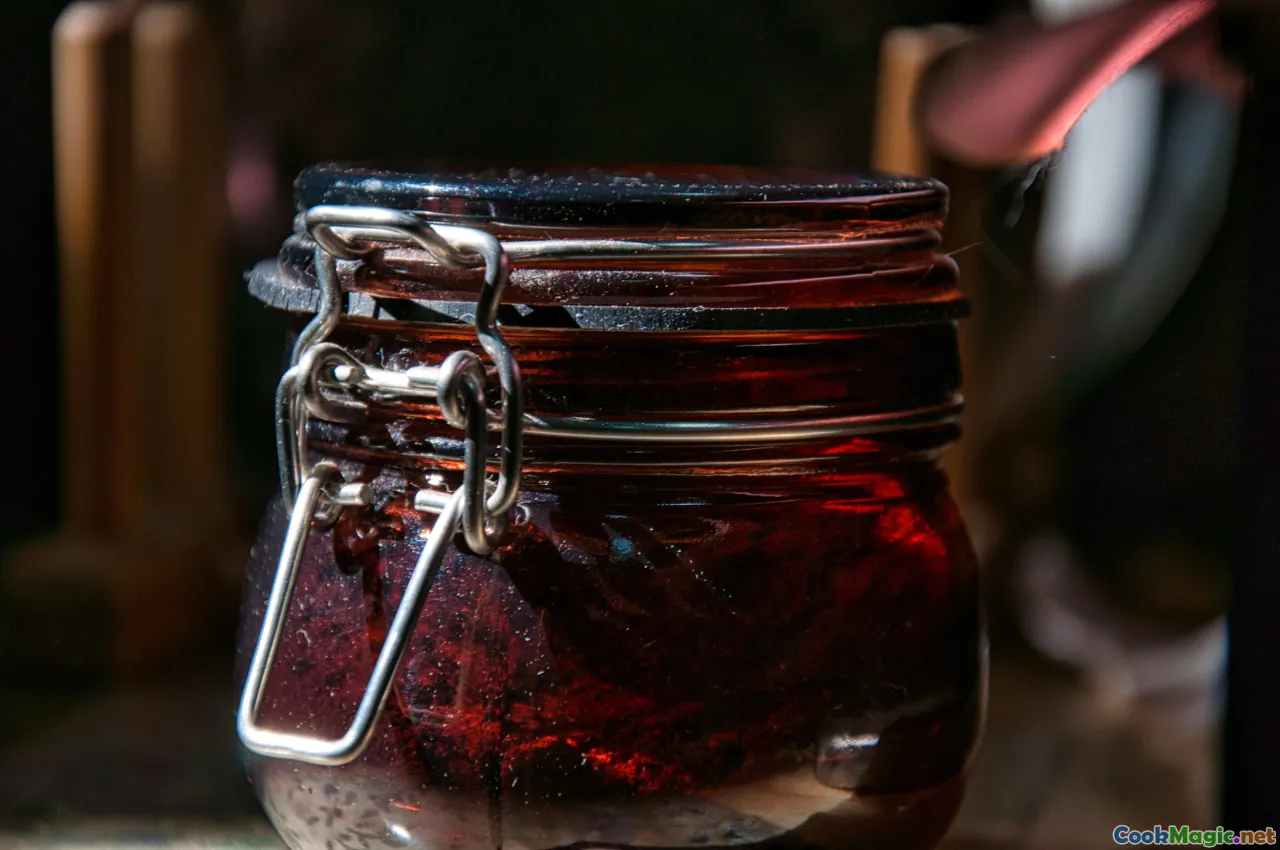
Varene/varenye (варенье) isn’t exactly jam; it’s fruit suspended in a clear, syrupy glaze, berries kept as intact jewels rather than pulverized. The classic Russian technique “troekratnaya vyvarka” (three boils) cooks the fruit briefly over three sessions, resting in between to let syrup penetrate without turning the fruit to mush.
Blackcurrant (смородина) varenye: pungent, almost wine-dark, with a green resinous note that becomes perfume. Cherry (вишня) varenye: deep crimson, the syrup stained like velvet, with almond-kissed pits or bourbon-slicked flesh if you’re modern.
Base ratio for varenye:
- 1 kg fruit (destemmed; cherries pitted or left whole)
- 1–1.2 kg sugar
- 150–250 ml water (just enough to dissolve sugar)
Method (three boils):
-
Make a light syrup: Heat water and sugar until dissolved. Bring to a simmer.
-
Add fruit: Tip in berries and bring just to a boil. Cook 5–7 minutes at a tremble; skim foam for clarity.
-
Rest: Remove from heat and let cool to room temperature. Rest several hours or overnight.
-
Repeat: Bring to a gentle boil again for 3–5 minutes. Rest again.
-
Final boil: Bring to a simmer until syrup thickens. Check the “wrinkle test”: a cold plate smeared with a drop should wrinkle when nudged. For varenye, you want a lazy syrup rather than a jammy set.
-
Pack hot into sterilized jars, leaving 5–7 mm headspace. Wipe rims; apply lids. Water-bath 10 minutes for 250–500 ml jars (adjust for altitude), or invert 5 minutes and cool if you’re following older methods and storing cool. For long storage, water-bath is safer.
Blackcurrant note: The berries are assertive; they love a squeeze of lemon in the final boil to keep color bright and acidity lively. Cherry note: If leaving pits, prick each cherry with a needle to prevent bursting; pits lend a faint almond scent from benzaldehyde.
Freezer varenye option: For fragile fruits like raspberries, toss with sugar (1:1) and leave overnight, then freeze in flat bags. The texture in winter is uncannily fresh, perfect over blini or mixed with sour cream.
Fire-Kissed Vegetables: Lecho, Adjika, and the Two Ikras
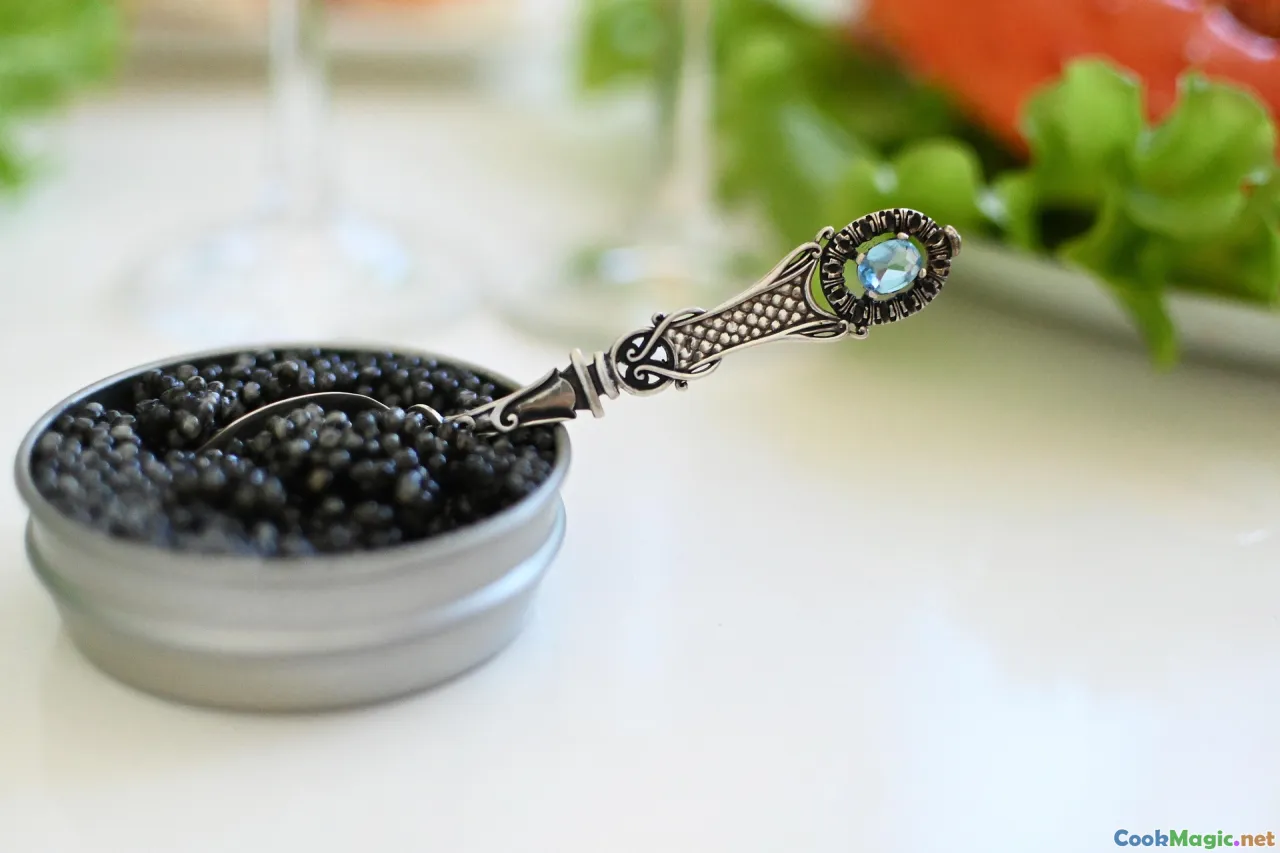
Soviet and post-Soviet pantries adopted and adapted bolder southern flavors. The popularity of lecho (a Hungarian-influenced pepper-tomato stew), adjika (a Caucasian hot pepper paste), and vegetable “caviars” (икра) proves that Russian preserving isn’t monochrome.
-
Lecho: Thick ribbons of sweet pepper in tomato sauce, sometimes with onions and carrots. The peppers are charred or blanched, then simmered until glossy. Serve with cutlets, spoon over scrambled eggs, or eat cold with black bread.
-
Adjika: Originally from Abkhazia, explosive with garlic, hot peppers, coriander, fenugreek, a squeeze of apple vinegar. In Russian kitchens, it often becomes a tomato-rich condiment with heat moderated but character intact.
-
Baklazhannaya ikra (eggplant caviar) and kabachkovaya ikra (zucchini caviar): Roasted vegetables puréed with onion, tomato, herbs, and a lick of vinegar. The texture should be silk with tiny seeds that pop like punctuation.
A safe, flavorful approach for shelf-stable jars:
Lecho (about 4 x 500 ml jars):
- 1.5 kg red bell peppers, peeled (char over flame, rest in a bowl covered to steam, then slip skins)
- 800 g ripe tomatoes, skinned and chopped
- 1 large onion, sliced thin
- 4 garlic cloves, sliced
- 60 ml 5% apple cider vinegar (or make a 5% equivalent from 9%)
- 2 tbsp sugar, 1.5 tsp salt
- 1 tsp sweet paprika, 1/2 tsp ground coriander
- 60 ml sunflower oil
Method: Sweat onion and garlic in oil until translucent. Add tomatoes, salt, sugar, spices; simmer 10 minutes. Add peppers and cook 15–20 minutes until sauce clings. Stir in vinegar and bring to a boil. Pack hot into jars; water-bath 20 minutes for 500 ml. Let rest 24 hours.
Adjika (milder, Russian-style):
- 1 kg tomatoes, cored
- 300 g red hot peppers, seeded to your heat tolerance
- 8 garlic cloves
- 1 tbsp ground coriander, 1 tsp blue fenugreek (utsho suneli), 1 tbsp salt
- 60 ml 5% vinegar
- Optional: handful cilantro and dill
Grind everything except vinegar; simmer 30–40 minutes until thick. Add vinegar. Pack into hot jars; water-bath 15 minutes. For fresh adjika, skip canning, refrigerate, and use within 2 weeks—the aroma will knock you back.
Eggplant caviar safety tip: Eggplant is low-acid; for shelf-stable jars, always acidify to pH below 4.2 with vinegar or lemon and process in a water bath. Oil-packed eggplant without acid belongs in the refrigerator, not the pantry.
The Mushroom Rite: Salting Ryzhiki and Friends

The mushroom days arrive when birch shadows lengthen. Baskets return heavy with slippery jacks, porcini, saffron milk caps (рыжики), milk mushrooms (грузди). The kitchen fills with a delicate, woodland musk, mossy and sweet. In northern Russia, mushrooms are salted, not pickled—fermented or “cured” in sturdy brine that coaxes out squeaks and crunch.
Two traditional methods:
-
Cold salting (холодная засолка) for saffron milk caps and firm milk mushrooms: Clean mushrooms without soaking (wipe or brush). Layer with salt (around 2.5–3% by weight; roughly 25–30 g salt per kg mushrooms), garlic, dill, blackcurrant leaves, and peppercorns. Weight and keep submerged. Ferment in a cool spot (8–12°C) for 2–4 weeks. Result: crisp, squeaky mushrooms, deeply savory, slightly lactic.
-
Hot salting (горячая засолка) for more delicate mushrooms: Briefly blanch mushrooms in salted water (1–2 minutes), drain, then pack with spices as above. This gives a cleaner brine and reduces the wild flora load.
Food safety note: Avoid canning mushrooms at home unless pressure-canning with tested recipes. For traditional salted mushrooms, keep cold. Rinse before serving; drizzle with unrefined sunflower oil, a few onion rings, and a squeeze of lemon to wake them. The aroma is forest after rain.
Leaves, Umbels, and Stones: The Aromatic Architecture of Russian Preserves
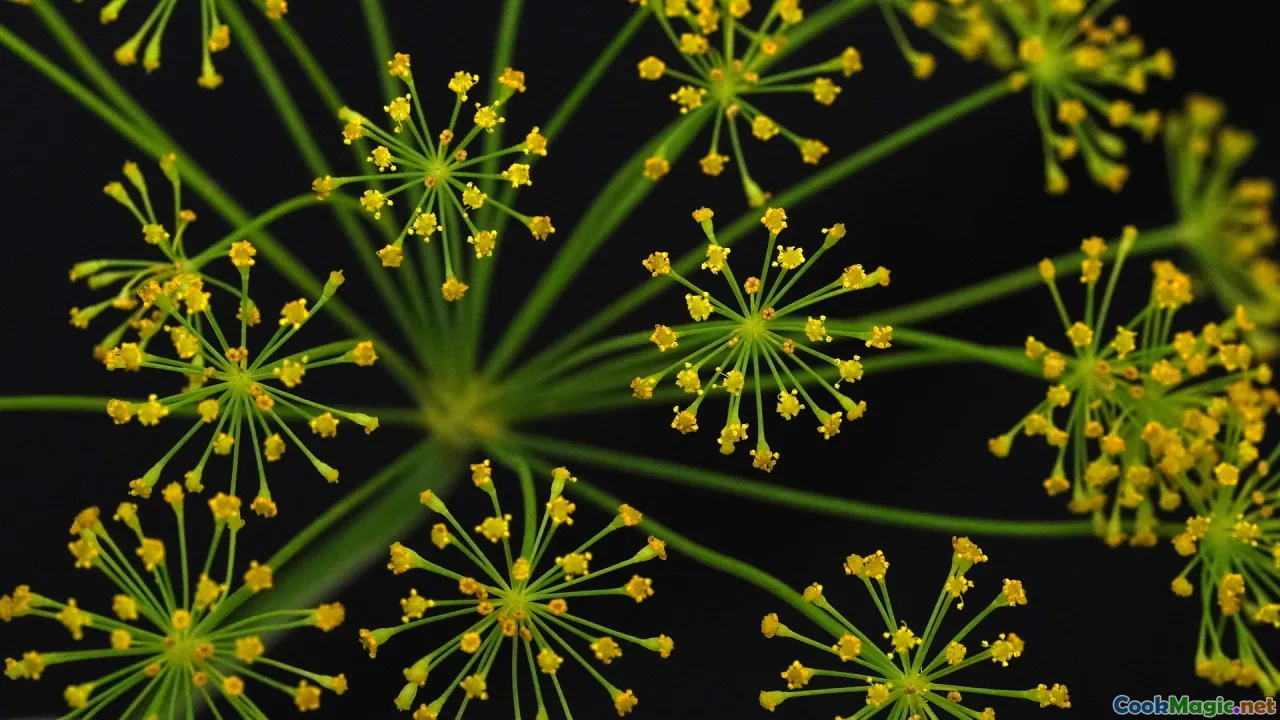
What keeps Russian cucumbers crisp isn’t magic; it’s tannin and tradition. Herbal architecture matters.
-
Dill heads (dill “umbels”) are non-negotiable: they lend licorice, citrus, and pollen. The hollow stems release flavor like straws.
-
Blackcurrant leaves bring subtle green cassis and tannin; cherry and oak leaves add astringency that binds pectins and keeps cucumbers firm. Horseradish leaves (or a knob of root) both sterilize and perfume.
-
Garlic needs restraint. Crushed cloves give sweetness in brine; overdo it and the jar can taste harsh. Try sliced garlic for marinated tomatoes, crushed for cucumbers.
-
Peppercorns, coriander seed, and mustard seed are accents. In a Russian jar, dill and leaves lead; spices accompany.
And yes, that stone on top? A river pebble boiled clean makes an ideal weight. Mine is the size of a peach; it’s held cucumbers down for fifteen summers and carries a faint scent of dill that no scrubbing removes.
Vinegar Math and Safe Heat: Your Canning Playbook

Marinades in old notebooks are poetic but not always precise. For modern safety—especially if you want to store jars at room temperature—measure acid.
-
Use 5% acidity vinegar (standard in many countries). For a firm safety margin, keep at least a 1:1 ratio of 5% vinegar to water in pickled vegetables that will be water-bath processed. Example: 500 ml vinegar + 500 ml water + salt/sugar/spices.
-
Only have 9% vinegar (common in Eastern Europe)? Dilute to approximate 5%: for every 100 ml of 9% vinegar, add 80 ml water to make about 180 ml of 5% vinegar. Then use this in your 1:1 formulas.
-
Tomatoes: If packing whole cherry tomatoes with a vinegar brine, treat as pickles and follow the same 1:1. If canning plain tomatoes, acidify each jar with bottled lemon juice or citric acid according to tested guidelines.
-
Processing times: For 250–500 ml jars, 10 minutes in a boiling water bath is a common baseline for pickles and jams; for 1-liter jars, 15–20 minutes. Adjust for altitude as needed. Always start timing when the water returns to a full boil.
-
Headspace matters: 5–7 mm for jams, 1–1.5 cm for pickles and vegetables.
-
Lids: Modern twist-offs seal beautifully. Heat rings and lids in hot water (not boiling) while you fill; wipe rims clean before tightening just fingertip-tight.
A sensory tip: When jars seal, they ping politely. It’s the most satisfying sound of September.
Tools of a Soviet-and-Modern Kitchen

The classic kit includes:
- A large enamel pot for syrup and brine—no aluminum; acid can pit it.
- A big-mouthed funnel and jar tongs. Humor me: burnt fingers are the enemy of patience.
- A digital scale for salt percentages; a thermometer for jam stages if you prefer numbers to wrinkles.
- Three-liter glass jars (трёхлитровые банки) for cucumbers and tomatoes; Weck or twist-off jars for everything else. The old Soviet handheld sealer works, and its clicking ratchet is nostalgia incarnate, but modern lids are easier.
- A clean river stone, boiled, or proper fermentation weights.
- A wooden dowel or plastic spatula to release trapped air in jars.
Modern conveniences like pH strips and fermentation crocks with water gutters make the process even more reliable while keeping the soul of it intact.
Markets and Regions: Where Flavors Are Born

Culinary language shifts by region. In the south—Krasnodar, Rostov-on-Don—peppers are thick-walled, tomatoes meaty and sun-drunk, dill almost weed-like in its exuberance. Pickles here are often spicier, sweeter, more lavish. In the north and northwest—St. Petersburg, Karelia—currants rule, cranberries and lingonberries show up in sauerkraut, and mushrooms are the real currency.
If you wander Moscow’s Danilovsky Market in August, every stall looks like a gilded still life: crates of Malinovka tomatoes, heaps of shaggy dill, pyramids of tiny Kirzhach cucumbers, pails of blackcurrants that stain your palms. At Kuznechny Market in St. Petersburg, babushki fold paper cones of cranberries with gloved hands, and a man with a mushrooming knife sells quartered porcini by weight. Preserving starts here, in the choice and the chat: which cucumbers are best for fermentation (“these prickly ones, from Murom”), whether this year’s currants are sweeter, whether your jam will set without a squeeze of lemon.
Siberia adds its own lexicon: cloudberries, pine cone jam (yes, you can candy the soft green ones), cedar nuts. Crimea offers figs and grapes that make haunting preserves with lemon and a whisper of bay.
Winter Table Rituals: Opening Summer in January

A winter table in Moscow glints: candles flicker in frosty windows; a horror of plastic bags with boots sit by radiators; a pine branch lodges in a vase. The first thing opened is often a jar of pickles. There is a sound—the rush of trapped brine, a gasp of garlic and dill—and then the spoon goes in, clinks against glass, and the plate blooms green. A shot of icy vodka without pickles is an unfinished sentence; cucumber brine is the punctuation.
Sauerkraut gets tossed with onion and unrefined sunflower oil, its aroma nutty and faintly toasty; it crackles against the fork tines. Lecho is warmed and served next to fried potatoes, its sweetness playing the foil. Jam isn’t only for tea; a spoon of blackcurrant varenye stirred into hot water becomes mors, a ruby drink that smells of wood smoke and berries, or it’s spooned onto syrniki—cottage-cheese pancakes whose edges sizzle and hiss when they hit the pan.
There is a particular joy in opening a jar you made when you were sunburned in July. You are tasting your former self, salted and sweetened and kept.
What to Serve With Each Jar
-
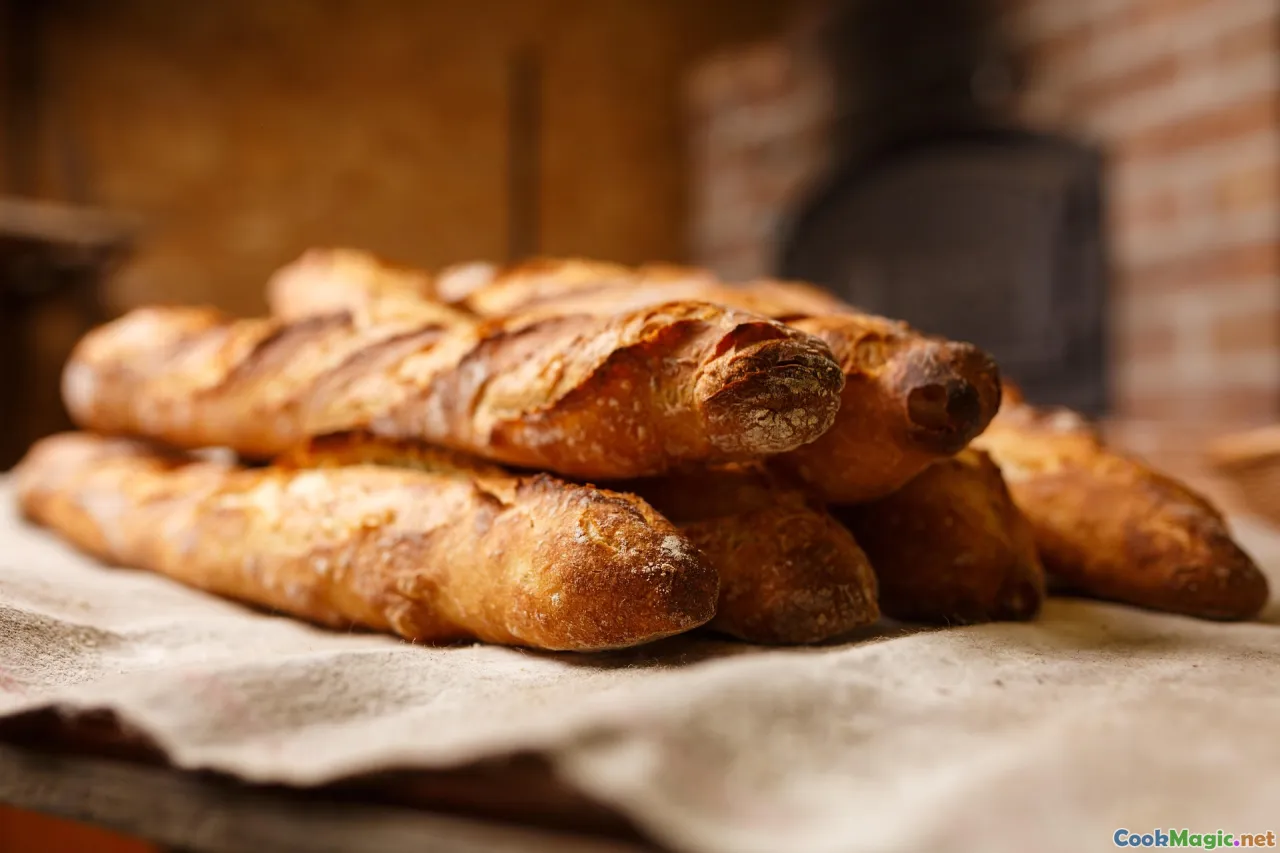
Malosolnye cucumbers: Slice thick and lay on black rye with sweet butter and a sprinkle of flaky salt. Chop into a chilled okroshka (kvass-based cold soup) for crunch and brine.
-
Sauerkraut with cranberries: Serve as a side to kotlety (pan-fried meat patties) or slip under roast pork. Try tossing with thinly sliced apple, a few caraway seeds, and oil for a salad that honks winter away.
-
Lecho: Spoon over scrambled eggs, swirl into a lentil stew, or use as a fast pasta sauce with garlic.
-
Adjika: Dollop on roasted eggplant, smear onto shashlik, or thin with oil and lemon for a searing vinaigrette.
-
Eggplant and zucchini ikra: Spread on toasted Borodinsky bread, dark with malt, or serve as a cool side to grilled fish.
-
Blackcurrant varenye: Stir into kefir, spoon over blini, spike a chocolate cake filling with its resinous tang.
-
Cherry varenye: Drizzle into a Manhattan, toss with roasted duck, or simply pour over vanilla ice cream and let the syrup streak like silk.
Modern Twists: Freezer Varenye, Small-Batch Crops, and Less Sugar
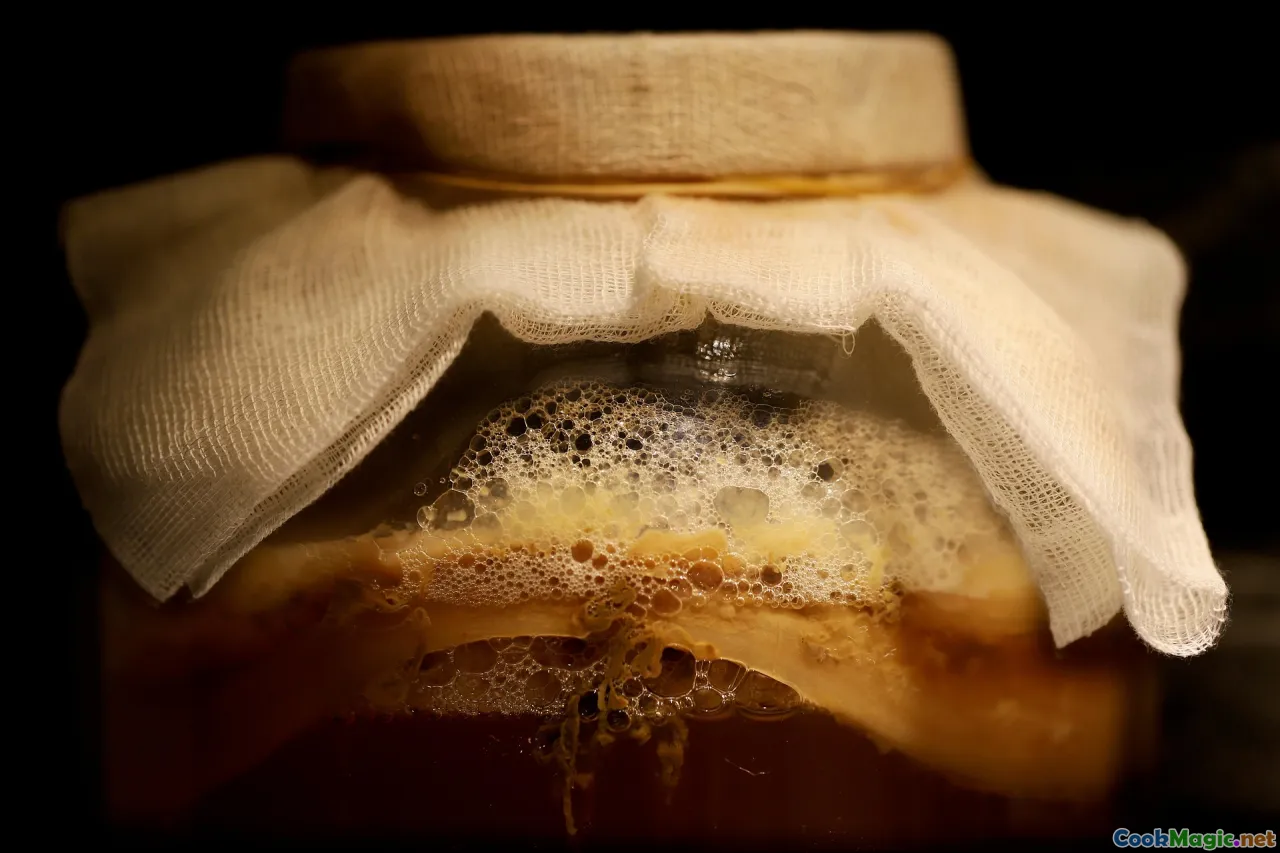
While I love the three-liter jar aesthetic, apartment life calls for small batches and flexible methods.
-
Freezer varenye: Macerate delicate berries (raspberry, strawberry) with 70–80% of their weight in sugar until syrup forms, then freeze in shallow containers. The texture is closer to fresh fruit, and you avoid boiling aromas away.
-
Low-sugar jam: If you prefer less sweetness, use high-pectin fruits (blackcurrant, gooseberry) and add a squeeze of lemon. Or use pectin designed for low-sugar preserves. Cook to 104–105°C for a soft set.
-
Mini crocks and airlocks: A 1–2 liter fermentation crock or even a jar fitted with an airlock lets you make sauerkraut or pickled carrots on a weeknight. Use the same salt percentage rules.
-
Spice variations: Add a bay leaf and allspice to marinated tomatoes for a Soviet borscht-house echo; slide a strip of orange zest into blackcurrant varenye for a winter citrus lift; tuck tarragon in with cucumbers for an anise prickle that makes vodka taste even cleaner.
-
Freezing vegetables: For eggplant ikra, you can roast, chop, and freeze eggplant pulp in small bags. Thaw and cook with tomato and vinegar in January; the texture stays silky.
Troubleshooting and Tasting Notes: When Brine Turns Cloudy, When Jam Won’t Set

-
Cloudy brine in fermented cucumbers is normal—lactic acid and microbes at work. If it smells clean and pleasantly sour, you’re good. If you see mold on the surface, skim and ensure everything stays submerged; if the smell turns cheesy or rancid, compost.
-
Soft cucumbers: Check blossom-end trimming and salt percent. Add tannin sources (blackcurrant, cherry, oak leaves). Keep temps around 18–20°C; too warm gets mushy.
-
Jam too runny: Cook a little longer or accept the Russian varenye ethos—syrup is the point. For jam-jam, add a bit of pectin and bring to 104–105°C.
-
Metallic taste: Avoid reactive cookware and utensils. Use enamel, stainless steel, or well-seasoned cast iron for roasting only.
-
Lids not sealing: Wipe rims meticulously, keep headspace correct, ensure a full rolling boil during processing. If a jar doesn’t seal, put it in the fridge and eat first.
-
Overly acidic pickles: Balance with a pinch of sugar, or let them sit a few weeks—acid knits with time.
-
Too salty sauerkraut: Rinse lightly before serving. Next time, weigh everything and stick to 2–2.5% salt for a gentler ferment.
A Personal Map: Places That Taught Me to Jar

The best cucumbers I ever fermented came from a roadside stand between Rostov and Taganrog—short and spiky, with a cool, lemony scent even before brining. The dill had heads the size of saucers. We packed jars on a tiled kitchen floor at midnight because the night air had dipped finally below 25°C.
The best currants were from a bush in my aunt’s yard outside St. Petersburg, where the soil tastes of iron and rain. Blackcurrant varenye from that summer was almost indecently perfumed; you could smell it even through the lid.
And the first time I salted ryzhiki was in Karelia, in a cold, wooden kitchen that creaked like a ship. We rinsed them quickly, wiped them carefully, layered them in a crock that had once held pickled herring. The first taste a month later was shockingly alive: saline, piney, squeaking under the teeth.
Preserving is a map: each jar pins you to a place and a time. You taste rain patterns. You taste the year’s bees.
A Practical Recipe Card: Classic Marinated Tomatoes
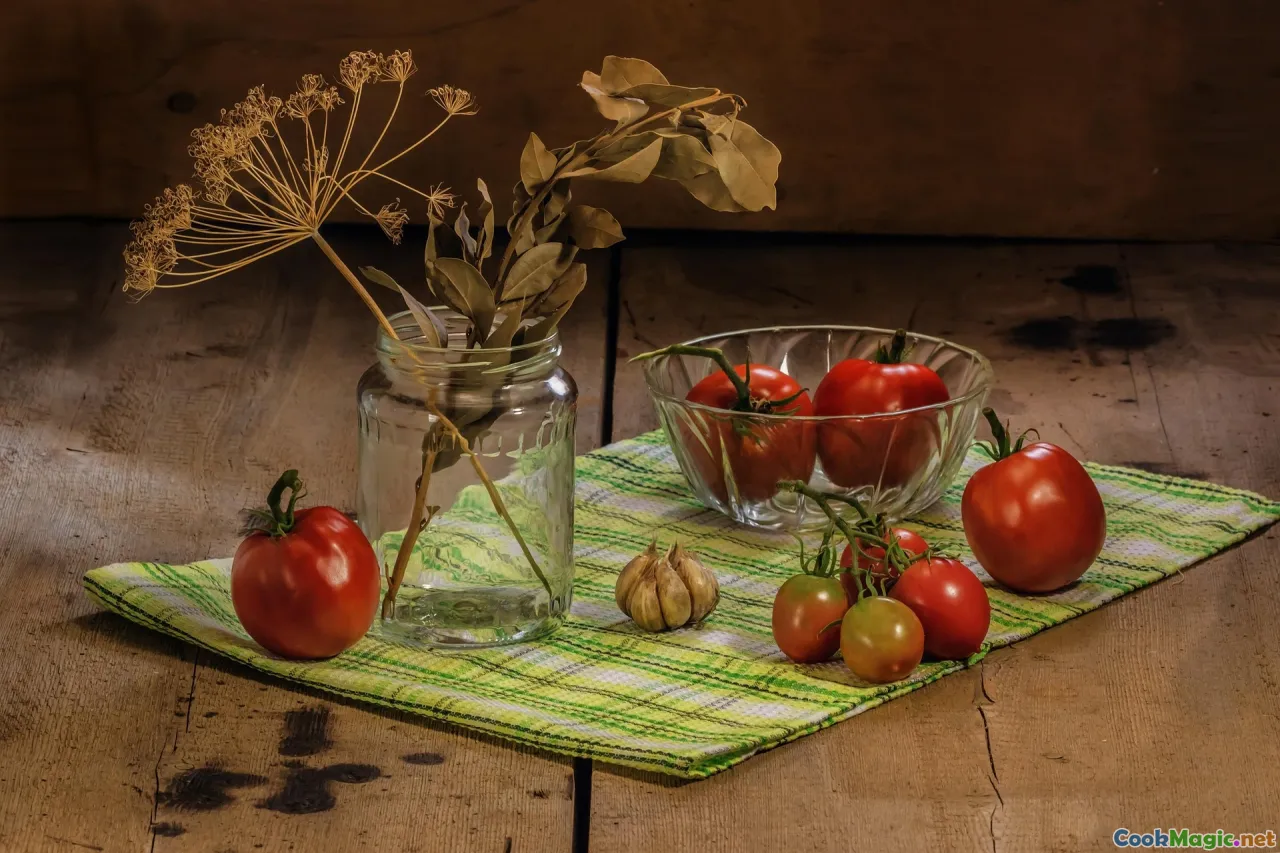
These are the arms-length ruby globes that make January feel extravagant.
Yield: 4 x 1-liter jars
- 2.5–3 kg small tomatoes, firm and ripe
- 8–12 garlic cloves, halved
- 8 dill umbels
- 8 blackcurrant leaves (optional)
- 4 bay leaves, 1 per jar
- 1 tsp black peppercorns per jar
Brine/marinade:
- 1 liter 5% vinegar + 1 liter water (1:1)
- 2 tbsp salt
- 4 tbsp sugar
Method:
-
Sterilize jars; keep hot. Place in each jar: 1 dill umbel, 2–3 garlic halves, 1 bay leaf, 1–2 blackcurrant leaves, 1 tsp peppercorns.
-
Pack tomatoes tightly. Prick each tomato once with a toothpick to prevent bursting.
-
Bring marinade to a boil, dissolve salt and sugar. Pour over tomatoes to fill.
-
Remove air bubbles; top up. Apply lids.
-
Water-bath process 15 minutes for 1-liter jars. Cool 12–24 hours, check seals. Rest 4 weeks before opening. The scent when you do will be peppery, herbal, and sweet-sour.
Science in the Brine: Why Russian Preserves Taste Like They Do
-
Lactic acid in ferments forms gently, with less sharpness than acetic acid (vinegar). It binds with vegetable matrices to maintain crunch. That’s why a properly fermented cucumber squeaks—the cellulose remains taut.
-
Tannins from leaves interact with pectin and proteins, slowing enzymatic softening. Cherry and oak are champions; blackcurrant gives aroma and tannin both.
-
Varene’s clarity comes from skimming and gentle heat; the three-boil method allows syrup to penetrate without pectin breakdown.
-
Sunflower oil drizzled on salted mushrooms isn’t just nostalgia: unrefined oil’s roastiness accentuates forest flavors and tames lactic edges.
Knowing the why lets you tweak: add more leaves for crunch, adjust salt for speed, play with sugar for shine.
The Memory in a Jar
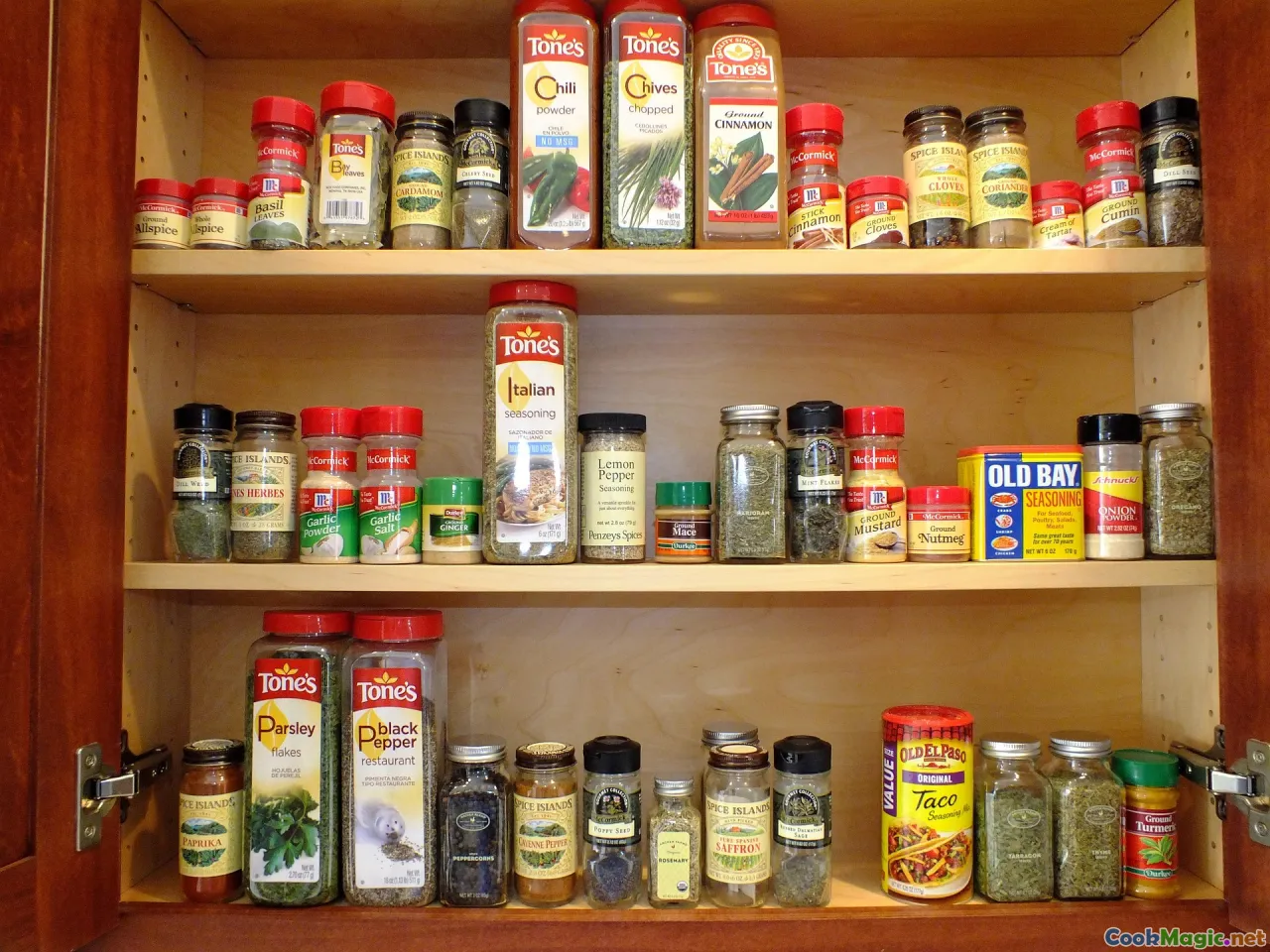
On the top shelf of my pantry sits a jar I haven’t opened for three years. It’s not precious because it’s rare—just pickled tomatoes—but because the label carries the scrawl of my grandmother’s hand, a summer when the tomatoes came early and the dill grew taller than my waist. The brine has gone slightly gold; a cherry leaf presses itself against glass like a pressed hand. I keep it as a totem, a reminder that a jar is a pause button, not only on the season but on the person who made it.
That is the Russian way of preserving. It is practical—salt percentages, safe vinegar ratios, sterilized jars—but it is also a long, slow tenderness. You lift the lid in January and the kitchen smells of August. You hear a kettle. You see a river stone on a saucer. You taste a green world and remember you put it there with your own hands, dill-stained and trusting, while the swallows skimmed the roofline and the sun stood still for one impossible hour.