Pide dough hydration and oven spring technique
38 min read Master Turkish pide with optimal dough hydration and reliable oven spring, covering ratios, mixing, fermentation, shaping, and high-heat baking techniques for a crisp rim and airy crumb. January 04, 2026 07:05
I still hear the scrape of the wooden paddle against the stone when I think about the Black Sea. In a narrow pide salon in Samsun, the baker lifted a canoe of dough from the bench with a practiced flick, slid it into the mouth of the wood-fired oven, and shut the iron door with the heel of his hand. The cry of gulls drifted in through the window, and so did the clean salt of the sea. In the minute that followed, the boat bloomed—edges reaching, blushing, then blistering—before he pulled it out to brush with molten butter that hissed and perfumed the room like toasted hazelnuts. He tore the tip and handed it to me without ceremony. The rim was crisp and shattery; the center, barely thicker than a thumb, opened up with steam scented by lamb fat and sweet onions. That brief, visible rising—the oven spring—felt like the dough’s heartbeat.
What oven spring means for pide
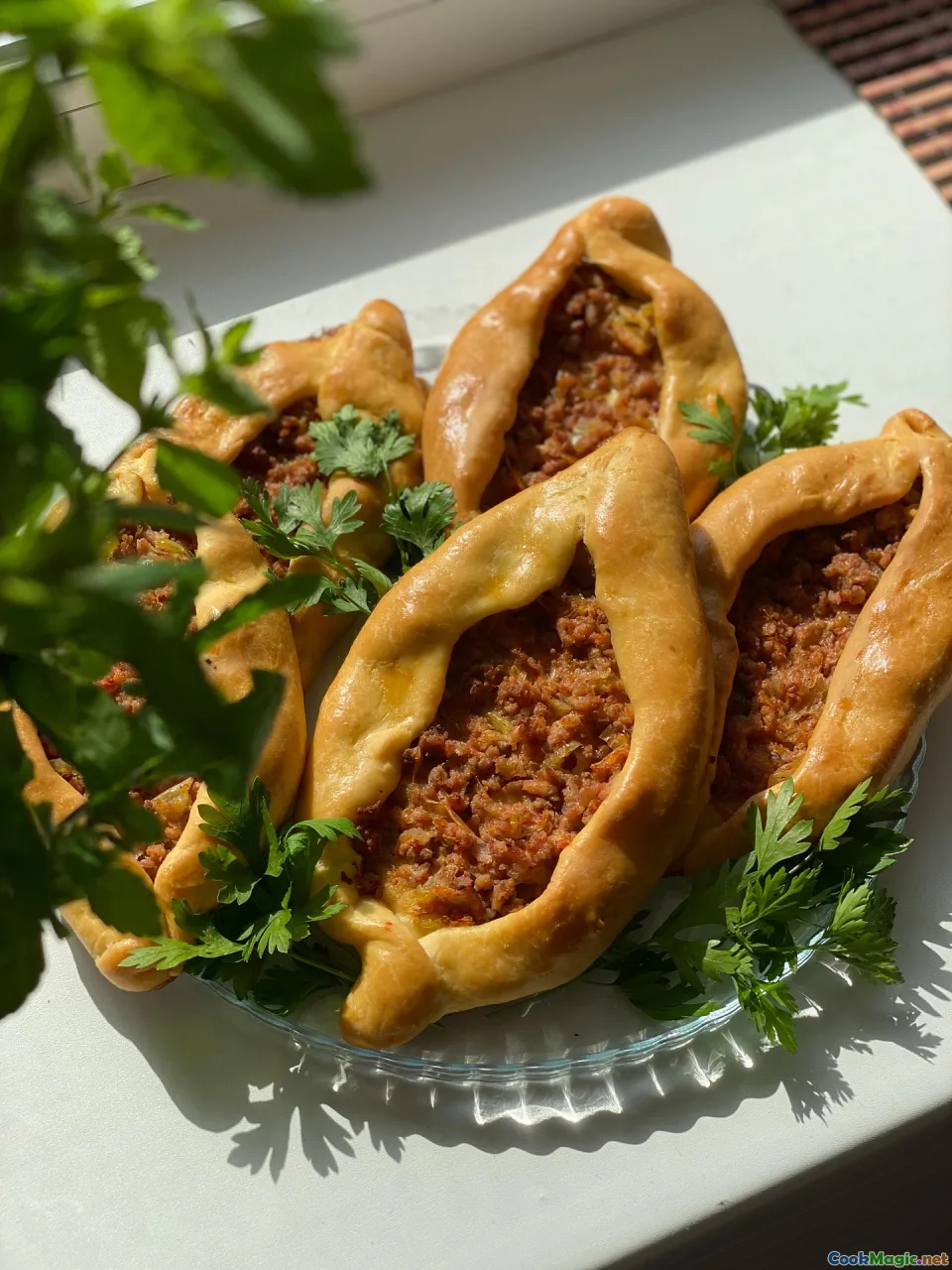
Oven spring is the last dramatic expansion of dough in the first few minutes of baking. For pide, it is body language and flavor promise in one: the quick lift that makes the rim stand tall and the center stay tender. It is a chorus of physics and craft—gasses expanding, water flashing to steam, starches gelatinizing, the gluten scaffold setting just in time to freeze that lift into an edible architecture.
If you bake pizza, you know the thrill of leopard spots and puffy cornicione. Pide is different. The shape—the kayık, or boat—demands a rim with backbone and a center that supports toppings without surrendering to them. The optimal oven spring pops the lip upward and inward slightly, sealing in heat and moisture over the filling like a ceramic lid. Each region of Turkey speaks a dialect of spring:
- Black Sea (Karadeniz) pidesi: long, narrow, deeply scooped center, with assertive, crisp-edged spring that frames melted kaşar or diced beef and peppers. Butter poured along the rim after the bake is customary and intoxicating.
- Central Anatolia’s etli ekmek and Konya-style pide: wider, flatter, with modest spring and an emphasis on balanced chew.
- Ramazan pidesi (the round, sesame-studded bread of Ramadan): higher hydration, deep dimples to temper excessive lift, and a fragrant, even bloom.
Getting the spring right is a negotiation with hydration, heat, shaping, and topping. In Turkish, there is a saying many bakers smile about: Su hamurun ruhudur—water is the soul of the dough. For pide, that soul has to be tuned to the oven and the topping, not just the flour.
A cultural map of pide styles
In Istanbul, near Beyoğlu, Nizam Pide slides out ovals beaded with chopped tomato and parsley, the rims lacquered with egg wash and scattered with nigella. In Trabzon, the dough is enriched just-gracefully to stand up to butter, with a slightly tighter crumb that still springs like a cat. In Samsun and Bafra, pides are long and golden, often split and finished with a beaten egg mid-bake so it sets glossy like a mirror. In the markets of Kastamonu, rustic pide meets etli ekmek halfway—broad and thin, built more for a measured swell than a dramatic spring.
These differences are not only aesthetic. They reflect the flours available (harder wheats near the plateau, softer blends near the coast), the oven type (wood-fired taş fırın with domed heat vs. flatter deck ovens), and the toppings that anchor the dough. A juicy kıyma mixture (minced lamb with rendered fat) begs the center to stay thin but resilient; a blazing white raft of kaşar wants a curb to keep it from escaping. Spring is choreography, and each region teaches a different dance.
Hydration: the quiet lever
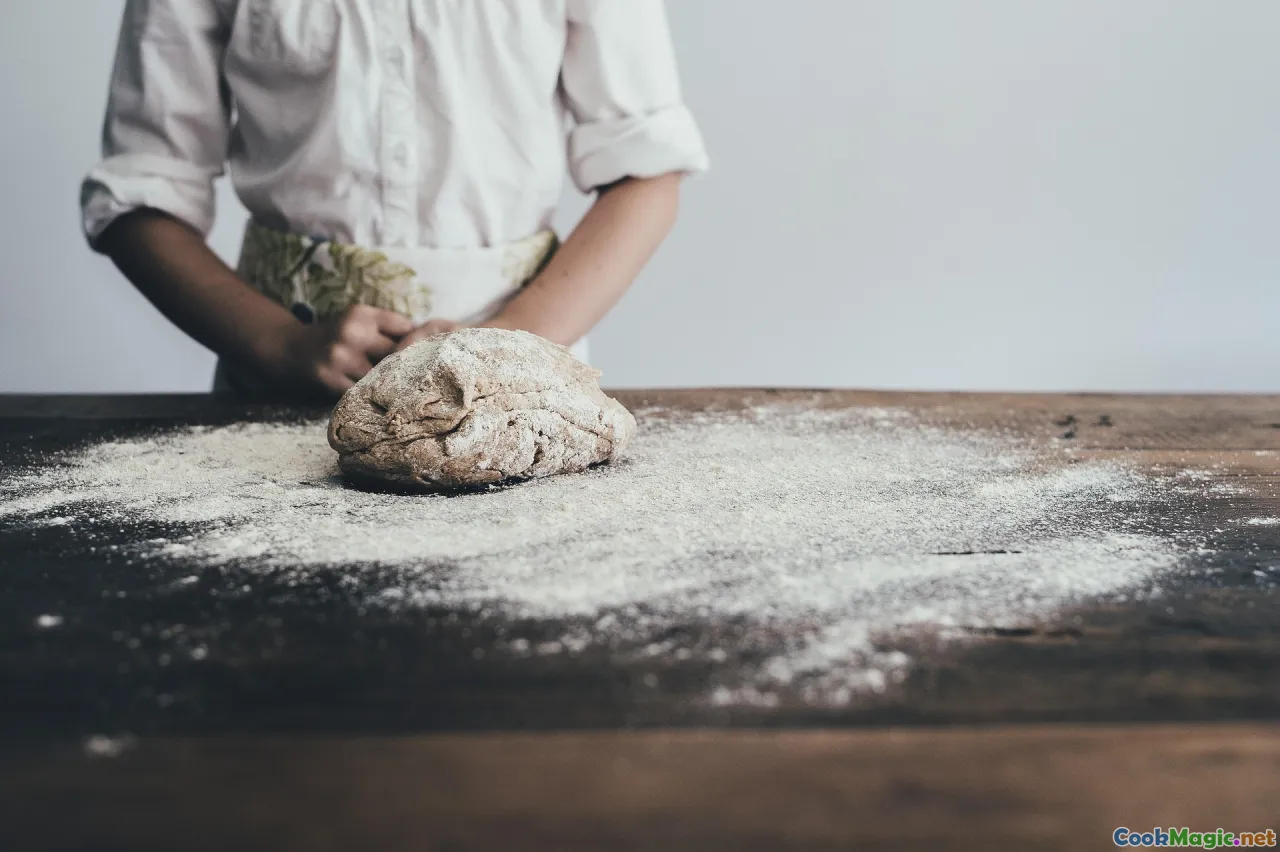
Hydration is the percentage of water relative to flour. In pide, it determines softness, extensibility, and what kind of spring you can pull from your oven. Too low, and you get tight crumb and shallow lift; too high, and your boat sags and steams into flab, especially under heavy toppings. Accuracy matters—just a few percentage points can separate crisp from soggy.
Suggested hydration ranges by style and oven environment:
- Classic Istanbul-style cheese or sucuk pide, home oven on steel: 60–63% hydration. Balanced spring, easy shaping, crisp rim that stays crisp.
- Black Sea style with butter finish, home oven on stone or steel: 63–66% hydration. Slightly higher to encourage an expressive rim and tender center.
- Ramazan pidesi (round, sesame-studded): 65–70% hydration. Dimples prevent ballooning; the goal is open, moist crumb and blistered surface.
- Modern airy experiments with preferments and steel under a broiler: 67–70% hydration. Requires deft handling and swift loading to avoid collapse; huge spring possible if your oven heat is aggressive.
Flour type constrains these numbers. Many Turkish bakers work with blended flours around 11.5–12.5% protein. If you are in North America with a strong bread flour (12.5–13% protein), you can push hydration up 1–2%. If your flour is softer (10.5–11%), drop hydration slightly or add a bit of vital wheat gluten (0.5–1%) to maintain structure.
Water temperature guides fermentation tempo. Aim for final dough temperature around 23–25°C for a balanced bulk ferment. Warmer dough will rise quickly and can blow gas too early, robbing you of oven spring later. Cooler dough ferments slower but tightens gluten, which can boost strength if you are working near the top of your hydration range.
The physics behind the bloom (explained simply)
In the first 90 seconds of baking, several processes collide:
- Dissolved CO2 in the dough expands with heat; yeast push a last sigh of gas before they die around 57°C.
- Water turns to steam, seeking escape. If the gluten network is elastic and the surface still flexible, that steam inflates the dough.
- Starch on the surface gelatinizes and then dries into a thin crust. When it sets too early, expansion is capped. When it sets too late, structure collapses.
Oven spring is maximal when dough strength and moisture are in tension. You want gluten that stretches but resists tearing, enough surface moisture to delay crust formation, and a fast, hot bake that sets the shape at its peak. This is why pide is brushed with a light wash—milk, egg, or just water—just before loading; the sheen slows crusting and supports expansion. It is also why the kayak rim is pinched and thicker: it acts like a levee for expanding gases, directing lift up the sides and keeping the center thinner.
Flour, salt, and the Turkish palate for dough

Anatolian wheats lean hard and flavorful. Traditional pide flour blends often include a portion of higher ash content flour that colors the crumb a shade warmer and enhances Maillard browning. At home, mix:
- 80–90% bread flour (11.5–12.5% protein)
- 10–20% all-purpose flour (for tenderness)
Some bakers add 1–2% olive oil to lend extensibility and a gentle crunch, especially in Istanbul-style cheese pides. Others insist on a lean dough and bring fat only as a post-bake brushed butter. Salt at 2% is standard, but when toppings are heavy with cured meats or briny cheeses, 1.8% helps maintain balance.
One old pastry chef in Kadıköy told me he uses chilled mineral water when the summer heats up. It is not mysticism; the cooler temperature moderates fermentation and the dissolved minerals slightly tighten gluten, aiding structure. If your tap water is soft, a pinch of calcium chloride (0.02%) can do the same thing—though most home bakers will be plenty successful without the chemistry set.
A baseline pide formula for home ovens

This method is tuned for a home oven with a baking steel or thick stone and yields crisp rims with lively spring. It makes four medium pides.
Dough (63–65% hydration):
- Bread flour: 600 g
- All-purpose flour: 100 g
- Water: 445–460 g (start at 445 g for 63.5%; adjust by feel)
- Instant yeast: 3.5 g (about 1 tsp)
- Salt: 14 g
- Sugar or diastatic malt: 5 g (optional, boosts browning)
- Olive oil: 10 g (optional for tenderness)
For finishing:
- Egg yolk + splash of milk (for rim gloss), or water for a lean sheen
- Sesame and nigella seeds for sprinkling if desired
- Melted butter or clarified butter for post-bake brushing
Toppings (keep moisture controlled):
- Kaşar cheese, coarsely shredded and patted dry
- Kıyma mixture: sauté 300 g minced lamb with onion, pepper paste, and spices; drain well
- Sucuk slices; roasted peppers; thinly sliced tomato (seeded)
Method:
-
Autolyse: Mix the flours and 420 g of the water until no dry flour remains. Rest 20–30 minutes. This hydrates starch and begins gluten development, improving extensibility and increasing spring.
-
Mix: Dissolve yeast and sugar in the remaining water; add to the dough with salt (and oil if using). Mix by hand or on low speed until cohesive, then knead 5–7 minutes until smooth and slightly tacky. Dough temperature should finish near 24°C.
-
Bulk fermentation: Place in a lightly oiled bowl, cover, and ferment at room temperature 60–90 minutes until 60–70% expanded. Perform two sets of gentle stretch-and-folds at 20-minute intervals. This strengthens the dough without degassing it harshly.
-
Divide and pre-shape: Portion into four equal balls (around 285–295 g). Lightly round, rest covered for 15–20 minutes to relax.
-
Shape the boats: On a lightly floured surface, gently pat and roll each piece into an oval about 30–35 cm long, leaving the center slightly thinner than the edges. Spread your chosen topping thinly, stopping 2 cm from the edges. Fold the long sides over by about 1.5 cm and pinch firmly at the ends to form tapered points. Dimple the center gently with fingertips to discourage big bubbles under the topping, but do not crush the edge.
-
Proof briefly: Transfer to parchment for easy loading. Cover and proof 15–25 minutes. The dough should feel airy but not slack; over-proofing kills spring, especially under toppings.
-
Preheat and load: Preheat your steel at 275–290°C (or the highest your oven allows) for at least 45 minutes. For an aggressive burst, set the steel on the second-highest rack and preheat the broiler for the last 10 minutes. Just before loading, brush the rim with egg wash or water, sprinkle seeds if using.
-
Steam and bake: Create initial steam by placing a small preheated pan on a lower rack and adding a handful of ice cubes as you load the pide. Bake 5–7 minutes until the rim is lifted and browned and the topping is cooked. If using the broiler trick, turn off broiler after the first 60–90 seconds to avoid scorching, then finish with bottom heat.
-
Finish: Brush the hot rims with melted butter. A squeeze of lemon over a meat-topped pide and a scatter of parsley bring perfume and acidity.
This formula leans modest in hydration so you can learn the feel. As you gain confidence, nudge water upward by 5–10 g per 700 g flour to see how spring and handling change.
Shaping that springs: the kayak and the lip

The edges are your architecture. Think of them as spring amplifiers:
- Thicker rim, thinner center: Roll the center thinner than the rim so lift concentrates on the lip while the center stays supportive.
- Pinch the ends decisively: A weak seal unzips in the oven, letting heat escape instead of bouncing around inside the boat.
- Keep toppings shy of the rim: A cheese strand draped over the lip acts like glue and can restrict lift.
- Dimpling as a throttle: Light dimples in the center prevent balloon pockets that detach the topping. Too deep and you bleed gas.
For Ramazan pidesi, shaping speaks another language. After dividing, flatten round discs, press the edges into a rope border using your knuckles, and stamp a lattice of deep diamond dimples with oiled fingertips. The pattern is more than decorative; it regulates spring and creates tiny reservoirs for sesame-scented egg wash.
Heat management and home-oven hacks
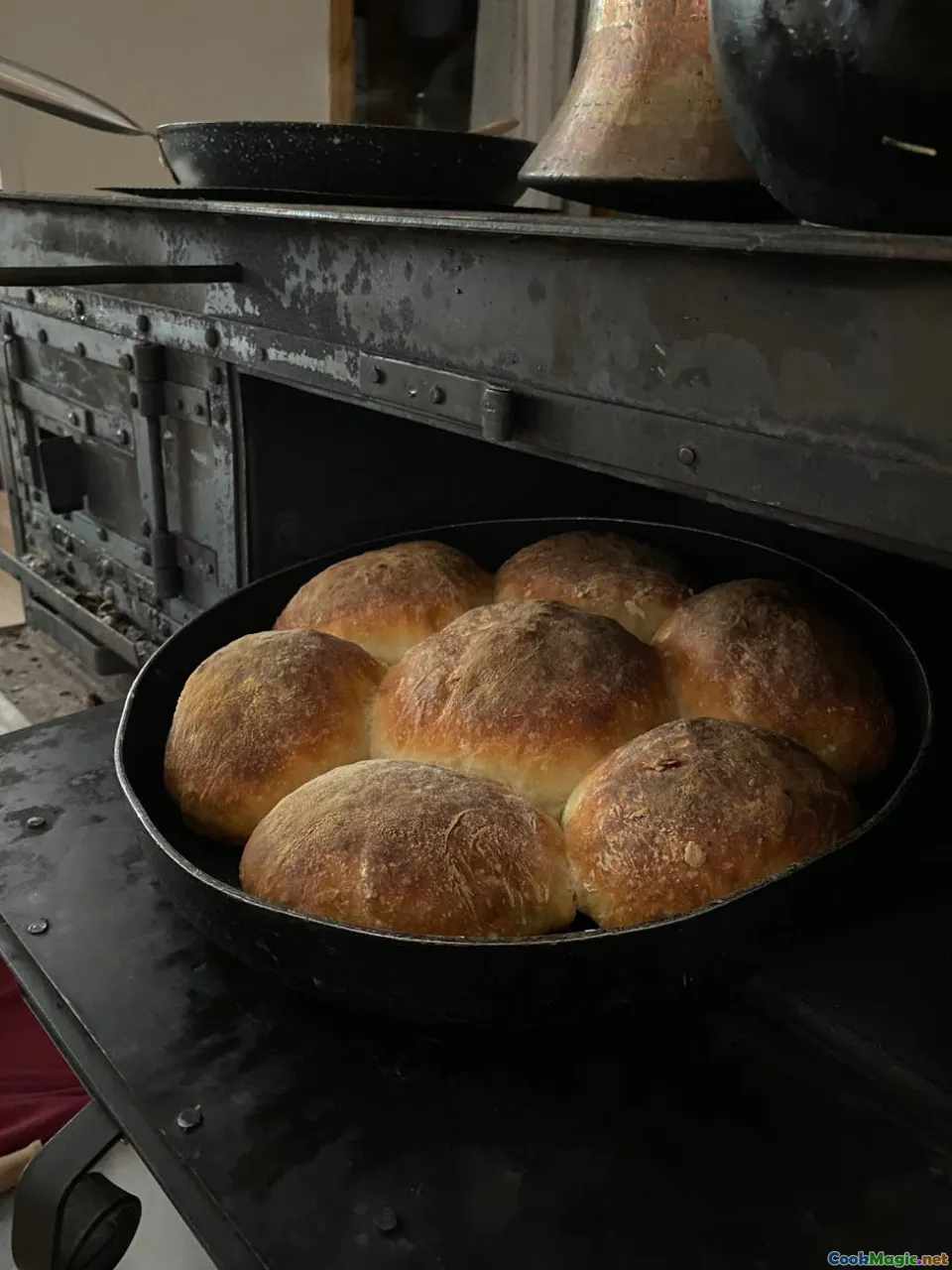
Wood-fired ovens give pide a fierce heat gradient: a blistering floor, radiant heat from a curved dome, and a quick onslaught of steam from the dough itself. To mimic that at home:
- Use a heavy baking steel. It stores more heat than stone and transfers it aggressively to lift the rim before it can dry out. Preheat at least 45–60 minutes.
- Employ the broiler. In the final preheat, run the broiler 10 minutes to supercharge the steel. During the bake, a brief broiler blast in the first minute can kick-start expansion.
- Create steam. A small preheated tray under the steel plus a few ice cubes or a splash of boiling water at load time floods the oven cavity, delaying crust set.
- Shield and rotate. If the rim colors too fast, tent loosely with a piece of foil for the last minute, or drop the rack one level.
- Work fast. Oven spring is time-sensitive. Load swiftly using a peel dusted with semolina. Doors open means heat lost.
Toppings and their influence on spring
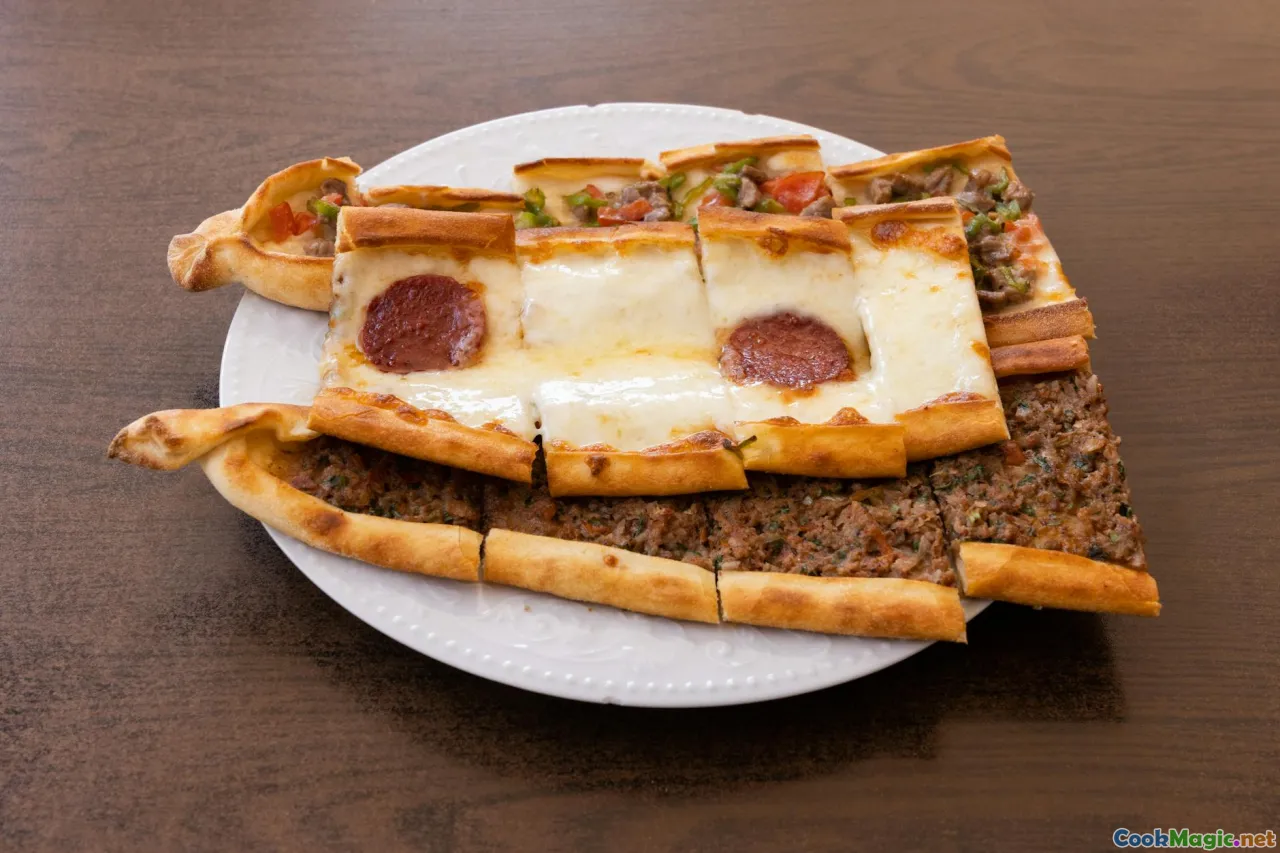
A topping can be a ballast or a sail. It all depends on moisture and momentum.
- Kıyma: Sauté and drain. Raw minced meat will shed water and fat that pool and sog the center. Pre-cook with onions and peppers, cool, then apply thinly.
- Kaşar: Shred coarsely and pat dry. Waterlogged cheese hampers lift and browning. Avoid loading too thick in the center; the cheese needs room to bubble.
- Sucuk: Slice thin. Its spices perfume the rim; heavy slices weigh down the center.
- Vegetables: Roast peppers and tomatoes ahead. Seed and deseed. A wet veggie layer is spring’s nemesis.
- Egg finish: For Black Sea pides, crack an egg onto the center 1–2 minutes before removing from the oven. The brief finish cooks the white, leaves the yolk runny, and avoids steam overload early in the bake.
Remember that toppings insulate. An un-topped pide will spring dramatically; a heavily topped one will rise less. Aim to build light and thin, letting the dough breathe.
Troubleshooting the rise
- Rim collapsed, pale, chewy: Likely underbaked or low heat. Push your steel higher, extend preheat, and ensure initial steam so the rim can lift before setting.
- Center soggy: Toppings too wet or dough overhydrated for your oven. Pre-cook and drain fillings, reduce hydration by 1–2%, and bake with more bottom heat.
- Minimal spring, tight crumb: Over-proofed dough. Reduce proof by 10–15 minutes, or chill dough briefly before shaping. Also check salt—too low weakens gluten.
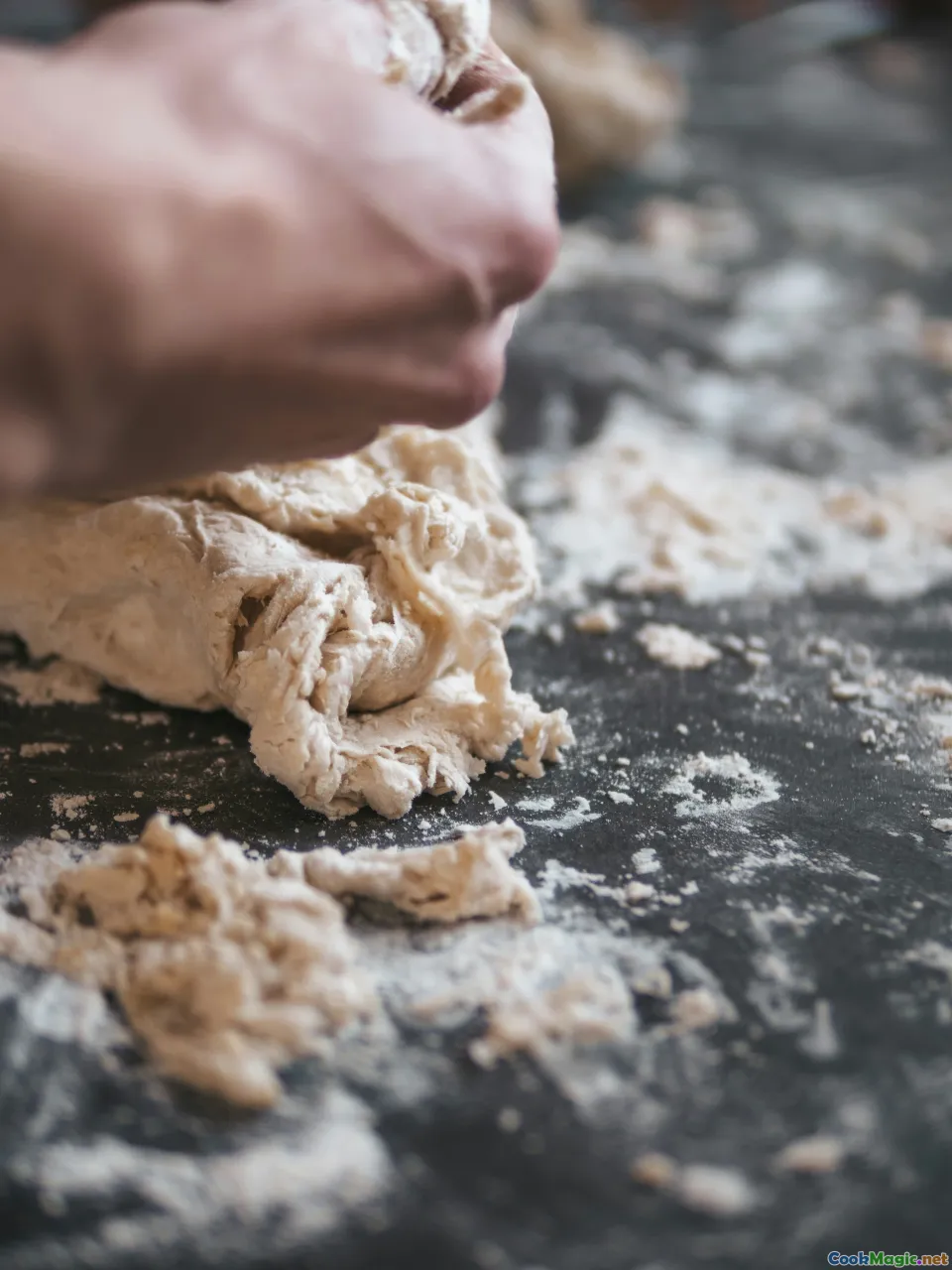
- Tears at the rim, uneven shape: Overworked dough or insufficient rest. Give the pre-shape bench rest; handle gently.
- Burnt bottom, pale top: Steel too low in the oven or broiler underused. Move steel up one rack; finish with a brief broiler kiss.
A morning lesson on the Black Sea

In Samsun, I stood behind the counter while the usta worked. He barely looked at the dough as he shaped; his eyes were on the fire. When I asked him about hydration, he pinched his fingers as if measuring salt. Water depends, he said—on the day, the flour, the wind from the sea. He mixed two buckets side by side: one at what I guess was 62% for meat and one about 65% for cheese. The first stayed tight enough to guard the juices; the second gave him a dramatic rim to corral the melted kaşar. As each came out, he dipped a brush into sizzling butter and painted the edges in confident strokes. The butter hit the hot crust and turned nutty and sweet, sending a scent that made even the baker’s assistant pause with the kettle of tea.
He tapped a pide with his knuckle. Hear that? he asked. It sang back, crisp and hollow, a small drum. If it thuds, too much water or too little heat. If it crackles, you did well. We ate standing up, wedges wrapped in paper. My fingertips smelled like browned butter all day.
Comparing pide oven spring to pizza and khachapuri
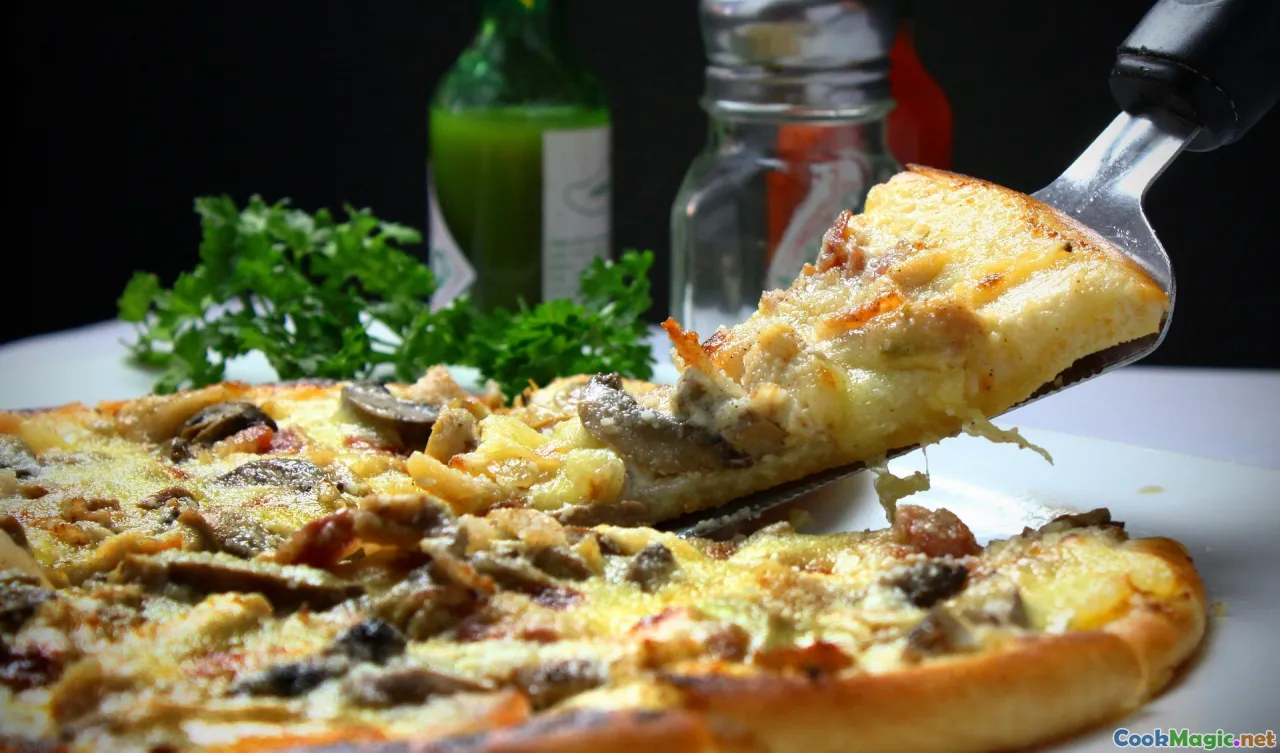
- Pizza Napoletana: Higher hydration is common (65–70%) with an ultra-hot top radiant heat. The goal is explosive, leopard-spotted cornicione and a soupy center. Pide’s rim wants to be crisp and supportive, not just puffy, and the boat shape contains toppings differently.
- Georgian khachapuri: A cousin by shape, often enriched with milk or yogurt and heavy cheese. Many khachapuri doughs sit lower in hydration but with fat enrichment, trading spring for tenderness. Pide leans lean; its butter comes after, preserving the lifted structure.
- Ramazan pidesi: Closer to Turkish flatbreads like bazlama in flavor, but baked hotter and wetter with aggressive dimpling. Its oven spring is tamed deliberately to keep the round flat-ish and open-crumbed.
Understanding these relatives clarifies why pide dough has to walk a specific line: enough elasticity for a proud rim, enough extensibility to avoid tearing in the oval, and enough restraint to keep the center from ballooning under weight.
Advanced levers: preferments, sourdough, and malt
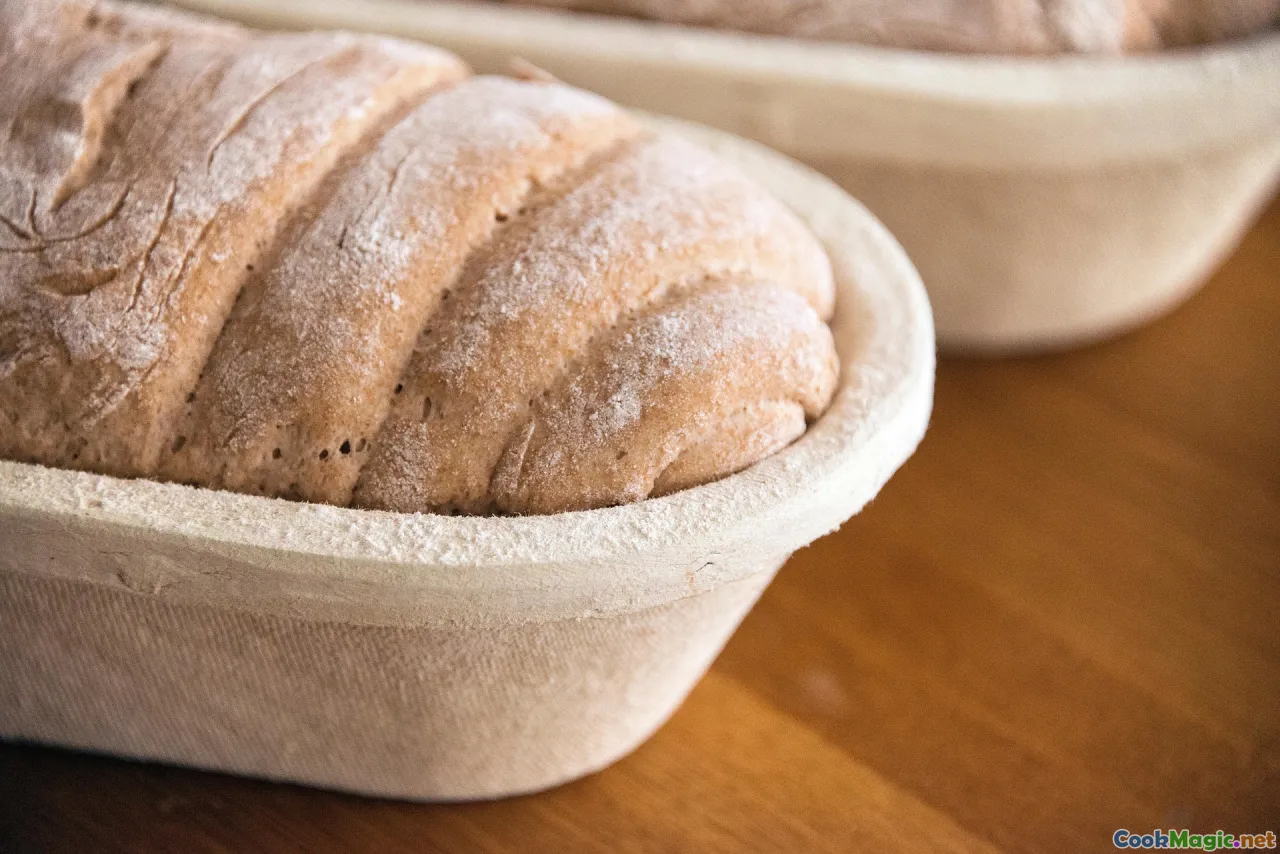
If you want more aroma and a buoyant spring without ratcheting yeast too high, preferments are your friend.
- Poolish: Mix 100 g bread flour, 100 g water, and a pinch of yeast; ferment 10–12 hours at room temperature until bubbly. Replace equal flour and water in the main dough with the poolish. Expect increased extensibility and fragrance.
- Biga: A stiffer preferment (45–50% hydration) built the night before gives extra backbone to high-hydration pides.
- Sourdough: Use a 20% inoculation of ripe, mild levain and extend bulk. The acidity tightens gluten slightly, aiding spring, and the flavor sings with butter. Watch acidity; excessive acid can weaken gluten.
- Diastatic malt: 0.2–0.5% of flour weight can encourage browning and oven spring by feeding yeast and improving starch gelatinization. Too much leads to gummy crumb.
Preferments also smooth the texture across the rim and center: the lip sets with satisfying snap while the belly stays moist and tender.
Ramazan pidesi: a special case of spring

Ramazan pidesi carries memory with it. In late afternoon light, lines form at bakeries, children grip paper-wrapped, seed-studded, golden discs, and the smell of toasted sesame trails down the street. Hydration here is higher—65–70%—because the bread is meant to be airy and tearing, not coy and crisp. The technique shifts:
- Mix a wetter dough and develop gently, relying on time to build structure.
- After bulk, shape into rounds and press a ring border with your knuckles.
- Dimple a deep lattice with oiled fingers—diamonds you can feel.
- Brush with an egg-yogurt wash, sprinkle sesame and nigella.
- Bake with steam. The goal is a bronzed surface with blistered bubbles and a tender, springy crumb that sighs when torn.
Here, oven spring is moderated by the dimpling pattern, keeping the loaf from doming and ensuring even thickness for communal breaking at iftar. The spring is still there—it’s just guided and poetic.
Textures and finishes that make emotions
A good pide engages all the senses:
- Sight: The rim blisters in tiny constellations. The butter glistens on the crags. Cheese pulls in shining ribbons.
- Sound: A gentle crackle on the first tear; a quiet exhale of steam.
- Smell: Butter toastiness, sweet wheat, the peppery thrum of sucuk, the green brightness of parsley.
- Touch: The rim is crisp without hardness; the center tender but not floppy, springs back from the lightest press.
- Taste: Wheat sweet, butter nutty, a whisper of smoke if wood-fired; a squeeze of lemon pierces the richness.
These textures are inseparable from oven spring. The lift creates micro-cells that hold aromas and give the crust more surface to brown. The butter brushed over hot bubbles pools in nooks and spreads fragrance with every bite.
A sensory tour of specific places
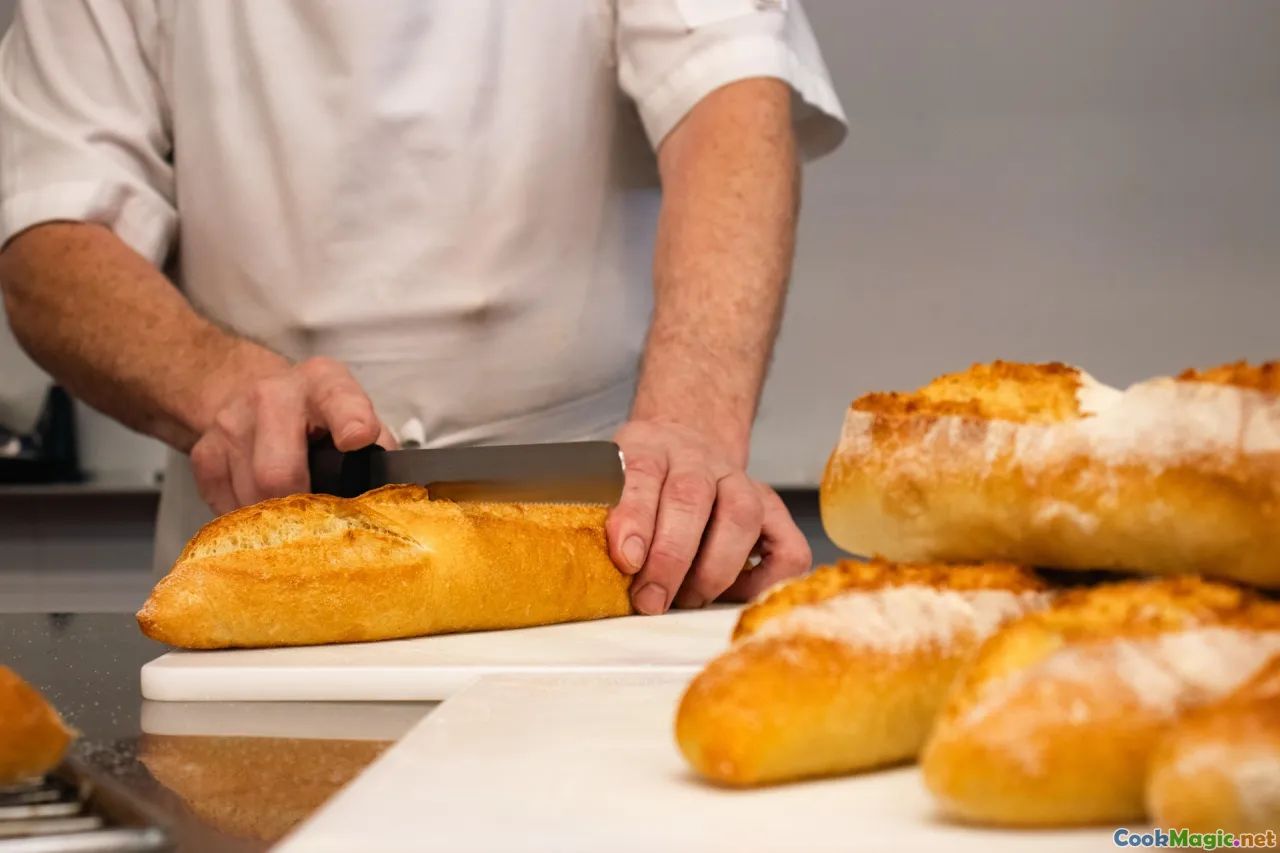
- Istanbul, near Istiklal: At Nizam Pide, order a kıymalı-kaşarlı. Sit by the window where you can see the oven. Watch the baker stretch the oval thin and flick it onto the deck. The rim will stand almost imperiously, spring sharpened by a hot steel deck under an electric dome. The kaşar will volcano and settle.
- Trabzon’s back streets: The pide here wears butter like a medal. The spring is decisive but modest, the crumb more continuous. Order kuşbaşı (diced beef) with green peppers; the aroma is bright and beefy.
- Samsun’s seaside: Long pides fired to a deep gold. Ask for an egg-cracked version. The yolk will spread and gloss the center; the rim will flare like a ship’s prow.
These places recalibrate your senses. You begin to notice the tiny differences in spring from bakery to bakery, how one usta’s hydration tastes like a wetter kiss of butter, how another’s higher heat echoes in the rim’s crispness.
Hands-on tips for better spring at home
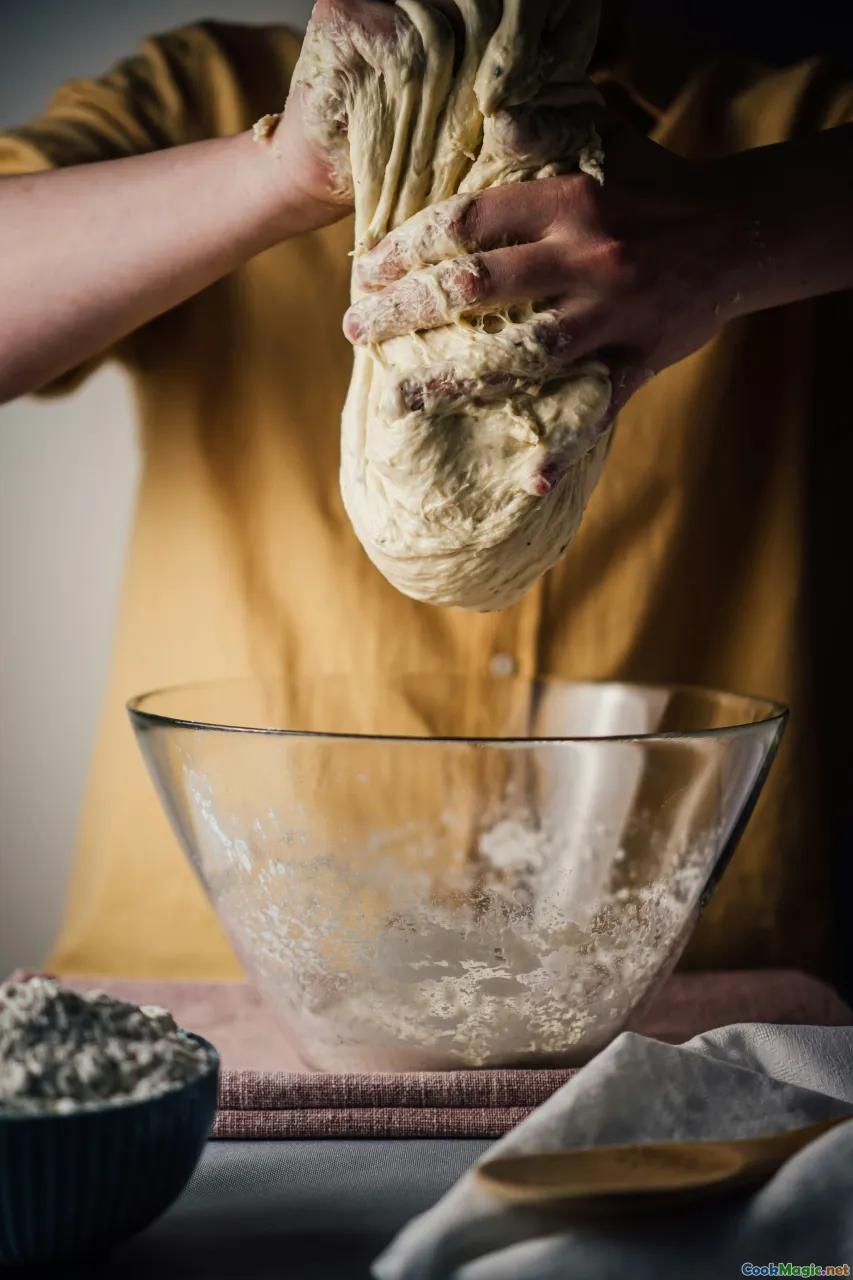
- Measure by weight. Hydration tuning is impossible with cups.
- Autolyse. A short rest before adding salt and yeast creates extensibility without over-kneading.
- Strength without brutality. Fold, don’t pummel; you want gas pockets to survive until the oven.
- Proof shorter than you think. Especially with toppings, under-proofing slightly ensures the oven brings the final drama.
- Keep dough cool. Warm dough can ferment too fast, draining spring. If your kitchen is hot, use cooler water and shorter times.
- Load fast, close the door. Heat lost is spring lost.
- Steam early, dry late. The first minute loves moisture; the last minute loves a dry blast for crisping.
- Butter after, not before. Brushing pre-bake softens crust and impedes expansion; post-bake preserves the lift and adds fragrance.
A brief analysis of why small changes matter
Hydration adjusts dough viscosity, which changes how quickly gas bubbles coalesce and how easily gluten films stretch. Temperature controls yeast metabolism and enzyme activity; both affect gas production and gluten modification. Salt tightens protein networks; too little yields slack dough that can expand early and collapse. Topping moisture modifies heat transfer at the surface; wet toppings keep the surface cooler, delaying browning and potentially overextending the spring window.
When you change one variable, the others react. Raising hydration? Counter with slightly cooler dough and a tighter pre-shape. Heavier toppings? Reduce hydration 1–2% or increase rim thickness. Lower oven capacity? Use the broiler boost and bake one pide at a time.
Sourdough pide: when patience pays
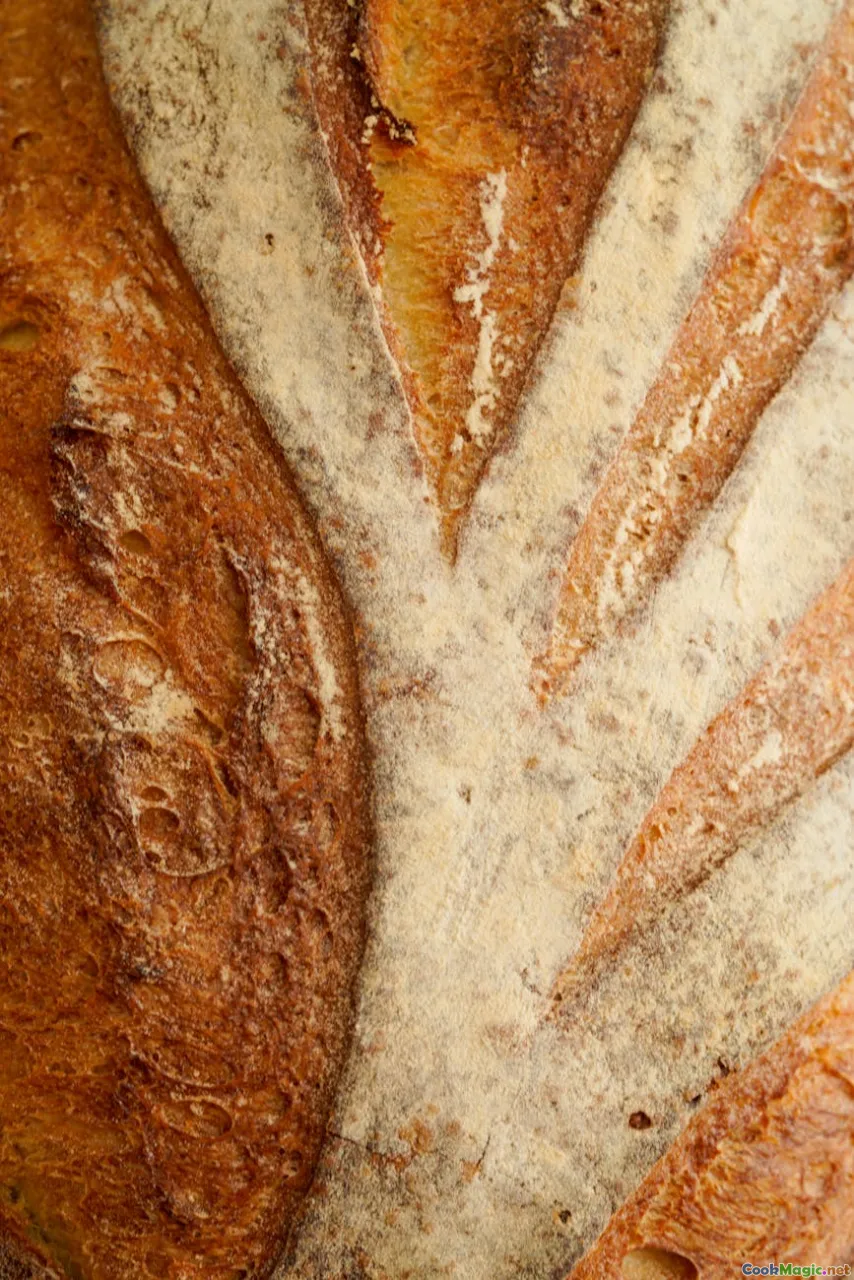
A 20% inoculation with a mild, recently fed levain can make a pide that is both aromatic and buoyant. The method aligns with the baseline formula but stretches time:
- Levain build: 100% hydration, ripe within 4–6 hours.
- Mix and autolyse as above, then add levain and salt, holding back a bit of water to fine-tune.
- Bulk until 50–70% rise with 3–4 gentle folds in the first hour.
- Cold retard: 6–12 hours at 4°C for flavor and handling ease.
- Shape straight from the fridge if the dough is lively; proof a little longer at room temp; bake hot with steam.
Sourdough acid tightens gluten and can amplify oven spring if not excessive. The flavor with butter is haunting: dairy sweetness meets lactic tang.
Serving ritual: what to drink, what to scatter
Pour tea—dark, tannic, glass tulips that warm your fingertips. Or whisk ayran: yogurt, cold water, pinch of salt, frothy and palate-cleansing. A plate of crisp pickled peppers and a bowl of chopped parsley and onions with sumac turn each slice into a miniature feast. Drizzle a shy thread of peppery olive oil over cheese pide; squeeze lemon over kıyma or kuşbaşı; finish with a dusting of Aleppo pepper if you like a smoky hum.
The table tells stories: friends leaning in, children negotiating for the pointy end, that collective mmm when butter hits the hot crust.
The memory you bake into the rim

In a village near Ordu, a grandmother taught me how to cover a proofing bowl with a damp, thin towel that smelled faintly of sun and soap. She did not measure hydration in grams but in how the dough clung to her fingers and then let go. She would say the dough should sigh when you press it, not groan. It should expand like a breath when it meets fire, not struggle. Her oven was a simple stone chamber; her pide was modest, brushed with butter from the family’s cow.
I still follow her counsel while dialing modern percentages. I prod the dough with a knuckle and listen for that promise of spring; I keep my steel hot and my toppings restrained; I brush butter on the lifted rim not only because it tastes right, but because it marks the moment—the bloom caught and honored.
Bake a pide and you hold a small piece of the Black Sea in your hands. The hydration you choose speaks of where you are and what oven you have. The spring you coax is your conversation with heat and time. When it works, the rim rises like a shoreline under first light, and the center breathes perfume. You tear, you share, and the memory clings to your fingers long after the last crumb is gone.