Optimizing Oven Placement for Evenly Baked Goods
38 min read Master rack positioning, pan rotation, and convection settings to banish hot spots and achieve evenly baked cookies, cakes, and breads in any oven. January 16, 2026 07:05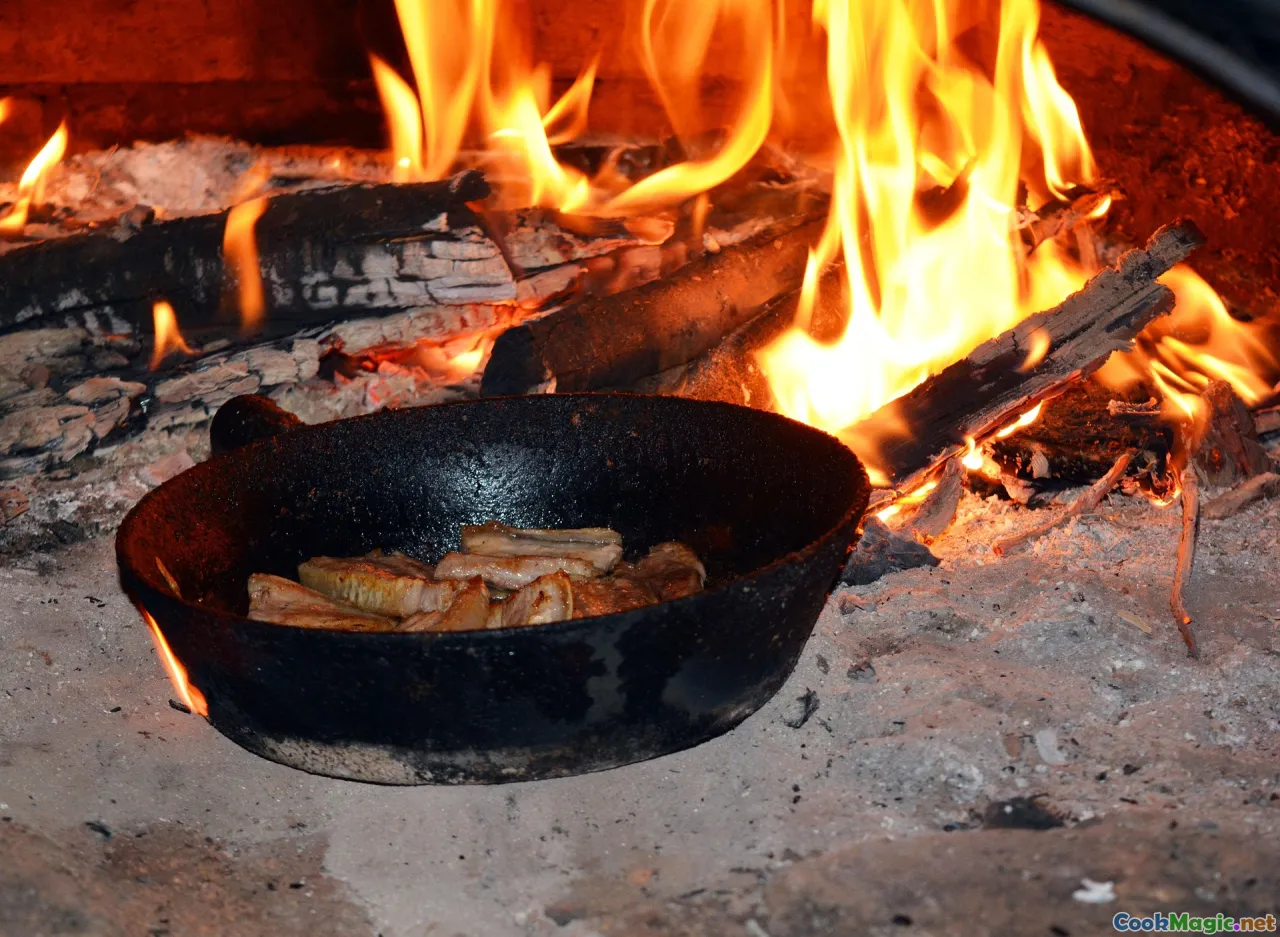
Optimizing Oven Placement for Evenly Baked Goods
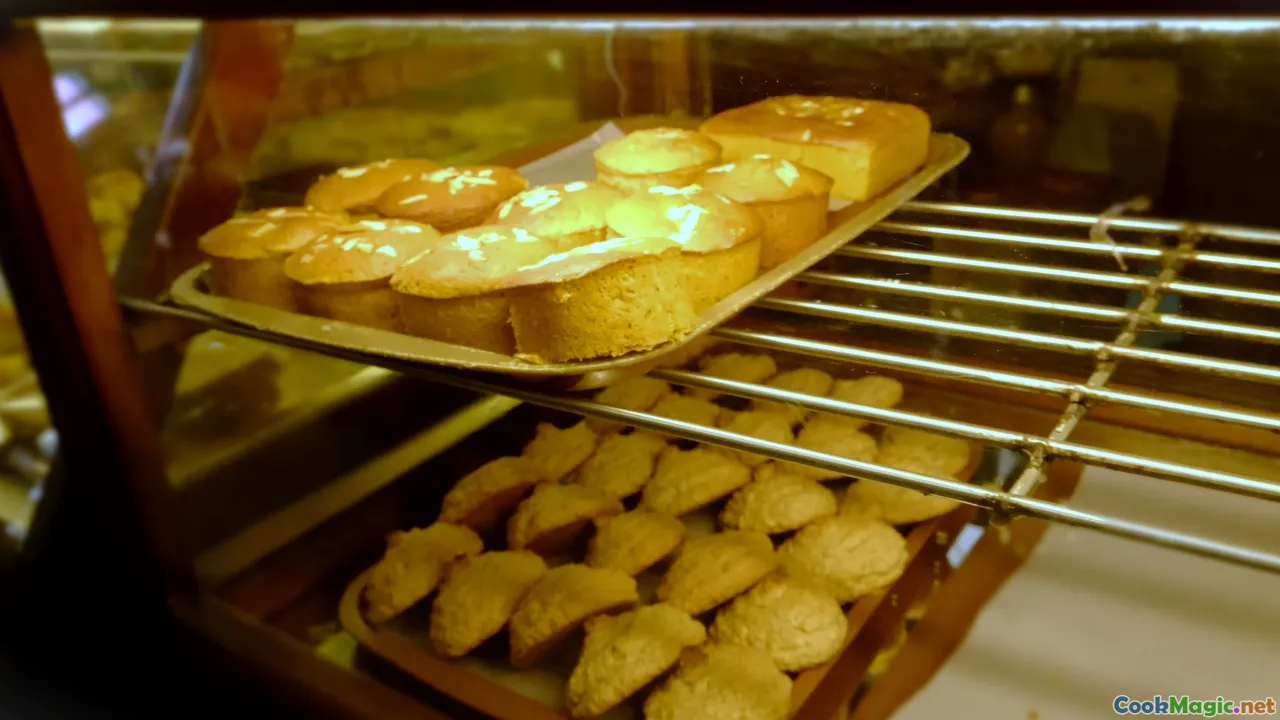
On calm Sunday mornings, before the streets wake, I hear the faint hum of my apartment’s old gas oven, like a shy clarinet warming up. The flame glows blue and steady, but the heat it gives is anything but uniform—more like a bustling neighborhood than a quiet suburb. I learned that the hard way one November when I pulled out a sheet of sesame cookies: the ones in the back were auburn and nutty, whispering of toasted tahini, while their front-row cousins remained pale and shy, smelling only of raw flour and butter. It felt like the oven was a storyteller favoring certain cookies with character development and leaving the others as background extras.
It doesn’t have to be that way. Oven "placement"—where you put your pans, stones, trays, and racks—is the quiet choreography that turns a tray of ingredients into a chorus. It’s about mapping invisible winds, wooing heat, and coaxing even color so your puff pastry sings with crispness and your sponge cake exhales the faint perfume of vanilla from edge to center. No expensive gadgetry, no mystical incantations. Just attention, a few rituals, and a willingness to listen to what heat wants—because heat, like a good dinner guest, is happiest when given a clear seat.
The Invisible Geography of Heat
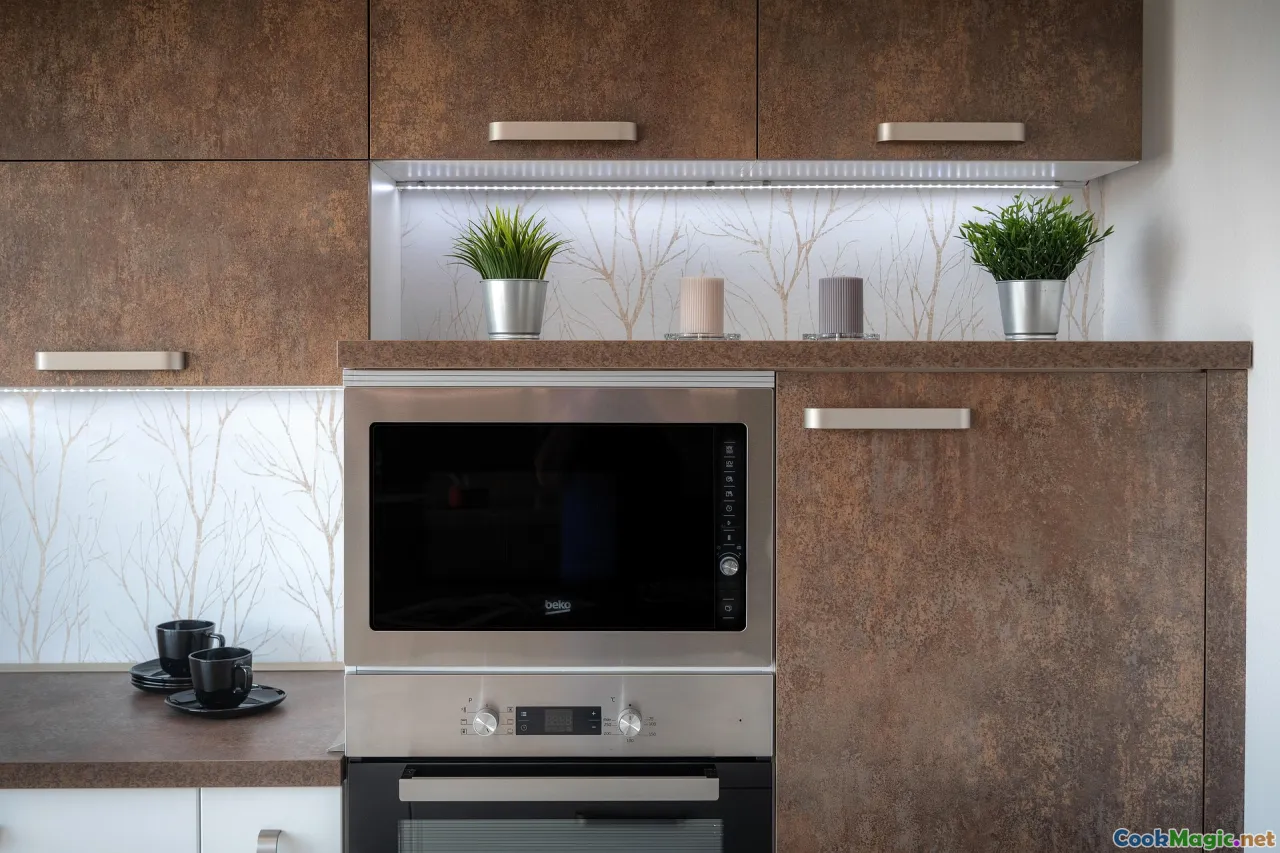
I like to think of an oven as a small city with districts: radiant heat from the walls and ceiling, convective currents that swirl like buses between neighborhoods, and pockets of still air where a cake can nap undisturbed. In a conventional (non-fan) oven, heat rises—so the upper rack tends to be warmer and better for browning. The bottom, especially near a gas flame or electric element, can be aggressive—great for crisping pizza bases or pie bottoms, but risky for delicate pastries. The middle? Usually a diplomatic zone, moderate and even.
Convection ovens complicate the map, adding a fan that stirs hot air. Think of it as a lively street market where everyone is forced to mingle. This can be wonderful for uniform browning and faster cooking, but also dehydrating if you’re not careful. The fan can push heat around corners, hitting your croissant at an unexpected angle like a gust that lifts a scarf.
Heat is also memory. Thick oven walls, a preheated stone or steel, even the shape of your pans accumulate warmth and release it differently. A cast-iron skillet radiates like a hearth fire; a thin, shiny aluminum sheet pan reflects and cools quickly. The trick is to respect how those sources talk to your triad of heat: radiant, convective, and conductive.
Know Your Oven: A Cultural Tour of Oven Personalities
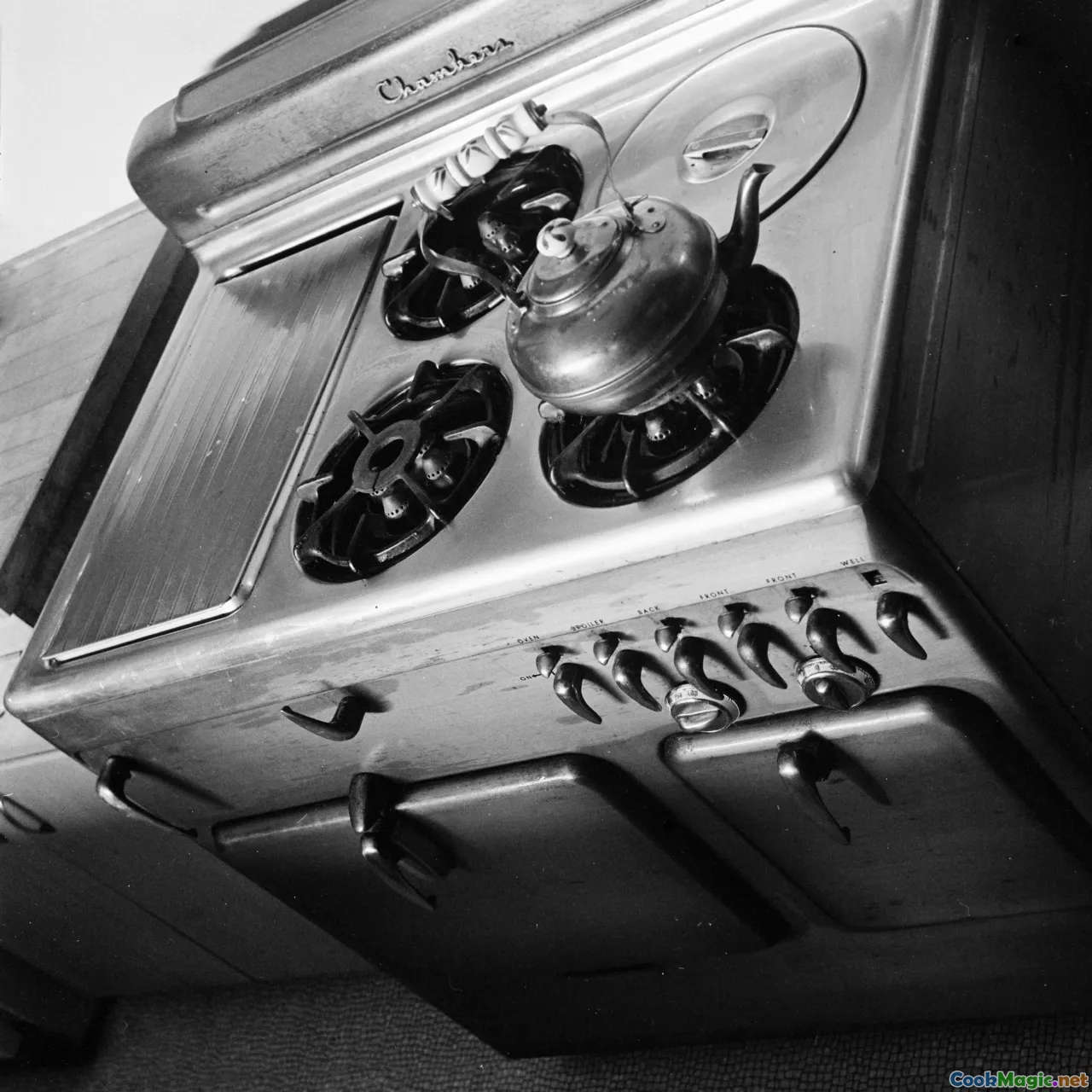
I’ve baked babka in a Brooklyn brownstone’s 1960s gas oven that ran capriciously hot and croissants in a sleek Lyon apartment with a modern electric convection unit that made every fold precise. In Marrakech, I watched a baker slide rounds of khobz into a communal wood-fired ferran; the baker placed loaves closer to the mouth for gentle heat and pushed bolder, sesame-dusted breads deeper for formidable browning. Placement is not just a technical choice—it’s cultural choreography.
- Old gas ovens: Expect stronger bottom heat and side-specific hot spots. Place delicate cookies on the middle or upper rack. For breads, position your baking stone on the lower-middle rack and preheat longer to buffer that direct flame.
- Electric ovens: They carry more even heat with a top and bottom element and heat that often cycles predictably. Middle rack is reliable for cakes; top rack helps finish a gratin with gentle browning.
- Convection ovens: Drop your recipe temperature by about 25°F (15°C) and reduce time slightly. Center rack usually works best because the fan circulates around it.
- Countertop toaster ovens: Small spaces mean rapid radiant heat and minimal thermal mass. Use the lowest rack for pizzas and the upper for quick browning. Shield delicate tops with foil if they color too fast.
Each oven has a voice. Some hiss; some hum; some smell like toasty dust when you’ve neglected a deep clean. Learning to place your tray is learning to listen to that voice and answering with a gesture: here, center; there, lower rack, rotated once; now, lift to the top for a kiss of color.
The White Bread Map and the Sugar Test: Charting Hot Spots at Home
Two simple tests will reveal your oven’s personality without guesswork.
- The White Bread Map
- Place a rack in the middle. Lay slices of inexpensive white sandwich bread in a single layer across a rimmed sheet pan, edge to edge.
- Preheat to 375°F (190°C). Bake for 8–10 minutes.
- Pull the tray and inspect: where the bread is mahogany, your oven runs hotter; where it’s blond, cooler.
- Note the pattern. In my old oven, the back right darkened first; in a friend’s Paris flat, the left side seared while the front remained pale.
- Adjust your baking strategy: rotate trays halfway, or position sensitive items (like macarons) toward the cooler zone.
- The Sugar Melt Test
- Sprinkle a thin, even layer of granulated sugar on a parchment-lined sheet pan.
- Bake at 375°F (190°C) for 7–12 minutes, checking carefully.
- Sugar melts at about 366°F (186°C). Where it liquefies or caramelizes first, that’s a hot zone; where it stays granular, cooler.
These tests are oddly soothing: the sweet smell of caramel and the sight of bread sketching a thermal map. Tape a note inside a cabinet: Back-right hot; front-left cool. That note will save your pâte à choux from burning at the edges and give your biscotti a uniform bronze.
Rack Heights Decoded: When to Go High, Low, or Center

- Upper rack: Best for dishes that need a quick browning on top—gratin dauphinois, focaccia finishing with olive oil and rosemary, the last three minutes of a tray of butter cookies for deeper flavor. Upper heat emphasizes radiant energy from the top of the oven, giving a burnished color.
- Middle rack: The diplomat. Use for cakes (genoise, chiffon), muffins, and most cookies to balance even heat with minimal bottom scorching.
- Lower rack: Where you court the bottom heat. Ideal for pizza on a stone, pie crusts that need crisping, and high-hydration breads seeking a robust base. Pair with a preheated baking steel to create explosive oven spring.
Remember: in many home ovens, the difference between racks can be 15–25°F (8–14°C). That’s the difference between a Basque cheesecake with a languidly blackened crown and one that’s timidly tan.
Sheet Pan Tetris: Arrangement and Spacing for Even Baking

Every time you load a tray, you’re deciding how air moves. Give your baked goods room to breathe. Crowding forces steam to linger, dampening crispness and muting browning.
- For cookies: Space 2 inches apart; air needs to circulate not just around the pan but between each cookie. A pan crowded with chocolate chip cookies smells divine—molten butter and caramelized sugar—but will bake unevenly. Edges touching stay pale; corners burn.
- For pâte à choux: Pipe in staggered rows. Choux puffs like drama queens—they need personal space. Placing them near the center of the middle rack helps them rise tall without scorching.
- For vegetables (when you’re baking alongside dessert; we’ve all done it): Use two pans on separate racks and rotate. If you must share a rack, leave a vent strip at the back or front—an inch or two of exposed sheet—to let hot air race by.
- Single vs double pans: If the bottom of your cookies browns too quickly, nest your baking sheet on top of an inverted second sheet. This creates a buffer of air, moderating the bottom heat.
The Alchemy of Metal: Pan Colors and Materials Change the Rules

Metal talks to heat like a violin to a bow. Different materials and finishes make music differently.
- Light, shiny aluminum: Reflective, cools quickly, promotes even baking. Great for sugar cookies and sponge cakes.
- Dark nonstick: Absorbs heat aggressively. Expect faster browning. Place on the middle or even upper rack to avoid over-baked bottoms; reduce oven temperature by 15–25°F (8–14°C) if needed.
- Insulated cookie sheets: Two layers with air in between to slow bottom browning. Useful for meringues or palmiers.
- Stone or steel: Thermal beasts. A baking stone gives a more gentle, steady heat; a steel is intense and conductive, fabulous for pizza and tart shells. Place them on the lower-middle rack for breads and pizzas; on the middle rack for galettes if you want a crisp base without over-coloring the edges.
If you switch pans, adjust placement. A dark metal tart ring on the lower rack will brown before you’ve brewed your tea. Slide it up a notch.
Rotate, Flip, Vent: Micro-Movements That Save Bakes
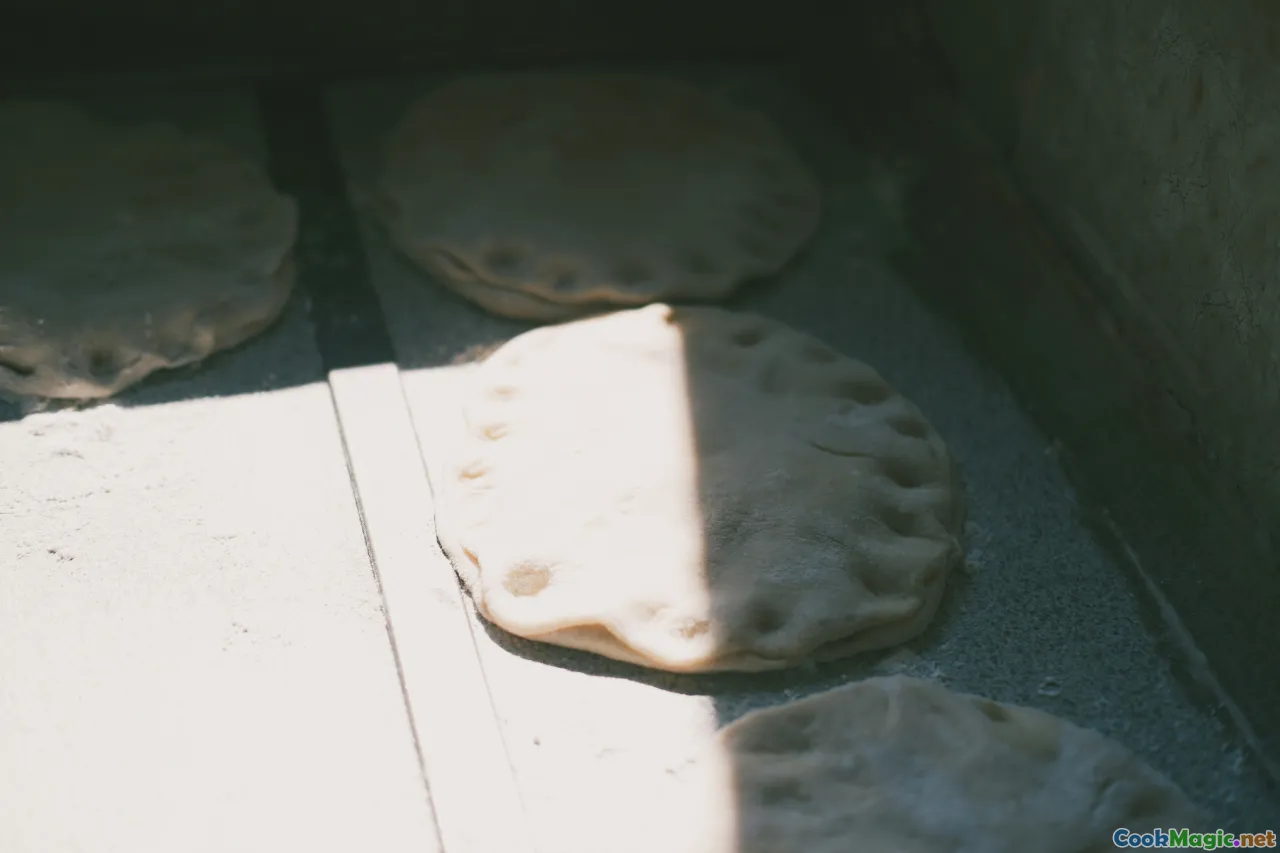
I learned a rotation ritual from a pastry chef in Lyon whose mille-feuille layers were sharp enough to cut envy. At exactly halfway through the bake, he rotated sheets 180 degrees. In a stacked bake (two trays), he also swapped racks. The timing was as precise as the smell of just-browning butter.
- Rotate 180 degrees halfway through for cookies, scones, and pastries. This counters side-to-side hot spots.
- Swap upper and lower racks when baking two trays. Do it quickly to avoid heat loss—swift as a cat sneaking through a door.
- Vent briefly if needed. Crack the oven door for five seconds in the last 10 percent of baking to release steam and encourage crisping. This works particularly well for eclairs and choux.
- Shield with foil if the top browns too fast. A loose tent prevents scorching while the interior finishes.
A Tale of Two Cheesecakes: Storytime from My Test Kitchen

I once baked two New York cheesecakes for a dinner party celebrating my friend Renée’s new cookbook. Same batter: Philadelphia cream cheese, sour cream for tang, a whisper of lemon zest. Same springform pans. Different placement.
Cheesecake A sat in a water bath on the lower-middle rack; I preheated a baking stone beneath to stabilize the heat. Cheesecake B perched on the upper-middle rack with no bath. The room smelled like a dairy dream—warm cream, vanilla’s floral hum, graham crackers blooming with butter.
The results: Cheesecake A was silky, with a custardy wobble, zero cracks. The water bath moderated the heat and the lower rack shielded the top from aggressive radiation. Cheesecake B looked handsome at first—bronzed and tall—but cooled with a crevasse worthy of a glacier. The upper rack exposure overdried the surface while the interior lagged, a classic placement mismatch.
Now my ritual: water-bath cheesecakes on the lower-middle rack, ideally over a preheated slab for steady bottom heat; quick browning at the end on the upper rack only if needed. The smell of that perfect cheesecake—the warm tang that drifts into the hallway—still takes me back to that night, to clinking glasses and the hush that fell as the first fork cracked through the glossy top.
Around the World in Heat and Placement
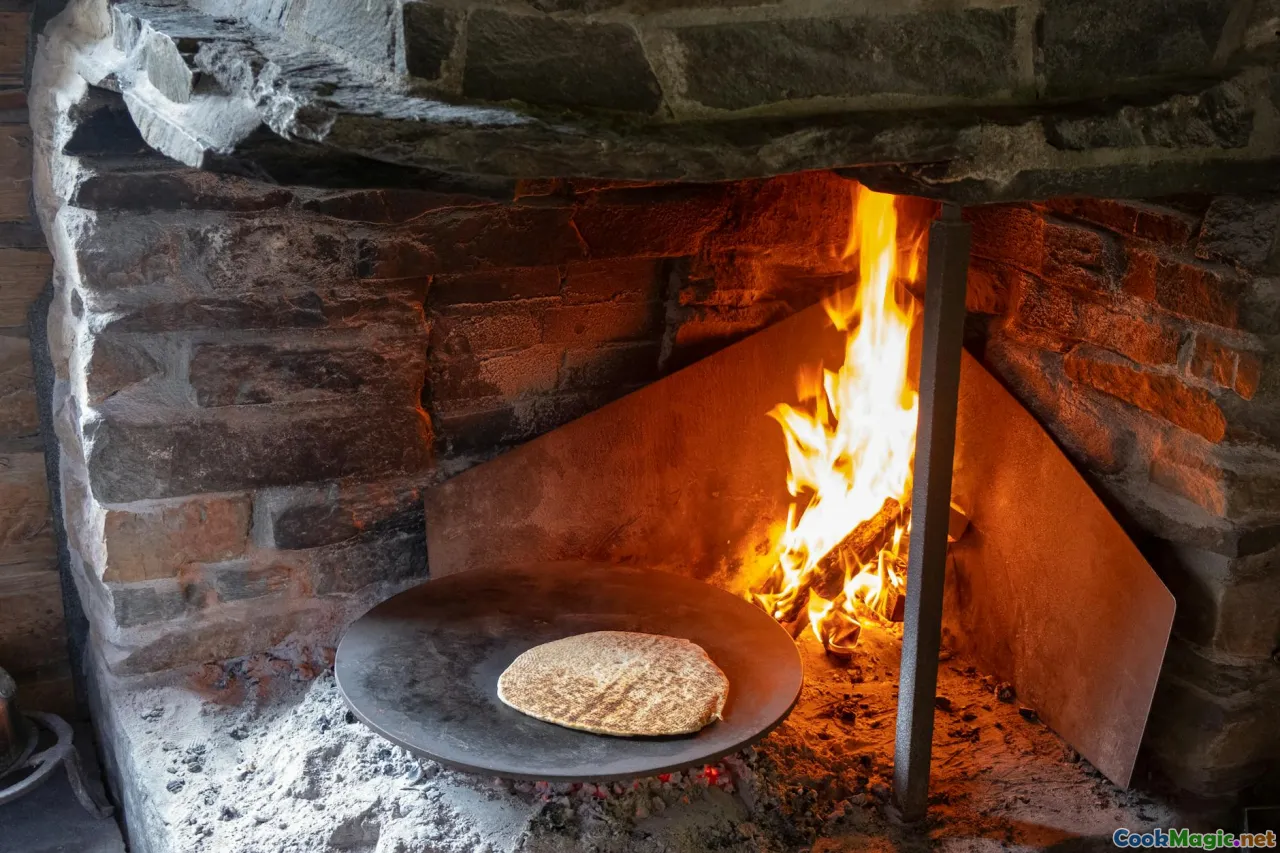
In a Georgian tone oven, bakers slap dough against the clay walls; the topmost heat chars bubbles into leopard spots while the lower zones bake the interior tender. Placement determines the bread’s personality. In Morocco’s communal ovens, the ferran master reads the fire’s mood; he tucks delicate pastries closer to the mouth where the heat is gentler and pushes hearty breads deeper. In my grandmother’s tiny kitchen in Manila, fish pies went to the oven’s lower rack for a crust that crackled, then climbed to the top for the final minute, a coconut-scented halo rising into the air.
Even in home ovens, we mimic these traditions. Baguettes take their cue from hearth baking: a hot stone or steel on the lower-middle rack, steam introduced at the beginning, and then a high-rack finish for color if needed. Mooncakes prefer the center, where heat is calm; they need time to exhale oil and shine, to bloom their carved faces without scorching.
Cultural context teaches us respect: not all baked goods want the same seat. A cardamom bun from Stockholm asks for steady middle-heat proofing and a lower-middle bake; a Sicilian cassata wants the gentlest rack you have when drying the ricotta filling inside a thin sponge casing.
Convection vs Conventional: Fan Logic and Rack Choices
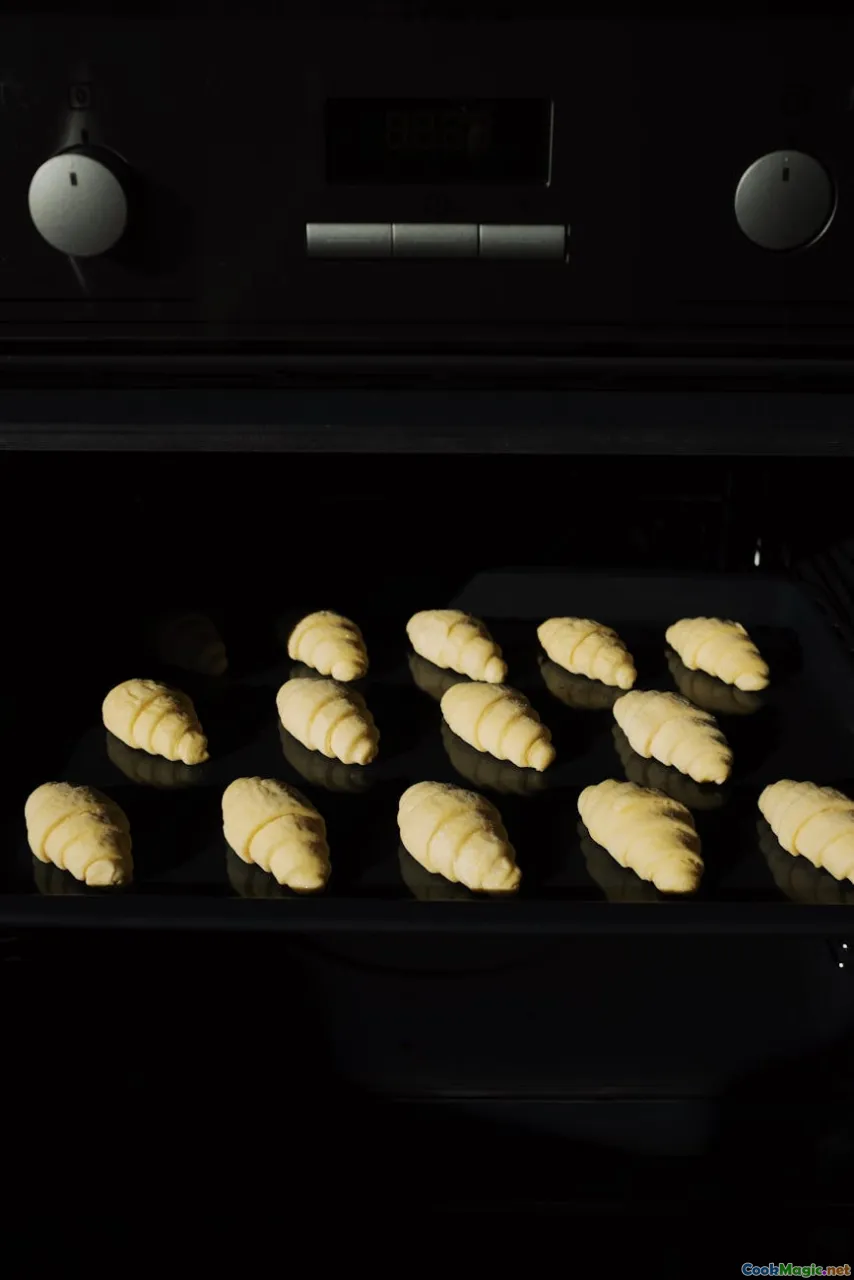
Turn on convection and your oven becomes a storm system. With the fan, the difference between racks shrinks because air circulates, but the top can still brown faster due to proximity to the element.
- For cookies and biscuits: Use the middle rack in convection. Drop temp 25°F (15°C). Space generously—air movement accelerates browning and drying.
- For sheet cakes and cheesecakes: Conventional heat (no fan) on the middle to lower-middle rack prevents excessive surface drying.
- For laminated doughs: Convection can be your friend if used carefully: middle rack, lower temp, rotate. The fan promotes even lifting of layers—but only if you keep an eye on color.
- For macarons: Conventional heat is usually safer. Middle rack, one tray at a time. Fans can ripple the tops.
If you’re switching from conventional to convection mid-bake (to finish crisping), lower the rack one notch to keep tops from over-browning.
Thermal Mass: Stones, Steels, and Bricks as Placement Partners
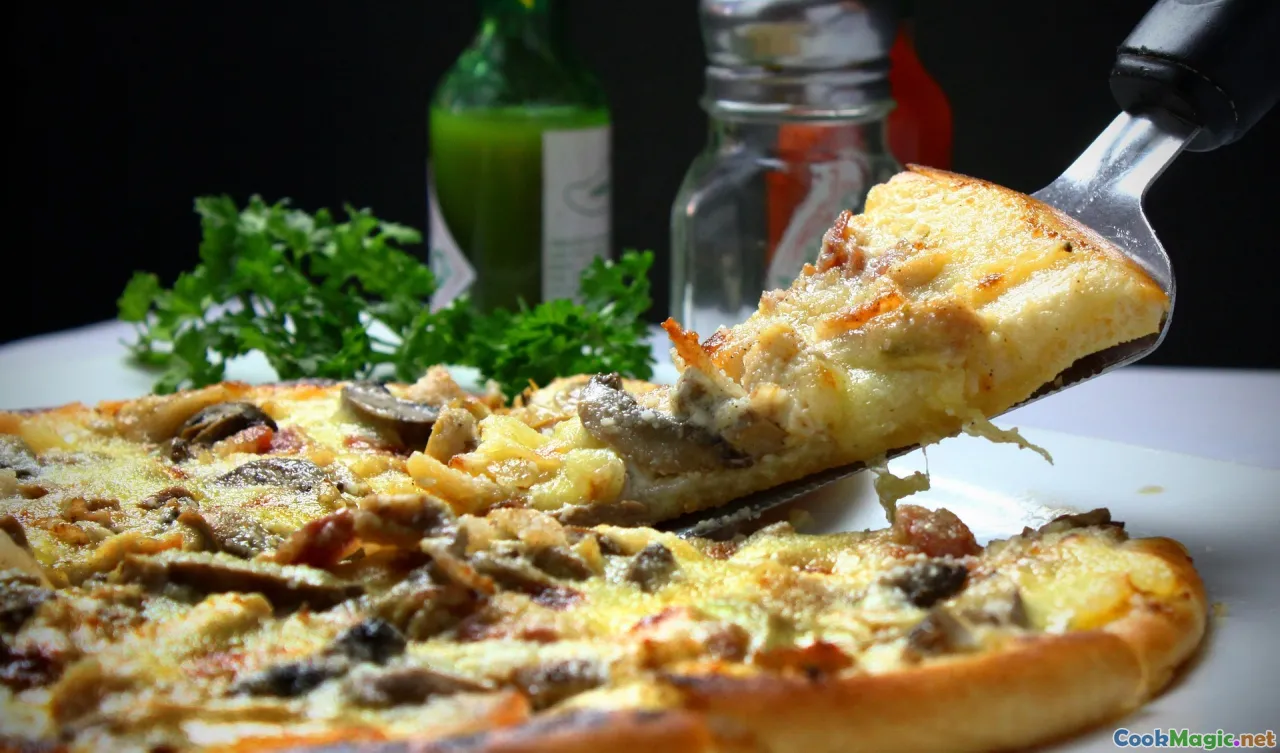
A baking stone feels like a good friend: patient, stabilizing, a little heavy. A baking steel is that friend’s intense cousin—demanding but rewarding.
- Pizza: Place a steel on the lower rack. Preheat for at least 45–60 minutes at the highest setting your oven allows. Slide the pizza directly onto the steel for ferocious bottom heat that puffs the rim and spots the underside. If the top lags, move the steel up one notch or broil for 30–60 seconds at the end.
- Boules and bâtards: Stone or steel on the lower-middle rack. Use a preheated Dutch oven or cloche to trap steam. The smell when you lift the lid—sweet wheat and a hint of smoke—will make the whole kitchen inhale.
- Tarts and galettes: Middle rack stone generates a crisp bottom without overcooking delicate fruit. If juices threaten to burn, slide the pan onto a second thin sheet as an insulator.
Consider the pairing of mass and rack. A stone on the top rack becomes a pseudo-broiler—radiating downward; a steel on the bottom becomes a forge for crusts. Most of the time, the latter is your friend for breads.
When the Oven Is Full: The Ladder Strategy for Multiple Trays
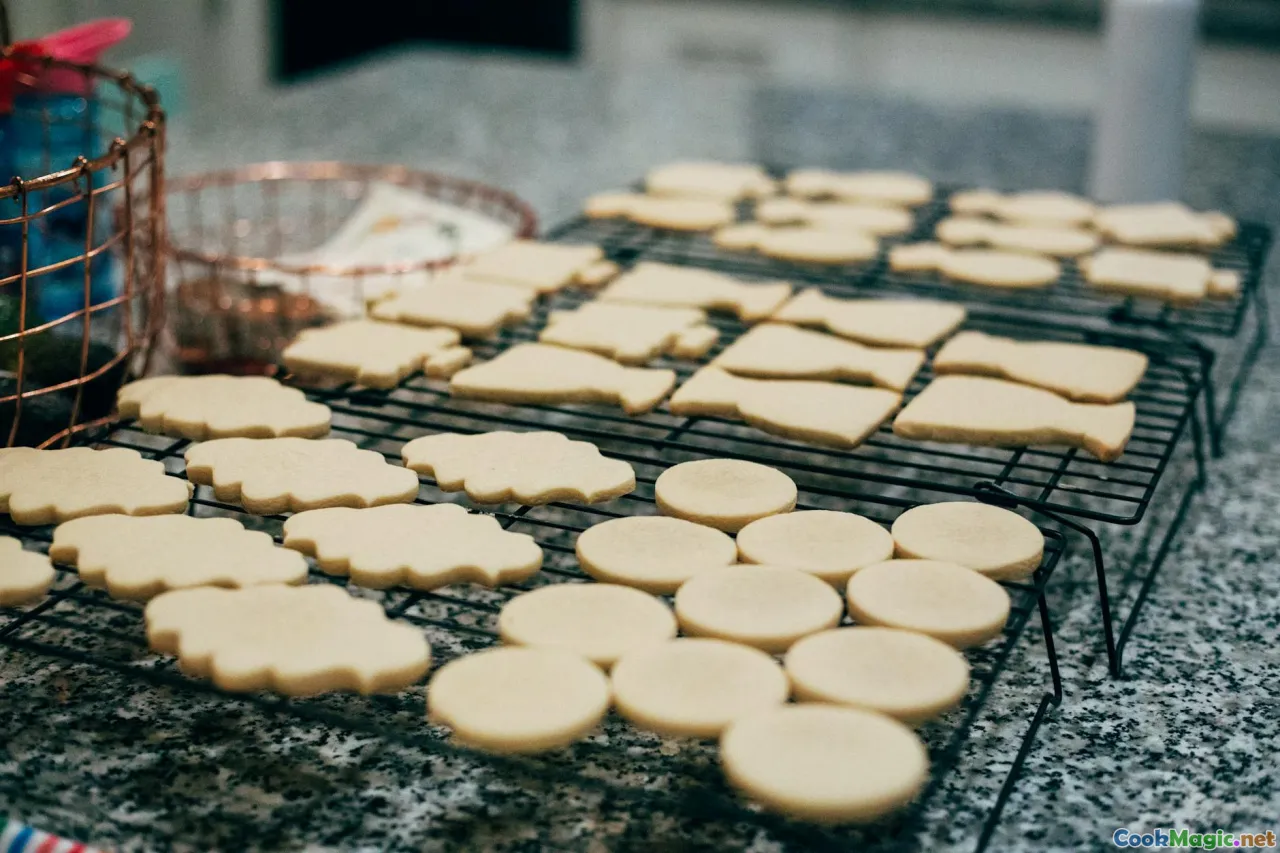
Holiday baking tests even the most patient oven. You’ve got rugelach, gingerbread, and a tray of Parmesan gougères vying for space. Here’s how to keep the peace:
- Stagger racks: Use upper-middle and lower-middle positions. Avoid the very top and very bottom unless you know your oven is remarkably even.
- Start with the more delicate items on the middle rack alone. As the oven stabilizes, add the second tray on the other rack and set a timer for a swap at halftime.
- Rotate front-to-back and swap racks at the midpoint. Quick, efficient, door open as briefly as possible.
- Don’t crowd pans. If two sheet pans block airflow entirely, the oven breathes like it has a cold. Leave a small channel at the back or side.
- Offset placement: If the upper rack’s pan is slightly left, place the lower rack’s pan slightly right, allowing air to snake through.
Your nose is a timer here. That warm waft of browning butter signals rotation; the faint singe of sugar means move quickly.
Steam and Oven Spring: Where to Trap and Where to Vent

For crusty breads, steam is not garnish—it’s the lyric. It keeps the crust flexible for expansion, delivering dramatic oven spring and a glossy, blistered finish.
- Pan of water: Place a cast-iron skillet or small metal pan on the bottom rack during preheat. Add hot water as you load the bread. The lower placement keeps steam where it won’t scorch the top.
- Ice cubes: Toss a few into the hot pan as you slide in the loaf; they hiss like applause.
- Dutch oven method: Place the pot on a lower or middle rack. The sealed environment traps the dough’s own steam. Remove the lid halfway to brown, and, if needed, move the pot one rack higher for the final color push.
- Venting: Toward the end, briefly crack the door to release moisture and set the crust. The smell transforms from warm cereal to roasted hazelnut and toast.
Remember: steam and rack placement are partners. Lower racks with steam boost oven spring; upper racks without steam fix color. Use both phases like verses in a song.
Sensory Cues: Smell and Sight as Your Placement GPS
You have built-in thermometers: your eyes and nose. Placement affects how and when aromas arrive.
- When the top browns too fast on the upper rack, you’ll smell cooked sugar and see edges darken while the center still jiggles. Move down a rack or shield.
- On the lower rack, if the bottoms smell toasty before the tops color—a nutty whiff like browned butter—raise the tray or double up pans.
- For cakes on the middle rack, the faint scent of vanilla blooms moments before doneness. A cake pulling away from the sides means the radiant heat is strong; if it happens too early, move one level down next time.
Smell has memory. I still recall the first time my kouign-amann smelled properly fermented—the butter sharp and sweet at once, the caramel beginning to smoke. That change in aroma tells you it’s time to rotate or shift racks if the top is getting too bold.
Troubleshooting Placement: A Practical Map

- Top too brown, center underdone: Move to the middle or lower rack; reduce temp by 15–25°F (8–14°C). Use a lighter pan. Consider a foil tent.
- Bottom too dark, top pale: Raise to the middle or upper rack; place a second sheet under the pan; use convection briefly to push top browning.
- Uneven side-to-side color: Rotate halfway; avoid placing pans too close to the oven walls; map hot spots and bias placement toward cooler zones.
- Macarons with lopsided feet: Switch to conventional heat, center rack, one tray at a time. Rotate only if necessary.
- Custards curdling on the edges: Lower rack, water bath, lighter top heat. Consider an insulating strip around the pan (folded parchment).
- Soggy pie bottoms: Lower rack, preheated steel or stone. Bake longer at the start; move up for final browning.
Environmental Factors: Altitude, Seasons, and Oven Mood
Baking at altitude in Santa Fe, I watched cakes dome like quivering sunsets. With thinner air, water evaporates faster and leavens expand more dramatically. Placement helps:
- Use the middle rack to moderate expansion and prevent over-browning tops.
- Slightly reduce oven temperature; consider a lighter-colored pan.
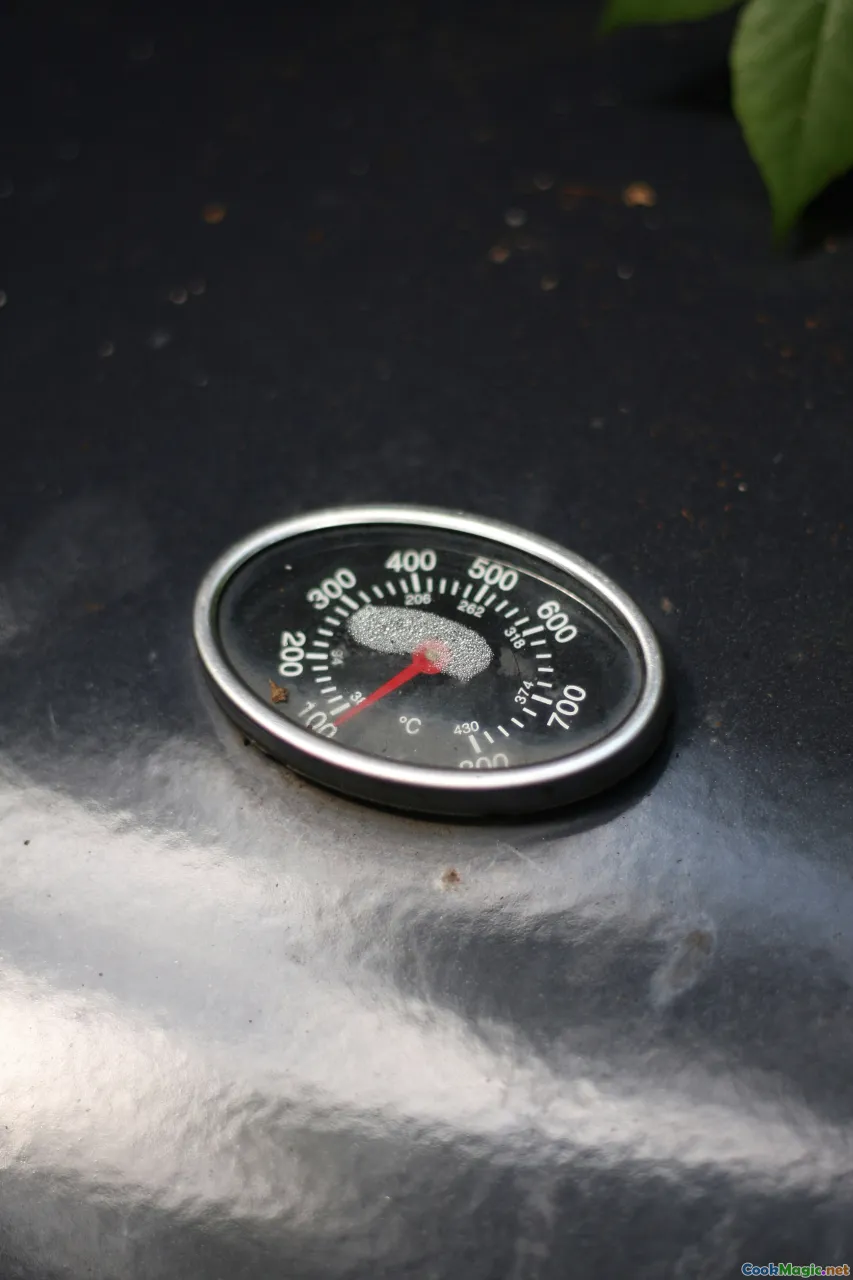
Season also matters. In humid summers, convection dries more efficiently—excellent for crisping, risky for delicate cakes. In winter, a cold kitchen makes your oven cycle harder; give stones and steels extra preheat time. Invest in an oven thermometer and place it near where your pan will sit—center rack—so you’re reading the true experience of your bake.
Real-World Pairings: Dishes and Their Favorite Seats

- Neapolitan-style pizza: Steel on lowest rack; preheat 60 minutes at max temp; finish under the broiler for 30 seconds if needed.
- Baguettes: Lower-middle rack on a stone; steam pan on the bottom; move to upper rack for the last 3–5 minutes for color.
- Basque cheesecake: Upper-middle rack to encourage that signature char, but monitor closely; rotate once for even blackening.
- Financiers: Middle rack, light metal pan; rotate halfway to keep edges uniform.
- Pavlova: Middle rack, conventional heat; crack the door at the end to dry; avoid upper rack to prevent surface scorching.
- Kouign-amann: Middle rack first; move lower if bottoms lag; rotate promptly when the smell shifts from buttery to caramel-bold.
- Focaccia: Start lower rack for bottom crisp; finish top rack for a bronzed, olive oil-warm crown.
- Apple pie: Lower rack on steel to set the base; move to middle to finish cooking the fruit without burning the crust.
Each dish carries its own aroma signature: focaccia’s rosemary oil perfuming the kitchen like the Ligurian coast; financiers whispering of almond and browned butter; pizza smelling of tomato warmth and char. Let those cues guide rack adjustments in real time.
The Thermometer, the Timer, and the Notebook: Quiet Tools for Confident Placement
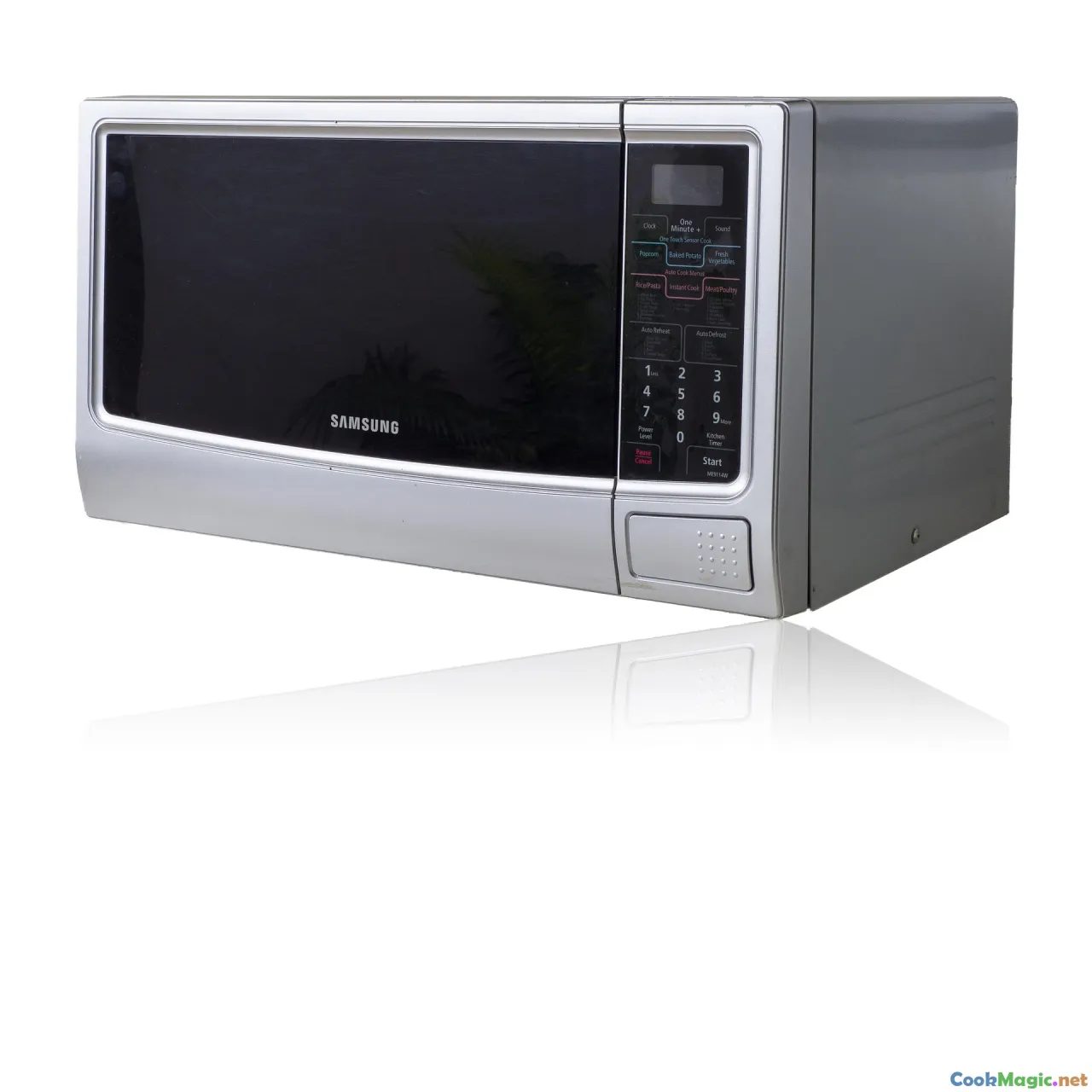
Three small habits anchor your placement decisions.
- Oven thermometer: Clip it at the level where your food bakes, not dangling in a back corner. Trust it more than the dial.
- Timer in phases: Set one for the first check at 60–70% of the bake time. That’s your rotation moment. Set another for final doneness.
- Notebook: Jot what you did. “Brownies, middle rack, dark pan, 350°F, rotate at 14 min: edges set early. Next time, upper-middle.” This is your personal atlas of heat.
I keep greasy pages with coffee rings and a smudge of chocolate. They’re more honest than polished apps—and when I open them, I smell memories.
A Brief Love Letter to the Broiler: Controlled Drama at the End

Sometimes you need a flourish. A broiler is concentrated top heat, like a fierce afternoon sun.
- Crème brûlée: Though a torch is classic, a minute under the broiler (top rack, door cracked) can shatter sugar into amber glass. Watch it like a hawk—one breath too long and you’ll smell bitterness.
- Baked pasta: Finish on the upper rack for blistered cheese that smells like toasted milk and oregano.
- Fruit tarts: A shy kiss to caramelize edges. Move from middle to top at the end.
Use the broiler not as a blunt instrument but as a painter’s brush—one stroke, then step back.
When Space Is Tiny: Apartment Ovens and Creative Rack Hacks
In my first apartment, I baked sourdough in a galley kitchen where the oven door nearly kissed the fridge. The oven ran 25°F hot, with a scorched back corner. Here’s what worked:
- One reliable rack spot: Middle-right became my sweet zone. I placed delicate bakes there and rotated more often.
- Baking inside vessels: Cast-iron Dutch ovens leveled out the heat. Their dark exteriors demanded a middle rack, never lower.
- Foil shields: For quick fixes, I fashioned a small foil guard over the back-right of the rack to diffuse that vicious hot spot.
- Small stones: A half-sized baking stone on the lower rack gave pizza and pie bases a lifeline.
Even in a tiny kitchen, the smell of rising bread transformed the apartment into a bakery alley in the old part of town—heady, warm, impossible not to smile at.
Teaching the Next Generation: A Saturday with My Niece
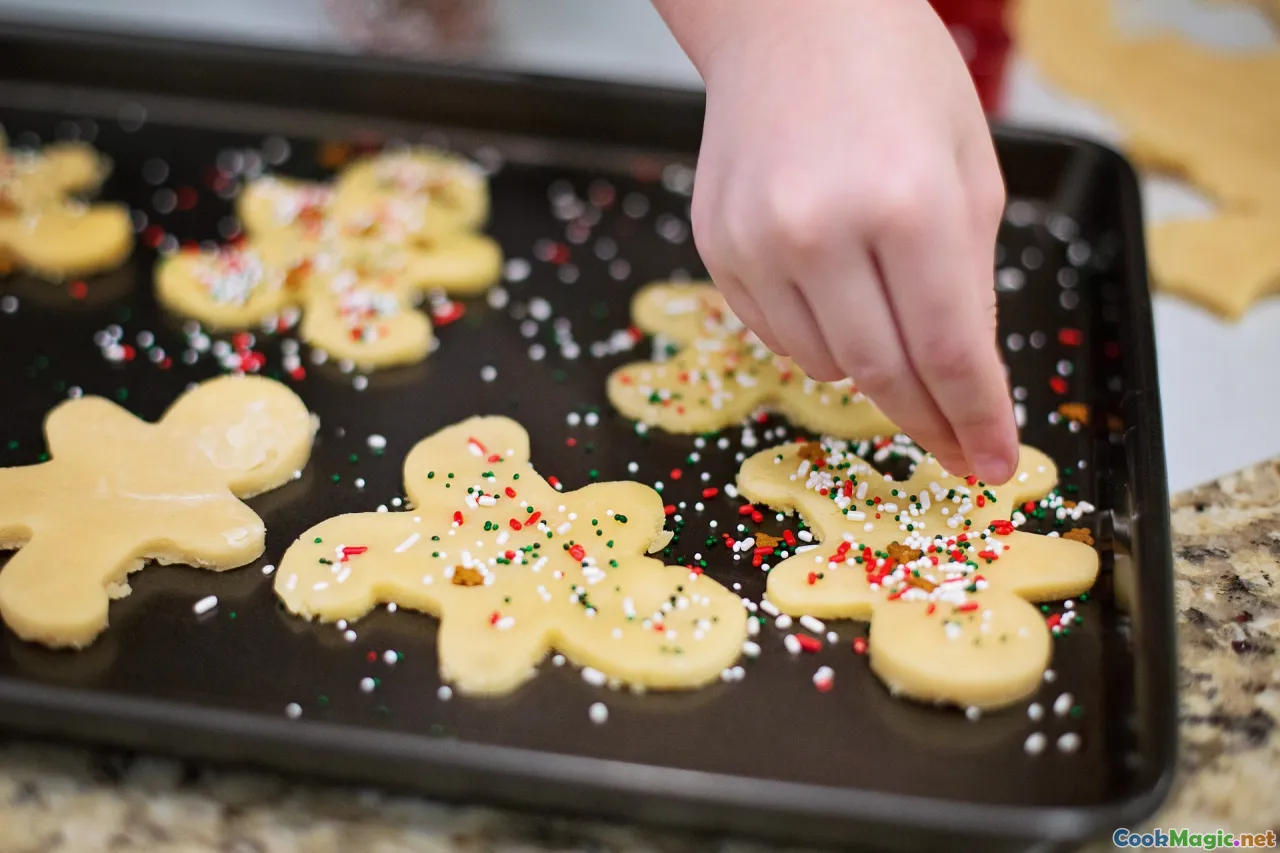
Last spring, my niece Maya stood on a stool in my kitchen, palms dusted with flour, hair smelling faintly of oranges from zesting. We made lemon shortbread. I told her the secret wasn’t just butter at the right temperature—it was where you let the cookies sit for their transformation.
We tried a batch on the upper rack: gorgeous color, but the edges overbaked before the center surrendered. Middle rack: even, lemon perfume mingling with sugar and butter in a way that made us both giggle. She wrote in the notebook, with six-year-old pride, “Middle rack makes the cookies smile.” There it is—the whole philosophy.
The Cook’s Quiet Dance with Heat
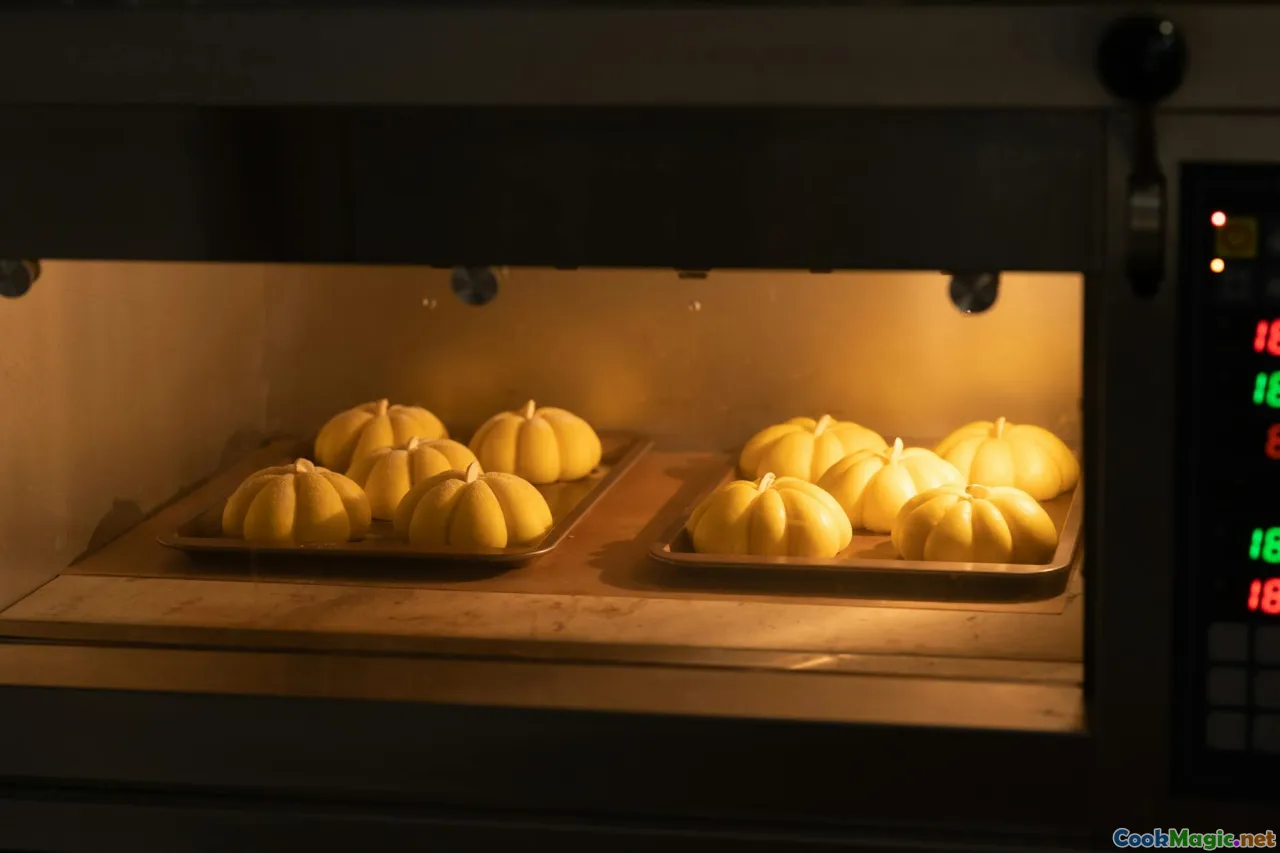
Heat is not a bully to be battled but a partner to be courted. The right placement is a bow before a waltz: here, we meet in the middle; there, we dip low for depth; now, we lift high for a final flourish. Learn your oven’s map, keep a few rituals close—rotate, swap, vent, shield—and let your senses lead.
There will always be surprises: a batch of biscotti that colors faster than your memory says it should; a pie that needs the bottom rack even with a steel because the apples are more watery this season; a tray of rugelach that wants a last-minute broil to bronze the nubs of walnut and cinnamon. But there’s comfort in the pattern: preheat, place, smell, adjust, taste.
When you pull out a tray and every cookie glows the same shade of toasted wheat, when your baguette’s base sings against the cutting board, when your cheesecake sighs without a crack—that’s not luck. That’s placement. It’s the art of giving each bake the seat it deserves, and it’s a habit worth practicing every time the oven’s soft breath begins to warm the room.