Mastering the Art of Vietnamese Rice Paper Rolls
38 min read Learn techniques, fillings, and dipping sauces to craft delicate Vietnamese rice paper rolls, with tips for soaking wrappers, rolling tight, and serving with nuoc cham for vibrant, healthy bites. December 08, 2025 07:05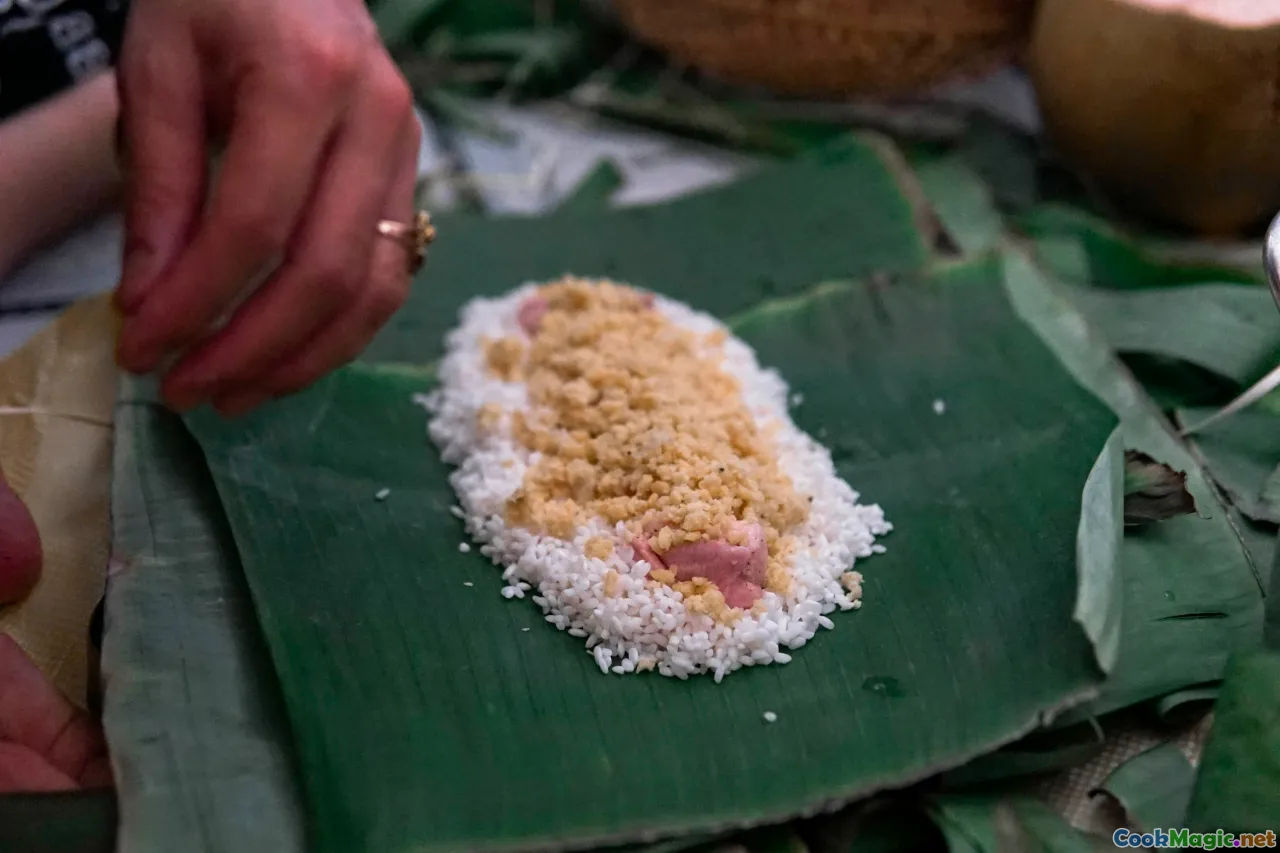
At a street corner in District 3, Saigon, I once watched a woman whose hands moved with a calm, riverlike rhythm. On a low plastic stool, she lined up soft bundles of herbs—peppery rau răm, purple veins of tía tô, lemony kinh giới—like a painter arranging pigments. A stack of rice paper leaned against a bamboo tray, the disks feather-light and freckled with sun from their drying mats. Shrimp flashed pink. Pork belly shone with a gentle gleam. She would blink, dip, tuck, roll, and in one breath a perfect cylinder appeared: gỏi cuốn, a Vietnamese rice paper roll that tasted like a breeze lifted from the Mekong Delta—cool, fragrant, alive with crunch and a whisper of fish sauce. That’s the spell rice paper rolls cast when you learn to treat them not as “recipes,” but as gestures: a technique passed from a grandmother’s hands, a market vendor’s practice, a table filled with friends leaning in to build and eat together.
The Heart of “Cuốn”: A Communal Art

The Vietnamese word “cuốn” means “to roll,” an entire family of dishes bound by rice paper or rice sheets and a shared logic of balance. There’s gỏi cuốn in the south—fresh rolls with herbs, pork, and shrimp; bún cuốn with vermicelli; bánh tráng cuốn thịt heo in central Vietnam, where tender pork, green banana, and starfruit dance in fermented anchovy sauce; nem rán (or chả giò) up north, the crackly fried cousins filled with taro, wood ear mushrooms, and minced pork.
More than a dish, cuốn is a ritual. It rewards slowness and conversation: a big plate of herbs passed around, hands rinsed in a metal bowl, laughter over misshapen first attempts. The first bite is always revelation: basil’s glittering perfume, the crisp snap of cucumber, shrimp’s briny sweetness, pork’s quiet richness, all padded by the soft chew of bánh tráng. It tastes of rice fields and river herbs, of street stalls and family kitchens. It is food that brings you in close.
Understanding Bánh Tráng: Rice Paper, Variations, and History

Bánh tráng—rice paper—begins simply: rice ground to a slurry with water, sometimes a touch of tapioca added for elasticity. It’s ladled onto a cloth-covered steamer and spread into a thin, translucent film. Once set, it’s laid on woven bamboo mats to dry, which imprint their crosshatch pattern like a watermark—proof of sun and wind. In Tây Ninh, a province famous for its rice papers, artisans make bánh tráng phơi sương, “dew-dried” rice paper, softened overnight by the mist for a supple, silky texture prized for rolls. You’ll taste the difference: dew-dried sheets behave like velvet, yielding without cracking.
Key varieties for culinary play:
- Classic rice paper (round, 22–25 cm): What you’ll use for most fresh rolls. Rice-only sheets tend to be more delicate; those with tapioca are more elastic and glossy.
- Bánh tráng rế (lacy net rice paper): A fragile lattice often layered under or over regular rice paper to add a lacy aesthetic and a whisper of crunch if lightly toasted.
- Sesame rice paper: Speckled with black sesame; gorgeous in fried preparations or grilled as a cracker to serve alongside rolls.
- Northern-style bánh đa nem (for frying): Thicker, more robust wrappers that fry into a bubbly shell for nem rán/chả giò.
If you shop outside Vietnam, look for brands with consistent hydration and snap. The widely available “Three Ladies” brand is reliable for fresh rolls. For central-style dew-softened sheets, Vietnamese grocers sometimes carry “Trảng Bàng” labeled packs—treat these like a gift. Read ingredients: rice, water, tapioca starch, and salt should be the shortlist. Avoid sheets that list sugar or oil for fresh rolls; they can gum up in water.
What does good rice paper feel like? Dry, it should be thin and lightly rough, not brittle like glass. Hydrated, it should cling like silk and shine faintly. On your tongue, it should melt into a soft, tender chew with no gumminess.
Mise en Place for Success: Setting Up Your Roll Lab

As with sushi or dumplings, rice paper rolls reward orderliness. A thoughtful setup turns the act of rolling into a flow state.
Your station:
- A large, clean cutting board or a slightly damp tea towel (to prevent sticking).
- A shallow bowl or pie dish of cool to lukewarm water (about 25–35°C). Avoid hot water—it over-hydrates and disintegrates the sheets.
- A platter of herbs and greens: crisp romaine or butter lettuce, rau răm (Vietnamese coriander), tía tô (perilla), húng quế (Thai basil), ngò gai (sawtooth coriander), and mint. If you can find rau om (rice paddy herb), its citrusy, cumin-like lift is extraordinary.
- Vegetables prepped into batonnet: cucumber (seeds scooped), carrot, green mango or green papaya, daikon, blanched bean sprouts. Keep them chilled and dried for clean edges.
- Proteins: shrimp and pork belly for the classic; tofu slabs pan-seared golden; grilled lemongrass chicken; or king oyster mushrooms sautéed until nut-brown at the edges.
- Noodles: a small mound of cooked, well-drained vermicelli (bún). Keep them dry, not clumpy.
- Dipping sauces at the ready.
Lay everything in lanes. Rolling is choreography: lettuce first to pad the wrapper; herbs to perfume; noodles for body; then crisp veg, then protein. Keep paper towels nearby to dab moisture; wet ingredients are the enemy of structure.
The Texture Equation: Choosing and Preparing Fillings

A transcendent rice paper roll cracks and yields in the right places. Think of textures as a chord:
- Soft: rice paper + noodles
- Crisp: cucumber, green mango, pickled daikon-carrot (đồ chua)
- Tender-fatty: pork belly, avocado
- Springy: shrimp
- Aromatic: basil, perilla, sawtooth coriander
- Juicy-sour: starfruit or pineapple (Central-style)
Specific preparations:
- Shrimp: Poach shell-on shrimp in water scented with smashed lemongrass and a few peppercorns until barely opaque. Shock in ice water. Peel, devein, then slice each shrimp in half lengthwise so their pink crescents fan out—these make the “window” in the roll.
- Pork belly: Simmer with ginger and scallion greens until tender but not falling apart (about 45–60 minutes). Chill for clean slicing; a 3–5 mm slice is ideal.
- Tofu: Press firm tofu, slice into 1 cm slabs, pat dry, then sear in neutral oil until both faces bronze. Toss with a little soy, sugar, and lime for a lacquered edge.
- Mushrooms: King oyster mushrooms sliced lengthwise, pan-roasted hard until edges char and centers turn meaty. Finish with a drizzle of vegan nước mắm (see sauce section) and black pepper.
- Herbs: Wash gently, spin dry, and keep whole leaves intact to layer fragrance. Perilla’s purple underside peeks through the wrapper like stained glass.
- Vegetables: Keep them crisp. Salt cucumber lightly and blot. For green mango, choose one just shy of ripeness for tang and crunch.
Proportion is everything. For a 22 cm wrapper, aim for a baton no more than two-thirds the wrapper width and about 3 cm tall. Overstuff and your roll will burst; understuff and you get a limp cylinder without structure.
The Water Question: Hydration for Perfect Wrapping

Hydrating bánh tráng seems simple: dip in water, then roll. But physics matters.
- Water temperature: Cool to lukewarm is best. Hot water softens too quickly and over-gelatinizes starches, leading to tearing or gummy textures.
- Dip technique: Submerge the sheet in water for 1–2 seconds only. Don’t soak. The sheet should emerge still slightly stiff; it will continue to hydrate on the board as you arrange fillings.
- Rest time: After laying the moistened sheet on your board, count to 10 before arranging fillings. This window yields maximum pliability without over-saturation.
- Humidity: On rainy days, sheets soften faster. In a desert-dry kitchen, moisten your towel and work faster.
- Double-wrapping: For travel or picnic rolls, use two sheets stacked with a tiny offset. This adds insurance without feeling thick, especially if one sheet is the slightly thinner “rice-only” type.
You can add a teaspoon of rice vinegar to the water to brighten flavors and tame stickiness on especially humid days. Avoid oil in the water—it prevents proper adhesion.
The Rolling Technique: Prawn Windows and Chive Tails

Think burrito, but more delicate. Here’s a reliable sequence:
- Set the moistened sheet on your board with the rough side up (if it has one). Place a leaf of lettuce slightly below center as a cushion.
- Layer herbs, then a small tuft of vermicelli. Add cucumber and carrot sticks, then your protein. Keep a clean edge along the sides.
- For the prawn “window”: Place the halved shrimp just above the other fillings, pink side down toward the wrapper so their color shines through on the final roll.
- Fold the bottom edge up and over the fillings. Tuck tightly with your fingers, compacting gently without tearing.
- Fold in the left and right sides—like closing doors.
- Roll forward, trapping the shrimp near the finish so they display through the wrapper.
- For a Da Nang-inspired chive “tail,” lay one long garlic chive on the far end before the final turn so a green tip peeks out like a bookmark.
If the wrapper feels too tight and risks tearing, pause 10 seconds; the starch will relax. Avoid stalling too long once rolled—fresh rolls are best within 30 minutes for peak texture.
The Sauce Canon: Nước Chấm, Peanut-Hoisin, and Mắm Nêm

Sauces define the region and mood of your roll.
- Classic southern nước chấm (diluted fish sauce): In a bowl, dissolve 2 tablespoons sugar in 3 tablespoons warm water. Add 3 tablespoons fish sauce (nước mắm), 2 tablespoons fresh lime juice, 1 small clove garlic minced, and 1–2 slices bird’s eye chili. Taste for the Vietnamese holy trinity—salty-sour-sweet—with a garlic bloom.
- Peanut-hoisin (tương xào): Sauté minced garlic in a drizzle of neutral oil, add 3 tablespoons hoisin sauce and 2–3 tablespoons water, simmer until glossy and thick. Off heat, stir in 2 tablespoons smooth peanut butter and a splash of rice vinegar. Top with crushed roasted peanuts and a few slices of chili. This is the beloved companion for gỏi cuốn in many Saigon eateries.
- Mắm nêm (fermented anchovy sauce), Central-style: Strong, funky, magical. Whisk 2 tablespoons mắm nêm with 1 tablespoon sugar, 1 tablespoon pineapple juice (or minced ripe pineapple), 1 tablespoon lime juice, 1–2 tablespoons water, minced garlic, and chili. It should be pungent, sweet-fruity, and electric. Serve with pork roll variations; starfruit and cucumber tame its swagger.
Vegan note: Replace fish sauce with a kombu-shiitake “viet dashi” plus soy sauce, or use a craft vegan fish sauce. Hoisin often contains wheat—seek gluten-free brands if needed.
Regional Portraits: From Saigon to Da Nang and Nha Trang

- Saigon (Ho Chi Minh City): Gỏi cuốn tôm thịt (shrimp and pork) with peanut-hoisin sauce is the icon. Many stalls display shrimp like jewels through the wrapper, with a chive tail and a tight, glossy roll. At Bến Thành Market, vendors line plates with green notes of basil and mint; the crunch of bean sprouts and cucumber keeps it buoyant in the city’s heat.
- Da Nang and Hoi An: Bánh tráng cuốn thịt heo is a ritual plate—a swath of dew-softened rice paper, a translucent sheet of rice noodle (bánh ướt), slices of two-skinned pork belly (da và mỡ), and a garden of herbs plus green banana and starfruit. You roll your own, dipping into mắm nêm sharpened with pineapple. At Quán Trần in Da Nang, the layout is a lesson in restraint: every component clean, quiet, and perfect.
- Nha Trang: Nem nướng Ninh Hòa—grilled pork sausage—comes with rice paper and an irresistible, creamy-special sauce. Some spots add a crisp element by tucking in a shard of grilled sesame rice paper, doubling the crunch.
- Tây Ninh (Trảng Bàng): Dew-dried rice paper—soft, velvety—starring alongside boiled pork and a luminous array of herbs. It’s the place to understand what rice paper can be when treated as an ingredient with terroir.
- Hanoi: While “phở cuốn” uses fresh pho sheets rather than rice paper, it belongs to the same rolling family: cool beef, herbs, and nước chấm. For the fried cousin, nem rán uses northern-style wrappers and a different frying technique that yields a blistered, shattering shell.
Recipe Blueprint: Classic Gỏi Cuốn Tôm Thịt (Shrimp & Pork Rice Paper Rolls)

Serves 4 (makes about 16 rolls)
Ingredients:
- 16–20 rice paper sheets (22 cm), plus extras for practice
- 250 g medium shrimp, shell-on
- 250 g pork belly
- 150 g rice vermicelli (bún), cooked and cooled
- 1 romaine heart or butter lettuce leaves
- 1 cup mixed herbs: Thai basil, mint, perilla, sawtooth coriander
- 1 cucumber, seeded and cut into 10 cm batonnets
- 1 medium carrot, julienned
- 16 long garlic chives (optional)
- 1 small knob ginger, 2 scallion greens, 5 peppercorns (for poaching)
- Dipping sauces: peanut-hoisin and/or nước chấm (see above)
Method:
- Poach shrimp in a pan of simmering water with peppercorns and a smashed piece of ginger. Cook 2–3 minutes until just opaque. Shock in ice water, peel, devein, and slice each shrimp lengthwise.
- Simmer pork belly in water with scallion greens and remaining ginger until tender (45–60 minutes). Chill, then slice thinly.
- Arrange a roll station with your water dish, cutting board, and platters of herbs, noodles, and vegetables.
- Dip a rice paper sheet 1–2 seconds in water and lay on the board. Place a lettuce leaf near the lower third. Add a few sprigs of herbs, a tuft of noodles, cucumber, and carrot. Top with 1–2 slices pork.
- Place 3 shrimp halves pink-side down above the filling line.
- Fold bottom over, fold sides in, roll tightly, trapping the shrimp near the finish. Lay a garlic chive so its end sticks out, finish rolling.
- Serve immediately with sauces, or place on a lightly oiled tray, cover with a barely damp towel for up to 45 minutes.
Flavor note: A dab of fried shallots nestled with the herbs adds a toasted perfume that meets the shrimp’s sweetness like old friends.
A Plant-Forward Gem: King Oyster Mushroom & Green Mango Rolls

Makes about 12 rolls
Ingredients:
- 12 rice paper sheets (22 cm)
- 3 large king oyster mushrooms, sliced lengthwise into 0.5–1 cm planks
- 1 green mango, peeled and cut into thin matchsticks
- 1 small cucumber, seeded and sliced into batonnets
- 120 g rice vermicelli (bún), cooked and cooled
- Lettuce leaves
- Mixed herbs: mint, perilla, Thai basil, rau răm if available
- 2 tablespoons neutral oil
- 1 tablespoon soy sauce (or tamari for GF)
- 1 teaspoon sugar
- 1 teaspoon lime juice
- Black pepper
- Vegan nước chấm: 3 tbsp water, 1 tbsp lime juice, 1.5 tbsp tamari, 1 tsp sugar, 1 tsp rice vinegar, minced garlic and chili
Method:
- Sear mushrooms in hot oil until deeply browned at the edges. Season with soy or tamari, sugar, lime, and black pepper. Cool.
- Assemble as with classic rolls: lettuce, herbs, noodles, cucumber, green mango, then mushrooms. Roll tight.
- Serve with vegan nước chấm brightened by an extra squeeze of lime. The green mango’s tannic snap makes every bite feel like a fresh breeze.
Tip: A few roasted peanuts crushed inside the roll echo the hoisin-peanut tradition without heaviness.
Fried vs. Fresh: A Quick Comparison of Wrappers and Technique

Though this article celebrates fresh rolls, fried rice paper rolls deserve a nod. Northern nem rán (or southern chả giò) use sturdier rice papers and fillings balanced for high heat—taro, wood ear mushrooms, glass noodles, pork. For frying:
- Choose northern-style wrappers or a blend with tapioca starch for elasticity.
- Lightly moisten wrappers; over-wetting leads to blistering and oil absorption.
- Roll tighter than fresh rolls; seal with a starch slurry if needed.
- Fry low and slow first (160–170°C) to set; then finish at 180°C for color. The result: a crackling shell that yields to a juicy interior.
Serve fried rolls with lettuce and herbs for wrapping at the table and nước chấm for dipping—the hot-cold, crisp-green interplay is the point.
Troubleshooting: The Rice Paper Triage

- Wrapper cracks immediately: It’s too dry. Dip a split second longer, or cover the board with a damp towel. In very dry climates, work with a humidifier nearby or keep a lidded container to briefly rest dipped sheets.
- Wrapper tears while rolling: Over-stuffed or fillings too sharp. Cushion with lettuce, trim veg into uniform batonnets, and don’t let carrot ends poke the paper.
- Gummy, sticky rolls: Water too hot or soaking too long. Switch to cool water and quicker dips.
- Rolls stick to each other: Very lightly brush serving platter with neutral oil or line with lettuce leaves. Do not stack; if you must, interleave with plastic wrap or parchment lightly oiled.
- Soggy results: Fillings too wet. Blot cucumbers and herbs. Drain vermicelli thoroughly—toss with a few drops of sesame oil to reduce clumping without adding flavor.
- Rolls unravel: Finish with a complete turn and press the seam, seam-side down to rest for 1–2 minutes. Double-wrap for travel.
Ingredient Sourcing, Sustainability, and Small Luxuries

- Rice paper: Vietnamese grocers or Asian supermarkets. Seek packages with intact discs and minimal breakage. If trying a new brand, buy a small pack first.
- Herbs: Vietnamese markets are treasure troves—ask for rau răm, tía tô, ngò gai. If unavailable, substitute shiso for perilla, cilantro plus a touch of lime zest for rice paddy herb’s citrusy lift.
- Shrimp: Choose responsibly farmed or wild-caught options; look for certifications or a trusted fishmonger. Medium shrimp (31–40 count) strike a good balance of visibility and bite.
- Pork: A small slab of belly goes a long way. Use leftovers for fried rice or to fortify a pot of cabbage soup.
- Waste-smart: Herb stems can perfume nước chấm. Excess rice paper? Brush with oil and bake until crisp for a crackly snack dusted with chili-lime salt.
A small luxury: Dew-dried Trảng Bàng rice paper. If you find it, design a meal around it—keep fillings minimal, let that buttery texture sing.
The Fine Points: Knife Work, Temperature, and Timing

- Knife skills: Clean, even batonnets keep the roll cylindrical and neat. Aim for 5–7 mm thickness and consistent lengths around 10 cm for structural harmony.
- Protein temperature: Cool fillings roll tighter; warm fillings make condensation, leading to soggy wrappers. Chill shrimp and pork before slicing. Let sautéed tofu or mushrooms cool fully.
- Timing: Roll as close to service as possible, 15–30 minutes ahead. If storing briefly, cover with a slightly damp towel and keep cool, not cold. Refrigerators dehydrate and toughen the wrappers; if you must refrigerate, bring to room temp under a damp towel before serving.
Plating and Pairings: Herb Bouquets and Iced Tea

Arrange rolls like pale jade cylinders on a platter lined with lettuce. Tuck in herb bouquets upright—mint and basil leaves facing like miniature fans. A ramekin of nước chấm with floating garlic and chili slices looks like stained glass; peanut-hoisin glints glossy brown with a crown of crushed peanuts.
Side elements that elevate:
- Đồ chua (carrot-daikon pickles) for acid and brightness.
- Pineapple spears for a Central nod when serving mắm nêm.
- A few thin slices of green banana or starfruit for texture and gentle tartness.
Drinks:
- Trà đá (iced tea) is the Vietnamese default—unsweetened, tannic, cleansing.
- Nước mía (sugarcane juice) chilled with a squeeze of calamansi tastes like sunlight in a glass.
- For a modern pairing, a dry Riesling or a crisp pilsner loves the herbs and fish sauce.
A Saigon Morning: Story from the Market

The first time I learned to roll well, I paid in time and conversation rather than cash. At Tôn Thất Tùng’s morning market, I watched Cô Hằng—hands blazingly fast, wrists tattooed with tiny flour burns—stream out rolls for office workers on scooters. I asked her what makes a good roll. She lifted her eyes from the cutting board only once.
“Ngon when it breathes,” she said. She meant the roll should have air, a lightness, not be strangled by stuffing. She taught me to start with lettuce as a cushion, to line shrimp halves where the paper’s sheen could turn them into jewels, to trust the wrapper to keep the secrets of the roll.
We ate two rolls together, the peanut-hoisin sauce like a mellow drumbeat to the herb symphony. Her station smelled of basil and motorcycle exhaust, of hot oil from a neighboring fryer and the sweet funk of mắm nêm drifting from a Central vendor nearby. The sensation of that first confident roll—edges tucked, seam snug, shrimp shining—is how I recognize a good day in the kitchen.
Comparative Anatomy: Why Some Rolls Sing and Others Sigh

- Herb ratio: Too few herbs and the roll tastes sleepy. Too many and you lose clarity. Aim for one dominant herb (basil or perilla) and one supporting (mint or rau răm).
- Acid: Even if your sauce is bright, a thin slice of green mango or a dab of đồ chua inside the roll wakes everything up from the first bite.
- Fat: Pork belly or avocado is less about indulgence than texture cohesion. Fat smooths the starchy chew of rice paper and vermicelli.
- Salinity: Season fillings just shy of perfection; sauces finish the job. Over-salted fillings don’t sing with sauce.
- Visuals: The shrimp window and chive tail are not mere Instagram tropes—they tell your mouth what to expect. Pink means sweet brine; green means fresh bite.
Seasonal Riffs and Creative Variations

- Spring: Asparagus blanched until snappy, with poached chicken and tarragon-mint mix—a Franco-Viet whisper.
- Summer: Peach slices with grilled lemongrass pork and perilla—a high-summer perfume bomb.
- Autumn: Roasted kabocha squash wedges with shiitake, scallion oil, and toasted sesame. Dip in a soy-lime-chili sauce.
- Winter: Poached pear with smoked tofu and pickled mustard greens; a sleeve of crushed roasted peanuts for warmth.
Crunch boosts: a shard of grilled sesame rice paper nestled inside a fresh roll turns each bite into a play of tensile snap and supple chew.
Health Notes and Allergens

- Gluten-free: Rice paper and rice vermicelli are naturally gluten-free. However, hoisin sauce often contains wheat; choose a GF brand or make your own. Soy sauce should be replaced with tamari for GF diners.
- Fish and shellfish: Use vegan fish sauce substitutes when needed and switch shrimp for mushrooms or tofu.
- Peanuts: Swap peanut butter for almond or sunflower seed butter; garnish with toasted sesame seeds.
Rice paper rolls can be nutrition-forward without being puritanical. Herbs bring phytonutrients and volatile oils; cucumber hydrates; protein keeps it steady. This is food that feels like a long walk by the river.
Hosting a Roll-Your-Own Party

Set the table with multiple stations so guests don’t queue. Provide a short sign with three rules:
- Dip quick.
- Lettuce first.
- Roll tight.
Offer two sauces—nước chấm and peanut-hoisin—plus a small bowl of fried shallots and chili slices. Give each guest a personal water dish for dipping wrappers—no traffic jams. Play bossa nova or old Vietnamese bolero; this meal has rhythm.
A playful touch: label herbs with their Vietnamese names. Perilla becomes tía tô; guests will ask questions, and you’ll tell the story of dew-dried rice paper at Trảng Bàng or the starfruit tartness in Da Nang—and the meal becomes more than food.
From Craft to Comfort: The Joy of Mastery

The art of Vietnamese rice paper rolls isn’t about strict adherence to a recipe. It’s the sensory literacy you cultivate:
- The weight of a properly hydrated wrapper, cool and pliant.
- The sight of shrimp blushing through a translucent skin.
- The peppery tickle of rau răm against lime-bright nước chấm.
- The sound—yes, there is one—of a neat roll landing on a plate, a soft thup of starch and air.
When your hands learn this grammar, you can translate any season or pantry into a roll. Leftover roast chicken and basil? Slice, roll, dip. Charred broccoli stems and avocado? Fan them with mint and a flick of chili-salt. You’ll start keeping a pack of bánh tráng in your cupboard the way others keep pasta—ready for weeknights, picnics, 2 a.m. hunger, or the neighbors dropping by with a bunch of mint and a story.
On that Saigon corner, I asked Cô Hằng how many rolls she made each morning. She shrugged, eyes back to her station, hands already dipping another sheet. Enough, she said, to get through the day and to greet the next. That’s what a rice paper roll tastes like when you get it right: enough. Not heavy, not shy—just exactly enough. As you dip a wrapper, lay your herbs, press down the seams, and lift the roll to your lips, you’ll feel the hush of a small craft mastered, and the quiet, generous joy that follows.