Mastering Khachapuri The Art of Georgian Cheese Bread
42 min read Learn dough essentials, regional styles, and cheese choices to craft authentic khachapuri—Georgia’s irresistible boat- and round-style breads—complete with tips for molten centers, browned crusts, and cultural context. December 16, 2025 07:03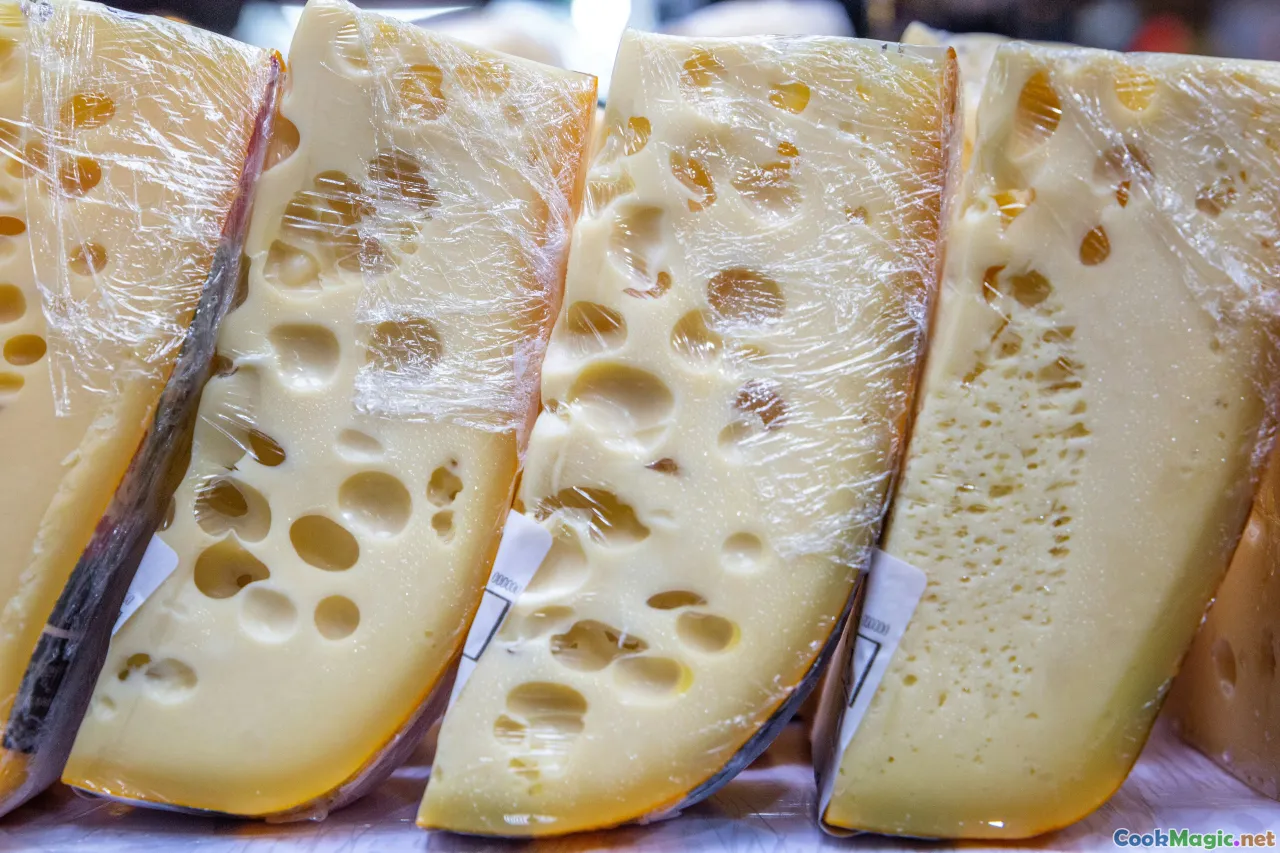
The first time I smelled khachapuri baking, I was standing under a fogged-up window on a side street in Batumi, the Black Sea throwing salt into the air like a seasoning. Inside, a baker’s forearms flashed in and out of the steam as he slid boat-shaped breads—fat with cheese—into a gaping oven. Butter hissed when it hit the crust; an egg yolk winked like a small sun. A woman beside me, scarf tucked under her chin, said to no one in particular, “When the yolk breaks, you hurry—you dip.” That urgency stayed with me: this is bread meant to be torn while the heat still nips your fingertips, the cheeses still stretch like spun glass.
I’ve chased that first taste through Tbilisi backstreets, home kitchens in Imereti, and the bustle of Samegrelo markets where bundles of fresh tarragon wait like green ribbons for the cook who knows what to do with them. Mastering khachapuri isn’t just learning a recipe; it’s understanding Georgia’s kitchen grammar—how dough is coaxed into tenderness, how cheese is blended to sing, and how a table becomes a chorus when bread arrives hot enough to blur the edges of your vision.
A Morning Window in Batumi

Batumi wakes to the smell of butter. Every seaside town has a signature aroma—brine, diesel, fig leaves warmed by sun—but in Batumi, butter rises first. At Café Laguna, a small haunt that locals recommend with a sly grin, the adjaruli emerges with the swagger of a minor miracle. The crust is glossy and blistered, the way a good secret makes you lean in. The cheese puddles are barely firm—part snowdrift, part lava—and a pat of butter the size of a dice lands at the prow, melting into tiny rivers that lick the edges of dough.
The ritual is almost codified: grasp the handles—those twisted, knotted ends—snap them off, and dare your fingertips to withstand the heat. Stir the egg yolk into the molten cheeses with the heel of a torn handle until the mixture becomes satin. Dip, dip, dip. In that moment, khachapuri becomes both utensil and meal, both comfort and spectacle.
What Exactly Is Khachapuri?

Khachapuri is Georgia’s emblematic cheese bread—a family of breads, really—baked in forms that mirror the country’s geography and character. Its name likely splices together khacha (curds) and puri (bread), but the lived meaning is richer: a warm center at the Georgian table, a builder of appetite and conversation, a shorthand for hospitality. If you were to learn only one Georgian dish to bake at home, it might be this.
Every region stakes its claim. In Imereti, khachapuri is a round bread stuffed with a gentle, crumbly cheese; in Samegrelo, it’s the same, and then some—cheese inside and an exuberant halo on top. In Adjara, a maritime region, the bread becomes a boat launched with an egg yolk. In Guria, it arches like a crescent and hides sliced boiled eggs for Christmas. The form is expressive, the essentials are simple: pliant dough, fresh or brined cheese, heat fierce enough to lift the dough in a heartbeat, and the welcome that arrives with it.
Khachapuri is so woven into daily life that economists at the International School of Economics at Tbilisi State University once created the Khachapuri Index, tracking ingredient costs as a way to follow inflation. It’s also recognized on Georgia’s national list of intangible cultural heritage, not as some museum piece but as a living practice: recipes whispered over bowls of flour, hands learning by feel.
Regional Styles: A Tasting Map

Think of Georgia as a patchwork of breads:
- Imeruli: A flat, round khachapuri filled with imeruli cheese—a tender, slightly tangy fresh cheese. It’s weekday bread, cut into wedges, the cheese melting in a discreet, homely way. When you bite, it’s soft with a faint squeak; you taste milk and warm dough.
- Megruli (Samegrelo): Take Imeruli and turn up the volume. Cheese goes inside and on top, frico-like, bronzing in blistered freckles. It crackles as you cut it, then gives way to an interior that pulls into long, salty strands.
- Adjaruli (Adjara): The iconic boat. Cheese bakes into a caldera; an egg yolk and a nob of butter slide in at the finish. It is meant to be stirred hot, eaten immediately, often by tearing off the boat’s ends and plunging them into the center.
- Guruli: Sometimes called Gurian khachapuri or “Christmas pie.” A half-moon or crescent stuffed with cheese and slices of boiled egg. The crust is sometimes laminated with butter and folds like pastry. Traditionally prepared for December festivities when pine and citrus perfume the air.
- Achma (Adjara and Abkhazia): A layered cousin bordering on lasagna. Sheets of dough, poached and stacked, cradle melted sulguni in a dripping, luxurious architecture.
- Penovani: A puff-pastry variant that flakes into a blizzard. Street-side and dangerously snackable.
I’ve eaten all of them in Georgia, and each bites differently. Megruli keeps you chewing with happiness. Achma slides. Adjaruli interrupts you mid-sentence.
The Flour, The Water, The Time: Dough Fundamentals

Khachapuri dough is a conversation between flour and fat, time and touch. Unlike pizza dough, which is lean and often highly elastic, khachapuri dough leans tender. Some families enrich it with matsoni (a Georgian cultured milk similar to yogurt), some with a splash of oil, some with a knob of melted butter. The result should be a dough that rolls willingly, resists tearing, and blisters as it bakes.
- Flour: In Georgia, soft wheats dominate home baking. All-purpose flour works well. If you only have bread flour, cut it with 20–30% cake or pastry flour to blunt elasticity.
- Hydration: Aim for 60–65% hydration. You want a dough that feels like a soft earlobe, supple under your palm.
- Fat: 2–4% oil or melted butter by weight tenderizes and helps browning.
- Leavening: Instant yeast at 1–1.2% of flour weight yields a prompt rise; a little less if you plan a longer ferment for flavor.
- Salt: 1.8–2%—keep in mind the cheese will add salinity later.
- Optional tang: 10% matsoni or plain yogurt (by flour weight) brings tenderness and a slight twang that sings under the cheese.
A balanced base formula for four medium khachapuri (or three large):
- 500 g all-purpose flour
- 300–325 g warm water (or 270 g water + 50 g matsoni/yogurt)
- 8–10 g fine salt
- 6 g instant yeast (or 8 g active dry)
- 20 g neutral oil or melted butter
- 5 g sugar (optional; it wakes yeast quickly and aids browning)
Method:
-
Bloom and mix: If using active dry yeast, bloom it in part of the warm water with the sugar until foamy. If using instant, whisk directly with flour. Combine water, oil/butter, and yogurt (if using) with the flour mixture and bring together until shaggy.
-
Knead lightly: Knead 5–8 minutes until smooth but still slightly tacky. Avoid over-kneading; a little softness makes rolling easier.
-
First rise: Cover and let rise until doubled, 60–90 minutes at room temperature. For even more flavor, you can refrigerate the dough for 8–12 hours and finish rising at room temp before shaping.
-
Divide and rest: Portion into balls (roughly 200–250 g each for rounds; 300–350 g for Adjaruli boats). Cover and rest 15–20 minutes; this relaxes gluten.
The dough should smell faintly sweet, like fresh milk and damp flour. When you press a finger into it, the indentation should slowly rebound—not spring back aggressively.
Cheese Matters: Finding Sulguni, Making Smart Substitutions

Georgian khachapuri is built on two foundational cheeses: imeruli and sulguni. Imeruli is a fresh, crumbly cow’s milk cheese—mild, slightly tangy, pleasantly squeaky. Sulguni is the extrovert: a brined, stretched-curd cheese with a clean, elastic pull and a saline snap. Together, they make heat behave beautifully—melting into ribbons instead of puddles, salting the bread from within.
Outside Georgia, you can often find sulguni at Eastern European, Russian, Armenian, or Georgian markets; it’s sometimes labeled in Cyrillic. If you can’t, build a “house sulguni” by blending readily available cheeses with complementary personalities:
- 70% low-moisture mozzarella (for stretch)
- 20% feta (for salt and tang)
- 10% ricotta or farmer’s cheese (for that fresh, milky crumble)
Alternative blends:
- Oaxaca + feta (stretch + salt)
- Provolone (mild) + feta + a spoon of crème fraîche
- Armenian Lori or Chanakh cheeses if you find them (they perform much like sulguni)
Cheese prep matters as much as selection:
- Drain: If your ricotta or farmer’s cheese is wet, drain it in a sieve for 30 minutes; excess moisture will steam and soften the crust prematurely.
- Salt thoughtfully: Taste your blend before salting the dough aggressively. The cheese should taste just a shade saltier than you like on its own; baking will temper it.
- Texture: For rounds, aim for a mixture that crumbles lightly but can be pressed into a cohesive patty. For Adjaruli, you want something that will melt fluidly; a higher proportion of stretch (mozzarella/sulguni) helps.
A baseline filling per medium khachapuri:
- 250–300 g cheese blend
- 1–2 tablespoons plain yogurt or a splash of milk if the mixture seems too firm
- Optional: a pinch of freshly ground black pepper or a whisper of ground blue fenugreek (utskho suneli) for a Georgian aroma. Tradition usually keeps spices minimal; let the dairy speak.
Adjaruli Khachapuri, Step by Step

This is the showstopper—the bread that makes strangers lean over your table and ask questions. It’s also, mechanically, straightforward once you understand the timing. The trick is heat management and a confident hand when shaping.
For two large Adjaruli:
- Dough: two 300–350 g pieces
- Cheese: 500–600 g sulguni-style blend (70% stretch, 30% tang)
- 2 eggs, very fresh (pasteurized if you prefer runny yolks with reduced risk)
- 40–60 g cold butter, cut into two thick nubs
Steps:
-
Preheat: Set a pizza stone or steel on the middle rack. Preheat your oven to its maximum (250–275°C / 475–525°F) for at least 45–60 minutes. A ripping hot surface is your best friend.
-
Roll: On a lightly floured surface, roll a dough ball into a long oval, about 30–35 cm by 18–20 cm. The sheet should be 4–5 mm thick—thin enough to crisp, thick enough not to tear when filled.
-
Shape the boat: Spread a strip of cheese (a finger-width) along the long edges. Roll those edges inward toward the center to encase some cheese, stopping before they meet. Pinch both ends to seal into tapered points, then twist each tip once or twice to make tight handles. You now have a shallow vessel.
-
Fill: Spoon the remaining cheese into the center, mounding slightly. Press gently to eliminate air pockets.
-
Bake, phase one: Slide the boat onto your preheated stone/steel. Bake 8–10 minutes until the crust is bronzing and the cheese is bubbling around the edges.
-
Egg and butter: Pull the bread briefly. Use a spoon to make a shallow well in the cheese without puncturing the base. Crack an egg into a ramekin first; pour it into the well (most families prefer the whole egg; some use only the yolk). Dot with one nub of cold butter. Return to the oven for 1–2 minutes—just enough to veil the whites while the yolk stays bright and runny.
-
Serve and stir: At the table, add the second nub of butter. With a torn-off handle, stir the hot cheese and egg together until glossy and custardy. Dip while it’s still almost too hot.
Texture cues: The crust should crackle—little fractures scattering like fine porcelain. The center should be molten but not soupy, with elastic strings that cling to the bread and your fingers. The butter should smell nutty as it hits the hot rim, like hazelnuts in a warm pan.
Safety note: If serving to someone who avoids runny egg, let the egg set a bit longer; or cook the egg separately and spoon it on top.
Imeruli and Megruli: The Everyday Rounds

If Adjaruli is the extrovert, Imeruli and Megruli are your weekday companions—humble, warm, utterly satisfying. They’re also ideal for learning dough feel and cheese balance without the theatrics of an egg yolk.
Imeruli (one 24–26 cm round):
- Dough: one 200–250 g piece
- Filling: 250–300 g imeruli-style cheese blend
-
Roll: Flatten the dough into a 20 cm disc. Keep the center slightly thicker than the edges to avoid tearing.
-
Fill: Pile the cheese in the center, leaving a 3–4 cm border. Gather the edges up and over the filling like a moneybag. Pinch to seal, expelling air.
-
Flatten: Flip seam-side down. Gently pat and roll into a flat round, 24–26 cm wide. If a little cheese peeks through, patch with a pinch of dough.
-
Bake: Dock once or twice in the center with a fork to release steam. Slide onto the hot stone/steel. Bake at high heat until golden, 8–12 minutes. Brush with butter if you like. Slice into wedges.
Megruli (cheese-on-top variation):
- Use the same method as Imeruli, but before baking, sprinkle an additional 80–100 g of shredded sulguni or mozzarella over the top. The upper cheese will bubble and blister, creating crispy spots that taste almost like grilled halloumi.
Taste notes: Imeruli is the tenderness of warm milk. Megruli has a charismatic saltiness and a crunchy top that shatters before your teeth sink into the soft belly.
Guruli: The Holiday Crescent

In Guria, west of Tbilisi, khachapuri marks Christmas with ceremony. The dough often carries more butter; the shape swoops into a crescent. Slices of firm-boiled egg nestle inside with cheese, turning each cut wedge into a little cross-section of celebration.
For one large Guruli khachapuri:
- Dough: one 300 g piece, enriched with a spoon of butter
- Filling: 300 g cheese blend
- 2 firm-boiled eggs, sliced
- Optional: a pinch of fresh dill or tarragon in the cheese (families differ here; some keep it plain)
Method:
-
Roll the dough into an oval, 30 cm long. Spread the cheese across, leaving a generous border.
-
Arrange egg slices over the cheese. Fold the dough over to form a half-moon and crimp the edges well. For a festive look, twist the crimp into a rope.
-
Brush with egg wash. Bake until deeply golden and the crimped edges look like puffed braids. When you cut it, the aroma is savory and a little sweet—like holiday mornings when someone’s brewing tea and citrus peel is drying on radiators.
Heat and Surface: Your Oven Strategy

Khachapuri demands heat that feels like summer noon. Home ovens can deliver if you manage surfaces and time.
- Use a stone or steel: A baking steel transfers heat fastest, giving vigorous oven spring and bronzed bottoms. A stone is gentler but still excellent.
- Preheat long: Give your surface a full 45–60 minutes after the oven announces it’s ready; the thermostat measures air, not your stone/steel.
- Rack position: Middle or upper-middle. Too low and the bottoms overbrown before the tops color.
- Broil boost: For Megruli, a brief broil (30–60 seconds) at the end deepens top blistering. Watch closely.
- Steam restraint: Unlike hearth breads, khachapuri doesn’t need added steam; the cheese is the humidity engine. Keep the oven door closed to retain heat when possible.
The goal is a crust that chars in freckles, edges that blister like tiny balloons, and cheese that melts without breaking. When you open the oven, you should smell caramelized milk sugars, butter toffee edges, and wheat.
Finishing Touches: Eggs, Butter, Herbs, and Heat

Georgian cooks are sparing with adornments because khachapuri is complete by design. But a few finishing touches, used with respect, amplify what’s already there:
- Butter: A final brush of melted butter on rounds softens the top crust and perfumes the room. For Adjaruli, cold butter cubes stirred in at the table create a glossy emulsion with the hot cheeses.
- Eggs: For Adjaruli, timing is everything. If your diners like a firmer egg, pre-warm the ramekin with hot water before cracking; the egg will set faster in the oven.
- Herbs: Chopped dill or tarragon is sometimes stirred into Guruli fillings. For rounds, a light sprinkle of dill after baking can refresh the palate. Go easy—herbs should support, not steal the show.
- Heat: A scrape of adjika (the Georgian red pepper paste) on the plate is a lovely dab for dragging crisp crusts. A dusting of Aleppo pepper or mild chili flakes isn’t traditional but plays well with the dairy richness.
Troubleshooting: When Things Go Sideways

- Cheese leaks onto the stone: Your seam wasn’t tight or the dough sheet was too thin. Next time, leave a thicker center and pinch closed more firmly. A little leak isn’t fatal—consider it the baker’s crisp.
- Dough fights back while rolling: It needs more rest. Cover and give it 10 more minutes. Strong bread flour can be the culprit; cut it with 20–30% pastry flour next time.
- Pale, soft crust: Oven not fully preheated or dough too wet. Preheat longer and consider dropping hydration by 2–3%. A brush of butter after baking can add color, but you want that heat-driven browning from within.
- Soggy center: Cheese too wet or overfilled. Drain fresh cheeses and keep total filling in proportion to dough. For Adjaruli, bake the shell slightly longer before adding the egg.
- Egg overcooked: Add it later, and watch like a hawk. Pull it earlier; the carryover heat will finish the whites.
Tradition at the Table: Supra, Toasts, and Etiquette

Khachapuri isn’t a solo act; it thrives in the chorus of a Georgian table. At a supra, the ceremonial feast, a tamada (toastmaster) leads with toasts that travel from ancestors to love to the vines themselves. Khachapuri anchors the table—arriving early, a signal that eating and drinking are about to put on their best clothes.
Etiquette is simple and generous:
- Share hot. Khachapuri is passed, not hoarded. Tear pieces; don’t saw at it with a knife if it’s fresh from the oven—let the crust talk.
- Use bread as utensil. Especially with Adjaruli, the bread becomes your spoon; there’s pleasure in the slight scorch on your fingers.
- Pair with brightness. A plate of tkemali (sour plum sauce), pickled jonjoli (bladdernut blossoms), or a tomato-cucumber salad slicked with unfiltered sunflower oil can slice through the richness.
There’s an emotional honesty to khachapuri at a supra: it says you are welcome, you are expected to eat, and you are a participant, not a spectator.
Pairings: Wine, Beer, and Bright Counterpoints

Georgia is a wine culture with roots plunging into clay qvevri. Cheese and bread yearn for acidity or tannin to cut their weight.
- Amber (skin-contact) Rkatsiteli or Kisi: Textural and tea-like, with tannic grip that scrapes the palate clean after molten dairy. The orange zest and dried apricot notes thread easily through butter and salt.
- Tsolikouri: A western white with citrus and herbal edges, friendly with dill and tarragon if you’ve used them.
- Saperavi: If you’re eating Megruli with its browned top, a cool, young Saperavi’s dark fruit and firm tannins carry it splendidly.
- Beer: A crisp lager or a hefeweizen sings with Adjaruli, bubbles tapping at the richness.
- Non-alcoholic: Tarkhuna (Georgian tarragon soda) is unexpectedly perfect—sweet anise-kissed brightness against cheese. Mineral water with a squeeze of lemon is classic.
Sides that flatter:
- Pkhali platter: Spinach with walnut and blue fenugreek, beet with garlic—earthy and tart, they prime your appetite for another slice.
- Tkhemali spooned lightly at the side for dipping crust ends.
- Chopped tomato-cucumber-onion salad with red wine vinegar and a flurry of herbs.
Sourcing in the Diaspora: Markets and Names to Know

If you’re outside Georgia, the treasure hunt for ingredients becomes part of the pleasure.
- Markets: Seek out Eastern European, Russian, Armenian, or Georgian grocery stores. Cheese cases often hide sulguni, imeruli, Lori, or similar brined cheeses—even if the labels are in Georgian or Russian.
- Asking for help: Bring photos; say you’re looking for sulguni. Shopkeepers often know the exact shelf where it waits. Don’t be shy about tasting.
- Flour: Any reliable all-purpose works. If you crave the soft tenderness of Georgian wheats, experiment by blending in 20% pastry flour.
- Adjika and spices: Look for adjika pastes (red or green), khmeli-suneli spice blends, and Svanetian salt (Svanuri marili), a herbed salt that can be used carefully in dough or sprinkled on crust.
- Yogurt: Matsoni is sometimes sold in Eastern European markets; otherwise, a plain, full-fat yogurt substituting at up to 10% of flour weight is excellent.
Making It Your Own, Respectfully

Tradition offers latitude but expects good taste. If you want to improvise, think like a Georgian cook: keep the heart of the dish intact—dough and dairy—and adorn with restraint.
Ideas I’ve loved at home or seen done beautifully in Georgia:
- Wild mushrooms, sautéed and cooled, folded into the cheese for a foresty, autumnal round. Samegrelo markets sometimes sell bundles of chanterelles that smell like apricots and leaves; a handful in Megruli is magic.
- Fresh herbs in Guruli: a breath of dill or tarragon in the cheese for a spring version that tastes like gardens waking up.
- Elargi kinship: Not khachapuri, but kin—elarji is sulguni kneaded into hot cornmeal polenta. Serve alongside khachapuri for a full dairy chorus.
- Garlic butter brush: After baking, swipe a whisper of garlic-infused butter over the crust. Not traditional everywhere, but it plays to the bread’s strengths.
- Spice trace: A pinch of utskho suneli in the cheese can perfume the kitchen in a way that whispers Georgia without shouting.
Avoid overloading. Khachapuri is a conversation; too many voices crowd the table.
How to Practice: A Week of Khachapuri Drills

If you’re serious about mastering it, treat khachapuri like a musician treats scales. Repetition builds the muscle memory that turns anxiety into habit.
- Day 1: Make the base dough. Bake one Imeruli to understand dough feel and filling balance.
- Day 3: Same dough, different hydration—try 63% instead of 60%. Note rolling behavior and crust blistering.
- Day 5: Adjaruli day. Practice shaping the boat twice, even if you bake only one. Practice adding the egg at different times to dial the set.
- Day 7: Megruli with top cheese under the broiler. Take notes on browning and oil release from cheese.
Keep a small notebook: write down dough softness, room temperature, smell cues, and how your cheese blend behaved. It’s astonishing how quickly your hands learn what words can only sketch.
A Brief History in the Crumb

Ask five Georgian grandmothers where khachapuri began and you’ll get five eloquent answers and a plate. The bread likely evolved wherever herding and grain met—mountain villages where cattle and ovens are constants, coastal markets where brined cheeses could travel. Its forms trace trade routes: brining techniques, stretching curds, even the boat shape that nods to Adjara’s maritime life.
What’s constant is its role as an everyday celebration. It bridges work and rest: bakers knocking dough on wooden tables before sunrise; office workers ducking into streetside spots at lunch for penovani that shatters and leaves flakes on their coat sleeves; families gathering after dusk, the glow from the oven painting walls the color of apricots.
Sensory Benchmarks: How You Know It’s Right

- Smell: The loaf carried from oven to table smells like toffee at the edges, warm milk at the center, and fresh wheat exhaling steam. If you added butter, you’ll catch that nutty, browned whisper.
- Sight: The crust is speckled, not uniformly tanned. The cheese bubbles in small, furious craters. The yolk on Adjaruli gleams like polished amber.
- Touch: A proper crust answers your tap with a crisp note—not hollow like a boule, but taut, tight, eager. Tear it and it sighs steam.
- Taste: Salinity from cheese should be lively but not harsh. The dough carries sweetness from fermentation, not added sugar. The aftertaste is clean, inviting the next bite.
Frequently Asked Questions I’m Asked by Readers

- Can I freeze khachapuri? Freeze unbaked rounds after shaping and filling; wrap tightly. Bake from frozen at high heat, adding a few extra minutes. For Adjaruli, freeze the shaped boat and add cheese/egg fresh; freezing soft cheeses can alter texture.
- Can I use sourdough? Yes. Replace instant yeast with 20% active starter (100% hydration), reduce water accordingly, and extend bulk fermentation until doubled. The gentle tang is lovely with mild cheeses.
- What if I don’t have a stone or steel? Preheat an inverted heavy sheet pan. It won’t retain heat as fiercely, but it’s better than a cold rack.
- Can I make it gluten-free? A direct substitution is tricky. Use a tested gluten-free bread blend with psyllium husk for structure; expect a different, but still satisfying, bite.
A Cook’s Notes from Tbilisi and Beyond

On a winter evening near the Dry Bridge Market in Tbilisi, I ducked into a narrow bakery with a clay tone oven breathing like a dragon. The baker—face streaked with flour—pulled a Megruli the color of late sun and said, “Taste while it speaks.” House-made sulguni squeaked faintly between my teeth; the top cheese shattered like sugar crust.
Other favorites I return to:
- A khachapuri at Puri Guliani where the dough has a tender, almost pastry-like crumb.
- Retro in Batumi, an exuberant temple to Adjaruli, where the egg is lava and butter is not a suggestion but a philosophy.
- A village kitchen in Imereti where imeruli cheese was so fresh it still smelled of morning grass.
The best bite, every time, arrives within three minutes of the bread leaving the oven. If you’ve baked khachapuri at home and wandered off to set the table, you’ve missed the part where it sings the loudest. Bring the table to the oven. Lay a cutting board nearby. Call people by name like you mean it.
Putting It All Together: A Master Recipe Workflow

- Morning or early afternoon: Mix dough, 60–65% hydration, a little oil, maybe a spoon of yogurt. Knead until smooth. Bulk rise until doubled.
- Mid-afternoon: Prepare cheese blend; drain any wet cheeses. Season modestly.
- Preheat early: Stone or steel roaring hot. Don’t negotiate with heat.
- Shape: Decide your style—rounds for ease, boat for theater. Keep the dough center thicker; pinch seams like you mean it.
- Bake strong: High heat, minimal opening of the oven. Trust your nose and eyes.
- Finish and serve: Butter, egg, herbs—judiciously. Tear and share immediately.
This rhythm—mix, rest, heat, shape, bake, welcome—feels like the heartbeat of a Georgian kitchen.
A Memory to Cook By

On my last evening in Batumi, the sea smudged into the sky as if the horizon were a rumor. In a small apartment up four flights, a family I’d only met that week set a table with tomatoes that tasted of sun, cucumbers so crisp they snapped, and a round of khachapuri that had been brushed with butter until it shone. When the bread landed, what I noticed wasn’t the smell (though it was everything I wanted) or the sound of crust breaking; it was the way everyone leaned in at once, how hands crossed and laughter folded in with the steam.
This is what mastering khachapuri really means: not a perfect boat or the exact ratio of sulguni to imeruli, but the confidence to pull something blistering and alive from the oven and say, without words, here, this is for us. When you bake it at home, open a window. Let the butter announce itself to your street. Tear boldly. Stir the yolk while it’s still a small sun. And listen for the chorus of small sounds—a knife skimming wood, a sigh, a laugh—that tell you you’ve brought a little of Georgia to your table.