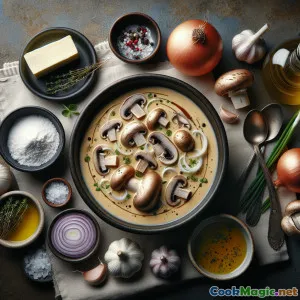
Mastering Harira Classic Moroccan Chickpea Soup
10 min read Discover how to prepare authentic Harira, a rich Moroccan chickpea soup packed with flavor and cultural significance. September 04, 2025 21:05
Mastering Harira: The Heartwarming Soul of Moroccan Chickpea Soup
In the bustling alleyways of Marrakech, amidst the sizzle of spiced lamb and the aromatic haze of freshly baked Kenyan bread, lies a humble yet profoundly celebrated dish—Harira. This classic Moroccan chickpea soup, more than just nourishment, is woven into the very fabric of Moroccan culture, rituals, and daily life. As someone who has wandered the souks, shared countless bowls with families under the shade of date palms, I can attest that mastering Harira is an act of embracing an authentic slice of Moroccan heritage.
Today, I invite you on a culinary journey—a deep dive into the nuances of Harira, its rich history, its sensory profile, and an expert guide to making your own with tradition and love. Prepare yourself for a soulful experience that awakens the senses and connects you to a timeless story of flavors.
The Cultural Heartbeat of Harira

Harira isn't just a soup; it's a symbol of Moroccan identity. Traditionally served to break the fast during Ramadan, Harira is a communal dish that brings families and communities together after sunset. Its origins trace back centuries, believed to be a Berber recipe absorbed and adapted by Arab-Andalusian cultures and later ubiquitous across the Maghreb.
To understand Harira is to understand Moroccan hospitality—rich, warm, and layered with history. It’s often complemented by dates, sweet menthol mint tea, and sweet pastries, transforming a simple meal into a celebration. As you savor each spoon, you're tasting the centuries of trade, migration, and shared traditions that define Moroccan cuisine.
The Essential Ingredients: Aromas and Textures

The magic of Harira begins with its core ingredients—each bringing their unique contribution to the tapestry of flavors:
- Chickpeas: Creamy yet hearty, soaked overnight to soften and absorb flavor.
- Lentils: Often red or green, providing richness and heartiness.
- Tomatoes: Fresh, ripe, and often slow-simmered, giving a tangy backbone.
- Meat (Traditionally Lamb or Beef): Offer a savory depth, though vegetarian versions thrive with a robust vegetable broth.
- Celery, Onion, and Parsley: The foundational aromatics.
- Spices: Cumin, coriander, cinnamon, turmeric, and a hint of ginger—all toasted to unlock their full aroma.
- Starchy Elements: Rice or vermicelli, added towards the end for layered textures.
The resulting soup is thick, slightly tangy, and bursting with aromatic complexity. Its velvety consistency coats the palate, with bits of tender chickpeas and meat cradled in flavorful broth—imagine a warm hug on a chilly day.
The Technique: Crafting Authentic Harira

Crafting perfect Harira requires patience and attention to detail. Here’s a step-by-step guide to elevate your homemade version:
1. Preparing the Base
Start by sautéing finely chopped onions, celery, and cilantro in olive oil till fragrant and translucent. Toast your ground spices separately in a dry pan, then add them to the mixture for an almost intoxicating aroma.
2. Incorporating the Proteins and Legumes
Add your chosen meat (if using), browning it to develop deep flavor. Toss in soaked chickpeas and lentils, stirring until coated with spices. Pour in simmering water or stock—traditional recipes often use a mix of beef or lamb stock for depth.
3. Simmering and Developing Flavor
Let the soup simmer gently for about an hour, uncovered or partially covered. This slow process allows flavors to meld, and the legumes to soften to perfect tenderness.
4. Final Touches
Half an hour before serving, add crushed tomatoes and adjust seasoning. For added texture, stir in vermicelli or small rice grains—cooking till just tender.
5. The Thickening Trick
Traditionally, a small amount of flour or lentil paste is blended to thicken Harira further. Some cooks blend a handful of cooked chickpeas with broth and return it to the pot.
6. Serving Rituals
Serve Harira hot, garnished with fresh cilantro, lemon wedges, and perhaps a drizzle of extra virgin olive oil. Accompany with Moroccan bread—khobz—and a glass of sweet mint tea.
Variations and Personal Touches

Every family has its signature twist. Some prefer adding poached eggs just before serving, invoking the Arabic tradition of ‘Harira d'oukla’ (with egg). Others incorporate vegetables like carrots or zucchini for a vegetarian flair. Depending on your preference, adjust spices: a pinch more cinnamon for sweetness or extra ginger for zing.
In certain regions like Rabat and Fez, subtle differences in spice blend or broth thickness distinguish local recipes—exploring these nuances provides a richer appreciation for Morocco's regional diversity.
Troubleshooting: Common Challenges and How to Overcome Them

- Too Thin or Too Thick: Adjust by adding more broth or simmering uncovered to reduce excess. For a creamy consistency, blend part of the soup.
- Lack of Depth: Use a beef marrow or smoked portobello mushroom to deepen flavor.
- Overly Spicy: Balance with a splash of lemon juice or a spoonful of honey—Moroccan flavor balances spice with acidity.
Pairing and Presentation: Elevating the Experience

Served in rustic bowls atop colorful embroidered cloths, Harira is as much a feast for the eyes as it is for the palate. Pair with traditional Moroccan bread, such as khobz or msemen, which can be torn into the soup, soaking up every last drop.
For an authentic Moroccan touch, serve with a side of preserved lemons and a small dish of date honey for dipping. End your meal with a glass of bubbling mint tea infused with fresh spearmint—full of aroma and refreshment.
Reflecting on the Heart of Moroccan Soups

Making Harira isn’t merely about recipe execution—it’s about engaging with Moroccan cultural identity, embedding a sense of community and warmth into every spoonful. It’s a dish born from centuries of tradition, evolving with each generation yet remaining rooted in the sacred act of sharing food.
As you master the art of taming the perfect Harira, remember that each pot tells a story—an echo of Moroccan history, blending spices and stories, nourishing soul and body alike. Whether during a festive Ramadan evening or a cozy winter day, this soup welcomes everyone to partake in a tradition that transcends borders, uniting us through its rich aroma and heartfelt story.
So, gather your ingredients, embrace the process, and invite Moroccan warmth into your home. With each spoonful, you'll not only taste tradition—you'll live it.