Mastering Authentic Pancit Canton Techniques
43 min read Learn traditional methods for perfect Pancit Canton—proper noodle prep, wok heat control, balanced sauces, and classic toppings—for restaurant-quality flavor and texture at home. October 29, 2025 07:06
Pancit canton announces itself before you even see it: the soft clink of a metal spatula against a hot kawali, the perfume of garlic surrendering to oil, the savory breath of soy and oyster sauce blooming into steam. Then come the colors—the glossed ochres of egg noodles, verdant sugar snap peas, carrot coins as bright as fiesta buntings, and the unexpected confetti of scallions and chicharrón dust. It’s the sound and smell of celebration, of plate-sharing and unhurried chatter, and in many Filipino homes it’s also the quiet bowl of comfort at 10 p.m. on a Tuesday. Mastering pancit canton is not just technique; it’s learning the choreography where heat, timing, and memory meet on a single flame.
Why Pancit Canton Feels Like Home And Stirs The Appetite
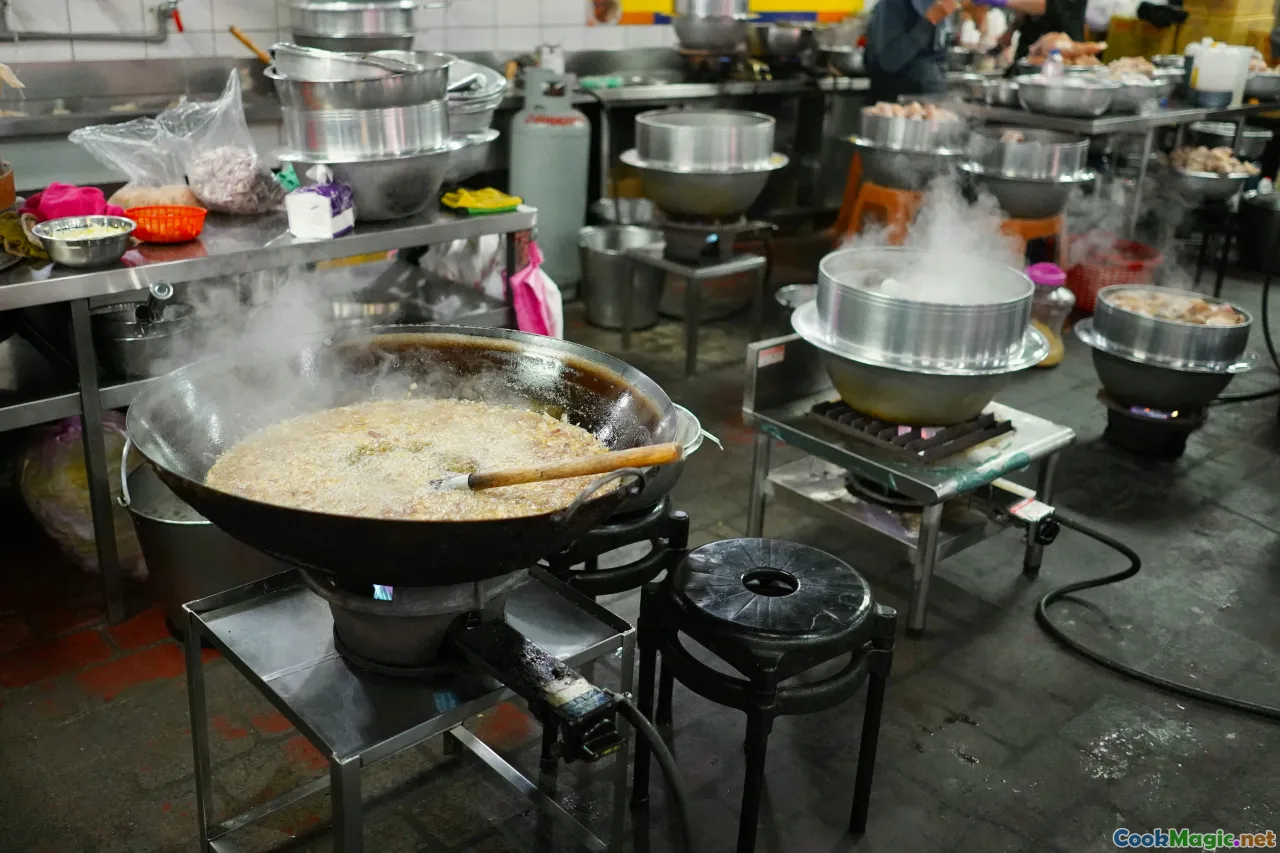
My earliest pancit canton lived in a battered aluminum kawali with a suspiciously loose handle. Lola Fe would rest her palm over the pan to gauge the heat—no thermometer, just intuition—and tip in garlic until the kitchen smelled like the start of a story. She’d talk about Binondo, white paper packets of dried egg noodles, the lines at Ongpin Street bakeries, and the Chinese-Filipino groceries where you measured out oyster sauce by taste, not tablespoons. When the soy hit the pan and hissed, tiny droplets peppered our forearms, and we knew it was time to call the cousins.
That sensory imprint tells you exactly what a well-made pancit canton should be: springy noodles that hold their bite but sip the sauce; pork batons edged with caramel; shrimp just past translucent; and vegetables that still crunch when your teeth find them. It’s a dish of balance—salty, faintly sweet, umami-deep, citrus-bright, and fragrant with fried garlic and pepper.
A Brief History In The Pan: From Hokkien Roots To Filipino Tables
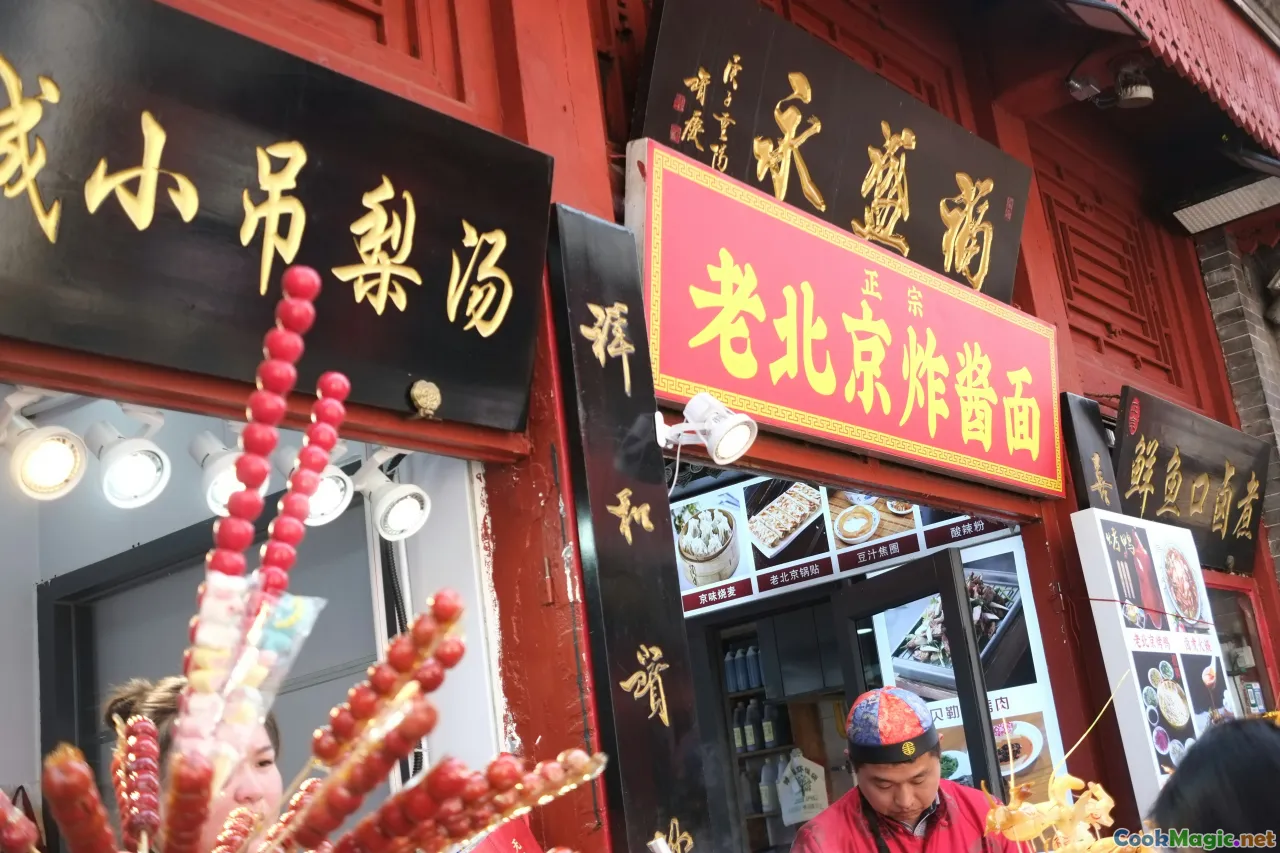
“Pancit” comes from the Hokkien phrase pian i sit—“something conveniently cooked.” Early Chinese traders and settlers in the Philippines introduced wheat noodles and the cooking logic of quick, high-heat stir-fries. Over centuries, Filipino cooks made it unmistakably their own. Pancit canton uses wheat-based egg noodles, unlike bihon (rice noodles) or miki (alkaline, thicker noodles). The name “canton” nods to Cantonese culinary influence, but the plate is undeniably Filipino: oyster sauce alongside toyo, the occasional whisper of patis, a squeeze of calamansi, and the method of steam-frying noodles in broth to create a glossy, clingy sauce that stops before syrupy.
Walk through Manila’s Binondo today and you’ll see the many lives of pancit: hawker counters with pork liver and cabbage, tidy dining rooms plating a restrained Cantonese-style chow mein, and homey karinderias with generous saucing and calamansi halved on the side. Each bowl is a negotiation between the Chinese backbone and Filipino soul—leaning into heartier, rice-friendly saucing, punchier aromatics, and a finish that favors brightness over oiliness.
Choosing The Right Noodles: The Spine Of Your Pancit
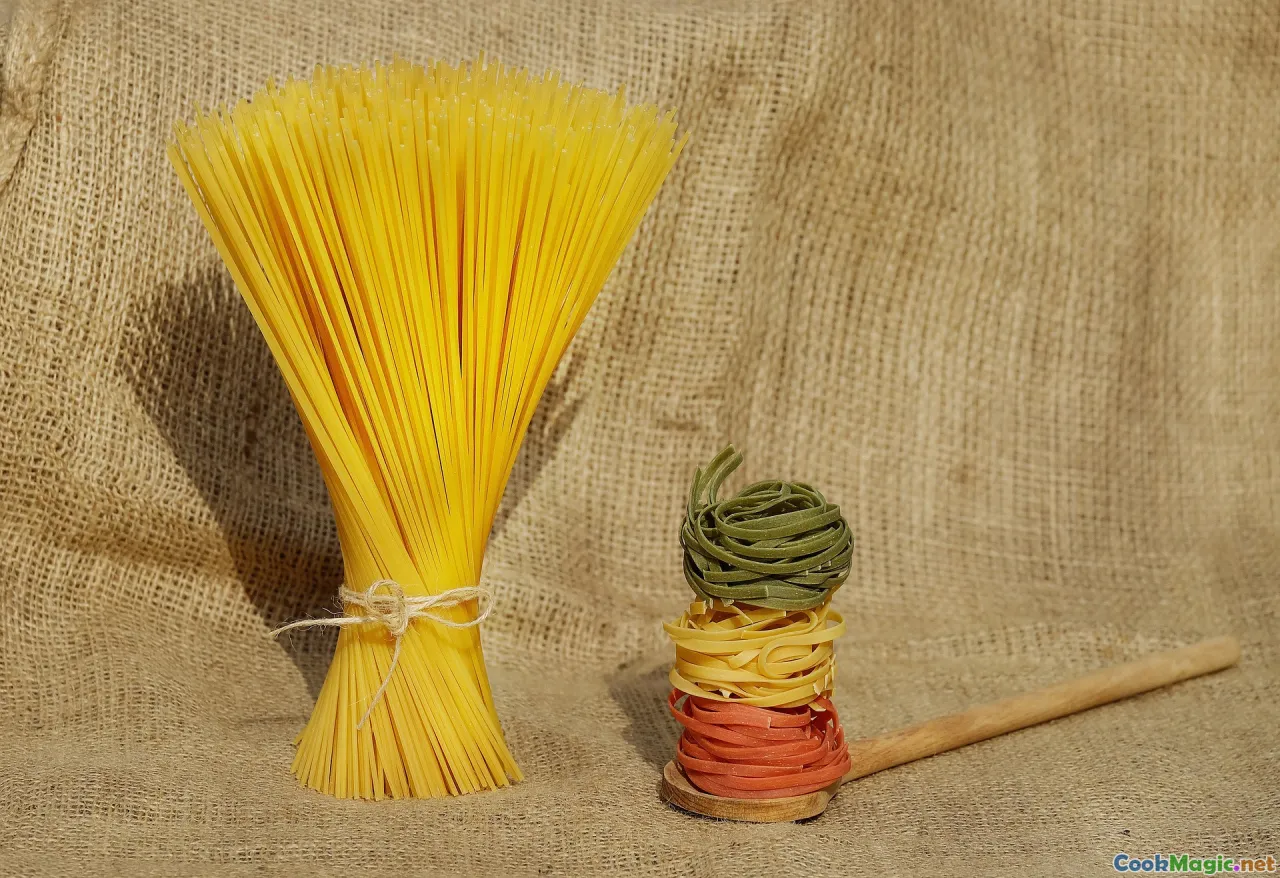
All pancit canton begin with the noodle. Not all noodles are equal.
- Dried Filipino egg noodles: Brands like Excellent or local market bagged “pancit canton” strands turn reliably springy if handled well. They’re alkaline enough to hold a bite and absorb sauce without going mushy. Look for strands that are light yellow, not pallid gray; the latter can be stale and prone to breakage.
- Fresh Chinese wheat egg noodles: From Binondo or your Asian grocer’s refrigerator. They cook quickly and give a silkier chew. They’re a touch more luxurious but require gentler handling to avoid clumping.
- Avoid instant-seasoned pancit canton (the snack classic): Delicious in its own right, but engineered differently. Reserve those packets for midnight cravings, not for a wok build.
What you want in texture: a pliant bounce. Pinch a dried noodle; it should snap cleanly, not shatter into dust. Smell it—there should be a faint wheaty aroma, never rancid oil. With fresh noodles, the strands should separate easily; if they’re tacky, dust lightly with cornstarch before cooking.
Tip: If your noodles look over-alkaline (a sharp, baking soda scent), blanch briefly in boiling water with a splash of white vinegar to tame the bite before stir-frying.
Mise En Place: The Quiet Discipline Behind Speed
A proper pancit canton is a sprint. To run it well, you prep like it’s a marathon.
- Aromatics: Mince garlic until almost paste-like for maximum perfume. Slice onions into thin crescents to melt quickly. Keep scallion whites and greens separate.
- Proteins: Slice pork shoulder into matchstick batons. Butterfly shrimp so they curl into commas. If using chicken, go for thigh over breast—more forgiving.
- Vegetables: Julienne carrots on the diagonal. Cut snow peas on a bias, pull the strings. Slice cabbage into fine shreds so it softens without wilting to mush. If using bell pepper, keep it in thin strips for quick cook.
- Liquids: Combine your wet seasonings in a small pitcher: soy sauce, oyster sauce, a few drops of fish sauce, a pinch of sugar, and chicken-shrimp stock warmed on the side.
- Noodles: Loosen them first. For dried noodles, parboil to half-cooked, rinse, drain, and toss lightly in oil to prevent clumps. For fresh, separate and dust with a whisper of cornstarch.
Stack your bowls in the order they’ll hit the pan: oil and aromatics, proteins, sauce starters, noodles, stock, vegetables, finishing touches. The most common failure is searching for the fish sauce while your garlic goes from golden to bitter brown.
Heat, Vessel, And The Elusive Wok Hei
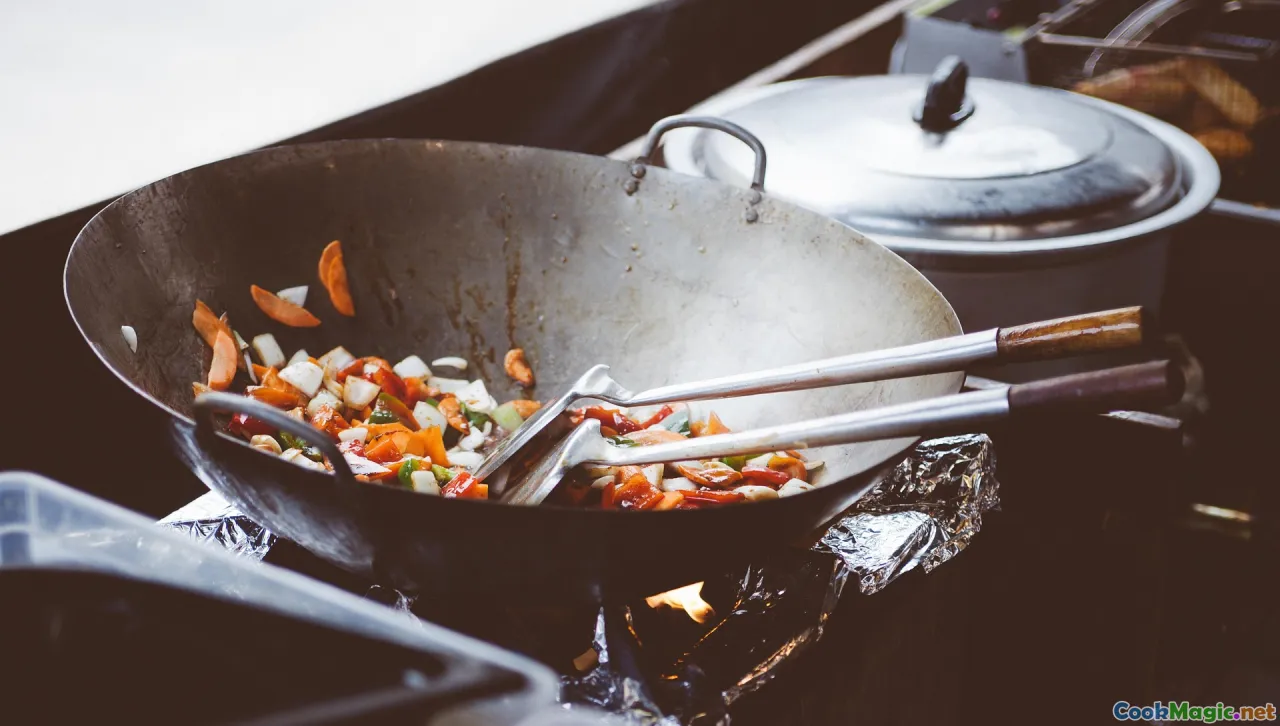
You don’t need a restaurant wok burner to make excellent pancit canton, but you do need to understand heat.
- Vessel: A 14-inch carbon steel wok breathes best, oxidizes into nonstick, and flares heat for quick tosses. A heavy-gauge kawali or a wide sauté pan can stand in. Avoid small pans that crowd noodles.
- Flame: High heat for searing aromatics and proteins; medium-high for sauce build; then a rolling simmer to steam-fry noodles. If your stove is gentle, work in smaller batches.
- Wok hei: That smoky, toasty essence comes from intense heat, oil vaporization, and Maillard reactions on the pan surface. You’ll get a whisper of it at home by preheating until the first wisps of smoke, then moving fast. Don’t drown the pan—add liquids in controlled pulses, letting them reduce before the next.
A trick from a Binondo cook: heat two tablespoons of neutral oil until shimmering, then swirl in a half teaspoon of sesame oil right before the aromatics. The sesame kisses the hot metal and blossoms; any more will turn bitter. You’re aiming for perfume, not dominance.
The Flavor Base: Garlic, Shallots, And Shrimp Heads That Sing
Filipino pancit canton leans umami-rich, and the foundation is not shy.
- Garlic: Start cold oil with garlic if you want a mellow, sweet base; start hot oil for a sharper, roasty garlic note. I split the difference: warm oil, garlic in, stir until golden at the edges.
- Onions or shallots: Shallots bring sweetness and a fine texture. Let them collapse and gloss before moving on.
- Shrimp heads: If you’re using shrimp, reserve the heads and shells. Smash a few heads in the pan after the garlic and shallots, sauté until brick-orange and toasty, then deglaze with a splash of stock. Strain if you want a polished sauce, or simply fish out the solids. That coral fat is a quiet symphony.
- Optional annatto oil: For a festive hue, bloom annatto seeds in oil until it turns amber, then strain. Use a tablespoon for color; too much muddies flavor.
The right moment is when the kitchen smells rounded—sweetness from shallots, deep garlicky savor, and a marine whiff from the shrimp heads—just before anything darkens into acrid territory.
Stocks And Sauces: The Liquid Backbone

Think of your sauce as a glaze rather than a pool. It must be tasty enough to sip from a spoon yet light enough to cling.
- Stock: A quick cheat stock is fine. Simmer chicken bones with ginger and scallion roots for 30 minutes. If you have shrimp shells, add them in the last 10 minutes. Strain. Keep hot.
- Soy sauce: Use light soy for salinity and color; a splash of dark soy will deepen hue and round bitterness. Filipino brands like Datu Puti are reliable; Kikkoman light is clean and consistent.
- Oyster sauce: The bass line—thick, sweet-savory, adds sheen.
- Fish sauce: A few drops right after aromatics multiplier-effect umami. Taste as you go.
- Sugar: A pinch helps balance. Brown sugar adds a whisper of molasses; rock sugar will polish but isn’t necessary.
- White pepper: A classic Filipino pantry note—round, floral heat.
Aim for a sauce that tastes slightly too punchy in the ladle, because it will soften when absorbed by the noodles and vegetables. Resist cornstarch early. You may finish with a barely-there slurry if the glaze needs tightening, but gloop is the enemy of texture.
Protein Prep: Pork, Chicken, Shrimp, And Tofu With Character
- Pork: Shoulder or belly, sliced into thin batons. Marinade: 1 teaspoon light soy, 1 teaspoon oyster sauce, 1/2 teaspoon sugar, a crack of white pepper, 1 teaspoon Shaoxing wine if you’re leaning Chinese, or 1 teaspoon cane vinegar for Filipino brightness. Sear until the edges caramelize and fond forms.
- Chicken: Boneless thighs, slivered. Marinade lightly and velvet if you like tenderness: toss with 1/2 teaspoon cornstarch and a few drops of oil after marinating.
- Shrimp: Salt and white pepper. Cook briefly—40 to 60 seconds—then remove and add back at the end. Overcooked shrimp will shrivel and lose sweetness.
- Tofu: Firm tofu pressed, cubed, and shallow-fried until craggy. This is not traditional in all pancit canton versions but is welcome for texture.
Optional treats: Slivers of pork liver for iron-rich depth (add late to avoid overcooking); fish balls from Quiapo wet market halved for bounce; a few slices of lap cheong are not classic but appear in Chinese-Filipino homes, bringing candied smoke.
Vegetables: Cut With Intention, Cook With Restraint
Vegetables should punctuate, not smother. Their cuts dictate cook time and mouthfeel.
- Carrots: Thin on the diagonal, 2 mm thick, for crisp-tender.
- Snow peas or snap peas: Stringed, cut on bias for exposed surface.
- Green beans: Blanched 90 seconds, shocked, then tossed in at finish.
- Cabbage (green or Napa): Shredded fine. It softens fast; hold it until the end so it steams in residual heat.
- Bell pepper: Thin strips introduce sweetness and color.
- Celery: Slivered, adds clean crunch and aroma.
Cook the hard vegetables in the pan first, splash with stock to steam 30–60 seconds, then pull them out. Reintroduce at the end so they stay vivid.
The Master Method: Steam-Fry For Gloss And Bite
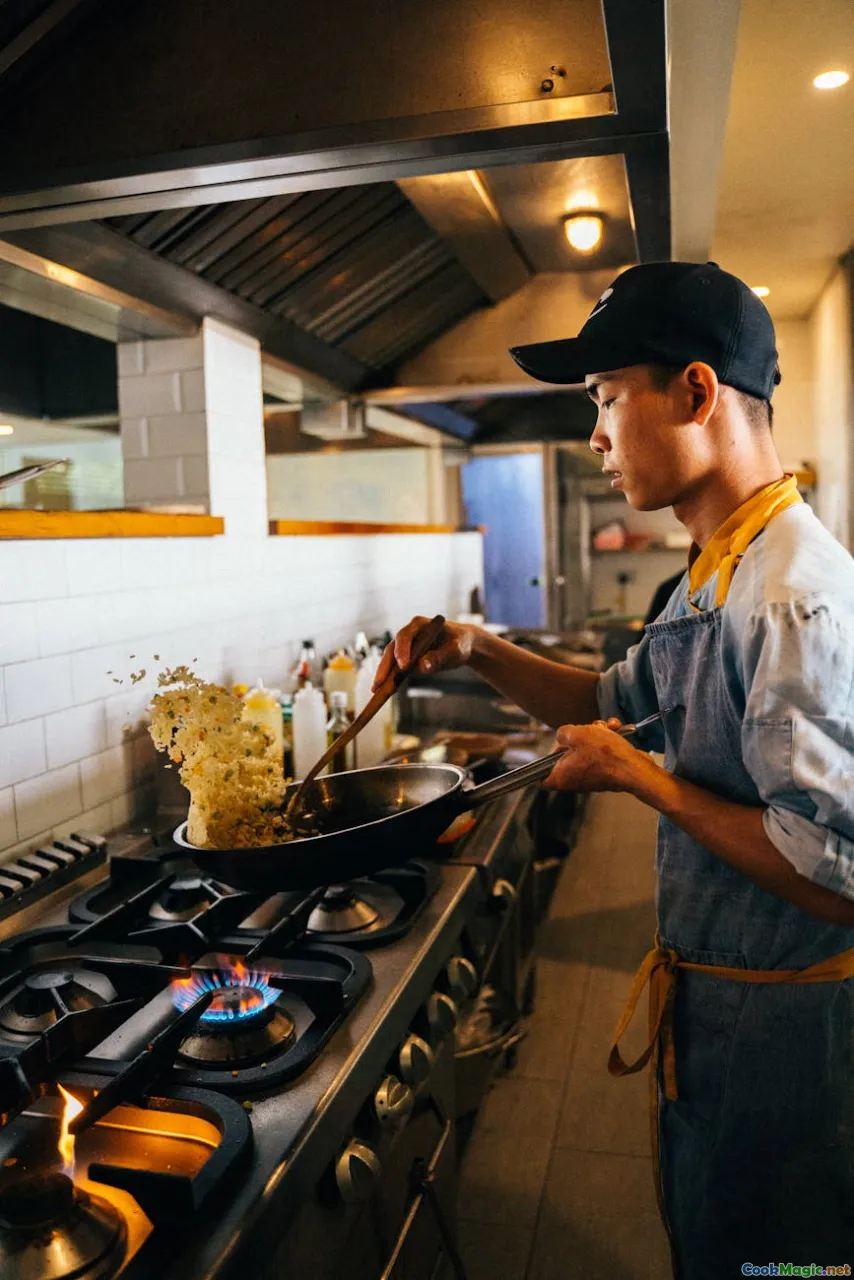
Here is the choreography behind that signature glisten and chew.
-
Sear aromatics and proteins: Heat oil to shimmer, add garlic and shallots, cook to fragrant gold. Add pork; let it brown without fidgeting, then stir. Add chicken if using, cook until just opaque. Scoop proteins out if your pan threatens overcrowding.
-
Build your sauce base: With the pan still hot, add a splash of stock to lift fond, then add soy, oyster sauce, and a few drops of fish sauce. Let it bubble and reduce slightly until glossy.
-
Introduce noodles: Add parboiled or fresh noodles, tossing to coat in fat and sauce. The strands should be lacquered, not wet.
-
Steam-fry: Pour in hot stock in stages—think half-cups—letting the noodles sip and soften. Toss constantly. Cover for 30 seconds if you need a quick steam burst, then uncover to reduce. Alternate: create a crater in the noodles to expose more pan surface; the boil concentrates flavor without drowning.
-
Vegetables in: Return the crisped vegetables and any pre-seared shrimp. Toss to warm through. Adjust seasoning: a little more soy for salt, sugar for balance, or fish sauce for depth.
-
Finish: A shake of white pepper, a flick of sesame oil, and off the heat. Calamansi halves arrive at the table, never in the pan—acid lifts each bite to clarity.
Texture test: pull a strand. It should resist, then yield. The sauce should cling like silk, not puddle.
Balancing The Plate: Salt, Sweet, Fat, Acid, Heat
- Salt: Comes from soy and fish sauce. Taste before finishing; remember that noodles mute saltiness once cooled.
- Sweet: Oyster sauce brings it; balance with a pinch of sugar if soy and fish sauce dominate.
- Fat: From pork and oil—fat carries aromatics. If your mouth feels greasy, a squeeze of calamansi lifts. If it feels thin, a drizzle of pork drippings rounds it out.
- Acid: Calamansi is classic. Substitute lemon-lime blend if needed; calamansi has floral bitterness that lemon lacks.
- Heat: White pepper’s nose-level warmth, plus fried siling labuyo on the side for those who seek flame.
The perfect bite tastes complete: savory depth, a brush of sweetness, gentle heat, and a final spritz of citrus that makes the noodles almost hum.
Side-By-Side: Filipino Pancit Canton vs. Cantonese Chow Mein
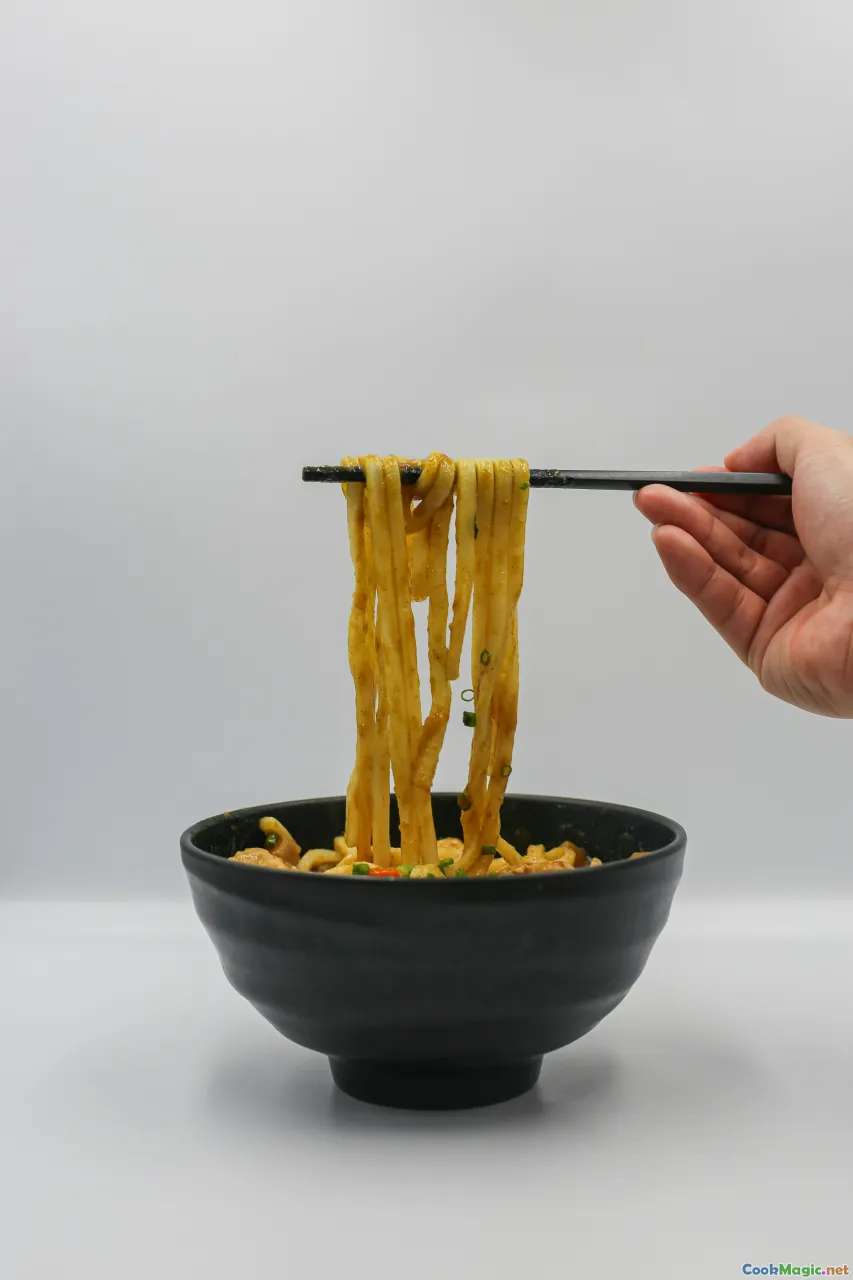
- Noodles: Both use wheat egg noodles. Chow mein often seeks crispness—pan-fried into a nest—while Filipino pancit canton steams and tosses for a tender, glossy chew.
- Sauce: Chow mein tends toward lighter, clear sauces with Shaoxing wine and a restrained oyster-soy balance. Pancit canton embraces a slightly sweeter, bolder oyster presence and occasionally fish sauce.
- Aromatics: Filipino versions feature garlic louder and finish with calamansi; Cantonese lean into ginger and scallion.
- Vegetables: Both celebrate texture, but Filipino plates often carry cabbage and carrot in familiar cuts and may involve a touch more saucing to pair with rice at the table.
Understanding the difference clarifies your goal: not crispy nest, not gravy-laden tangle, but a glistening, springy noodle celebration.
A Walk Through Binondo: One Pan, Many Stories

On Ongpin, near the incense-thick air of a small temple, I watched a cook who could measure with his ears. He knew the pan was ready by the pitch of garlic sizzling. He added chopped pork belly, waited until the crackle lowered to a murmur, then introduced stock. The sound rose, steam kissed his face, he tossed, and in went the noodles. Calamansi halves, still tacky with pith, stood alert on every plate.
Next door, a grandmother used fresh egg noodles, their sheen telling me there was more oil. Her sauce was austere—almost no sugar—and the cabbage was slivered so thin it melted into the noodles like confetti. At a table near the window, a family celebrated a graduation with a platter fringed by quail eggs and shrimp curled like quotation marks. Each cook, same language, different accent. That’s pancit’s poetry.
Troubleshooting: Rescue Techniques When Things Go Sideways
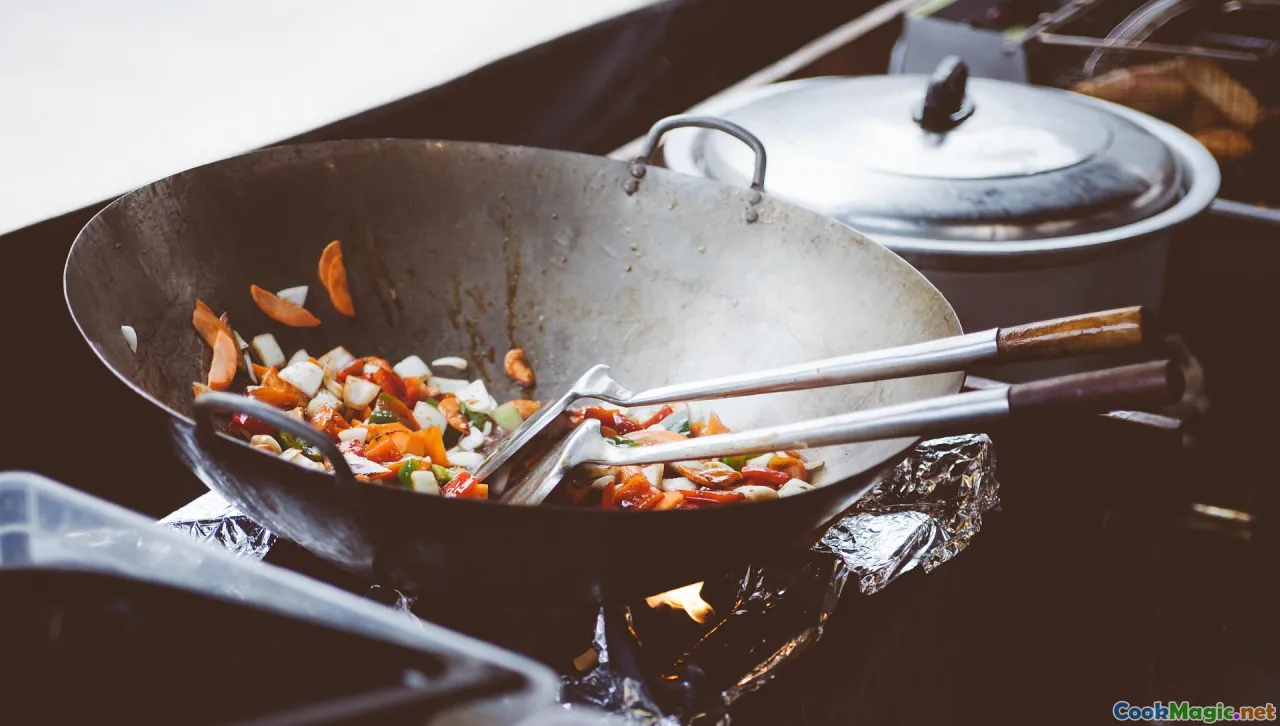
- Mushy noodles: You overcooked in water or added too much stock too fast. Fix: Toss with a handful of fresh bean sprouts for crunch, reduce heat, and cook off liquid. Next time, parboil for 60–90 seconds only.
- Dry noodles, no cling: Sauce too thin? Make a micro-slurry: 1/2 teaspoon cornstarch whisked into 1 tablespoon stock; drizzle and toss over high heat for 15 seconds. Or add a tablespoon of oyster sauce and a knob of butter—a modern Filipino chef’s hack for gloss.
- Blandness: Add a teaspoon of fish sauce when the pan is hot; the aroma blooms and binds. Or scrape the fond with a splash of stock and reduce.
- Oiliness: Paper-towel blot the pan sides during cooking. Finish with calamansi and a handful of chopped scallions. Acid and allium cut fat.
- Clumping: Toss noodles in a teaspoon of oil pre-cook. In the pan, create channels with your spatula so sauce penetrates. Don’t dump all noodles at once; feed them in batches if necessary.
Make-Ahead And Scaling For Feasts
Pancit canton loves a party, but it punishes neglect.
- Pre-cook components: Sear pork and chicken ahead. Blanch vegetables to crisp-tender. Parboil noodles and toss with oil. Hold all refrigerated.
- Reheat logic: Hot wok, quick aromatics, proteins in, sauce base, then noodles with hot stock in stages, vegetables last. Keeping everything warm separately prevents sogginess.
- For a crowd: Work in batches. Combine pans in a heated hotel pan just before serving. Keep a kettle of boiling stock to refresh moisture.
- Holding: Best within 20 minutes of finishing. If you must hold longer, under-season slightly and add a final splash of hot, concentrated stock and calamansi at service.
Pairings: Condiments, Sides, And Drinks That Make It Sing
- Calamansi halves: Non-negotiable. Let guests season their own bite.
- Patis with chilies: A few slices of siling labuyo immersed in fish sauce, dabbed sparingly.
- Fried garlic chips: For crunch and aroma.
- Chicharrón crumble: A festive topping that adds a salty crackle.
- Atchara: Pickled green papaya slices cut through richness.
- Drinks: Iced calamansi juice amplifies citrus; San Miguel Pale Pilsen counterpoints the sauce’s sweetness; for non-alcoholic, lightly sweetened brewed iced tea with calamansi is classic merienda energy.
The Chef’s Formula: A Gram-Precise Pancit Canton For A 4–6 Person Table

Ingredients
- 350 g dried Filipino egg noodles (pancit canton) or 450 g fresh egg noodles
- 300 g pork shoulder, sliced into 5 mm batons
- 200 g boneless chicken thigh, slivered
- 220 g shrimp, peeled (heads reserved), deveined
- 120 g carrots, thinly sliced on the bias
- 120 g snow peas, stringed and halved
- 150 g green cabbage, fine shred
- 60 g red bell pepper, thin strips
- 2 tbsp (30 ml) neutral oil, plus 1 tbsp (15 ml) for noodles
- 1 tsp (5 ml) sesame oil, divided
- 10 g garlic, very finely minced (about 3 medium cloves)
- 80 g shallots or onions, thinly sliced
- 500 ml hot chicken-shrimp stock (see below)
- 30 ml light soy sauce
- 10 ml dark soy sauce
- 40 ml oyster sauce
- 5 ml fish sauce (patis), plus extra to taste
- 6 g sugar (about 1 1/2 tsp)
- 1/4 tsp white pepper, plus extra to finish
- Optional: 1 tsp annatto oil for color
- Calamansi halves for serving
Quick Stock
- Chicken wings or backs (300 g), 1 scallion root, 3 slices ginger, shrimp shells and heads from above; cover with 900 ml water, simmer 30 minutes, add shrimp shells in last 10 minutes, strain and keep hot.
Marinades
- Pork: 5 ml light soy, 5 ml oyster sauce, 2 g sugar, pinch white pepper
- Chicken: 5 ml light soy, 3 ml oyster sauce, 1/2 tsp cornstarch, 3 ml oil
- Shrimp: Pinch salt and white pepper
Method
-
Parboil noodles: For dried, cook in boiling water 60–90 seconds until half-done. Rinse quickly, drain thoroughly, toss with 15 ml oil. For fresh, separate, dust with 1 tsp cornstarch if tacky.
-
Pre-sear proteins: Heat wok over high until smoking. Add 15 ml neutral oil. Sauté garlic and shallots until just golden. Add pork, spread, sear 1–2 minutes without moving; toss, cook 1 more minute. Add chicken, stir 60–90 seconds until opaque. Remove proteins to a bowl.
-
Shrimp essence: In remaining oil, add shrimp heads (if using). Stir-fry until orange and fragrant, 45–60 seconds. Splash 50 ml stock, scrape fond, then strain liquid back into hot stock. Discard heads or set aside for a rustic version.
-
Sauce base: Add annatto oil if using, then pour in light soy, dark soy, oyster sauce, fish sauce, sugar, and 50 ml hot stock. Let bubble 30 seconds until glossy.
-
Noodles in: Add noodles, toss to coat thoroughly in sauce. Add 100 ml hot stock, toss and scrape. When nearly absorbed, add another 100 ml. Repeat until noodles are al dente and coated. You may not need all stock; you want sheen, not soup.
-
Vegetables and shrimp: Add carrots and bell pepper, toss 45 seconds. Add snow peas and cabbage, toss 30 seconds. Return pork and chicken, add shrimp, toss just until shrimp turns pink and curls, 60–90 seconds.
-
Finish: Drizzle 5 ml sesame oil, dust white pepper, taste and adjust with soy or fish sauce. Off heat. Rest 1 minute to settle.
-
Serve: Pile onto a warm platter, shower with scallion greens, offer calamansi on the side. Optional garnishes: fried garlic, chicharrón crumble.
Notes
- If sauce seems thin, whisk 1/2 tsp cornstarch into 15 ml stock and stir for 10–15 seconds over high heat. Stop before it turns gummy.
- For a richer glaze, whisk in a 10 g knob of cold butter off-heat—a restaurant trick for shine.
Variations That Still Feel Like Home
- Ilonggo-style brightness: A touch more cane vinegar in the marinade, plus atchara on the table.
- Cebu home kitchens: Sweetness leans up an inch; some cooks add Chinese chorizo coins for a candy-smoke undertone.
- Market-day version: Pork liver strips added late for silk and iron, a tradition in many Manila households.
- Vegetable-heavy merienda: Skip chicken, double the snap peas and cabbage, add mushrooms for savor.
- Fiesta platter: Quail eggs, thick-cut scallions, and toasted cashews or peanuts for crunch.
Note: Pancit Habhab of Lucban uses miki lucban and is eaten on banana leaves, no calamansi needed—citrus comes from cane vinegar. Different noodle, different story, but a good reference point for the breadth of pancit culture.
Advanced Moves: Flavor Bombs And Textural Contrasts

- Garlic triple play: Start with minced garlic, finish with garlic chips, and fold in a teaspoon of garlic oil for an aromatic arc.
- Shrimp oil: Slowly render shrimp heads in oil over low heat, crush, then strain—use a spoonful to anoint the finished noodles. It’s pure coral richness.
- Crispy elements: Top with crumbled chicharrón or fried shallots. The crackle wakes up soft textures.
- Citrus layering: Zest a single calamansi into the sauce base, then serve halves at the table; the zest perfumes without turning the sauce sour.
- Pepper profile: Blend white pepper for background heat and a few cracks of black pepper for top notes right before serving.
Ingredient Sourcing: Markets, Brands, And Freshness Cues

- Noodles: Filipino brands labeled “Pancit Canton” are reliable. In Manila, try Excellent brand from Chinese groceries; abroad, seek fresh egg noodles in refrigerated cases. Avoid dusty packages with cracked strands.
- Soy and oyster sauce: For oyster sauce, Lee Kum Kee Premium or Philippine brands with higher oyster extract content perform well. Taste side by side.
- Fish sauce: Look for clarity and clean aroma. Rufina or Datu Puti patis are familiar in Filipino kitchens.
- Calamansi: In-season fruits have taut, thin skin and a fragrant, lime-kumquat scent. Frozen calamansi juice is acceptable for off-season cooking; reduce quantity slightly.
- Vegetables: Pick snow peas that snap, cabbage with tightly packed leaves, and carrots that feel heavy for their size.
Health And Balance Without Losing Soul
Pancit canton can be exuberant without being heavy.
- Oil management: Two tablespoons to start are enough if your wok is well-seasoned. Reserve the final drizzle of sesame oil for aroma, not cooking.
- Salt mindfulness: Soy, oyster, and fish sauce stack. Add salt last, if at all.
- Vegetable ratio: Keep a 60:40 noodle-to-veg ratio for texture and nutrition.
- Protein portions: 120–150 g cooked protein per person is generous; balance with more snap peas and cabbage if you want a lighter plate.
Storytelling On A Weeknight: A Personal Ritual
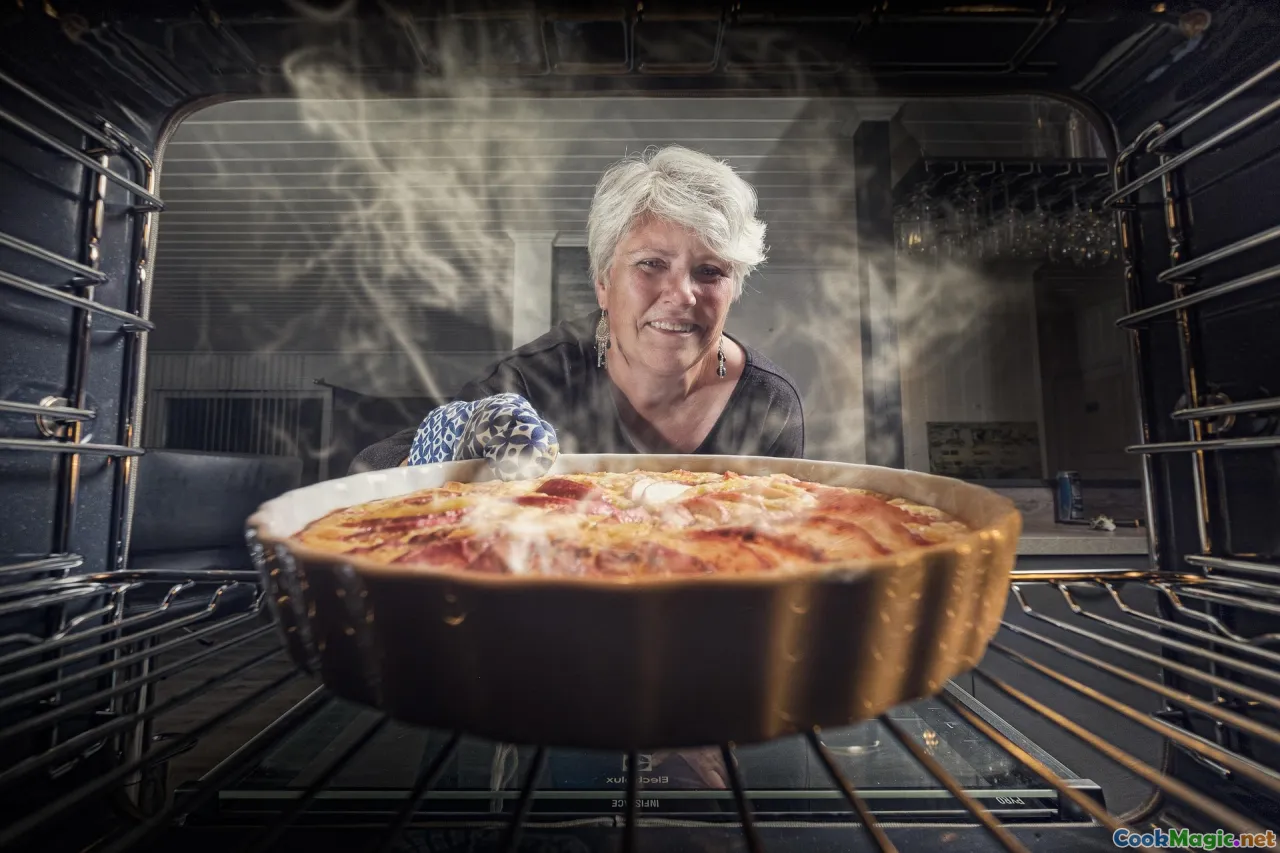
On rainy Tuesdays, I cook a quick pancit canton for two. The cat watches from a chair, whiskers twitching at the shrimp scent. I heat the wok, hear the garlic whisper to the oil, and remember my Lola’s loose-handled pan. I cook the noodles just to the edge, wait for the moment when the sauce clings, then shut off the flame and let the dish exhale. We eat it straight from the pan sometimes, still steaming, calamansi halves cooling our fingers as we squeeze. The first sip of sauce on a spoon tells me whether I’ve balanced it: soy’s comfort, oyster’s roundness, a flick of patis daring me, and the citrus that says, yes, that’s the bowl I was chasing.
Teaching Your Hands: Practice Drills For Control
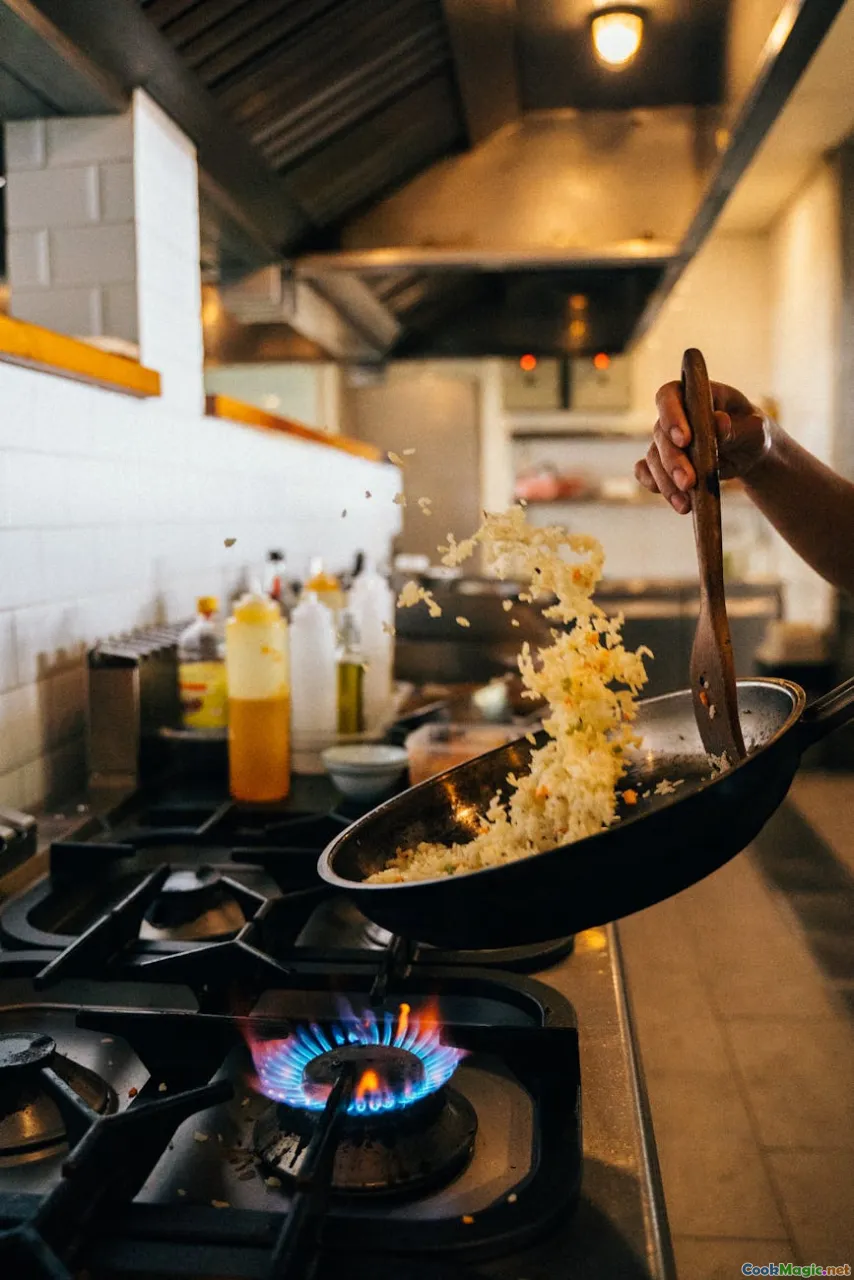
- Dry toss drill: Practice tossing a panful of uncooked noodles to build wrist memory. Confident tosses prevent clumps.
- Heat mapping: Preheat your pan and drizzle a bit of water to watch how quickly it vaporizes—learn your stove’s hotspots.
- Timing the aromatics: Start a stopwatch when garlic hits oil, note how many seconds to gold on medium-high. Remember that number.
- Stock staging: Ladle in fixed amounts—100 ml at a time—and count 30–45 seconds between additions while tossing. Aim for consistent absorption.
Sensory Notes: What To Watch, Smell, And Hear

- Eyes: Garlic at straw gold, not brown; noodles transitioning from matte to satin; vegetables bright and glistening, not dull.
- Ears: Sizzle decreases when you add stock; listen for the return of the lively hiss as liquid reduces.
- Nose: Sweet shallot, roasted garlic, marine shrimp fat, and the caramel-smoke of soy. If you smell bitterness, you’re too hot or too dry; add a splash of stock.
- Touch: Noodles should feel springy between tongs, not sticky-glued.
Beyond The Wok: Sustainability And Respect
- Seafood: Choose shrimp from responsible sources; small wild-caught or certified farms reduce impact. Use the whole animal—heads and shells for stock.
- Pork and chicken: Buy from markets where you can ask about feed and antibiotics; smaller operations often mean better flavor and ethics.
- Vegetables: Lean on what’s in season—sayote in place of bell pepper, pechay for cabbage—so your dish tastes of your place and time.
- Waste-wise: Save onion skins and scallion roots for stock; toss noodle crumbs with garlic for a crunchy topping.
A Cook’s Notes From The Road: Cebu, Davao, And Home Again

In Cebu, I shared a tiny kitchen with a home cook named Ina who added a spoon of sugar and a rogue slice of Chinese chorizo—“pang-bata,” she winked, for the kids. In Davao, a stall near the fruit market finished their pancit with pomelo zest, a local flourish that felt both daring and inevitable. Back home, my uncle insists on cabbage cut so fine it nearly aerates the dish, the noodle-to-veg ratio tipped toward garden. Each place adjusted the dials: a touch sweeter in Cebu, citrus blooming in Davao, a clean, briny patis edge in Manila. Mastery, I realized, isn’t the one true way—it’s knowing which way to turn the knob for the people at your table.
For The Pros: Service Flow And Consistency In A Restaurant Setting
- Batch stocks: Keep a concentrated master sauce base (3 parts oyster, 2 parts light soy, 1 part dark soy, sugar, white pepper) in squeeze bottles. Extend with hot stock to order.
- Par-cook noodles: Blanch to 70% and chill, lightly oiled. Reanimate in the wok with hot stock.
- Protein pans: Pre-seared pork and chicken held warm, shrimp raw and seasoned to order.
- Station map: Left to right—oil, garlic/shallot, master sauce, stock, noodles, veg, proteins, finishes. Muscle memory equals speed.
- Plate hot: Warm platters ensure sauce doesn’t seize. Wipe rims, scatter scallions and garlic chips table-side for theater.
A Final Bowl: Bringing It All Together

Mastering pancit canton isn’t about memorizing a single recipe; it’s about learning to listen to the pan, to your ingredients, and to the people who’ll share the platter. It’s a dance of steam and fire, a conversation between soy and oyster sauce, a handshake between Chinese technique and Filipino appetite. If you chase the sheen—not too much, not too little—and stop the cook when the noodles sing back with spring, you’ll find the bowl that tastes like birthdays and banderitas, or like rainy Tuesdays at home. Keep calamansi nearby, a tasting spoon in your pocket, and courage in your wrist. The rest, as my Lola proved with her loose-handled wok, is practice, memory, and a kitchen that smells like a story you never tire of telling.