Influence of Persian Cuisine on Azerbaijani Food
33 min read Explore how Persian flavors, techniques, and ingredients shaped Azerbaijani dishes—from saffron-kissed plov to herb-rich stews—tracing shared history, regional nuances, and enduring culinary exchange. December 30, 2025 07:07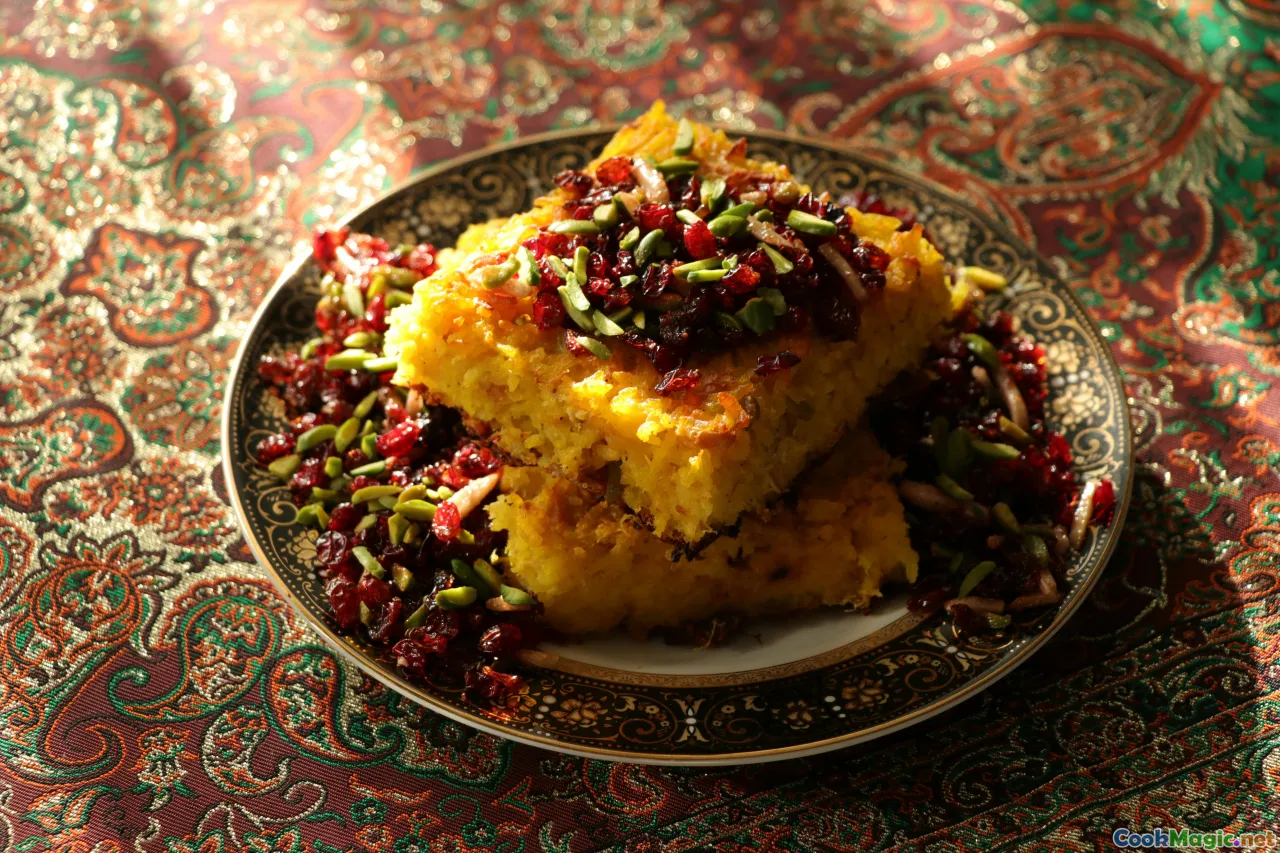
The first time I smelled saffron drifting from an Azerbaijani kitchen, it transported me somewhere I couldn’t place at first. The aroma wasn’t just a spice; it was the sheen of gold dissolving into steam, a promise of shine and depth. In Baku’s Icherisheher, where stone walls absorb centuries of footsteps, that smell felt hauntingly familiar. I had known it in Tehran’s backstreets and in Tabriz’s bazaar, loved it on tahdig and polo. Here it bloomed in plov, tucked into a rice mountain crowned by crust. The border that divides the Republic of Azerbaijan and Iran traces a river, but it cannot sever the channels of taste. Persian cuisine and Azerbaijani food are cousins who still share a pantry, a grill, and very often, a table.
This is not a story of imitation; it’s a story of exchange. Caravans once carried saffron threads and dried limes along with poetry, beliefs, and designs. Empires rose and receded, languages braided, families intermarried. And in the cooking pot, the conversation never stopped. You can taste it in the silkiness of rice, the thunder of grilled lamb, the acidity of sumac against smoky fat. Pull up a chair. The table is set with shared history.
Along the Silk and Salt: A Shared Pantry
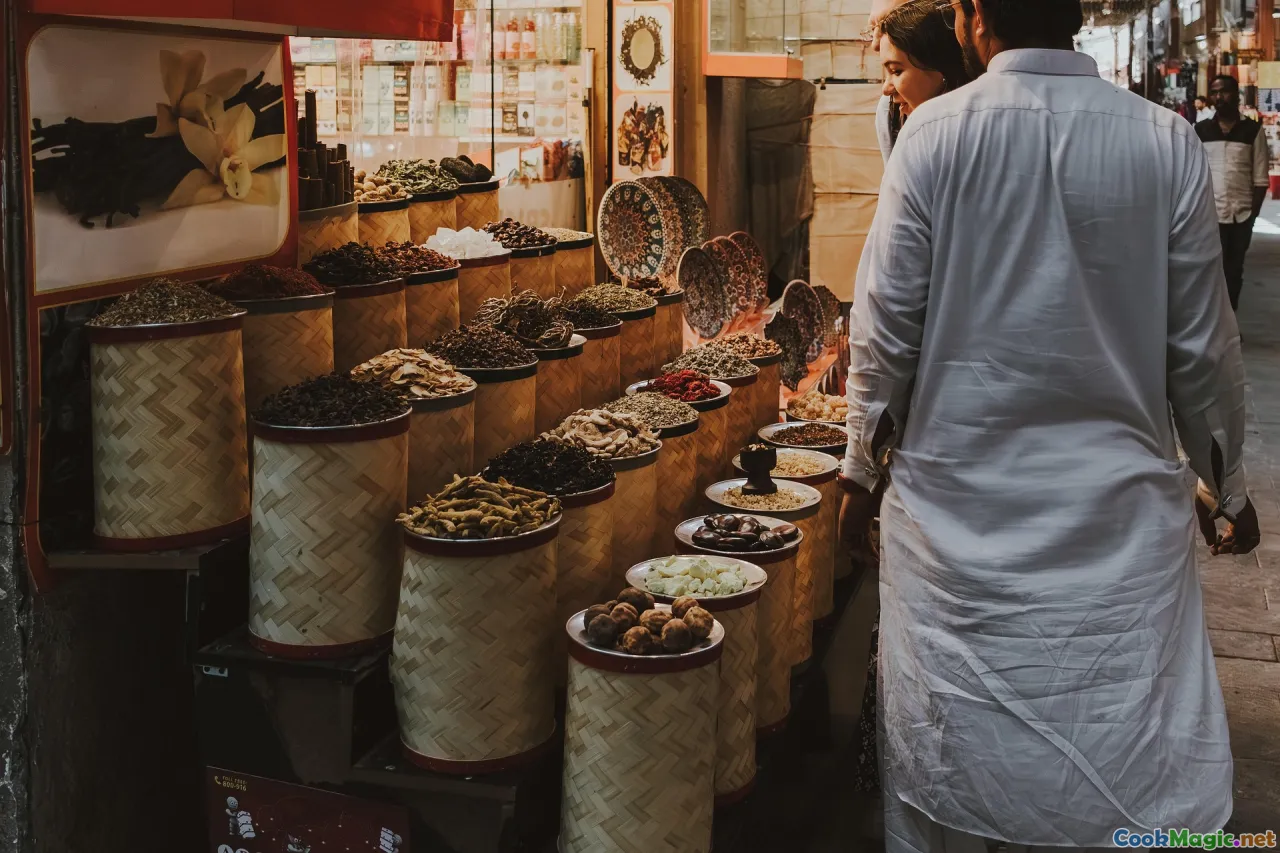
Food historians sometimes treat cuisine like a map with clean borders, but the Caucasus laughs at that. Think of Tabriz—historically a Safavid capital—in the northwest of today’s Iran, a marketplace whose vaulted brick ceilings ripple like waves. Think of Baku, a port city whose winds smell of oil and salt and lamb fat singing over coals. Between them runs the Aras River, and along it, for centuries, caravans moved goods and recipes.
In Ganja’s markets and Tehran’s Tajrish bazaar, you find the same copper pans, the same baskets of dried herbs, and sacks of rice from the Caspian’s wet embrace. Saffron, here, is not just Iranian—it’s also Absheron’s pride. Ask for Zira saffron in Baku (Zirə is a village on the Absheron Peninsula), and a vendor may pinch open a jar so the fragrance hits your nose, honeyed and hay-like. I’ve watched grandmothers from the Talysh region (straddling southern Azerbaijan and northern Iran) bargain for bunches of tarragon and wild mint with the same animated precision I once saw in Rasht and Lahijan.
History writes itself into what people reach for: sumac’s purple dust, pomegranate molasses as black and glossy as lacquer, dried green plums (alça) and sour grape juice (ab-ghooreh). The Persian diaspora brought rice steaming techniques and rosewater, while Azerbaijani cooks trained the Persian grill to love tarragon and taught lavangi—the walnut-onion paste that tastes like forests and autumn—to fish and fowl.
I like to imagine a caravanserai between Shamakhi and Ardabil: a hearth glowing, skewers hiss, a pot of rice breathes steam under a cloth-lined lid. Someone adds saffron. Someone else sprinkles sumac. The wind carries the decisions and habits north and south.
Saffron, Sumac, and the Palette of Flavor
Flavor in Azerbaijani cuisine is a conversation—lamb whispering to onions, rice carrying the perfume of saffron, sour punctuating richness. Persian cuisine speaks the same dialect with its own accent. The shared words are unmistakable.
- Saffron: In both kitchens, saffron is bloomed—never boiled. A pinch of threads softened in hot water or ice leaches a color that looks almost unreal. In Azerbaijan, it tints plov; in Iran, it gilds chelow, sholeh zard, and even tea. Absheron’s saffron is proudly local; Iranians swear by Ghaenat in Khorasan. Both unfurl into the air with honeyed, fresh-cut hay notes that linger in the nostrils.
- Sumac: Where Persian plates hand you lime wedges, Azerbaijani tables often set out sumac—a tart, berry-bright powder that tastes like rubies ground into lemon. It’s showered over grilled meats and the inevitable side of sliced onions. In Iran, sumac is a friend to kebab koobideh; in Azerbaijan, it’s inseparable from lula kebab.
- Pomegranate: Iranian cooking translates pomegranate into fesenjan, a stew darkened with walnuts and pomegranate reduction until the spoon sinks into a glossy lake. In Azerbaijan, pomegranate appears as narsharab—a molasses-like sauce that stains fingers the color of garnets. Brush it onto chicken before grilling and the air smells like caramelized tartness; the first bite is sweet-sour and sticky.
- Sour agents: Persian pantries hold dried limes (limoo amani), heroes of khoresh-e gheymeh and abgoosht. Azerbaijani kitchens reach for alça (green plums) fresh, pickled, or simmered into sauces, as well as verjuice. The effect is similar: cut the fat, wake the palate.
The result is a range of tones—from feather-light floral to robustly tart—that make lamb taste cleaner, greens taste fresher, and rice taste like a luxury rather than a backdrop.
Plov and Polo: A Tale of Two Rices
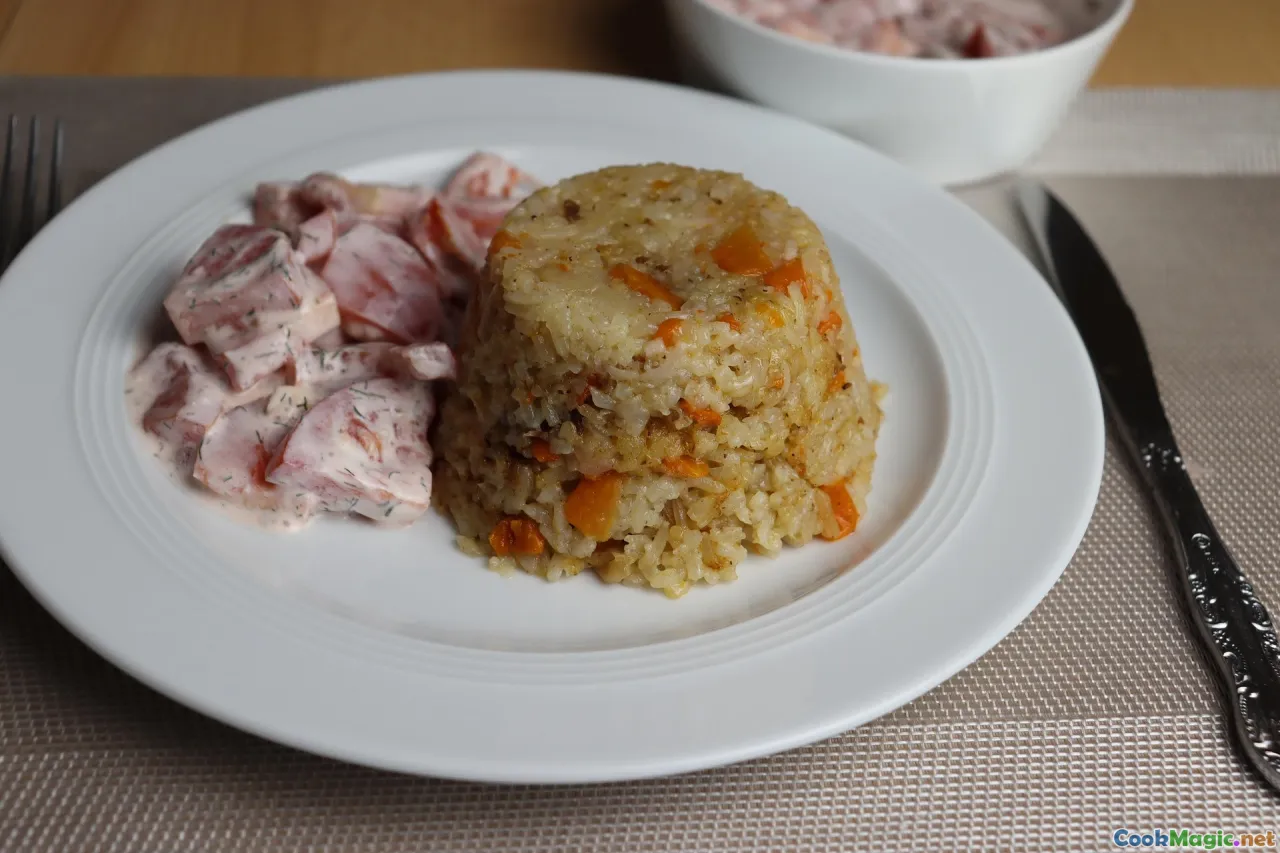
Rice is where the kinship is most legible. Watch a seasoned Azerbaijani cook make plov and you’ll recognize, if you’ve ever cooked Iranian chelow, the choreography: wash the rice until the water runs clear, parboil in salted water until barely al dente, drain, then steam with aromatics until each grain stands distinct and sighs apart from its neighbors. The scent clings to the kitchen like a silk scarf.
The temperaments, though, diverge. Persian rice often features tahdig—a golden crust formed from oil-kissed rice, potatoes, flatbread, or yogurt-egg mixtures, prized like treasure. Azerbaijani plov equally reveres its crust, the qazmaq, which can be a thin flatbread-cracker lining the pot or a delicate egg-flour disk. And then there’s shah plov: an Azerbaijani spectacle where rice and its partners (dried fruits, chestnuts, tender lamb) are assembled inside a lavash-lined pot and baked until the crust encases the plov like a drum. Crack it open and saffron-scented steam fogs your glasses.
How to cook a simple Azerbaijani-style saffron plov at home, with a nod to Persian technique:
- Rinse and soak: Rinse long-grain rice (shekari or basmati) until the water runs mostly clear. Soak for 30 minutes with a tablespoon of salt. This step plumps the grains and relaxes the starch.
- Parboil: Bring a large pot of salted water to a boil. Add the rice and cook 5–7 minutes until the grain is soft at the edges and resists slightly in the center. Drain immediately.
- Bloom saffron: Crush a small pinch of saffron threads with a sugar cube in a mortar. Dissolve in 2–3 tablespoons of hot water. Set aside to deepen to a sunshine orange.
- Prepare qazmaq: Mix 1 egg, a spoonful of yogurt, a tablespoon of flour, and a pinch of salt into a thin batter. Heat clarified butter (or ghee) in a heavy pot, spread the batter on the bottom, and let it set a bit.
- Steam: Mound the parboiled rice into a gentle cone over the qazmaq, dot with butter, and drizzle some of the saffron water along the sides so it trickles down. Wrap the lid with a kitchen towel to trap condensation. Steam on low until the rice is tender and the kitchen smells so good neighbors start inventing reasons to visit—about 35–45 minutes.
- Serve: Spoon the rice onto a platter, streak several spoonfuls with the remaining saffron water for a marbled effect. Pry out the qazmaq whole if you can, and parade it to the table like a crown.
The Persian version will feel like déjà vu with different ornaments—perhaps a potato tahdig and a separate khoresh served alongside, rich with herbs or eggplant. Two methods, one soul.
From Dovgha to Ash-e Doogh: A Cooling Thread
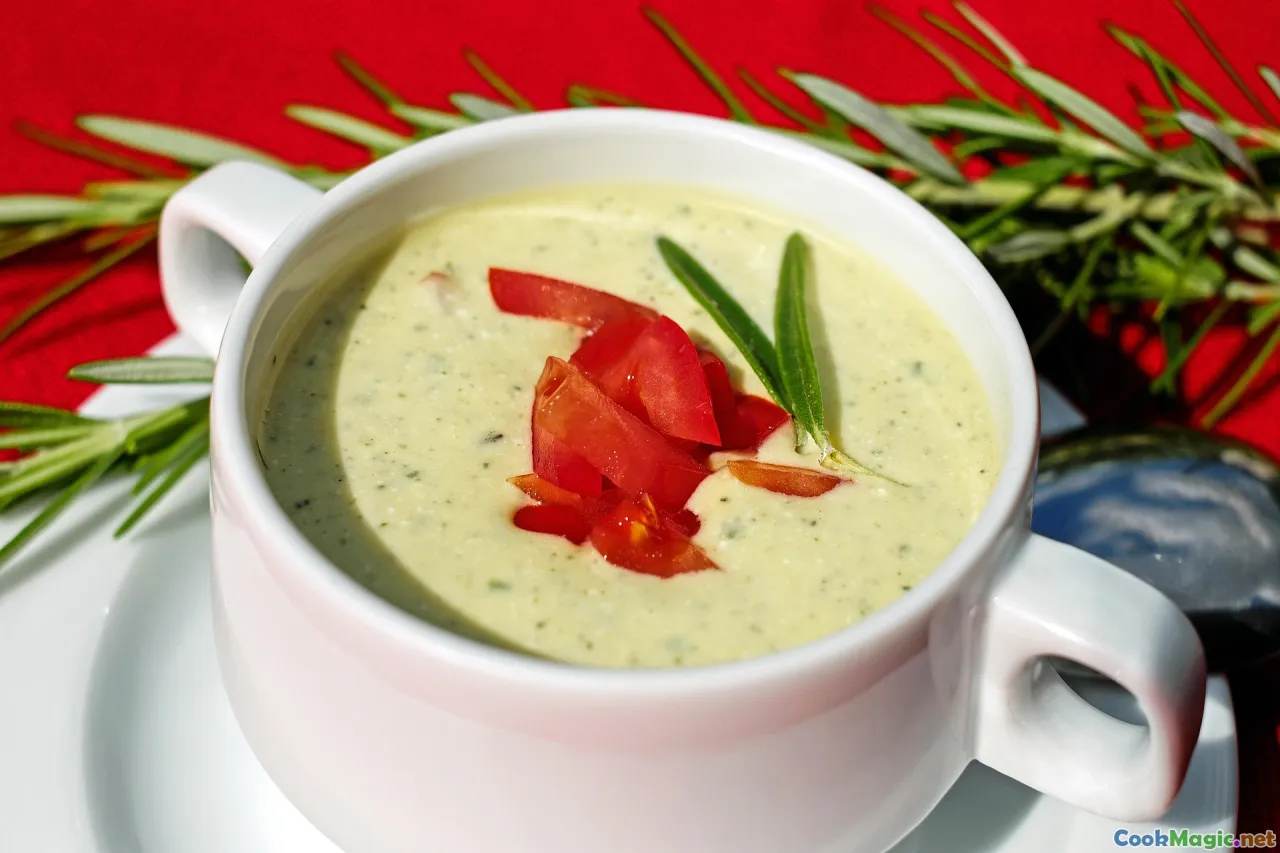
When you’re in Baku in late spring and the air tastes of sea and diesel, nothing is more refreshing than dovgha: a yogurt soup humming with herbs and sometimes spinach or chard, served warm or cold depending on the day and the cook’s temperament. The aroma is grassy and lactic; mint hits the nose, dill and cilantro fold in, and the first sip is tangy like the smile after a joke.
Cross the Aras into Ardabil, and you’ll meet its Persian cousin, ash-e doogh. The concept is the same—yogurt, rice or tiny pasta, herbs, often chickpeas—but the seasoning leans slightly different. Some cooks add dried mint fried in butter until it blooms, that signature Iranian garnish that leaves a cool aftertaste. In both versions, the soup’s texture is a caress: silky, flecked with green, sometimes buoying tender meatballs, sometimes simplicity itself.
A border cannot contain the logic of this dish: yoghurt as a base, herbs as personality, sourness as refreshment, and a careful hand to prevent curdling. Tip from an aunt in Guba: whisk in a beaten egg to stabilize the yogurt before simmering, and don’t let the pot boil angrily—keep it murmuring.
Herbs as a Way of Life: Sabzi and Göyərti
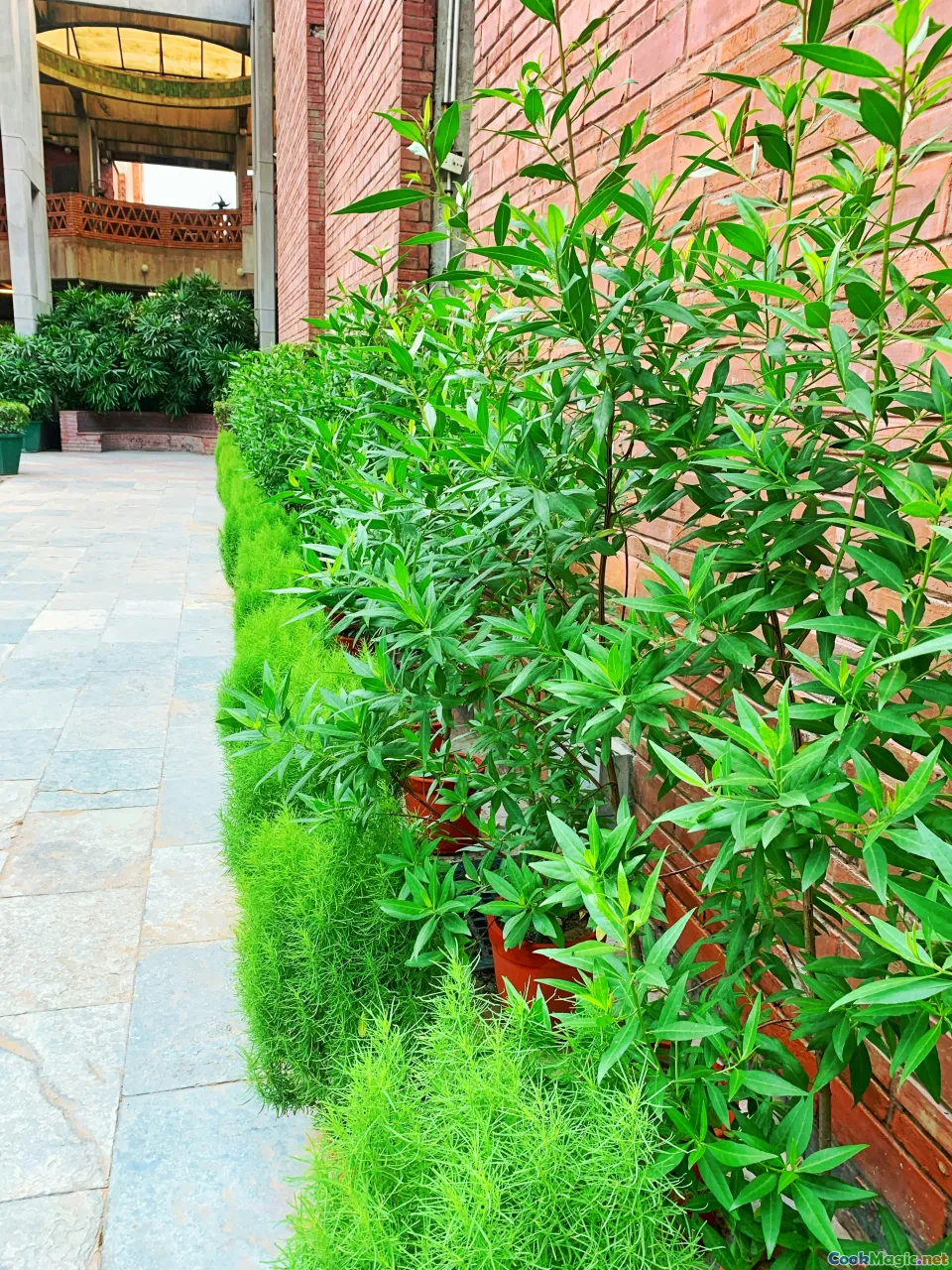
In both cuisines, herbs are not garnish; they are a way of living. Persian tables feature sabzi khordan, a plate of raw herbs—basil, mint, cilantro, tarragon, chives—alongside radishes, walnuts, and feta-like cheese. Azerbaijani tables offer göyərti with similar abundance: purple basil smelling like cloves, dill sweet and feathery, mint cool as a mountain stream, tarragon with that distinctive anise snap, scallions, and sometimes young garlic greens.
I remember sitting in Sumakh Restaurant in Baku, the herb platter landing with a soft thud, the scent starting at one end of the table and rippling through. Tear off a piece of tandir bread, scoop a tuft of herbs, dip in salt, maybe chase with a sip of hot tea, and you begin to understand why meat-heavy cooking never feels heavy here. Herbs lighten, sharpen, and make everything taste alive.
Kebabs and the Poetry of Smoke

Stand near a mangal grill in Azerbaijan and listen: the hiss of fat hitting coal, the dull rasp of metal skewers turning. It’s music. Iranian kebab culture taught the region to prize tenderness through mashing, marinating, and massaging. Azerbaijani grillmasters returned the favor with ferocious heat control and a fearless hand with greens.
- Lula kebab vs. koobideh: Both are minced meat kebabs (often lamb or a lamb-beef mix) seasoned with onion, salt, pepper. A Persian koobideh might be laced with turmeric and sometimes a hint of sumac at the table. Azerbaijani lula leans on black pepper and sometimes a breath of cumin; the difference lives not in the ingredient list but in the touch—the way the mixture is kneaded until sticky and elastic so it clings to the skewer like a promise.
- Barg and tikka: Persian barg is baron of tenderness, thinly sliced lamb or beef marinated with onion and saffron. Azerbaijani tikka is chunkier—cubes threaded to show off marbling. A brush of narsharab on chicken tikkas right before the final turn gives you blistered edges and a sweet-sour perfume.
- Onions and sumac: Both cuisines serve kebabs with onions. In Azerbaijan, it’s often sliced onions massaged with salt and rubbed with sumac until they blush; sometimes a scatter of tarragon or parsley. That bright, almost winey sourness is the necessary counterpoint to smoke.
If you grill at home, borrow an old Persian trick: grate the onion, then squeeze out excess juice so the meat binds instead of steaming. From the Azerbaijani playbook, add herb accents at the end—not into the meat, but onto the plate—so the heat doesn’t mute their perfume.
Caspian Echoes: Lavangi, Fesenjan, and the Taste of Forest

South along the Caspian, the food grows greener and more sour, as if the sea and forests breathe directly into the pot. In the Talysh and Lankaran regions of Azerbaijan, lavangi (or levengi) reigns: a stuffing of crushed walnuts and onions cooked down until they surrender their water and turn glossy, often sharpened with narsharab or sour prune paste. This paste is packed into chicken, eggplant, or Caspian fish (kutum), then baked until the walnut oils release. The aroma is woodsy and haunting—a forest after rain.
In Iran’s Gilan and Mazandaran provinces, walnuts and pomegranate also pair in fesenjan. The dish turns almost black if you cook it right, with a bittersweet undercurrent like a dark chocolate you can’t stop nibbling. When I tasted lavangi in Lankaran for the first time, I thought of a Gilani fesenjan I’d eaten years before, and vice versa, yet lavangi’s onion body and Azerbaijan’s penchant for stuffing distinguish it clearly. The kinship is undeniable but the personality is singular.
Pro tip: If you attempt lavangi at home, take your time with the onions. You want them deeply softened, their sharpness cooked off, before the walnuts go in. Skipping this step leaves the paste raw-tasting. Patience turns the mixture into velvet that clings.
Dolma, Kapama, and the Festive Table

Ask a Baku local about yarpaq dolması—grape leaf dolma—and you’ll get a family recipe, guaranteed. Minced lamb, a bit of rice, dill, mint, sometimes savory and tarragon, all held in young grape leaves so tender they seem to sigh as you fold them. They’re simmered in a wide pan, weighted with a plate, until the leaves soften and release their leafy perfume. Serve with sarımsaqlı qatıq, a garlicky yogurt, and a squeeze of lemon if you’re inclined. Each dolma is a two-bite secret: meat-forward, herb-drenched, and not sweet.
Persian dolmeh barg-e mo, by contrast, often leans slightly sweet-sour: rice-forward, sometimes with split peas, a touch of sugar, barberries, dill, mint, and that uniquely Persian trick of balancing sweet with tart. In both, the grape leaf’s tannins meet fat and salt and transform into something addictive.
Kapama in Azerbaijani usage can refer to celebratory braises of lamb layered with onions and sometimes fruit, or to pilafs where meat and rice steam together. You might encounter lamb kapama perfumed with saffron and dotted with dried apricots or chestnuts—a cousin to Persian mixed polos like zereshk polo or shirin polo. The tone differs: Azerbaijani versions tend toward savory with restrained sweetness; Persian versions often push a bit further into fruit-forward territory. Either way, this is festive food, meant for long tables and noisy rooms.
Bread, Crust, and the Architecture of Heat
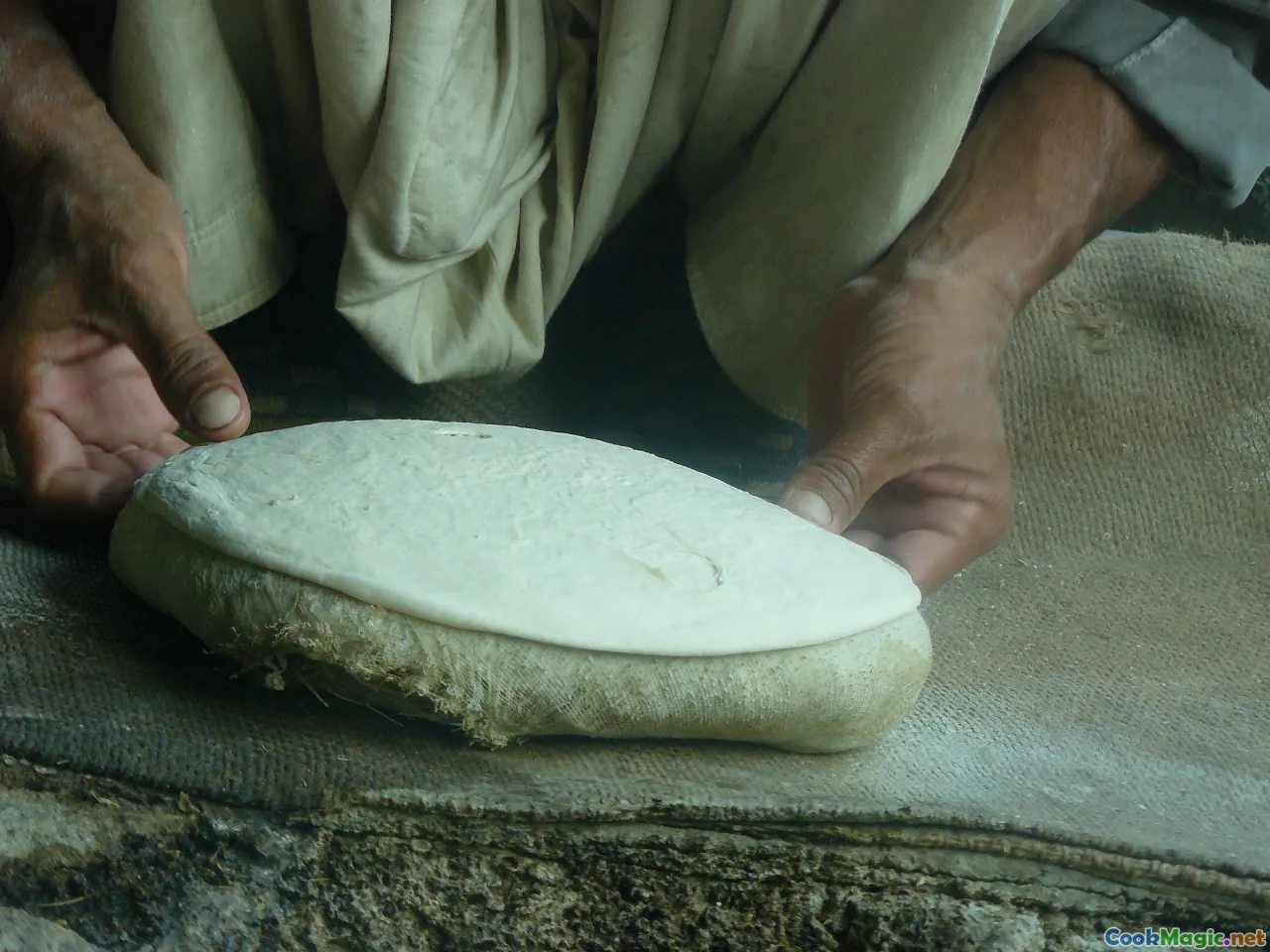
The ovens of the region—tandir in Azerbaijan, tanur or tandoor across Persian-speaking lands—are not just appliances; they’re architecture. You slap dough against the oven’s hot walls and watch it puff, blister, and grab. In Azerbaijan, tandir bread can be airy or dense, but always meant to be torn, a tactile pleasure; Persian ovens yield sangak, studded with pebbles’ imprint, and barbari, with its distinctive ridges.
The logic of crisp meeting soft runs through rice and bread. Qazmaq and tahdig have different names but the same gravitational pull: we all reach for the crunchy bits first. Azerbaijani qutab—thin stuffed flatbreads seared on a convex griddle—are cousins to Persian saj breads, though the fillings diverge. Taste a herb-stuffed qutab slicked lightly with butter and sprinkled with sumac, and then try a minced meat version that drips savory juices—you’ll need quick fingers to keep up.
Sweets and Tea: Shared Rituals of Hospitality

The clink of a spoon against a small, tulip-shaped armudu glass in Baku is a sound that says welcome. Tea is amber-dark here, often brewed strong in a samovar and poured into glasses that narrow at the waist so the heat fits your hand like a warm bird. Iranian tea culture mirrors this intimacy—small estekan glasses, a sugar cube held between teeth, cardamom sometimes perfuming the steam.
On the Azerbaijani sweet table, you’ll see paxlava (baklava), layered with nuts and scented with cloves or cardamom—the Baku version can be honeyed and crisp, while Sheki’s halva is a marvel: a lattice of rice flour syrup woven over crushed nuts, cut into diamonds that gleam. Shekerbura, crescent pastries crimped by hand, spill sweetened nuts when bitten. In Iran, Baghlava Yazdi and Qazvini bring rosewater and pistachio, a slightly different textural aim. Both cultures love preserves: morabba of quince, sour cherries, or rose petals. In Baku, I’ve been handed a tiny dish of apricot jam with tea, told to sweeten my sips not with sugar but with a dab of jam on the tongue. The perfume blooms in the heat of your mouth.
There is no rushing tea. It is conversation’s metronome. The samovar hums beneath everything, and the sweets—sweet, yes, but also fragrant and delicate—punctuate the afternoon.
Sour is a Love Language: Pomegranates, Plums, and Limes
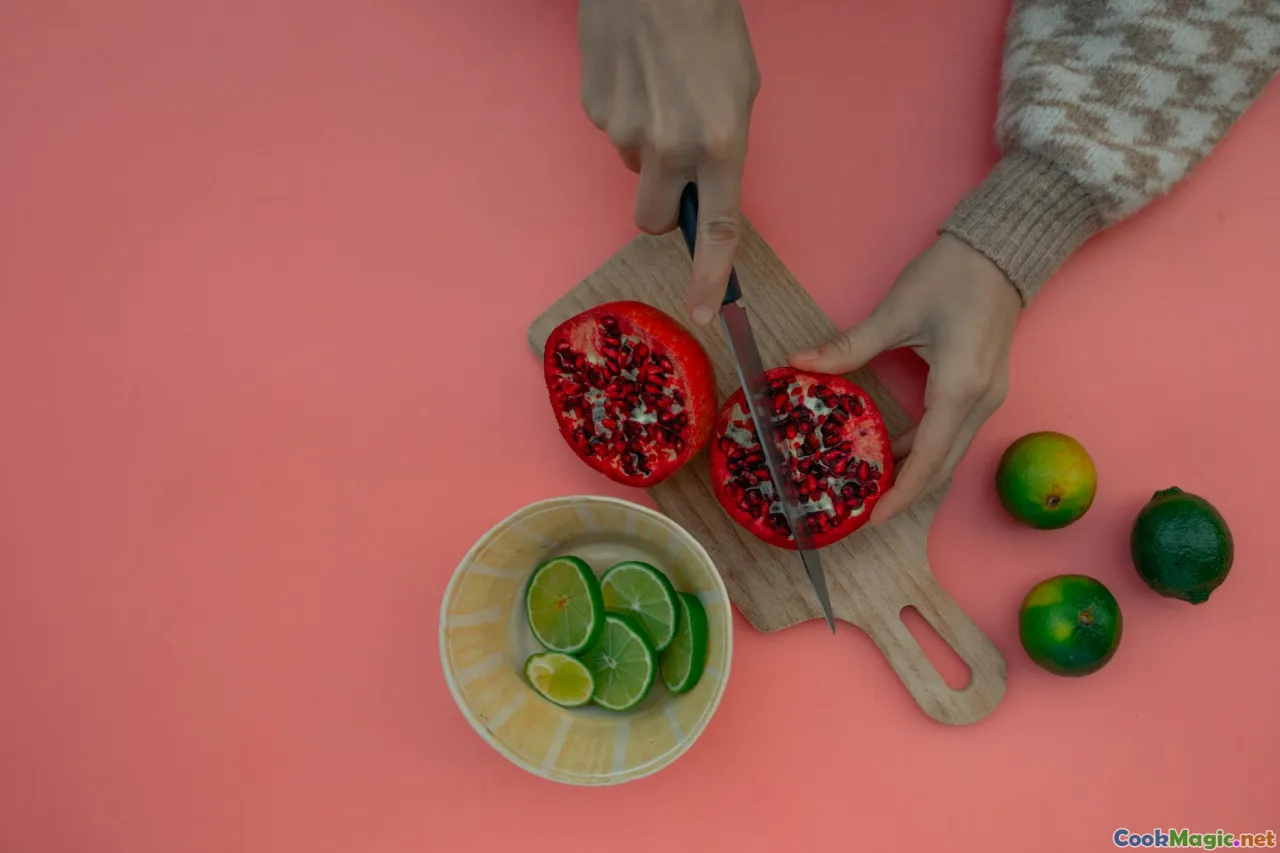
In a meat-loving region, sourness is the balancing force. Azerbaijan keeps jars of turshu—pickles of cucumbers, green tomatoes, garlic scapes, and alça (green plums) that make your jaw twinge pleasantly. Iran offers torshi, a similar world of pickles with vinegar and herbs, plus the famous dried limes that carry an almost smoky, antiqued citrus note.
Narsharab sits between condiment and ingredient. Reduce fresh pomegranate juice slowly until it coats a spoon, and you have something that smells like harvest in a bottle. Brush it on grilling quail or stir it into onion-walnut paste for lavangi. Across the border, ab-ghooreh (verjuice) sharpens stews and rice; sprinkle a few drops on steamy chelow and watch it wake up. Both cuisines know that fat without acid is a monologue; with acid, it becomes a duet.
New Crossings: Chefs, Markets, and the Diaspora Table
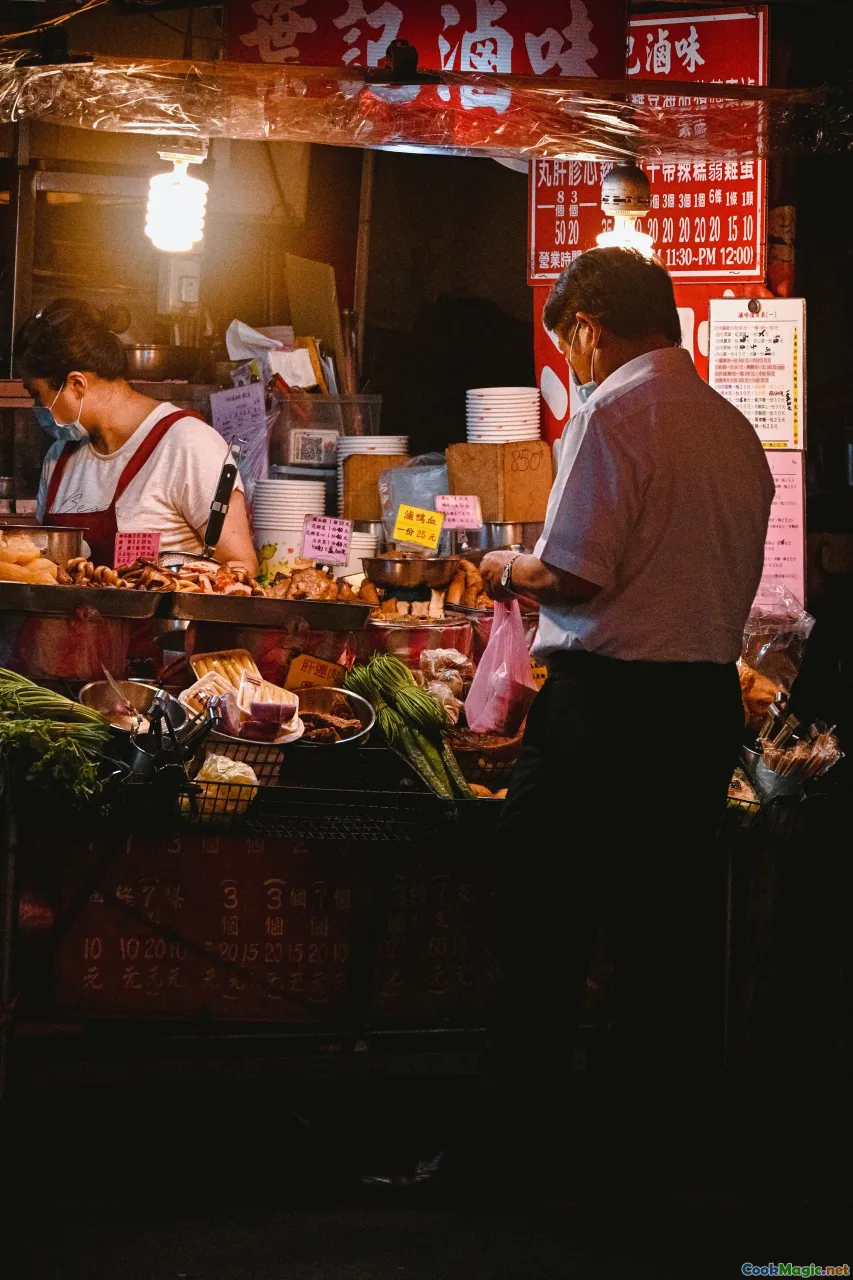
At Sumakh in Baku, a young chef plates shah plov like a modern sculpture, scattering barberries that wink like garnets. At Shirvanshah Museum Restaurant, you eat surrounded by artifacts, musical instruments, and copperware that insist on memory even as you reach for your next bite. Tehran’s Azeri-run households cook koofteh Tabrizi the size of apples, with sour plums tucked inside, and in Tabriz itself, the bazaar’s spice merchants sell both Persian advieh and spice blends that tilt toward Caucasian heat.
Diaspora has intensified the exchange. In Berlin and Moscow, Azeri and Iranian restaurants sit blocks apart, sourcing from the same international markets: saffron from Mashhad, walnuts from Gilan, dill by the kilo. In California kitchens, I’ve seen shah plov baked in Dutch ovens while a Persian khoresh simmers alongside, a joyful mash-up where no one bothers to choose sides.
Markets tell the story best. Teze Bazar in Baku is a riot: giant heads of garlic stacked like mosaics, fish glinting in crushed ice, saffron scaled in tiny envelopes like currency. Walk Tehran’s Grand Bazaar and the same rhythm asserts itself—merchants pounding meat with knives, dill piled like fallen confetti, sour cherries begging to be turned into jam. The smell is international: grilled meat, herbs bruised under fingers, and somewhere a pot of rice releasing steam.
A Cook’s Field Notes: How to Taste the Connection at Home
If you want your kitchen to become a small bridge across the Aras, cook a simple meal that nods to both traditions without collapsing their differences.
- Start with rice: Make Azerbaijani-style plov with saffron and a thin qazmaq crust. Keep the grains distinct. Honor the Persian influence by blooming saffron properly and steaming patiently.
- Grill something: A hybrid kebab—a lula with the binding technique from Iran (grated, squeezed onion; thorough kneading), finished with a brush of narsharab at the end, and served with sumac onions. Add a handful of fresh tarragon to the platter in a very Azerbaijani flourish.
- Plate the greens: Set out a mound of fresh herbs: mint, dill, basil, cilantro, tarragon, scallions. Add radishes and a little salty cheese. This is less a side and more a rhythm section for the entire meal.
- Make a cooling soup or drink: If the day is warm, a chilled dovgha is unbeatable, or mix a quick sekanjabin-inspired drink—honey or sugar syrup, vinegar, mint—served with cucumber slices. Both cultures understand thirst.
- Add a sour accent: Offer a small bowl of alça turşusu (pickled green plums) or a plate of torshi. Or simply put out lemon wedges and a small dish of sumac. Let people calibrate their own sourness.
- End with tea: Brew strong black tea. In Azerbaijan, I add a cardamom pod sometimes, a Persian habit, or serve with a spoon of jam in a nod to Baku afternoons. If you have rock candy (nabat), bring it out—it dissolves slow and sweet.
Ingredient notes that carry the shared DNA:
- Saffron: Buy threads, not powder. Warm a spoonful of water in a demitasse cup, crumble the threads with a pinch of sugar, and let the magic happen.
- Sumac: Look for a bright, wine-red powder that smells citrusy; dull brown often means staleness.
- Narsharab: If you can’t find it, reduce unsweetened pomegranate juice gently with a pinch of salt until syrupy; avoid burning—it goes from jewel to bitter quickly.
- Herbs: Don’t skimp. If your cutting board looks like a hedgerow, you’re doing it right.
A Memory from the Borderlands
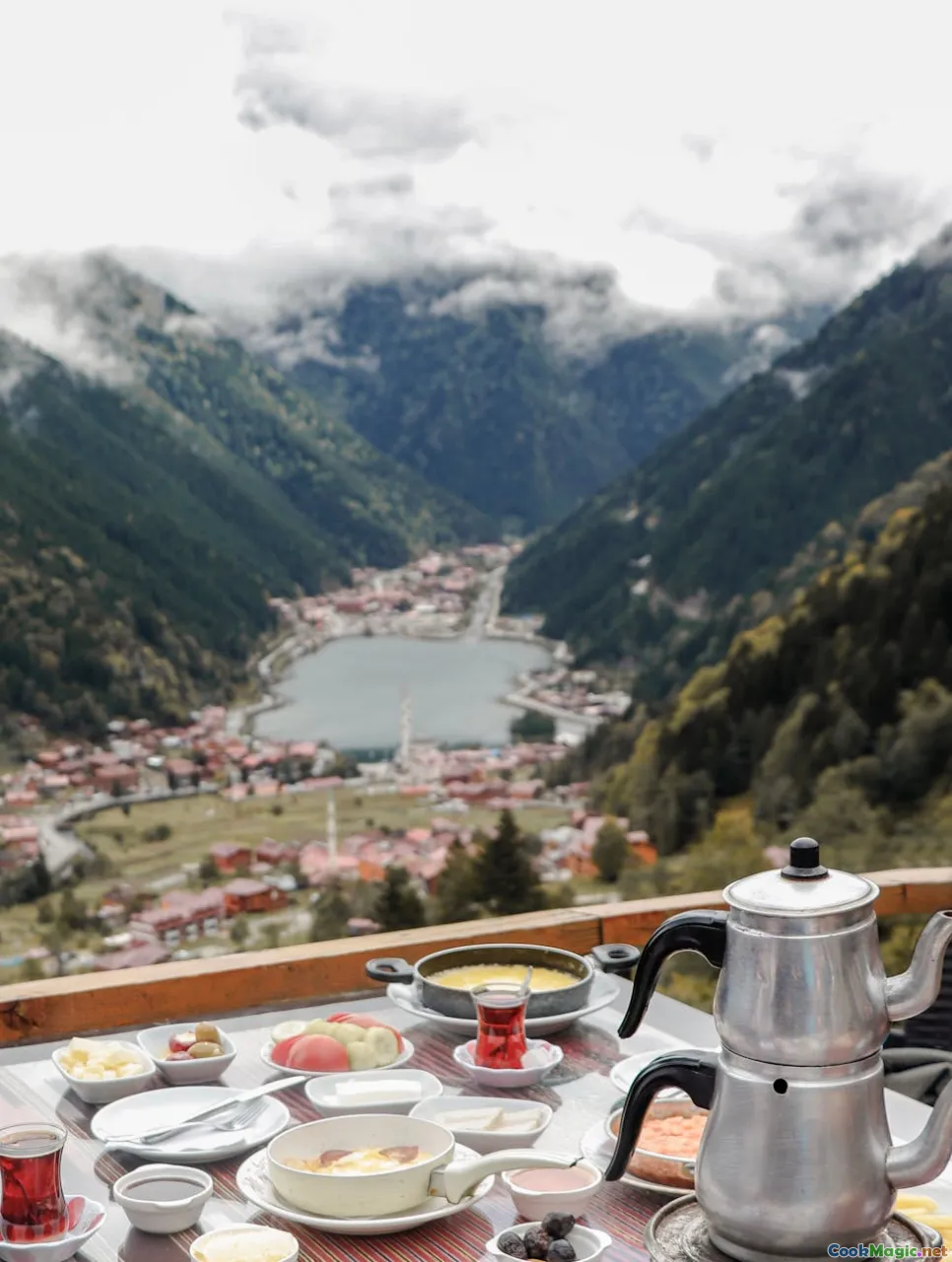
There’s a tea house near Astara, the border town where trucks line up like a necklace of steel. I stopped there one evening when the light was the color of apricots and the smell of rain rode in from the mountains. A man from Ardabil and a woman from Lankaran argued, gently and joyfully, about whether dovgha should be warm (her vote) or cool (his). The tea was poured into glasses that warmed our hands, the steam rising in ghostly breath. Someone produced a plastic container of dolma from a car trunk—grape leaves so tender it felt rude to bite them—and someone else brought out pickled alça. We ate with our fingers. Sumac made little red hills on our plates. We spoke in a blend of Azeri and Persian, and where words failed, we gestured with bread.
I think of that evening any time I cook rice now. When the lid lifts and saffron fog meets the air, I’m back at that table where borders were practicalities and taste was the truth. The influence of Persian cuisine on Azerbaijani food is not an academic footnote; it’s a lived, daily intimacy—an old friendship that still finds new things to talk about. The proof is in the grain that stands separate and perfumed, in the smoke that clings to your sweater after grilling, in the bright slap of sour that makes richness sing, and in the herbs, endless and green, that remind you that every meal is a negotiation with season and place.
If you cook this way, you will hear the same conversation. You will taste the past speaking clearly and the present answering in its own voice. And, if you’re lucky, your kitchen will smell like both sides of the river at once: saffron and smoke, butter and sour, bread and tea—an edible topography you can navigate with your fingers and a piece of bread, no passport required.