How to Choose the Best Seychelles Market Spices
31 min read Navigate Seychelles markets like a local: identify fresh, authentic spices, evaluate aroma and provenance, and choose blends for Creole dishes to elevate your island cooking and cultural understanding. January 10, 2026 07:06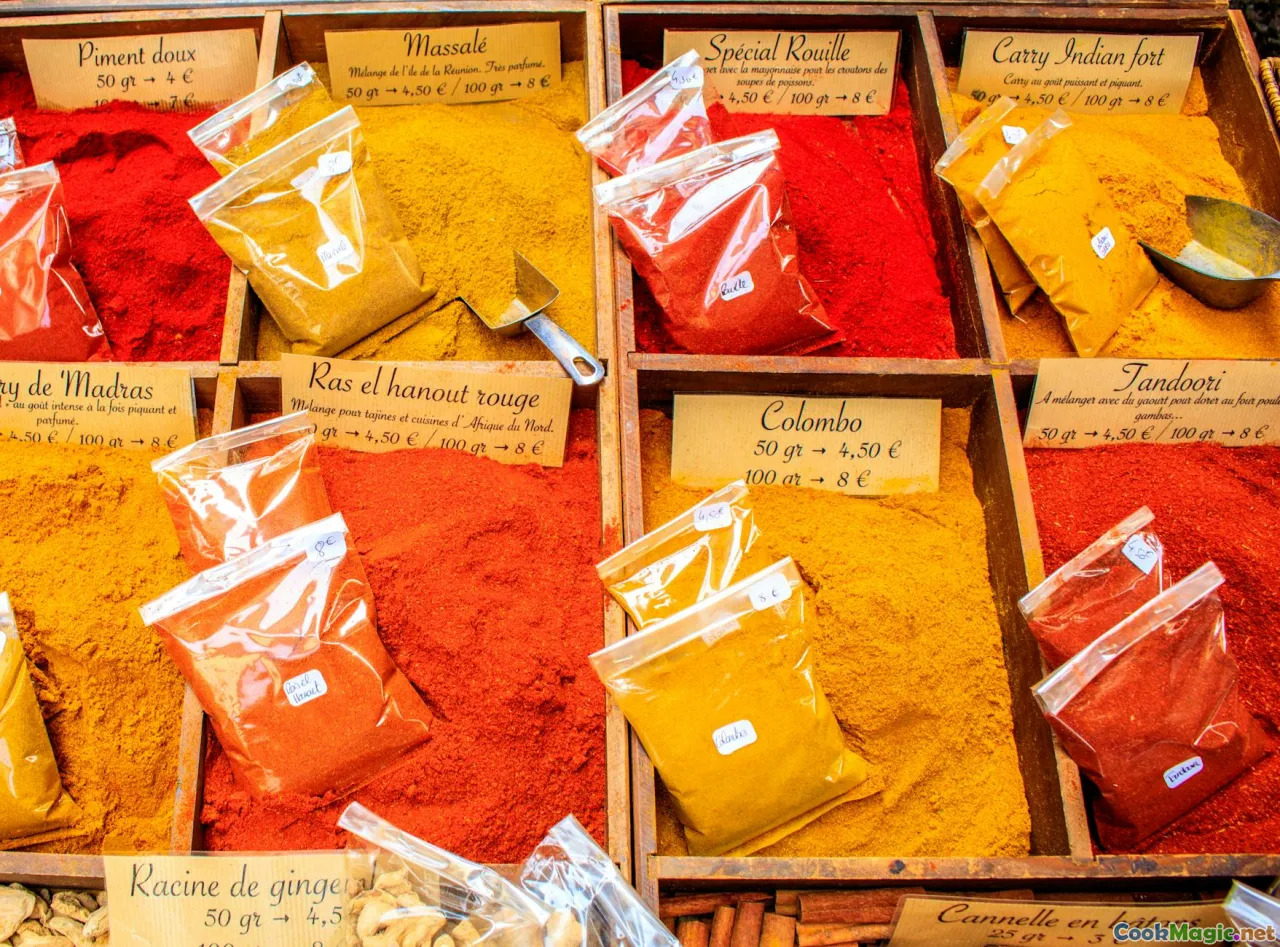
The first thing that hits you is the smell—salt brine from the wharf, sun-warmed bananas, and that unmistakable ribbon of cinnamon that seems to drift down every lane of Victoria. At the Sir Selwyn Selwyn-Clarke Market on Mahé, I like to step in slowly, the way you slide your feet into the lagoon and let the body adjust to the temperature. My hands reach, almost on their own, for the leaf bundles tied with thin raffia: cinnamon leaves, glossy and green like lacquered bay, and curry leaves that release a citrusy whisper when you rub the stems. I always pause at a stall run by an auntie everyone calls “Majoie,” who keeps her vanilla in glass jars like dark, sleeping eels. She opens a jar and a wave of perfume escapes—custard, pipe tobacco, and morning orchids—and I remember why I came. If you’re curious about Seychelles cuisine, choosing spices here isn’t just shopping. It’s listening to an island talk.
The Spice Map of Seychelles: History in a Handful
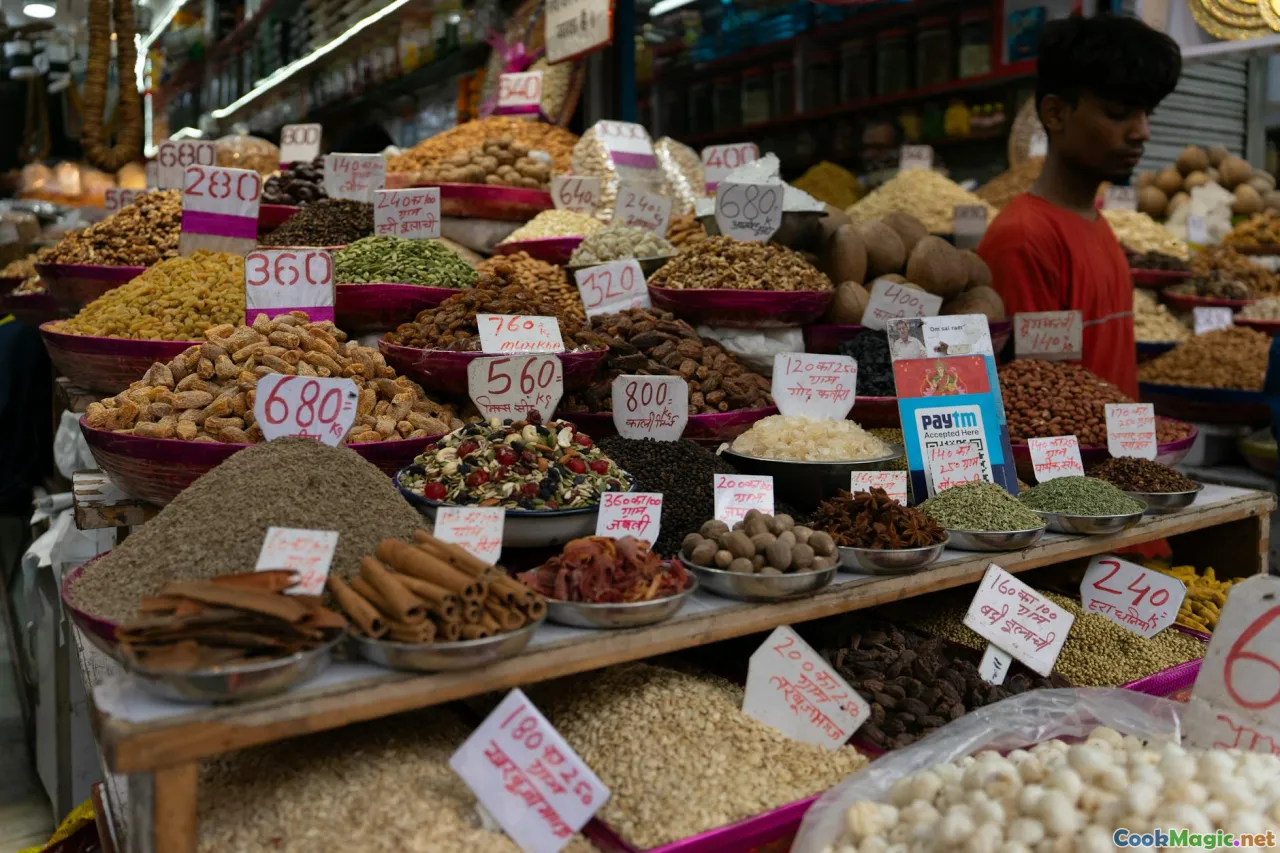
To choose well in a Seychellois market, it helps to know what the islands have chosen for themselves. Cinnamon arrived under French colonial hands, but the plant loved the slopes and took off, its roots tangling with granite and rain. By the late 19th century, Seychelles exported cinnamon bark and oil; even now, the scent threads through buses and back kitchens. Vanilla followed: careful work, hand-pollinated blossoms coaxed into pods, then a careful choreography of blanching, sweating, drying, and curing.
Seychelles cuisine is Creole at heart—African, French, Indian, and Chinese influences braided by ocean life. You taste that braid in a spoonful of kari zourit (octopus curry): coconut milk’s creaminess, a soft clove note, turmeric’s earth, and the woodland sweetness of a cinnamon leaf. You feel it in mazavaroo, the island chili paste, where bird’s eye chilies are crushed with lime and sometimes ginger until they glow like coral under a tide pool.
Markets are the best maps for these flavors. Start at the Sir Selwyn Selwyn-Clarke Market in Victoria, with its blue ironwork and the hum of a dozen languages. On Wednesdays, drift by the Beau Vallon night market, where perfume from charcoal smoke and chili glazes pulls you stall to stall. If you’re heading to Praslin, Baie Sainte Anne’s Saturday market has small baskets of spices, each batch different like a signature. On La Digue, ask at the bicycle rental for the house that sells cinnamon oil; the answer will be a smile and a pointed finger down a sandy lane.
How to Shop the Victoria Market Like a Local
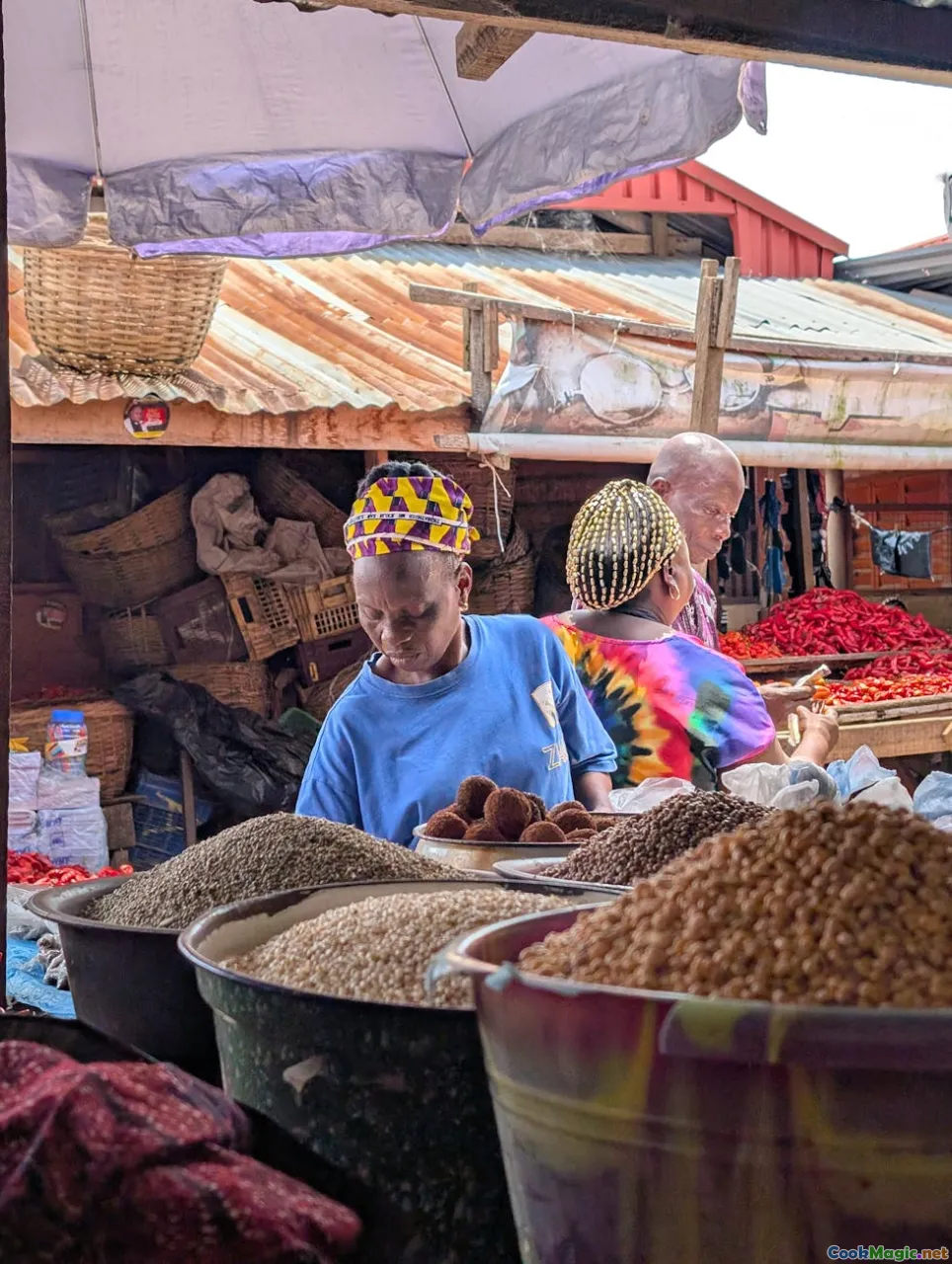
Think of this as a tasting ritual more than a transaction.
-
Start with whole spices. Whole coriander, cumin, cloves, nutmeg, and peppercorns hold their secrets longer than any powder. Ground blends—especially mass-produced curry powders—can sit too long in heat and light, bleeding out their soul.
-
Touch and warm. You’re not being rude if you ask to rub a pinch between your fingers. Spices reveal themselves with a little friction. Fresh coriander will smell citrusy and warm; stale coriander will give you dust and nothing else.
-
Trust color and oil. Bright turmeric should glow like marigolds. Cinnamon bark should look like porcelain-thin quills, multiple layers curling inside like a rolled cigar. Vanilla pods should be flexible, almost oily; brittle pods mean heartbreak at home.
-
Listen to the vendor’s story. Ask where the cinnamon grew—coastal hill or inland—and when it was cut. Smallholders are proud of their plots, and provenance isn’t just romance; it signals how the spice was dried and stored.
-
Buy less, more often. Heat and humidity are natural enemies in the tropics. If you’ll be on Mahé more than a week, buy half-quantities and come back. You’ll get fresher lots and another chat with your favorite auntie.
-
Be fair with prices. Haggling has its place, but in Seychelles markets the economy is small and hands-on. If the cinnamon leaf bundle smells like a walk through a forest after rain, it’s worth what they ask.
Cinnamon: The Island’s Perfume

Seychelles cinnamon is the gentle sort, the kind your teeth won’t fight. It’s Cinnamomum verum—true cinnamon—related to Sri Lankan stock, not the thicker, harsher cassia you’ll see in some supermarkets. Here’s how to choose it right:
-
Quills: Look for narrow sticks made of many fine layers. They should snap easily and crumble into delicate shards, not splinter into wooden slivers. Pale to warm tan in color, almost satin-smooth. Bring one to your nose: you want sweet warmth and a hint of citrus, not the bitter sharpness of cassia.
-
Leaf bundles: These are Seychelles’ secret weapon. Cinnamon leaves are used like bay leaves in curries and stews, perfuming coconut milk with a soft, resinous warmth. Choose leaves that are glossy, deep green with no black spotting. Rub a leaf: it should release an aroma somewhere between allspice and clove with a greener, sap-like undertone.
-
Cinnamon chips: Many vendors sell bark chips in small bags—ideal for infusing tea, poaching syrup, or slipping into rice. Check for softness: good chips bend slightly before snapping; if they’re too hard, they may be old or cassia masquerading as cinnamon.
Testing Tip: Warm the quill between your palms for eight seconds, then inhale. Fresh cinnamon will bloom into something round and sweet, almost pastry-like. If what you smell is faint, keep walking.
Use at home: For kari zourit, toss in one or two cinnamon leaves during the coconut milk simmer. For a dessert ladob (breadfruit or plantain simmered in coconut milk), a single quill does the work of a paragraph: it adds comfort without heaviness.
Where to learn more: Le Jardin du Roi (the Spice Garden) near Anse Royale has walking paths perfumed with living cinnamon and a small boutique selling oil, bark, and leaf. Take the tour; you’ll never confuse cassia again.
Vanilla Beyond the Postcard

The vanilla you want is supple, glossy, and shy. It doesn’t shout; it hums. When you buy vanilla pods in Seychelles, treat them like fish at the quay—look for signs of life.
-
Flexibility: Bend a pod gently. It should curve like a willow switch, not crack. If it feels dry, ask the vendor to show another jar.
-
Aroma: A good pod smells like custard and cacao with a floral top note. If it smells sharp, boozy, or medicinal, it’s under-cured; if it smells musty, it’s lost its way.
-
Vanillin “frost”: Sometimes you’ll see pale crystals on a well-cured pod. That’s vanillin—like sea salt clinging to rocks, a sign the pod is rich and content. Don’t confuse this with mold; mold looks fuzzy, spreads into spots, and smells like damp cardboard.
-
Thickness: Fatter pods are not always better. Look for even plumpness along the entire pod, not bulges or smashed sections.
At home, tuck vanilla into sweet ladob: slices of ripe plantain and wedges of breadfruit simmered in coconut milk with a split pod, a whisper of cinnamon, and a spoonful of sugar, until the pieces turn creamy and collapse languidly. Or, surprise yourself: scrape seeds into a marinade of lime, chili, and a trickle of coconut oil for prawns. Vanilla doesn’t always need to be dessert; in Seychelles, flavor crosses categories like boats cross channels.
Storage tip: Wrap pods in parchment, slide into a small glass jar, and keep them dark and cool—not refrigerated, where condensation can bruise them. If a pod starts to dry, bury it in sugar for a week. You’ll get vanilla sugar and a second life for the pod.
Massalé vs. Garam Masala: Same Ocean, Different Currents

People often ask if Seychelles’ massalé is just garam masala by another name. They’re cousins, not twins. Garam masala tends to be aromatic and warming without chilies; massalé is a pantry blend tailor-made for Creole curry—earthy, slightly bitter from fenugreek, often including mustard seeds, and ready to marry coconut milk.
What to look for in market massalé:
-
Color: Warm tawny to deep sand. If you see neon yellow, it’s heavy on turmeric; that’s a curry powder, not massalé.
-
Aroma: Coriander forward, with nutty undertones from cumin, a faint mustard heat, clove sweetness, and a rounded whisper of cinnamon leaf.
-
Texture: Slightly coarse if hand-ground. Ultra-fine powder can be a red flag for older, industrial blends.
I prefer to build my own. Here’s a traveler’s massalé you can make after a market day, suitable for kari pwason (fish curry) or chicken curry:
- 4 tablespoons coriander seeds
- 2 tablespoons cumin seeds
- 1 tablespoon black peppercorns
- 2 teaspoons mustard seeds (brown or black)
- 2 teaspoons fenugreek seeds
- 4 cloves
- 1 small cinnamon quill (true cinnamon), broken
- 1 star anise (optional)
- 8-10 curry leaves or a small cinnamon leaf for the toaster’s perfume
Toast each spice lightly in a dry pan over medium heat until fragrant—coriander will smell lemony, cumin earthy, mustard seeds will pop. Add the leaf for the last minute to scent the blend. Cool, then pound in a mortar or grind. Store the mix in a lidded jar with a bay or cinnamon leaf tucked inside.
How it differs: Garam masala might tilt toward cardamom, mace, and nutmeg, a bouquet you’ll find more in North Indian cooking. Massalé meets coconut, chili, and lime. It’s designed for the ocean, and for a Creole plate where turmeric’s gold and curry leaves’ citrus already shine.
Chiles and Mazavaroo: Gauging the Heat
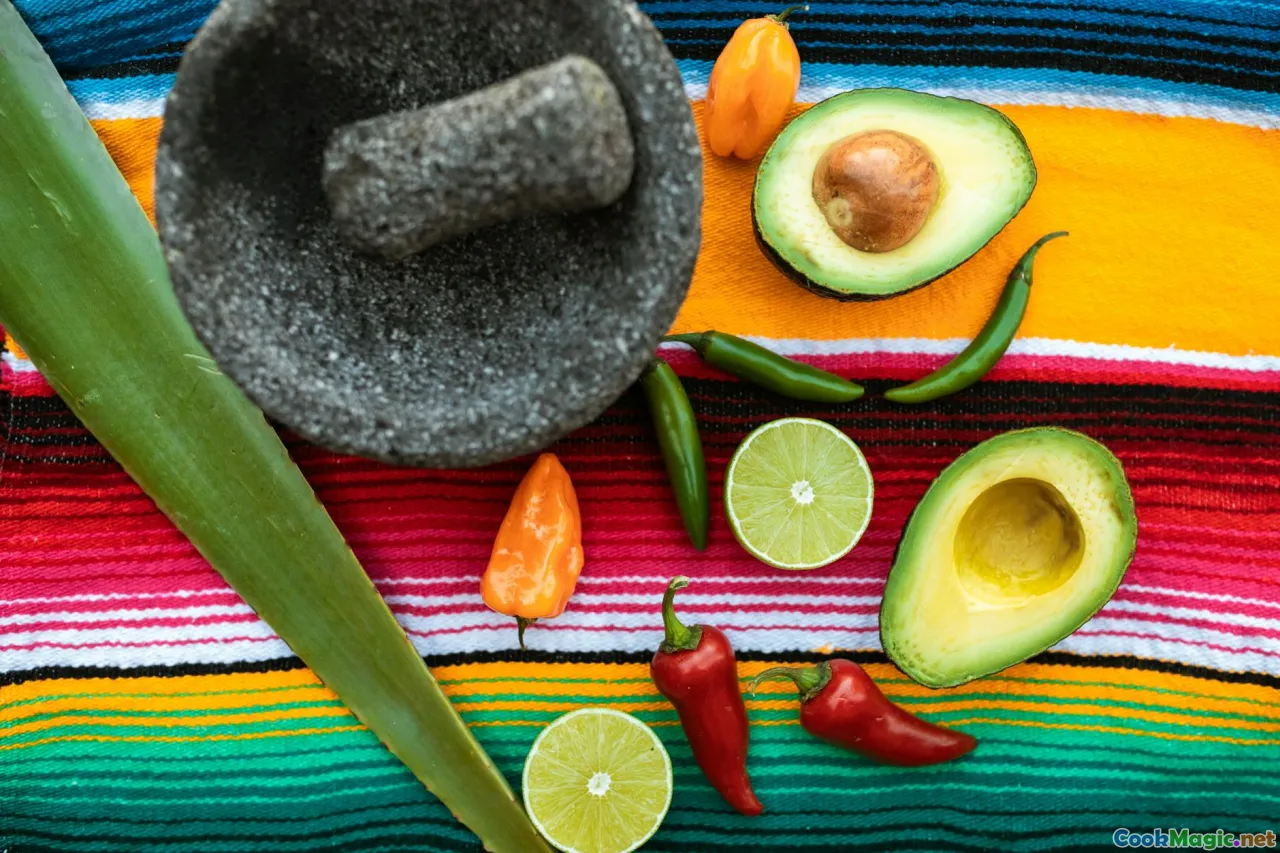
Seychellois heat lives in mazavaroo, the chili paste that sits on tables right next to salt. Market chilies come in little pyramids: bird’s eye chilies (small, red, and fierce), slender green fingers that crackle with grassiness, and occasionally squat Scotch bonnets that smell like a tropical garden.
Choosing chilies:
-
Bird’s eye: For mazavaroo with bite. Look for taut skins like lacquer, no wrinkles. Shake gently near your ear—if the seeds rattle, they’re old.
-
Green chilies: Ideal for cooking into curries. Smell one: it should release a bright, green perfume, almost like snapped beans.
-
Scotch bonnets: Floral and hot. Avoid slack, oily skins.
Quick-stir mazavaroo to make back at your guesthouse or home:
- 12-15 bird’s eye chilies
- 2 cloves garlic
- 1 thumb ginger (optional but lovely)
- Zest of 1 lime and juice of 1/2 lime
- 1-2 tablespoons white vinegar (or Seychellois bilimbi if you find it, squeezed in for a green, sour sparkle)
- Pinch of salt
- 1-2 tablespoons neutral oil or coconut oil
Pound chilies with salt in a mortar until they surrender to a coarse paste. Add garlic and ginger and pound again. Stir in lime zest and juice, and vinegar to reach a relish-like consistency. Drizzle oil to round the edges. Taste. If the paste barks too loudly, a spoonful of grated coconut can mellow it in a Creole way.
Serving: Dollop mazavaroo on grilled red snapper (bourzwa) rubbed with lime, garlic, and thyme. Stir a spoon into lentils, or serve alongside a coconut chatini for rice and grilled breadfruit. The right mazavaroo is a companion, not a bully; seek heat that sparkles and fades instead of clinging like a sunburn.
Curry Leaves, Cinnamon Leaves, and the Quiet Spices

Not every spice is loud. Some are choreography, setting the stage then disappearing gracefully.
-
Curry leaves: Choose stems with tight, glossy leaves, deep green with a vibrant citrus-herb scent. Black patches mean stress or age. Use them early in the cooking, sizzling in oil with mustard seeds and onion until they crisp and perfumed oil whispers across the kitchen.
-
Cinnamon leaves: Think of these as Seychelles’ bay leaf with a gentle clove note. Fresh ones bend without cracking and disclose a green wood scent if bruised. A single leaf can lift coconut milk from creamy to three-dimensional, especially in octopus, fish, or pumpkin curries.
-
Pandan leaves: Not always on every table, but some stalls sell long, sword-like leaves smelling of jasmine rice and dried hay. Tie a knot and slip into rice or coconut milk for a sweet, rice-pudding breath.
-
Lemongrass (citronelle): Pick firm, pale stalks with moist ends. Scratch the base; if your fingers smell like a lemon grove, you’ve chosen well. Bruise before adding to broth or curry.
-
Fresh turmeric and ginger: Firm rhizomes, skin taut and bright. The cross-section for turmeric should be saffron-bright; if it’s dull ochre, it’s tired. For ginger, look for a peppery, sweet scent and watery snap when broken.
You’ll see these “quiet spices” bundled behind louder ones. Don’t skip them: they’re the backbone of Seychelles curry.
Cloves, Nutmeg, and the Dark Spice Cabinet

Cloves and nutmeg are the island’s darker notes—woody, warming, with a holiday hush.
Cloves:
-
Appearance: Fat-budded, unbroken heads and uniform brown color. Shriveled stems and headless sticks mean they’ve been over-dried or stripped.
-
Test: Press the bud with a fingernail; it should exude a spot of oil. If a vendor offers a water glass, drop a clove: fresh cloves sink; old ones float.
-
Aroma: Rich and medicinal-sweet with a menthol edge. Avoid ones that smell of dust.
Nutmeg:
-
Weight: Choose heavy seeds for their size. If they feel like cork, they will taste like it.
-
Sound: Give a gentle shake near your ear; a rattle can mean the inside is dried out. Ask the vendor to cut one in half. You should see marbled veins of oil throughout.
-
Mace: If available, look for blades of mace (the lacy aril around nutmeg). Fresh mace looks like a fragile terracotta ribbon and smells like cinnamon’s distant cousin, a little floral and peppery.
Use these sparingly: a clove or two perfuming coconut rice, a whisper of fresh-grated nutmeg in ladob, or a clove-studded onion to soften a broth. On chilly nights—yes, even here after rain—lemongrass tea with a cinnamon chip and a clove is the island’s hug.
Sourcing on Praslin and La Digue: Smaller Markets, Big Personalities

On Praslin, I like to time my visit to Baie Sainte Anne for Saturday mornings. The market is a set of crossings—fish, papayas, and a table where a woman named Auntie Rose sells little paper-wrapped parcels of massalé and cloves. She’ll insist you smell first. Her massalé leans coriander-forward, and there’s a different one if you tell her you cook vegetarian. She signals with her chin toward the curry leaves from her son’s yard.
On La Digue, rent a bicycle and follow your nose. Ask around L’Union Estate about the house that makes cinnamon oil; you’ll find a family extracting oil in a copper still like a watchmaker’s toy. They’ll explain the difference between leaf oil (heavier on eugenol) and bark oil (sweeter). Buy a tiny bottle; dip a toothpick and brush the inside of a jar before adding sugar, then wait a week: you’ll have island cinnamon sugar for morning toast.
The smaller the market, the more a spice is a person. You’re not buying “cinnamon,” you’re buying Auntie Rose’s backyard tree in October sun, Auntie Majoie’s jar of vanilla she temperatures with the weather. Bring those stories home in your spice packets; they season more than food.
Storage and Travel: Keeping the Tropics in the Jar

Once you’ve chosen well, keep your island bright.
-
Whole over ground: Always. Grind right before cooking. In humid climates, a hand-cranked grinder or mortar is your friend.
-
Containers: Glass with tight lids. If traveling, double-bag in zip pouches, then tuck into a cloth bag to buffer temperature changes.
-
Cool, dark, dry: Kitchen shelves away from the stove. Heat and light erase varietal character.
-
Leaf care: Cinnamon and curry leaves do best dried loosely (not brittle) and sealed. Fresh curry leaves freeze well; spread on a tray, freeze, then bag. They’ll shatter more easily after freezing—perfect for frying in oil.
-
Vanilla: No fridge. Wrap in parchment, slip into a small jar, and burp it every couple of weeks. If a pod is fading, submerge in rum for vanilla extract; a local Takamaka rum will carry the island back to you.
-
Cloves, nutmeg, cinnamon: Add a bay leaf or rice grain to the jar to discourage moisture. Check monthly; if aroma dips, toast lightly to wake them.
-
Customs: Keep things labeled. Whole spices are usually fine to transport; fresh plant materials like leaves may be restricted. Buy dried when possible if you’re crossing borders.
A Cook’s Field Notes: Dishes to Taste and Spices to Bring Home
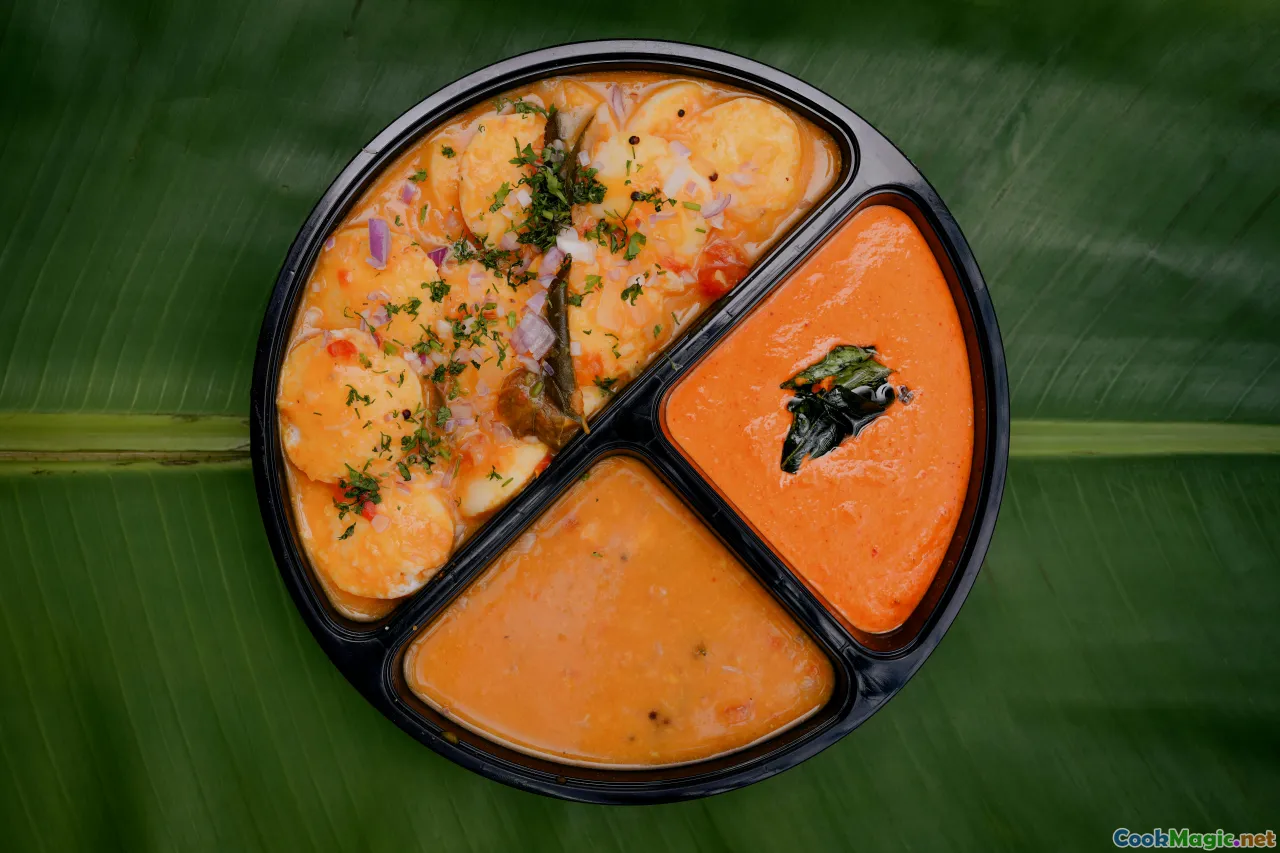
Once you know what to seek, you’ll start tasting your market choices everywhere.
-
Kari zourit (octopus curry): Coconut milk, massalé, turmeric, cinnamon leaf, and sometimes a clove. The octopus, if tenderized right, has a bounce like good pasta. Heat is often served on the side—mazavaroo—so the sauce stays suave.
-
Kari pwason (fish curry): Choose a firm white fish. Massalé, coriander, and curry leaves create a citrus-nutty perfume. A small piece of cinnamon quill ties the coconut together.
-
Bouyon bred: A leafy soup, often with moringa or chayote shoots. A clove of garlic, a dash of black pepper, and a cinnamon leaf give it depth.
-
Ladob: Two personalities—sweet or savory. For the sweet, plantain or breadfruit with coconut milk, sugar, vanilla, and cinnamon. For the savory, you’ll find salted fish, breadfruit, and a little pepper; I sometimes grate the tiniest veil of nutmeg at the end.
-
Grilled snapper at Beau Vallon: Lime, salt, thyme, and a brush of coconut oil; on the side, a mango chatini and a fiery green mazavaroo. Here, chili selection matters—green chilies give lift without steamrolling the snapper’s sweetness.
What to pack home (and why):
-
Cinnamon quills: True cinnamon from Seychelles is softer and sweeter than cassia; you’ll taste the difference in tea and stews.
-
Cinnamon leaves: Harder to find elsewhere. They transform coconut milk and braises.
-
Vanilla pods: Buy from a vendor who can describe their curing process. Treat as a souvenir you can cook.
-
Massalé: If you can’t grind your own, buy from a small stall with high turnover. Check for the scent of fresh coriander, not dusty turmeric.
-
Cloves and nutmeg: Look for heavy, oily spice. Your winter kitchen will thank you.
-
Lemongrass and curry leaves: Dried bundles travel well, and they will perfume an entire suitcase with promises.
Responsible Spice Buying: Seasonality, Sustainability, Etiquette
The best purchase is one that feeds the place it came from.
-
Seasonality: Ask when the cinnamon was cut, when the vanilla was cured. Freshly harvested spices can be heady; some, like vanilla, need patient curing. A vendor who tracks time gives you real flavor.
-
Smallholders over middlemen: Choose stalls that show signs of handwork—twine-tied leaf bundles, labeled jars with dates, mixtures made in small batches. Your rupees circle back into gardens you can visit.
-
No to endangered or dubious goods: If you’re offered turtle shell trinkets or other taboo curios, decline. Focus on the edible abundance the islands are proud of.
-
Fair prices for skill: Curing vanilla or distilling cinnamon oil is a craft. Pay the artisan rate. It ensures that craft survives your souvenir.
-
Learn a word or two: A “bonzour” (good morning) and a “mersi” (thank you) soften the day and open jars. Spices carry stories; be the kind of buyer who leaves a good story behind.
Memory in a Mortar: A Personal Ritual

On my last morning before flying out, I stopped by Majoie’s stall again. She lined up three cinnamon quills and asked me to choose by smell alone. I picked the one that made a tiny bell ring somewhere behind my eyes, then added a bundle of leaves and two plump vanilla pods from her darkest jar. “For ladob,” she said, “or for what you dream.”
Weeks later, a rain came to my apartment and I reached for that jar. The cinnamon leaf went into a pot of coconut milk, the vanilla split and scraped into a syrup for roasted pineapple, and the kitchen filled with an island I had left only in distance. I warmed coriander and cumin in a dry pan, crushed them with mustard seeds, and the sound of the pestle against mortar was the sound of the market—a mixture of voices, bargaining, laughter, the call of someone selling limes nearby.
Choosing the best Seychelles market spices is an act of attention. You smell, you listen, you learn the texture of a good clove and the curve of a fresh curry leaf. You carry home a handful of bright, small things that continue to open. On nights when you long for the sea’s hush, you can light a stove, open a jar, and let the island speak. It will remind you to cook with your hands and your heart, to taste for balance, and to keep your mind as open as a market morning in Victoria, where cinnamon still walks the streets like a friend you haven’t seen in years.