Homemade Svíčková Creamy Beef with Root Vegetables
30 min read Discover the classic Czech Svíčková: tender beef sirloin braised with root vegetables in a silky cream sauce, with tips for tradition, plating, and pairing with houskové knedlíky. January 08, 2026 07:06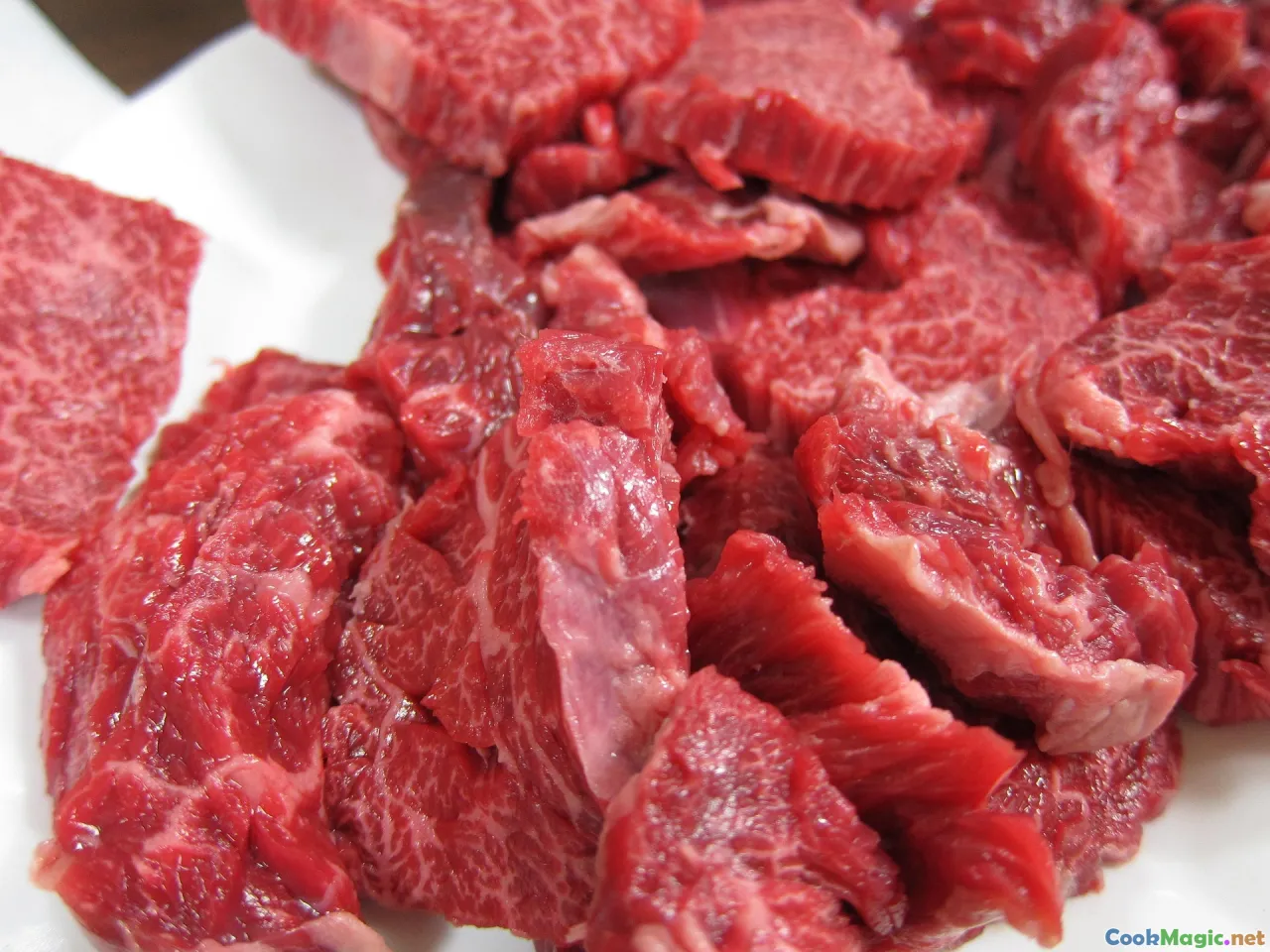
The first time I lifted the lid of a pot of svíčková, a cloud of clove-warmed steam rose like a memory and kissed my face. Carrot, celeriac, and parsnip had sweetened and slumped into gold, beef had settled into tenderness, and the kitchen smelled like Sunday. In that moment I understood why Czechs call svíčková na smetaně a national love language. It is the way a family says we are here, we are together, it is time to eat.
A Czech Sunday on a Plate

If you happen into a Prague apartment building around noon on a Sunday, the stairwell will tell you what is for lunch. The scent is unmistakable: rich beef, sweet roots, hot butter, a whisper of bay and allspice. Svíčková na smetaně is not simply beef in cream sauce. It is ceremony. The ritual is as familiar as tying an apron: bread dumplings sliced like pale sponges, lemon rounds glistening with cranberries, a dollop of whipped cream that sinks into the amber sauce and paints a marbled galaxy.
I learned to make it in a Žižkov kitchen, standing beside a friend named Jana who wielded a wooden spoon both tenderly and with authority. She taught me to taste for balance: sweet against acid, herb against fat. She had once worked in a canteen, turning out vats of sauce for hungry construction workers who ate in beat-up boots. If the sauce was too thin, complaints thundered. Too sharp, and the quiet fell heavy. Just right? Only the soft clicks of knives and forks.
What Svíčková Really Is
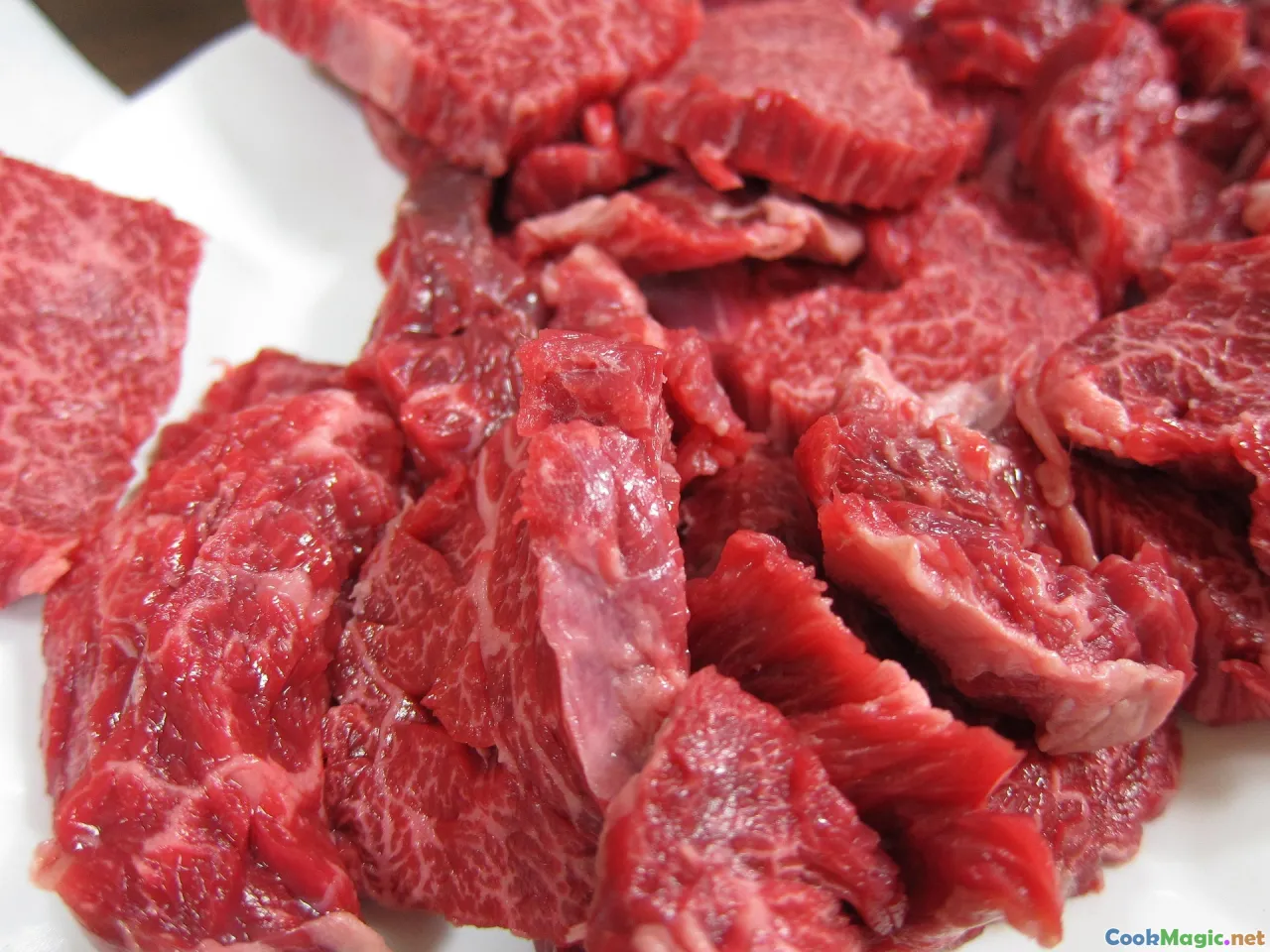
Svíčková refers to the cut of meat: sirloin, the candle-shaped muscle along the spine. Yet in home cooking, the name often shifts from the cut to the sauce itself. Svíčková na smetaně literally means sirloin with cream, but many cooks use rump, top round, or even well-trimmed chuck with equal success. The sauce is the star: a purée of roasted root vegetables, aromatics, stock, and cream, balanced with vinegar or lemon and rounded with a pinch of sugar.
This is not a gravy thickened with flour and tinted beige. The hallmark of a good svíčková is its glow: a color that carries the orange and earth of carrots and celeriac, a velvety texture achieved by blending the vegetables themselves rather than relying on roux. It is smoother than a stew, richer than a soup, both celebratory and comforting.
Historically, the dish reflects Central Europe’s intertwined culinary histories. Austrian cream sauces slipped into Bohemian kitchens; spice drawers held allspice, bay, and black pepper introduced decades earlier by traders; root cellars brimmed with winter crops. Czech cooks married these pieces into a dish that could nurse a family through a cold winter and yet feel worthy of the good china.
The Anatomy of Flavor: Roots, Beef, and Balance
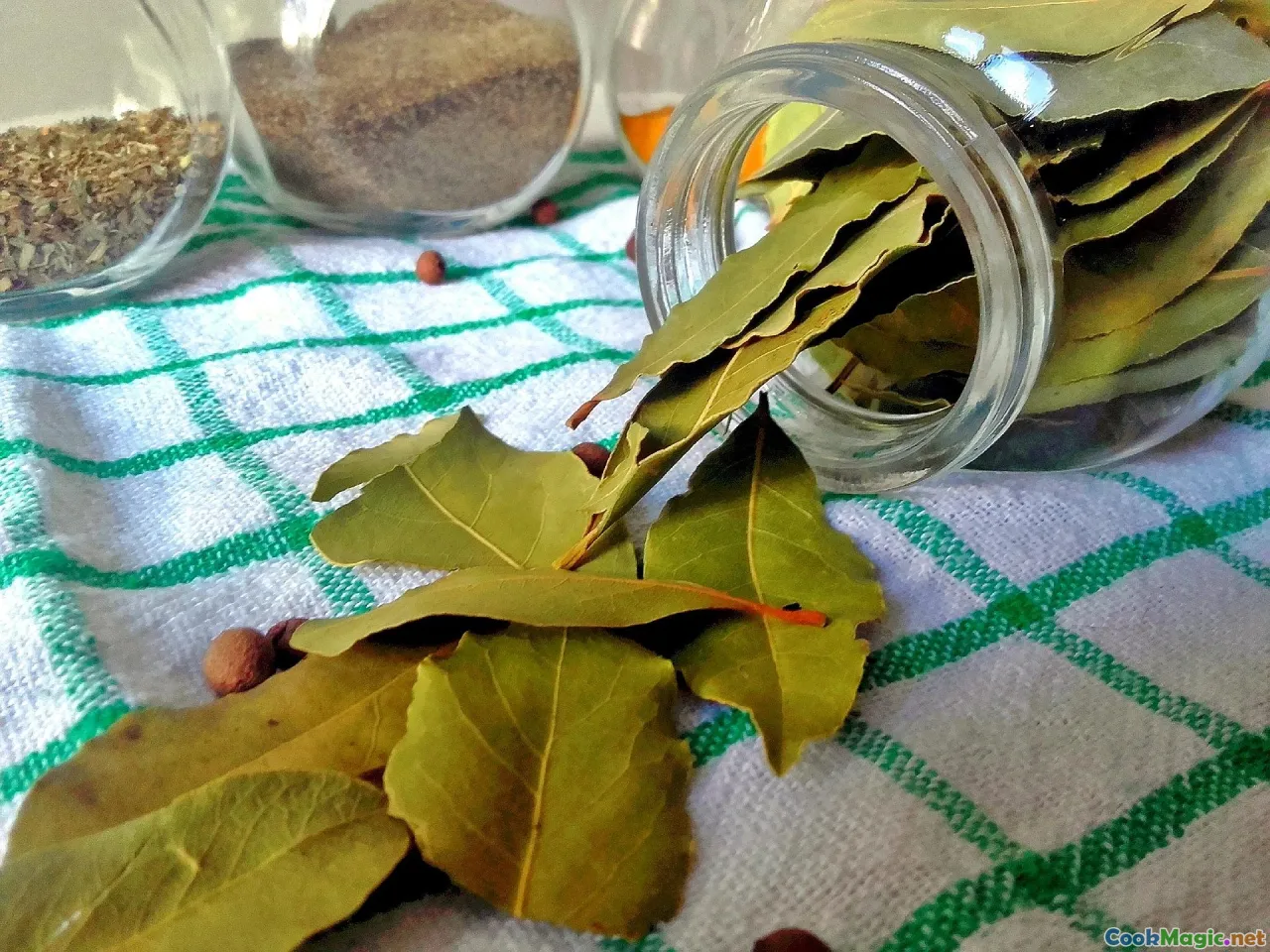
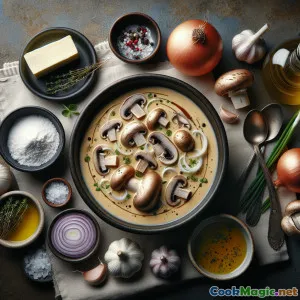
It all begins in the crisper drawer. Carrots lend sweetness and a color that feels like candlelight. Celeriac contributes earthy perfume and a body that blends into silk. Parsnip adds a faint licorice lilt. Onion plays backup singer, dissolving into the background hum that makes everything fuller. For spice, Czech cooks use bay leaves and allspice berries as if they were signing their name. The bay gives structure; allspice slips in a peppery warmth without crowding the palate. Black peppercorns lend a polite bite.
Beef supplies the bass note. A classic version calls for sirloin, sometimes larded with ribbons of cured pork fat to protect it during roasting. Many home cooks reach for rump roast or top round, which braise beautifully and are more forgiving. The marinade — a blend of vegetables, vinegar or lemon, spices, and sometimes mustard — both flavors and tenderizes the meat. Some families marinate for 24 to 48 hours, others skip it in favor of a robust roast; both paths reach the same hearth if you season properly.
Balance is the soul of svíčková. There is sweetness from the roots and a spoon of sugar; acidity from lemon juice or a splash of vinegar; richness from cream and beef fat; bitterness in the most pleasant sense from seared edges and herbs. When you nail it, the sauce does not shout any one thing. It hums like a choir.
A Shopping List to Cook Like a Czech
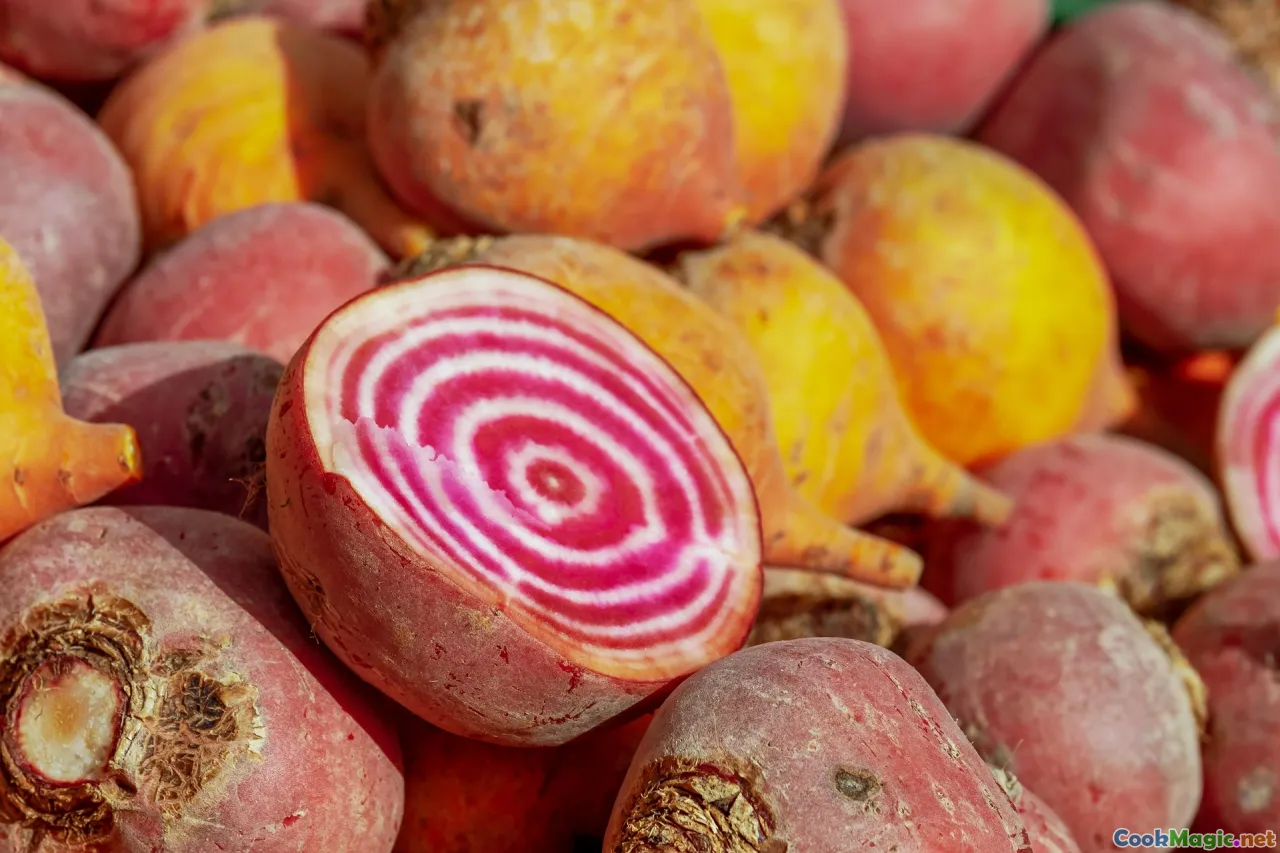
For a family feast with leftovers, here is what to bring home:
- Beef roast: 1.2–1.5 kg rump roast, top round, or well-trimmed chuck; sirloin if you want tradition
- Smoked bacon or slab pork fat: 80–120 g for larding or rendering
- Carrots: 4–5 medium (about 500 g)
- Celeriac: 1 small to medium bulb (300 g), peeled
- Parsnips: 2 medium (200 g)
- Yellow onions: 2 large
- Garlic: 2–3 cloves
- Bay leaves: 3–4
- Whole allspice: 6–8 berries
- Whole black peppercorns: 8–10
- Mustard: 1–2 tablespoons, smooth
- Vinegar or lemon: 60 ml white wine vinegar or juice of 1 lemon
- Sugar: 1–2 tablespoons (white or a touch of honey)
- Beef stock: 500–700 ml, low-sodium
- Heavy cream: 250–300 ml (at least 30 percent fat)
- Butter: 1–2 tablespoons
- Neutral oil or lard: for searing
- Salt and ground white pepper
- Cranberry preserve, lemon, and unsweetened whipped cream for garnish
- Bread rolls and flour for dumplings (if making houskové knedlíky)
Carry all this home through winter air and you will feel like you are smuggling daylight.
The Classic Method: A Practical, Aromatic How-To

Follow this step-by-step to a pot of sauce that would make a grandmother nod.
- Marinate the beef (optional but wonderful)
- Cut small slits in the beef and insert thin batons of cold smoked bacon if you wish to lard the roast. A larded roast is protected from drying, and each slice will wear a streak of savory fat.
- Coarsely chop the carrots, celeriac, parsnip, and onions. Crush the garlic lightly.
- In a large nonreactive bowl, toss vegetables with 1 tablespoon mustard, bay leaves, allspice, peppercorns, 1 tablespoon sugar, 1 teaspoon salt, and 60 ml vinegar or the juice of a lemon. Nestle the beef into this mix, cover, and refrigerate 12–24 hours, turning the meat once or twice.
- Brown and build
- Preheat the oven to 160°C (325°F).
- Pat the beef dry and season generously with salt and pepper. Heat a heavy pot or Dutch oven over medium-high with a slick of oil or lard. Sear the beef until browned on all sides, 8–10 minutes in total. Set aside on a plate.
- Add the marinated vegetables and aromatics to the pot (fish out whole spices if you prefer a smoother sauce later) and cook, stirring, until they pick up caramel color, 10–12 minutes. If the pot threatens to scorch, lower the heat and add a splash of stock to deglaze.
- Stir in the remaining 1 tablespoon mustard. Return the beef and any juices to the pot.
- Braise patiently
- Pour in stock to come halfway up the sides of the beef. Bring to a simmer, cover, and transfer to the oven.
- Braise until the beef is fork-tender, 2.5–3 hours for rump or chuck, 1.5–2 hours for sirloin. Flip once midway if you like.
- Make the sauce
- Lift the beef onto a warm plate and tent it loosely with foil.
- Skim any fat from the braising liquid, then fish out bay leaves and whole spices if you left them in. Taste the vegetables. Their sweetness should be concentrated; the pot should smell like roasted roots and soft pepper.
- Purée the vegetables and liquid until utterly smooth using an immersion blender. Add heavy cream and blend again until the sauce turns satin. If you want restaurant polish, pass the sauce through a fine sieve.
- Put the pot back over low heat. Taste and adjust. Aim for a balance that feels like a seesaw perfectly level: add a pinch of salt, a squeeze of lemon, or a touch more sugar as needed. Whisk in 1 tablespoon cold butter to finish.
- Slice and serve
- Cut the beef into 1 cm slices. Ladle a pool of sauce onto warm plates. Lay the slices over the sauce. Add bread dumplings. Garnish each portion with a teaspoon of cranberry preserve, a thin wheel of lemon, and a spoon of unsweetened whipped cream.
Everything about the first bite should feel inevitable and yet startlingly fresh: the meat tender but structured, the sauce fragrant and layered, the dumpling soaking like a sponge in a good dream.
A Quick Detour: Bread Dumplings That Behave
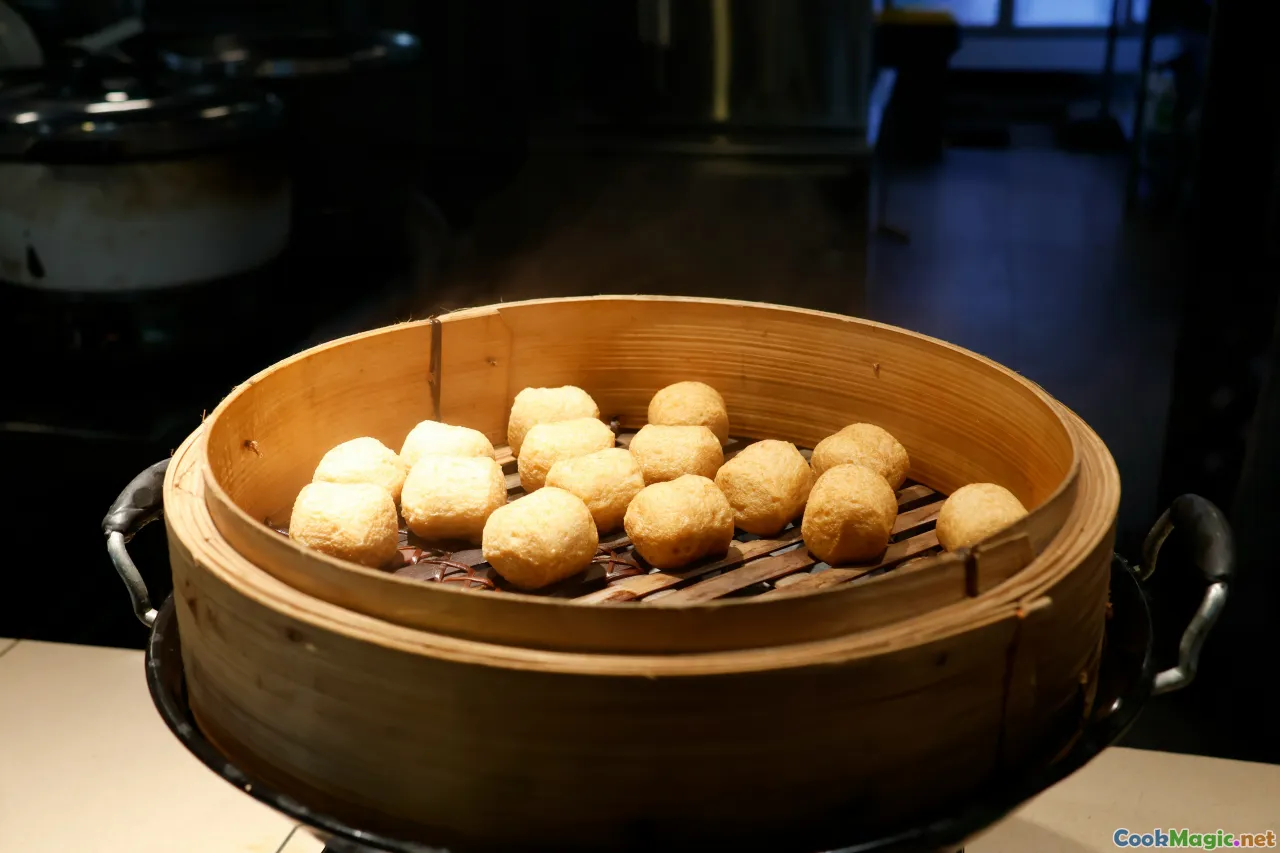
Czech houskové knedlíky are the quiet partners that make svíčková sing. They should be airy but structured, with bread cubes freckled throughout. The simplest home method favors steaming over boiling to prevent waterlogging.
You will need:
- 500 g all-purpose flour (Czech cooks use hrubá mouka, a coarse flour; equal parts AP and semolina flour mimic it)
- 10 g instant yeast or 20 g fresh yeast
- 300 ml lukewarm milk
- 1 large egg
- 1 teaspoon sugar
- 1.5 teaspoons salt
- 2 cups day-old bread rolls, diced and lightly toasted in a dry pan
Method:
- In a bowl, whisk milk, egg, sugar, and yeast. Let sit 5 minutes if using instant yeast, 10 if fresh.
- Add flour and salt. Mix into a soft dough; it should be tacky but not sticky. Knead 5–7 minutes until smooth.
- Fold in bread cubes. Cover and let rise until doubled, about 60–75 minutes.
- Divide dough into 2 logs about 6 cm in diameter. Place each on a piece of lightly oiled foil or parchment and loosely wrap, leaving room to expand.
- Steam over barely simmering water for 20–25 minutes, turning once. Alternatively, simmer very gently in salted water for 18–20 minutes, but avoid a rolling boil.
- Unwrap, let rest 5 minutes, then slice with a sharp knife or, better yet, a length of thread, for nice clean rounds.
Steamed dumplings hold sauce like a memory, firm enough to lift but soft enough to yield.
Marinade vs No Marinade: Two Roads to the Same Table

Debate flickers even in Czech kitchens. Some swear by a 24-hour marinade, saying that the vinegar and vegetable juices penetrate the meat and perfume it from within. Others argue that a robust roast and a well-built sauce accomplish the same effect without pre-soaking.
I have tried both, side by side, using rump roast in one pot and sirloin in another. The marinated version carried a faint echo of bay and allspice in the meat itself and sliced a bit more tenderly; the non-marinated roast developed a deeper fond on the pot bottom and presented a slightly purer beef flavor. The sauces, built from the same vegetables, were cousins with different temperaments. For weeknights, I skip the marinade. For holidays, I luxuriate in it.
If you do marinate, remember the rule of balance: too much vinegar will leave the sauce sharp, so keep acid measured and use stock to round it out later.
Sauce Craft: Sweetness, Acidity, and the Silken Finish

Good svíčková sauce is a conversation between sweet and sour. Carrots and celeriac will incline the pot toward sweetness; cream amplifies that softness. To keep the sauce from slumping into cloying, you need edges: a teaspoon of mustard, a puckering thread of lemon, pepper’s breath.
Tips from Czech cooks:
- Start with well-caramelized vegetables. Color equals flavor.
- Use whole spices during the braise for roundness, then remove before blending for a perfectly smooth texture.
- Whip the cream slightly before adding if you like an extra-luxurious finish; it will integrate faster and resist curdling.
- Sieve the sauce for company. It is not mandatory, but it will make you feel like a chef at Café Savoy.
- Always finish with a taste test. Adjust with small increments: a squeeze of lemon, half a teaspoon of sugar, a pinch of salt.
When the sauce drapes the spoon like velvet and leaves a glimmering trail, you have it.
The Garnish That Tells a Story
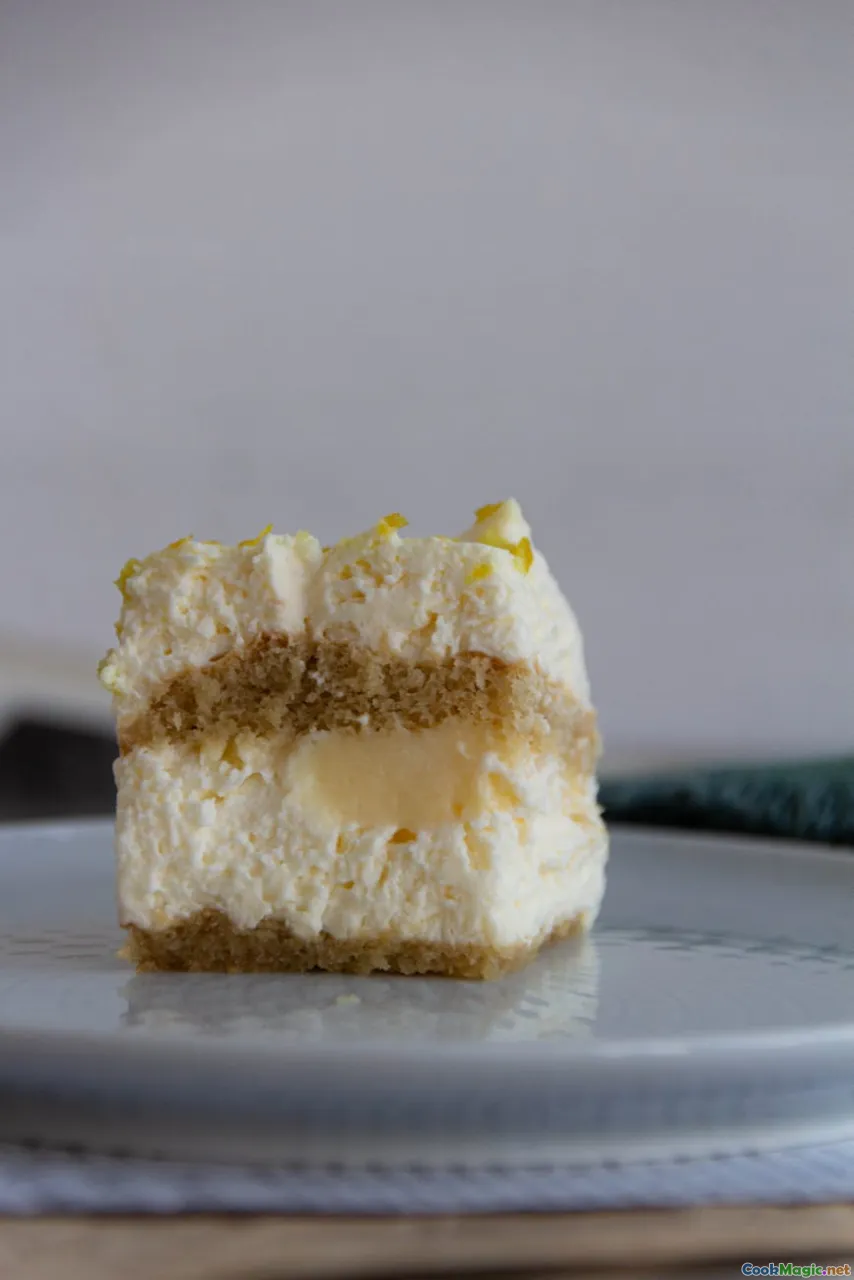
A thin slice of lemon, a teaspoon of cranberry preserve, and a spoon of unsweetened whipped cream may sound theatrical, but they embody the dish’s logic. The lemon sharpens; the cranberry, traditionally brusinky, brings tart sweetness that recalls foraged berries; the cream softens and links. Each swirl on the plate is a tiny balancing act.
I once ate svíčková at Lokál Dlouhááá in Prague, where the lemon was shaved into translucent disks, the cranberries bright as rubies. The whipped cream barely held its shape. A forkful that captured all four elements — meat, sauce, dumpling, garnish — tasted like a symphony resolving.
Shortcuts and Modern Tools: Pressure Cooker, Instant Pot, and Beyond

Weeknight commitments should not keep you from the comfort of svíčková. You can adapt the method without compromising depth.
Pressure cooker/Instant Pot:
- Sear the beef on sauté mode, brown the vegetables, add spices, mustard, and stock to come halfway up the roast.
- Cook at high pressure: 60–75 minutes for rump or chuck (depending on size), 35–45 for sirloin. Natural release for 10 minutes, then quick release.
- Proceed with puréeing and finishing the sauce.
No-marinade weeknight version:
- Skip the overnight step. Increase aromatic presence by toasting whole allspice and peppercorns lightly before adding to the pot. Add a little extra mustard. Consider a splash of apple cider vinegar at the end for brightness.
Frozen roots and make-ahead:
- Roast a double batch of carrots, parsnips, and celeriac on a sheet pan with oil and salt to build caramelization quickly. Freeze portions. On a busy night, sear a steak or roast, simmer these roots with stock, and blend with cream for an almost-instant sauce.
How It Compares: Neighbors at the Table

In Germany, sauerbraten leans harder into vinegar, sometimes gingerbread-thickened and spiced with cloves. Austria’s tafelspitz presents boiled beef with horseradish and apple sauce; it is purist, elegant, and herb-driven. Hungary has vadas marha, a game-style sauce with roots and cream reminiscent of svíčková, often served over pasta or dumplings.
Svíčková’s personality sits between these neighbors: less sour than sauerbraten, more vegetable-sweet than vadas, richer and silkier than most cream gravies. That balance is why it translates so well to modern palates. It is old-world comfort wearing well-shined shoes.
Where to Eat Svíčková in the Czech Republic

You can cook this at home, but it is worth tasting the benchmark in situ.
- Lokál Dlouhááá, Prague: Consistency, care, and dumplings with perfect bounce. The sauce is sieved to satin.
- Café Savoy, Prague: A grand café version, elegant and precise, ideal for a leisurely lunch under chandeliers.
- Kantýna, Prague: Meat-forward, with deep, beefy character and craftsmanship that borders on obsessive.
- Stopkova Plzeňská Pivnice, Brno: The plate arrives generous and honest, with a lager that does the dish proud.
- Na Spilce, Plzeň: Set in the old brewery, a fitting place to pair svíčková with Pilsner Urquell fresh from the source.
In each, the garnish tells you everything: if the lemon is thin, the cranberries bright, and the cream unsweetened, you are in good hands.
Beer and Wine: What Loves Svíčková Back

A half-liter of Czech pale lager, with its clean bitterness and bread crust aromatics, is the classic partner. Pilsner Urquell amplifies the roasted notes and scrubs the palate between bites. If you prefer wine, look to Moravia: a dry Riesling with a stony backbone, a Grüner Veltliner with white pepper, or even a lighter Pinot Noir chilled slightly. The dish’s sweet-sour balance loves an acid line in the glass.
Variations to Keep It Interesting (and Honest to Tradition)

- Venison svíčková: Deeply traditional in hunting families. Use a haunch of roe deer or venison roast. Marinate with juniper berries in place of allspice, and consider a spoon of red currant jam to finish.
- Rabbit with cream sauce: Lighter but equally aromatic. Braise rabbit quarters over the same vegetable bed, and add a splash more cream.
- Poultry detour: Turkey breast is surprisingly amenable to this treatment. Keep the braise gentle and short to avoid dryness.
- Herb accents: A sprig of thyme in the braise is common; marjoram is more typical in other Czech dishes but can whisper nicely here. Use restraint to avoid overshadowing the roots.
- Gingerbread touch: A thin slice of gingerbread crumbled into the sauce is a grandma trick in some households, adding body and spice. Do it sparingly or the dish veers toward sauerbraten.
Troubleshooting: When the Pot Misbehaves

- Sauce too thin: Simmer gently to reduce, or blend in a roasted carrot or a spoon of cooked mashed celeriac. Avoid flour if you can; vegetables do the job and keep the flavor true.
- Sauce too sharp: Add a splash of stock and a teaspoon of sugar, simmer, and retaste. Cream alone will not fix acidity; you need sweetness and dilution.
- Sauce too sweet: A squeeze of lemon or a capful of vinegar, plus a pinch of salt, will bring it in line.
- Grainy sauce: Pass through a fine sieve and finish with a knob of cold butter while whisking.
- Dry meat: Slice thinner and bathe it generously in sauce. Next time, consider larding, choosing a more suitable cut, or pulling the roast earlier.
- Dumplings dense: Dough likely under-proofed. Try steaming rather than boiling, and make sure your flour and yeast are fresh.
A Story in Steam and Porcelain

One winter in Brno, I was served svíčková at a dining table squeezed between a radiator and a window iced with frost patterns. Our host, a man with hands like shovels and eyes that caught the light, had cooked all morning. He laid the plate before me with a soft apology for the dumplings, which were perfect. We ate, passing a dish of cranberries back and forth, each of us quietly adjusting our plates to our personal equilibrium of tart and rich. The radiator ticked. Outside, the tram bell chimed.
I think about that meal whenever I make svíčková now, in a city far from Prague, in a kitchen where the only Czech word regularly uttered is na zdraví. The dish bridges places. A simmering pot brings the old country into a new apartment; root vegetables and cream fold a winter afternoon into a spoonful. You taste the sweetness of carrots that knew a cold ground, the upright backbone of bay leaves meant to endure, the sturdy, patient beef.
What I love most is the moment the sauce is right and you know it. You have been chasing it with lemon and sugar and salt, and suddenly the line clicks into place, like a violin tuned. That is when you call everyone to the table. The plates warm in an oven set low, the dumplings are sliced, the beef is fanned gently, and the first ladle-pour leaves a glossy oval on the porcelain.
If you visited my kitchen on such a day, you would notice how quiet it becomes for a few minutes after serving. Not the silence of disinterest, but the quiet of concentration. Knives slide. Someone inhales sharply at an especially good bite. Then the talk resumes: about the time we ordered svíčková at Café Savoy and watched snow sift down the Vltava, about the grandmother who added a pinch of ground mace, about the debate over marinating that never quite ends.
Svíčková is the sound of those stories stacking. It teaches you to taste for balance and to aim for kindness. It is not complicated in the way that food television would have you believe; it is thoughtful. Take your time with the vegetables. Respect the meat. Trust the final adjustments. When you carry the plates to the table, carry them like letters from someone you missed.
Then pass the cranberries. Set a lemon slice on each plate like a small sun. Offer cream without ceremony. Watch the sauce slip around a dumpling, and remember that some dishes were designed to hold families together on dark afternoons. This is one of them.