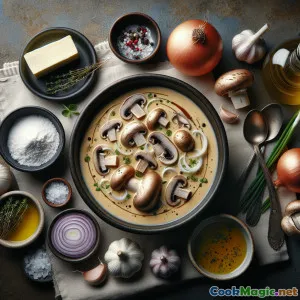
Homemade Mauby The Refreshing Bitter Sweet Tradition
41 min read Discover Saint Vincent’s beloved mauby: a bitter-sweet, spiced bark brew. Learn ingredients, brewing tips, cultural roots, and serving rituals for crafting this refreshing Caribbean classic at home. October 21, 2025 07:04
The first time I tasted mauby in Saint Vincent and the Grenadines, a woman at the edge of the Kingstown Market poured it from a plastic jug dark as molasses. It struck the tongue like a riddle—caramel-sweet on the front, a shy whisper of anise, then the unmistakable back-of-the-throat bitterness that blooms slowly, like a wave that keeps rolling in even after you think the tide has turned. She grinned at my wince and said, “You’ll want another cup by the time you reach the bus terminal.” She was right. By Little Tokyo, I was hooked—the drink’s steady hum of spice and bark felt like a handshake from the island itself: strong, direct, and carrying stories.
What Exactly Is Mauby?
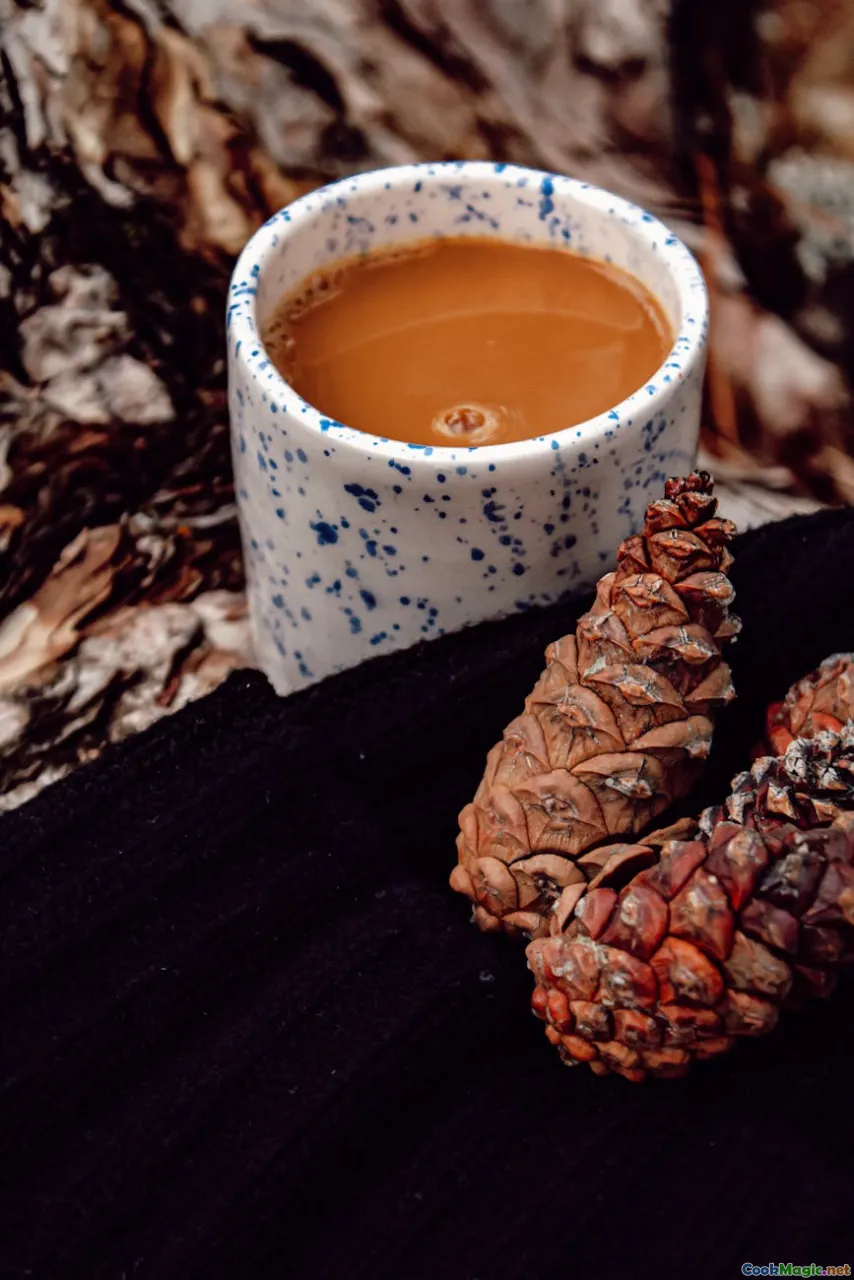
Mauby is the Caribbean’s quietly profound bittersweet beverage, brewed from the bark of the mauby tree—commonly Colubrina species—native to the region. In Saint Vincent and the Grenadines (SVG), you’ll find the bark sold at markets in small paper bundles, curled like cinnamon sticks but rougher, fibrous, and fragrant in a woody way. The bark is simmered with spices—cinnamon, clove, bay leaf, sometimes star anise—and sugar, then cooled and diluted into a drink that looks like cola but carries the texture of something homemade. Some families let it ferment lightly to a spritzy, tangy whisper. Others prefer it still, a polished syrup diluted with cold water and ice.
What makes mauby so distinct—and so divisive—is its paradox: sweet and bitter in equal measure. The sweetness invites you in; the bitterness keeps you thinking about it, keeps you reaching for another sip to figure it out. The bark brings tannins that dry your mouth the way a strong black tea does, yet the spice and sugar evoke comfort: the woody comfort of an old cutting board, the smell of a spice drawer when the lid slips off the cinnamon jar, the faint, medicinal edge you might associate with tonics your grandmother swore by.
In SVG, mauby isn’t merely a drink; it’s a heritage—something you buy from a vendor on a hot Saturday after haggling over christophene and dasheen, something you pair with bakes and saltfish at a Nine Mornings gathering in December before the sun is up, a companion to stories. The taste is a living proof that not every refreshment must be childish-sweet; it’s adult in the best way, anchored, complicated, memorable.
Memory, Market, and the Sound of Ice in a Plastic Cup
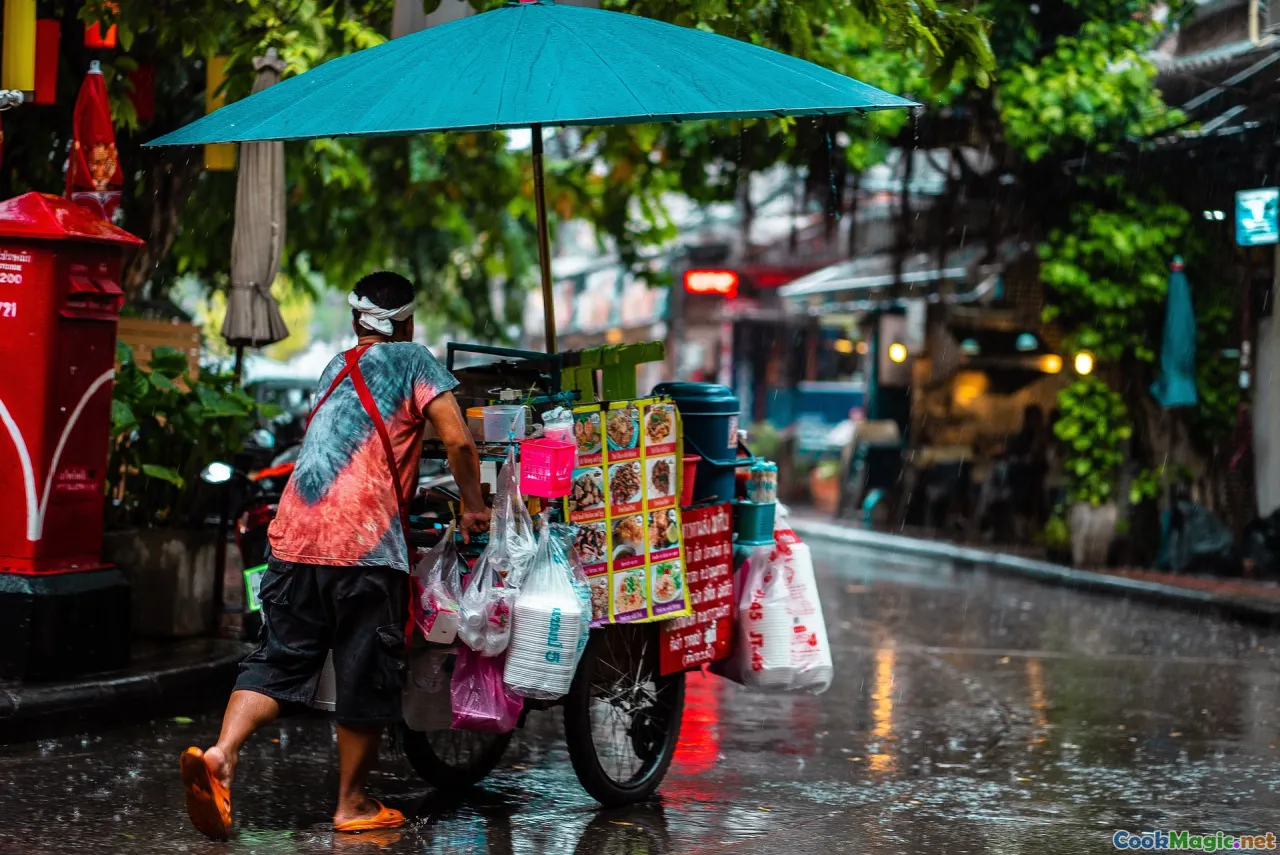
At Market Square in Kingstown, the morning air smells like thyme and diesel, wet fish and fresh limes. Vendors line the edges with fruits piled like little pyramids: sugar apples, shining mangoes, starfruit sliced into golden stars. In the midst of this sensory theatre is a quieter station: a jug of mauby balanced in a plastic cooler, the handwritten sign that says: MAUBY—COLD. The pour is unceremonious, all practicality—a clouding stream the color of melted brown sugar, glugging over ice that hisses and crackles. You raise it to your lip and your mind goes silent for a beat while your tongue weighs what it’s dealing with.
Vincentian memory has mauby in it like an old road has potholes—part of the landscape you just learn to dance around. Older folks talk about mauby as a steady companion to a long afternoon of dominoes, as a pick-me-up after a plate of stewed pork with rice and peas, as something you keep in a reused glass bottle on the bottom shelf of the fridge. Nine Mornings—the pre-dawn cultural festival that’s uniquely Vincentian—almost guarantees a styrofoam cup of mauby somewhere nearby, clutched by someone who has been awake since 4 a.m., warmed by the comfort of community and the stamina that a sip of bitter-sweetness seems to promise.
In Barrouallie, where fish and memory share the same tide, it’s not hard to imagine a mason jar of mauby beside a thick slice of roast breadfruit and a little saltfish buljol slick with olive oil and pepper. Up in the Mesopotamia Valley where the hills cradle the wind, a thermos of mauby sometimes sits on the veranda table beside a fat coil of cinnamon leaf and a few pieces of orange peel drying for the next brew. Every home has its version, its balance, its point on the spectrum from sweet to stern.
Mauby’s Bitter-Sweet Alchemy: A Flavor Analysis
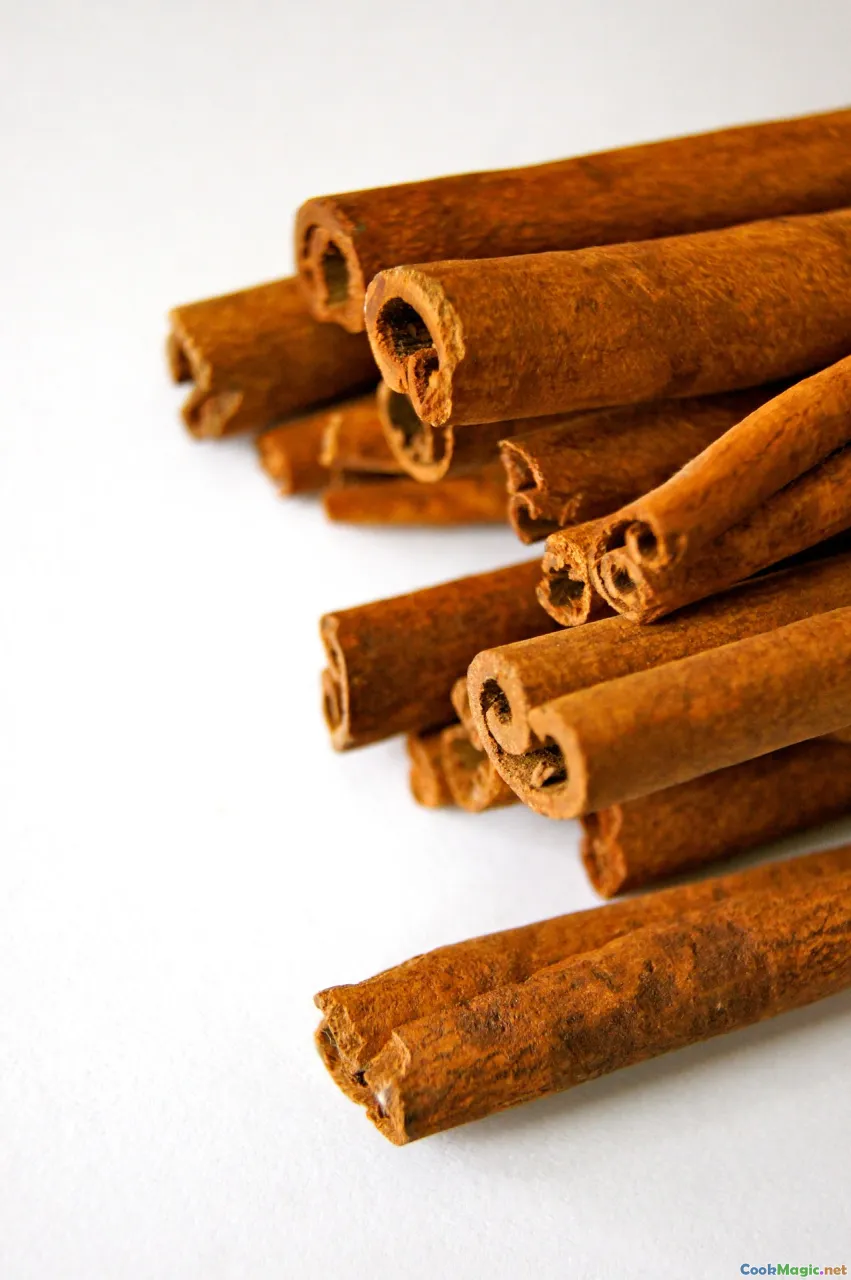
For culinary minds, mauby is a lesson in balance:
- Bitter: The bark is the source, like the tannic backbone of a robust tea. That dryness encourages another sip, much like the way a good aperitif makes you hungry.
- Sweet: Demerara sugar is common, bringing molasses notes that deepen the color and add a toasted, toffee-like veil. A white sugar mauby tastes cleaner, almost sharp.
- Spice: Cinnamon lends warmth, clove gives a numbing, aromatic lift, and star anise or anise seed brushes the drink with licorice brightness. Bay leaf, especially West Indian bay (Pimenta racemosa), contributes a cool, slightly camphoraceous undertone.
- Citrus: Orange peel is classic in SVG homes, slicing through heaviness with fragrant freshness.
Temperature changes the conversation: over ice, mauby tastes leaner and more focused; at room temperature, the spice blooms and the bitterness expands. Some Vincentians like to serve it slightly effervescent—a day or two of fermentation creates tiny, playful bubbles and a tang that sharpens edges. Others want it flat and silky, a fabric of caramel and spice that covers the mouth and departs slowly.
The reason it feels both refreshing and satisfying is texture: a faint saponin-induced foam from the bark can lift the mouthfeel, and the tannins cleanse the palate after fatty foods. Pair it with fried jackfish and you’ll learn how bitterness and salt conspire to make you feel clean, light, ready to keep eating.
How to Make Classic Vincentian-Style Mauby at Home (Quick Syrup Method)
If you want mauby today, this is where to begin. You’ll make a concentrated syrup, strain it, and dilute it to taste. This version doesn’t ferment, so it’s consistent and kid-friendly, with a broad sweet-leaning profile that still honors the bark’s personality.
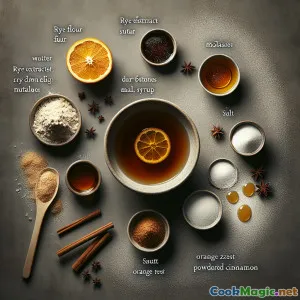
Ingredients (makes about 1 liter of syrup; dilutes to 4–5 liters of drink):
- 40–50 g mauby bark (about 1.5–1.75 oz), rinsed
- 1 cinnamon stick (or 2–3 cinnamon leaves)
- 3–4 whole cloves
- 1 small star anise (optional but traditional in many homes)
- 2–3 bay leaves (West Indian bay if you can source it)
- Peel of 1 orange (use a vegetable peeler for wide strips, no white pith)
- 1 liter water (about 4 cups) for the boil
- 500–650 g sugar (2.5–3.25 cups), ideally demerara for depth
- Pinch of salt (yes—this rounds the flavors)
Method:
- Rinse the bark: Place the bark in a colander and rinse under cold water to remove surface dust. This step prevents muddy flavors.
- Build the pot: In a medium saucepan, combine bark, cinnamon, cloves, star anise, bay leaves, orange peel, and water. Bring to a steady simmer.
- Simmer and steep: Cook at a gentle simmer for 20 minutes, then turn off the heat. Add the sugar and a pinch of salt, stirring until dissolved. Let the mixture steep while it cools, 30–60 minutes. Taste every 15 minutes; the bitterness builds with time. When you like it, strain.
- Strain and bottle: Strain through a fine mesh sieve, pressing the bark gently. The liquid will be deep brown. Bottle it hot in sterilized glass if you plan to store the syrup in the fridge for up to 2 weeks.
- Dilute to serve: Start with 1 part syrup to 3 or 4 parts cold water over ice. Adjust sweetness and strength to your taste—Vincentian mauby is rarely timid.
Cook’s notes:
- Color and caramel: If you prefer a darker mauby with more caramel complexity, melt 2–3 tablespoons of sugar in a small pan until amber and just smoking, then deglaze with a ladle of the hot mauby liquid and return to the pot. This deepens color without over-extracting bitterness.
- Sweetness: Mauby should be sweet enough to support bitterness without masking it entirely. You’ll know you’ve got the ratio right when your tongue doesn’t panic; it leans forward.
- Spice intensity: Citrus peel can dominate; use fresh, not dried, and pull it out promptly if the brew veers perfume-heavy.
Slow Mauby: Naturally Effervescent and Complex
The slow method leans into old-school Caribbean kitchen craft. You encourage a light fermentation for fine bubbles and a subtle tang that brightens the bark. It’s a beautiful project for a long weekend and—if you’re hooked—an easy staple to keep in rotation.
Safety note: This is a low-alcohol, short fermentation designed for refreshment, not intoxication. Work clean, use boiling water to sterilize bottles, and store finished mauby in the refrigerator.
Ingredients (yields about 3 liters ready-to-drink):
For the base infusion:
- 50 g mauby bark, rinsed
- 1 cinnamon stick
- 3 whole cloves
- 1–2 bay leaves
- Peel of 1 orange
- 1.5 liters water
- 300 g sugar (about 1.5 cups), divided
For fermentation:
- 2–3 tablespoons of a “ginger bug” starter or 1/8 teaspoon champagne yeast (see notes)
- Additional cool water to top up
Method:
- Infuse: Simmer the bark, spices, and orange peel in 1.5 liters of water for 20 minutes. Remove from heat. Stir in 200 g of the sugar until dissolved. Cover and cool to room temperature.
- Strain: Remove the solids; they’ve given what they can. Taste: it should be pleasantly bitter and spiced.
- Pitch: Transfer to a clean glass jar or food-grade bucket. Add your ginger bug starter (a living culture made from ginger, sugar, and water) or sprinkle in champagne yeast. Stir in the remaining 100 g sugar.
- Top up: Add cool, filtered water to reach 3 liters total volume. Stir well.
- Ferment: Cover loosely with a cloth and rubber band. Leave at room temperature, 24–30°C if possible, for 24–48 hours. You’re watching for light fizz and a faint sour lift in aroma. Taste daily. When it’s lively but still sweet, it’s ready.
- Bottle and chill: Strain again if needed and bottle in swing-top bottles, leaving a bit of headspace. Refrigerate 24 hours to settle and carbonate gently.
Notes:
- Ginger bug: To make one, combine 2 tablespoons grated fresh ginger, 2 tablespoons sugar, and 1/2 cup water in a jar. Feed daily with 1 tablespoon ginger, 1 tablespoon sugar, and a splash of water for 3–5 days until fizzy. Use 2–3 tablespoons for mauby.
- Yeast choice: Champagne yeast ferments clean and quick; baker’s yeast can work but may bring bready notes.
- Pressure caution: Fermentation builds gas. Use sturdy bottles, burp them if needed, and always refrigerate.
Flavor result: The slow method softens the sweetness and makes the bitterness ring clear, like striking a bell. The bubbles are gentle, enough to lift spice aromas into the nose—cinnamon first, then orange, then bay’s coolness. The aftertaste is dry and appetite-whetting.
Calibrating Bitterness: A Cook’s Toolkit

Bitterness is the soul of mauby, but it needs good company. Here’s how to tune it to your preference.
- Control the steep: Time is the main dial. The bark gives up bitterness fast; 15 minutes yields a lighter brew, 30 minutes leans robust. Taste as you go. If the brew overshoots, a small squeeze of citrus and a syrup boost can rescue it.
- Sugar selection: Demerara or turbinado sugar adds plush notes and color; white sugar keeps things crisp. A blend often works best: start with demerara for body, finish with a little white sugar to sharpen the sweetness.
- Salt: A tiny pinch rounds harsh edges without reading “salty.” Taste the difference—your palate will perceive sweetness more evenly.
- Citrus peel: Orange peel brightens bitterness; lime peel tightens it; grapefruit peel lays it bare. In SVG kitchens, orange is the friendliest.
- Temperature: Mauby on ice tastes less sweet; adjust your syrup ratio accordingly.
- Caramel trick: If a brew tastes thin but already has enough bitterness, caramelize sugar separately and add to deepen color and perceived richness without more bark.
Pro hack: Keep a small jar of “mauby bitters” in the fridge—essentially a concentrated simmer of bark and spices reduced by half. A teaspoon can dial up a too-timid batch without reboiling the entire pot.
Across Islands, One Bark—But Many Voices
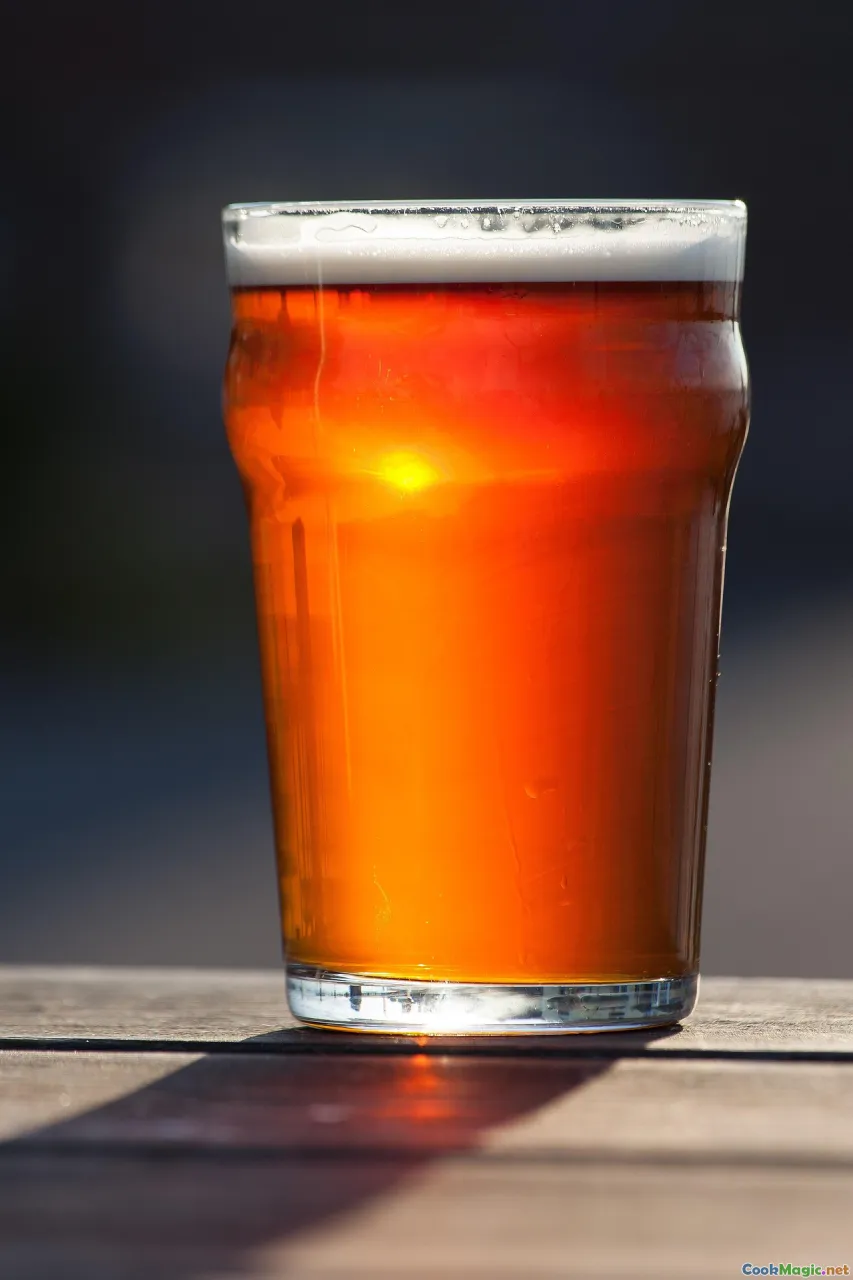
Travel the Eastern Caribbean and you’ll hear mauby called by the same name, but the accent changes.
- In Trinidad and Tobago, bottled mauby is common in groceries, lighter in color and often strongly anise-forward. Some house-brew versions are quite sweet, with bitterness sneaking in at the finish.
- In Barbados, the drink often leans more bitter, proudly adult. Locals expect the tongue to tingle a bit.
- In Saint Lucia, “spice mauby” sometimes shows off a heavier clove-cinnamon profile, darker and intense.
- In Saint Vincent and the Grenadines, home-style mauby often includes orange peel and West Indian bay leaf, with a firm but civilized bitterness—something you can sip while eating and not be distracted by.
Compared to European bitters like Campari or Italian chinotto, mauby is humbler, less polished but more rooted—there’s bark in it, literal bark, and that naturalness reads in the glass. If chinotto is the orchestra and tonic water the metronome, mauby is a drum circle under a mango tree. You can hear the wood in the sound.
Vincentian Pairings: What to Eat With Your Mauby
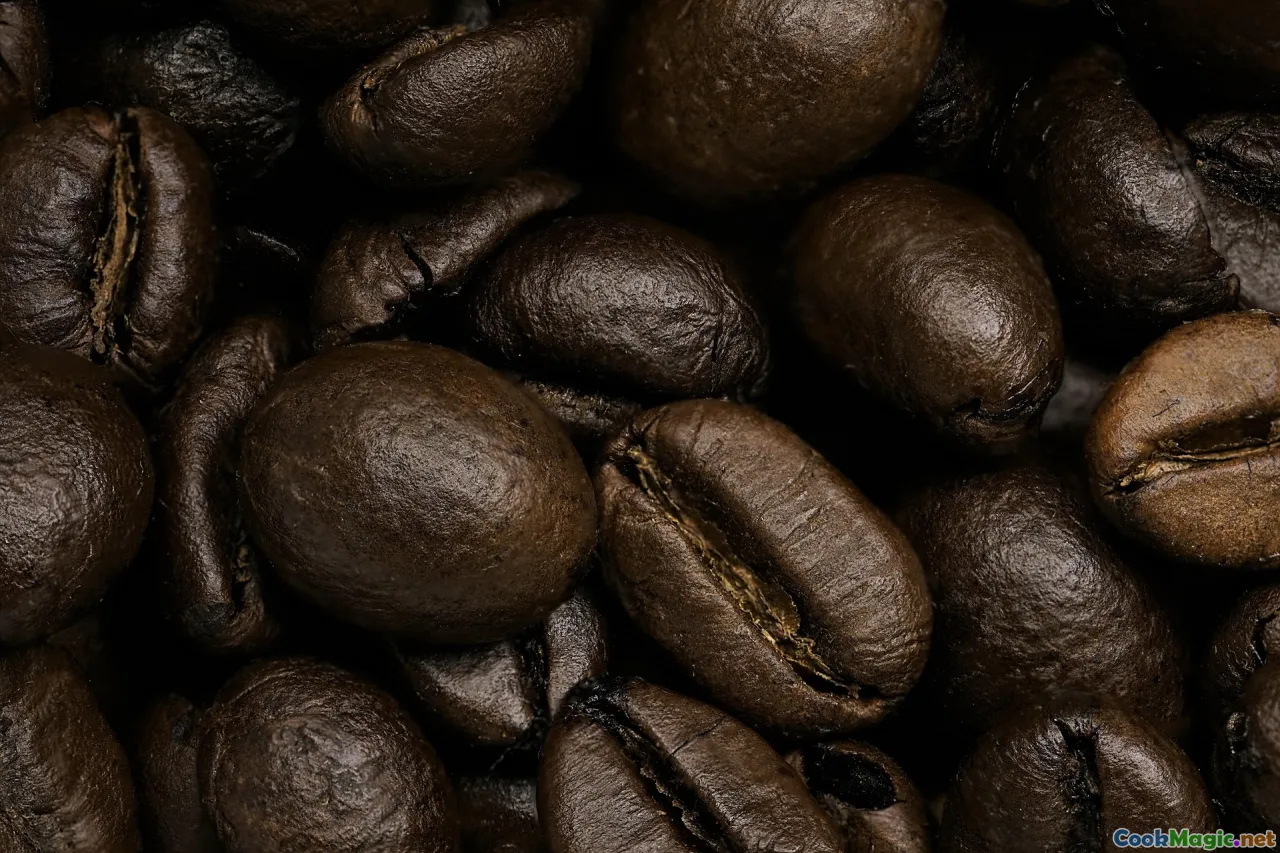
Pairing mauby is a joy for a cook’s brain. The drink handles fat, salt, and spice with grace.
- Roast breadfruit and fried jackfish: The starchy sweetness of breadfruit and the salt-flecked fish meet mauby’s tannins in a way that resets the palate. You’ll notice orange peel making the fish seem brighter.
- Bakes and saltfish buljol: Warm bakes split open, stuffed with juicy saltfish, tomatoes, and onions. Mauby’s spice sits beside the peppery heat like a calm friend who knows exactly when to talk.
- Pelau or stewed pork with rice and peas: The molasses-like sweetness from demerara sugar underscores brown, savory flavors. The bark’s bitterness trims the fat. A squeeze of lime over the plate and an orange-peel mauby equals balance.
- Smoked herring souse: Salty, sharp, and vinegared—this is a muscular pairing. Mauby’s sweetness lends the gentlest of handshakes, softening the edges.
- Mango chow with pepper and shadon beni: Here, mauby acts like a palate-roofing syrup carrying spice aromas back to your nose; the bitterness plays the long game, keeping you from over-sugaring the chow.
Dessert pairing tip: With coconut turnovers or currant rolls from a Kingstown bakery, mauby becomes almost tea-like—a counterpoint that keeps pastry from feeling cloying.
The Mauby Ritual: Kitchen Stories From SVG
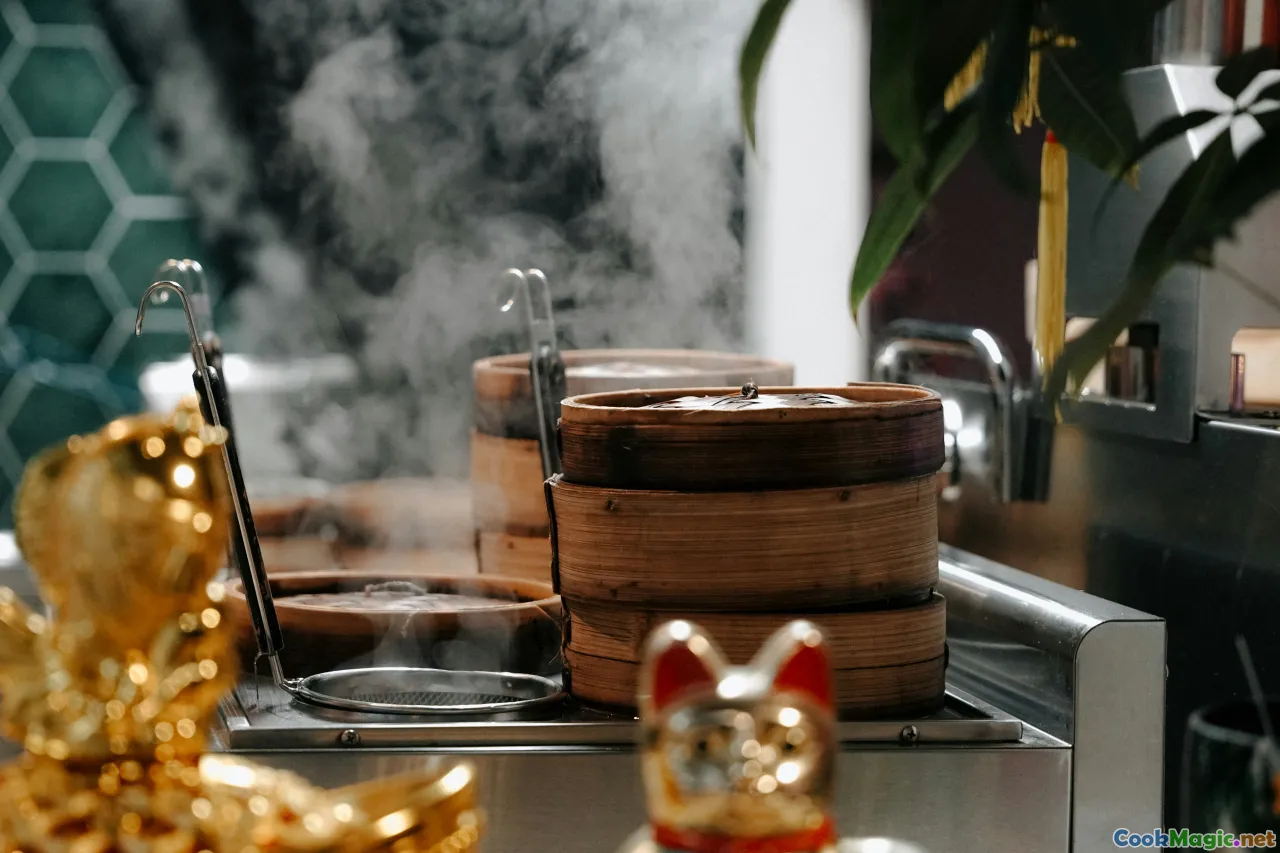
In a Marriaqua kitchen with jalousie windows half-open, I watched a grandmother’s hands lay cinnamon leaves into a dented aluminum pot. The mauby bark went in next, then clove—just two—and orange peel from a fruit she’d zested by memory, not measure. She simmered it low, humming while the house filled with a smell like the bottom shelf of a spice cabinet: warm, woody, mellow.
She told me her mother taught her to keep mauby in reused glass bottles, the kind that clink when you tap them on the counter. “It must always be ready,” she said, “because people always come.” A neighbor might drift in for a chat about the rain and leave with a bottle. A cousin could return from overseas and want a sip of home that’s not a photograph. On Nine Mornings, she would pour it into little cups at dawn, when the air still felt like a wet press of night and the streetlights tinted everyone a soft yellow.
There is a Vincentian rhythm in the way her mauby moves from pot to bottle to table. Taste, adjust, taste again—she is making a drink, but also a memory repository. The bark is constant; the hands are what change it from recipe to family.
A Practical Guide to Sourcing and Sustainability
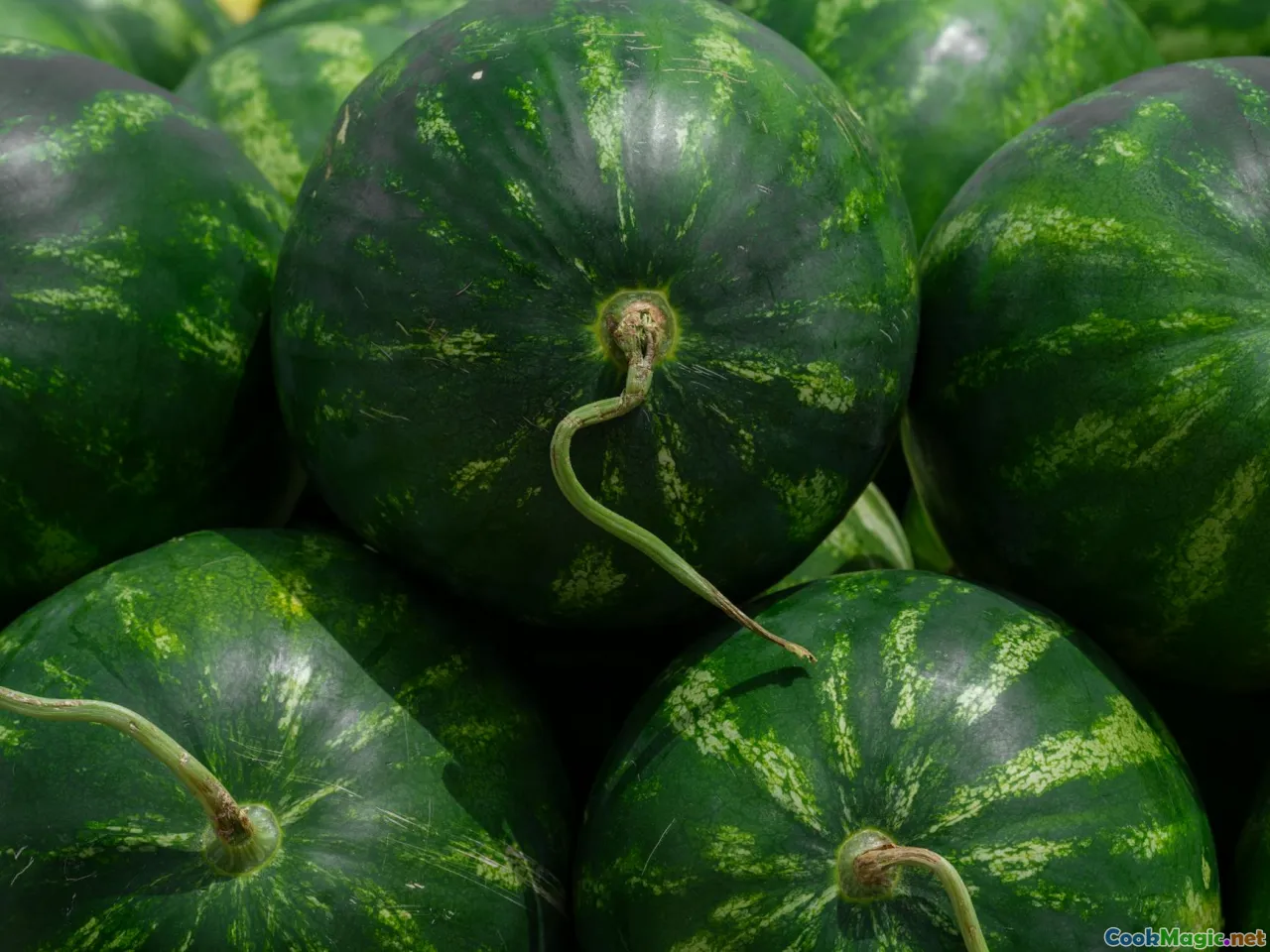
Mauby bark is traditionally harvested from local trees, but not all bark on the market is equal, and sustainability matters.
- Buy from trusted vendors: In Kingstown’s Market Square, ask vendors about their source. The good ones will tell you which communities they buy from and how the bark is cut in strips, allowing trees to recover.
- Recognize quality: Look for dry, aromatic bark strips without mold. They should smell cleanly woody, not musty. A reddish-brown tone is common.
- Use bark wisely: You can often re-simmer the bark a second time for a lighter batch. Save the spices and bark in the freezer for one more round.
- Consider concentrates from reputable Caribbean producers when fresh bark is scarce. Read labels—avoid artificial flavorings or overly sweet formulas if you want a traditional taste to build on.
A mindful kitchen honors the plant. When you boil mauby bark, you are borrowing from a tree you may never meet. Use its gift well.
Troubleshooting: Your Mauby Questions, Answered

- It’s too bitter! What now?
- Add a splash of fresh orange juice and a bit more syrup to rebalance. Sweetness counters bitterness, and acid focuses the sweetness so it doesn’t become syrupy.
- It’s too sweet, cloying even.
- Dilute with cold water and add a teaspoon of your concentrated bark infusion. A squeeze of lime can also dry the finish.
- The color is pale.
- Increase contact time slightly or add a small caramel sugar syrup as described earlier. Be cautious not to over-steep bark just for color—bitterness will race ahead of hue.
- No aroma, just sweetness.
- Toast your spices briefly in a dry pan before simmering next time. Switch from ground spices to whole; ground spices can muddy the brew.
- Fermentation didn’t fizz.
- Starter might have been weak, or the room too cool. Try a fresh ginger bug and keep it around 26–28°C. Add a teaspoon of sugar when bottling to feed carbonation.
Beyond the Glass: Mauby in Cocktails and Desserts
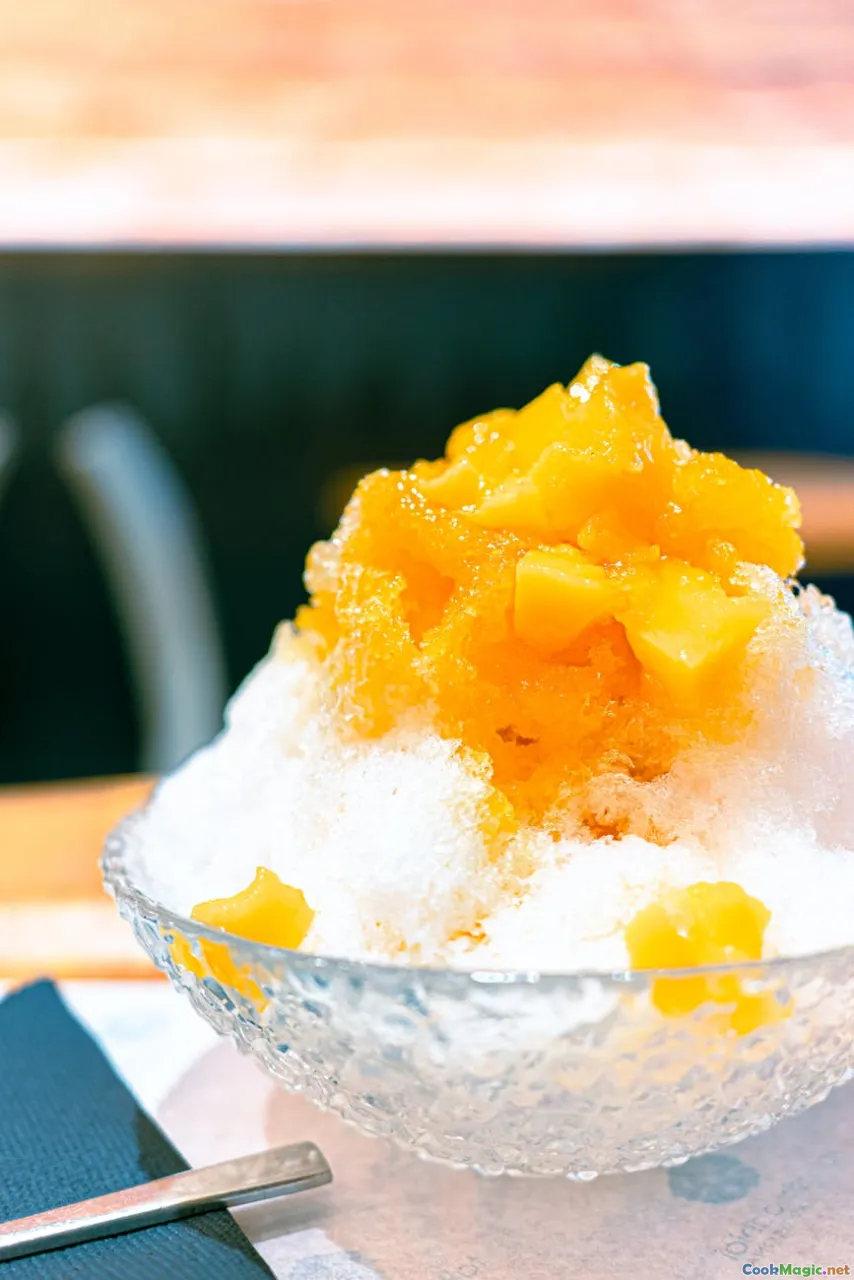
Mauby is versatile. Once you have a solid syrup, the kitchen opens.
- Mauby Shandy: Half mauby, half cold lager. In SVG, a local beer and a sturdy mauby make a summer afternoon drink both refreshing and intriguing.
- Island Old Fashioned: 60 ml dark rum, 10–15 ml mauby syrup, 2 dashes bitters, orange peel. Stir over ice. The bark echoes oak notes in the rum and pulls bitters into harmony.
- Mauby Spritz (low-alcohol): Equal parts chilled mauby and sparkling water with a squeeze of grapefruit and a rosemary sprig. Bitter, bubbly, aromatic.
- Mauby Granita: Freeze diluted mauby in a shallow tray, scrape with a fork into crystals, and serve with a twist of orange zest over fresh pineapple.
- Poached Pears in Mauby: Simmer peeled pears in a bath of mauby, additional sugar to taste, and a strip of lemon peel until tender. The fruit absorbs spice while the syrup thickens into a glossy glaze.
These riffs extend mauby’s profile without erasing its identity. The bark’s bitterness—in a world of over-sweet—gives backbone.
A Cook’s Comparison: Mauby vs. Tonic Water, Cola, and Herbal Teas
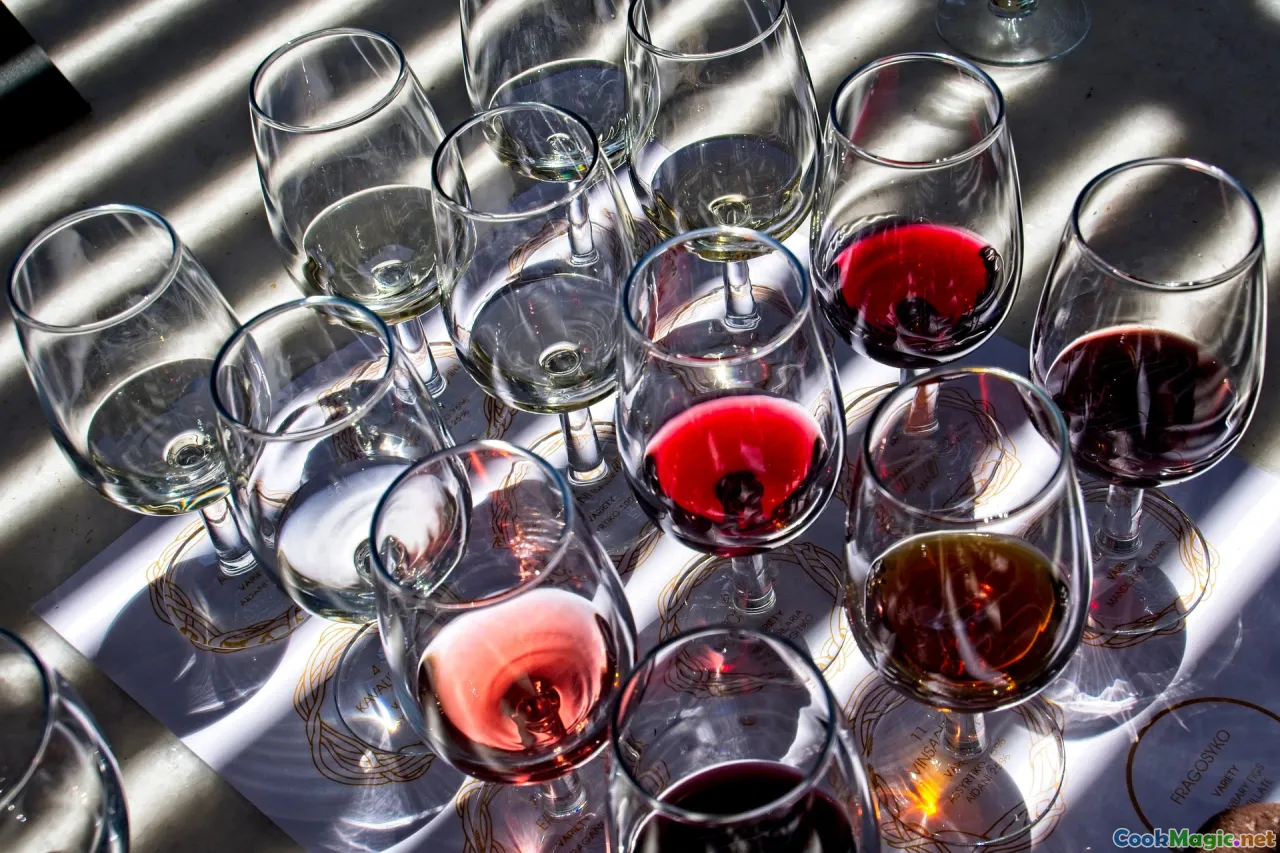
- Tonic water: Bitterness from quinine is sharper and metallic compared to mauby’s round, woody bitterness. Mauby feels more culinary—more pantry, less pharmacy.
- Cola: Cola is spice-driven, yes, but insistent on sweetness. Mauby’s sweetness is a partner, not the point. Sip them side by side and note how cola sits like syrup while mauby lifts and leaves.
- Herbal tea: On paper, mauby is a cousin—bark and spice infusion—but tea usually lacks the caramel and citrus architecture. Mauby’s saponins can create a delicate foam that tea doesn’t.
To a chef, mauby is a sauce waiting for a dish. To a bartender, it’s a house-made amaro in casual dress.
Tips From Vincentian Home Kitchens
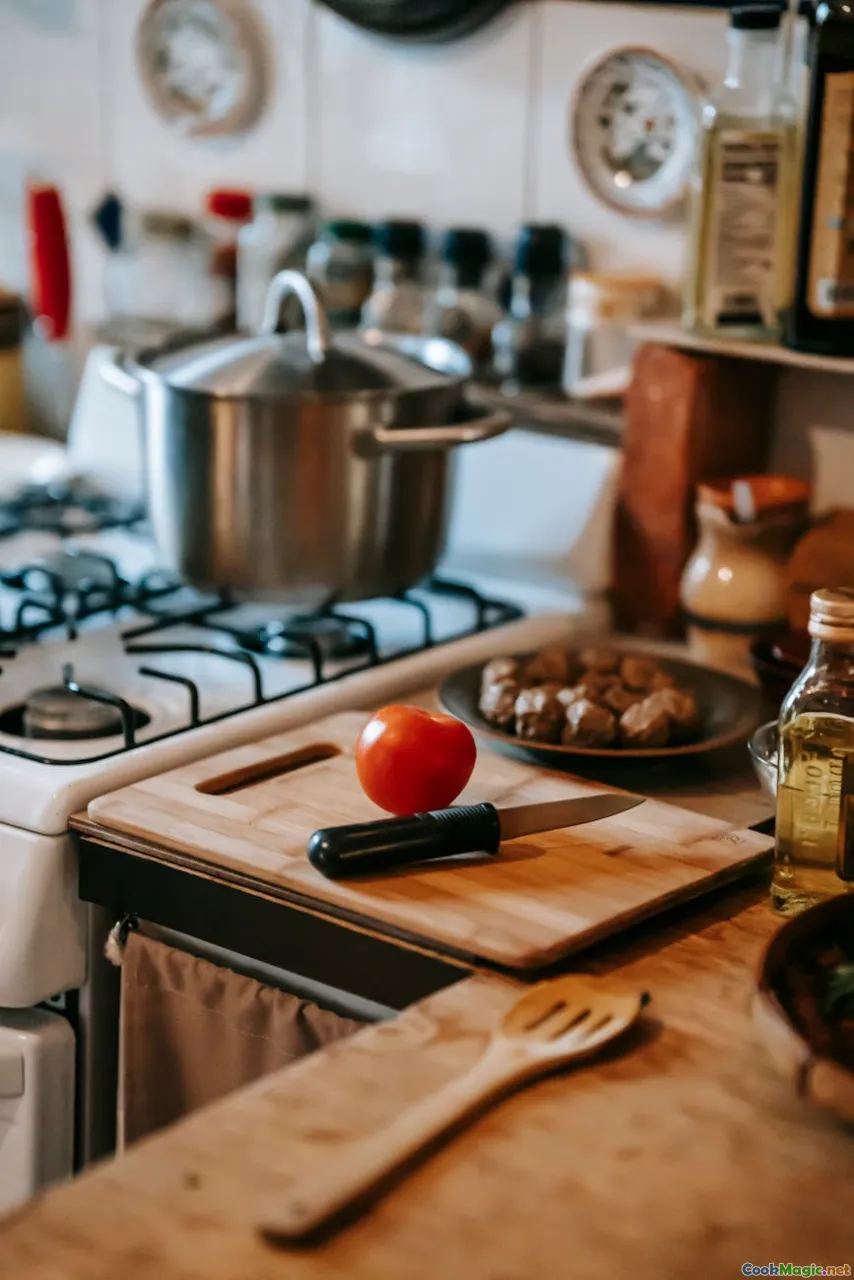
- Keep the bark dry: Store in a jar with a loose lid, never plastic wrap. Let the bark breathe.
- Respect the orange: Use wide strips of peel to extract oils without pith. Pith makes bitterness harsh, not interesting.
- Upcycle bottles: Glass soda bottles washed with boiling water are perfect for mauby. The clink is part of the ritual.
- Two-batch bark: After the first simmer, freeze the bark and spices. Reuse for a lighter batch later in the week.
- Ice strategy: Large, slow-melting cubes maintain flavor. Tiny cubes dilute too fast and blunt the finish.
One more quiet tip: Make mauby at night. Let the kitchen perfume itself while the world goes gentle. The morning pour will taste like rest.
The Texture of Place: Where to Sip in SVG

- Kingstown Market Square: Sip from a plastic cup while debating callaloo prices. The sprawl of color and sound makes the drink feel like a breather.
- Villa Beach or Indian Bay: A thermos of mauby, a bag of fried plantain chips, salt on the skin, breeze in your hair. Sip, watch the light.
- Leeward Highway roadside fruit stands: The vendor may not sell mauby, but there’s a good chance they know who does. Ask. “Cold mauby” is a directional phrase as good as any map.
- Nine Mornings gatherings: In the build-up to Christmas, when dawn belongs to Vincentians, a cup of mauby speaks more clearly than words: you are part of something older and kinder than your calendar.
When you drink mauby in SVG, you’re drinking conversation, a hum of familiar voices, street music, the slap of domino tiles, the hiss of frying fish, the prayer spoken under someone’s breath as the bus takes a corner too fast.
A Chef’s Notebook: Mauby, Bitterness, and Appetite
Bitterness is often misunderstood in the kitchen, treated as a flaw to be sugar-lacquered. Mauby teaches otherwise. It shows how:
- Bitter can prime appetite, preparing the palate to taste salt and fat more vividly.
- Bitterness with spice becomes a narrative: first warmth, then lift, then gentle dryness.
- Bitter anchors a meal, preventing sweetness from stampeding into excess.
Use mauby as a reference point for building courses: start a meal with small, intensely flavored bites—saltfish croquettes, green mango pikliz—with chilled mauby in small glasses. The bitter-sweet interlude resets every few bites. Dessert becomes a conversation, not a surrender.
The Homebrew Timeline: From Bark to Bottle
Day 1 (evening):
- Rinse bark and set up your simmer with spices and peel.
- Steep, strain, and sweeten. Take one small glass warm—it’s a different kind of comfort, like a winter tea in the tropics.
- Bottle the syrup.
Day 2 (afternoon):
- Dilute the syrup for serving, tweak sweetness. For a small gathering, prepare a pitcher on ice with orange peel ribbons and thin slices of fresh ginger.
If fermenting:
- Day 1: Make infusion, cool, pitch starter.
- Day 2: Taste—if lightly fizzy and aromatic, chill. If not, give it one more day.
- Day 3: Bottle and refrigerate. Drink within a week for peak fizz.
The Emotional Architecture of a Sip

The first sensation is flavor, but the second is memory. Even if you didn’t grow up in SVG, mauby asks you to consider the people who did—their kitchens, their patient simmering, the way a drink can be a neighborhood’s signature. It tastes like care, but firm care. The bark isn’t delicate; it makes you meet it halfway. That’s the emotional architecture: you have to be present for mauby to work on you.
Maybe that’s why the drink moves across generations. It’s not about novelty; it’s about trust. A grandmother trusts that you can handle bitterness, that you can sit with it and find the sweet undercurrent. A vendor trusts you to come back even if your first sip shocks you. You, in your own kitchen, learn to trust your tongue.
Recipe Card: My Vin-SVG House Mauby
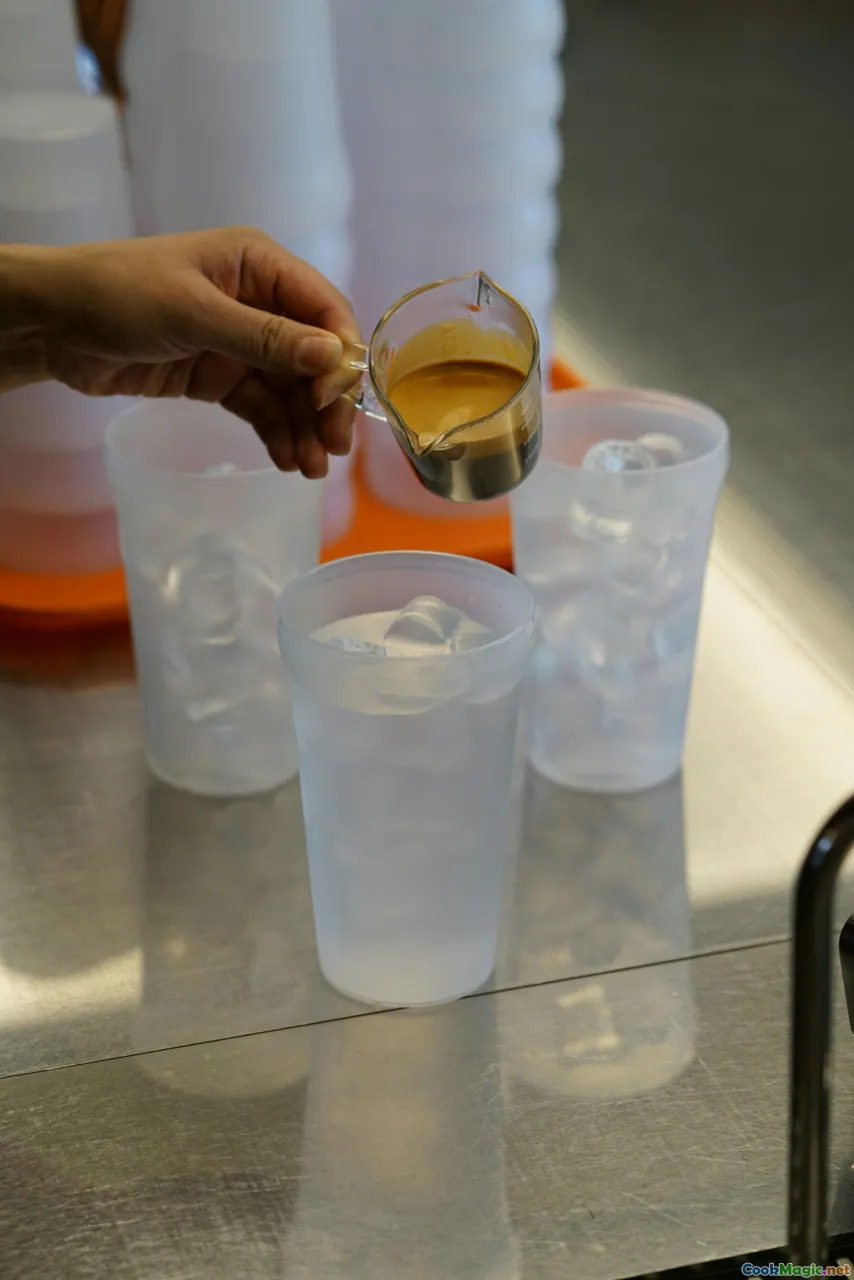
For 4 liters ready-to-drink:
- 55 g mauby bark
- 1 cinnamon stick, 4 cloves, 2 bay leaves
- Peel of 1 orange
- 1.2 liters water for simmer, plus water to dilute
- 550 g demerara sugar + 100 g white sugar
- Pinch salt
Steps:
- Simmer bark, spices, and peel in 1.2 liters water for 20 minutes.
- Turn off heat. Stir in sugars and salt until dissolved. Steep 30 minutes.
- Strain. Add 600 ml cold water to cool faster.
- Taste syrup—bitter-sweet and spice-forward.
- To serve, dilute 1:3 with cold water and ice. Twist of orange peel.
Expect an aroma like warm spice cake, a sip that begins generous, and a finish that lingers dry enough to make you curious. That curiosity is the point.
Keeping Mauby on Hand: Storage and Service

- Syrup storage: 2 weeks in the fridge, in sterilized glass. Shake gently before use; spices may settle.
- Ready-to-drink: 3–4 days refrigerated. The flavor softens over time; brew a bit stronger if you plan to keep it.
- Fermented mauby: 1 week for best fizz. Keep cold. Burp swing-top bottles if carbonation builds.
- Portable service: For beach days, freeze a portion of your diluted mauby in a bottle and use it as an ice pack for the rest of the jug. As it melts, the drink stays balanced.
Small detail, big joy: A thin slice of fresh ginger in each glass adds peppery brightness without changing the base recipe.
When Mauby Meets Morning
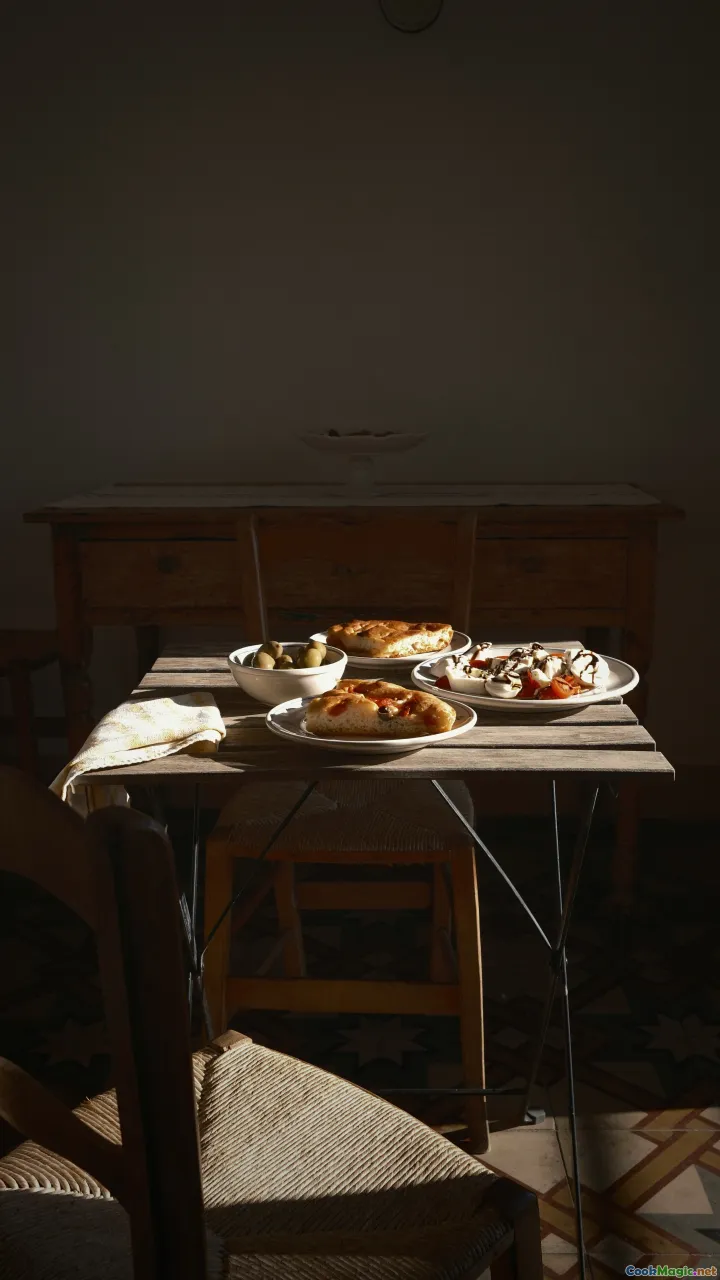
In SVG, the morning can taste like fried bakes split like hot pillows, saltfish steaming, and a cold glass of mauby beading with condensation beside it. The bitterness at dawn resets your mind; the sweetness acknowledges your body is waking. On Nine Mornings, it’s almost ceremonial—people in hoodies and flip-flops, music just loud enough to tell the sun it’s late, someone balancing a tray of cups so carefully you’d think they were lit candles.
There’s a tenderness in that image that goes beyond gastronomy. Mauby is a drink that makes a promise to the day: we’ll hold the line between sweet and strong together.
Why Mauby Matters

As culinary professionals, we often chase novelty, but tradition carries flavors we haven’t finished learning from. Mauby matters because it preserves a palette of bitter-sweet contrasts that modern beverages often ignore. It asks us to appreciate restraint and depth, to recognize that refreshment can be thoughtful, that a drink can be both comfort and critique.
In Saint Vincent and the Grenadines, mauby ties households to markets, vendors to early-morning choir rehearsals, fishermen to roadside lunches, grandparents to grandchildren who ask, “Why is it bitter?” and then take another sip anyway. To brew it at home is to take part in a long conversation that doesn’t raise its voice.
So rinse the bark, open the spice drawer, peel the orange without taking the pith. Let the pot breathe out steam that smells like a memory you haven’t had yet. Taste, adjust, and taste again. Pour over ice until the glass sweats. If the first sip feels like a riddle, good. Some traditions deserve time to understand. And some drinks, like good stories from SVG, get better every time you return to them.