Grilling Yakitori Chicken Skewers the Authentic Way
42 min read Master authentic yakitori at home with proper cuts, tare vs. shio seasoning, skewering techniques, and binchotan grilling tips for juicy, smoky chicken skewers. October 30, 2025 07:04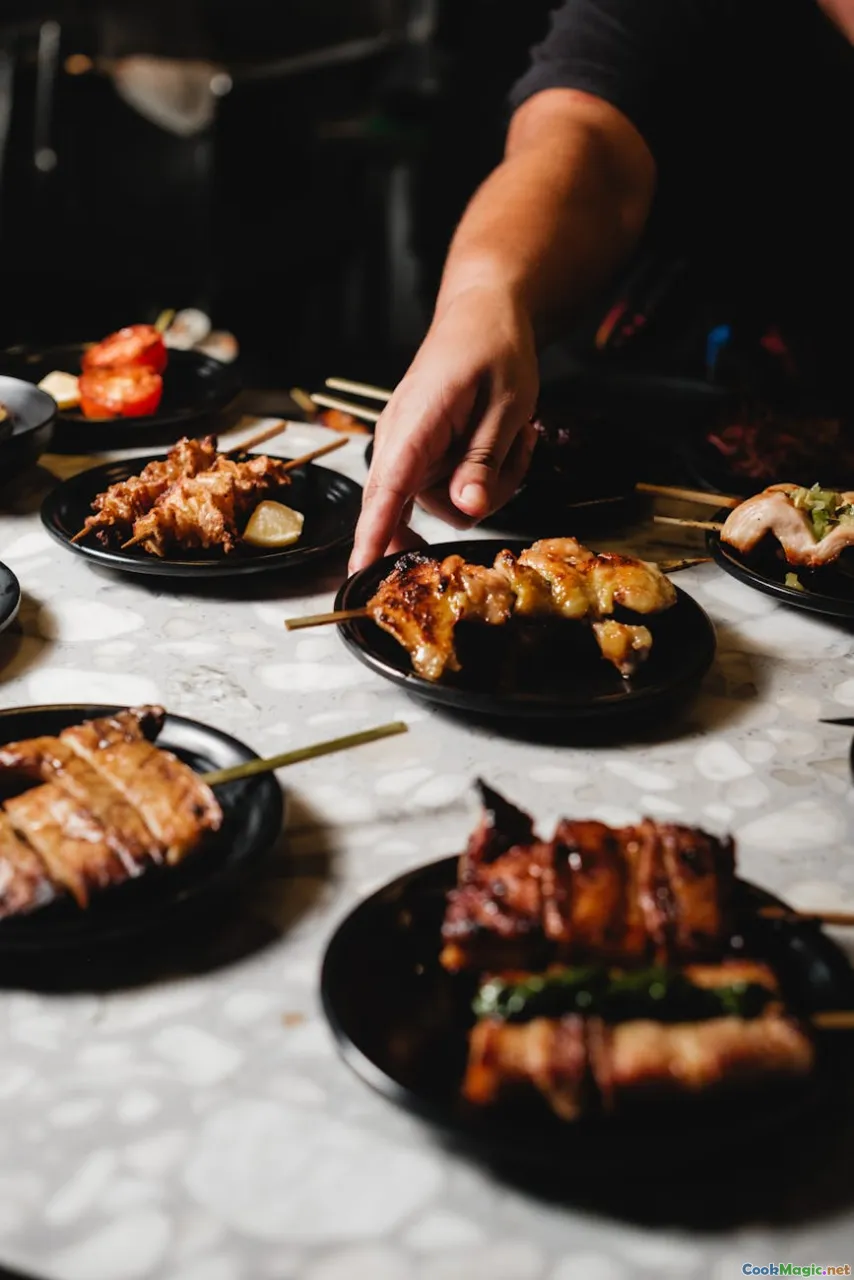
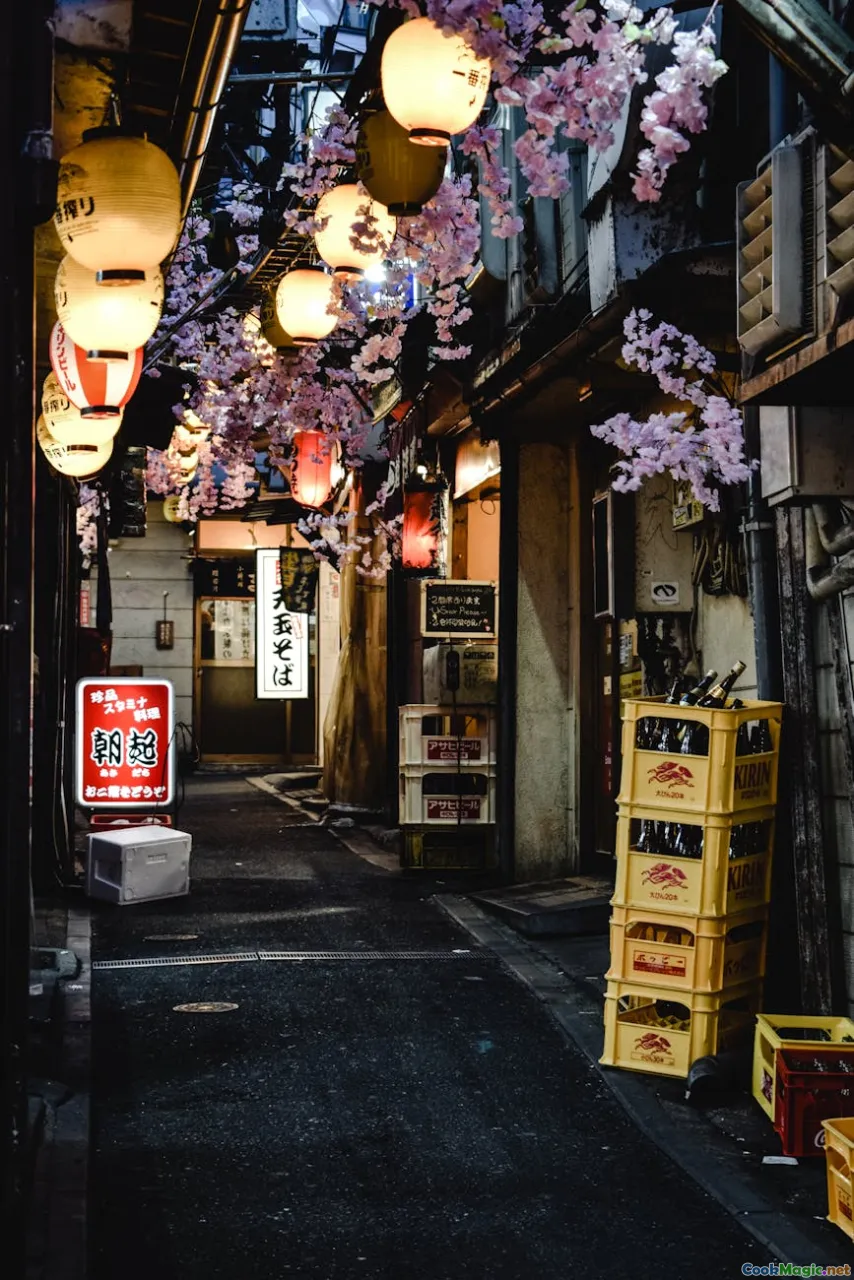
The first time I followed the blue smoke down Tokyo’s Omoide Yokocho, I felt as if the alley itself were exhaling history. It smelled of sweet soy and chicken fat, of damp cedar and late-shift laughter. Fan-wielding grillmen—yakitori-ya—stood at narrow counters, blades flashing over cutting boards, skewers turning with a rhythm that seemed part choreography, part prayer. Under the white glow of paper lanterns, an old man next to me tilted his highball and pointed at the grill. Listen, he said without words, to the crackle of skin as it blisters; look for the shimmer when the sugar in the tare catches light. He smiled and added salt with a gesture as precise as a tea ceremony. That is the moment when chicken becomes memory.
What Yakitori Really Means
Yakitori is simply grilled chicken on skewers, yet that simplicity hides a discipline honed over a century of change. The literal translation is grilled bird, but in practice it is a whole craft of butchery, seasoning, and fire management. While skewer traditions in Japan go back to the Edo period—conger eel, river fish, and vegetables—chicken became a star in the Meiji era as dietary restrictions relaxed. After World War II, the alleys of Tokyo were thick with smoky stalls selling every part of the chicken. Scarcity taught thrift; cooks learned to honor the entire bird. That is why yakitori menus still read like a quiet anatomy lesson: thigh and breast, of course, but also skin, tail, gizzard, heart, cartilage, and wingtips.
A yakitori-ya is not just a place to eat; it is a stage for the act of grilling. The yakite (grill master) stands front and center, facing guests across a short counter. Every skewer—kushi—is assembled to cook evenly and eat in two or three bites. Choices fall into two main camps: shio (salt) or tare (a soy-based glaze). At a great shop, you can taste the philosophy in each bite. Salt magnifies the natural sweetness of chicken fat and the perfume of charcoal. Tare layers smoke with caramel and umami, a brush-on lacquer built up in thin, shining coats.
The Soul of the Grill: Binchotan Charcoal
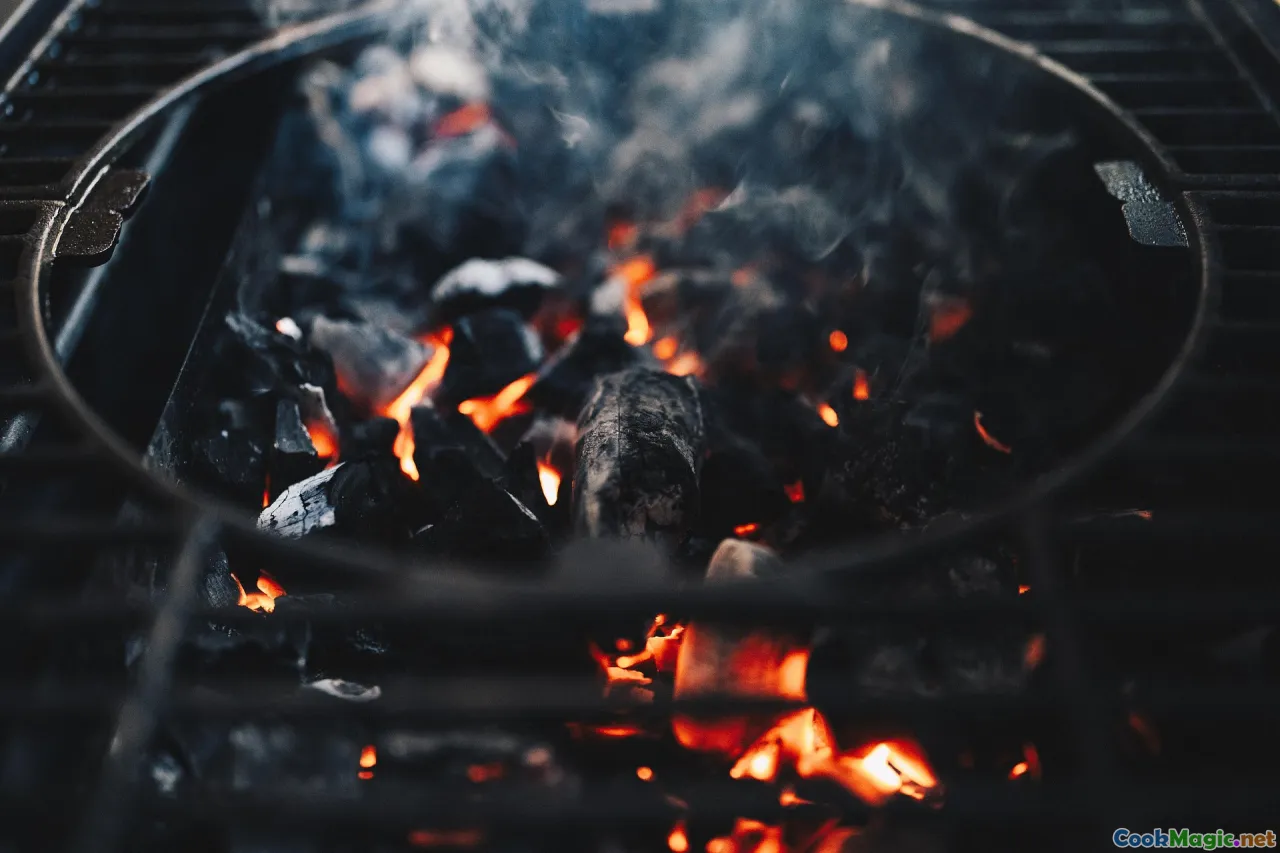
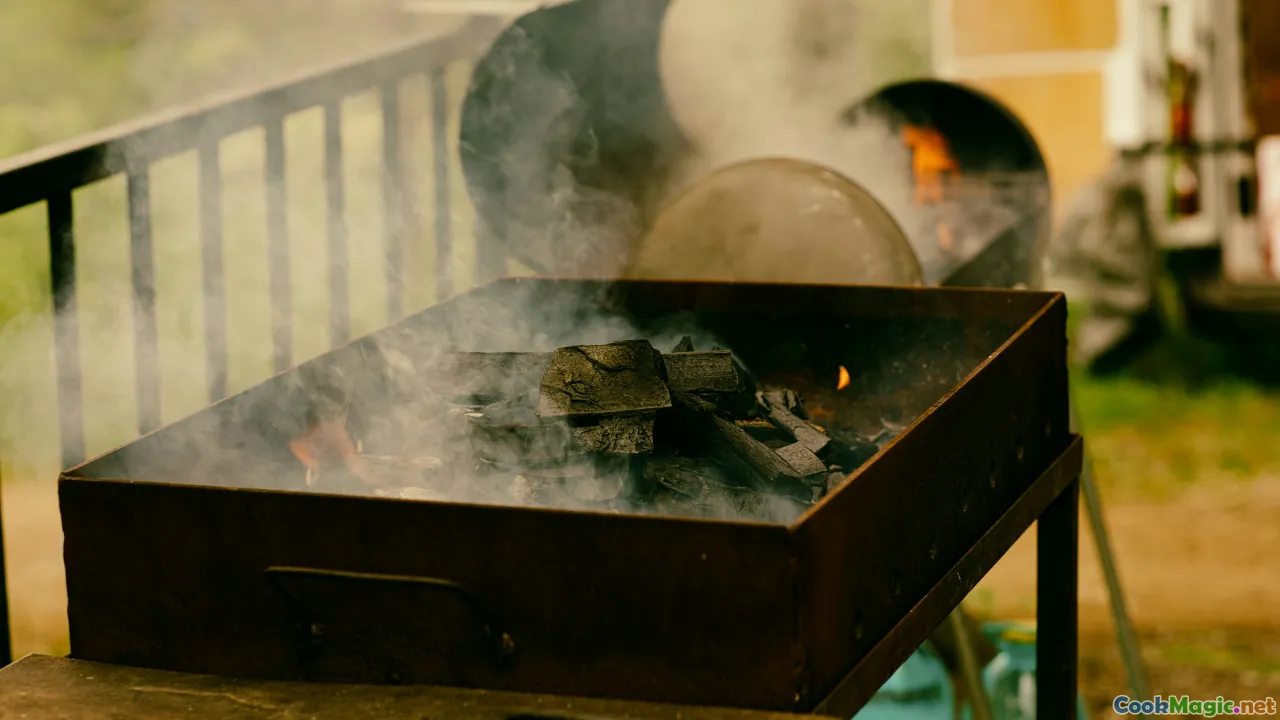
All fire is not equal. Binchotan—the Japanese white charcoal made traditionally from ubame oak—burns hotter, cleaner, and longer than typical lump charcoal. Drop a piece on a hard counter and you’ll hear a bright ceramic ring. Light it properly and it becomes a bed of lambent stars, radiating consistent heat with almost no visible flame or smoke. That neutrality is crucial: binchotan perfumes but does not smother. It allows you to taste the sweetness of collagen as it renders, the herbaceous hint in the fat from a pasture-raised bird, the piney tickle of sansho if you dust it at the end.
At Bird Land in Ginza—one of the first yakitori restaurants to earn a Michelin star—the binchotan isn’t a prop. It’s a silent partner. The chef sets skewers at varying distances from the coal bed the way a conductor assigns instruments in an orchestra. Skin-heavy pieces go where the heat licks hottest; lean breast rests higher, shielded from the fiercest inferno. Watch long enough and you realize the grill is a map, and every skewer has a coordinate.
Can you use standard lump charcoal at home? Yes, with care. Look for dense hardwood lumps and let them burn down to a glowing bed before you start. Avoid briquettes with binders or strong smoke flavor—yakitori is about clarity, not campfire. If you don’t have a yakitori-style grill (shichirin or konro), a narrow charcoal trough or a small hibachi works well. The key is proximity. Yakitori needs intense, focused heat close to the food so the outside blisters while the inside stays juicy.
Tare vs. Shio: Two Philosophies on a Stick
The menu question comes early: shio or tare. Each teaches a different lesson.
Shio—salt—sounds minimal until you taste what it reveals. A dust of flaky sea salt blooms on the tongue and pulls moisture to the surface as the skewer hits heat. Fat pops. The chicken tastes cleaner, more direct. Shio is where to start if you want to understand the bird itself. The best shops salt with a practiced hand, sometimes adding a second, lighter pass mid-cook so the seasoning rides both the rendered fat and the newly exposed surface as proteins tighten.
Tare is the house signature, and the good ones are generational. A classic tare begins with soy sauce, sake, mirin, and sugar, but it becomes distinctive through additions and time: chicken bones and trimmings simmered in the pot, grilled leek ends, shiitake stems, even a splash of dashi for depth. The sauce is used, replenished, boiled, and used again. Over months, a mother tare accumulates flavors like an old violin gathers resin—layers that hum when the brush touches the hot skewer.
Finishes are spare but pointed. Over shio yakitori, some chefs throw a whisper of sansho pepper, the citrusy cousin of Sichuan peppercorn, for an electric, tongue-tingling perfume. For tare-glazed skewers, a final brush often suffices—shiny, aromatic, not syrupy. A dab of yuzu kosho (fermented yuzu and green chili) with chicken tail; a pinch of shichimi togarashi when the night dips cold.
Choosing and Cutting Chicken the Yakitori Way
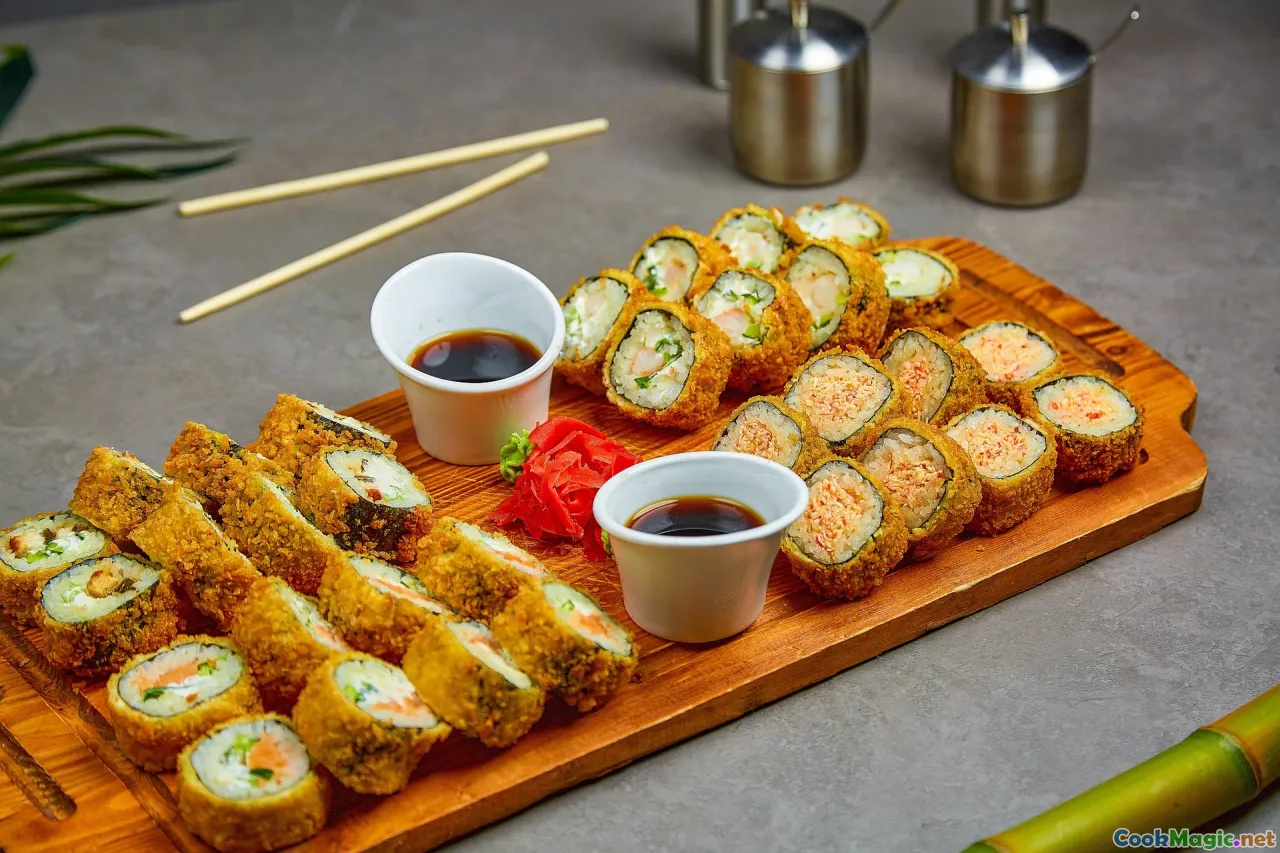
Authentic yakitori starts with whole-bird thinking. In Tokyo, chefs often break down a fresh bird each day, dividing it into elemental textures and flavors. You can approximate this with high-quality thighs and wings, but consider asking a butcher for a whole bird so you can practice true nose-to-tail.
Key cuts and their character:
- Momo (thigh): The yakitori workhorse. In Japan, thighs are often left skin-on, cut into 1.8–2.2 cm cubes. Expect a springy chew and silky fat. Ideal for tare because the collagen drinks it in.
- Negima: Alternating thigh and thick green onion (negi). The leek’s sugars caramelize, adding sweetness; the onion’s moisture tempers the meat’s heat exposure.
- Kawa (skin): Textural drama. Crisp crackle outside, almost custardy fat beneath. Thread it like folded ribbon to maximize surface area and avoid flare-ups.
- Tebasaki (wing): Two bones removed or not, wings give contrasting bites: crisp edges with juicy centers. Shio brings the cleanest flavor; tare turns it into lacquered candy.
- Hatsu (heart): Dense, mineral, and unexpectedly tender when cooked quickly. Often salted, sometimes finished with a dab of karashi mustard.
- Reba (liver): The silkiest bite on the menu. In shops, it’s served just blushing; at home, cook through but avoid overcooking. A slight sweetness or sherry-like depth pairs well with tare.
- Sunagimo (gizzard): Firm snap and bright minerality. Shio, a bit of lemon, maybe a touch of garlic chive.
- Bonjiri (tail): Fatty, triangular nuggets from the parson’s nose—succulent and primal. Best with salt and a hint of citrus.
- Nankotsu (cartilage): Chewy-crunchy skewers made from breastbone cartilage or knee; a drinker’s delight, seasoned simply with salt and lemon.
- Sasami (tenderloin): Lean, delicate. Often served barely set at top shops; at home, cook until opaque and juicy. Wasabi salt is a classic finish.
Uniformity is everything. Cut pieces so they cook at the same rate, and group skewers by cut rather than mixing different textures. This lets you set the skewer in the right zone of the grill and gives the diner a clear narrative: this is how thigh feels; this is how heart hums.
Skewering Like a Yakite: Kushizashi Technique

Skewering is not just assembly; it’s engineering. The goal is to present even faces to the heat, avoid spinning, and manage fat drip.
- Tools: Short bamboo skewers (15–18 cm) or flat steel teppo-gushi. Flat skewers prevent spinning—ideal for skin and slippery liver. If using bamboo, some cooks briefly soak them; in yakitori shops, quick cooking over focused heat usually makes soaking unnecessary, but at home, a 20-minute soak can minimize scorching.
- Orientation: Pierce along the muscle grain to keep pieces from tearing off. For thigh, square the edges and keep the skin outermost to blister beautifully.
- Spacing: Pack pieces snugly but not compressed—1–2 mm gaps allow hot air to circulate yet keep juices from dripping too fast.
- Double-skewer method: For soft items like liver or for long pieces like skin, use two parallel skewers. This stabilizes and gives you a firm hold when turning.
- Negima threading: Alternate thigh and 2–3 cm lengths of thick green onion (negi). Keep onion cut faces facing the same direction so they char evenly.
Skewer in batches and keep the raw skewers on a chilled tray covered with a damp towel. Salt right before grilling so the surface moisture draws seasoning inward as heat hits.
Crafting an Honest Tare Sauce
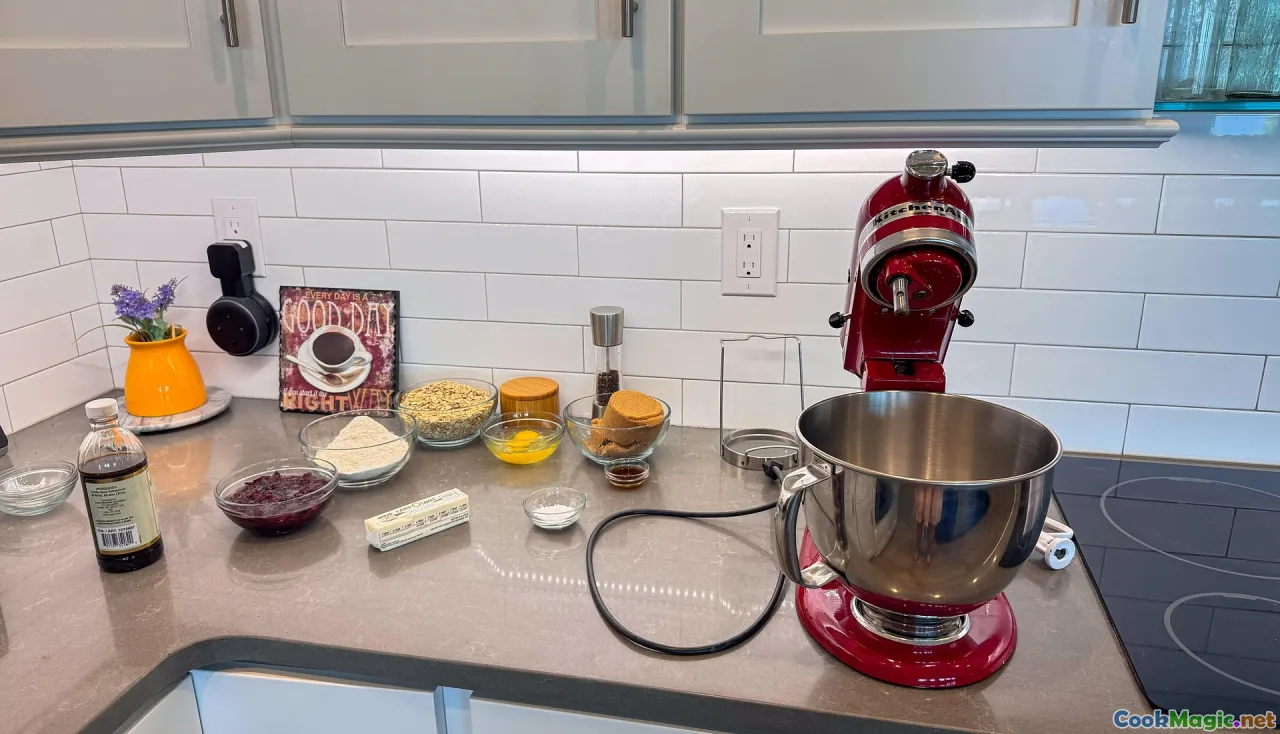
A home tare will never have the haunted depth of a decades-old restaurant mother sauce, but you can build surprising resonance with careful layering. This version leans savory and aromatic without tipping into cloying.
Tare, house-style (about 500 ml)
- 250 ml soy sauce (a mix of koikuchi and a splash of tamari if you have it)
- 150 ml sake
- 100 ml mirin
- 70 g granulated sugar
- 30 ml dark sugar syrup or kuromitsu (optional, for roundness)
- 200 ml light chicken stock or dashi
- 250 g chicken trimmings: wing tips, backbones, skin, and a few bones, roasted until browned
- 1 leek (green parts), roughly chopped
- 2–3 slices fresh ginger
- 1 dried shiitake cap
Method:
- Roast the chicken trimmings at 220 C until deeply browned, about 25–30 minutes. Browning gives the sauce backbone.
- In a saucepan, combine soy, sake, mirin, sugars, and stock. Add roasted trimmings, leek greens, ginger, and shiitake. Bring up gently to a simmer.
- Skim foam and maintain a quiet simmer for 45–60 minutes, until the sauce smells integrated and the raw alcohol notes have vanished.
- Strain through a fine sieve. Return to the pot and reduce lightly to a maple-syrup feel that still runs off a spoon. You want a glaze, not a molasses.
- Cool fully and store in a sterilized jar in the fridge for up to a week. Warm before use.
Professional kitchens keep a tare alive for years by replenishing and rebubbling nightly. At home, do not dip raw-chicken brushes directly into your stored tare. Instead, pour a working portion into a small pan, baste from that, and discard leftovers. If you want to save a working tare between sessions, bring it to a rolling boil for several minutes, cool, and refrigerate.
Setting Up a Yakitori Grill at Home

A narrow grill is your friend. The classic is a ceramic shichirin or a rectangular konro—thick walls that hold heat, with a tight footprint that concentrates coals. Set a removable wire mesh or yakitori grate on top.
- Charcoal: If you can find Kishu binchotan, use it. Otherwise, choose dense hardwood lump. Light in a chimney starter and let coals ash at the edges before transferring.
- Heat zones: Arrange your coals in a shallow bed with a slightly hotter end and a slightly cooler end. You’ll shuttle skewers toward and away from heat depending on cut.
- Tools: Long metal tongs, a basting brush (silicone will work, but a traditional horsehair brush grabs and releases tare beautifully), a small pan of sake in a spritz bottle to tame flare-ups and add aroma, and a water-damp towel for the grill edge.
- Ventilation: Yakitori is smoky even with clean coals. If indoors, use maximum ventilation and a splatter guard. Outdoors is best.
Make the grill inviting for you, the cook: a tray for raw skewers on the left, clean tray for cooked on the right, seasoning bowls at hand. The yakite’s choreography starts with a tidy station.
The Grill Dance: Heat, Timing, and Basting
Yakitori cooks fast—most skewers are done in 4–7 minutes—but every moment has a purpose.
- Season: For shio, salt just before the skewer hits the grate. For tare, begin unseasoned; the glaze carries the salt.
- First contact: Lay skewers so the faces press close to heat. Listen for a gentle hiss, not a roar. If flames leap, raise the skewer or shift to a calmer spot.
- The turn: Rotate every 20–30 seconds at first to set the shape and prevent sticking. Once color begins, let each side take a full minute to brown.
- Baste: For tare skewers, do a first brush after the surface has lightly browned and fat has begun to render—about 1–2 minutes in. Dip or brush quickly, return to heat, and let the sauce toughen, then repeat. Two to three thin coats beat one thick slather.
- Sake spritz: If flare-ups threaten, a mist of sake both calms and perfumes. Aim for the coals, not the food.
- Doneness: Thigh is forgiving—juicy at 70–75 C. Breast should be cooked through but not parched; pull as soon as the center turns opaque and moist. Offal cooks quickly; hearts are perfect when the exterior is browned and the center still supple. At home, follow your local food safety guidelines—165 F/74 C for chicken—especially for breast and ground meat.
- Finish: Final pass of tare off heat for gloss, or a salt-sansho flourish. Rest skewers 30 seconds so juices settle.
The last 20 seconds matter most. Watch for microbubbles as sugar approaches the edge of caramelization. That is the moment to pull, when a finger pressed lightly into the meat springs back and the glaze looks like brushed shellac.
Tsukune: The Soft Power of Yakitori
Ask ten yakitori chefs how they make tsukune and you’ll get eleven answers. Some add minced cartilage for snap; some lighten with grated nagaimo yam; some season with miso or shiso.
Here’s a version that balances tenderness with a gentle tug:
Tsukune for 10–12 skewers
- 500 g boneless, skin-on chicken thigh, half finely chopped with a knife, half coarsely ground
- 80 g chicken skin, finely minced (optional but glorious)
- 1 small onion or 3 scallions, grated or minced
- 1 small knob ginger, grated
- 1 egg
- 2 tbsp milk or 20 ml dashi
- 2 tbsp panko breadcrumbs
- 1 tsp white miso (optional)
- 1 tsp salt, plus more to taste
- Freshly ground white pepper
Method:
- Combine all ingredients and knead with your hand for 2–3 minutes until tacky; the protein matrix needs to develop slightly to hold shape.
- Chill 30 minutes so the mixture firms.
- With wet hands, form oblong patties around flat skewers. Alternatively, pre-sear small quenelles on a lightly oiled pan to set the surface before skewering.
- Grill over medium heat, turning gently as it firms. Baste with tare in the last two minutes, building two layers.
At many shops, tsukune is served with a small saucer of thickened tare and a raw egg yolk for dipping, a lush texture contrast. At home, you can serve with a gently soy-cured yolk or a soft-poached quail egg if you prefer cooked eggs. The sweetness of egg and the soy’s savor carry the meatball toward comfort food nirvana.
Finishes, Condiments, and Pairings

The beauty of yakitori is that the garnishes speak softly but truly. Stock your counter with:
- Flaky sea salt and fine salt for layering
- Sansho powder for electric citrus-zing
- Yuzu kosho for bracing heat
- Shichimi togarashi when you want sesame-citrus warmth
- Fresh lemon or sudachi wedges, especially for nankotsu and sunagimo
- Togarashi mayo if you’re leaning izakaya-casual
Serve with crisp, thirst-quenching drinks: nama biru (draft beer) if you can find it; a highball (Japanese whisky and soda) is classic; chilled junmai ginjo sake for a floral, rice-driven pairing; or cold barley tea for a non-alcoholic counterpoint. On the side, a mound of raw cabbage leaves with a dab of miso—ubiquitous in Fukuoka’s yatai stalls—wakes the palate between skewers. Quick pickles (kyuri cucumber, daikon) provide crunch and reset your appetite so you can appreciate the next cut.
A Counter Seat in Ginza: What I Learned

At a slender counter in Ginza, I watched a chef move like a metronome. He set two skewers of negima at the grill’s edge, then slid a row of hearts closer to the center. His left hand fanned, right hand turned, and every minute or so he dipped a brush into a battered copper pot of tare that looked older than me. I asked, in halting Japanese, about his salt. He smiled and let me smell the bowl: a mix of fine sea salt for immediate seasoning and a touch of milder, coarser crystals for late sparkle. For shio momo, he made a small pinch with three fingers—thumb and two—the same every time.
When my kawa arrived, the skin had furled into an accordion of bronze. The first bite shattered, then pooled with warm fat. It tasted like a memory of roast chicken captured in a single second. He followed with hearts, just kissed by flame, and then a tare-glazed wing that made me reconsider what wings could be: elastic skin, smoky, edges lacquered to a soft crunch that dissolved into sweet-salty juice.
I left with an understanding that technique isn’t a list of rules; it’s a habit of attention. You taste the smoke density in the air and adjust the distance. You sense by sound when fat is rendering too fast. You notice the way a bead of juice forms at the skewer tip and know the center is nearly done. Yakitori teaches you to pay attention in small moments. That is its gift.
Troubleshooting and Pro-Level Tips
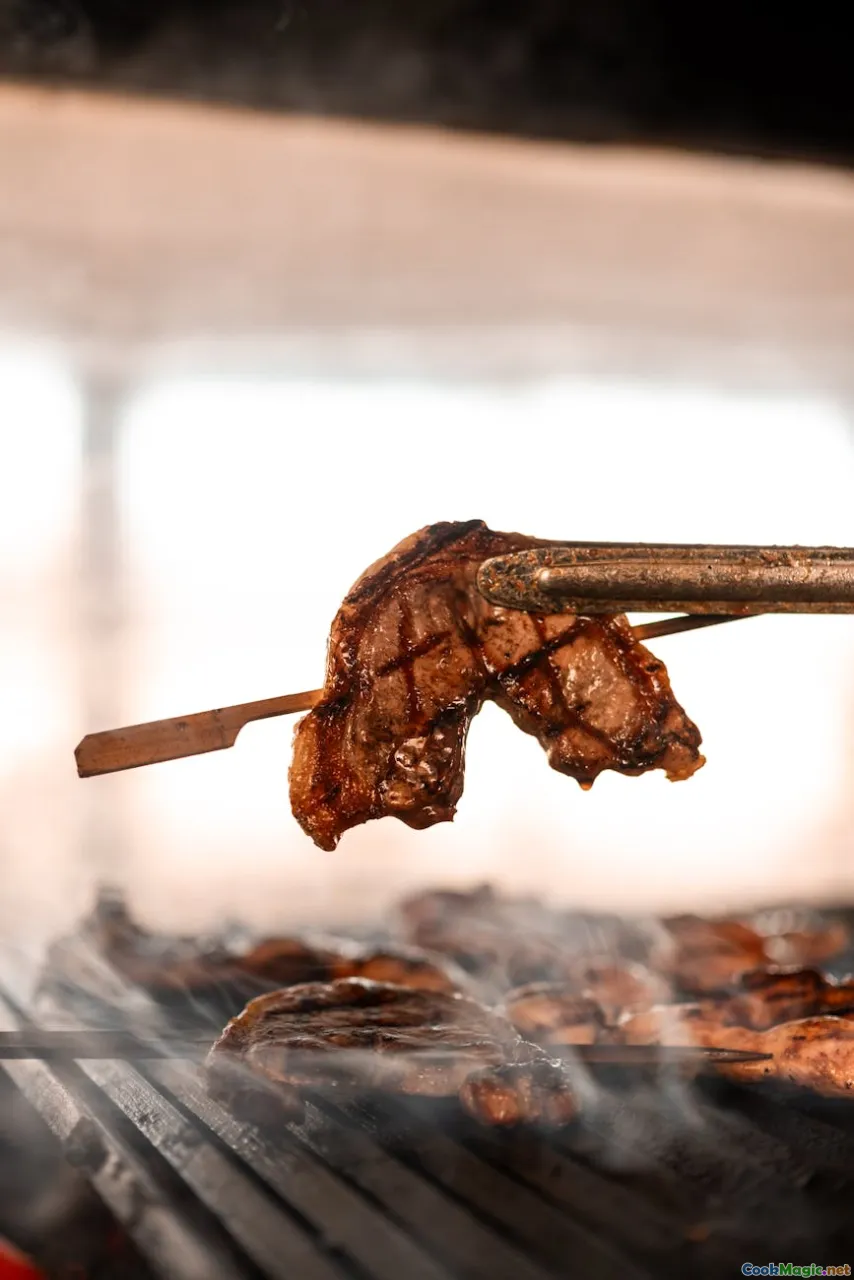
- Skewers burning before meat cooks: Your fire is too tall and close. Lower the grate slightly or rake coals to create a gentle ember bed. Use thicker skewers that resist charring.
- Meat sticking: The grate is cold or dirty. Preheat thoroughly and let the meat set for 15–20 seconds before the first turn. A rub of beef fat on the grate helps if you have it.
- Tare tastes harsh or too salty: Reduce more gently, or extend with a splash of mirin and stock. Add a roasted chicken wing to simmer 10 minutes for balance.
- Flare-ups: Don’t panic. Lift, fan, or spritz coals with sake. Keep a cool zone for recovery.
- Dry breast: Use sasami (tenderloin) rather than thick breast pieces. Salt later, cook higher from the flame, and pull as soon as the center is opaque.
- Uneven cooking: Your skewer pieces are mismatched. Trim to consistent size, and pack snugly so edges don’t overcook before centers catch up.
- Offal tastes metallic: Soak hearts or gizzards in lightly salted water for 15 minutes; drain and pat dry. For liver, trim green bile traces meticulously.
- Weak smoke character: Dense coals, clean grill. If using non-binchotan charcoal, add a small piece of binchotan or a hardwood chunk to the edge for a whisper of aroma.
Pro moves:
- Layer fat next to lean: On a thigh skewer, include a small square of skin at one end to baste the rest as it renders.
- Second salt: For shio, a micro-dusting mid-cook brightens flavors without oversalting.
- Rest on the skewer: Thirty seconds off heat concentrates juices and finishes carryover without sogging the exterior.
- Brush off heat: Final tare pass away from the direct blaze retains gloss and avoids bitter caramel.
Sourcing Birds, Seasonality, and Ethics
In Japan, the highest temple of chicken is often a named breed: Hinai-jidori from Akita, Nagoya Cochin, Satsuma. These birds have distinct muscle tone and fat profiles, flattering the yakitori approach. Outside Japan, seek out pasture-raised or air-chilled chickens. Air chilling prevents waterlogged flesh, so you get better browning and truer flavor.
A whole bird lets you experience the anatomy of yakitori and spreads cost across prized and humble cuts. Talk to your butcher about saving you backs and wingtips—gold for tare. If you use liver and hearts, buy the day you grill. Keep everything deeply cold until skewering to maintain texture.
Seasonality touches yakitori, too. Spring negi is sweeter; summer shishito peppers blister like tiny green balloons and belong on the grill between skewers. Autumn mushrooms—shiitake, maitake, eryngii—soak up tare like a debt repaid. Winter begs for a broth chaser: serve a small cup of chicken clear soup made from tare bones to bookend the meal.
Beyond the Bird: Vegetables and Friends on the Grill
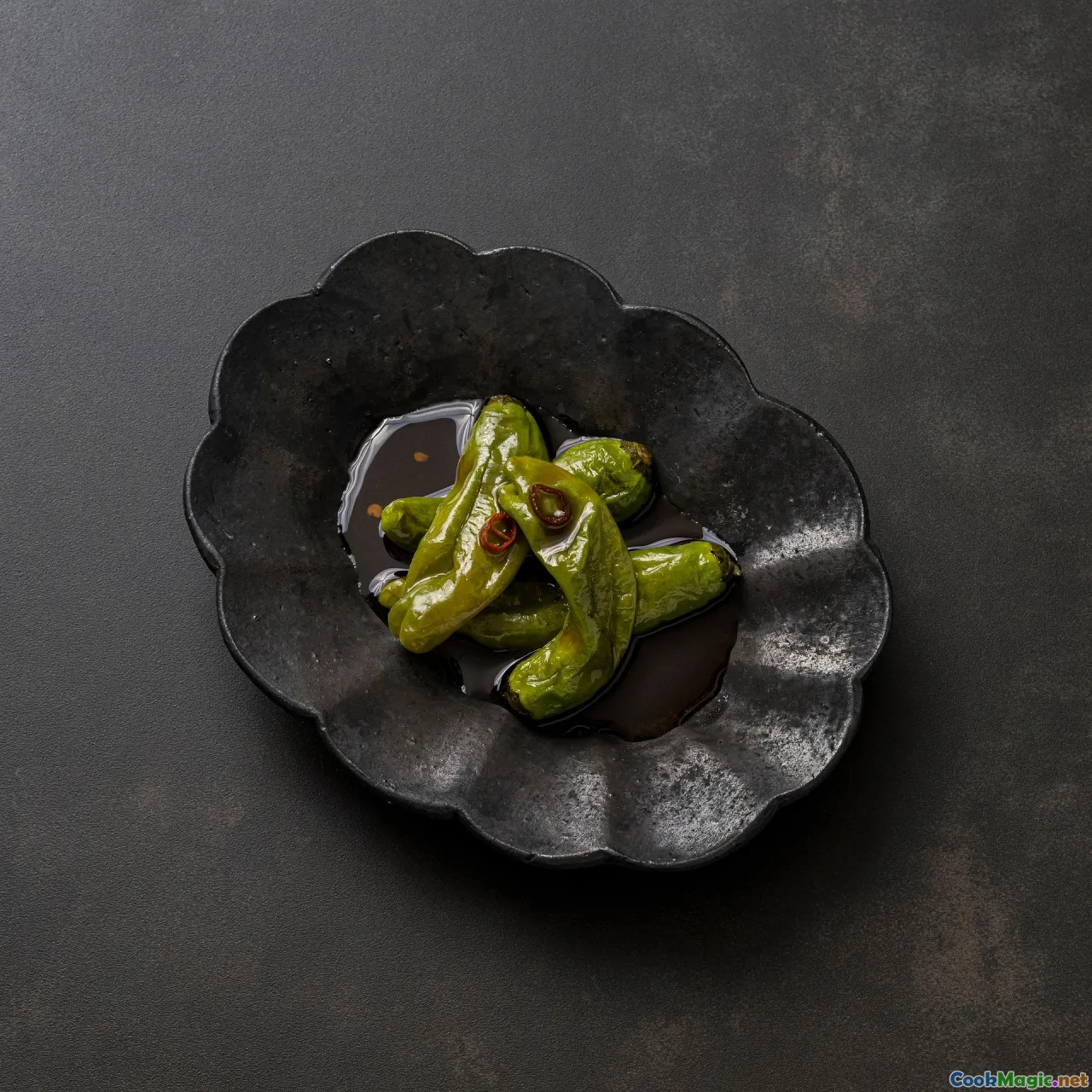
Yakitori purists may raise an eyebrow, but most izakaya menus welcome a few kushiyaki allies:
- Negi: Thick scallion or Japanese leek, cut into thumb-lengths, lightly salted
- Shishito: Blistered until they sigh, finished with salt and lemon
- Shiitake: Scored caps, brushed with tare
- Eryngii (king oyster): Sliced thickly, a sponge for soy and smoke
- Asparagus: Salted, then finished with a whisper of yuzu zest
- Mochi wrapped in bacon: A guilty-pleasure izakaya staple—tare-glazed until the mochi softens and the bacon crackles
These aren’t diversions; they reset your palate, playing foil to chicken’s richness.
A Yakitori Night at Home: A Complete Plan

A menu for four to six people, balanced across textures and flavors:
- Shio: hearts (hatsu), gizzards (sunagimo), wings (tebasaki)
- Tare: thigh (momo), thigh and negi (negima), tsukune
- Specials: skin (kawa), tail (bonjiri), cartilage (nankotsu) if you can source them
- Vegetables: shishito, negi, shiitake
Shopping list (approximate):
- 2 whole chickens (or 1.5 kg boneless thighs plus wings and offal)
- 2 bunches thick green onions
- 300 g shishito peppers
- 12 large shiitake mushrooms
- Sea salt, sansho, yuzu kosho, shichimi
- Sake, mirin, soy sauce, sugar, ginger, leek greens for tare
- Binchotan or best lump charcoal you can find
- 40–50 skewers
Timeline:
- One day before: Make tare; break down chickens; salt the bones and wing tips for tare if you plan to brew a deeper pot. Chill all cuts.
- Morning: Skewer non-perishable items (vegetables). Prep tsukune mix and chill.
- Afternoon: Skewer meats, grouping by cut. Keep covered and cold. Set the grill and charcoal ready but unlit.
- One hour before guests: Light charcoal; reduce tare to warm, glossy basting consistency. Set up station: raw on left, cooked on right, salt bowl front and center, brush and saucer of working tare.
- Service: Start with shio wings and hearts to calibrate heat and timing. Move to tare thighs and negima, letting glaze perfume the air. Insert vegetables between meat rounds as palate cleansers. Finish with tsukune and, if you like, a bit of showmanship with skin skewers at the end.
Pace matters. Yakitori is best eaten seconds off the fire. Serve one or two skewers per person at a time. It makes the meal feel like a conversation—not a lecture.
Shio vs. Tare: A Side-by-Side at the Grill

Run a simple experiment to train your palate. Skewer twelve pieces of thigh, each about 20 g. Grill six with only salt; grill six with two thin coats of tare. Taste in alternating bites.
- On the shio skewer, notice how fat tastes buttery rather than sweet. The meat’s mineral notes are clearer. Lemon pops.
- On the tare skewer, notice the composite flavor: smoke locked under lacquer, soy’s savory tang, a light caramel edge. The chicken’s latent sweetness is louder here.
Neither is better; together, they tell you what the bird is capable of.
The Economics and Logic of the Yakitori Grill
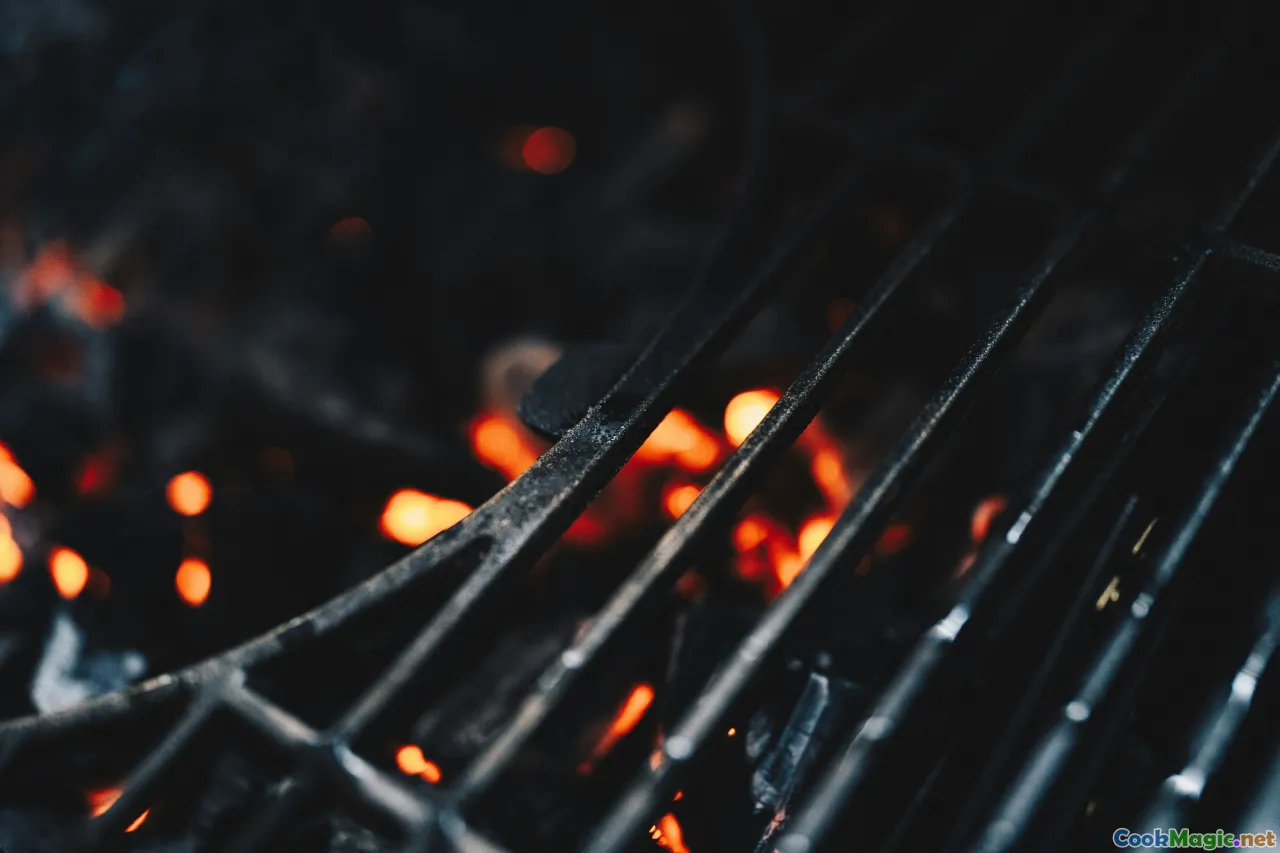
A narrow grill isn’t just traditional—it’s economical physics. The close proximity of coals to food doubles down on radiant heat, which browns surfaces faster than convective heat. That means you can cook small bites quickly without drying. The narrow width lets fat drip off the near edge of the coals rather than directly into the hottest center, moderating flare-ups. Binchotan’s high carbon density keeps the heat plateaued so you can work steadily through a service without refeeding fuel. At home, this translates into less fiddling and more consistent results.
A well-run station also reduces waste. You’ll use every part of the bird: bones into the tare pot; skins onto skewers; hearts and gizzards as affordable stars. In Japan’s postwar alleys, that thrift wasn’t a trend—it was survival. Today it’s a culinary ethic that honors the animal and the craft.
Safety, Cleanliness, and Respect
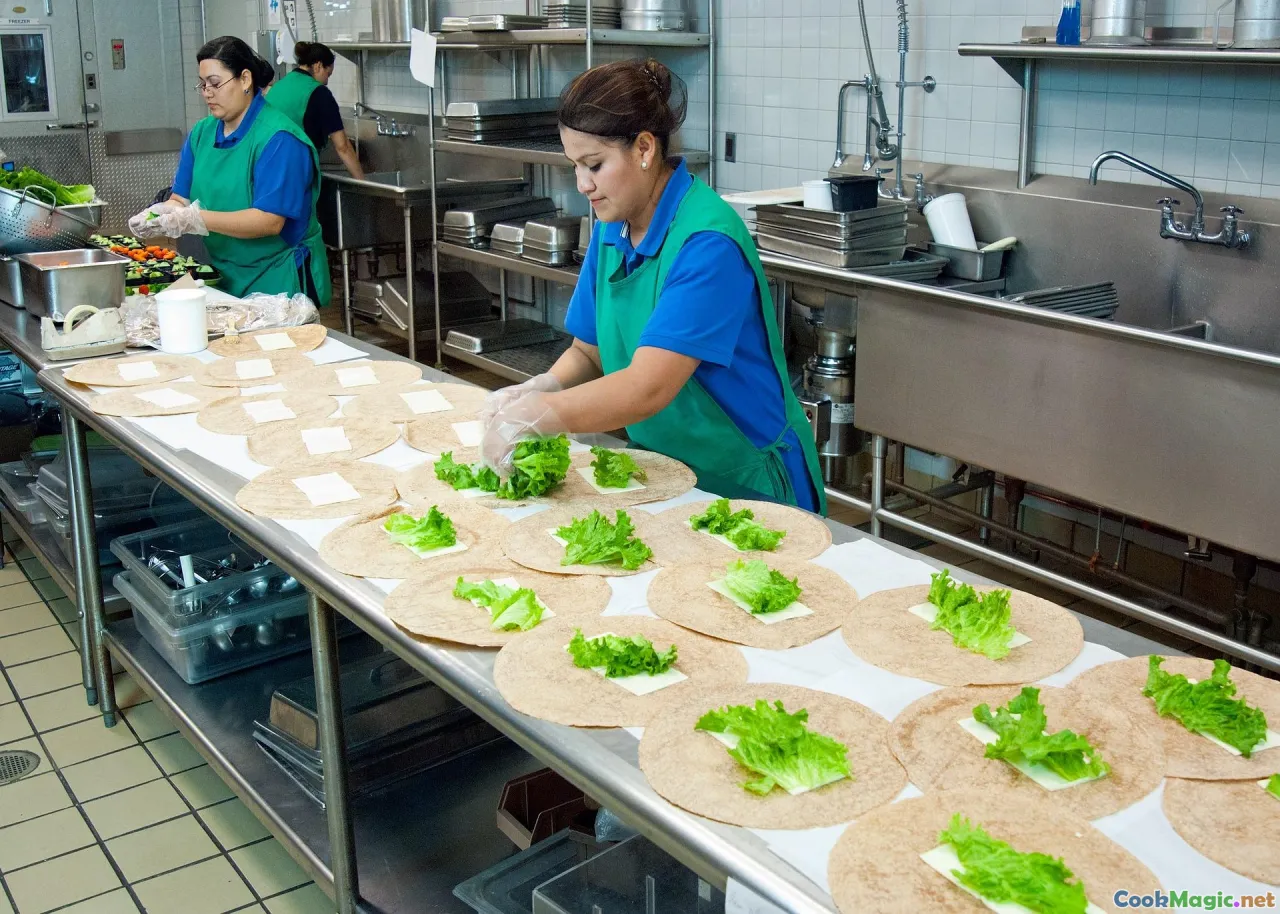
Professional yakitori chefs maintain meticulous hygiene even in tiny spaces. Borrow their discipline:
- Separate raw and cooked zones, tools, and trays. Color-code if it helps.
- Keep your tare in two containers: a master jar (clean) and a working pan (for basting). Boil the working pan’s contents before storing or discard any leftovers.
- Wipe the grill edges with a damp towel to remove carbonized drips that could turn bitter.
- Use a thermometer if you’re new to the grill, then learn to trust sight and touch. When in doubt for chicken meatballs and breast, follow the 165 F/74 C guideline.
Respect extends beyond sanitation: take a moment when you break down the bird. Recognize how many delicious possibilities lie in that anatomy. It will guide your hands as you skewer.
A Small Glossary of Yakitori Cuts and Terms
- Kushi: Skewer
- Yakite: Grill master
- Shio: Salt seasoning
- Tare: Soy-based glaze
- Momo: Thigh
- Negima: Thigh with green onion
- Kawa: Skin
- Tebasaki: Wing
- Hatsu: Heart
- Reba: Liver
- Sunagimo: Gizzard
- Bonjiri: Tail (parson’s nose)
- Nankotsu: Cartilage
- Sasami: Tenderloin
- Shichirin/Konro: Small ceramic charcoal grills
- Binchotan: High-density Japanese white charcoal
Places Worth a Pilgrimage
If your travels carry you to Japan, seek out contrasting styles:
- Bird Land Ginza, Tokyo: Counter theater and a tare with lineage. Reserve a seat facing the grill.
- Yakitori Omino, Tokyo: A modern classic that gives reverence to shio, especially the heart and gizzard.
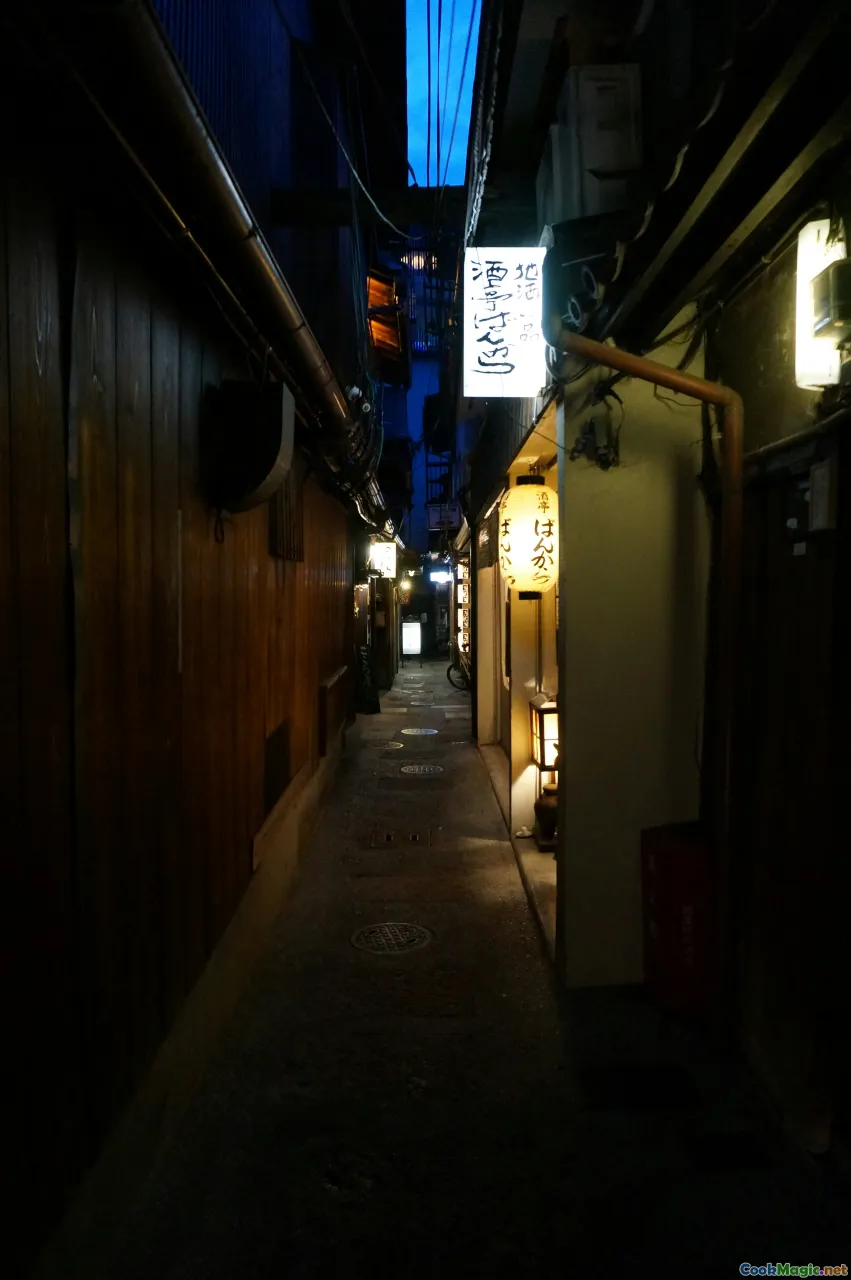
- Omoide Yokocho, Shinjuku: A warren of tiny shops—follow your nose; choose a counter with good charcoal glow and patient salting.
- Fukuoka’s yatai stalls: Street carts along the river, a slightly rowdier joy. Cabbage and miso, highballs poured tall, wings that taste like crisp twilight.
Names change, chefs move, and the smoke swirls on. Part of the fun is wandering and discovering a place where the seasoning is confident and the grillman calm.
The Emotional Geometry of a Skewer

A skewer is geometry you can eat: a line of cubes, edges that crisp and faces that shine. But there’s more to it than that. The act of skewering asks you to consider size, distance, and sequence—how heat will travel, where fat will pool, when sugars will set. It is an exercise in intention. On quiet evenings at home, I’ve found that threading five pieces of thigh, each the same size and each facing the same way, becomes a kind of meditation. You feel the cool give of the meat, the slight resistance when the tip meets sinew, the neat satisfaction as the skewer emerges clean from the final piece.
Then the fire takes over. A minute later, there is a crisp shell that did not exist before, and beneath it something more tender than when you began. Cooking is alchemy, yes, but yakitori makes the transformation personal and immediate. The skewer is in your hand; the heat is under your nose; the result arrives in two or three bites. You taste your decisions.
Bringing It All Together
When the night is right and the coals glow steady, arrange your skewers in an order that tells a story:
- Start with shio hearts—clean, mineral, quick to charm.
- Follow with negima tare—smoke and sweetness layered over thigh’s elasticity, the onion’s char-sugar bridging to the glaze.
- Offer sunagimo shio with lemon—a palate reset through texture.
- Bring on wings with a light tare finish—skin and bone singing together.
- Slide in tsukune with a saucer of thick tare and egg—soft power, lush contrast.
- Finish with kawa shio or bonjiri—fatty, celebratory, a last sip of highball.
Set small bowls of pickles and a wedge of citrus within reach. Keep the grill warm for encore requests. Hand someone a skewer the moment it leaves the heat; that gesture is hospitality in its purest form.
On my last night in Tokyo, I ate at the counter of a tiny yakitori shop near Yurakucho’s brick arches. Trains thundered overhead, their vibrations rippling through the lacquer on my skewer. The chef turned a line of negima and brushed them with a sauce that smelled like comfort and thunder. I thought of all the hands that had tended that pot, of the bones that had given themselves to it, of the simple pleasure of salt and smoke. Yakitori isn’t just grilled chicken. It is an agreement between cook, fire, and eater: we will meet in the moment, while the lacquer is still warm and the steam still smells of cedar, and we will pay attention. That is the authentic way.