Exploring Indigenous Ingredients in Modern Canadian Cuisine
34 min read Discover how Indigenous ingredients like wild rice, bison, kelp, and saskatoon berries shape contemporary Canadian plates, honoring tradition through modern techniques, chef insights, sourcing tips, and respectful culinary storytelling. January 05, 2026 07:06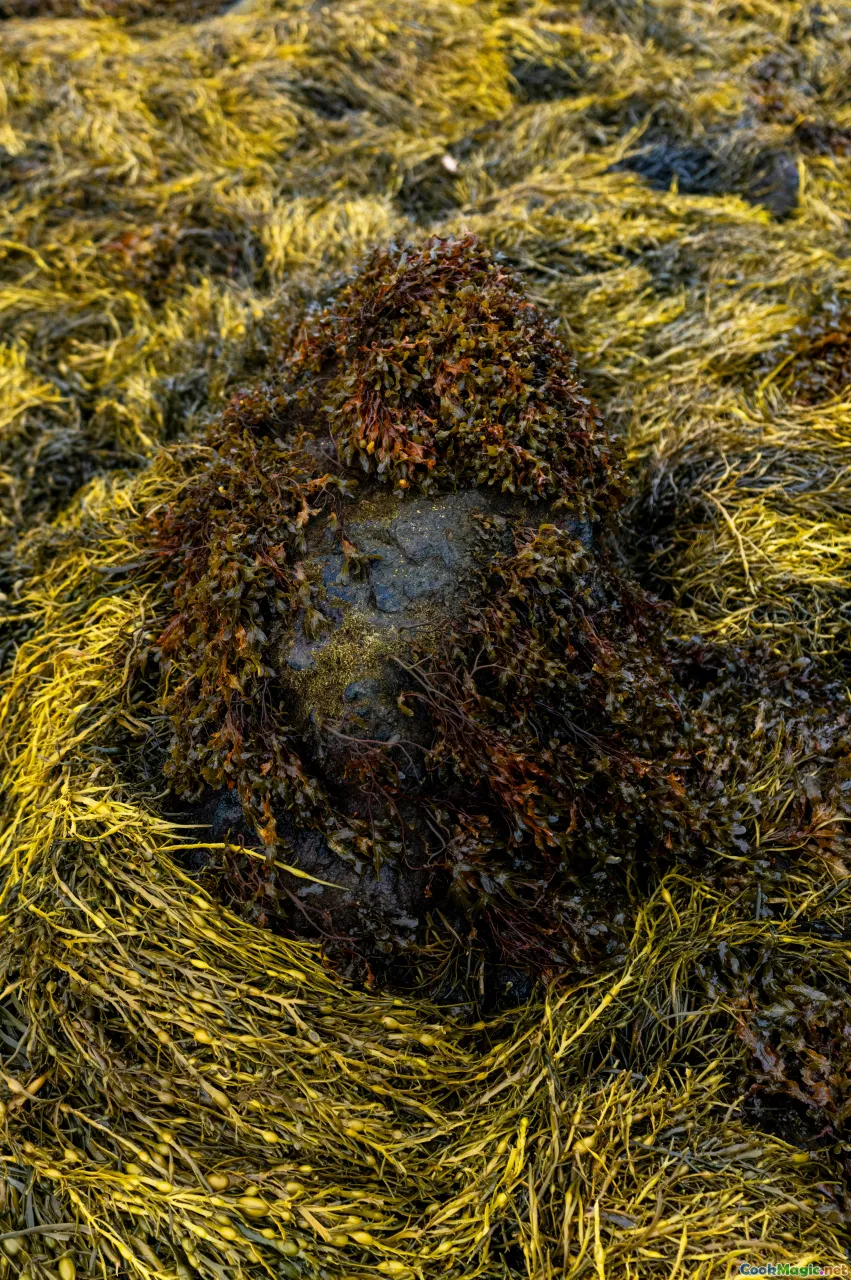
The first time I tasted oolichan grease, it was offered on a simple tasting spoon beside a warm triangle of bannock. The dining room hummed with low conversation and the soft clink of glassware, but the aroma in front of me was the loudest thing in the room: a deep, oceanic perfume like low tide, candle wax, and the memory of smoke. The grease carried the whole Pacific Northwest into a single drop — ancient fish runs, cedar canoes, and camps lined with racks of drying fish — and when it met the bannock’s crisp edges, the flavours braided together with a tenderness that surprised me. This was Vancouver’s Salmon n’ Bannock Bistro, and the dish sat me squarely at the intersection of Indigenous memory and modern Canadian dining.
In that moment it was obvious: exploring Indigenous ingredients isn’t about novelty. It’s about understanding how taste can restore relationships — to land, to water, to community — and how Canada’s culinary future might be strongest when it listens carefully to the past.
What We Mean by Indigenous Ingredients

When we talk about Indigenous ingredients in modern Canadian cuisine, we’re not flipping through a trendy pantry. We are recognizing foodways that predate the country itself and acknowledging communities whose culinary knowledge has endured despite colonization.
There is no single Indigenous cuisine. The Haida Nation on Haida Gwaii, the Innu of Nitassinan, the Cree nations across the Prairies and boreal forest, the Mohawk communities within the Haudenosaunee Confederacy, the Inuit in the Arctic — each has a culinary language grounded in its own ecology. Ingredients are the vocabulary: salmon, eulachon, and seaweed on the coast; manoomin (wild rice), freshwater fish, and game across the lakes and forests; bison and saskatoon berries on the Plains; seal, caribou, and Arctic char in the North.
It’s also essential to understand time. Some food staples are pre-contact, harvested or hunted long before wheat, sugar, dairy, or beef entered the picture. Others, like bannock, came later — a survival bread born from introduced rations of flour and lard that many communities adopted and made their own. Today, Indigenous chefs often approach bannock with clear eyes: it is a food of resilience, now woven into celebration and everyday life alike. Modern Indigenous cooking can mean many things at once: reintroducing pre-contact ingredients, remastering introduced ones, and telling the truth about how these foods arrived at our tables.
This is also about place. Canadian cuisine should not flatten landscapes or erase names. When a chef glazes Arctic char with birch syrup, it matters whether that char was pulled from Nunavut waters by Inuit fishers or flown in from somewhere else; whether that birch syrup came from a northern small batch producer or a large, anonymous facility. Provenance is not garnish — it’s substance.
A Pantry of Place: 12 Ingredients to Know

For cooks and eaters looking to deepen their understanding, here are a dozen ingredients that show up vividly in modern Canadian kitchens, many with deep Indigenous roots. Think of this not as a shopping list, but as a set of introductions.
-
Manoomin (Wild Rice): A long, ebony-green grain that hums with the smell of late summer lakes and leaf-littered shores. When hand-harvested and gently parched, the grains cook up tender with a faintly grassy, tea-like aroma. Toss warm manoomin with smoked trout, diced roasted squash, and a squeeze of lemon for a bowl that tastes like September in the boreal forest.
-
Saskatoon Berries: Smaller than blueberries, dusky purple with a whisper of almond in the seeds. Fresh, they pop like little plums; cooked, they turn jammy and comforting. Reduce with a splash of red wine and cedar-infused simple syrup to spoon over grilled bison or roast duck.
-
Spruce Tips: Neon-green tips appearing for a brief spring moment on conifers, smelling like lime zest and cold rain. Blended into oil or churned into butter, they electrify anything they touch. Shaved over oysters, they bring the forest straight to the beach.
-
Oolichan Grease (Eulachon Oil): Rendered from tiny, fatty fish along the Pacific coast, oolichan grease is to the region what olive oil is to the Mediterranean: precious, nutrient-dense, and culturally central. Its flavor is ocean-deep, with a haunting, savory finish. A dab on warm bannock or whisked into a dressing for salmon is transformative. Treat it with reverence: it is a living archive.
-
Labrador Tea: Resinous leaves that brew into a coppery, evergreen cup with citrusy edges. Use sparingly; a little goes a long way. Steep gently and fold into custard for an aromatic flan, or make a syrup for glazing roasted carrots.
-
Birch Syrup: Dark, bittersweet, caramelized — more akin to molasses than maple. A brush of birch syrup on a sizzling pan of Arctic char makes the skins crisp and lacquered, with a nutty backnote. Whisk it into marinades, or drizzle over roasted root vegetables with a grind of black pepper.
-
Kelp and Sea Lettuce: From bull kelp to sea lettuce, these seaweeds are briny, mineral-rich, and ethically harvestable when done with care. Dried into crackling chips or simmered into brothy stews, their umami is as clean as a low tide breeze.
-
Soapberries: Whipped into a frothy dessert by hand, soapberries turn into a sparkling pink cloud with a tart snap, often sweetened to tame their wild edge. The texture is like meringue without the heat — airy, playful, and puckery.
-
Bison: Deeply flavored, lean, and iron-rich. Ground bison sizzles beautifully for chili and bison burgers; steaks carry a mineral sweetness that pairs with saskatoon berry jus. Treat it gently; its leanness rewards precise cooking.
-
Arctic Char: A cold-water fish with flesh between salmon and trout, buttery and delicate. The aroma is clean and mineral. Pan-seared char skin blisters into a crackling chip if you dry it well and press it flat.
-
Three Sisters — Corn, Beans, Squash: A living lesson in Indigenous agriculture from Haudenosaunee knowledge, grown together so each plant supports the others. Cook them together as well: charred corn, stewed beans, and roasted squash tossed with sage and roasted sunflower seeds is solidarity you can taste.
-
Fireweed: Bitter-green shoots in spring and fuchsia blooms in summer; the young shoots taste like peppery asparagus crossed with spinach. Blanch, toss with spruce tip oil, and pile beside grilled fish; finish with lemon for brightness.
Knocking Rice and Listening to the Lake: A Field Note
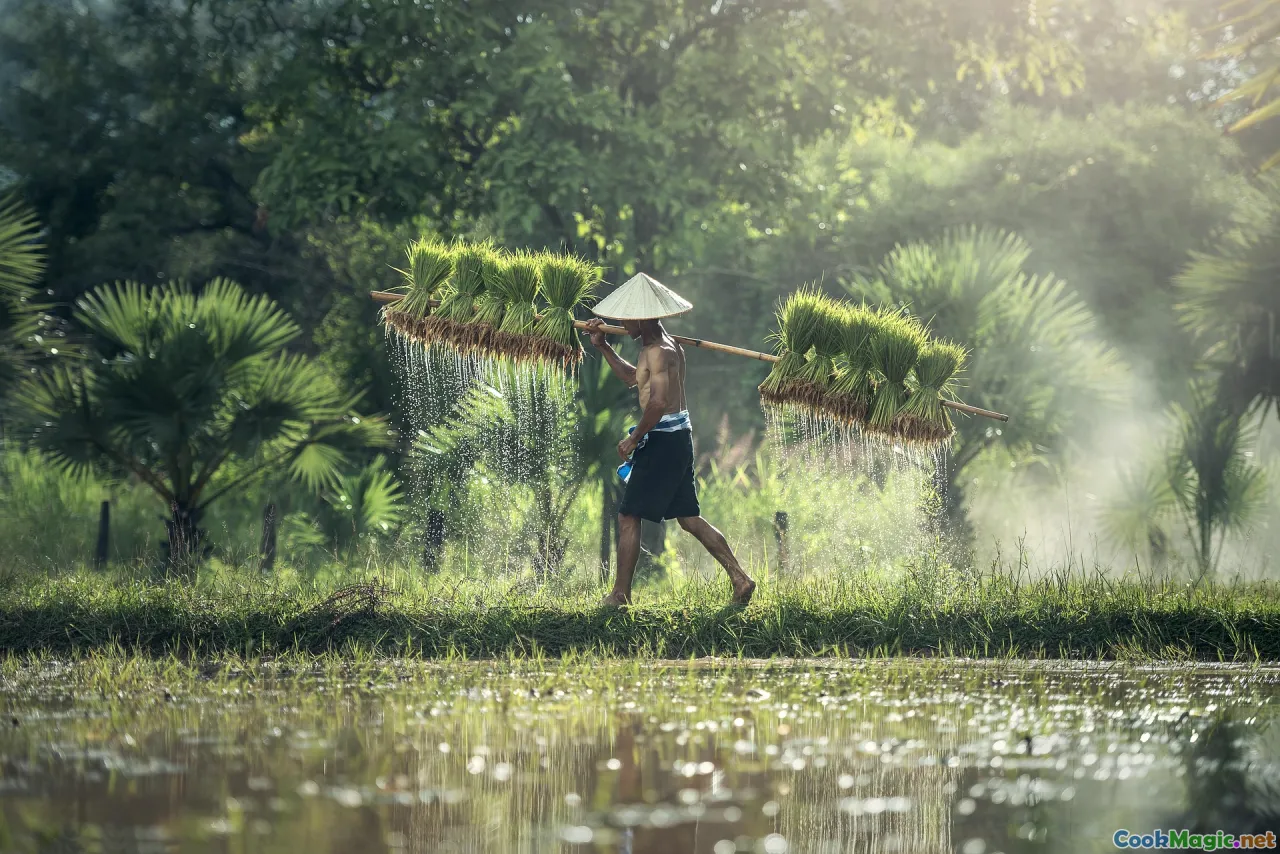
On a reporting trip in late summer, I was invited to watch a manoomin harvest in northwestern Ontario. Dawn peeled back the mist like silk. Two harvesters paddled a canoe slowly through the rice beds, one guiding the canoe with a quiet, practiced stroke, the other using a pair of cedar sticks to bend the stalks and gently knock fat grains into the canoe. The sound of seed against wood was light and constant — a whisper of rain.
A harvest like this is not a spectacle for outsiders; the invitation to witness, and to help with parching and winnowing later on shore, was a gift. Over an open fire, the parching pan popped with tiny sighs. The air filled with a warm, nutty perfume, a mix of toasted hay and sweet smoke. Later, we stomped in soft-soled moccasins to loosen the hulls, then tossed the grains in a woven basket so the chaff lifted and the dark, glossy kernels settled back like black birds.
Cooking that rice later — with lake water, on the same fire — the grains opened with a little curve and a tender chew. We ate it with fried pickerel that smelled like crisp skin and clean river, and a salad of late tomatoes. The lakeshore hummed with crickets. It tasted like continuity.
This is the kind of moment that reminds me: ingredients are not just ingredients. They’re relationships. Buying hand-harvested manoomin supports the communities that keep this knowledge alive; it is not interchangeable with paddy-grown wild rice from industrial operations. The difference is not just ethics — it’s in the texture between your teeth.
Techniques First: Smoke, Dry, Render
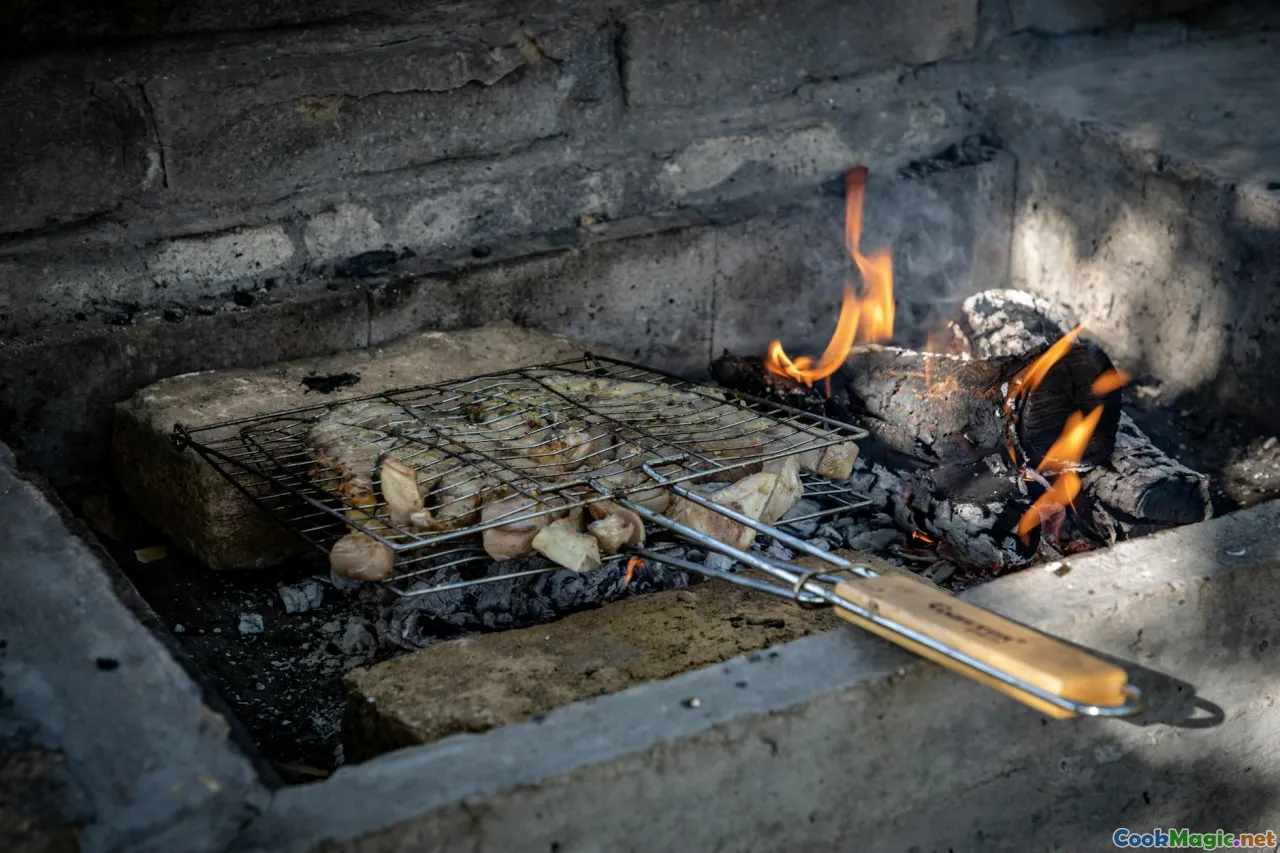
How you cook matters as much as what you cook. Many Indigenous cooking techniques are built around the rhythms of preservation and celebration — methods that pull flavor out of time and weather.
-
Cold smoking: The goal is perfume, not heat. Think fillets of salmon hung in a low, steady draft of aromatic smoke from alder or applewood. The flesh firms translucent; your fingers finish smelling like campfire and tide pool. Use cold-smoked fish flaked into manoomin salads or folded into a cedar butter.
-
Drying racks: Strips of venison or salmon brushed with a light brine and hung to dry in moving air become something concentrated and snackable. The texture sits between jerky and biltong when done right: chew that gives way to fatty richness.
-
Stone boiling: Heat rocks in a fire, then drop them into a watertight vessel (traditionally birchbark or a carved wood trough) to bring liquid to a simmer. The rising steam smells fresh and mineral, and the heat is steady enough for stews, broths, and teas.
-
Rendered fats: Whether it’s oolichan grease on the coast or bison tallow inland, rendered fats are flavour carriers. They bloom spices and protect lean meats. A spoonful of warm tallow gives roasted root vegetables a satiny finish.
A home cook can borrow the principles: low heat and patience for smoke, airflow for drying, and a respect for fat as a flavour architecture rather than a villain. If you have only a stovetop, you can still make a gentle smoke by trapping smoldering wood chips beneath a perforated pan, but do it with ventilation and caution. Better yet, collaborate with a smoker-owning friend, bring a tray of fish, and share the meal when it’s done.
Chef Spotlights: Where Tradition Meets the Pass
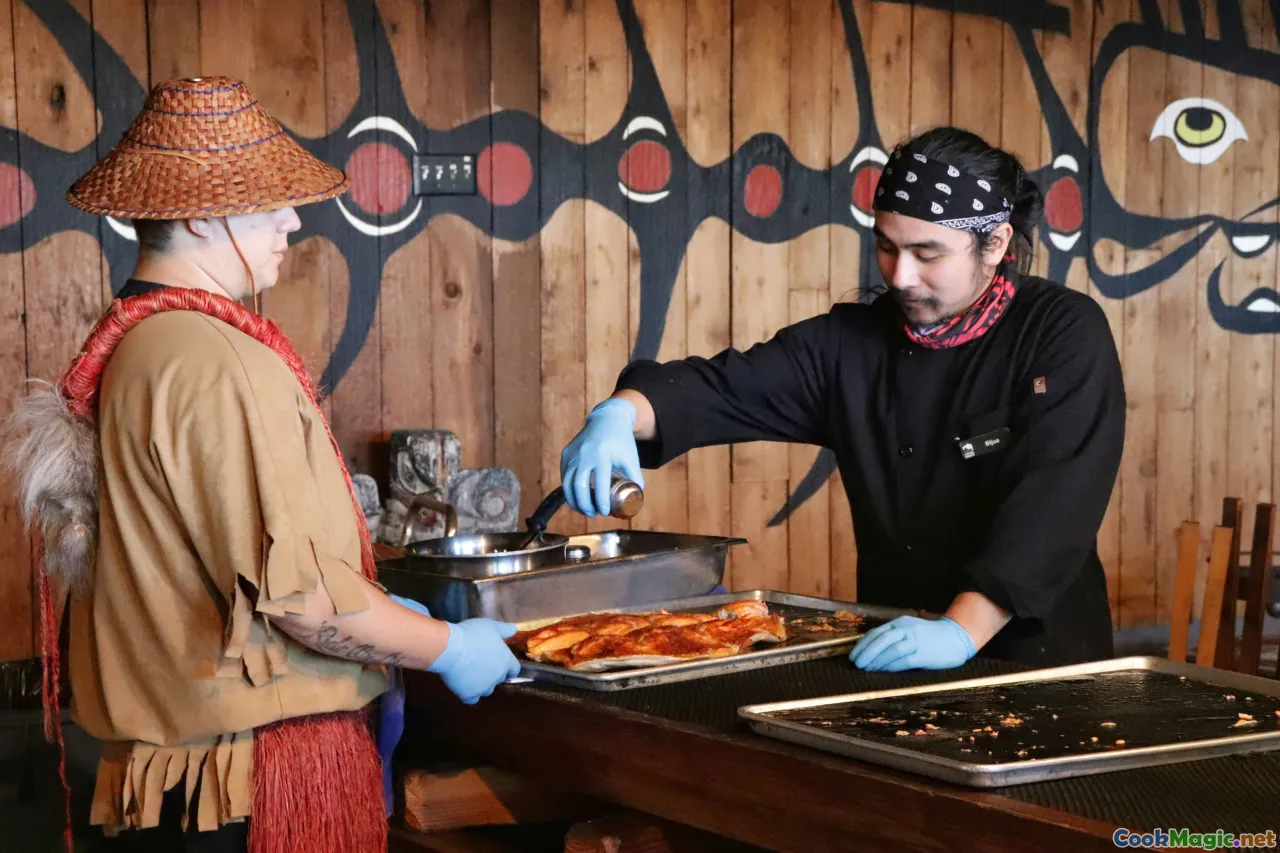
Indigenous chefs across Canada are translating community knowledge into plates that make diners sit up straight.
-
Salmon n’ Bannock (Vancouver): Owner Inez Cook, of Nuxalk Nation, has created a dining room that feels like a reciprocal table. Expect warm bannock served with game pâtés, grilled salmon that tastes of cedar and ocean mist, and occasional touches of oolichan grease that anchor the meal in coastal memory. A dessert of whipped soapberries can arrive like a pink cumulus cloud, sour-tart and refreshing after the richness of smoked meats.
-
Feast Café Bistro (Winnipeg): Chef-owner Christa Bruneau-Guenther, from Peguis First Nation, serves what she calls modern Indigenous comfort food. Bison chili nestles on fresh bannock, three sisters soup steams with sweet corn and squash, and pickerel is handled with respect: crisped skin, flaky flesh, a squeeze of lemon, and a scatter of herbs. The room smells like roasted squash, simmering broth, and baked bannock — homely aromas finely tuned.
-
Chefs leading the conversation: Chef Shane Chartrand (Enoch Cree Nation) has long advocated for cooking that honours both his Cree roots and the communities he cooks with, highlighting ingredients like bison, berries, and boreal herbs with an artist’s touch. Chef Rich Francis (Gwich’in) brings the language of fire and fermentation to pop-ups and projects focused on decolonized foodways, often partnering directly with hunters and fishers. Chef Siobhan Detkavich (Haida and settler ancestry) has championed coastal ingredients on national television and in kitchens across B.C., plating char, kelp, and seafood with a modernist eye that never overwhelms the ingredient’s own voice.
These chefs do more than feed: they teach. It’s common to see menu notes crediting harvesters by name, or to hear staff explain the significance of a dish beyond its components. That context is part of the flavour.
Sourcing With Respect: A Practical Guide
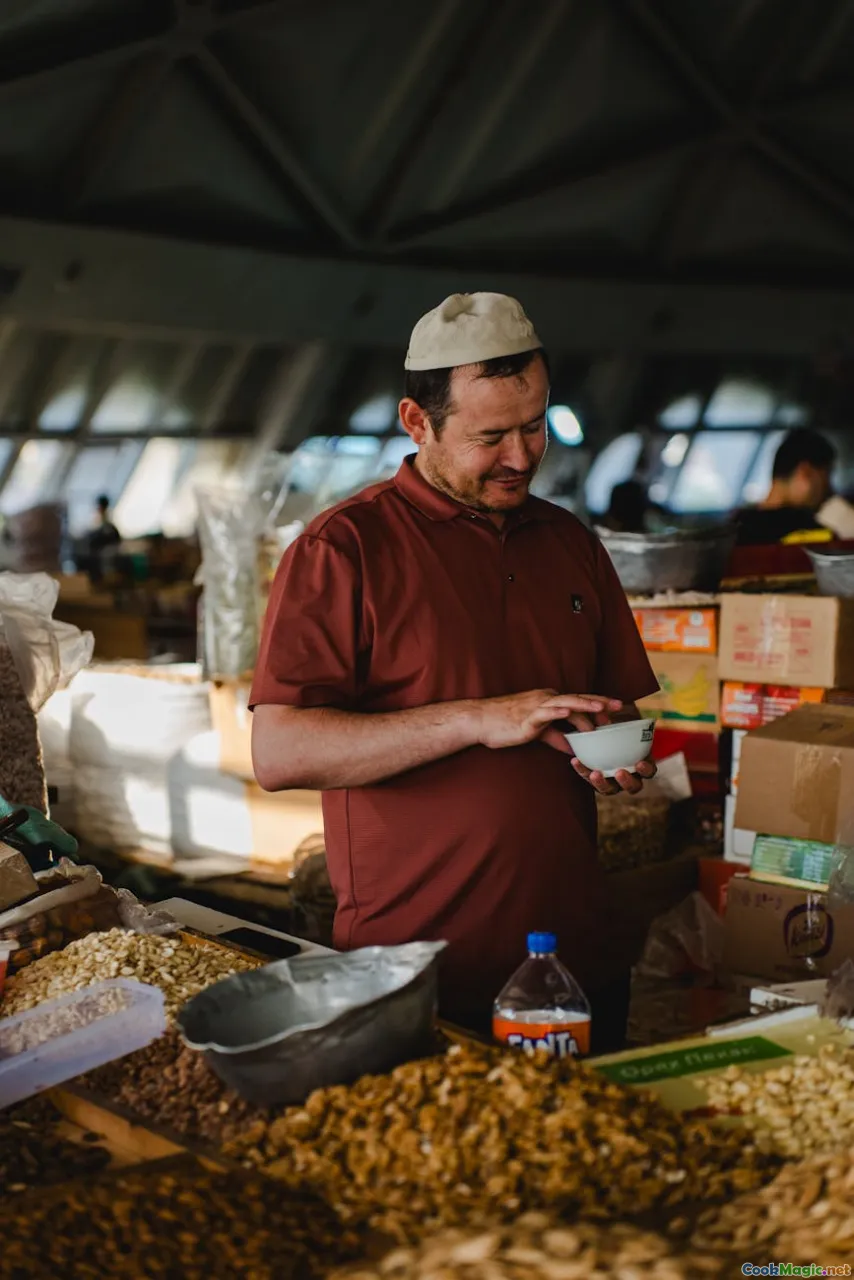
If you want to cook with Indigenous ingredients at home, start with respect and practical steps.
-
Ask where it comes from: Seek hand-harvested manoomin from Anishinaabe harvesters and community co-ops rather than industrial paddy rice. The price may be higher; the value is deeper.
-
Buy from Indigenous-owned producers when possible: For seafood from the Pacific, St. Jean’s Cannery & Smokehouse is owned by the Nuu-chah-nulth — their smoked salmon and albacore are excellent pantry staples. Spirit Bear Coffee Company, with Gitxsan roots, roasts beans whose aroma blooms like toasted nuts and cocoa.
-
Use directories: The Indigenous Tourism Association of Canada maintains listings that can lead you to Indigenous-run restaurants, cultural centres, and markets. Buying direct puts cash in community pockets and stories in your kitchen.
-
Don’t forage on Indigenous land without permission: Botanicals like camas, wapato, or even easily recognizable spruce tips are not free-for-alls. If you’re invited to learn, listen; if you’re not, buy from vendors who can document how and where they harvest.
-
Practice substitution with care: If you can’t access oolichan grease, don’t fake it. Use a neutral oil and let the dish say what it is. Not having an ingredient is better than pretending to have a tradition.
-
Pay fairly: If a jar of jam from a community-owned stand costs more than supermarket jam, remember that the price includes stewardship, knowledge, and often small-batch labour.
Cook This: A Seasonal Menu for Home Cooks

Here are four recipes that bend modern technique toward Indigenous ingredients without pretending to be traditional. They’re weeknight-manageable, dinner-party impressive, and built to showcase place.
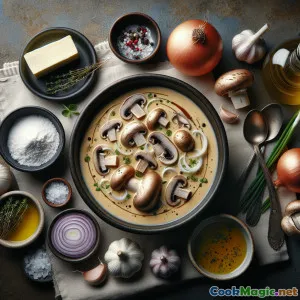
- Cedar-Braised Mushrooms with Spruce Tip Oil
Serves 4 as a side
You’ll need:
- 600 g mixed mushrooms (oyster, cremini, chanterelles if in season), brushed clean
- 1 cedar plank or a handful of untreated cedar shavings rinsed well
- 2 tbsp unsalted butter or a spoon of bison tallow
- 1 cup vegetable or light chicken stock
- 1 bay leaf and a small sprig of thyme
- 2 tbsp spruce tip oil (blend 1/2 cup neutral oil with a handful of blanched spruce tips; strain)
- Salt and freshly cracked pepper
How:
- Get a heavy skillet hot and add butter or tallow; it should smell nutty as it foams. Sauté mushrooms until they leak their juices and reabsorb them, about 5–7 minutes.
- Tuck cedar (plank set beside the skillet edge or shavings in a small tea strainer placed over the pan so its aroma drifts through) near the heat. The kitchen will smell like warm cedar closet and forest rain.
- Pour stock into the pan with bay and thyme; simmer gently until mushrooms are tender and glazed.
- Finish with a spoon of spruce tip oil, a pinch of salt, and a twist of pepper. The oil’s citrus-pine brightness should flicker at the edges.
- Birch-Glazed Arctic Char with Charred Lemon
Serves 4
You’ll need:
- 4 fillets Arctic char, pin bones removed, skin on
- 2 tbsp birch syrup
- 1 tbsp canola oil or sunflower oil
- 2 lemons, halved
- Salt, pepper
How:
- Pat the fillets dry and salt them. Heat a skillet until a drop of water dances; add oil.
- Lay char in skin side down; press gently with a spatula to prevent curling. The skin will hiss and crisp, releasing a toasted, nutty aroma.
- After 3–4 minutes, brush the flesh with birch syrup. Flash under a hot broiler for 1–2 minutes to lacquer.
- Char the lemon halves cut-side down in the skillet until deeply browned. Serve fish with charred lemon and a side of blanched fireweed or green beans dressed with a dash of spruce tip oil.
- Three Sisters Roast with Sunflower Crunch
Serves 4
You’ll need:
- 1 small kabocha or acorn squash, seeded, cut into wedges
- 2 cups cooked beans (I like a mix of cranberry and white beans)
- 2 cups kernels from 3–4 ears of late-summer corn (or thawed frozen corn)
- 2 tbsp sunflower oil
- 1/2 cup roasted sunflower seeds
- Handful fresh sage, chopped
- Salt, pepper, a splash of apple cider vinegar
How:
- Roast squash wedges at 425°F until caramelized and tender, about 25–35 minutes. They should smell like toasted sugar and chestnuts.
- In a skillet, heat sunflower oil; add corn and cook until lightly charred. Fold in beans, a splash of vinegar, salt, and pepper.
- Arrange squash on a platter; spoon bean-corn mix over; scatter sage and sunflower seeds. Eat warm or at room temperature.
- Bannock Two Ways: Frybread and Baked
Note: Bannock has complex origins tied to colonial provisions; many Indigenous families have their own recipes. If you cook this, credit your sources and consider it a learning step.
You’ll need:
- 3 cups all-purpose flour
- 1 tbsp baking powder
- 1 tsp salt
- 1 1/4 cups lukewarm water
- 2 tbsp melted butter or 2 tbsp rendered fat for frying
How:
- Mix flour, baking powder, and salt; stir in water until just combined. Don’t overwork; the dough should be soft like a pillow.
- For baked: Pat into a round about 1-inch thick on a lightly oiled sheet. Bake at 375°F for 20–25 minutes until golden; the kitchen will smell like warm wheat and butter.
- For frybread: Heat 1/2 inch of fat in a cast-iron skillet until shimmering. Tear off fist-sized pieces, stretch slightly, and fry until puffed and golden on both sides. Salt while hot. Serve with smoked fish, berry jam, or a drizzle of birch syrup.
Drinks and Pairings: From Cedar Mugs to Cellars

Pairings can deepen a meal’s story.
-
Cedar tea: A few young cedar sprigs simmered briefly in water make a cup that’s woodsy and bright. The scent is like stepping into a sauna. Keep the steep short to avoid bitterness.
-
Labrador tea syrup: Simmer leaves gently, sweeten to taste, and chill. Splash into soda water with a squeeze of lemon for a forest tonic.
-
Nk’Mip Cellars: In the Okanagan, Nk’Mip Cellars — operated by the Osoyoos Indian Band — produces wines that feel built for modern Indigenous menus. Their pinot blanc’s orchard fruit and crisp acidity latch onto char and kelp; a merlot with soft tannins can hug bison burgers without bullying. Pour, swirl, think about sagebrush hills and warm stones.
-
Coffee: Spirit Bear Coffee’s dark roast makes a breakfast of baked bannock and saskatoon jam feel like campfire mornings without the smoke in your eyes.
-
Nonalcoholic maples: Some producers are playing with cedar-, spruce-, or berry-infused sodas and tonics that bring the forest to the glass. Serve over ice with a twist of orange peel.
Flavour Comparisons: Swaps That Honour Place
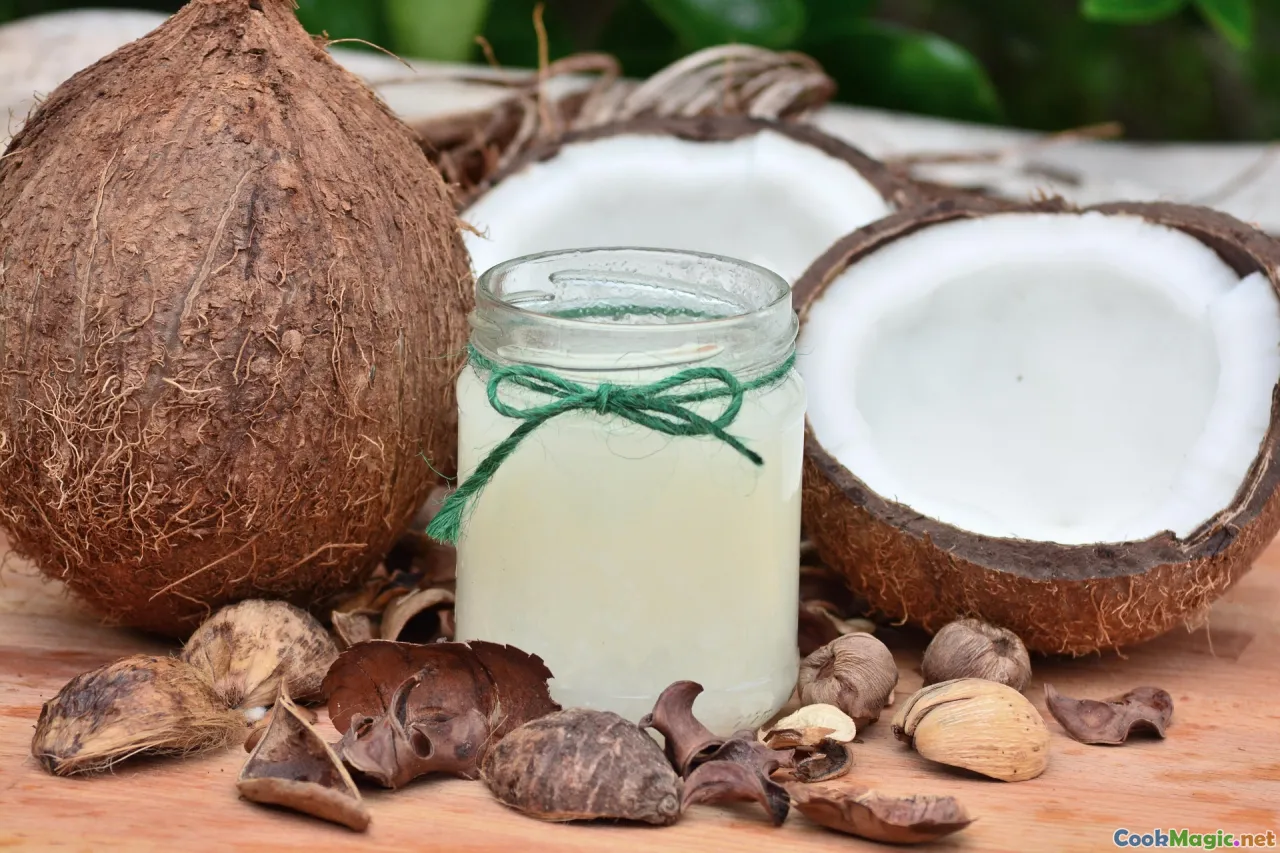
Curiosity often starts with comparison. Use these only as orientation, not as a way to flatten difference.
-
Saskatoon berries vs blueberries: Saskatoons are nuttier and less acidic; where blueberries shout, saskatoons murmur and linger. In pies, mix them if you must, but give saskatoons their solo.
-
Birch syrup vs maple syrup: Birch is darker, with a caramel-bitter backbone akin to blackstrap molasses. Maple is brighter and more straightforwardly sweet. Use birch where you want complexity — glazes, barbecue sauces, pan sauces for game.
-
Oolichan grease vs olive oil: Different worlds. Olive oil is grassy-fruity; oolichan is marine and savory. Don’t substitute one for the other; instead, choose the dish that calls for each.
-
Labrador tea vs black tea: Both are tannic, but Labrador tea carries resin and citrus. Brew lighter and use it when you want evergreen aromatics. Never over-steep.
-
Kelp vs anchovies: Both bring umami, but kelp is clean-briny while anchovies are fishier and salty. Use kelp to build brothy depth without overt fishiness.
Words Matter: Names, Territories, and Thanks
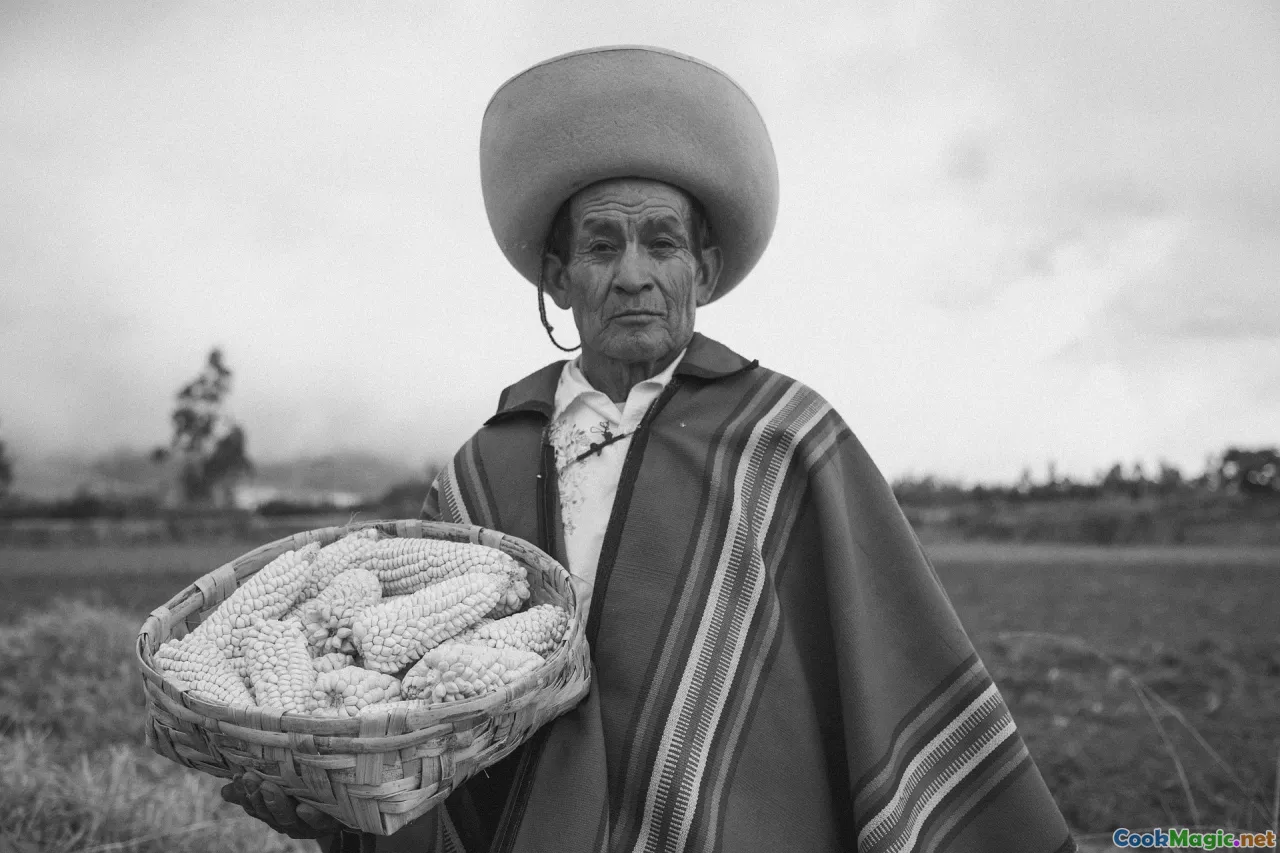
Learning the names of ingredients — and of the nations and territories where they come from — is part of cooking well. Manoomin isn’t just wild rice; it’s a word with meaning and ceremony. Oolichan grease carries the story of grease trails that predate colonial roads, linking communities and trade.
Before you plan a menu built around Indigenous ingredients, consider acknowledging the territory you live and cook on. Learn which nations stewarded and continue to steward that place. If you are sharing recipes, credit not just a cookbook but the knowledge keepers who taught the techniques, if you’ve learned directly.
Also, understand that some foods and practices are ceremonial or communal and not for restaurant menus or home experimentation. If you’re uncertain, ask — or choose another path. Respect is an ingredient, too.
Travel Bites: Where to Taste It Now
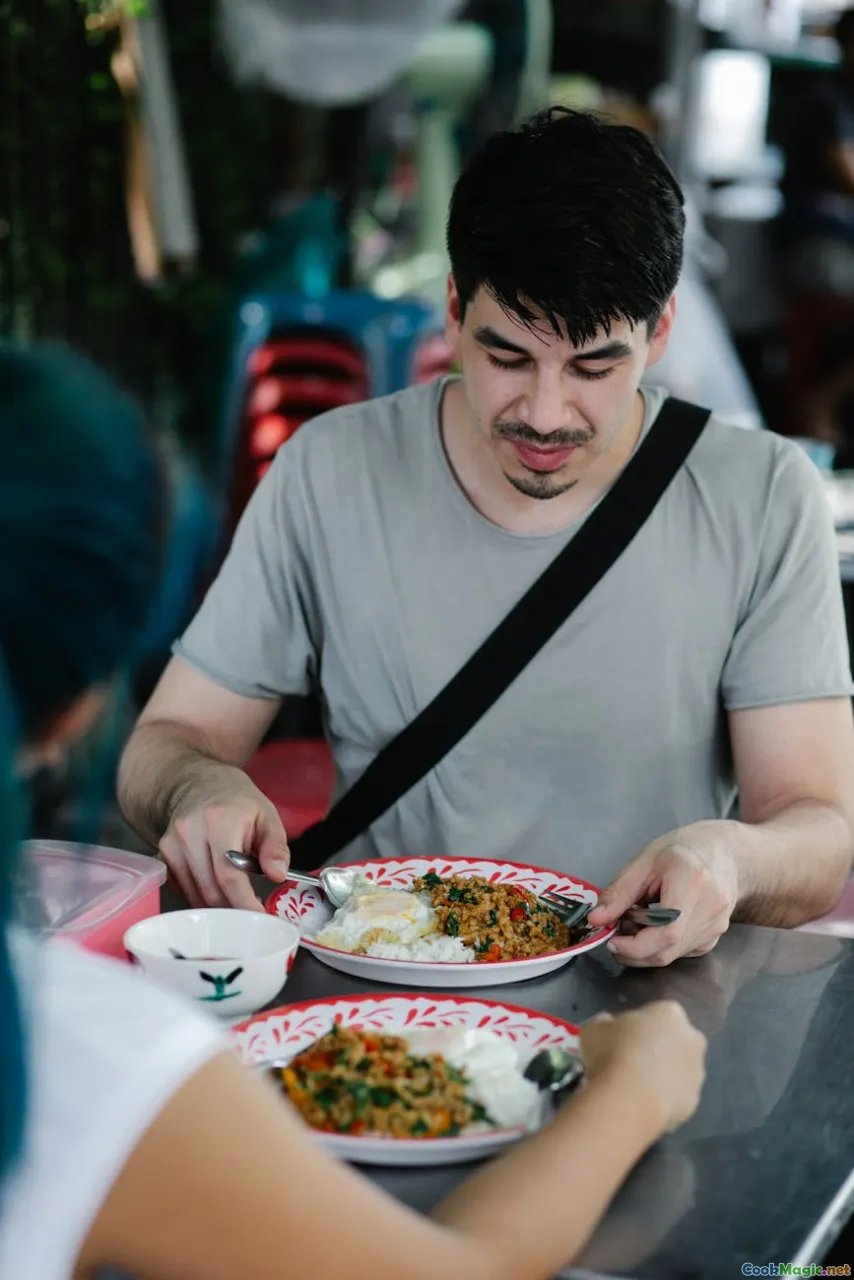
If you want to eat your education, there are places that will welcome you.
-
Vancouver: Salmon n’ Bannock Bistro remains a powerful table, not just for Indigenous diners but for anyone ready to taste a layered, living cuisine. Make a reservation. If smoked salmon arrives glossy and perfumed with alder, slow down. Breathe in. Sip something bright. There’s no rush; the plate is teaching.
-
Winnipeg: Feast Café Bistro sits in the West End with a menu that reads like an edible hug. On a winter day, I once watched a server set down a bowl of three sisters soup so fragrant with sage that the person at the next table fell silent mid-sentence. That’s a fine review.
-
Pop-ups and projects: Follow Indigenous chefs on social media; many work in seasons, popping up to cook with hunters, fishers, and farmers. A late-summer feast might center around lake fish and berries; a winter menu might be an ode to smoked meats, preserved roots, and broths that smell like a cabin after a day outside.
-
Markets and community events: Seek seasonal celebrations. Harvest feasts and powwows sometimes include food stalls where you can taste bannock fresh from the fryer or pick up jars of berry sauce with labels handwritten in careful script.
-
Cellars and tasting rooms: In B.C., Nk’Mip’s tasting room is a place to learn with your palate. The landscape rolls in the glass; you can almost taste the sage on a warm breeze.
The point is not to collect stamps in a culinary passport. It’s to nourish a relationship with the cooks and communities who are redefining what Canadian cuisine means — not in abstraction, but in bite after specific bite.
On that night in Vancouver, I ended with soapberries. They were whipped into a light, pink foam — airy, sour, a little mischievous. A drizzle of wildflower honey folded in, and the dessert turned sweet-sour, like a grin you can’t suppress. I left the restaurant with cedar on my breath and a sense that the city outside had shifted half a degree.
Modern Canadian cuisine isn’t a single voice; it’s a chorus drawing breath from ocean, prairie, forest, tundra. When you cook with Indigenous ingredients — and, equally, when you support the people who steward and transform them — you join that breath. The steam rising from a cup of cedar tea on your counter, the crisp snap of char skin under your fork, the matte-black shimmer of manoomin in a pot: these are more than sensations. They are a way of saying we remember, we care, we belong to each other and to this place.
So set the table. Call it by its real names. And when the first bite lands — smoky, tart, mineral, sweet — let it do the oldest work a meal can do: bring you closer to the land, and to the stories that keep it alive.