Dim Sum Favorites for Weekend Brunch
40 min read Explore beloved dim sum bites—har gow, siu mai, and more—with tips on tea pairings, ordering from the trolley, and hosting a weekend brunch that celebrates Cantonese flavors. January 14, 2026 07:06
The first time I heard the rattle of porcelain teacups and the hiss of bamboo steam, I was eight and too short to see over the lip of the lazy Susan. Someone’s uncle reached over me with chopsticks like a crane, plucked the last siu mai, and laughed when I stared, breath held and stomach hollow. Dim sum moves fast. But its flavors linger—ginger and scallion clinging to the air, roast pork lacquer shimmering like wet lacquer in a museum, shrimp dumplings so translucent you can count the curls in the filling. Those weekend mornings taught me the grammar of Cantonese pleasure: the softness of wok-fried turnip cake yielding to burnished crust, the slipperiness of rice noodle rolls catching a ribbon of sweet soy, and the quiet authority of tea, always tea, keeping the feast in tune.
The Ritual of Yum Cha: Why Dim Sum Belongs to Weekend Brunch
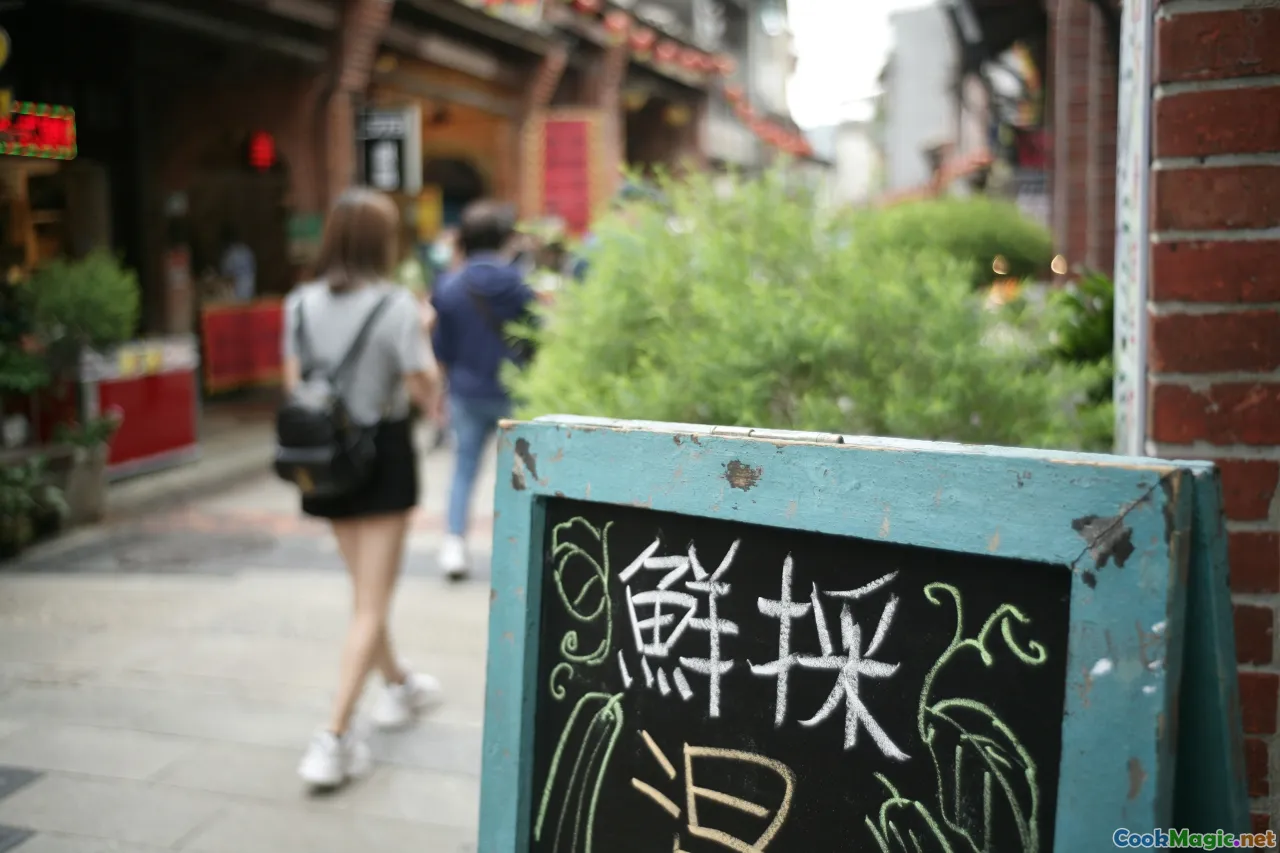
Dim sum is more than a collection of small plates—it’s a cadence, a community ritual stitched tightly to weekend mornings. In Cantonese, yum cha means “drink tea,” and that’s the heart of it: tea first, then little bites that touch the heart (dim sum), not to smother the appetite but to stoke conversation. The tradition takes root in the teahouses of Guangzhou and the Pearl River Delta, where dockworkers and merchants needed early sustenance and a place to swap news. By the early 20th century, Hong Kong evolved the pushcart format—women steering steam-laden carts through dining rooms like fog drifting through a harbor, calling out the names of dishes. A stamp on your card marked each plate’s size. Small. Medium. Large. Special.
I’ve chased dim sum from Central Hong Kong’s Lin Heung Tea House (one of the last with true pushcarts and self-service tables) to San Francisco’s Koi Palace, where wait times on Sundays coil like dragon dance tails through the mall concourse. In Vancouver, Sun Sui Wah serves baked-to-order custard tarts that tremble like shy jelly as they arrive; in New York City, Nom Wah Tea Parlor leans into nostalgia with red booths and sesame-dusted comfort.
It’s a meal that invites us into a choreography of reaching, pouring, tapping two knuckles on the table to say thanks when someone refills your cup (an old Cantonese gesture said to echo a kneeling bow). You read the room by the steam: what to pounce on, what to wait for. Children learn to spin the lazy Susan with a quiet efficiency. Elders call the servers ah mui with warm familiarity. It’s chaotic and democratic and deeply hospitable. And because dim sum was designed for morning tea, it slots perfectly into the modern weekend—our unscripted hours, our hunger for the informal ritual that still feels like a treat.
A Cook’s Map of Essential Bites

In any dim sum house, the menu speaks the grammar of Cantonese texture and steam. If you’re new to the vocabulary—or if you’re a chef looking to read deeper—here’s a map of classics that reveal technique.
-
Har gow (shrimp dumplings): The test of a kitchen’s hand. The wrapper, made from wheat starch and tapioca starch kneaded with boiling water, should be thin and glossy, pleated with a practiced rhythm, and tough enough not to split when lifted. Inside: shrimp barely chopped so they retain a percussive snap, a pinch of white pepper, and the warmth of ginger. The best har gow drift over the table like little moon jellies, their translucence teasing the coral-pink shrimp beneath.
-
Siu mai: Pork and shrimp mingled with a little fat, scallion, sometimes a cube of shiitake for woodland depth. The wonton wrapper is left open, a yellow frill around a firm, juicy crown, often dotted with roe like sunrise confetti. A dab of hot mustard wakes them up.
-
Cheung fun (rice noodle rolls): Sheets of rice batter steamed on taut cloth, pulled into silky scrolls. The rolls often carry char siu, shrimp, minced beef, or you can order zha leung—cheung fun wrapped around a crisp youtiao so every bite swings between silk and crunch. They arrive under a cascade of sweetened soy, sometimes with a drizzle of toasted sesame sauce.
-
Char siu bao (barbecue pork buns): Steamed buns with a cloud-soft crumb, their bellies splitting to reveal diced roast pork in a glaze of five-spice, maltose, and soy. The steamed version is pillowy; the baked ones gleam under a lacquer, occasionally wearing a crackle-top “bolo” crust.
-
Lo bak go (turnip cake): Grated daikon studded with lap cheong sausage and dried shrimp, pressed and steamed, then pan-fried on a griddle until caramel edges form. The perfume is gently marine from the shrimp, smoky-sweet from the sausage, peppered with scallion. Eaten hot with a dab of chili oil, it’s the crisp-soft comfort that defines Cantonese breakfast.
-
Lo mai gai (sticky rice in lotus leaf): A lotus leaf parcel untied at the table, releasing a grassy, tea-like scent. Inside, glutinous rice holds treasures—chicken, shiitake, a wedge of Chinese sausage, maybe a salted egg yolk murmuring umami.
-
Feng zhao (chicken feet): Deep-fried, then braised and steamed, the skin swells into a tender, gelatin-rich cloak. Black bean and chili thread through the sauce. Each bite is a lesson in slow eating—skin and cartilage giving way as you coax them off bone with tongue and teeth.
-
Pai gwat (steamed spare ribs): Nubbins of pork rib marinated with garlic, fermented black beans, and a pinch of sugar to coax them toward balance, then steamed so the collagen loosens and the meat slips easily from bone.
-
Wu gok (taro croquettes): Mashed taro whipped to a fluffy paste, wrapped around pork filling, shaped and deep-fried so the outside forms a crispy, lacy nest that shatters gently.
-
Jian dui (sesame balls): Spherical nostalgia—glutinous rice dough rolled in sesame seeds, fried until gold and hollowed into a crisp shell, often hiding red bean paste. When bitten, they sigh with sesame perfume.
-
Dan tat (egg tarts): Hong Kong versions favor silky custard in a short pastry crust; Macau’s Portuguese-inspired nata variants blister under high heat, caramel spots freckles on their surface. Either way, they should tremble.
-
Mango pudding or tofu fa (silken tofu pudding): A cool, quivering coda to the meal. Mango pudding is plush and perfumed; tofu fa is delicate soybean custard that accepts syrup or ginger-infused brown sugar with grace.
There’s no one right order for this parade, but I like to begin with har gow and cheung fun while their skins still glisten and the steam curls off, then slide into turnip cake and ribs, then buns and sticky rice, before ending with custards. That arc mirrors the meal’s architecture: translucent to robust, water to fat, heat to cool.
Texture Is the Grammar of Cantonese Cooking

Flavor matters, yes, but texture is the hinge. Cantonese cooks chase precise mouthfeels with an almost musical attention: the spring of a shrimp in har gow, the silken glide of cheung fun, the burnished crust on lo bak go. There’s a lexicon for it all—wat suggests smoothness and gentle gliding; song describes a pleasing bounce or return; the word we often borrow from Taiwanese usage, QQ, points to resilient chew.
Understanding the doughs helps decode that grammar. Har gow wrappers rely on wheat starch—not the gluten-rich flour we bake with, but starch extracted from wheat—combined with tapioca starch for elasticity. Boiling water is stirred in to “scald” the starches, transforming them into a pliable paste. The paste behaves differently than a wheat dough; it wants to tear, so it’s rolled between sheets of oiled plastic or pressed with a cleaver to a thin disk. The target is translucence without fragility. Too much tapioca and the wrapper turns rubbery; too little and it cracks when pleated.
Rice noodle sheets for cheung fun require a batter that flows. Many kitchens blend rice flour with tapioca starch and a touch of wheat starch for tenderness, then loosen with water and a glug of oil. Pour a thin layer over a steamed cloth, top, steam for a minute, and lift with a metal comb. The skill is in the motion: you don’t peel so much as lift and roll, coaxing the sheet into a cylinder with minimal tearing. If the sheet stretches rather than snaps, you’ve found the sweet spot.
Even the “simple” steamed spare ribs display textural thinking. Tiny cuts ensure quick cooking; a dusting of potato starch clings sauces to the meat and softens the chew; soaking shrimp for har gow in a touch of baking soda can brighten their snap—but overdo it, and you enter bouncy-ball territory. The best kitchens hover at the edge of precision, cooking by feel but backed by sensory memory.
Tea, the Silent Conductor: What to Pour and Why

Tea is not an accessory; it’s the conductor that keeps fried, steamed, sauced, and sweet in concert. Classic pairings aren’t about ceremony for ceremony’s sake—they’re practical solutions for a table heavy with oil, starch, and umami.
-
Pu-erh: Earthy, fermented, with a wet-forest nose that cuts through fattier dishes like spare ribs and taro croquettes. It’s forgiving in a restaurant pot; even when oversteeped, its bitterness reads as ballast.
-
Tieguanyin (Iron Goddess of Mercy): A floral oolong whose gardenia-lilac perfume lifts shrimp and fish paste items. It’s lovely with har gow and steamed fish balls.
-
Chrysanthemum: Technically a tisane, not tea, but poured with dim sum for its honeyed, calming scent. Its coolness plays well with mustard and chili heat.
-
Jasmine or house green tea: Clean, grassy, and perfect for cheung fun and turnip cake, where you want a palate-clearing rinse between bites.
Brewing in restaurants is simple: the pot comes with a filter beneath the lid, leaves lodging there like a hedge. If you want a refresh, tip the teapot lid off-kilter; that’s the signal. If you’re home, brew in a small gaiwan: very hot water, short infusions, frequent rounds so the tea stays lively. Pour for others before yourself; tap the table with two fingers when your cup is filled, honoring a story often told of an incognito emperor and his restrictions on public kneeling.
Pushcarts vs. Tick Sheets: The Pleasure of Chance and the Calm of Control

There’s a romance in pushcarts that a printed checklist can’t capture. Carts parade past like edible weather; you point, you seize, you risk. Some of the best bites I’ve had arrived by accident—Lin Heung’s still-hissing turnip cake, a tray of steaming fung zao that a server tilted toward our table with an approving nod, a sudden appearance of mantis shrimp dumplings at Dragon-i when Hong Kong’s shrimp season peaked.
But tick sheets have their own pleasures. At modern palaces like Sea Harbour in Rosemead or Yank Sing in San Francisco, you mark what you want and the kitchen cooks it to order. The quality can be exquisite: cheung fun that still radiates warmth from the steamer, egg tarts whose custard hasn’t yet set fully at the core. There’s a calm in knowing your char siu bao will arrive rather than hunting down the right cart.
My strategy? If it’s a first visit and the restaurant still runs carts, surrender to chance. If I’m there to study a particular dish—or if I’m with a large group with varied appetites—tick sheets ensure nobody gets left behind.
How to Order Like a Local (and Eat Like a Chef)
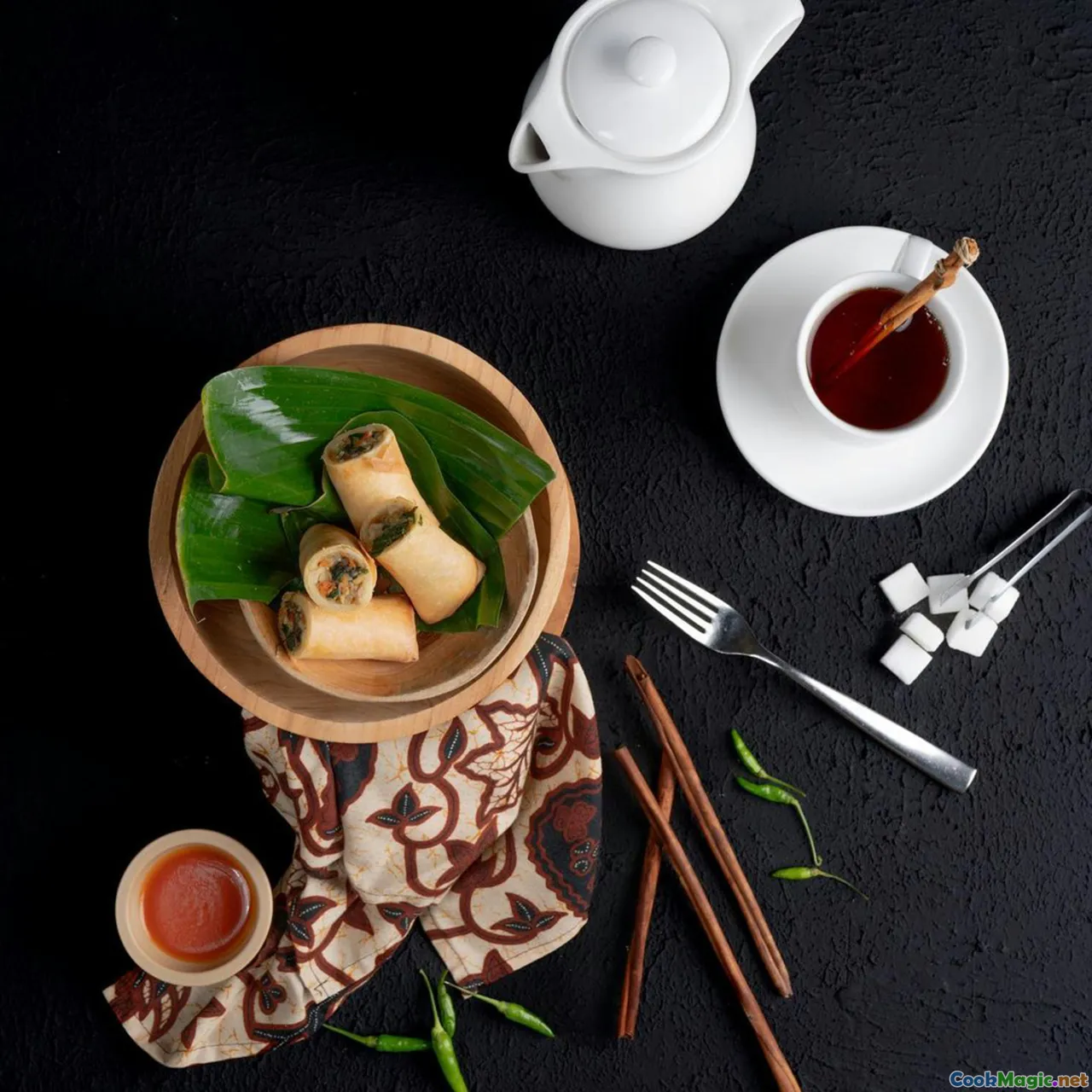
Dim sum rewards decisiveness and a good sense of pace. A few habits will make your weekend brunch glide.
-
Arrive early. The crispy edges of lo bak go and the freshest cheung fun happen before the rush. At places with pushcarts, the first hour is prime time.
-
Start with tea. Ask for pu-erh if you’re going deep on fried and braised dishes; otherwise jasmine or tieguanyin keeps things light.
-
Order in waves. Two or three plates per person to start, then another round once you’ve tasted. Dim sum cools quickly; let your appetite set the tempo.
-
Treat the lazy Susan gently. Keep heavy plates at the edge and spin slowly so sauces don’t slosh.
-
Condiments are accents, not masks. A spoon of chili oil perks up turnip cake and ribs; black vinegar with ginger is classic for xiao long bao (a Shanghai cousin that often appears on dim sum menus, even if it’s not Cantonese); the sweet soy that accompanies cheung fun is the intended sauce—don’t drown the roll.
-
Use the two-finger tap. When someone pours your tea, touch two fingers to the table twice; it says thank you without interrupting conversation.
-
Learn a few names. Har gow (shrimp dumpling), siu mai, char siu bao, cheung fun, lo mai gai, lo bak go. Servers appreciate clarity, and you’ll feel the rhythm of Cantonese sooner.
-
Be adventurous. Order feng zhao or tripe—it’s a texture tutorial, and the sauces are brilliant.
-
Finish clean. A sweet—dan tat or mango pudding—resets the palate and signals the feast’s gentle close.
Notes From My Own Round Table
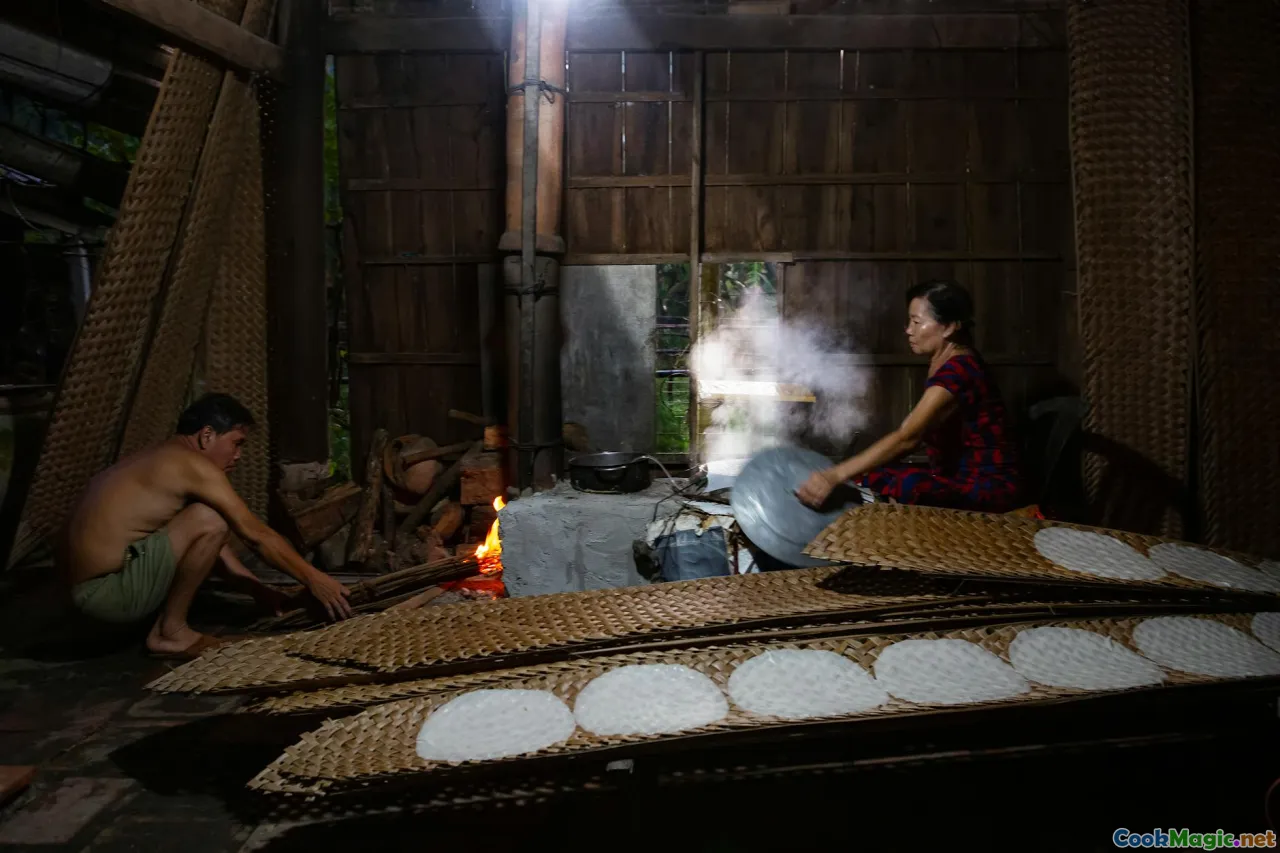
I measure weekends by stacks of bamboo baskets. In San Francisco, my family lived by Chinatown’s edge, and Sunday mornings meant a ride to Daly City’s Koi Palace where koi glide in a gilt pond under a chandelier you could mistake for a palace lamp. We’d wait an hour, sometimes more, cheered by the occasional staffer bringing out sample trays to pacify the line: warm roasted almonds kissed with sugar, a brittle crackle under a sweet curve.
The first time I brought my own chef’s knife fingers to dim sum—hands rough from service, mind still inventorying walk-in shelves—I sat with a Cantonese friend’s grandmother. She watched me pick up a har gow, sniffed the steam, and said, “You can smell if the dough was scalded right.” She taught me to judge siu mai by the integrity of the mince. “Not paste,” she said, tapping the table. “You want meat that remembers it was meat.”
Once in Hong Kong, a friend steered me to Tim Ho Wan just before the lunch rush. We ordered the baked char siu buns, their crackle tops freckled and sugar-kissed, filled with sticky, smoky pork. I took a bite and felt the world narrow to a point: crisp-sweet shell, airy crumb, molten center, umami like a bell toll. I’ve been trying to reverse-engineer that bun for years—the dough’s hydration, the maltose sheen of the filling, the exact fraction of five-spice that reads as whisper rather than sermon.
These are bites that carry family gravity. Birthdays began with tea in little cups you can cradle in your palm, steam dampening knuckles. Even grief felt manageable over dim sum; quiet smiles around a plate of lo mai gai, the leaf a kind of wrapping for words we couldn’t yet say. The meal makes space for us to eat and to be—no one plate owns the table, no single flavor shouts for attention.
Crafting Dim Sum at Home: A Weekend Project

Recreating a whole dim sum cart at home is madness and joy. But choosing a trio to master—say har gow, turnip cake, and cheung fun—can turn a Saturday into a delicious craft session.
Har gow wrappers:
- 100 g wheat starch
- 20 g tapioca starch
- 180–200 ml boiling water
- 10 g neutral oil or lard
- Pinch of salt
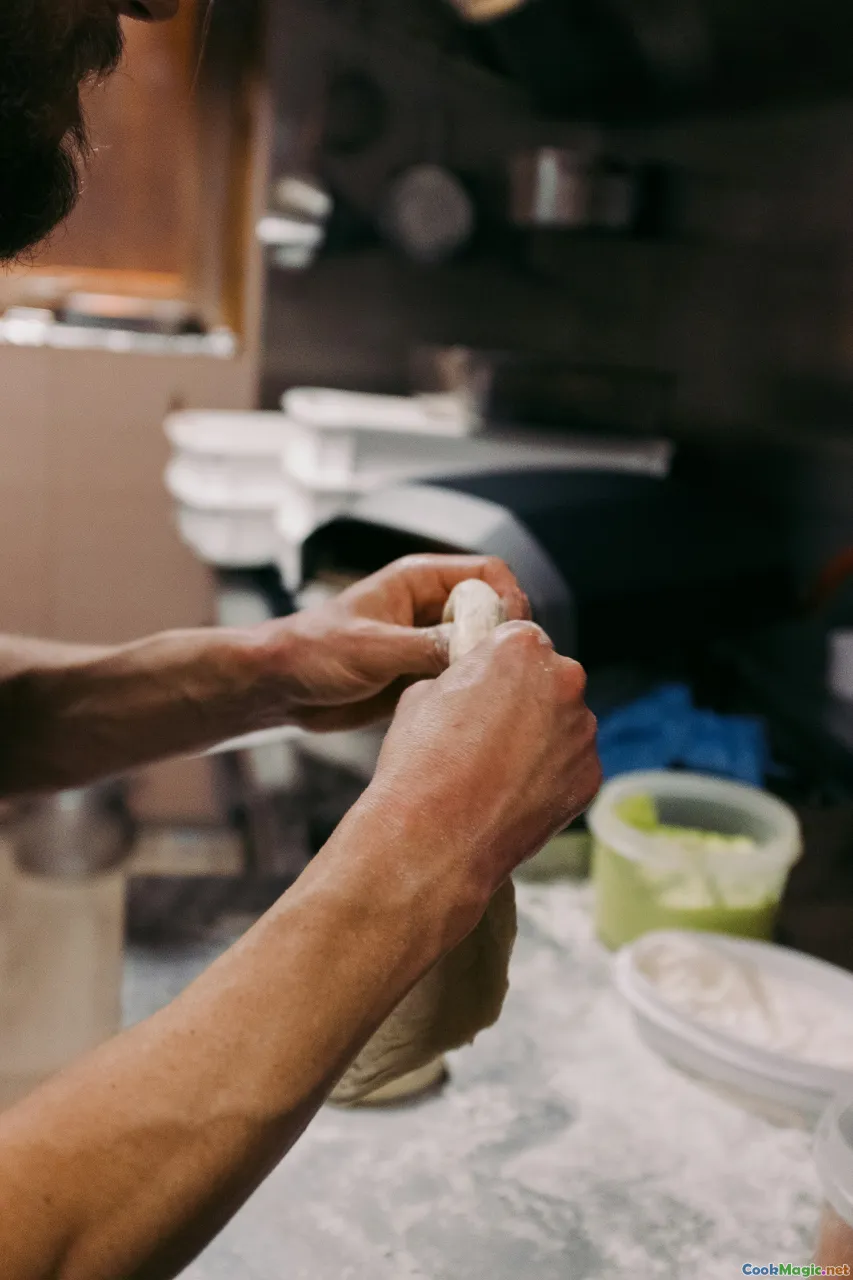
Mix the starches and salt in a bowl. Pour in boiling water while stirring with chopsticks until it looks like a shaggy, translucent paste. Add oil, then knead carefully until smooth. Keep it warm under a bowl. Pinch off a walnut-size piece, roll between oiled plastic sheets, and cut into a 7–8 cm disk. Fill with 1 heaping teaspoon of chopped shrimp (seasoned with white pepper, ginger, a whisper of sugar, and a drop of sesame oil), then pleat, pinching to seal. Steam over high heat in a bamboo basket lined with parchment (or cabbage leaves) for 5–6 minutes until translucent.
Cheung fun batter:
- 100 g rice flour
- 20 g tapioca starch
- 10 g wheat starch
- 300–330 ml water
- 1 tablespoon neutral oil
- Pinch of salt
Whisk all ingredients until smooth. Stretch a piece of muslin or a thin cloth over a pan set in a steamer. Lightly oil the cloth, pour on just enough batter to film it, add fillings (char siu, shrimp), and steam 60–90 seconds until set. Use a thin metal spatula or a “combing” tool to lift and roll. The texture should be tender, not rubbery; adjust water until the sheet lifts easily without cracking. Serve immediately with a warm sweet soy sauce (light soy + sugar + a splash of water brought to a simmer).
Turnip cake (lo bak go):
- 1 kg daikon, grated
- 120 g rice flour
- 30 g wheat starch or cornstarch
- 60 g lap cheong, diced
- 30 g dried shrimp, soaked and chopped
- 2 shiitake mushrooms, soaked and chopped
- Scallion, white pepper, salt, sugar
Sweat the daikon in a pan until it releases liquid and becomes tender. Keep some of the liquid for mixing. Sauté the sausage, shrimp, and mushroom separately until fragrant. Stir the rice flour and starch into warm daikon with enough cooking liquid to form a thick batter. Fold in the aromatics, season generously, then pour into an oiled loaf pan. Steam 45–60 minutes until set. Chill, then slice and pan-fry in a thin film of oil until both sides turn golden and crisp. Finish with a drizzle of soy and a dab of chili oil.
Steaming logistics: Stack bamboo baskets over a pot or wok with a tight seal. Bring water to a lively boil and keep it there. Line baskets to prevent sticking—parchment punched with holes, napa cabbage leaves, or cheesecloth. Stagger cooking so everything comes off hot. And don’t be afraid to re-steam briefly to revive a dish; a minute in the fog makes a world of difference.
If you want to dip into char siu for bao filling, roast pork shoulder with a marinade of light and dark soy, maltose or honey, hoisin, garlic, grated ginger, a clove, a pinch of five-spice, and red yeast rice powder for color. Roast hot for caramelization, then slow to finish until the fats turn pearly and the interior hits succulent. Dice and glaze, then fold into your bao dough—or simply eat with rice, like a sensible, hungry person.
Sauces, Heat, and Brightness: Small Jars, Big Changes
A chef I trained under used to say, “The sauce is the quiet instrument.” Dim sum condiments are accents, not paint buckets, but the right drizzle or dot can reframe a bite.
-
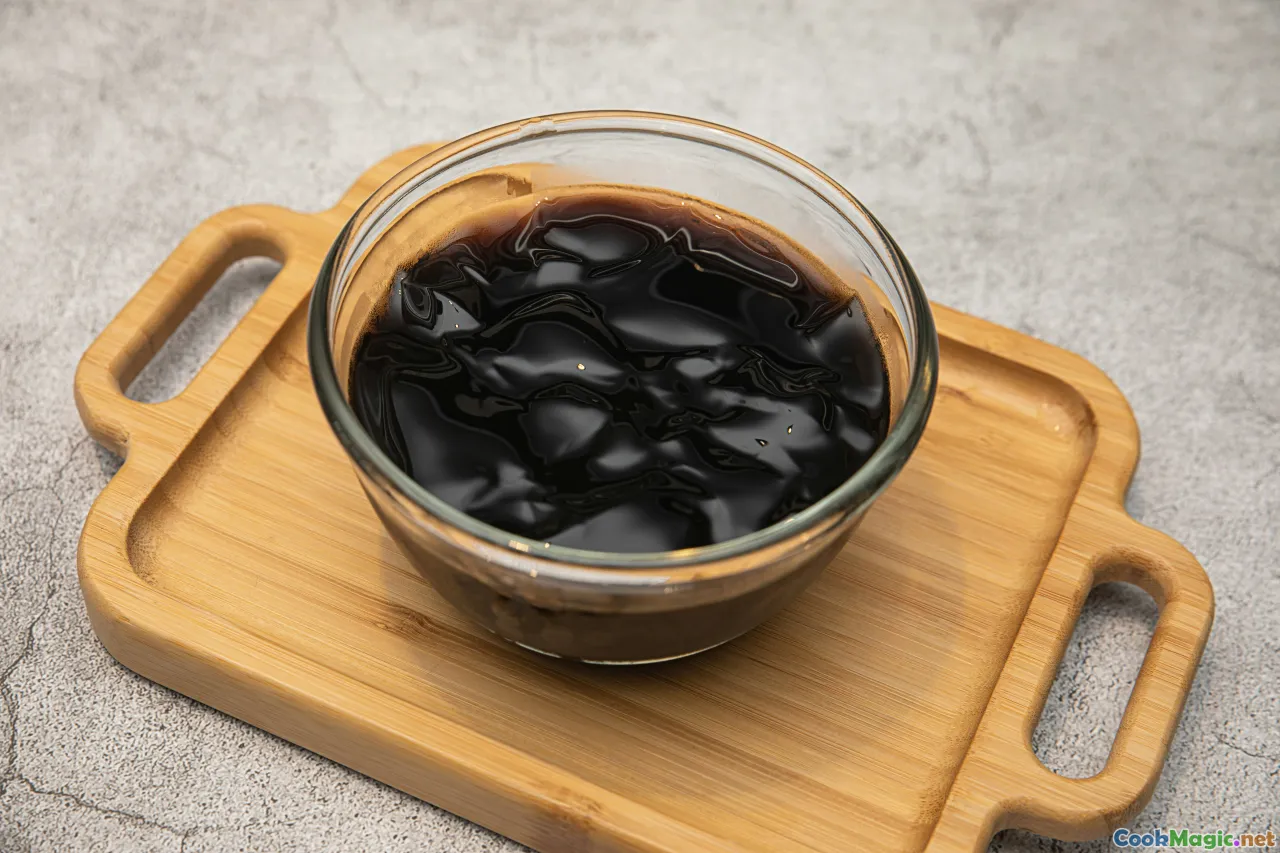
Sweet soy sauce: Light soy simmered with sugar and water to create a glossy, gently salted sweetness that belongs on cheung fun and sometimes turnip cake.
-
Chili oil or crisp: Heat plus perfume. A chili crisp with fried shallots and peanuts adds crunch to lo bak go. A simple Sichuan-style oil with chili flake, star anise, and cinnamon sings with spare ribs.
-
XO sauce: Dried scallop and shrimp in a chili base; the umami is thunder. Dab on steamed turnip cake or stuff into bao if you’re feeling decadent.
-
Black vinegar and ginger: A classic for soup dumplings (xiao long bao), which often show up in dim sum houses despite their Shanghainese origin. The vinegar’s fruity acidity cuts the broth’s fattiness.
-
Mustard: Bright, sinus-clearing heat. A dip for siu mai or char siu bao if you like a wake-up call.
Restraint matters. You want to preserve the core flavors: the sea sweetness of shrimp, the smoky-sweet depth of char siu, the gentle earth of taro.
Dim Sum’s Expanding Map: Beyond Canton
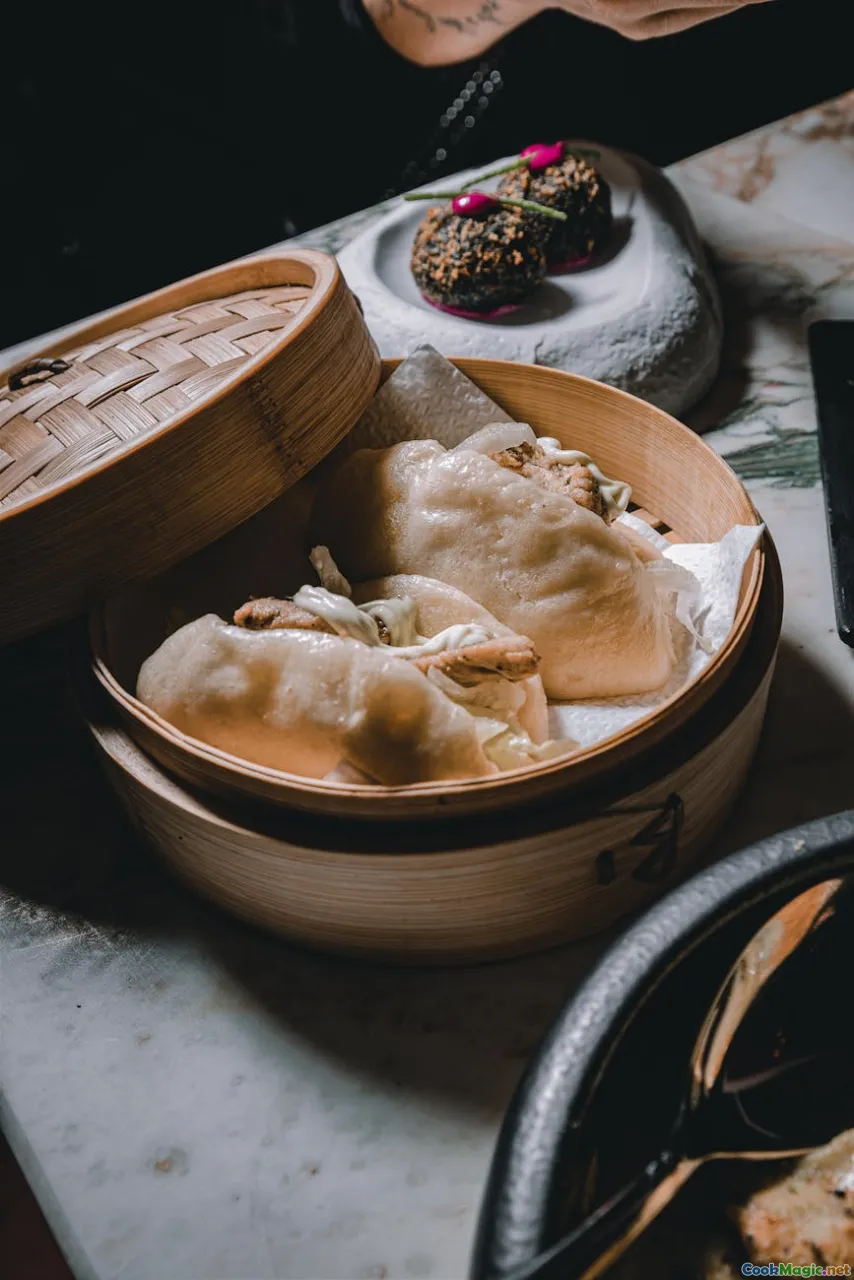
Cantonese dim sum is the backbone, but the weekend table often borrows from cousins. Understanding those additions adds nuance to your brunch.
-
Xiao long bao (Shanghai soup dumplings): Thin wrappers pleated around pork filling and jellied broth that melts into soup. Steam carefully and lift with a spoon, nip the top, blow, sip. They’re not Cantonese, but many dim sum houses include them because the drama is irresistible.
-
Sheng jian bao (pan-fried buns): Also Shanghainese, these plump buns are pan-fried then steamed under a lid, creating crisp bottoms and fluffy tops, with soup inside. Sesame and scallion finish them.
-
Chaozhou (Teochew) fun gor: Crescent dumplings with a semi-translucent skin, stuffed with peanuts, chives, pork, and radish—sweet-savory crunch in each bite.
-
Hakka steamed meatballs: Often rolled in rice, a snowball texture that hides rich pork and mushroom.
-
Northern-style baked cakes: Turnip shreds or scallions in pan-baked flatbreads that add a griddle scent and a different dough bite.
These additions reflect the diasporic way we eat—curious, hybrid, shamelessly inclusive. When a cart rolls up with something unfamiliar, say yes. The dim sum table is a place to learn without pretense.
Where to Brunch for Dim Sum: A Short, Opinionated List
If you’re plotting a weekend, here are places that left fingerprints on my palate.
-
Hong Kong: Lin Heung Tea House (Central). Go early; the pushcart ballet can be feral around noon. Order lo mai gai and the ruddy steamed spare ribs and let a stranger snag a seat at your table—this is where you surrender.
-
Hong Kong: Tim Ho Wan (various). Baked char siu buns set a standard for contrast and lightness. The steamed egg cake is absurdly airy.
-
San Francisco Bay Area: Koi Palace (Daly City). Still a temple. The seafood is the point—live tanks, seasonal specials. Order roasted suckling pig with dangerously crisp skin if you spot it, and always, always the har gow.
-
Los Angeles: Sea Harbour (Rosemead). Tick-sheet precision. Cheung fun comes out so silky you’ll wonder if it’s the rice or the hands. Phoenix claws (chicken feet) are beautifully seasoned.
-
Vancouver: Sun Sui Wah. A dim sum institution; baked pastries are excellent, and the turnip cake has faithful texture.
-
New York City: Nom Wah Tea Parlor (Chinatown). Nostalgia, yes, but also a strong sesame ball and a cheery place to begin.
-
San Francisco: Yank Sing (Rincon Center). Yes, it’s polished; yes, it’s pricier; yes, the Shanghai soup dumplings are textbook. For a celebratory brunch where newcomers feel guided, it’s ideal.
-
Sydney: The Eight (Haymarket). Carts, energy, excellent lo bak go with a shattering sear.
Ask locals—they will steer you to places less glossy but more soulful, and that’s where the learning happens.
A Chef’s Eye: What I Look For (And You Can, Too)
-
Wrappers: Translucent but intact. Har gow should hold when lifted with chopsticks. Cheung fun should be thin enough to see a slightly pink shrimp.
-
Pleats: Neat, consistent; handwork is the visible fingerprint of skill.
-
Heat: Food should arrive hot for steamed items, with a veil of steam. Fried items should have a cracking edge, not wilted.
-
Aromatics: Ginger and scallion should whisper, not shout. Fermented black bean should smell like sea and soy, not a salt lick.
-
Shrimp texture: Not mealy, not rubber. Look for a crisp bite and juicy interior.
-
Custards: The jiggle test. Tap the table; dan tat should quiver a little, center just shy of firm.
-
Balance: Sweet does not bulldoze savory. Sauces shine but do not gloss everything into sameness.
Building the Perfect Weekend Spread
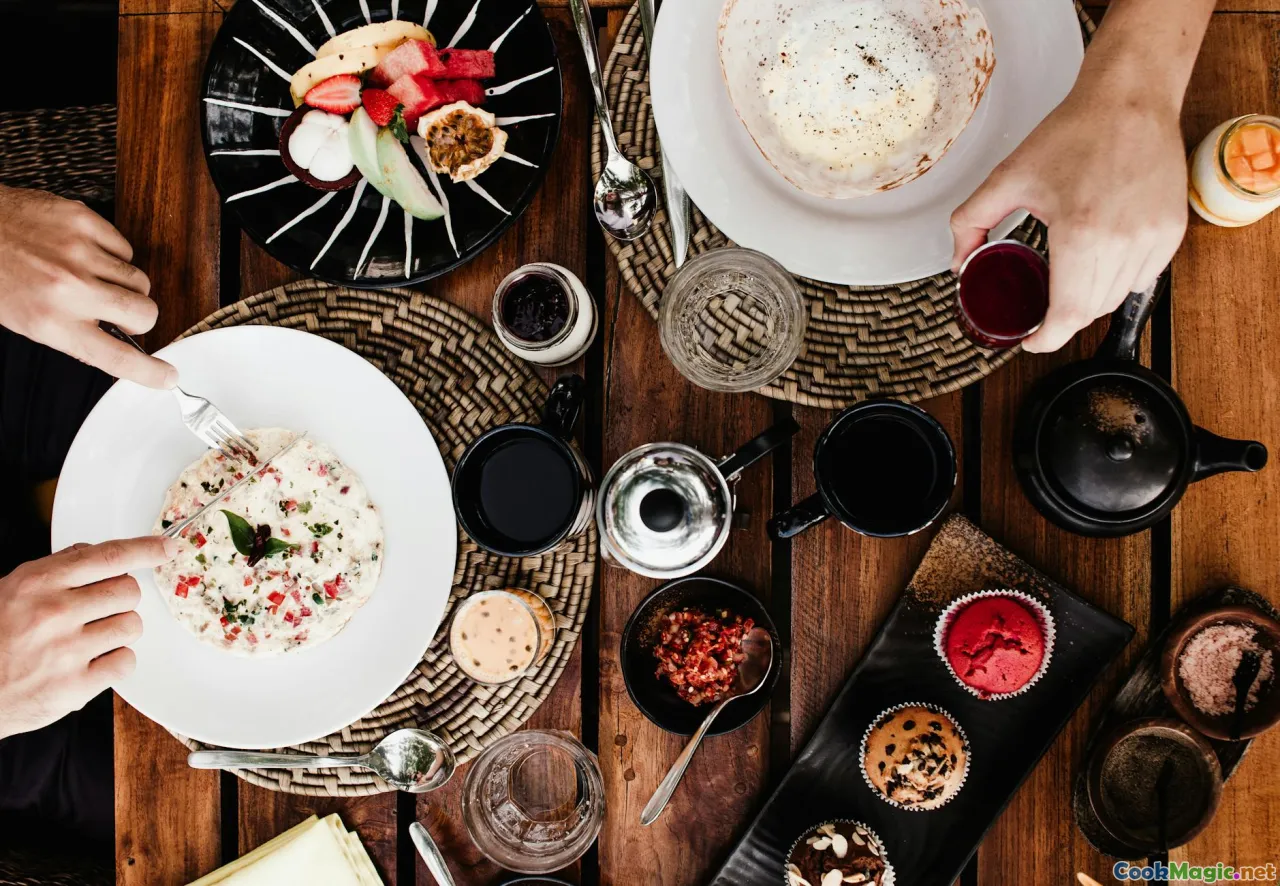
For a home brunch or a large restaurant party, think in clusters and contrast.
-
Bright openers: Har gow, cheung fun with shrimp, steamed greens with oyster sauce (gai lan) to bring a vegetal crunch and a gloss.
-
Anchor textures: Lo bak go and pai gwat for heft, accompanied by a bitter tea like pu-erh.
-
Curiosity bites: Feng zhao, tripe in ginger-scallion broth, wu gok.
-
Breads and buns: Char siu bao, pan-fried chive cakes, maybe a fried mantou with condensed milk if you’re drifting into northern sweets.
-
Sweet finish: Dan tat or mango pudding; a fruit plate for a clean edge. Chrysanthemum tea to set the tone down.
Place sauces at four points around the table: chili oil, sweet soy, black vinegar, and plain light soy. Keep plates small, chopsticks nimble, and the lazy Susan turning slowly. Leave room for a spontaneous grab when a passing cart or a new tray arrives.
A Practical Timeline for a Home Dim Sum Brunch
-
Two days ahead: Make char siu if using; it tastes better after a rest in the fridge. Soak dried shrimp and mushrooms for lo bak go; reserve soaking water for deep flavor.
-
One day ahead: Steam and set lo bak go. Mix XO sauce if you’re making your own. Prep chili oil.
-
Morning of: Make har gow dough and filling; keep the dough warm. Prepare cheung fun batter. Brew a pot of pu-erh to test water temperature and your kettle’s mood. Set your steaming station.
-
30 minutes before guests: Pan-fry slices of lo bak go until crisp. Start steaming the first basket of har gow. Heat sweet soy sauce for cheung fun.
-
As guests arrive: Plate turnip cakes, keep baskets stacked and rotating. Steam cheung fun to order; it’s a warm handshake.
-
Mid-meal: Brew fresh tea. Re-steam any har gow that cooled. Offer a small plate of gai lan for contrast.
-
Dessert: Bake or re-warm dan tat (store-bought are fine; just don’t overheat or the custard will curdle). Serve mango pudding chilled.
This sequence keeps your kitchen calm and the dining room buoyant.
The Scent of Steam, The Sound of Porcelain
Dim sum is, at heart, hospitality rendered in small objects. At the table, you share reach and heat, you learn each other’s preferences, you apologize with a sesame ball for snatching the last siu mai, you top off tea as a silent promise to keep showing up. Weekends give us the hour, but dim sum gives us the shape: many little choices, the unscripted appearance of something excellent, a rhythm of steam and chill, crunch and glide.
When I close my eyes, I see the wheeled tower of bamboo baskets, lids whispering as servers lift them like conjurers revealing doves. I hear a call down the aisle—har gow, siu mai, cha siu bao—like a chant. I smell the green of chrysanthemum tea blooming under hot water and the smoke-sweet allure of roast pork. The table is round; there are no corners to get stuck in. Perhaps that’s why dim sum feels like permission to belong: the plates keep turning, and everyone gets a chance to touch the heart.
So this weekend, whether you’re chasing carts in a room with beige tile and bright lights or making your own batch of cheung fun with your windows fogged up, claim the ritual. Pour tea. Reach together. Tap two fingers in thanks. Let the steam carry your plans where it will, and let those little plates remind you how big pleasure can be when it’s shared.