Decoding the Layers of Sekerbura Sweets
41 min read Explore the buttery layers, nutty fillings, and festive symbolism of Sekerbura, the iconic Novruz sweet, with techniques, textures, and cultural insights to master this Azerbaijani pastry at home. October 27, 2025 07:05
The first time I held a warm sekerbura, it sat in my palm like a small moon — pale, perfumed, and delicately ridged as if a jeweler, not a baker, had finished it. When I bit in, the white shell yielded with a faint sigh and then a crunch-kiss of tender dough against a sweet, nutty heart laced with cardamom. It was not exuberantly sugary. Instead, the sweetness was measured, the cardamom breathy and floral, the ground hazelnuts sandy and rich. If you’ve only known syrup-soaked sweets of the region, this one arrives like a whisper. And yet, in Azerbaijan, it announces a season.
Sekerbura — you might see it spelled shekerbura, şəkərbura, or sekerbureh — is the quiet star of Novruz, the spring equinox holiday that unfurls through the country in bells of tea-glass clinking and trays crowded with traditional pastries. To decode its layers is to understand not only a pastry but also the choreography of hands and time that surrounds it. The art is in the dough, in the nut-sugar-cardamom filling, and in the patterning drawn by a tiny pair of tweezers. But the soul is in when you make it, and with whom.
The Crescent That Smells of Cardamom: A First Bite Memory

On the last Wednesday before Novruz — Yel Çərşənbə, the Wind Wednesday — the air in Baku seems to quiver a little. The stalls at Taza Bazaar overflow with glass jars of hil (cardamom), mounds of hazelnuts with papery skin still clinging at the tips, and skeins of saffron, though saffron is destined for pakhlava and shor gogal rather than sekerbura. Out on Nizami Street the winter chill softens; someone is selling dyed eggs in wicker baskets, and a grandmother haggles over the price of clarified butter with all the seriousness of a gold trade. A little boy tugs at his mother’s coat and asks about papag atmaq — the trick-or-treat-like tradition of throwing a cap onto a neighbor’s doorstep in the hope it is returned filled with nuts and sweets.
Inside an apartment up several flights of concrete stairs, the kitchen is warm in a way that tells you something sweet is happening. The table is dusted with flour, a shallow bowl holds ground hazelnuts that look like sand taken from a beach that smells of anise and citrus instead of sea, and there is a small metal tool on the table that looks like eyebrow tweezers. It is a maqqaş — the special pastry tweezers. The dough, rich but not flaky, rests under a dishcloth. The filling mound is dry and nubbly, sugar glittering faintly against the nut crumbs. Stacked nearby are circles of dough as thin as postcards.
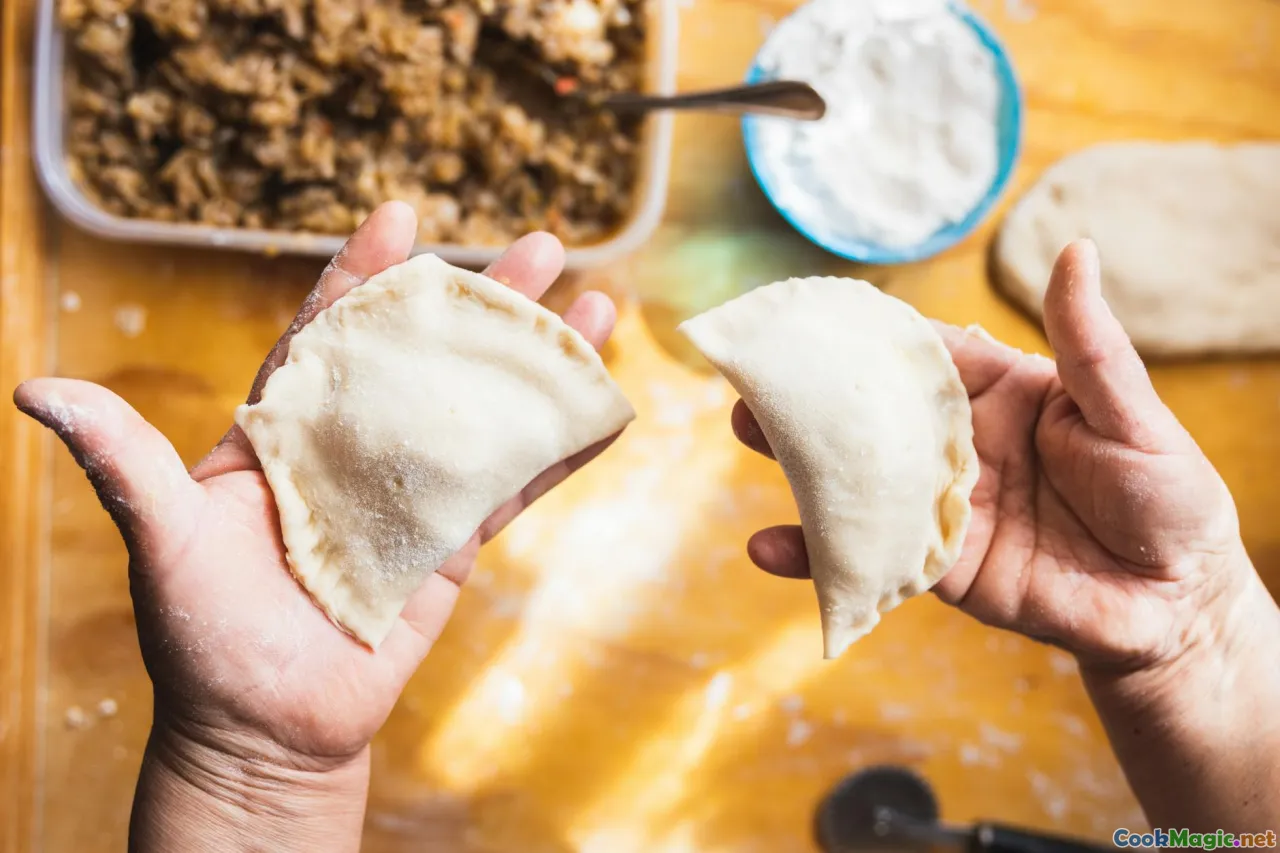
My friend’s aunt, who everyone calls xala, cups a dough disc in her left hand, spoons in a modest teaspoon and a half of filling, and folds the circle into a half-moon. She pinches the seam closed with a firm, quick motion that leaves a neat line, then lifts the maqqaş and begins to draw. Each squeeze leaves a little petal imprint; the seam gathers into herringbone and then wheat stalk patterns. The sound is unexpectedly crisp, a soft tick-tick of metal squeezing dough. When she finishes, the pastry looks dressed for a wedding.
She puts it on a tray without any glaze — a glinting, glossy egg wash is forbidden here because the shell of a proper sekerbura should bake to an ivory pallor, as if it caught moonlight on its way out of the oven. A few more fill the tray; someone starts the tea. The kitchen smells like butter and cardamom, but also like a ceremony: careful and delighted. When the tray returns, the pastries are pale with only the faintest blush at the edges. Their scent carries first. Then the crumb, tender and slightly sandy where the fat shortens the flour. The filling, not sticky, breaks apart softly among the grains of sugar. And between bites, someone reminds me that the half-moon shape is not accidental.
What Exactly Is Sekerbura? Origins and Meaning
The trio of Novruz pastries most often named in Azerbaijan — shor gogal, pakhlava, and sekerbura — is a celestial map set in pastry. Shor gogal, saffron-gold and spiraled with spiced layers, stands for the sun. Pakhlava, cut into diamonds, glimmers as the stars. And sekerbura, half-moon and pale, is the moon itself. When families arrange their Novruz xonça — the holiday tray — with sprouted wheat (samani), candles, dyed eggs, nuts, and sweets, these pastries are not only for eating; they are symbols for renewal, light, and the cyclical nature of time.
Etymology yields another key. In Azerbaijani, şəkər means sugar. The second part is often linked to bürmək, to fold or twist. Sekerbura: a sugar-folded pastry. This fairness in the name is true in the bite: sugar is present but not aggressive; it’s folded, tempered, and balanced by the natural oil and character of the nuts and the appled-blossom mood of cardamom.
As with any pastry of deep tradition, there are multiple claims to its cradle. Variants exist across the broader Caucasus and Iranian Azerbaijan; in some regions of Iran, similar sweets are called sheker borek or bear echoes in shape and filling, and in Dagestan one finds sweet half-moons embellished in other ways. But the celebration of Novruz around the Caspian is where the pastry is most ceremonially fixed. Walk through Sheki, Ganja, or Baku in mid-March and you’ll see stacks of them cooling in bakery windows. The shape is shared, the spirit is shared, but the details vary; that is where cooks express identity and region.
Anatomy of a Half-Moon: Dough, Filling, Pattern
The ideal sekerbura has three distinct characters that meet in equilibrium: a soft, pale shell; a dry, fragrant filling; and a patterned seam that turns function into artistry.
The dough: This is not puff pastry nor the thin and crisp yufka of pakhlava. It is enriched and short — typically made with flour, butter or ghee, a little milk, and sometimes egg yolk and a spoonful of sour cream or yogurt. Some families add a whisper of yeast for tenderness; others rely on rest to relax the gluten and keep the crumb delicate. Either way, this dough bakes tender rather than flaky. It is maneuvers best when rolled thin but not fragile; think 2 millimeters, perhaps slightly thicker if you like a more substantial shell.
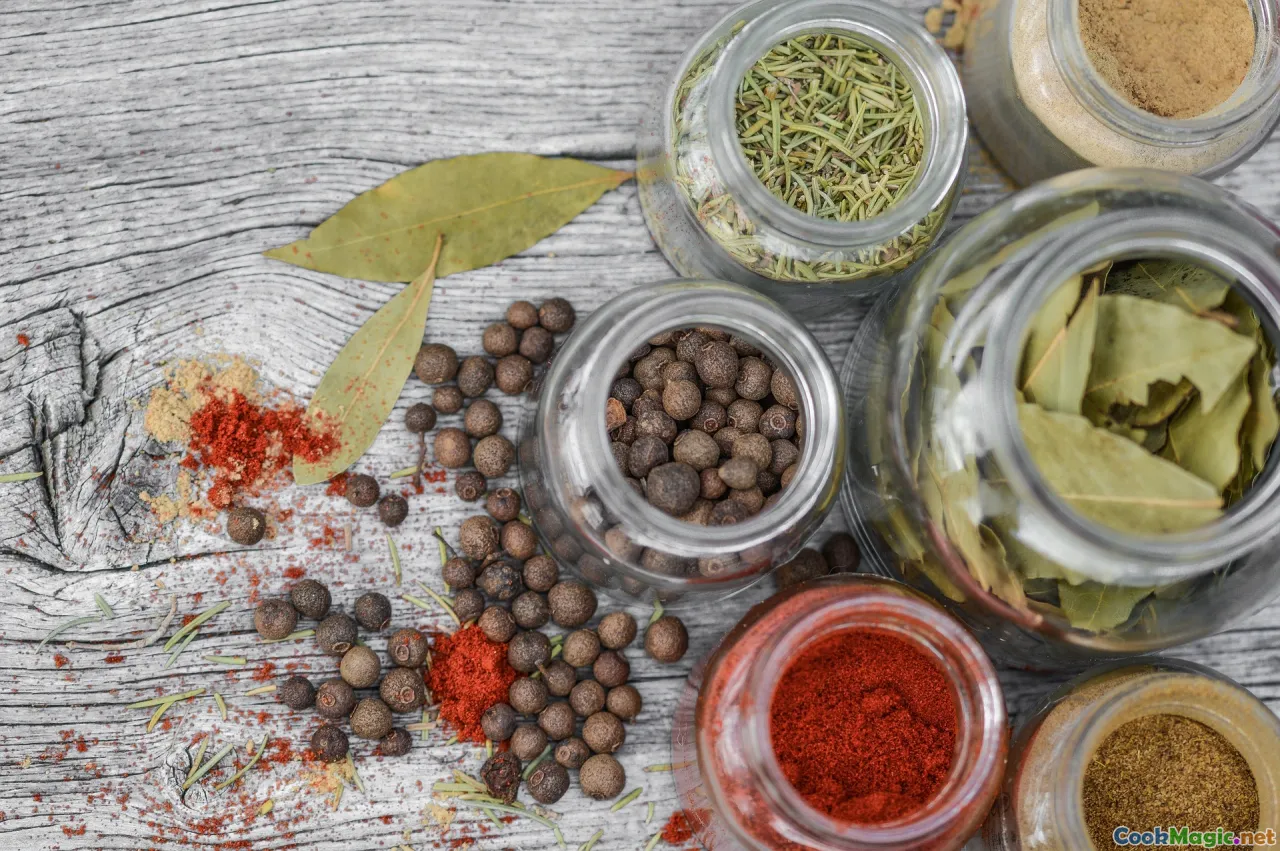
The filling: Ground nuts are nonnegotiable, but which nut depends on your market and family. Hazelnuts are most typical in northern regions like Sheki and in Baku; almonds show up more often in Nakhchivan; walnuts appear in some villages or when hazelnuts are dear. The nuts are ground to a texture somewhere between coarse meal and fine sand — no paste, no butter emerging — then mixed with sugar and ground cardamom. The mixture should be dry to the touch, otherwise it will dissolve the seam and leak during baking. Rose water is a quiet optional flourish; a sprinkle is enough to shift the aroma toward spring gardens.
The pattern: What sets sekerbura apart from other filled pastries is the intricate seam pattern, made with a maqqaş, small tweezers designed for pastry. The pinch marks are not snips; they are small raised lines that catch light and give the pastry its signature look. The repetitive herringbone or wheat stalk motif is traditional, though skilled hands often improvise scrolls and leaves. The pattern has a practical role: strengthening the seam. But it also turns a half-moon into a talisman — a crescent inscribed with wishes.
A Cook's How-To: From Flour to Twinkling Trays

There are as many formulas as kitchens, but the following approach honors the classic priorities: a pale shell, a fragrant filling, and crisp patterning that holds through the bake. The method below gives you options: yeastless for a clean, tender crumb; or with a trace of yeast for a touch more plushness.
Yields about 20–24 pastries.
What you need for the dough (Option A, no yeast):
- 500 g all-purpose flour, plus extra for dusting
- 200 g unsalted butter, very soft but not melted (or 180 g ghee for a cleaner, nut-forward flavor)
- 120 ml whole milk, at room temperature
- 2 large egg yolks
- 50–60 g sour cream or full-fat plain yogurt
- 1 tbsp sugar (optional but helps browning balance)
- 1/2 tsp fine salt
What you need for the dough (Option B, whisper of yeast):
- All of the above, plus 1/4 tsp instant yeast and 1 tsp sugar to wake it
What you need for the filling:
- 350 g roasted hazelnuts or almonds, completely cooled
- 150–180 g granulated sugar (adjust to taste; Baku houses often favor the higher end)
- 1–1.5 tsp ground cardamom (freshly ground seeds from green pods preferred)
- 1 tsp vanilla sugar or a few drops of vanilla extract (optional)
- 1 tsp rose water (optional and used sparingly)
- Pinch of salt
Equipment:
- Rolling pin
- 8–10 cm round cutter or a small saucer
- Maqqaş pastry tweezers (or small clean eyebrow tweezers, or tiny clean embroidery scissors as a last resort)
- Baking sheets and parchment
Dough, Option A (no yeast):
- In a large bowl, whisk together flour, salt, and sugar if using. Rub in the softened butter with your fingertips until the mixture looks like moist sand with no visible pieces of butter. You can also pulse this in a food processor to evenly disperse the fat but stop before a paste forms.
- In a separate bowl, whisk milk, egg yolks, and sour cream or yogurt. Stir the liquids into the flour-butter mixture with a fork until it starts to clump. Knead gently just until it comes together into a soft dough. It should not be sticky; add a spoonful or two of flour if needed.
- Wrap and rest for at least 30 minutes at cool room temperature. This relaxes the gluten and makes rolling easier.
Dough, Option B (with yeast):
- Warm the milk to just barely lukewarm. Stir in the yeast and 1 tsp sugar; let stand 5–10 minutes until faintly foamy.
- Combine the flour, salt, and softened butter as above. Stir in the yolks, sour cream or yogurt, and the milk-yeast mixture.
- Knead gently just to bring the dough together. Cover and rest 40–60 minutes; you are not aiming for an aggressive rise, just a loosening of the crumb.
Filling:
- Grind nuts in a food processor with short pulses. You want a texture that looks like couscous, not paste. If the nuts begin to clump, add a tablespoon of the sugar to absorb oil and pulse again.
- Combine the ground nuts with sugar, cardamom, optional vanilla sugar, rose water if using, and a pinch of salt. Mix until the sugar is evenly dispersed. Taste and adjust sugar and cardamom to your liking.
Shaping and patterning:
- Preheat the oven to 165°C (330°F). Line baking sheets with parchment. If your oven runs hot on the bottom, double up the trays to avoid over-browning.
- Divide the dough into two portions and keep one covered while you work with the other. Roll the dough to 2 mm thick on a lightly floured surface. Stamp out circles 8–10 cm in diameter.
- Place a mounded teaspoon to tablespoon (about 18–20 g) of filling in the center of each circle. Fold into a half-moon and press the edges together to seal, expelling excess air. Pinch the seam closed firmly with your fingers.
- Time for the maqqaş. Starting at one corner of the semicircle, use the tweezers to pinch small sections of dough along the seam, pulling slightly outward to create raised lines. Work your way across in a repeating pattern. Classic motifs include herringbone (angles meeting at the seam) and wheat sheaf (parallel lines with slight tilt). Keep the spacing consistent; think of the seam as a roadway and each pinch as a set of tiles.
- Transfer the finished pastries to the prepared trays. Do not brush with egg wash or milk. The absence of glaze is key to that moonlit finish.
Baking:
- Bake at 165°C (330°F) for 18–22 minutes, depending on size and your oven, rotating once. The pastries should remain pale; you are looking for just a whisper of color at the tips of the ridges and an opaque, set look to the dough. If browning threatens, lower to 160°C and extend a couple of minutes.
- Cool on the tray for 5 minutes, then move to a rack. Patterned seams will hold their definition best if the pastries are not jostled while hot.
Taste check:
- When properly baked, the shell should be tender enough to break with two fingers but strong enough to hold its shape. The filling should be crumbly, aromatic, and not gummy. When you break one open, a faint breath of cardamom should meet the nut aroma before anything else.
Tools of the Trade: Maqqaş, Rolling Pins, and Stand-ins
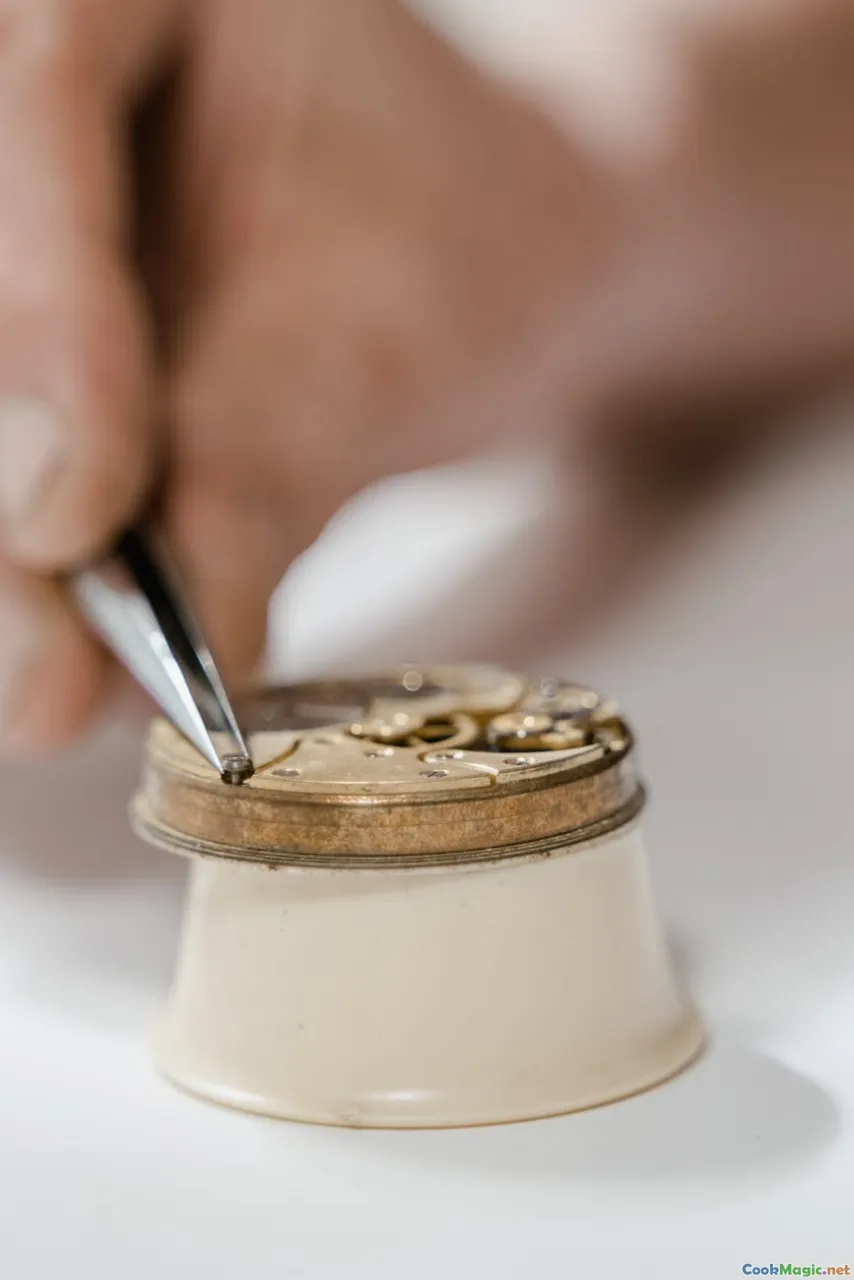
In Baku, an elderly vendor at Yashil Bazaar will pull out a small box of maqqaş tweezers if you know to ask. They are modest little instruments — stainless steel, slightly curved, with a narrow, flat tip. Their job is to pinch and lift without tearing. If you don’t have one, a clean pair of eyebrow tweezers can do the trick, but look for a flat, not slanted tip. Tiny embroidery scissors can cut a pattern in a pinch, though that yields snipped notched designs rather than raised lines. Some home cooks master a two-finger pinch that mimics the look without any tool at all.
Other tips: roll with a light pin to avoid compacting the dough; work on a cool surface; and keep a pastry brush handy to flick away excess flour. A double baking sheet or a sacrificial empty pan on the lower rack helps prevent accidental browning from fierce bottom heat. And if you bake a lot of Novruz sweets, consider a cooling rack that fits your sheet pan so the pastries slide off without bumping.
Regional Nuance: Hazelnuts of Sheki, Almonds of Nakhchivan
Ask a Sheki grandmother what goes in a proper sekerbura and she might look at you as if the answer were obvious: hazelnuts. Northern Azerbaijan is carpeted in hazelnut groves, and local nuts, lightly roasted, bring a warm, buttery richness that responds beautifully to cardamom. In Sheki, the home of the famous regional pakhlava, many households are exacting about nut texture; they grind just until the nuts give up their perfume and become granular without smearing.
Head southwest to Nakhchivan, and almonds tell the story. In the markets of Ordubad, almonds are sold by the kilo in paper cones. Almond-based sekerbura bakes up a touch lighter, with aroma that leans toward orchard blossoms. Almonds carry cardamom differently — the spice shines brighter, the sweetness comes across cleaner. Some families even blanch their almonds before grinding for a paler filling that echoes the moon motif.
Walnut versions appear, especially in Ganja and small towns where walnuts are the most affordable. Walnuts have a more assertive flavor; if using them, many cooks add a whisper more sugar and a hint more cardamom to tame their slight bitterness. A few cooks incorporate a spoon of rice flour into the walnut filling to help keep it granular, an old trick taught to me by a neighbor who learned to bake in her aunt’s Lankaran kitchen.
Aromatics vary too. In Baku, the cardamom is nonnegotiable, but a teaspoon of rose water is an elegant minority practice; it can be divisive. The key is restraint — too much and the pastry tastes perfumed; a drop and a stir, and it tastes like a spring day.
Side-by-Side: Sekerbura vs. Baklava vs. Sekerpare vs. Ma’amoul

It is easy to lump many regional sweets together, but clarity rewards the palate.
-
Sekerbura: Closed, half-moon pastry with a tender, pale shell; filled with ground nuts, sugar, and cardamom; decorated with pinched patterns; no syrup. The sweetness lives inside, and the shell remains unglazed.
-
Pakhlava (Azerbaijani baklava): Layered yufka or filo brushed with butter, filled with nuts (often walnuts), perfumed with saffron and cardamom or clove, baked and doused with syrup or honey. Cut into diamonds to symbolize stars.
-
Şekerpare (Turkish): Semolina-based cookies baked and then soaked in lemon-scented syrup until glistening and tender all the way through. No filling, and the texture is completely different — a syrup-kissed crumb.
-
Ma’amoul (Levantine): Shortcrust-like cookies filled with dates or nuts, pressed in carved wooden molds for a floral or geometric stamp. Texture is closer to sekerbura’s shell, but the flavorings lean to orange blossom or rose, and the shapes are round or domed rather than half-moon.
In short, sekerbura has more in common with ma’amoul than with syrup sweets, but the maqqaş patterning and the Novruz symbolism set it apart entirely.
Troubleshooting and Technique Notes
-
Pale, not brown: If your pastries are browning before setting, your oven is too hot or the rack is too close to the heat source. Drop the temperature to 160°C (320°F), double up the baking sheet, and bake a few minutes longer. Avoid convection if your oven’s fan brutalizes delicate dough.
-
Cracking seams: Usually a dough hydration issue or overfilling. If the dough resists sealing or cracks as you pinch, knead in a teaspoon or two of milk and rest it another 15 minutes. Resist the temptation to stuff; 18–20 g of filling is plenty for a 9 cm circle.
-
Leaking sugar syrup: The filling should be dry. If you add too much rose water or grind the nuts to a paste, sugar will draw moisture and create a syrup that breaches the seam. Keep aromatics minimal and nut texture granular. Mix the filling shortly before shaping rather than hours ahead.
-
Faded patterns: Working flour left on the surface can blur the maqqaş imprints. Brush off excess flour before patterning. If the dough skin has dried, the pattern will crack; keep unfilled discs covered.
-
Tough shell: Over-kneading develops gluten. Think of the dough as a short pastry: bring together just until cohesive, then rest. High-protein flours also make a tougher shell; if your flour is very strong, substitute 10–15% with pastry flour or cornstarch to soften.
-
Uneven shape: When folding, expel air and align the seam neatly. Use the maqqaş to tidy edges as you pattern. Practicing on a few scrap rounds helps establish a rhythm.
-
Sticking to the counter: Roll on a very lightly floured surface and lift and turn the dough as you roll, dusting underneath as needed. A thin flexible bench scraper is useful for lifting circles without warping.
-
Can I freeze them? Yes. Shape and pattern, then freeze on a tray until solid. Transfer to a bag. Bake from frozen at 165°C for 22–25 minutes. Do not thaw; thawing encourages condensation and seam weakening.
Serving, Storing, and Pairing: Tea Glasses and Spring Evenings
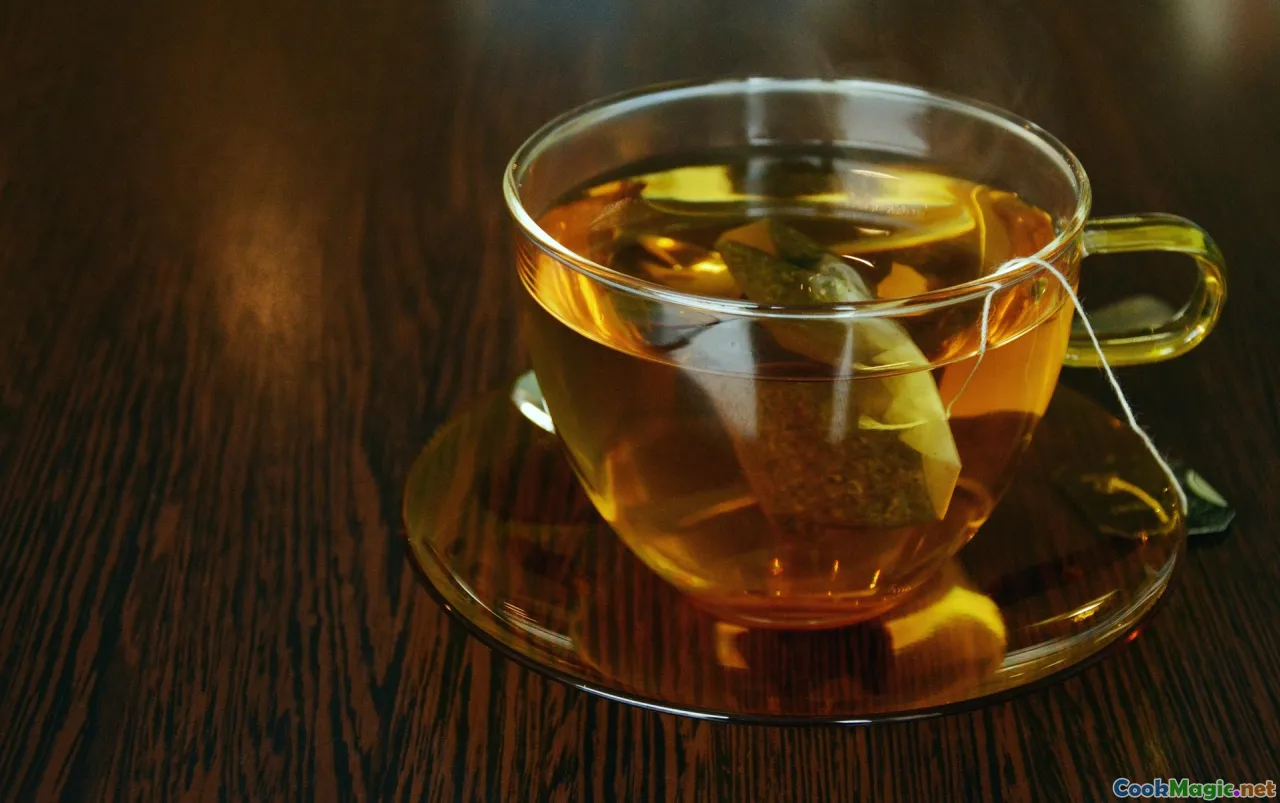
Azerbaijani tea culture is inseparable from pastry culture. The ideal companion to sekerbura is a slender armudu glass of strong black tea, garnet-dark and not too tannic, served with a slice of lemon and a dish of jam for spooning or dipping. Many households offer rose petal jam, quince preserve, or amber threads of nabat — rock sugar that looks like crystallized sunlight — to sweeten tea without clouding its color.
Serve sekerbura at room temperature on a tray lined with a simple cloth. The patterning gleams most when not crowded; leave space so each pastry’s seam can catch the light. On a Novruz xonça, nestle them alongside shor gogal and diamond-cut pakhlava, add sprouted wheat tied with a ribbon, and place a few dyed eggs and candles to complete the tableau. It’s not only a feast for the mouth but a seasonal altar.
Storage is straightforward: once completely cool, keep in an airtight container at cool room temperature for 3–4 days. The shell stays tender, and the filling’s aroma continues to bloom. If your kitchen runs warm or humid, a dry, cool cupboard works best. They do not benefit from refrigeration; the dough can toughen.
As for eating, I like to break mine open and smell the seam first. The first bite should catch a wisp of cardamom, then the butter bloom of the shell, and finally the granulated sweetness of sugar meeting nut oils. With tea, the pairing is almost synesthetic: cardamom’s menthol brightness lifts the tannins, and the nut heft anchors everything.
Where to Taste It in Azerbaijan
-
Baku’s Icherisheher (Old City): In the lanes near the Maiden Tower, small family bakeries appear in the weeks leading to Novruz, setting trays of still-warm pastries in their windows. Ask for sekerbura by name — locals will point you to their favorites. In the shadows of the crenellated walls, the scent of butter and spice floats by like a reminder that history also smells delicious.
-
Taza Bazaar and Yashil Bazaar, Baku: Vendors who sell nuts and spices often know which stalls are baking that day. Look for maqqaş tweezers in the kitchenware corners; the woman who sold me mine also tucked in a folded paper with an old family pattern sketch.
-
Sheki’s Caravanserai: Sheki is famed for its pakhlava, but in March the caravanserai’s small shops also show off sekerbura made with local hazelnuts. The pastry here tends to be slightly thicker-shelled, with sharp, confident patterning — a style that suits the mountain air.
-
Ganja: In this city, sweets are often sturdier, with a generous hand on nuts. A tiny tea house near Shah Abbas Mosque once served me a plate of still-warm sekerbura alongside black tea and strawberry jam eaten by the spoonful between sips.
-
Nakhchivan: If you find yourself there in early spring, look for almond-forward versions with an aroma so soft it feels like rabbit fur. The peel-less almonds yield a filling as pale as the shell, an aesthetic echo that the aunties here appreciate.
Outside March, you can still find sekerbura, but availability thins. Some upscale restaurants keep them on dessert lists as a gesture to visitors, and home bakers accept orders ahead of holidays. The most vivid way to taste them, though, is at a Novruz gathering — even if that means accepting a pastry from a neighbor with wax-dripped candles flickering and children’s caps tumbling into doorways.
A Few Flavor Tweaks Without Breaking Tradition
Traditions thrive when they feel alive. While I advocate for simplicity in sekerbura, a few details can flex without breaking character:
-
Rose water: A teaspoon for the entire filling batch delicately perfumes without intruding. Mix with sugar before adding to nuts to distribute evenly.
-
Nut blends: A 2:1 mix of hazelnuts to almonds yields a filling with both warmth and lift. Walnuts can constitute up to a third of the mix if you like their bass note.
-
Citrus: A microplane’s worth of lemon zest folded into the dough brightens the shell. Purists will frown, but the effect is gentle and appealing.
-
Spices: Beyond cardamom, a grain or two of ground clove or a breath of cinnamon can deepen the aroma. Remember: cardamom is the star; anything else should be a backup singer.
-
Sweetness: If serving alongside syrupy pakhlava, hold sugar at 150 g for balance; if serving alone with tea, 180 g feels more festive.
The Geometry of Tenderness: Why the Recipe Works
Think of sekerbura as a study in controlled tenderness. Butter or ghee coats flour particles, reducing gluten formation and keeping the shell delicate. The presence of egg yolks adds emulsifying power and a trace of protein, lending structure without chew. Sour cream or yogurt brings mild acidity and milk solids that tenderize and encourage a fine crumb. Resting the dough lets the strands that did form relax so the dough rolls thin without snapping back.
The filling resists paste territory by design. Nuts, when ground too far, release oil; mix that with sugar and you have a liquid problem. By pulsing the nuts, adding a bit of sugar during grinding to absorb oil, and keeping added liquids to whispers, you maintain a granular, aromatic core that behaves in the oven. Sugar also draws a little moisture from the dough at the seam, helping the inside bind while the outside remains pale and etched.
Low-and-gentle heat preserves the ivory color and gives the patterning time to set. A higher oven, attractive for speed, rushes the outside into color before the inside has married. Sekerbura requests patience; it rewards with subtlety.
A Story in Hands and Wednesdays
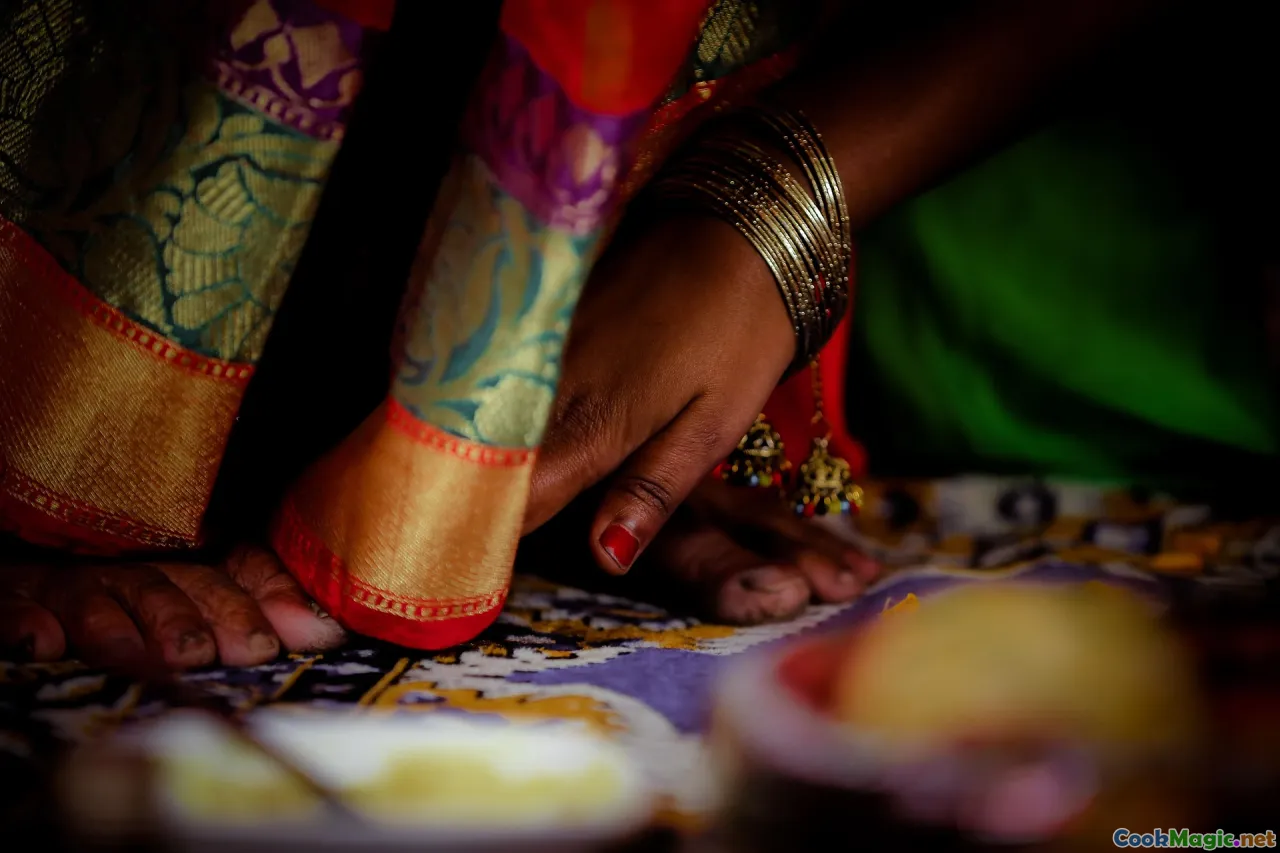
The four Wednesdays of Novruz — Su (Water), Od (Fire), Yel (Wind), Torpaq (Earth) — resonate in how people mark time in the kitchen. On Water Wednesday, my friend’s mother washes the baking trays with a handful of salt, an old habit for luck. On Fire Wednesday, they light a small candle as they mix the dough. Wind Wednesday, they throw open the kitchen window even if March pinches the ears; air must move through the house, they say, to make space for new things. And Earth Wednesday is when nuts and sugar go into the bowl — the ground and the sweetness meeting.
On the day itself, cousins arrive, their voices rising and falling like boiling sugar. A teenage nephew practices the maqqaş pinch and earns a gentle scold for pressing too hard. The youngest, eyes wide, gets a small ball of dough and a little mound of filling and makes a misshapen moon. That one always tastes the best, though you can’t quite say why. Perhaps the joy seasons it.
As dusk folds in, the xonça is arranged. The samani sits in the center, blades of sprouted wheat tied with a red ribbon, slick as moss. Around it, the pastries: suns and stars and moons. The table is not only beautiful; it is a calendar of the sky laid flat, edible. To break off the corner of a pakhlava, to peel a layer of shor gogal, to bite into a sekerbura — these are small acts of participation in the season’s turning.
And that is, I think, why the pastry tastes the way it does. It is not clamoring for attention. It is a point of balance, a moment of poise between winter and spring, between oil and sugar, between hand and heat. It is a moon you can hold.
When I bake sekerbura now, far from Baku, I keep a small tin of cardamom seeds just for this purpose. I toast hazelnuts until they smell like clean wood and warm milk. I roll and cut and fill, and the kitchen goes quiet the way rooms do when someone is reading out loud. The maqqaş clicks, a sound like nicking thread between sharp nails. The oven door opens and the tray slides in, my half-moons pale and expectant. While they bake, I brew tea and set out a spoon of rose jam. When the pastries cool, I carry one to the window, hold it up to the light, and watch the seam catch the late afternoon sun. Then I bite. Cardamom first, then sweet. A calendar on the tongue.
If you make them, make more than you need. Wrap a few and leave them at a neighbor’s door. When they discover the parcel, it will feel, briefly, like someone tossing a cap across the threshold and asking to be welcomed into spring. That is the lightness sekerbura carries. It is a pastry gentle in its pleasures and generous in its meanings — a sweet that decodes, layer by layer, into a season, a city, and the beloved geometry of human hands.