Decoding Poisson Cru the Tahitian Ceviche
11 min read Explore the vibrant flavors and cultural significance of Poisson Cru, Tahiti's iconic ceviche, and its role in Polynesian culinary heritage. September 05, 2025 03:05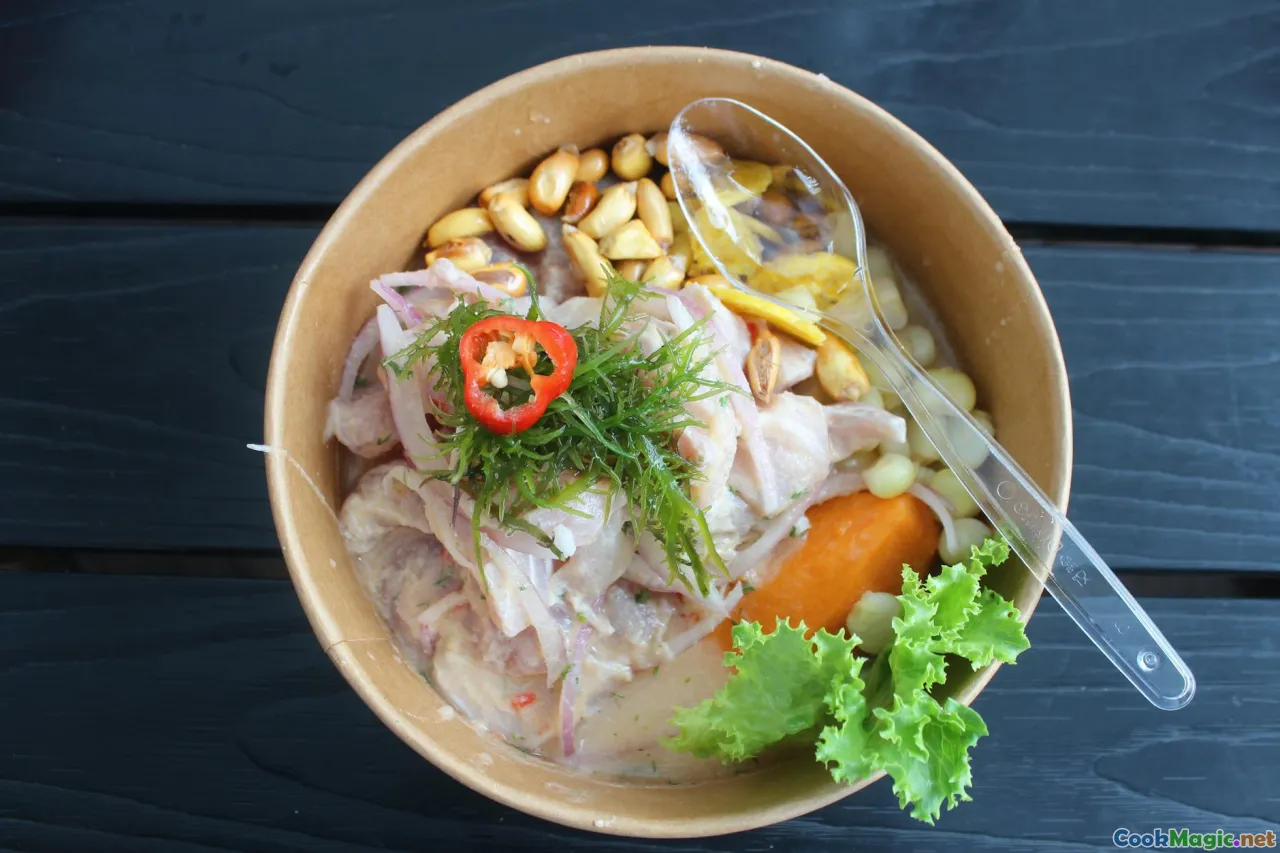
Decoding Poisson Cru: The Heartbeat of Tahitian Ceviche
Tahitian cuisine, with its vibrant palette and soul-stirring flavors, is a tapestry woven from history, geography, and the resilient spirit of its people. Among its many culinary treasures, Poisson Cru stands out not just as a dish but as an emblem of Tahiti’s love affair with fresh, tropical flavors. As I first experienced this dish on a warm lagoon-side veranda in Moorea, the explosion of bright citrus, creamy coconut, and tender raw fish transported me deep into the Polynesian soul.
Let’s embark on a sensory journey to decode this iconic Tahitian delicacy – understanding its ingredients, cultural significance, variations, and how it continues to define island life.

The Origins and Cultural Significance of Poisson Cru
Unlike many culinary staples that have rippled through centuries, Poisson Cru’s roots are both modern and timeless. Historically, Polynesian communities relied on abundant marine resources, harvesting fish straight from their surrounding lagoons and reefs. The simplicity of eating raw seafood with native staples like coconut and lime mirrors the resourcefulness and harmony with nature that characterizes island life.
In Tahiti, Poisson Cru is more than just a meal; it’s a convivial act, an expression of community, and a reflection of Mother Nature’s bounty. It often graces family gatherings, celebrations, and even humble everyday tables, acting as a tangible connection to land, sea, and ancestors.
Culturally, the dish embodies the principles of freshness, gratitude, and respect—elements deeply ingrained in Polynesian spirituality. Sharing Poisson Cru among loved ones reinforces bonds and reminds us of the island’s ethos of ‘fa’a Tahiti’ – the way of Tahiti.

Anatomy of the Perfect Poisson Cru
The Fish: The Foundation of Quality
The choice of fish is paramount. Traditionally, fresh local fish like ta’au (barracuda), makara (snapper), or tahape (jackfish) are ideal. The fish should be pristine—firm, clean, and devoid of any fishiness. The cut is usually a dice, about 1/2 inch, to allow the marinade to penetrate and to ensure a pleasing mouthfeel.
The Citrus: Tahitian Limes and Lemons
Juice from Tahitian limes (ki’ikor), with their slightly tart, aromatic profile, is central. The acidity begins the delicate process of ‘cooking’ the raw fish, transforming its appearance to a cloudy, opaque white, signaling readiness.
The Coconut Milk: Creamy and Sweet
The ’oguru or freshly squeezed coconut milk adds richness and balance. Its silky texture cushions the acidity, imparting a subtle sweetness that lingers on the palate.
Vegetables and Herbs: The Flavor Enhancers
Thinly sliced cucumbers, onions, and tomato provide freshness, crunch, and color contrast. Fresh cilantro and Thai basil elevate the dish’s aroma, evoking humid tropical mornings.

Crafting Authentic Poisson Cru: A Step-by-Step Guide
Ingredients:
- 500g fresh firm white fish (snapper or equivalent)
- 1 cup fresh Tahitian lime juice
- 1 cup coconut milk (preferably homemade)
- 1 small cucumber, thinly sliced
- 1 small red onion, finely chopped
- 1 ripe tomato, diced
- Fresh cilantro, chopped
- Salt, pepper to taste
- Optional: chopped chili for heat
**Method:**1.Prepare the Fish: Dice the fish into small, even pieces. 2. Marinate: Place the fish in a non-reactive bowl and pour the lime juice over. Cover and refrigerate for at least 15–20 minutes, until the fish turns opaque. 3. Drain Excess Lime: Gently drain a bit of the excess lime juice—leaving just enough to coat the fish. 4. Mix in Coconut Milk: Stir in the coconut milk, combining until smooth. 5. Add Vegetables and Herbs: Incorporate sliced cucumber, onions, tomatoes, and herbs. Season with salt, pepper, and chili if desired. 6. Chill & Serve: Let it sit for another 5–10 minutes in the fridge for flavors to meld. Serve in a chilled bowl, accompanied by taro chips or toasted bread.
The magic of Poisson Cru lies in its simplicity—everything must be fresh, and each ingredient has its moment to shine.

Variations and Contemporary Twists
While the traditional Poisson Cru remains celebrated, culinary innovation has introduced variants that resonate with modern palates.
- Creamier Versions: Incorporating unsweetened Greek yogurt or cashew cream to amplify richness.
- Spiced Variants: Infusing with ginger, garlic, or a touch of turmeric for added depth.
- Deconstructed Cascades: Serving the components as separate elements—a fish ceviche alongside coconut sorbet and fresh herbs for a high-end tasting experience.
- Fusion Approaches: Merging Tahitian flavors with Asian or Latin American ceviche techniques, layering citrus and spice elements.
These adaptations preserve the essence while catering to global tastes.

Pairing Poisson Cru: Sipping and Savoring
Pairing the dish with the right beverage enhances the flavor dance.
- Local Tunoa Beer: Light, crisp, with a hint of malt that complements the acidity.
- Tahitian Coconut Water: Refreshing and naturally sweet.
- White Wines: A chilled Sauvignon Blanc or a dry Riesling’s citrus notes mirror the dish’s brightness.
- Non-Alcoholic: A chilled infusion of lemongrass or ginger provides a fragrant counterpoint.
Remember, the goal is to amplify the dish’s freshness—lighter wines and cold drinks are ideal.

The Emotional and Sensory Experience
Eating Poisson Cru is an immersive journey. It starts with the vibrant aroma—a delicate cologne of lime, fresh herbs, and coconut. The first bite offers a tender explosion of fish, tender yet firm, wrapped in the tropical tang of citrus, with silky coconut embracing every morsel.
The textures contrast—firm fish, crunchy vegetables, and the luscious coconut milk—creating an orchestra of sensory delight. As the flavors mingle in your mouth, your mind drifts to the sea, salty breezes, and flickering sunsets over turquoise lagoons.
Every mouthful becomes a moment of connection: to the land, the sea, and the island’s enduring way of life.

Personal Reflections and Tips for Enthusiasts
Having explored and tasted countless variations, I urge aspiring cooks and enthusiasts to focus on freshness above all. Seek out local markets in Tahiti or reputable fishmongers abroad ensuring your seafood is vibrant and high-quality.
Balance is key—a splash more lime can brighten, but too much can overshadow the delicate fish. Coconut milk should be silky and fragrant—not overpowering. The vegetables should add a crunch without browning or wilting.
For those fortunate enough to visit Tahiti, dine where locals eat—like the legendary La Plage de Maui in Papeete or hidden gems along Bora Bora’s motus. The authentic Poisson Cru served straight from lagoon to table embodies the purest essence of Polynesian hospitality.
Finally, understanding Poisson Cru’s cultural roots enhances respect and appreciation, transforming a simple dish into a meaningful experience.

Poisson Cru is more than raw fish dressed in tropical bounty; it is a celebration of life, a testament to how seas and lands shape identities, and how simplicity, when executed with care, unveils profound culinary beauty. By decoding its ingredients, traditions, and variations, we peel back layers of Tahitian soul—inviting every dish to tell its story beneath the sun-drenched skies of French Polynesia.
As you create or enjoy your next bowl of Poisson Cru, remember: you hold a piece of the island’s heart, seasoned by time, tradition, and the endless Pacific breeze.