Cypriot Souvla Techniques Authentic Charcoal Grilling
12 min read Discover authentic techniques for preparing Cypriot Souvla over charcoal, highlighting cultural traditions and masterful grilling for flavorful results. September 23, 2025 09:05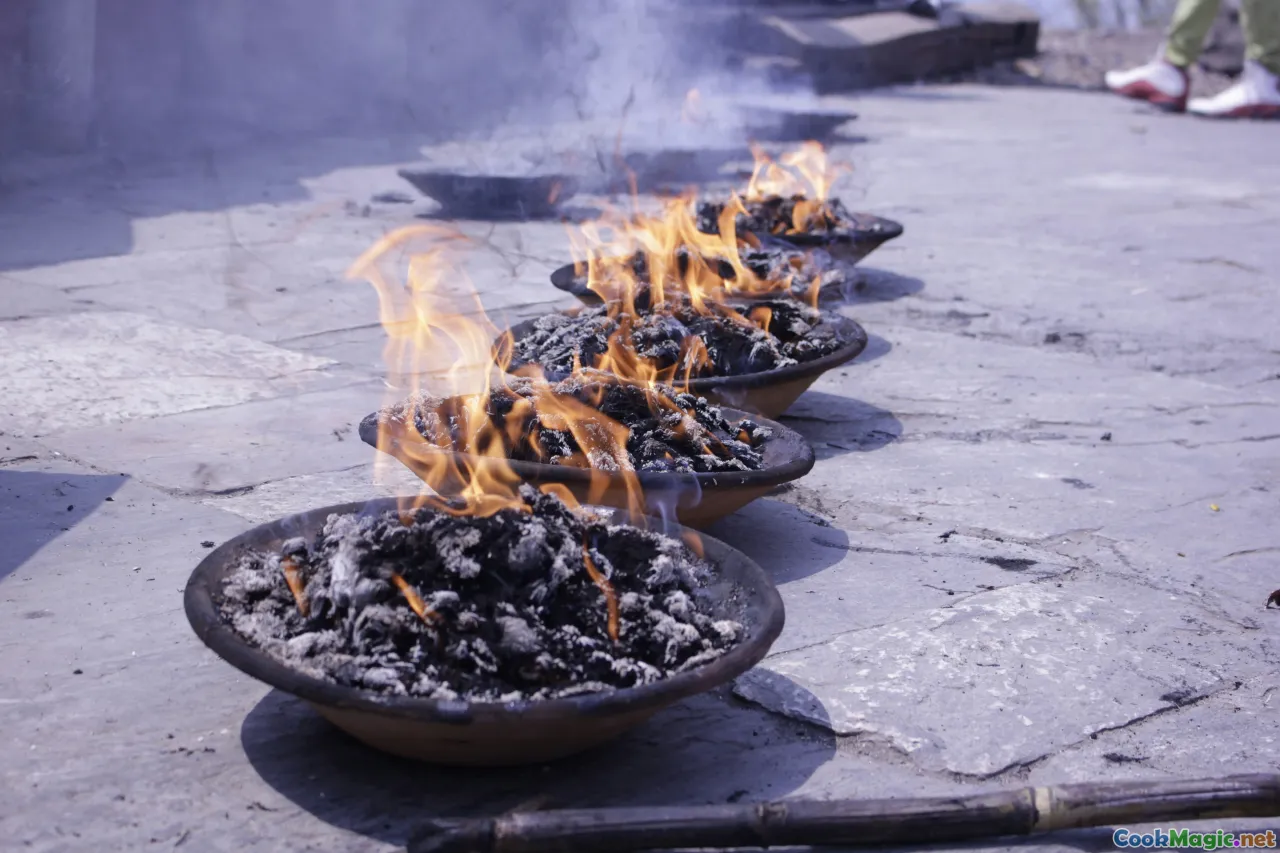
Cypriot Souvla Techniques: Authentic Charcoal Grilling
It’s a sultry summer evening in Cyprus. The scent of aromatic herbs, smoky embers, and seasoned meat drifts through narrow village alleys as families gather around traditional outdoor pits. The centerpiece? A beautifully skewered, thick-cut lamb or pork Souvla, slow-cooked over an open flame that crackles and snaps with each turn. For locals, Souvla isn’t just a dish; it’s a cherished ritual—a symphony of history, culture, and sensory delight rooted in Cypriot tradition. Mastering the art of authentic Cypriot Souvla is a journey that requires patience, reverence for technique, and an appreciation for the fire’s primal power.
In this deep dive, we’ll explore the intricacies of crafting this legendary dish—how to achieve the perfect charcoal grill, marinate with authenticity, and embrace the time-honored methods that turn simple meat into a culinary celebration.
The Heart of Cypriot Souvla: Cultural Significance and Traditions
Souvla, derived from the Greek word souvla meaning skewer or barrel, has been an integral part of Cypriot life for centuries. Traditionally, it’s anchored in communal gatherings—festivals, village Sundays, and weddings—where families share stories around the grill, their faces lit by the vivid glow of embers. More than a meal, Souvla symbolizes unity, resilience, and a connection to the land.
Historical records point to ancient Cyprus’s long-standing relationship with open-fire cooking, with archaeologists uncovering primitive clay ovens and primitive grill setups dating back to the Bronze Age. Over time, locals perfected their charcoal techniques, choosing specific wood types, marinating recipes, and skewering methods—each aspect woven into their cultural tapestry.
Personal note: I recall my first Souvla night on a hillside in Pano Lefkara. The air was filled with the scent of thyme, fresh lemon, and lamb, blending with laughter and the rhythmic crack of the flames. It’s a sensory memory, solidified by the communal experience of sharing food prepared with love and ritual.
Choosing the Right Cut and Preparing the Meat

Authentic Cypriot Souvla begins at the source: selecting premium cuts of meat. Traditionally, large chunks of lamb shoulder or neck are preferred for their rich flavor and tender texture. Pork, especially pork shoulder or cheek, also features prominently in certain regions.
Marination is an art form. The classic marinade marries lemon juice, extra virgin olive oil, garlic, oregano, and a splash of red wine vinegar. Some locals add a hint of cinnamon or allspice to evoke a depth of warmth.
Here’s a simple yet authentic marinade recipe:
- 1 kg lamb shoulder, cut into large chunks
- 4 cloves garlic, minced
- Juice of 2 lemons
- 1/4 cup good-quality olive oil
- 2 teaspoons dried oregano
- 1 teaspoon red wine vinegar
- Salt and freshly ground black pepper to taste
- Fresh thyme or rosemary for aromatics
Marinate the meat for at least 4 hours, preferably overnight, allowing the flavors to penetrate deeply—a critical step for achieving the iconic flavor.
Pro tip: For even richer flavor, some local chefs marinate the meat in a mixture of yogurt and herbs, tapping into the Mediterranean tradition of tenderization and flavor enhancement.
Mastering Authentic Charcoal Grilling Techniques
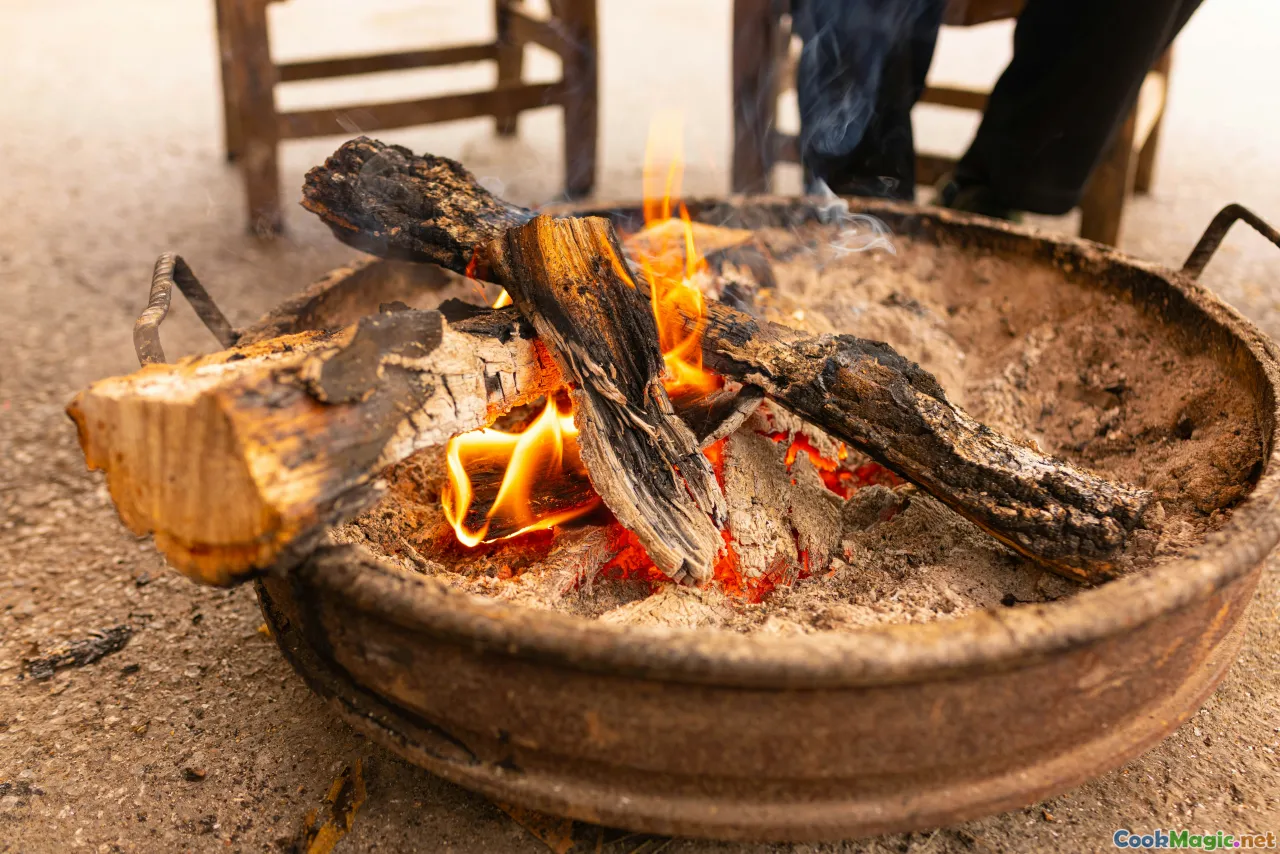
The core of authentic Souvla lies in the charcoal grill—the souvla(or ligni) pit—built with stone and clay, designed to hold a steady bed of glowing embers. The choice of charcoal is pivotal: farmers and cooks preferhardwood charcoal (preferably vine or olive wood charcoal). It provides a consistent, heat-retentive flame with a distinctive smoky aroma.
Setting Up Your Souvla Grill
- Constructing the Pit: In many villages, locals make simple circular or rectangular stone pits, about 50-70cm deep, allowing ample space for the skewers.
- Lighting the Coal: Use natural firelighters like dry twigs and matchsticks or a chimney starter. Avoid chemical starters that could taint the delicious smoky profile.
- Waiting for the Right Glow: It can take 20-30 minutes for the coals to turn ashen with embers glowing red underneath. Patience here is essential.
- Adjusting Airflow: Many traditional pits feature small openings or vents that help control the heat. A gentle breeze can increase the temperature; covering vents may mellow it.
Achieving Perfection:
- Even Heat Distribution: Arrange the coals in a ring around the center to produce consistent heat.
- Controlling Flare-Ups: Fat drippings can cause flare-ups; delay turning the skewers until flames subside.
- Temperature Tactics: Aim for medium heat; very high temperatures risk charring while undercooking inside.
The Turn of the Skewers
Using long, strong metal routines, turn the skewers slowly and continuously, ideally every 3-4 minutes. This slow, attentive rotation ensures an even cook and a beautifully browned exterior, sealing in juices. Patience here transforms good meat into extraordinary.
Pro insight: Many seasoned Souvla chefs swear by a two-zone heat method — searing on high heat for initial browning, then moving skewers to cooler embers for slow roasting.
The Art of Souvla Assembly and Serving
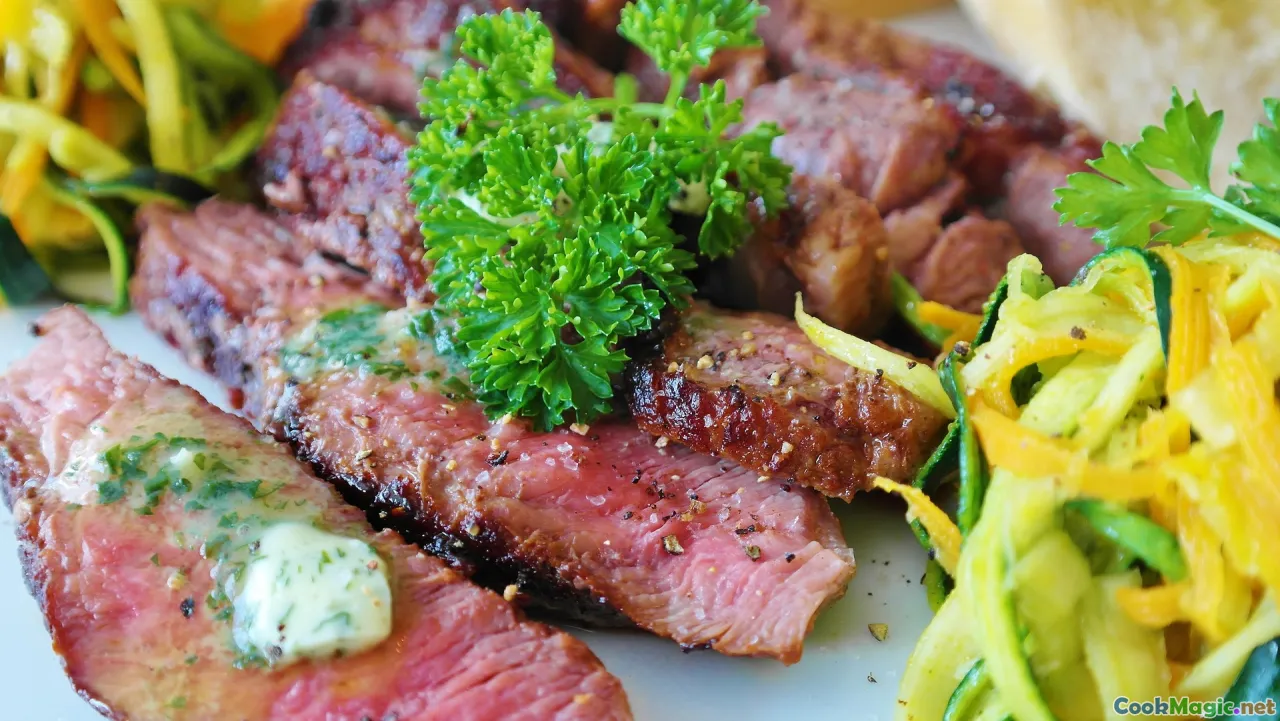
Once your meat reaches a rich golden-brown and releases aromatic fumes, it’s time to serve a masterpiece. Traditionally, Souvla is sliced into thick, juicy chunks directly from the skewer, resting briefly before presentation.
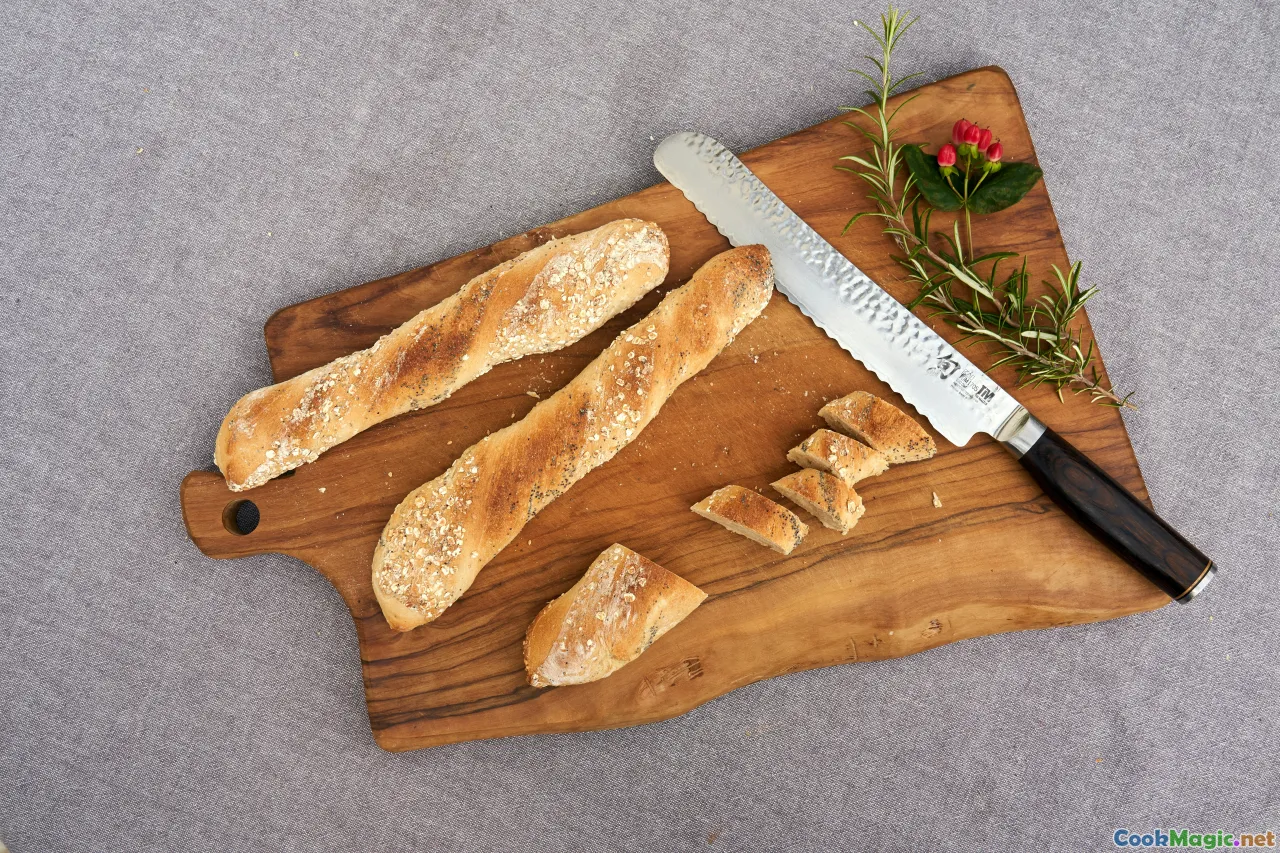
In Cyprus, it’s common to serve Souvla with horiatiki(village salad),fresh flatbread (pitta), and tzatzikioryiotyri (Cypriot feta) cheese.
Pro tip: For authentic flavor, sprinkle chopped fresh herbs—oregano, mint, and parsley—over the sliced meat to evoke that genuine Cypriot essence.
The Final Touch
The magic of Souvla is in its simplicity and depth. A drizzle of extra virgin olive oil and a squeeze of lemon elevate the meat, balancing smoky richness with zingy freshness. Around a communal table, sharing warm bread and simple salads enhances the primal, convivial spirit.
Comparing Souvla with Other Greek and Mediterranean Grilled Dishes
While Greece boasts Souvlaki and other regional grilled meats, Cypriot Souvla stands apart through its specific cuts, marinade traditions, and especially its charcoal technique. Greek Souvlaki, often served as small skewered bites, tend to be smaller and faster to cook, sometimes grilled over gas or electric grills.
By contrast, Cypriot Souvla’s large-meat chunks, slow roasting over open flames, offer a more robust, smoky flavor profile. The emphasis on ash-wood charcoal and the ritualistic turning process makes the Cyprus method unique.
Similarly, Middle Eastern grill traditions like kebabs incorporate marination and spice but often lack the same emphasis on slow-cooked whole pieces over embers.
The cultural identity shines through—Cypriot Souvla’s deep roots, communal gatherings, and methodical grilling process make it a cherished symbol of Cypriot hospitality.
Tips from the Field: Troubleshooting and Perfecting Your Technique

- Avoid Overloading the Skewers: Overcrowding leads to uneven cooking.
- Maintain Consistent Skewer Spacing: Ensures heat covers all sides evenly.
- Prep Your Coals Properly: Quality and preparation of the ember bed determine overall success.
- Use a Meat Thermometer: For larger cuts, aiming for internal 60-65°C ensures juiciness without overcooking.
- Rest the Meat: Let it rest for 5–10 minutes before slicing to retain juices.
A key insight from veteran chefs? Patience and attentiveness elevate good Souvla into a memorable experience.
Bringing the Spirit Home
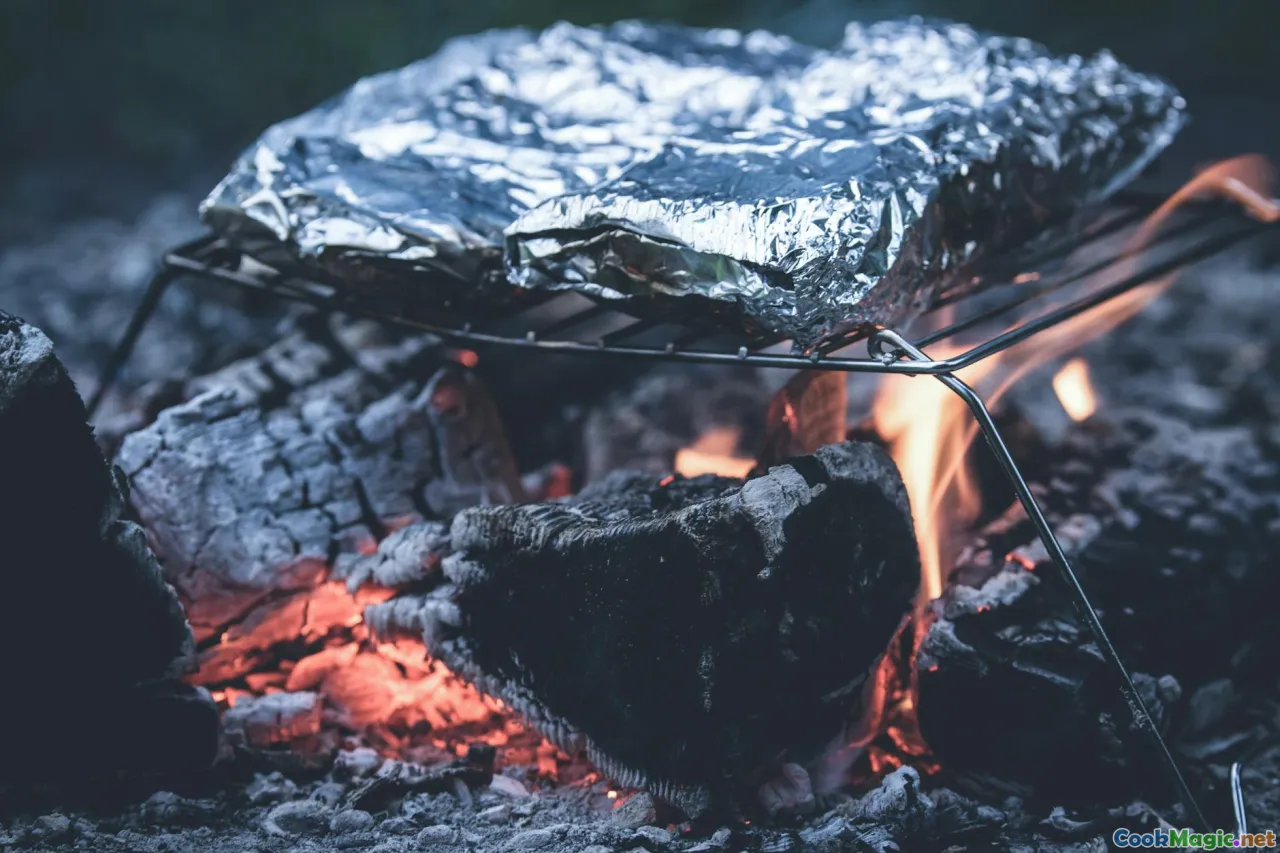
Creating authentic Cypriot Souvla at home is a labor of love. While constructing a traditional stone pit might be challenging, a well-maintained kettle or kettle-style barbecue with adjustable vents can mimic the conditions.
Invest in quality charcoal, select authentic cuts of meat, and dedicate time to marinating and slow grilling. Before you know it, your backyard transforms into a Cypriot taverna, with incense of smoky lamb and the hum of communal joy.
Capture the essence of Cyprus—warm, inviting, rooted in tradition—and share it with friends and family for moments that are richer than any recipe alone.
The flame, the aroma, the laughter—these are the ingredients that make Souvla a timeless culinary beacon in Cypriot culture. Dive deep into mastering this craft, and experience not just a meal, but a celebration of heritage and flavor.
Bakití kai spiti! (Enjoy at home!)