Coconut callaloo from scratch dasheen leaves and crab
38 min read Make authentic coconut-rich callaloo from fresh dasheen leaves and crab—an island classic simmered silky, savory, and aromatic with thyme and pepper, celebrating home-cooked Trinidad flavors. December 13, 2025 07:05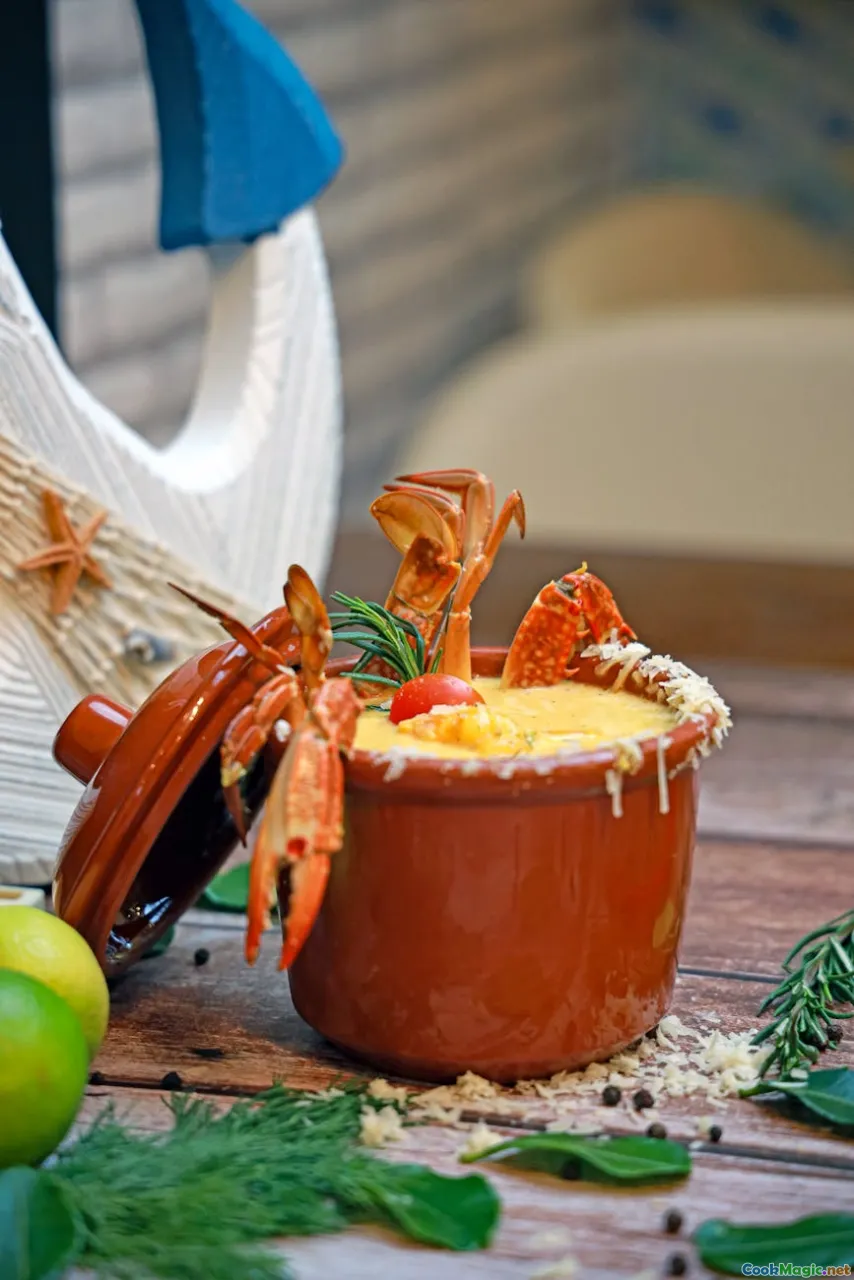
On Sunday mornings in Trinidad, the air itself seems to soften. The sun climbs early, an assertive heat pressing against louvered shutter slats, while kitchens come alive—pots clattering, radios murmuring calypso standards, cousins tumbling through doorways with a bag of ice. Every family has its ritual, but there is a sound you can hear almost anywhere, a gentle whisk-whisk from a wooden spindle twirled between palms: the swizzle stick whipping callaloo into silk. The first time I learned to make coconut callaloo with dasheen leaves and crab—from scratch, the old-fashioned way with grated coconut and a cutlass-scored crab—my Tanty stood over my shoulder and told me to listen. “Swizzle until the pot answers you,” she said, and I learned that a pot of callaloo will tell you when it’s ready, when the bubbles thicken to a lazy plop, when the green deepens to a dark gloss, when the scent of coconut and herbs hangs like a hush in the room.
The Heritage Lines in a Green Bowl

Callaloo carries the island’s layered history in every spoonful. The word itself roams the Caribbean with different faces: in Haiti and New Orleans, "kalalou" once meant okra; in Jamaica, “callaloo” is a cousin of amaranth. But in Trinidad and Tobago, it is something else entirely: a thick, green, coconut-laced stew made primarily with dasheen leaves (the heart-shaped greens of taro), commonly studded with okra, pumpkin, thyme, pimento peppers, and—on lucky days—fat blue crab.
Enslaved Africans brought the concept of a green stew to the islands, a practice of coaxing nutrition and flavor from foraged leaves and coastal shellfish. It met the produce of the Caribbean basin—taro, pumpkin, coconut—and simmered into a dish that feels at once humble and ceremonial. It’s a regular cast member of Sunday lunch, that near-sacred island meal that may feature stewed chicken, macaroni pie, fried plantains, rice, and a pot of callaloo, set on the table with a Scotch bonnet pepper bobbing intact like a tiny sun—its fragrance perfuming the pot without releasing its fury. It is also an island of convergence: African technique, Indigenous taro, Indian herbs and the swizzle stick—called a dhal ghutni in Indo-Trinidadian kitchens—working together to make something entirely local.
Dasheen Leaves: Selecting, Trimming, and the Secret of the Silky Finish

If you grew up calling it “bush,” you know that dasheen leaves are the heart of Trinidadian callaloo. They are not spinach and not Jamaican callaloo; they are taro greens, with broad, glossy hearts and sturdy stems. The freshest ones snap with a quiet crack when you fold the stems. Look for leaves that are deep green with no yellowing at the edges, ideally smaller and younger—tender leaves melt more willingly into velvet.
A good market day in Tunapuna or Chaguanas starts early. Vendors fan their bunches of dasheen leaves with spritzed water, and the stacks glisten. Choose two generous bundles for a family pot. Back home, put on thin gloves if your skin is sensitive—taro can carry needle-like calcium oxalate crystals that irritate some hands and throats when raw. Here’s the preparation rhythm my family swears by:
- Detach the thick central vein: Fold the leaf along its midrib, slide a small knife down, and tug the vein out cleanly.
- Trim stems: Most stems are too fibrous for callaloo; discard the woody bases and keep a few tender inches at the leaf end if young.
- Wash thoroughly: Submerge and swish. Grit hides in the creases; wash three times until the water runs clean.
- Slice into ribbons: Stack leaves and roll them cigar-style, then slice thinly. You want confetti, not confetti dust—thin ribbons make a soft, leafy body.
Silk comes from time, liquid fat, and enough acidity to tame the oxalate edge. Coconut milk is a gentle alchemist, smoothing and coating; a squeeze of lime at the end gives brightness and helps keep scratchiness at bay. Long simmering is the final magic—45 to 60 minutes before swizzling means the leaf’s sturdy fibers surrender completely.
The Taste of the Coast: Choosing and Cleaning Crab

Crab in callaloo is a coastal luxury, the kind of extravagance that transforms a Sunday from ordinary to memorable. In Carenage or near Sea Lots, you’ll find baskets of blue crab still wet from the tide—shells lacquered in midnight blues and bottle greens. Buy them alive if you can; they should be vigorous, claws clicking along the crate.
Cleaning is an act of care, the difference between a muddy, briny pot and something sweet and clean:
- Rinse vigorously in cool water. Use a brush to scrub shells.
- Remove the “apron” and lift the carapace; pull out and discard the gray gills (the infamous “dead man’s fingers”).
- Scoop away any viscera; keep the yellow fat if you like a deeper ocean note. Rinse again.
- Crack claws lightly with the back of a heavy knife so the flavor can escape into the pot.
- Rub with lime and rinse one last time.
A quick marinade makes the crab sing in harmony with the greens. Blend a “green seasoning”: culantro (chadon beni), scallion, thyme, garlic, a couple of mild pimento peppers, a sprig of Spanish thyme if you have it, and a pinch of salt. Toss the crab with a spoonful of this paste and let it rest while you build the pot. That perfumed oil will bloom as soon as the heat hits, and when the coconut milk arrives, everything will taste like it belongs together.
Coconut Milk from Scratch, the Trinidadian Way

Canned coconut milk will work, yes—but fresh coconut milk carries a sweetness so round and floral it’s almost persuasive. When you pour it into your pot, the entire kitchen tilts toward the tropics.
- Select one mature brown coconut. Shake: you should hear water sloshing inside.
- Tap along the equator with the back of a heavy knife until the shell cracks. Save the coconut water to drink or for a lighter second-press milk.
- Pry out the kernel, peel away the brown skin if you want a whiter milk. Grate the flesh on the fine side of a box grater or use a rotary coconut mill.
- For the first press (thick milk), combine grated coconut with just enough hot water to moisten. Squeeze hard in a muslin cloth or fine sieve. This milk is rich and creamy.
- For the second press (thin milk), add more warm water to the remaining pulp and squeeze again. This is excellent for the early simmer; add the first-press milk later to finish.
What you’re after in callaloo is a creamy body without greasiness. Start with thin milk to soften leaves and vegetables, and finish with the thick milk in the last 10 to 15 minutes. The aroma deepens from grassy to buttery, and the pot takes on an elegant sheen.
Ingredient List and Market Notes (How-To)

For one generous family pot (6–8 servings):
- 2 large bundles dasheen leaves, trimmed, washed, sliced (about 10 packed cups)
- 8–10 okra (small, tender), tips trimmed, cut into 1/2-inch rounds
- 1 to 1 1/2 cups diced calabaza pumpkin (or West Indian pumpkin), peeled
- 1 medium onion, diced
- 2 scallions, chopped
- 4 cloves garlic, smashed
- 3–4 pimento peppers, chopped (mild, sweet-floral)
- 1 hot pepper (Scotch bonnet or habanero), left whole or slit once
- 3 sprigs fresh thyme
- 2–3 culantro (chadon beni) leaves, chopped
- 2 tablespoons coconut oil (or vegetable oil)
- 1 1/2 pounds blue crab, cleaned and lightly cracked, tossed in green seasoning
- 1 teaspoon salt to start, more to taste
- Black pepper to taste
- 2 cups thin coconut milk (second press)
- 1 cup thick coconut milk (first press), added near the end
- 1–2 cups water or light stock as needed
- Optional but traditional: a few pieces of smoked pigtail, thoroughly soaked and boiled to remove excess salt, for a whisper of smoke
Market notes:
- Okra that bows without breaking is too mature; choose ones that snap cleanly, no thicker than your thumb.
- Culantro, not cilantro, is the authentic “chadon beni”—its ridged leaves deliver a deeper, bass-note herbiness.
- Pimento peppers look like small, green baby bells; in Trinidad they are almost as common as onions. If you can’t find them, combine a sweet bell pepper with one seeded jalapeño for aroma without heat.
- West Indian pumpkin’s flesh is dense and sweet; kabocha is a good substitute if you’re abroad.
Building the Pot: Step-by-Step Method

-
Warm the pot: Set a wide, heavy pot over medium heat. Add coconut oil. When it shimmers, drop in onion and scallion. Stir until translucent and just caramel-kissed at the edges—about 5–7 minutes. The kitchen smells buttery and green.
-
Bloom the aromatics: Add garlic, pimento peppers, and thyme. Stir 1 minute. The fragrance becomes rounder, sweeter.
-
Layer the vegetables: Add pumpkin and okra; toss to coat with the aromatics. Let them catch a little color—this develops bass notes under all that green.
-
Seat the crab: Nestle crab pieces into the vegetables. If using smoked pigtail, tuck it in now. Let everything heat together for 2–3 minutes; the crab’s sea perfume rises.
-
Bury with greens: Lay the mountain of dasheen leaves over the pot. Sprinkle with salt and black pepper. The leaves will seem excessive, like a carnival costume before the parade—but they collapse into a silken chorus.
-
Pour in thin coconut milk: Add 2 cups thin coconut milk and enough water or stock to barely peep up through the greens. Tuck the whole Scotch bonnet on top so it floats. Cover, bring to a gentle simmer.
-
Simmer to surrender: Lower heat to medium-low. Simmer 45 minutes, stirring occasionally, until the dasheen leaves darken and lose any fibrous bite. The okra’s mucilage thickens the pot; the pumpkin softens and sheds its sweetness.
-
Finish with thick coconut milk: Stir in the cup of thick coconut milk. Simmer another 10 to 15 minutes. Taste for salt. You want a mellow, savory creaminess with a whisper of sea.
-
Swizzle: Fish out the thyme stems and the hot pepper so you don’t burst it by accident. Use an immersion blender for a few quick pulses or, better, a swizzle stick/dhal ghutni. Twirl between your palms until the leaves break down into a coarse velvet, but keep a few bites of pumpkin and okra whole. Some families prefer it ultra-smooth; I like a textured finish that tells you what went inside.
-
Rest and serve: Let the callaloo sit off heat for 5–10 minutes. It thickens slightly as it cools, and the flavors knit together.
What you should taste: a tide-sweetness from the crab, a creamy lushness from coconut, a leafy depth that isn’t grassy but almost nutty, and an herbal sparkle from chadon beni and thyme. The color is not neon but a noble, black-green gloss that catches the light.
The Soundscape and Smell of a Good Pot

By the time a callaloo is nearly done, it speaks. The simmering changes from a light, excitable bubbling to a slower breath—a punctuation of thick plops that spray tiny flecks of green on the rim of the pot. The scent that rises is voluptuous: coconut leaning toward caramel, crab like an inhale of sea breeze instead of a fishy slap, thyme’s pine and chadon beni’s cola-like green spice. When you swizzle, the sound turns percussive; your hands make a soft roll, a private steelpan rhythm in the kitchen while the window fogs and the neighbor’s radio drifts in and out.
The hot pepper floats like a warning buoy. I like to slit it once before dropping it in—the pepper’s floral oils diffuse more readily, but the capsaicin mostly stays caged. If you want heat, burst it and stir fast. If not, lift it out gently, lay it on the side plate, and serve a spoonful of pepper sauce at the table for those who like to live brighter.
Sunday Table Pairings and How to Plate It

Callaloo is not a soloist; it’s an ensemble player that makes everything else taste more itself. The classic Sunday set:
- A scoop of white rice to catch the green tide.
- Stewed chicken with burned sugar browning—molasses-dark gravy against the green.
- A square of macaroni pie, edges browned and crisp.
- Slices of ripe plantain fried until caramelized and sticky-sweet.
- Cucumber chow with chadon beni and a squeeze of lime for crunch.
Ladle the callaloo so it laps at the rice. Let a crab claw hang over the rim, a visual promise. The sauce should be thick enough to coat the back of a spoon but not sludge; it glides, it doesn’t plop. The crab brightens everything; that close-to-shore sweetness threads through the coconut and lifts the dish from vegetable to celebration.
Variations Across Islands and Households (Comparison)

“Callaloo” is a map with multiple legends. Here’s how Trinidad’s crab-and-dasheen version situates itself:
- Trinidad & Tobago: Dasheen leaves, coconut milk, okra, pumpkin, thyme, chadon beni, often with crab or smoked meats. Swizzled to a coarse puree. Served as a side with Sunday lunch.
- Grenada: A kin stew sometimes called oil down uses breadfruit and coconut milk with callaloo leaves; also, Grenadian callaloo soup leans greener and brothier.
- Jamaica: “Callaloo” usually means amaranth greens, sautéed with onion, tomato, Scotch bonnet; no coconut, no swizzling.
- Haiti and Louisiana: “Kalalou” historically points to okra-based stews and gumbos; thicker with roux or okra mucilage, deep brown rather than green.
Within Trinidad, the hands that make callaloo change the song:
- Coastal families insist on crab; inland cooks might use smoked pigtail for savory depth.
- Some skip pumpkin for a grassier, lighter stew; others add dasheen root dice for a more robust bowl.
- Vegetarian homes lean into coconut and okra, sometimes adding roasted breadfruit cubes.
- In Tobago, while curry crab and dumpling is the emblem, Tobagonian callaloo often arrives with a stronger coconut finish and may wear a brighter lime accent.
Texture, Science, and the Swizzle: Why This Works (Analysis)

Two pillars hold up a Trinidad callaloo’s texture: okra’s mucilage and coconut fat. Okra’s sticky reputation is a gift here; cooked in an acidic, herb-fragrant stew, it doesn’t get slimy but creates a subtle, silky drag that gives body. Meanwhile, coconut milk’s fat coats the pulverized leaf fibers, transforming what could be stringy into supple.
Dasheen leaves resist at first because of their structure and oxalate content. Long wet heat breaks those down; fat buffers the palate; acidity (from pepper sow, tomatoes in some recipes, or a final squeeze of lime) brightens and neutralizes irritants. Swizzling rather than blitzing with a high-speed blender preserves micro-bits of leaf and okra seeds, which catch on the tongue in a way that feels rustic and satisfying. If the pot is too thin even after swizzling, allow it to burble uncovered for a few minutes. If it’s too thick, a splash of hot water or second-press coconut milk brings it back.
A Morning at the Market: Storytelling from Tunapuna to Sea Lots

I learned callaloo on a Saturday that smelled like all the Saturdays of my childhood—diesel fumes and ripe mangoes, fish scales and damp jute sacks. In Tunapuna Market, Auntie Leela thumped the pumpkin with a fist. “Hear that? Not hollow. Good flesh.” A man with hands like driftwood filleted kingfish on a scarred table while I negotiated for dasheen leaves. We carried our green mountain to the car, leaves peeking from the bag, and drove west toward Port of Spain where the sea turns gray-blue and len’ fishermen dragged cages from skiffs.
At Sea Lots, the crabs were tangling themselves in knots, testing the twine. A boy held one up by its back, claws swinging like bronze pendants. “Fresh fresh, miss,” he grinned. We took six, squirming and exquisite. Back home, my Tanty tied on her apron, the one stained with turmeric and coconut milk, and put the radio on low. The first coconut struck the knife, a hollow tok-tok-tok, and split. By the time we set the pot to simmer, the house air had changed—greener, fatter. She told me how her mother cooked callaloo with the little blue crabs that scuttle between mangrove roots, how once a crab pinched her thumb and she cursed so loudly the preacher across the street stopped his sermon.
We tasted, adjusted salt, swizzled. We left the pot to rest while the cousins limed on the gallery. When I lifted the lid, a coil of steam unrolled and filled my face with the ocean. I still measure my pots against that one: the way the crab sweetened the greens without overwhelming them, the way the coconut milk tasted like sunlight at the edges of a wave.
Troubleshooting and Tips from Island Kitchens

- Itchy throat? You didn’t cook long enough, or your leaves were too mature. Simmer 15–20 minutes more. Add a squeeze of lime and a splash more coconut milk.
- Too slimy? Likely over-swirled raw okra or simmered with too little acid. Next time, sauté okra with aromatics before adding liquid, and keep your pepper whole to perfume.
- Lacking depth? Add a small piece of smoked pigtail or a nib of smoked turkey wing next time. Alternatively, a teaspoon of roasted cumin seeds, lightly crushed, brings a toasty bass note—untraditional but effective.
- No culantro? Use twice the amount of cilantro plus a few mint leaves. It’s not the same, but it brings a bright, green lift.
- No crab? Try mussels or a small handful of peeled shrimp added in the last 10 minutes so they don’t toughen. Or lean vegetarian: bulk it up with roasted breadfruit cubes or a handful of red lentils for body.
- Storage: Callaloo keeps 3 days in the fridge, thickening as it sits. Warm gently with a splash of water. It also freezes well, but add fresh coconut milk and herbs after thawing to revive the top notes.
- Tools: A wooden swizzle stick makes the texture; an immersion blender approximates but can overshoot into baby-food territory. Swizzle until it looks like polished river stones.
Blue Food Roots: Tobago’s Festival and the Dasheen Family

In Tobago, dasheen—“blue food”—gets its own festival, when cooks transform the root into ice cream, dumplings, and desserts, celebrating the humble tuber’s starch and staying power. The leaves, too, are honored. There’s a pride in turning what grows easily into something extraordinary. The Blue Food Festival in Bloody Bay and L’Anse Fourmi draws home cooks and chefs who push dasheen into every corner of the menu. You’ll find callaloo there with a fine coconut gloss and a pepper that looks you straight in the eye. If you ever thought of callaloo as a simple side dish, one lap through those stalls will recalibrate you.
Dasheen isn’t just delicious; it’s resilient. It loves wet soil, brackish places where other crops sulk. That resilience becomes a quiet metaphor at the table: the dish that arrived through resourcefulness and constraint now anchors a feast.
Healthful Comfort: What a Bowl Gives You

While we cook with memory and desire first, it’s comforting to know callaloo earns its keep nutritionally. Dasheen leaves bring iron and fiber; okra offers soluble fiber and folate; coconut milk contributes satiating fats; crab adds lean protein, zinc, and sweet iodine notes. The stew is gluten-free by nature, friendly to a wide range of diets, and easily made pescatarian or vegan. Two ladles over rice warm the belly without sending you to sleep, and the pepper’s gentle perfume clears the head. On rainy afternoons—the sort that slick the hibiscus leaves and hush the street—a bowl of callaloo tastes like the promise that the sun will come back.
Where to Taste It in Trinidad: Real-World Examples

If you’re traveling through Trinidad and want to taste a spectrum of callaloo styles, set a Sunday aside and go where families go:
- The Avenue in Woodbrook: Some roti shops do a Sunday spread with sides; ask if callaloo is on.
- Marabella and San Fernando markets: Breakfast stalls sometimes sell containers of callaloo by mid-morning; it’s home-style, served with rice and a hunk of stewed meat.
- Chaguanas food courts: Look for Sunday lunch counters; you’ll see callaloo in long hotel pans, a deep green against the aluminum.
- Roadside caterers near Couva or Arima: Hand-lettered signs, coolers full of drinks, and the unmistakable scent of coconut and thyme—these are the pots that taste like someone’s auntie made them.
And of course, the best pot is still the one you cook yourself, because it will be saturated with your own house’s air—your radio, your laughter, the thyme from your yard.
A Cook’s Timeline and Strategy (How-To + Tips)

- The day before: Buy crab, keep it cool and alive if possible. Make your green seasoning in advance. If using smoked pigtail, soak it overnight and boil it early the next day to soften and desalinate.
- The morning of: Trim and wash the dasheen leaves and store them in a colander to drain. Grate your coconut; extract second-press milk first and chill thick milk for finishing.
- One hour before lunch: Start the pot. Layer aromatics, vegetables, crab, and greens. Add second-press milk and simmer gently. Set the table, fry plantains, finish your stewed chicken.
- Fifteen minutes before serving: Add thick coconut milk, adjust seasoning, remove pepper, swizzle to your preferred texture, and let the pot rest.
Little efficiencies: Dice pumpkin ahead and keep it in water so it doesn’t dry. Trim okra last to minimize stickiness; rinse with a drop of lime juice. Iron your swizzle stick with a quick wash and sun-dry—nothing whips better than wood cured by the sun.
Vegetarian, Vegan, and Diaspora Adaptations (Comparison + Tips)

- Vegan: Skip crab and smoked meats. Add a tablespoon of toasted coconut flakes for a nutty echo and a handful of roasted cashews at the end for texture. A splash of coconut aminos boosts savor.
- Pescatarian: Swap crab for mussels or chunks of firm white fish added late. Salted cod, soaked and flaked, gives a deep savor and keeps the sea spirit.
- Diaspora substitutions: If you cannot find dasheen leaves, try a blend of collard greens (stems removed) and a little spinach to soften the texture. Baby kale also works, though the flavor will be less nutty. Cook longer to break down collards.
- Coconut milk subs: If fresh coconut is scarce, use a good canned brand. Thin it by mixing one part thick coconut milk with two parts water for the initial simmer, then reserve a half cup of undiluted milk for finishing.
- Pepper choices: Without pimento, use sweet mini bell peppers and a touch of fresh paprika. For the floral aroma of Scotch bonnet without the fire, remove seeds and inner ribs or float it whole.
Leftovers, Reinvented: Day-After Magic

- Callaloo on toast: Warm leftover callaloo until loose, top thick slices of field bread, and crown with a poached egg. The yolk turns the green into a sauce.
- Callaloo soup: Thin with stock, blitz smoother, and serve with fried cassava chips. A drizzle of coconut cream and a few drops of pepper sauce lift it.
- Pasta toss: Fold callaloo through hot penne with flakes of salt cod and lemon zest. Not traditional, but dinner in 10 minutes.
- Bake-and-callaloo: Split a coconut bake, spoon in hot callaloo, add a crisp fry bakeshell crunch, and thank yourself.
The Emotional Geometry of a Pot

People often ask what makes a dish taste like home. I think it’s the geometry of how we come together around it. Callaloo arranges a Sunday in concentric circles: the swizzle stick in the middle, the hands that turn it, then the faces craning over the pot for a taste, the plates set in a ring around the table, voices layering, elders telling stories about tighter times when callaloo stretched a meal for many mouths. My uncle jokes that callaloo is “a sauce in which you can hide your poverty,” but when the ladle glides and the steam opens the sinuses, what you taste is abundance.
There’s always a moment, just before serving, when I lift the lid and see that dark, glistening green, with a crab claw peeking like a sculpture. My Tanty’s voice returns: “Swizzle until the pot answers you.” It’s my cue to stop fussing. The pot is ready; the house is ready. Someone will put Soca on. The children will crowd around for a claw. The pepper will sit like a jewel in its side dish, awaiting the bold. And as the first spoonful passes my lips, I feel the smooth and the sweet, the green and the sea, and the whole island, for a moment, fits in my mouth.
So I make it the old way whenever I can: with coconut scraped from a stubborn shell, with crab that still smells faintly of mangrove, with leaves rinsed and sliced and coaxed into silk. Not because it’s harder but because all that time and texture show up in the bowl. The pot answers, and what it says is simple: come to the table; there’s enough for everyone.