Can Vegans Get Enough Omega 3 Fatty Acids?
40 min read Explore vegan omega-3 strategies: ALA sources, EPA/DHA from algae, absorption tips, and culturally inspired recipe ideas for balanced plant-based wellness. November 21, 2025 07:04
The first time someone challenged me on omega-3s at a vegan pop-up, I was whisking a walnut-miso dressing that smelled like roasted coffee and damp forest. I had rubbed the walnuts between my palms until their skins broke into papery flecks, releasing that tannic perfume. A diner leaned over the counter and said, half teasing, half worried: 'But without fish, can vegans get enough omega-3?' I slid a salad across the pass—shaved Brussels sprouts, shiso, and a glossy ribbon of perilla oil—and answered with a mouthful: crisp, green, slightly minty, and deeply, satisfyingly nutty. The question is practical. The answer, to my palate, is delicious.
What omega-3 really means in a vegan kitchen

In culinary terms, omega-3s are fragile flavors hiding inside hearty ingredients. When we talk about omega-3 in a plant-based kitchen, we are mostly talking about ALA—alpha-linolenic acid. It is the soft, easily bruised fat that gives flaxseed its buttery whisper, walnut its winey depth, and hemp seed its meadowy fragrance. In the body, ALA can be converted to the marine-leaning forms EPA and DHA. That conversion is small, like turning a thimble of cold brew into a cappuccino; it happens, but you cannot rely on magic alone. Still, in the kitchen, ALA is the ingredient we can actually cook with.
A practical cook’s note on numbers (because cooks measure): the general adequate intake guidelines suggest roughly 1.1 grams of ALA per day for most adult women and 1.6 grams for most adult men. That sounds abstract until you translate it into pantry scoops.
A cook’s quick cheatsheet for ALA, approximately:
- 1 tablespoon ground flaxseed: about 1.6–2 grams ALA; tastes toasty and slightly malty if freshly ground
- 1 tablespoon chia seeds: about 2–2.4 grams ALA; tastes mostly neutral with a poppy crunch that softens when soaked
- 30 grams (about a small handful) walnuts: roughly 2.5 grams ALA; flavor skews sweet-tannin, like black tea and caramel
- 3 tablespoons hulled hemp seeds: roughly 2–2.6 grams ALA; flavor is green, buttery, a little hay-like
- 1 tablespoon canola oil: about 1.2 grams ALA; neutral, reliable for moderate-heat cooking
- 1 tablespoon flax oil: around 7 grams ALA; never cook it, finish with it
- 1 tablespoon perilla (wild sesame) oil: often 8–9 grams ALA; minty, sesame-adjacent, best as a finishing oil
- 1 tablespoon camelina oil: often 4–5 grams ALA; grassy, peppery, handles medium heat better than flax
- 1 tablespoon sacha inchi oil: around 8–10 grams ALA; clean, nutty; another finish-only oil
EPA and DHA, the forms found in fish, come straight from algae—fish just borrow them. In the modern vegan kitchen, algae-derived oils are the culinary bridge for those who want direct EPA and DHA without animal intermediaries. They taste faintly marine, like standing on a pier at low tide, and a teaspoon drizzled into a warm soup can transport a bowl from landlocked to ocean-kissed.
In short: yes, you can meet daily omega-3 needs through plants, especially if you give the ALA-rich ingredients a seat at your table every day. If you want the marine forms regularly too, algae oil is the clean, vegan ladder.
The flavor map of plant omega-3s

Think of omega-3 ingredients as a palette of textures and aromas rather than a nutritional chore. When I design menus, I follow flavor first, then count grams after the plates come back empty.
- Flaxseed: Whole, it smells like cool pantry shelves and cereal boxes; freshly ground, it turns to a butter-scented powder that clings to fingers. It loves maple, cinnamon, roasted pears, and oat milk. In a dough, it gives a custardy wobble; in a smoothie, it rounds the edges like cream.
- Chia: Tiny, black-eyed and mildly nutty. Dry in the palm, they whisper like rain. Soaked, they become a soft gel that tastes of whatever you add: lime, pineapple, espresso. Their slippery seed coats make sauces clingy without flour or cream.
- Walnuts: Thin skins contribute a tannic bite that I adore in bitter salads—endive, radicchio—tempered with sweet fruit. Toast lightly to release a walnut-shell aroma, but keep it gentle to protect the fats.
- Hemp seeds: Creamy as cashews but with an herbal, meadow note, especially in dressings blitzed with parsley, dill, or tarragon. They make a pesto that tastes like spring rain on stone.
- Perilla oil: Fragrant as crushed shiso leaves; a half-teaspoon can perfume a whole bowl. Think mint, anise, sesame, and green tea meeting in a small, vivid party.
- Camelina oil: Peppery, grassy, like a flirtation between canola and extra virgin olive oil. Delightful on roasted carrots or as a vinaigrette base with mustard.
- Sacha inchi: Peanut-butter clean with a distant echo of cocoa nibs. It makes chocolate desserts mysteriously more chocolaty.
The right pairings make these fats sing:
- Walnuts with pomegranate molasses and chopped cilantro on grilled eggplant
- Chia with lime, pineapple, and a whisper of basil in a tall glass with clinking ice
- Hemp seeds with lemon zest, garlic, and parsley over steamed broccoli rabe
- Perilla oil over sizzling king oyster mushrooms, finishing with toasted sesame and scallions
- Flax oil folded into warm barley with roasted beets, orange zest, and dill
A winter bowl in Tbilisi that changed my pantry

In Tbilisi, a friend ushered me through the Dezerter Bazaar, ducking under strings of churchkhela—walnut cords sheathed in grape must that smelled like raisins and autumn wine. We tasted walnuts from different stalls, each a different shade of sweetness and tannin. That night, I learned to make satsivi from an aunt who measured with her hands.
The walnuts were ground twice: once through a simple hand-crank, once under a granite pestle, until the paste shone with its own oil. Garlic, blue fenugreek, coriander seed, and dried marigold petals turned the paste golden. She warmed vegetable broth and thinned the walnut mixture, never letting it boil. The kitchen filled with a scent that reminded me of buttered toast and bay leaves. We spooned the sauce over chilled roasted cauliflower, showered it with pomegranate arils, and let it rest.
Satsivi is a lesson in omega-3s without any label reading. A generous scoop of that walnut sauce carries a day’s worth of ALA; the dish is served at feasts and on quiet nights alike. It is culinary evidence that food traditions often solve nutrition conundrums elegantly. I came home with stained fingertips, a jar of marigold petals, and a promise to keep walnuts near the stove.
Traditions that quietly carry omega-3

- Mexico’s agua de chia: In Mexico City’s Mercado Medellín, I stood by a juice stall where the vendor stirred spoonfuls of chia into limeade until it shimmered. The seeds swelled into tiny pearls. The drink tasted like cool shade. A large glass delivers a quiet two grams of ALA.
- Korea’s perilla oil: Visit a Korean market like H Mart and browse the oils. Perilla oil is often stored in small, opaque bottles; open one and you get a bloom of mint and sesame. Drizzle it over bibimbap, grilled eryngii mushrooms, or a platter of cold tofu with soy and scallion. Perilla is one of the most ALA-rich culinary oils on earth.
- Japan’s shiso leaves: Fragrant and frilled, shiso is perilla’s cousin. Toss thin ribbons into salads with cucumber, daikon, and citrus segments. Pair with walnuts for a cross-cultural pesto that tastes electric.
- Persian herb plates: In Tehran, I was taught to set the table with sabzi khordan—a tangle of fresh herbs, radishes, and walnuts. You tuck the herbs and walnuts into flatbread, crumble in a little vegan feta if you like, and it’s lunch. It is green, peppery, and classically balanced.
- Greece and Turkey’s purslane salads: Purslane, as juicy as seawater-kissed grass, pops up as a summer green in Aegean kitchens. It contains ALA naturally. A salad of purslane, tomatoes, scallions, and walnuts with lemon tastes like a garden under a beach umbrella.
- Peru’s sacha inchi: From the Amazon, sacha inchi nuts and oil are a quiet staple in some regions, with their neat star-shaped pods. The oil’s high ALA content folds beautifully into sauces and desserts.
- Ireland’s dulse and sea lettuce: Tear red dulse into potato cakes and your kitchen smells like a gentle ocean breeze. While sea vegetables don’t deliver much ALA, their maritime flavor can harmonize with algae oil, creating a satisfying sense of seafood without fish.
These traditions reveal a truth: the question 'Can vegans get enough omega-3?' has been answered in markets and kitchens for generations, long before we started counting grams.
How to actually hit your daily ALA through cooking

Here is a cook’s way to meet the numbers using flavor as the guide. Choose one path per day, mix and match, then stop thinking about it—let the habit carry you.
Option A: Breakfast-first approach
- Morning: Oat porridge steamed with cinnamon and cardamom, stirred off-heat with 1 tablespoon ground flaxseed. Top with roasted pears and a spoon of almond butter. (Approx. 1.6–2 g ALA)
- Midday: Romaine and radicchio salad with orange segments, shaved fennel, and a walnut–miso dressing made with 30 g walnuts. (Approx. 2.5 g ALA)
- Evening: Roasted carrots with cumin and camelina oil drizzle, plus lemony chickpeas. (Approx. 0.5–1 g ALA depending on drizzle)
Option B: Sip and sprinkle
- Morning: Agua de chia—lime, a spoon of sugar, a pinch of salt, and 1 tablespoon chia. (Approx. 2–2.4 g ALA)
- Lunch: Grain bowl of farro, steamed broccoli rabe, cherry tomatoes, and a hemp–parsley gremolata with 2 tablespoons hemp seeds. (Approx. 1.3–1.7 g ALA)
- Dinner: Warm barley-beet salad finished with a teaspoon flax oil per serving. (Approx. 2.3 g ALA)
Option C: Finish strong
- Morning: Smoothie with banana, spinach, oat milk, and 1 tablespoon ground flaxseed. (Approx. 1.6–2 g ALA)
- Dinner: Sizzling king oyster mushrooms over rice with gochujang glaze and a finishing drizzle of 1 teaspoon perilla oil. (Approx. 3 g ALA)
- Dessert: Dark chocolate bark studded with walnuts and pumpkin seeds. (ALA varies, but 15 g walnuts provide roughly 1.25 g)
Mixing these options across a week provides more than enough ALA for most adults while delivering textures and aromas worth craving.
Heat, light, and the fragility of these fats

Omega-3-rich fats are delicate; treat them like fresh herbs or berries. The rules are simple and culinary:
- Refrigerate flax, hemp, perilla, camelina, and sacha inchi oils. Keep them in dark, opaque bottles. If they smell like putty or paint, they are past their prime.
- Grind flaxseed fresh. Whole seeds can pass through undigested; grinding unlocks texture and nutrients. Use a spice grinder and store the meal in the fridge for up to a week.
- Avoid high heat. Use canola or camelina for gentle sautéing; save flax and perilla for finishing. Toast walnuts lightly and briefly; your nose will tell you when they bloom.
- Shield from light and air. Keep seeds in jars with tight lids. Buy smaller bottles of finishing oils and use them with abandon.
- Use water and acid to your advantage. Chia swells in liquid, creating stable textures without heat. Lemon juice and vinegar help protect flavors and perk up richness.
A final chef’s sense test: when in doubt, taste. Good flax oil tastes buttery and clean, never fishy. Perilla oil should bloom green and minty. Hemp should smell like fresh-cut hay, not dusty closet.
The omega-6 question and the art of balance

In modern pantries, omega-6 fats (linoleic acid) ride in on industrial seed oils and certain nuts and seeds. They are not villains; they are essential too. But a cook can create a more comfortable balance by choosing wisely.
- Swap high-oleic versions of sunflower or safflower oil for standard ones when you want a neutral frying oil. They are more stable and lower in omega-6 than classic versions.
- Lean on extra virgin olive oil for most savory cooking; it is rich in monounsaturated fats and resilient at stovetop temperatures.
- Fold ALA-rich ingredients into omega-6-rich recipes. Tahini sauce? Blend in walnuts and a bit of flax oil. Peanut noodles? Add hemp seeds and a splash of camelina to the dressing.
- Dress salads with walnut or camelina oil instead of solely using grapeseed or standard sunflower.
Balance in the mouth often creates balance on the plate. Bitterness (radicchio, arugula), acidity (citrus, vinegar), and aroma (herbs) all help lift heavy oils and make a dish feel poised.
Sea vegetables and algae: the ocean’s whisper for EPA and DHA

If ALA is the field, EPA and DHA are the tide pools. Algae oil is the vegan cook’s direct line to those marine forms. You can use it as you would a precious finishing oil: a teaspoon drizzled into a lemony white bean soup, or whisked into a seaweed vinaigrette. Avoid heating it hard; treat it the way you might treat truffle oil—fragrant and precious.
Sea vegetables deliver the ocean’s perfume and a briny minerality that makes algae oil feel at home. Nori toasted quickly over a flame becomes crisp and nutty; crumbled into a salad with cucumbers and sesame it makes a perfect side. Dulse, gently pan-warmed, smells like smoky bacon by the sea; stirred into mashed potatoes with chives and flax oil, it turns humble tubers into a coastal story.
Try this trick: sauté celery, onion, and diced potatoes in a little olive oil with bay leaf; simmer in vegetable stock. Off the heat, fold in coconut milk, a crumble of roasted oyster mushrooms, a spoon of dulse flakes, and, at the very end, a teaspoon per bowl of algae oil. The chowder tastes exactly like fog rolling in—soft, mineral, a touch sweet from the onions, and a quiet marine depth.
A cook’s toolkit: pantry and prep tips

Your kitchen can nudge you toward omega-3s just by how it is set up.
- Small spice grinder: Keep one just for flax and hemp. Label it. The whirr is quick, and the aroma tells you the fats are fresh.
- Dark glass bottles: Decant flax and perilla oils into smaller bottles so they do not sit open too long.
- Freezer jars: Store ground flax and chopped walnuts in small jars in the freezer if you cook infrequently, pulling one at a time to avoid staleness.
- Measuring spoons on a hook: Keep a 1-tablespoon measure clipped near the chia jar so it becomes muscle memory to scoop.
- Market map: Where to find things fast—H Mart or Korean markets for perilla oil; Middle Eastern shops for walnuts, pomegranate molasses; Latin markets for bulk chia; natural food stores for flax and hemp; Persian grocers for herb bundles and sabzi blends.
- Prep ritual: Sunday night, soak a jar of chia in citrus juice; toast a small tray of walnuts gently; grind a week’s worth of flax. These small moves are like setting stage lights before the curtain lifts.
Three recipes to fall in love with

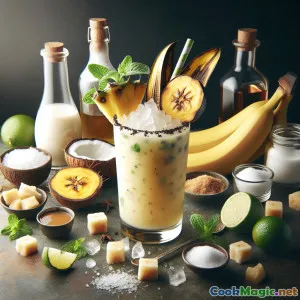
Recipe 1: Chia–citrus agua fresca with pineapple and basil
Serves 4
It tastes like sunshine over ice: tart from lime and orange, humming with basil, sweet pineapple perfume riding in on tiny chia pearls.
Ingredients:
- 3 tablespoons chia seeds
- 2 cups cold water
- 1 cup fresh orange juice
- 1/2 cup fresh lime juice
- 1 1/2 cups finely diced ripe pineapple
- 2 tablespoons sugar or agave, to taste
- Pinch of fine salt
- 6–8 basil leaves, torn
- Ice
Method:
- Stir chia seeds into the cold water and let sit 10–15 minutes, whisking once or twice to prevent clumping. The seeds will swell and the water will turn softly thick, like silk.
- In a pitcher, combine orange juice, lime juice, pineapple, sugar, and salt. Add the chia gel and torn basil. Stir well.
- Taste and adjust sweetness or acid. Pour over tall glasses of ice. The basil aroma blooms as the ice melts.
ALA estimate: about 6–7 grams per pitcher; roughly 1.5–1.8 grams per glass.
Recipe 2: Shaved Brussels and shiso salad with walnut–miso dressing
Serves 4 as a side
Crunchy, green, bittersweet, and perfumed with shiso and perilla. The dressing is creamy without dairy, like miso meeting toasted walnut butter.
Ingredients:
- 350 g Brussels sprouts, trimmed and very thinly sliced
- 6 large shiso leaves (or a mix of mint and basil), chiffonade
- 1 small crisp apple, matchsticked
- 40 g walnuts, lightly toasted
- 1 small clove garlic
- 2 teaspoons white miso
- 1 tablespoon rice vinegar
- 1 teaspoon maple syrup
- 2–3 tablespoons cold water, as needed
- 1 teaspoon perilla oil (plus more to finish)
- 1 teaspoon lemon zest
- Salt and pepper
- Pomegranate arils for garnish (optional)
Method:
- In a mortar and pestle (or small processor), pound walnuts and garlic with a pinch of salt until paste-like. Work in miso, rice vinegar, maple, and lemon zest. Drizzle in perilla oil; add water to achieve a creamy, spoonable dressing. It should smell sweet, nutty, and green.
- Toss Brussels sprouts, shiso, and apple with the dressing. Season with salt and pepper. Let sit 5 minutes; the sprouts soften slightly.
- Finish with a few extra drops of perilla oil and a sprinkle of pomegranate. The first bite is crunchy-sour and nut-soft, with an herbal cloud.
ALA estimate: roughly 3.5–4.5 grams for the whole bowl (walnuts plus perilla), about 1 gram per serving.
Recipe 3: Creamy romanesco soup with hemp–parsley gremolata and dulse oil
Serves 4
Silken and green as early spring. The dulse adds a gentle shoreline aroma; the hemp gremolata pops with citrus and garlic.
Ingredients:
- 1 tablespoon olive oil
- 1 medium leek, white and light green parts, sliced
- 2 cloves garlic, sliced
- 1 medium head romanesco or cauliflower, chopped
- 1 medium Yukon gold potato, peeled and diced
- 4 cups vegetable stock
- 1/2 cup oat milk or other creamy plant milk
- Salt and pepper
- 4 tablespoons hemp seeds
- Handful parsley, finely chopped
- 1 small garlic clove, very finely minced
- Zest of 1 lemon
- 1 teaspoon camelina or flax oil (for gremolata, optional)
- 1–2 teaspoons dulse flakes
- 2 teaspoons algae oil (finishing), optional
Method:
- Sweat leek and garlic in olive oil with a pinch of salt until glossy and sweet. Add romanesco and potato; stir until the vegetables smell nutty.
- Pour in stock; simmer until tender. Stir in oat milk. Blend until the texture slips off the spoon like satin. Season.
- In a small bowl, combine hemp seeds, parsley, minced garlic, lemon zest, and a few drops of camelina or flax oil. Salt lightly. The gremolata should smell bright and herbal.
- Ladle soup into bowls. Sprinkle with dulse flakes; drizzle each bowl with 1/2 teaspoon algae oil if using. Top with a spoon of hemp gremolata.
ALA estimate: about 2–3 grams from the hemp and finishing oil across 4 bowls; add algae oil for EPA/DHA aroma and richness.
Dining out: read a menu like a nutrition-savvy gourmand

When you are not cooking, you can still nudge your meals toward omega-3 richness.
- Scan for walnuts, chia, hemp, and flax in descriptions. Beet salads often hide walnuts; smoothie bars often offer chia or flax add-ins.
- Ask for finishing oils: a drizzle of walnut oil on a roasted veg plate, or camelina on a grain bowl. Restaurants often keep specialty oils tucked away.
- Order sea vegetable sides: seaweed salads, nori-dusted fries, or dulse-laced dishes pair beautifully with a little algae oil added afterward at home.
- Choose leafy salads with bitter greens and citrus; they make omega-3-rich oils taste lively rather than heavy.
- Bring a small travel vial of your favorite finishing oil. I carry perilla oil the way some carry hot sauce; one teaspoon changes a bowl.
For skeptics: can vegans get enough omega-3? A practical yes

I have cooked for athletes, artists, and accountants who all asked the same question. We built tiny rituals and let flavor do the work.
A weekly rhythm that works in real kitchens:
- Most days: 1 tablespoon ground flax in breakfast, or a glass of chia citrus in the afternoon. That alone meets or exceeds daily ALA for many people.
- Several times a week: a walnut feature—satsivi-style sauce, walnut-herb pesto, or a radicchio salad with orange and walnuts.
- Often: hemp seed finishing—on soups, pastas, and grain bowls.
- Finishing oils: perilla or camelina used the way you might use extra virgin olive oil for salads and drizzles.
- If you want direct EPA/DHA: 1–2 teaspoons algae oil on a few dishes per week, used as a finishing oil.
I remember one student—a baker from Queens—who swore she could not stand 'health food.' We built her a morning rye toast: crushed avocado, lemon, black pepper, a shower of hemp seeds, and a few drops of perilla oil. She took a bite, rolled her eyes at the ceiling in the universal language of pleasure, and texted me two months later to say it had become her ritual.
Frequently tripped wires (and how to avoid them)

- Rancidity sneak-up: If your seeds or oils smell like old paint or cardboard, they are done. Buy smaller, fresher quantities and store cold.
- Over-toasting nuts: A deep toast can drive off delicate aromas and degrade fats. Toast just until fragrant; the line between fragrant and flat is thin.
- Whole flax shortcut: Whole flax seeds can pass through without sharing their goodness. Grind them or use flax oil. Your spice grinder is your ally.
- Choking a dressing: Ground flax thickens quickly. Add it last to a dressing and thin with cold water or citrus in tiny splashes until it clings, not clumps.
- Planting perilla in a sauté: Do not fry perilla or flax oils; they lose their perfume. Finish with them instead and let the steam carry their aroma.
- Letting ratios run wild: If your cooking leans heavily on omega-6-rich oils (standard sunflower, corn, soybean), make conscious swaps: high-oleic versions, EVOO, camelina, walnut oil for dressings.
Flavor-forward ideas to keep on rotation

- Walnut–pomegranate glaze for roasted carrots: Reduce pomegranate juice with a touch of sugar and cinnamon; stir in a spoon of walnut butter. Brush on carrots. Finish with crushed walnuts.
- Hemp ricotta: Blitz hemp seeds with lemon juice, nutritional yeast, a spoon of miso, garlic, and warm water. Spread onto toast with roasted tomatoes.
- Flax–maple granola dust: Toss oats, pumpkin seeds, and cinnamon with a mixture of maple and melted coconut oil; bake gently. Right before it cools, stir in ground flax. It becomes a sandy, fragrant topping for stewed fruit.
- Chia tamarind chutney: Stir chia into a tamarind-date puree with cumin and chili. Spoon over samosas or roasted sweet potatoes.
- Perilla-scented rice: Fold a few drops of perilla oil and a pinch of salt into hot rice with chopped shiso and scallions.
Ingredient sourcing notes and cook’s field guide

- Look for cold-pressed oils in opaque bottles. The label should mention refrigeration after opening for delicate oils like flax and perilla.
- Taste-test brands: perilla oil varies from grassy to intensely minty. Buy two small bottles from different producers and choose your house favorite.
- Walnuts: If the skins taste aggressively bitter, blanch briefly and rub in a towel to remove some skins; this also tames tannins in sauces like satsivi.
- Chia: Black or white varieties behave the same in the kitchen; white is pretty in pale puddings; black is dramatic in citrus drinks.
- Hemp seeds: Hulled seeds are creamy; unhulled have a firmer bite. For gremolata and pestos, hulled seeds blend silkier.
- Camelina: Often sold regionally by small growers; ask at farmers’ markets. Its peppery note is a treat on roasted root vegetables.
- Sacha inchi: If the oil is new to you, start with desserts. A spoon in chocolate ganache is a sneaky path to becoming a fan.
A note on measuring without killing the magic

We cook with our senses, but a few tools help you steer toward enough omega-3 without turning dinner into a math worksheet.
- Keep a tablespoon measure near the chia and flax. One scoop, one habit.
- Learn your hand: a small cupped palm of walnuts is about 30 grams for most hands.
- Rely on repetition: repeat a breakfast that works for you. Ritual breeds adequacy.
- Count sometimes, not always: Spend a week noticing. Afterward, let the habit carry you.
Building menus that balance culture, memory, and nutrition

When I write a menu, I thread dishes like beads—one bright, one deep, one crisp, one soft. Omega-3s join the design as a texture: creaminess without dairy, richness without heaviness, finish without flare-ups of heat.
A winter Sunday menu:
- Starter: Citrus–fennel salad with walnuts and pink peppercorn, dressed with camelina oil and white wine vinegar.
- Main: Roasted cauliflower steaks glazed with pomegranate molasses and scattered with parsley and crushed walnuts; a side of farro folded with chopped dill and a spoon of flax oil just before serving.
- Side: King oyster mushrooms seared and finished with perilla oil and toasted sesame; cucumber ribbons with shiso and rice vinegar.
- Dessert: Dark chocolate bark with candied orange peel and roasted walnuts.
A summer Tuesday menu:
- Starter: Smashed cucumber and shiso salad with lime, ginger, and a drizzle of perilla oil.
- Main: Tomatoes and purslane with torn bread, basil, and walnut oil vinaigrette; grilled corn brushed with miso and camelina oil.
- Drink: Chia lime cooler with basil.
- Dessert: Berry bowl with hemp-seed cream.
Menus grounded in place and season tell their own nutritional stories. They echo markets: herbs bursting from bunches, bottles clinking in bags, walnuts hiding in paper sacks.
A cook’s answer, on a spoon

Back at that pop-up, I watched the first diner take a bite of the salad. Brussels sprouts splintered under his fork; the walnut–miso dressing laced each shard with soft, round richness; perilla sailed in on the aftertaste, a green breath that lingered.
He nodded, half to himself. 'So this is your answer to the fish question.'
It is. It is also my answer to the better question: how do we cook in a way that is good to eat, good to remember, and quietly good to our bodies? The omega-3 conversation becomes less of a debate when it is folded into real dishes—when it crackles in a walnut shard, shimmers in a chia glass, or drifts across a bowl as a minty perilla bloom.
Keep a grinder for flax by the coffee, a small bottle of perilla near the salt, a jar of walnuts where you can reach them without looking. Let habits do the arithmetic, let culture do the flavor, and let your kitchen smell like the places you love: a Georgian bazaar with walnut paste glistening in a bowl, a Korean table that gleams with perilla oil, a Mexican stand pouring chia-laced limeade over ice, a coastal breeze stirred into soup with a final algae swirl.
Yes, vegans can get enough omega-3s. But that is only the beginning. The better promise is this: you will get them in bowls that you crave, in sauces that make you close your eyes for a second, in breakfasts that feel like care. Let the answer live on your tongue. Let it be a drizzle, a crunch, a green breath you can taste.