Brazil nut milk for desserts and dairy free cooking
35 min read Discover how silky Brazil nut milk elevates desserts and dairy-free cooking, with tips, flavor pairings, Brazilian-inspired uses, and methods for soaking, blending, straining, and sweetening. January 12, 2026 07:05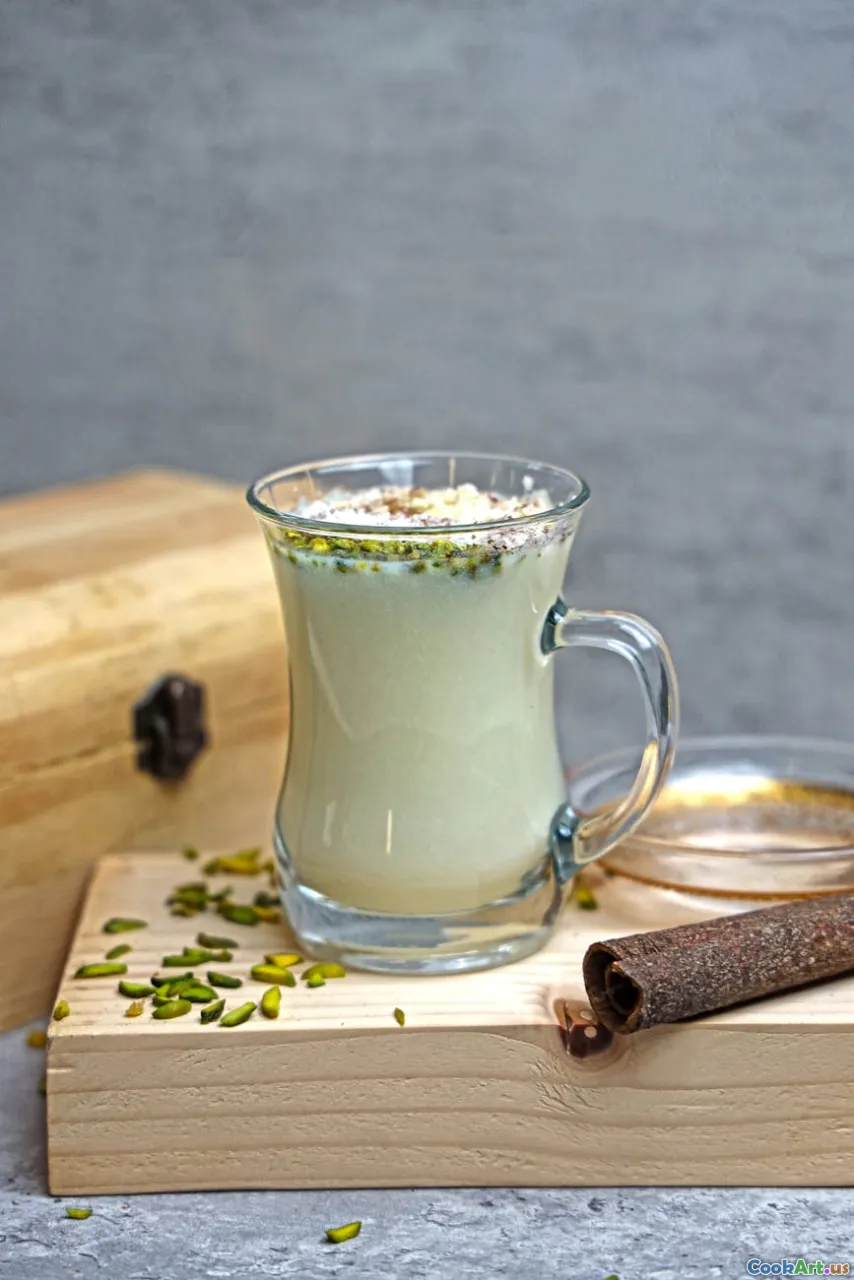
The first time I tasted Brazil nut milk in Belém, the air smelled like rain and river. I stood in the early light of Ver-o-Peso market, that sprawling, riverfront cathedral of stalls where herbs are tied with twine, açaí pulp is churned in tall buckets, and every conversation hums with the same tidal rhythm. A vendor in a white apron cracked open the woody pods of castanha-do-pará with two practiced blows and winked as he slid a handful of creamy kernels into a small metal blender with warm water and a fingertip of raw sugar. He pulsed, strained through a cloth that had long absorbed the perfume of nuts and fruit, then handed me a chipped glass full of ivory milk. It had the perfume of a shaded forest after a storm: clean, resinous, faintly floral. The sip was silken, almost custardy, leaving a buttered, cacao-nib finish on my tongue. That morning changed the way I thought about plant milks entirely — and it set me on a path to chase the ways Brazilians transform this Amazonian seed into a backbone for both desserts and dairy-free cooking.
The Amazon tree that taught me to taste fat

Brazil nuts are paradoxical. They are heavy, intensely rich, and yet, in skilled hands, produce a liquid with the grace of a cream sauce and the lift of a feathery mousse. The tree, Bertholletia excelsa, towers over the Amazon canopy like an ancient ledger, tracking human and nonhuman lives below: agouti rodents gnaw open the cannonball-hard pods; castanheiros collect the fallen ouriços under the giant crowns; trucks and boats carry the nuts from Acre, Amazonas, and Pará toward markets and ports. Castanha-do-pará is not just a nut in Brazil; it is a map of people, rivers, and seasons.
What makes Brazil nut milk so striking is its fat, a noble fat with roundness and natural sweetness. It ripples into sauces without insistence, thickens with a gentle nudge of heat, and perfumes desserts with a scent that sits at the crossroads of wild vanilla, gentle smoke, and damp cedar. It is less about creameriness and more about texture as an emotion — a sense of being cocooned.
From Belém to my kitchen: a short story of a tall tree

In that morning’s glass of leite de castanha, I tasted the market’s choreography: the quick knife-work on jambu leaves, the shimmering silver of filhote fish, a chorus of vendors calling the names of herbs like old friends. Later, sitting at a small counter, I ate grilled tambaqui in a sauce that a cook whispered was finished with Brazil nut milk instead of cream, a local trick for a silky finish without dairy. The sauce didn’t shout, it hummed — salty from the fish juices, bright with a squeeze of limão, and deepened by the nut milk’s almost chocolatey bass notes.
Back home, I tried to recreate the sensation. The key, I learned, is to approach Brazil nut milk not as a substitute, but as an ingredient with its own logic. The milk carries the forest with it; force it to behave like almond or soy and you’ll miss what makes it transcendent.
The sensory profile: tasting notes to cook by
Brazil nut milk has:
- Aroma: forest floor after rain, toasted cereal, white chocolate, faint green banana peel.
- Flavor: buttery and round, with a cacao nib echo and a gentle bitterness that adds structure, like a well-steeped tea.
- Texture: naturally satin-smooth; unstrained or lightly strained versions keep a pleasing, sand-fine grain that thickens custards and sauces.
- Visuals: ivory with a pearly sheen, opaque but not chalky. Under light, it looks alive.
Compared to almond milk, Brazil nut milk has richer aromatics and a more languid mouthfeel. Unlike coconut milk, it doesn’t push its own tropical perfume onto everything; it’s more supportive, a bassoon rather than a trumpet. When reduced, it whispers caramel. When cold, it sets into a plushness that makes gelato makers grin.
How to make Brazil nut milk and cream at home
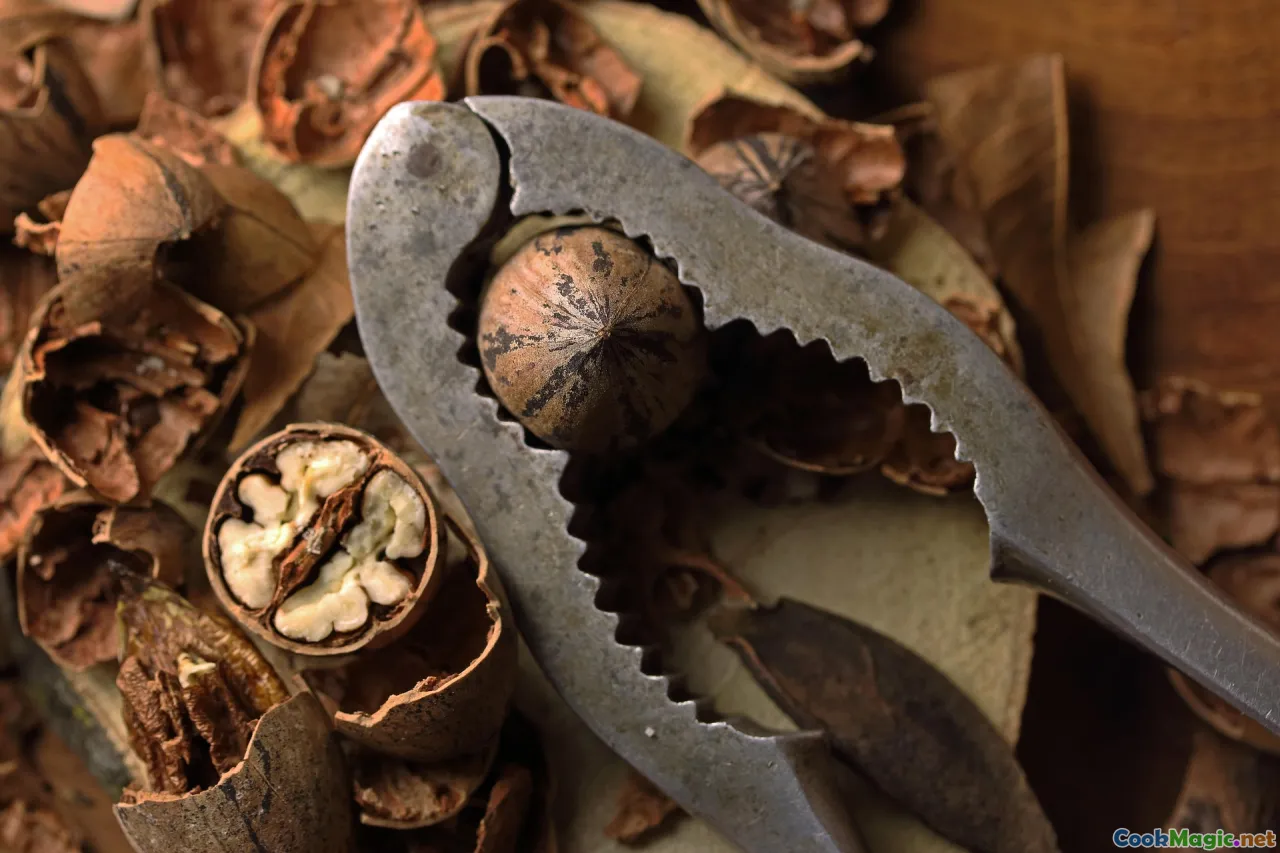
The Brazilian kitchen has a habit of simplicity that hides technique. For leite de castanha, you need only patience and good nuts.
Ingredients and ratios:
- For a drinkable milk: 1 part Brazil nuts to 4 parts water by volume (for example, 1 cup nuts to 4 cups water).
- For a cooking milk: 1 part nuts to 3 parts water.
- For a cooking cream: 1 part nuts to 2 parts water. This is the lush stuff that will gloss a fish sauce or give body to a vegan pudim.
Method:
- Sort and rinse the nuts. Choose fresh, recently shelled Brazil nuts without a rancid aroma. If your bag smells like paint thinner, it’s past its prime.
- Optional toasting for flavor: Warm the nuts in a low oven (150 C) for 8 to 10 minutes until fragrant. This deepens chocolatiness but reduces a little freshness; I toast lightly for desserts and keep nuts raw for sauces with herbs.
- Soak: Cover with water and a pinch of salt. Soak 4 to 8 hours, or overnight. For a fresher, greener profile, a quick 30-minute soak in just-boiled water works in a pinch, but you’ll lose a little silk.
- Drain and rinse. Discard the soaking water.
- Blend: Combine nuts with fresh water (per your ratio). Start low, then blend on high for 60 to 90 seconds until the pitcher feels warm and the milk looks even.
- Strain or not: For smooth milk, pass through a nut milk bag or a clean, thin kitchen towel. For cooking creams, I often do a half-strain through a coarse sieve to keep a whisper of texture.
- Season to the use: Pinch of salt to wake up savory applications; a drop of vanilla or a shaving of cumaru (tonka) for desserts, if you have access.
Storage: Keep in a sealed glass jar up to 3 days in the fridge. Shake before use; natural separation is a sign of honesty, not failure. For longer storage, freeze in silicone molds; the fat makes it thaw beautifully.
Pro tip from a Pará cook who taught me in Santarém: blend a tiny square of cassava bread or a teaspoon of tapioca starch into the cream you plan to cook in sauces; it holds the emulsion when reheated and gives the gloss that restaurant plates seem to hoard.
Working with heat: how to keep it glossy, not gritty
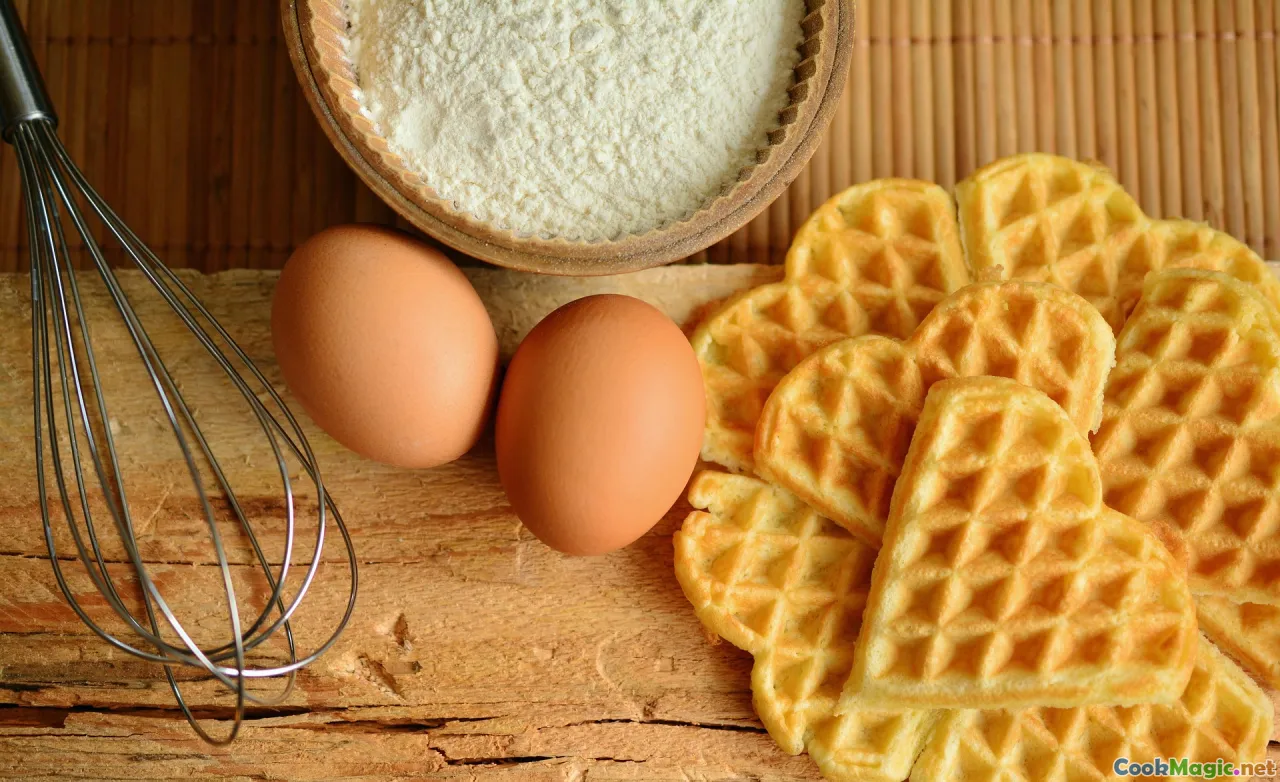
Brazil nut milk has enough fat to set into a lush cream if you coax it. The rules are simple:
- Low and slow: Bring to a simmer over low heat, whisking occasionally. High heat can break the emulsion and emphasize bitterness.
- Salt later: Salt tightens plant proteins; add your salt near the end of cooking.
- Thickeners: A teaspoon of tapioca starch per cup of milk, whisked in cold and heated gently, gives wonderful elasticity. Cornstarch works too, but loses gloss.
- Emulsifiers for precision: For a sauce that refuses to split, a pinch of sunflower lecithin (about 0.3% by weight) helps. For most home cooking, careful heat is enough.
If your sauce does split: pull from the heat, whisk in a splash of hot water, and return to low heat. Often it will re-emulsify with patience. A stick blender is the emergency fix.
Cultural roots and the ethics of a glass

In Acre and Amazonas, castanheiros follow forest trails to collect the heavy pods — ouriços — during the wet season. Families crack them with machetes in a rhythm that is part work, part song. Much of Brazil’s best castanha moves through cooperatives like Cooperacre or arrives at Belém’s docks on boats from the Tapajós and Xingu rivers.
Buying good Brazil nuts is not only a question of flavor; it is a vote for standing forest. These trees fruit only in biodiverse forests where their pollinators and seed dispersers thrive. Mature trees are protected by law in Brazil, and extractive reserves such as Chico Mendes are living proof that value can flow from a living forest. When I buy nuts with a clear cooperative origin or a fair-trade mark, I’m choosing a supply chain that keeps the forest an active kitchen rather than a fallen memory. And yes, you can taste it; the fresher the nut, the more that living forest perfume comes through the milk.
Brazil nut milk versus cashew, coconut, and almond

- Cashew milk (leite de castanha de caju): Creamy and sweet with lower bitterness. It is the darling of northeastern Brazilian kitchens. It blends silky for sauces like moquecas when coconut is too insistent. For desserts requiring a soft body, cashew is easier. For depth and a chocolate-adjacent note, Brazil nut wins.
- Coconut milk: Carries the room with fragrance. For Bahian moqueca or quindim, coconut is definitive. When you want the sauce to whisper rather than sing falsetto, Brazil nut milk provides luxury without coconut’s unmistakable stamp.
- Almond milk: Ligther, cleaner, often watery unless fortified. It lacks the fat needed for saucework. If you’re crafting a vegan pudim or ice cream, Brazil nut milk brings texture that almond cannot.
In coffee: Brazil nut milk steams decently if you go for the 1:2 cream ratio and add a bit of lecithin or oat syrup. The foam is richer than almond, less stable than oat. Flavor-wise, it flatters medium-roast coffees, adding a praline edge.
Dessert atelier: translating Brazilian sweets through Brazil nut milk
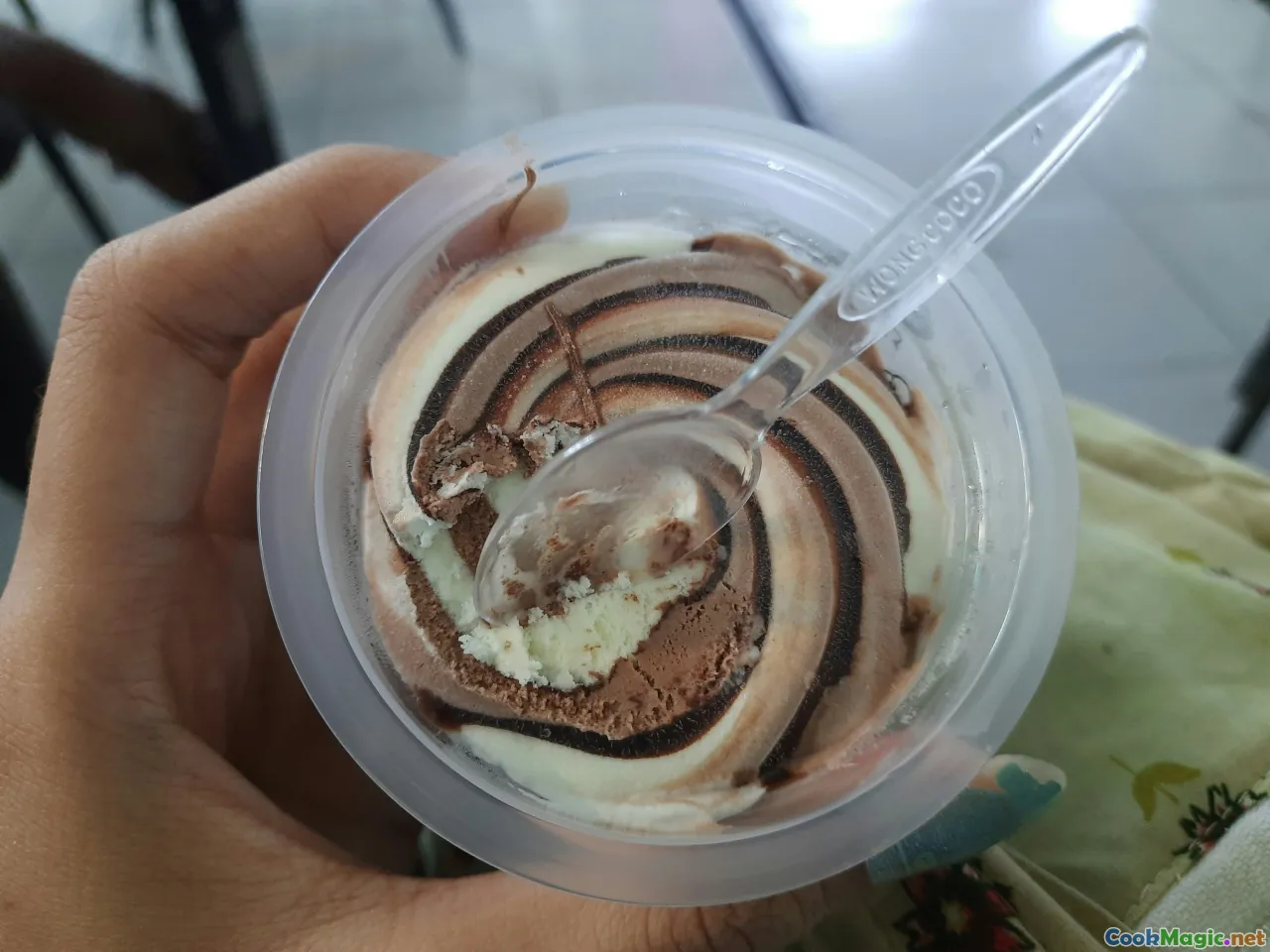
Brazil nut milk has a natural dessert intelligence. It wants to behave like cream; give it permission. A few compositions from my kitchen that carry the flavor of the Amazon without dairy:
- Pudim de castanha
Pudim, Brazil’s beloved flan, is usually anchored in dairy and eggs. Here, Brazil nut milk becomes the custard’s backbone.
- Caramel: Melt 1 cup sugar until amber; pour into a ring mold, tilt to coat.
- Custard: Blend 2 cups Brazil nut cream (1:2 ratio), 1 cup coconut milk, 1 cup sugar, 1 teaspoon vanilla or a microplane’s worth of cumaru, and 5 tablespoons tapioca starch for elasticity. If you eat eggs, two yolks add sheen; if not, hold steady — the starch does the job.
- Bake: Pour into the caramel-lined mold, cover with foil, bake in a bain-marie at 160 C for 55 to 70 minutes until just set in the center.
- Chill overnight. It unmolds with a wobble that would impress any grandmother. The taste: Brazil nut’s praline hum, coconut rounding the edges, caramel weaving in bitterness and shine.
- Brigadeiro vegano de castanha
Brigadeiro — the spoonable chocolate truffle of birthday tables — usually relies on condensed milk. You can approximate its lushness with a quick Brazil nut condensed milk.
- Condensed Brazil nut milk: Simmer 3 cups Brazil nut milk with 1 cup sugar and a pinch of salt over low heat, stirring, until reduced by half and syrupy, 30 to 40 minutes.
- Chocolate phase: Whisk in 120 g dark cocoa powder and 2 tablespoons coconut oil. Keep stirring until thick ribbons form and the mixture pulls from the pan, 10 to 15 minutes.
- Cool, roll in chopped toasted Brazil nuts or cacao nibs. The bite: fudge with a bass note, a little forest shadow in the aftertaste.
- Sorvete de castanha com cupuaçu
Brazil nut milk loves sour-fruited Amazon companions. Cupuaçu, with its tangy, tropical yogurt acidity and aromas of pineapple and white chocolate, is the perfect foil.
- Base: 2 cups Brazil nut cream, 1 cup water, 3/4 cup sugar, pinch of salt.
- Stabilize: 1 tablespoon tapioca starch hydrated in a bit of cold water.
- Heat to dissolve sugar and thicken lightly. Chill thoroughly.
- Churn, then ripple in 1/2 cup cupuaçu pulp puree. Freeze. Each spoonful alternates cream and brightness, like light and shade beneath canopy leaves.
- Curau de milho e castanha
Curau is a creamy corn custard often made with milk. Blend the kernels of 4 ears fresh corn with 2 cups Brazil nut milk, strain, and cook with 1/2 cup sugar, pinch of salt, and a sprig of cinnamon until thick, stirring. Finish with grated Brazil nut on top. It tastes like the gentlest autumn, with a forested exhale.
Savory cooking: fish in a velvet of nuts

A classic of Pará is fish cooked with Brazil nut milk. I’ve eaten versions with filhote, pirarucu, and tambaqui. The method is less a recipe, more a grammar.
Method grammar for fish in Brazil nut milk:
- Aromatics: Sweat a small diced onion and a minced pimentinha-de-cheiro in a tablespoon of neutral oil until translucent. Add a chopped sprig of chicória-do-pará (culantro) or cilantro stems and a leaf of bay.
- Fish: Season thick fillets of firm, white fish with salt and pepper. Sear in the aromatics until barely golden; remove to a plate.
- Sauce: Deglaze the pan with a splash of white wine or a squeeze of lime and a ladle of fish stock if you have it. Add 2 cups Brazil nut cream (1:2 ratio), bring to a bare simmer, and whisk in a teaspoon of tapioca starch if you want extra body.
- Finish: Return fish to the pan to finish cooking gently in the sauce. Salt to taste. Scatter with cilantro and a glimmer of olive oil. Serve with arroz branco or farofa of toasted manioc flour and chopped Brazil nuts.
The sauce is not showy. It holds the fish like a careful embrace. If you want more Amazon on the plate, add a spoonful of tucupi reduction — but know that the Brazil nut milk is the star.
Other savory ideas:
- White moqueca, dairy-free: Build your moqueca base with onion, garlic, tomatoes, annatto oil, and peppers. Skip coconut milk and finish with Brazil nut milk for a different, forest-laced version.
- Creamed cassava hearts: Roasted palm hearts folded into Brazil nut cream and perfumed with native basil. It eats like a gratin without cheese.
- Creamed greens: Jambu is traditional to tucupi dishes, but quickly wilted spinach or taioba leaves in Brazil nut milk, finished with nutmeg and lime, is a weeknight gift.
Using the pulp: waste nothing, taste everything

The strained pulp — think of it as castanha okara — is culinary gold.
- Farofa de castanha: Toast the damp pulp in a skillet with butter or olive oil, then fold in farinha de mandioca. Season with salt, pepper, and chopped herbs. Sprinkle over roasted fish or stewed black beans for crunch and perfume.
- Sequilhos de castanha: Combine 1 cup nut pulp, 1/2 cup sugar, 2 cups polvilho doce (sweet cassava starch), and 4 tablespoons coconut oil. Roll into small balls, flatten with a fork, bake at 170 C until just set. These melt into sandy, nutty whispers.
- Paçoca de castanha: Pulse pulp with toasted peanuts or more Brazil nuts and rapadura sugar, a pinch of salt, and a breath of cinnamon. Press into a pan; slice into squares. It is street candy, forest-scented.
Pro tip: Freeze pulp in thin sheets. It thaws quickly and drops into soups, stews, and smoothies for body.
Troubleshooting and technique tips

- Bitterness showing up? You overroasted the nuts or heated the milk too fast. Use raw nuts or reduce heat.
- Splitting sauce? Remove from heat, whisk in hot water, and return gently to a bare simmer. Next time, add a little tapioca starch from the start.
- Too thin? Increase nut ratio or simmer longer. Brazil nut milk reduces beautifully; let time do its work.
- Too rich? Blend in a little water or a light vegetable stock. Brazil nut milk is forgiving — it listens.
- Freezing and thawing: Freeze in 1/2-cup portions. Thaw in the fridge and re-emulsify with a quick blend or shake.
- Flavor building: For desserts, a shave of cumaru or a split vanilla bean lives happily in warm Brazil nut milk. For savories, think culantro, cilantro, lemon zest, and black pepper.
Pairings: friends of the forest
Brazil nut milk’s best friends are ingredients that either mirror its roundness or poke joyful holes in it.
- Fruits: cupuaçu, bacuri, taperebá (cajá), passion fruit, mango, roasted pineapple. Sharp, fragrant fruits dance on that creamy stage.
- Chocolate and coffee: It carries cocoa like an understudy who’s ready at any moment to take the spotlight. In a mocha, it’s like a praline latte.
- Spices and herbs: cinnamon, star anise, clove for warmth; cilantro, culantro, and native basil for savory glow.
- Grains and roots: white rice, black rice, tapioca, yuca, roasted sweet potato. Brazil nut milk loves a starchy companion; together they become silk.
Health notes for cooks, not doctors
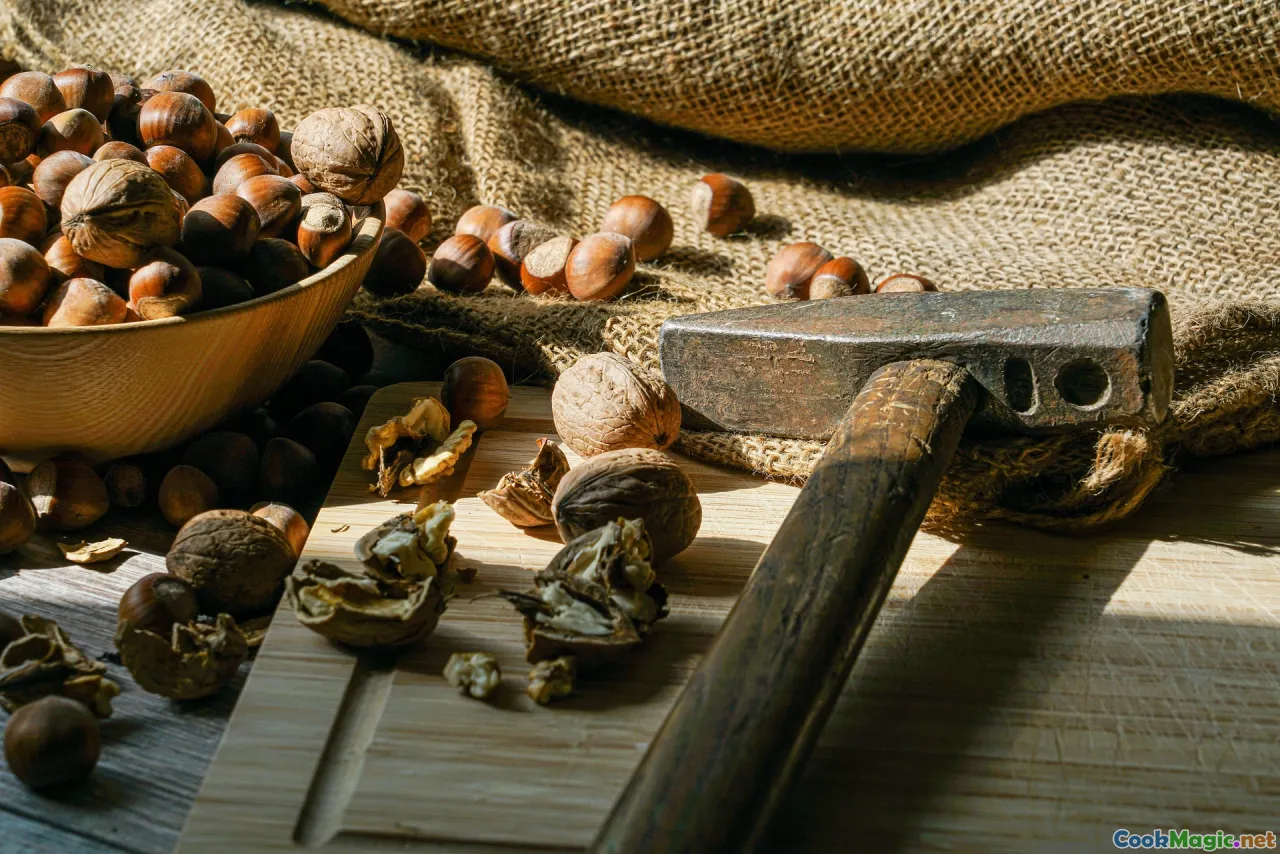
Brazil nuts are famously rich in selenium, a micronutrient we do not need to pile on without thinking. One large nut can contain more than a day’s worth of selenium. If you drink Brazil nut milk regularly, be mindful of how much nut matter you’re consuming, especially in unstrained preparations. I think of Brazil nut milk as an ingredient for moments of pleasure and craft, not an all-day chug. In desserts and savory dishes where a cup or two of milk spreads across multiple servings, you get the luxury without the excess.
Pantry and sourcing: choosing good nuts and keeping them sweet
- Buy from a source with turnover. In the US and Europe, natural food stores often carry fresh, whole nuts. In Brazil, look for sacks that smell clean and sweet, not painty or musty.
- Whole, unchopped nuts store better. Chop or grind just before use.
- Store in airtight jars in the freezer for months of freshness. The fat is your friend until it meets oxygen; then it’s your foe.
- If you can find nuts from cooperatives or with a traceable origin in Acre, Pará, or Amazonas, you’ll often taste the difference in sweetness and perfume.
A few advanced tricks for the curious
- Whipped Brazil nut foam: Blend 500 ml Brazil nut cream with 1% sugar and 0.5% lecithin by weight, strain, and load into a siphon with one N2O charger. It makes a warm or cold foam that tastes like praline air.
- Brazil nut beurre monté: Whisk cubes of cold coconut oil into hot Brazil nut milk off the heat to create a glossy finish for vegetables or fish. It simulates the sheen of butter without dairy.
- Caramelized milk solids vibe: Simmer Brazil nut milk with a pinch of baking soda and sugar, stirring, until it deepens in color and smells like dulce de leche’s Amazon cousin. Use it to ripple into ice cream or spoon over grilled plantains.
Modern restaurants that inspired my home plates

In Belém, chefs at places like Remanso do Bosque have long championed Amazon ingredients with reverence and wit. I once tasted a sliver of pirarucu with a Brazil nut crust and a sauce reduced from fish bones and finished with a swirl of Brazil nut milk — no cream in sight, just that almond-forest perfume rounding the edges. In Santarém, at a hilltop restaurant overlooking the Tapajós, a cold soup of cupuaçu arrived with a drizzle of toasted Brazil nut oil, and I could feel in my bones how milk, oil, and fruit were a single story. These experiences do not end at the table; they teach your hands. Back in my kitchen, when I whisk Brazil nut cream into a pan sauce, I can hear the clatter of those Amazon kitchens and the soft slap of river water on boats.
A seasonal Brazil nut milk menu for the adventurous

- Aperitif: Praline-scented cachaça sour with a cloud of Brazil nut foam and lime oil.
- First course: Chilled corn and Brazil nut velouté with grilled okra and cilantro oil.
- Fish course: Filhote or cod loin in Brazil nut milk sauce, charred scallions, and farofa de castanha.
- Intermezzo: Shaved frozen Brazil nut milk with passion fruit granita.
- Dessert: Pudim de castanha with caramel shards and cupuaçu compote.
- Petit four: Sequilhos de castanha dusted with rapadura sugar.
Each course uses the milk differently — raw, reduced, foamed, thickened — letting the ingredient stretch and breathe.
Voices from the market: advice from castanheiros

A castanheiro once told me, while prying open an ouriço, that the secret to good milk is to treat the nut like a guest who traveled far. Do not drown it in spice; welcome it with clean water and time. If your kitchen has ever swelled with an impatient voice, you will understand the wisdom there. Brazil nut milk wants hospitality. Give it a clear space, a low flame, and a few good friends to share the plate.
The second piece of advice came from a woman selling herbs near a stack of chicória-do-pará: if your sauce tastes flat, add a green note. A handful of chopped cilantro stems infused in warm Brazil nut milk for five minutes, then strained, will make even a shy fish stand up like it heard its name.
Why Brazil nut milk belongs in the Brazilian pantry of the future

As Brazilian cuisine continues to reimagine itself beyond stereotypes, Brazil nut milk offers a tool for cooks who want lushness without relying on cows, who want to tell a story of forest on a plate, and who care about ingredients that keep landscapes alive. It is not a trend; it is a return. Riverine communities have long blended nuts with water to feed families and flavor fish. Contemporary kitchens can take that wisdom and build truffles, sauces, custards, and broths that speak softly but carry a giant tree behind them.
If you cook for dairy-free friends, you will watch their faces relax into recognition: this is not a compromise. If you cook for omnivores, you will watch their spoons return to the bowl without a question. The cook’s work is to notice and translate. Brazil nut milk is a fluent language for sweetness and savor.
On nights when the rain comes down hard and I want the kitchen to be smaller and warmer, I soak a handful of castanhas and pull the blender from its corner. The milk that comes out is an old friend now, but it still carries the market’s early light in its sheen. I pour it into a pot with garlic and a few cilantro stems, let it steam until fragrant, and then decide: shall this become a sauce for fish, a custard, a custard disguised as a sauce? It almost doesn’t matter. What matters is the hush that falls when the first spoonful reaches the mouth. In that quiet is a map back to the river, the forest, and a nut that makes milk with memory.