Balkan Cheeses Used in Macedonian Cuisine
32 min read Explore the signature Balkan cheeses—sirenje, kashkaval, urda—shaping Macedonian dishes, with origins, textures, and cooking uses, plus pairing tips for salads, pastries, and grilled specialties. December 28, 2025 07:05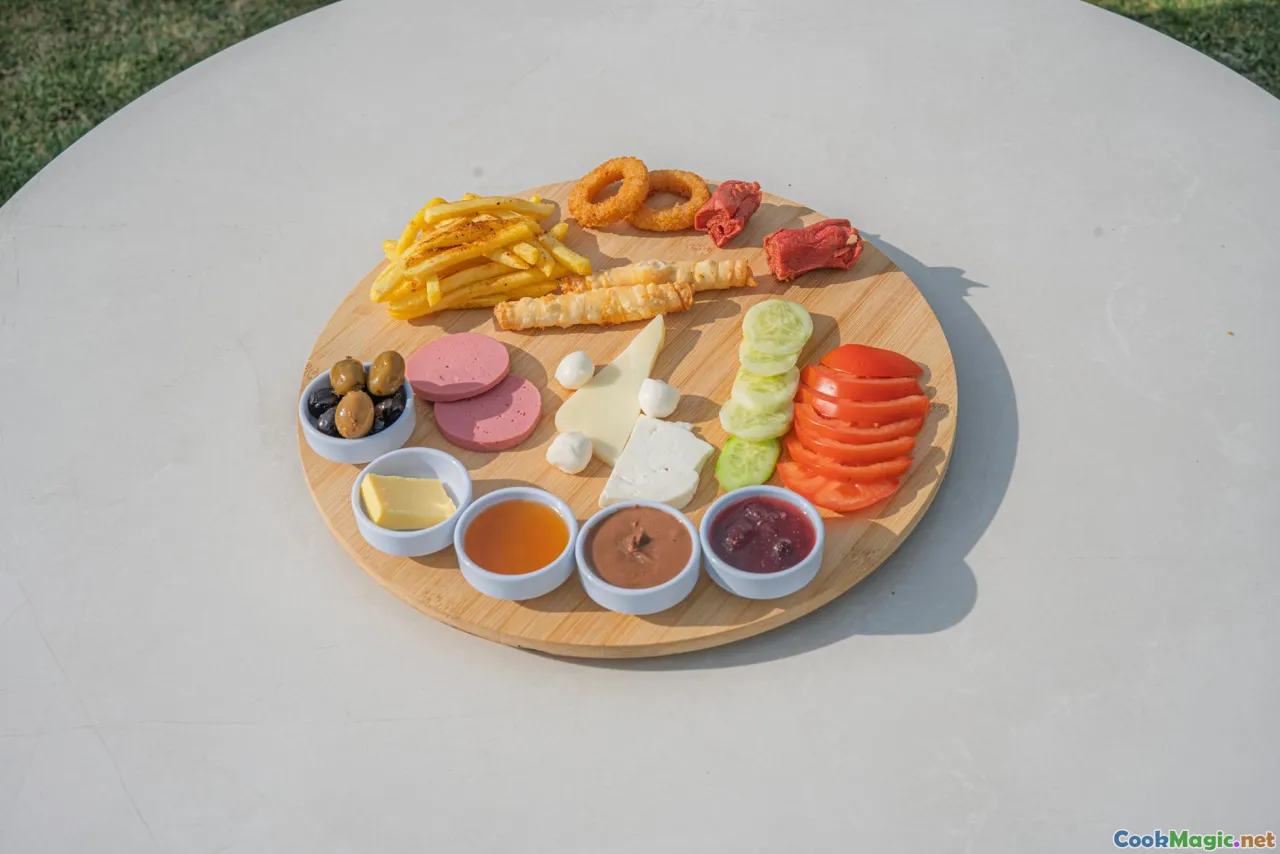
I still remember the way the morning light poured over Skopje’s Old Bazaar, gilding every copper tray and pyramids of green fefferoni, and how the air around Bit Pazar smelled faintly of milk and wet wool. A cheesemonger with hands like weathered beech handed me a wedge of something snowy and taut. “Taste,” he said, and it broke under my thumb with a clean, squeaking crumble. Salty, bright, sheepy but not harsh—like sunlight on stone. “Sirenje,” he smiled, “the white heart.” That single bite opened a door into Macedonian kitchens where cheese is not garnish but structure—where a salad is incomplete without a snowfall of brined curds, where a pie sings only when it warms the golden edge of kaškaval, and where shepherds coax character from mountain wind and grass.
The Landscape of Milk: Pastures, Flocks, and the Cheese Map of Macedonia

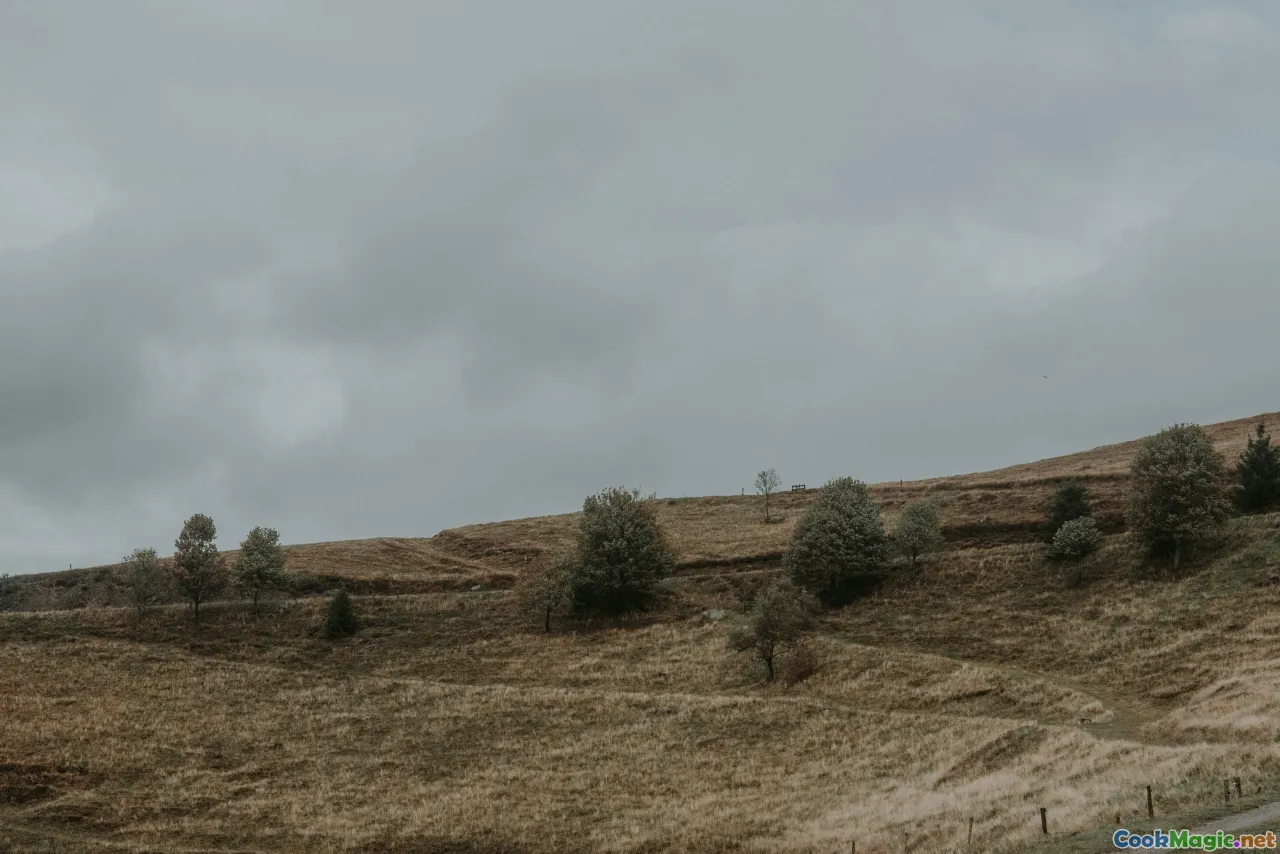
Macedonia’s cheeses don’t come from factories; they come from a geography that insists on itself. Westward, the Shar Planina (Sar Mountains) stitch a dramatic line across the horizon—emerald summers, snow-patched springs, wild thyme bruising under hooves. In Mavrovo National Park, ewes graze on herbs so fragrant you can smell mint and savory on their fleece by late afternoon. South, around Ohrid and Prespa, lake breezes temper the heat; in Mariovo, the landscape opens like a rough palm—dry, rugged, and honest.
Milk here is mostly sheep, some cow, a good percentage goat in smaller homesteads. The old rhythms matter: spring lambing, summer transhumance, autumn cooling. If you’ve ever had sirenje in June and again in October, you know the difference instinctively. Early in the season, it’s lactic and lemony, the sheep still grazing on new growth. By autumn, the cheese settles into itself—more savory, a little silken from the milk’s increasing butterfat.
I sat once under a poplar near Galičnik with an elderly dairyman named Trajko, who cut a thin slice of kaškaval and held it to my nose. “This is the meadow in August,” he told me. And when I tasted, there it was—dry grass, resin, the faint sweetness of chamomile. Cheese in Macedonia is memory made edible.
Sirenje: The White Brined Heart of the Table
If Macedonian cuisine has a heartbeat, it’s the rhythmic chop of tomato and cucumber answering the crumble of sirenje. Sirenje is a family of white brined cheeses—belo sirenje—made from sheep’s, cow’s, goat’s, or mixed milk. It’s cured in salt brine, ripened to a gentle firmness, and sliced into thick slabs like limestone. The best has a clean break, a fragile crumb, and a perfume of cool lactic tang under a confident saline halo.
Taste notes shift by milk and maker:
- Sheep’s milk sirenje: definitive and rounded, with a buttery edge and a whiff of pasture. It coats the tongue, then clears like sea spray.
- Cow’s milk sirenje: milder and milk-sweet, sometimes tangier in smaller home productions.
- Goat’s milk sirenje: herbaceous, sometimes peppery, with an angular freshness that sings in salads and spreads.
In Macedonian kitchens, sirenje turns up everywhere. In Šopska salata—the Balkan classic—the tomatoes must be ripe to the point of perfumed collapse, cucumbers crisp, peppers sweet or roasted, and the sirenje grated or crumbled almost to snow. In zelnik, that spiraled pie of crackly layers and gentle steam, sirenje gives the filling its salt spine, whether it’s tucked into leeks, spinach, or wild sorrel. I’ve watched a cook in Bitola fold sirenje into warm polenta for kačamak, then crown it with kajmak, turning corn and curd into a mountain of comfort that smells like a dairy barn in the most healing way.
My favorite temple to sirenje is simpler: sirenje vo folija—cheese baked in foil with slivered tomatoes, a sprig of fresh oregano, and slit hot peppers. When you open the packet, it smells like a pizzeria wandered into a shepherd’s hut: hot dairy, roasted sweet-acid tomatoes, and the grassy prickle of oregano oils releasing in steam. Spoon it over grilled bread, the brine waking up each charred bubble.
Kaškaval: The Golden Wheel of the Highlands

Kaškaval is the cheese you set out with pride—golden, smooth, a wheel that seems to store sunlight. Macedonian kaškaval is typically a semi-hard cheese made from sheep’s milk or a mix, shaped, then matured until it can slice cleanly and bend without snapping. In the highlands near Galičnik and Mavrovo, I’ve seen aging rooms lined with wheels on pine shelves, the air smelling of warm butter and sweet hay.
Well-made kaškaval tastes like toasted cream—nuttiness just flirting with caramel—balanced by a gentle salinity. The mouthfeel is springy; it doesn’t crumble, it gives. When you warm it, it stretches into glossy strands that cling like old friends.
Macedonians treat kaškaval with both reverence and play:
- Kaškaval na skara (grilled): Sliced thick and kissed by the grill until it’s striped and limber; the edges crisp, the center molten. A squeeze of lemon, a crack of pepper, and it smells richer than it has any right to.
- Kaškaval pane (breaded and fried): A crunch that yields into a bubbling center. Served with tart pickled peppers, it’s a study in contrasts—salt, acid, fat, crunch, melt.
- In pastries: While sirenje is the anchor, a handful of grated kaškaval melts into the layers of a burek or zelnik, glueing steam and flavor into every leaf of dough.
Pair it with Vranec, the nation’s big-hearted red—plummy, slightly rustic—or sip rakija while nibbling kaškaval and green olives at dusk. The cheese loves a companion with backbone.
Bieno Sirenje: The Knitted Cheese of Mariovo

Bieno sirenje—literally “beaten” or “worked” cheese—is a revelation. It’s a stretched-curd style reminiscent of pasta filata, but more rugged: curds heated and kneaded in hot whey until they become elastic, then pulled and folded, sometimes braided, finally cooled and brined. Slice it and it shows layers—fine striations that shimmer when the light catches the cut.
The bite is squeaky, like halloumi but subtler, with a flavor that begins salty, then softens into milk-sweet warmth and an herbal whisper. In Mariovo, a region whose hills look drawn in charcoal, bieno sirenje carries the landscape’s quiet intensity.
How I learned to eat it: a woman in a stone house outside Prilep unwound a ribbon of bieno sirenje like a spool, draped it over roasted green peppers, and finished with a breath of red pepper flakes. The cheese softened but held, releasing a perfume of warm whey. Another time, I watched it grated over a skillet of eggs and spring onions—the strands curving and melting into silken threads.
If you find bieno sirenje, try these at home:
- Warm slices in a dry pan until just flexible, then wrap around roasted peppers and fresh dill.
- Shred into hot mashed potatoes with garlic and parsley for a Macedonian-leaning take on comfort food.
- Tuck into pastry pinwheels with blanched chard; it holds shape and seasons every bite.
Urda: The Gentle Whey Whisper
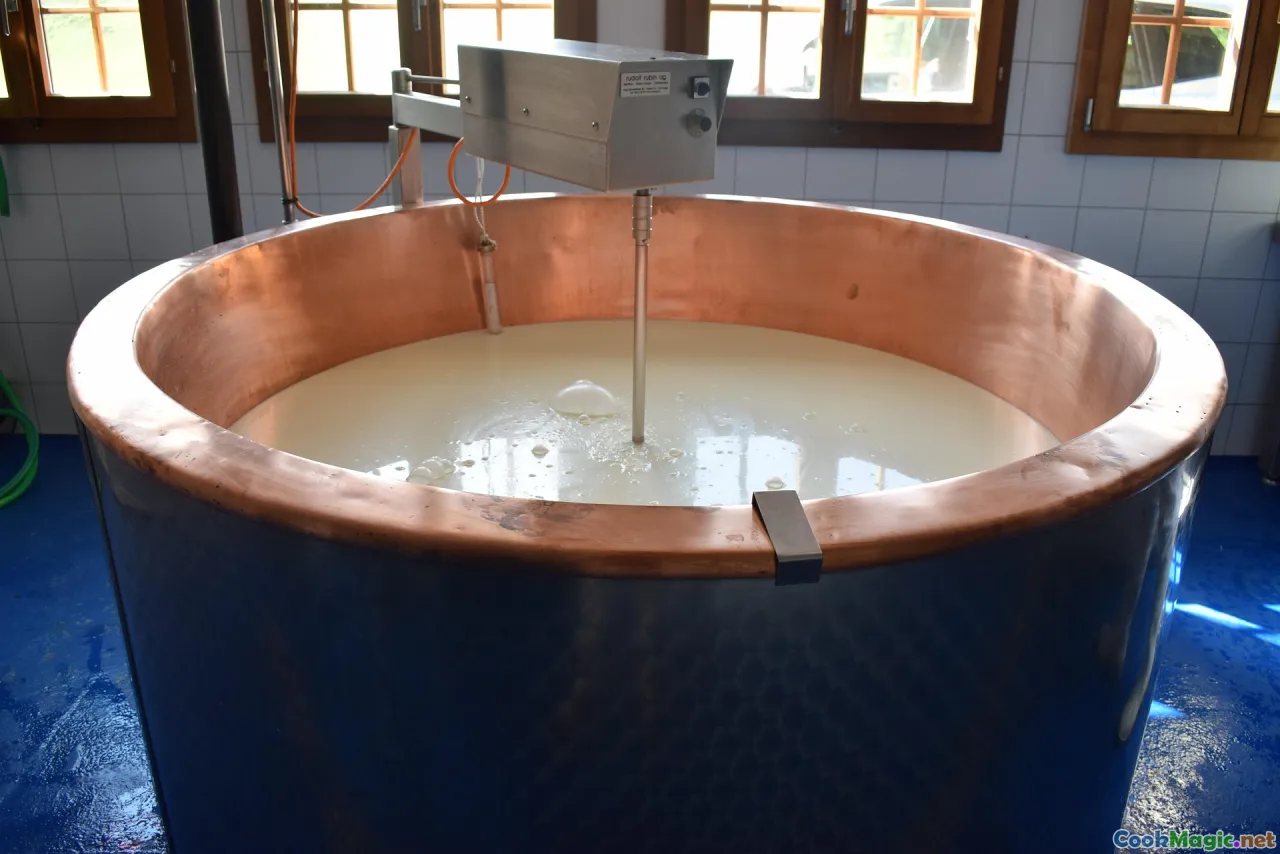
If sirenje is a declarative sentence, urda is a sigh. It’s a whey cheese akin to ricotta—formed from the leftover whey after curds have been lifted, then gently heated until fine proteins bloom into a cloud of curd. Fresh urda tastes faintly sweet, like milk tea, with a soft, round texture that picks up whatever herbs you fold into it.
You’ll see urda nestled in pastries, especially in spring when herbs are tender. I’ve had urda whipped with dill and young garlic as a spread for warm komat bread; I’ve eaten it mixed with honey and ground walnuts spooned over mekici (yeasted fried dough) on a Sunday morning in Bitola. There’s a dessert in Ohrid where urda is perfumed with lemon zest and tucked into filo with a dusting of sugar—when it bakes, it smells like a dairy kissed by sunshine.
For savory pies, an urda-spinach partnership creates a creamy, bright filling—less salty than sirenje, more delicate. Stir urda into hot pasta with browned butter and sage, and it will grasp the noodles like a hug from a kind aunt.
Shar Mountain Cheeses: High Pasture Character

The Shar Planina region, looming above Tetovo, is a stronghold of white brined cheeses that locals will simply call “Shar cheese.” Typically sheep’s milk and brined, it’s a cousin to sirenje but often with a firmer structure and a deeper, slightly spicy pasture note—think wild mint, iron-rich greens, and a hayloft in the afternoon.
At the Tetovo market, I tasted a version that crumbled into pearly flakes—salty and assertive, delicious with roasted peppers slicked in oil. Another wheel, a touch creamier, had a grassy sweetness that felt like the first minute under a wool blanket. Shar cheeses are wonderful in stuffed peppers (polneti piperki): cut the tops, seed the pale green peppers, crumble in Shar cheese with chopped parsley and a thread of olive oil, then bake until the peppers’ skins blister and perfume your kitchen.
Markets and Makers: Finding Cheese in the Wild
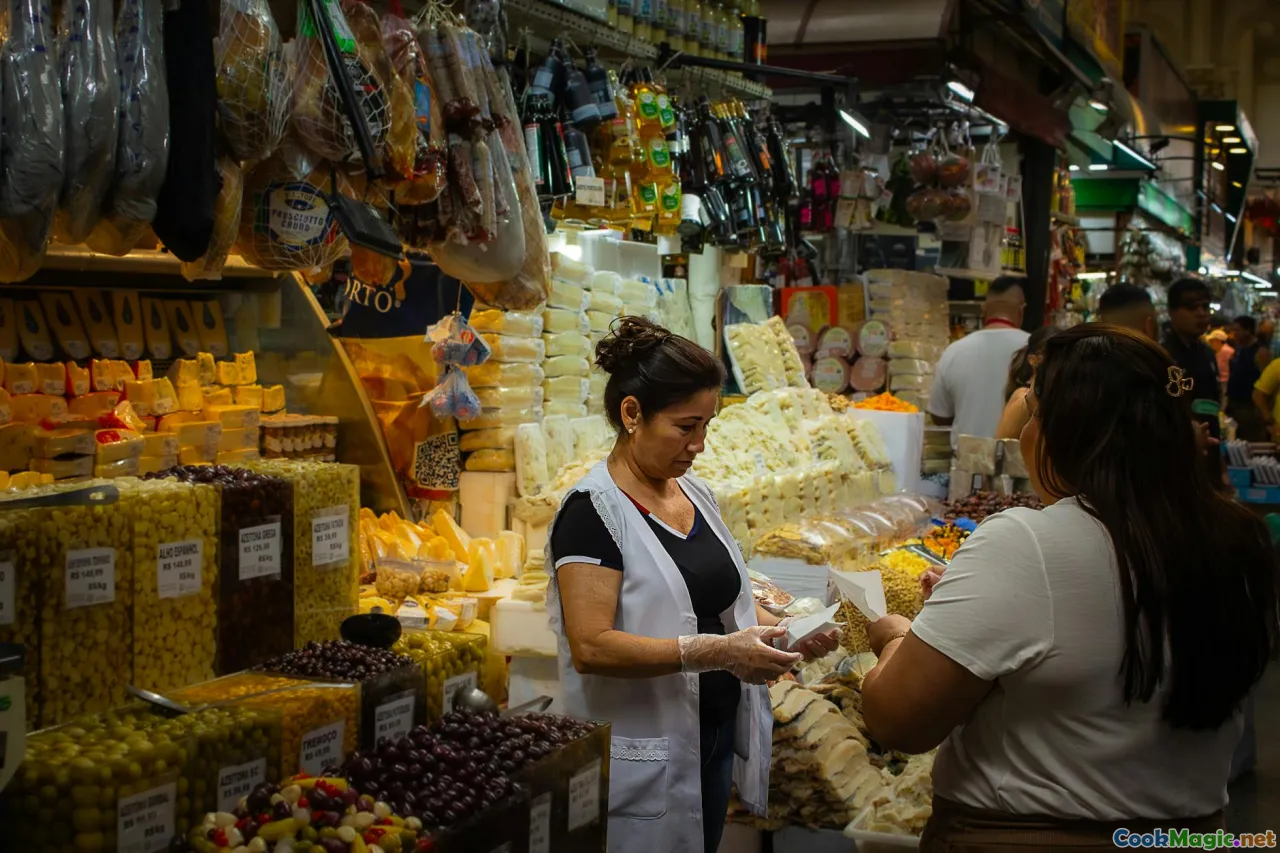
Every market tells you what people eat at home. In Skopje’s Bit Pazar, look for plastic tubs of brine in fishmongers’ coolers—not fish, but sirenje kept cold and wet, halos of fat trembling on the surface. Ask to taste; the vendor will cut a square, dunk it in water to temper the salt, and hand it to you like a sacrament.
In Bitola’s Sirok Sokak café-lined promenade, duck into side streets for small dairies selling urda by the scoop. In Ohrid, early morning near the old town walls, grandmothers in aprons sell herbs and a soft cow’s milk sirenje so fresh it still smells like the stable in the gentlest way. In Prilep, near the market on a Saturday, I watched a man wrap bieno sirenje in white paper, then write my name on it like a personal promise.
If you can, go to Galičnik for the summer wedding festival and slip away from the traditional dance to visit a nearby dairy. The shelves of kaškaval look like stacked moons. Sometimes the cheesemaker will tap a wheel with his knuckle and hear a note only he can read.
Cooking with Macedonian Cheeses: From Skillet to Table

Brined cheeses can be bossy. The trick is learning when to let them lead and when to let them anchor.
Try these dishes at home:
-
Sirenje vo folija (baked foil cheese)
- Crumble 200–250 g sirenje into a sheet of foil; top with 1 ripe tomato in thin wedges, 1–2 hot green peppers slit lengthwise, a pinch of oregano, and a drizzle of olive oil.
- Wrap snugly; bake at 200°C (400°F) for 15–20 minutes until steaming.
- Serve with warm bread; the juices taste like a tomato decided to become soup inside the cheese.
-
Zelnik with leeks and sirenje
- Sauté sliced leeks in butter until sweet and silk-soft; cool, then fold in crumbled sirenje and a fistful of chopped parsley.
- Layer thin dough sheets, brushing each with oil. Spiral the filling into the pan, layer by layer.
- Bake until the top turns the color of toast edges; the kitchen will smell like the inside of a bakery that also keeps sheep.
-
Kačamak with sirenje and kajmak
- Cook coarse cornmeal in salted water until thick and bubbling. Off heat, fold in crumbled sirenje and a spoon or two of kajmak.
- The result is spoonable sunshine, intensely dairy-forward, best eaten hot with pickled fefferoni.
-
Kaškaval pane
- Chill kaškaval blocks so they hold shape. Bread in flour, egg, and breadcrumbs; fry until golden.
- Eat at once with a squeeze of lemon; the crunch tears to reveal a molten interior that strings into buttery ribbons.
-
Polneti piperki so sirenje (cheese-stuffed peppers)
- Mix sirenje (or Shar cheese) with chopped dill and green onion. Seed pale green peppers; pack with cheese.
- Roast until the peppers collapse slightly and release pepper perfume into the room; eat warm with bread to catch the juices.
-
Eggs with bieno sirenje and spring onions
- Soften sliced spring onions in butter. Crack in eggs; when barely set, scatter shredded bieno sirenje.
- The cheese will soften and squeak lightly; the pan will smell like Sunday morning on a farm.
A Brief History in Milk and Salt
Cheese in Macedonia is older than borders. The techniques came with shepherds and stayed with families. The Vlachs (Aromanians), exceptional herders, practiced transhumance: summers in the high pastures, winters in the valleys. Their milk traveled in skins and pails; their knowledge simmered over wood fires in copper kettles. The Ottoman centuries layered trade routes and tastes—brined white cheeses became everyday currency, and words braided across languages—sirenje simply means “cheese” in Macedonian, while kaškaval carries echoes of Italian caciocavallo and Turkish kaşkaval.
Monasteries, too, played a role, preserving recipes, teaching restraint in salt and patience in aging. If you bite into a particularly refined sirenje—clean, acid-sweet, with a delicate crumb—you may be tasting a lineage that once passed through a cloister where quiet taught precision.
Industrialization introduced uniformity, but rural makers still guard surprises. In Mariovo, the bieno technique persists because hands remember—how hot the whey must feel on the forearms, the exact moment the curd sighs into elasticity. In Galičnik, kaškaval wheels still learn patience in cool rooms where no one rushes them.
Ritual and Table: Cheese in Macedonian Life

Cheese appears not only on plates but in rituals.
- Spring tables: After Orthodox Easter, the market floods with green onions and fresh herbs. Families lay out platters of sirenje with radishes and tender lettuce dressed simply with oil and vinegar. The room smells alive—cut grass, pepper, and new milk.
- Summer weddings: At the Galičnik Wedding, after the dancing and the drumming, there’s always a table where a wheel of kaškaval is sliced ceremoniously. Guests take thin slivers that bend like petals, the cheese shining under the tent lights.
- Name days and Sundays: Mezze plates start with sirenje cut into thick dominoes, flanked by roasted peppers, ajvar, and cured meats. Rakija circulates; conversations loosen. Someone adds a plate of kaškaval na skara, and suddenly the room smells like a village byre turned into a grill house.
At home in Skopje, my friend Ana lays out a breakfast that could solve international disputes: sirenje, honey, tomatoes so ripe they smell perfumed, warm bread, and black olives. She insists you eat cheese and honey together—salt and flower, a pairing that tastes like the Macedonian summer compressing itself into a bite.
Across the Borders: Macedonian Cheeses in Balkan Context
Travel a few hours any direction and the cheese bears a familiar face but a different mood.
- Greek feta vs Macedonian sirenje: Feta often ages longer, leaning tangier and denser, sometimes with a chalky-luxurious crumble. Macedonian sirenje frequently lands milder and creamier, especially cow’s milk versions. Sheep’s milk sirenje can rival feta’s intensity but often carries a meadow-sweet nuance.
- Bulgarian sirene and shopska: Bulgaria’s sirene shares DNA with Macedonian sirenje—both brined whites—but Balkan borders blurr flavors; the Macedonian versions I love tend toward a slightly moister crumble, while some Bulgarian sirene is denser and more pungent. Shopska salad straddles these borders easily, its essential feature the copious white cheese snow.
- Kačkavalj of Serbia vs kaškaval of Macedonia: Same name family, different accents. Macedonian kaškaval, especially from highland sheep’s milk, skews herbaceous-nutty with a blonde-gold paste. Some Serbian versions lean slightly sweeter and milkier; both grill like champs.
- Shar cheeses with Kosovo/Albania: Along the Sar/Sharr mountains, cheese doesn’t honor passports. You’ll find kin cheeses labeled djathë i bardhë (white cheese) across Kosovo and northern Albania—briny, crumbly, and pastoral. The delight is in local micro-flavors: mintier here, earthier there.
What matters most: the maker, the pasture, the season. Ask questions, taste side by side, and enjoy how geography writes itself in salts and acids.
How to Buy, Store, and Tame Brined Cheeses

Brined cheeses are living things. Treat them kindly and they’ll reward you.
Buying tips:
- Ask to taste. A good vendor will rinse a sample quickly to soften surface salt and hand it to you. You’re looking for clean aroma—milk, yogurt, herb—not ammonia or sourness.
- Inspect the texture. Sirenje should crack cleanly, with a faint sheen; kaškaval should slice without crumbling and bend slightly when warmed by your fingers.
- Know your milk. Sheep’s milk packs flavor; cow’s is gentler. Blends can offer balance.
Storing:
- Keep brined cheeses submerged in brine in a glass or enamel container. If the brine tastes too salty, cut it with a splash of boiled, cooled water—not too much or the cheese will soften excessively.
- For opened pieces, wrap tightly and keep chilled; better yet, return to brine. Change brine if it gets cloudy or sour.
- Kaškaval prefers breathable wrapping (wax paper, then a loose plastic cover). Too tight and it sweats; too loose and it dries.
Taming salt and texture:
- Desalting: Soak a slice of sirenje in cold water for 15–30 minutes to reduce salt, changing water once. Taste as you go; you want flavor, not blandness.
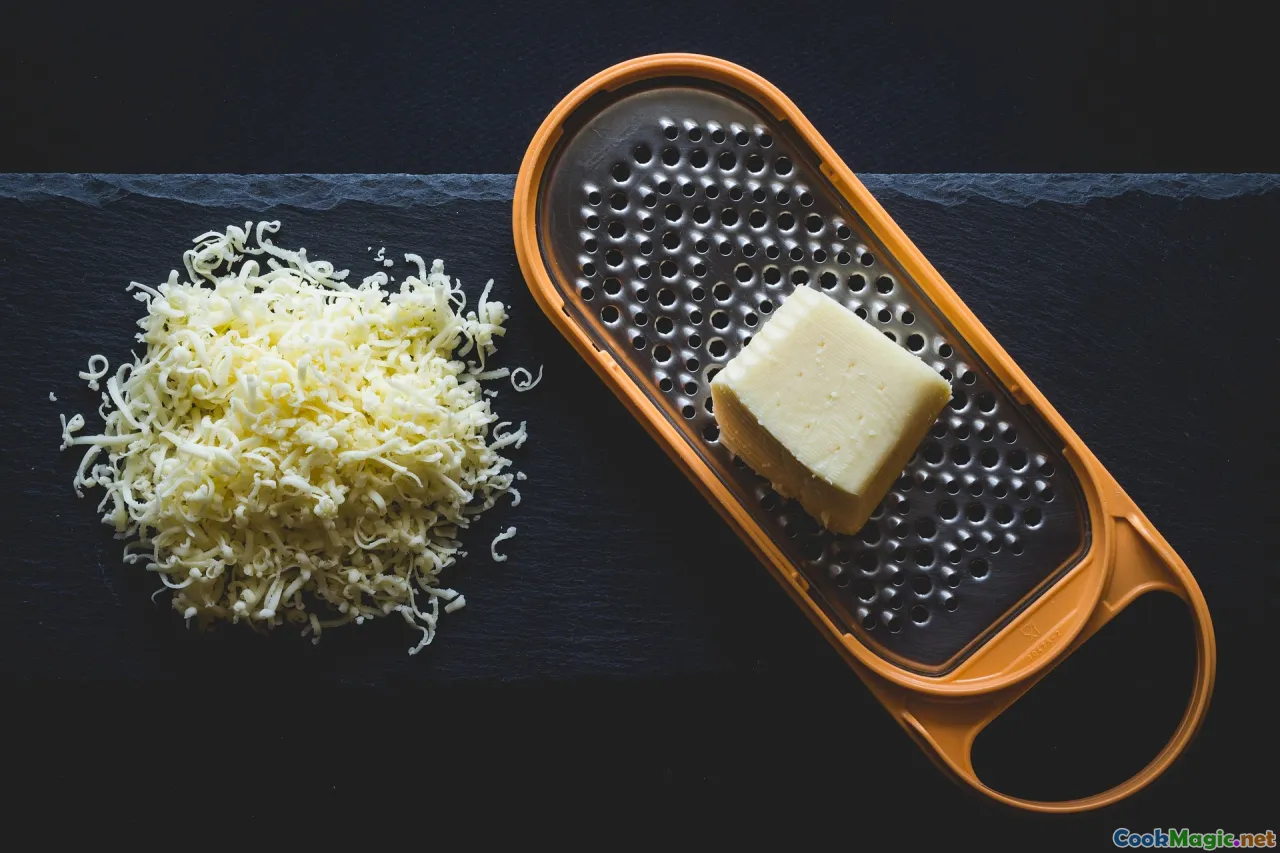
- Crumble cleanly by chilling first; for ribbons, use a coarse grater when the cheese is just shy of room temp.
- To revive slightly dry sirenje, dunk briefly in warm water—seconds only—then pat dry and serve.
Pairings and Plates: Building a Macedonian Cheese Mezze
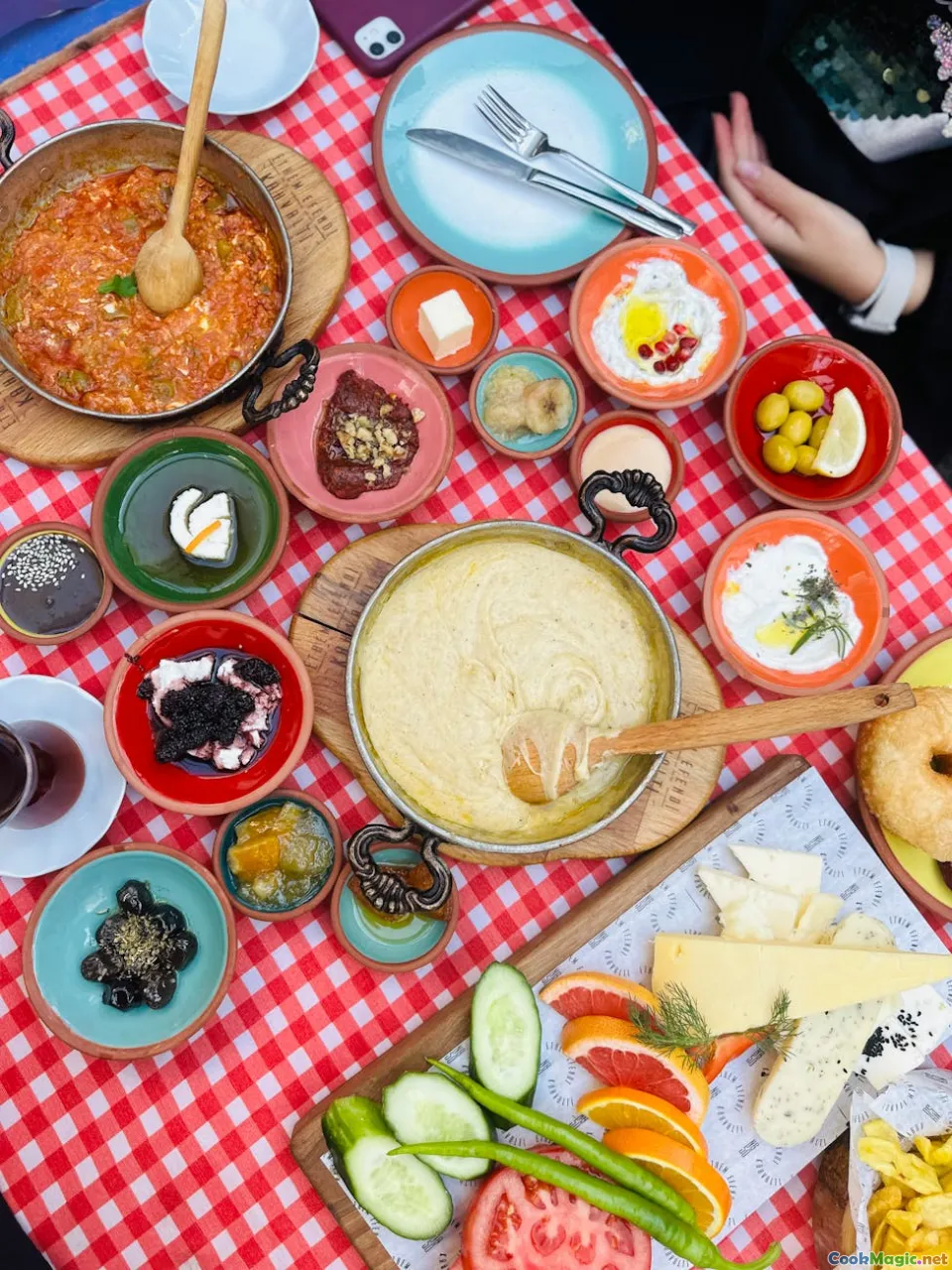
Set a table that tells a story:
- Cheese anchors: a slab of sirenje, a plate of kaškaval slices, a small bowl of urda dressed with olive oil and dill.
- Vegetables and relishes: roasted red peppers slick with oil, ajvar (smoky and sweet), pindjur (tomato-pepper relish), cucumber spears, ripe tomatoes, spring onions.
- Bread: warm lepinja or crusty country loaf to drag through cheese-tinged juices.
- Heat and acid: pickled fefferoni, lemon wedges.
- Drink: Vranec or Stanushina (if you find it), a cold lager, or apricot-scented rakija.
As you build bites—bread, smear of urda, pepper, sliver of kaškaval—it helps to alternate textures. Let the sirenje’s salt wake the sweet smoke of ajvar; let the urda’s softness cushion a crunchy pepper. Eat with fingers. There’s pleasure in the salt that glistens on your skin afterward.
A Cook’s Notebook: Little Techniques, Big Flavor
- Warm, don’t drown: when baking cheese with tomatoes, avoid watery tomatoes; they’ll leach and steam, muting flavor. Choose dense, late-summer fruit or roast them first.
- Lemon, the friend: a thin squeeze over grilled kaškaval tightens flavors and cuts fat elegantly.
- Herb partners: dill loves urda; oregano loves sirenje; thyme whispers to kaškaval. Parsley is the peacemaker among them all.
- Knife heat: to slice kaškaval cleanly, dip your knife in hot water, wipe, and slice—especially in summer when kitchen heat makes the cheese lazy.
- Salting pastry fillings: remember sirenje brings salt. Under-season fillings you plan to fold it into, then adjust at the end.
Places to Taste: From Mountain Inns to City Corners

- Skopje, Old Bazaar (Čaršija): Duck into one of the mehanas for grilled kaškaval and a tomato-cucumber salad blanketed with sirenje. Sit outside if you can; the smell of grills and the clink of tea glasses add seasoning.
- Bitola, side streets off Sirok Sokak: Small bakeries in the morning sell zelnik where you can taste the dance between leeks and sirenje; ask for one “so sirenje i spanak” (with cheese and spinach).
- Ohrid, near the Kaneo quarter: Lakeside eateries often serve sirenje vo folija with local oregano, fragrant from the hills; eat it as the sun turns the water copper.
- Galičnik and Mavrovo: Guesthouses serve kačkaval from nearby dairies. The night air smells like pine sap; the cheese on your plate tastes like the day’s pasture.
- Tetovo market: Look for Shar cheese; vendors will speak about their flocks the way poets speak about rhyme.
What Cheese Teaches: A Personal Note

On my last trip, I stayed in a village where the wind braided the smell of woodsmoke and wet grass. Every morning, the family set out a plate: sirenje like white masonry, kaškaval in thin golden arcs, and a small bowl of urda swirled with honey. We ate quietly at first, then chatted, then laughed. Cheese is like that—it loosens a day.
Macedonian cheeses don’t ask to be center stage; they insist on making the stage more honest. They bring salt and story to beans baked slowly in earthenware, to pepper skins blistered in summer heat, to pastries that crackle into steam. They carry the touch of hands—those who moved the flock, who stirred the vat, who lifted the curd at exactly the right moment because their grandmother once stood behind them and nodded, saying nothing.
Back in my own kitchen, thousands of kilometers away, I grate kaškaval over eggs and the pan fills with a smell that is both breakfast and hillside. I crumble sirenje over tomatoes and suddenly it is June in Skopje and the market hums and the cheesemonger smiles. I spoon urda onto toast with honey and there’s the sound of bees, the clink of a spoon against enamel, the satisfaction of a small, perfect thing.
That’s the miracle of Macedonian cheese: it turns milk, salt, and time into a way to keep a place in your mouth. It teaches patience. It teaches attention. Bite by bite, it makes the Balkans legible—even to those of us who arrive with empty plates, ready to learn, and leave with pockets smelling faintly of dairy and wild thyme.